Japan · Okayama-ken
Where to Stay in Okayama, Okayama-ken
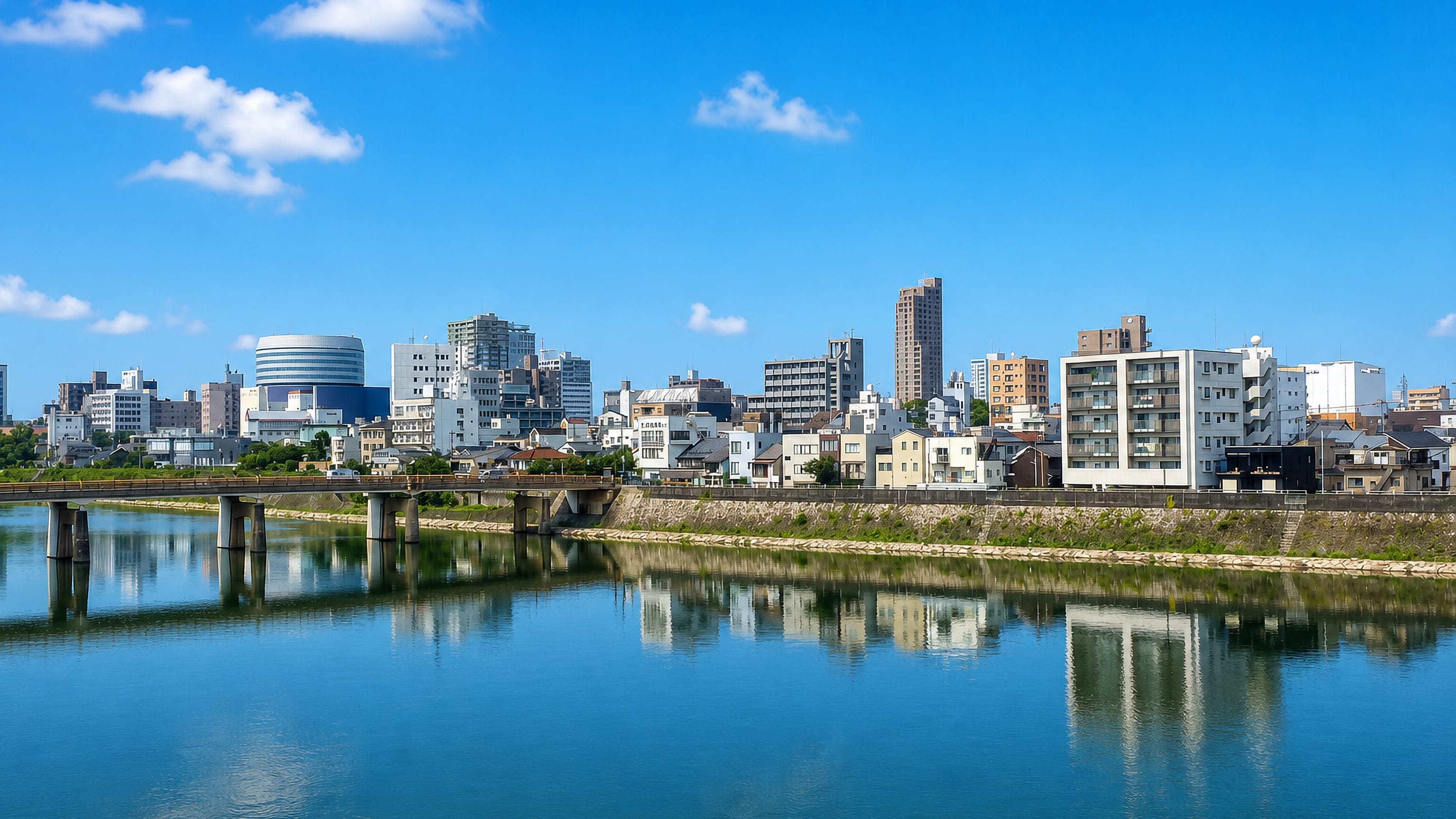
Okayama is the capital of Okayama Prefecture, a rail junction in the Chūgoku region with Kōrakuen and a black castle keep at its middle.
Hotel links are affiliate links: booking through them may earn us a commission, at no extra cost to you. It never affects how places are ranked. How this works


Where to stay in Okayama
The practical side of choosing where to sleep.
Okayama splits neatly for a visitor. One choice puts Kōrakuen and the Okayama Castle Keep Tower first, and a room on that side means the garden can be walked before the coaches arrive and the keep can be seen with the light still low. That is the sightseeing answer.
The other choice treats the city as the junction it is, close to the platforms, useful for anyone who intends to sleep here and spend the day somewhere else in the Chūgoku region. Museums argue for a third position. The Okayama Prefectural Museum of Art, the Okayama Orient Museum, the Hayashibara Museum of Art, and the Yumeji Art Museum make a full day on their own, and a bed among them turns an afternoon of walking into a series of short hops.
If you are travelling with children, the Ikeda Zoo and the Okaden Chuggington Museum pull in the same direction. Nearly eight hundred square kilometres is a large municipality, and a list that runs from Kōrakuen to the Tsushima Site is not one that a single walk covers. Pick the middle and travel out.
Find hotels in Okayama
Direct booking searches for these neighbourhoods.
The Kōrakuen and keep side
The two names an Okayama visit is usually built on, the garden and the black keepFind hotels in The Kōrakuen and keep sideDays spent between the Okayama Orient Museum and the Hayashibara Museum of ArtAmong the museums
Beds chosen for the Yumeji Art Museum and its neighbours rather than for a viewFind hotels in Among the museumsTravellers breaking a Chūgoku region rail run overnight in OkayamaBeside the junction
A room measured in connections, for stays counted in trains rather than daysFind hotels in Beside the junctionHotel links are affiliate links: booking through them may earn us a commission, at no extra cost to you. It never affects how places are ranked. How this works
Things to do in Okayama
Ranked by global recognition; descriptions from Wikidata (CC0).
Museums & Galleries
3- Hayashibara Museum of Art
- Okayama Orient Museum
- Okayama Prefectural Museum of Art
Churches & Religious Sites
1- Nihon Kirisuto Kyōdan Okayama Kyōkai
Castles & Historic Sites
1- Tsushima Site Heritage
worth knowingacross 3 categories in Okayama
About Okayama
Museums pile up here.
What is Okayama known for?
Okayama keeps the Okayama Prefectural Museum of Art, the Okayama Orient Museum, the Hayashibara Museum of Art, and the Yumeji Art Museum inside one city, which is an unusual concentration for a prefectural capital of this size. Kōrakuen is the counterweight. The garden and the Okayama Castle Keep Tower give the city its two best-known images, and white peaches give it a third that arrives on a plate rather than in a photograph.
Trains bring most people in.
What are the main landmarks in Okayama?
The keep and the garden come first. Okayama Castle Keep Tower carries the dark walls the city is pictured by, and Kōrakuen is the name that pairs with it in every account of the city. After that the list turns indoors.
Okayama Prefectural Museum, Okayama City Museum, and the Kibiji Literary Museum hold the record; the Hayashibara Museum of Art, the Yumeji Art Museum, and the Rian Bunko Museum of Art hold the pictures; and the Exhibition Room of the Okayama Air Raids covers the hardest chapter.
What is the history of Okayama?
Okayama's paperwork starts in 1889. The city was founded on the first of June that year, which makes the municipality young beside the ground it stands on: the Tsushima Site marks occupation here long before any of that, and the Okayama Castle Keep Tower belongs to the centuries in between. That charter year says little about the age of the ground.
Layers, not a single beginning. Okayama City Museum and the Okayama Prefectural Museum divide the job of telling that story, one from the city's side and one from the prefecture's. A second thread is cultural.
The Yumeji Art Museum, the Hayashibara Museum of Art, the Okayama Orient Museum, and the Rian Bunko Museum of Art amount to a collecting habit rather than a single institution, and the Kibiji Literary Museum extends it to the written side. Kōrakuen belongs to that habit too. The Exhibition Room of the Okayama Air Raids is the sober counterweight, and the Nihon Kirisuto Kyōdan Okayama Kyōkai marks the arrival of a church tradition that the older layers of this list know nothing about.
Sci-pia: Science and Humanity Museum for the Future points the other way entirely.
Where is Okayama?
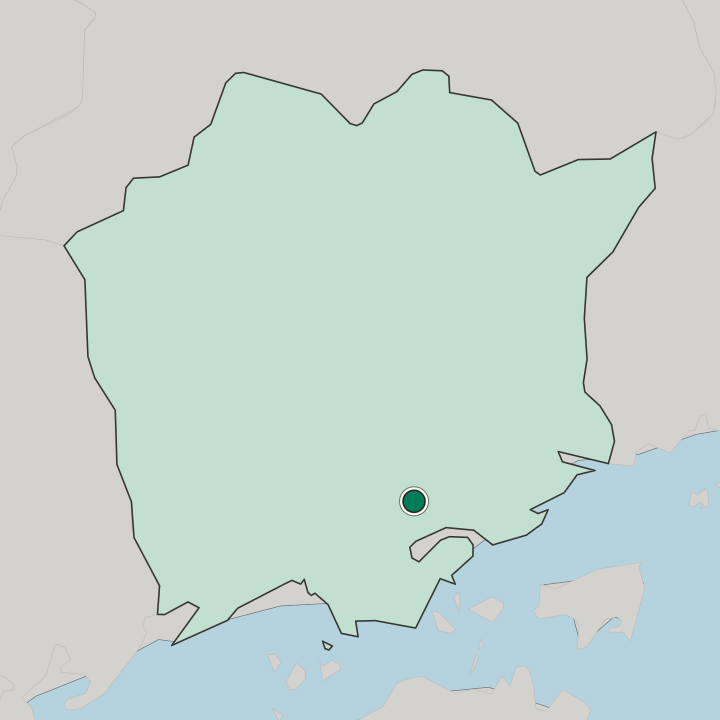
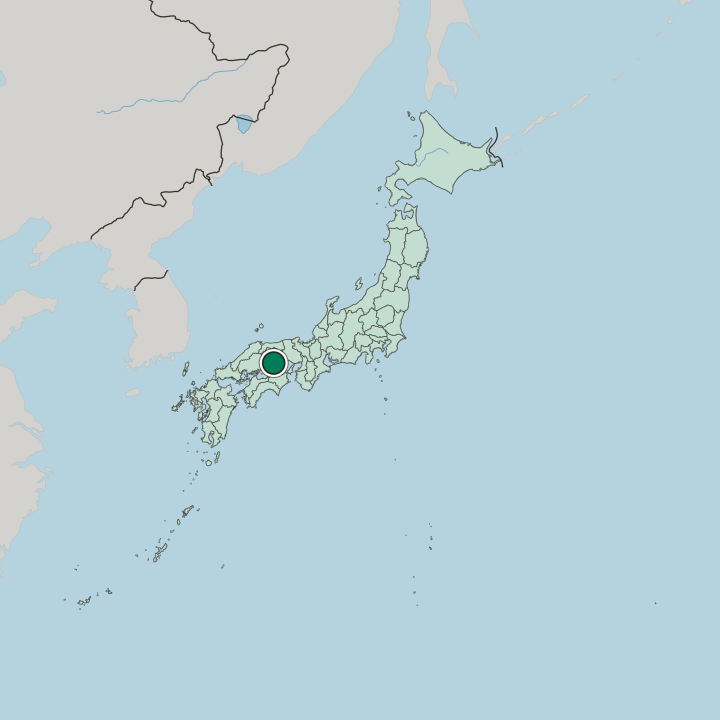
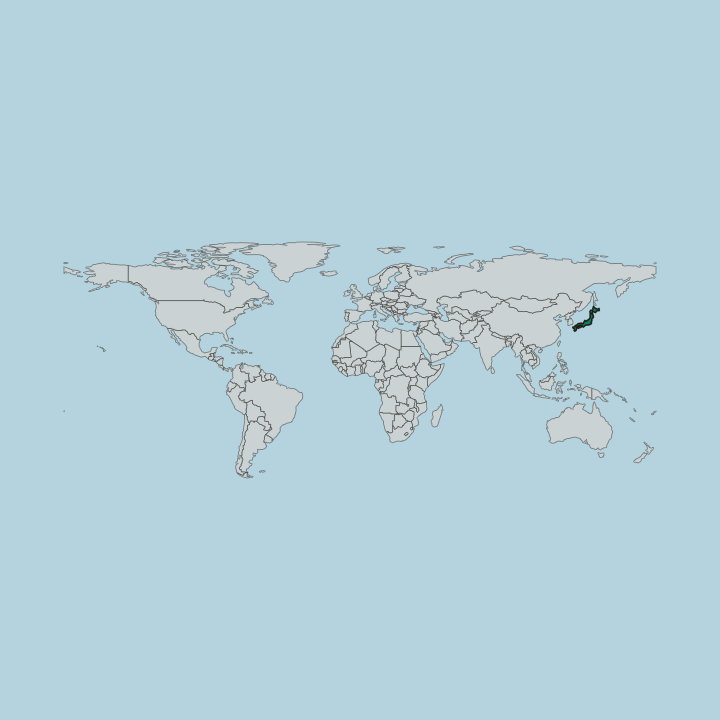
Nearly eight hundred square kilometres carry one city name. Okayama is the capital of Okayama Prefecture, and the built-up middle around Kōrakuen, the Okayama Castle Keep Tower, and the museum row accounts for a small share of what the municipality actually covers. The rest is countryside and suburb.
Within the Chūgoku region Okayama functions as the crossing point of the main routes, which explains a city of this reach on ground that is not otherwise remarkable.
What is the climate of Okayama?
White peaches are the climate's best evidence. Okayama lies in the subtropical band of the Chūgoku region, warm enough for fruit that needs a long and dependable summer, and the crop the city is known for would not ripen anywhere much cooler. Kōrakuen keeps a seasonal calendar of its own.
When the weather closes in, the Okayama Prefectural Museum of Art, the Okayama Orient Museum, and the Hayashibara Museum of Art absorb a day without difficulty.
How do you get to Okayama?
Trains explain Okayama. The city is a transit hub for this part of the country, and a great many people who pass through it never leave the platforms, which is exactly the habit the garden and the castle are there to break. Kōrakuen is worth a later train.
Once out of the station, the Okayama Castle Keep Tower, the Okayama Prefectural Museum of Art, and the Yumeji Art Museum are the stops that fit into the gap between two connections through the Chūgoku region.
Common questions
What is the best area to stay in Okayama?
The Kōrakuen and keep side: Walking Kōrakuen early, before the coach parties reach the garden. Among the museums: Days spent between the Okayama Orient Museum and the Hayashibara Museum of Art. Beside the junction: Travellers breaking a Chūgoku region rail run overnight in Okayama.
Good for
More cities in Okayama-ken
Updated October 2026