Japan · Okayama-ken
Where to Stay in Sōja, Okayama-ken
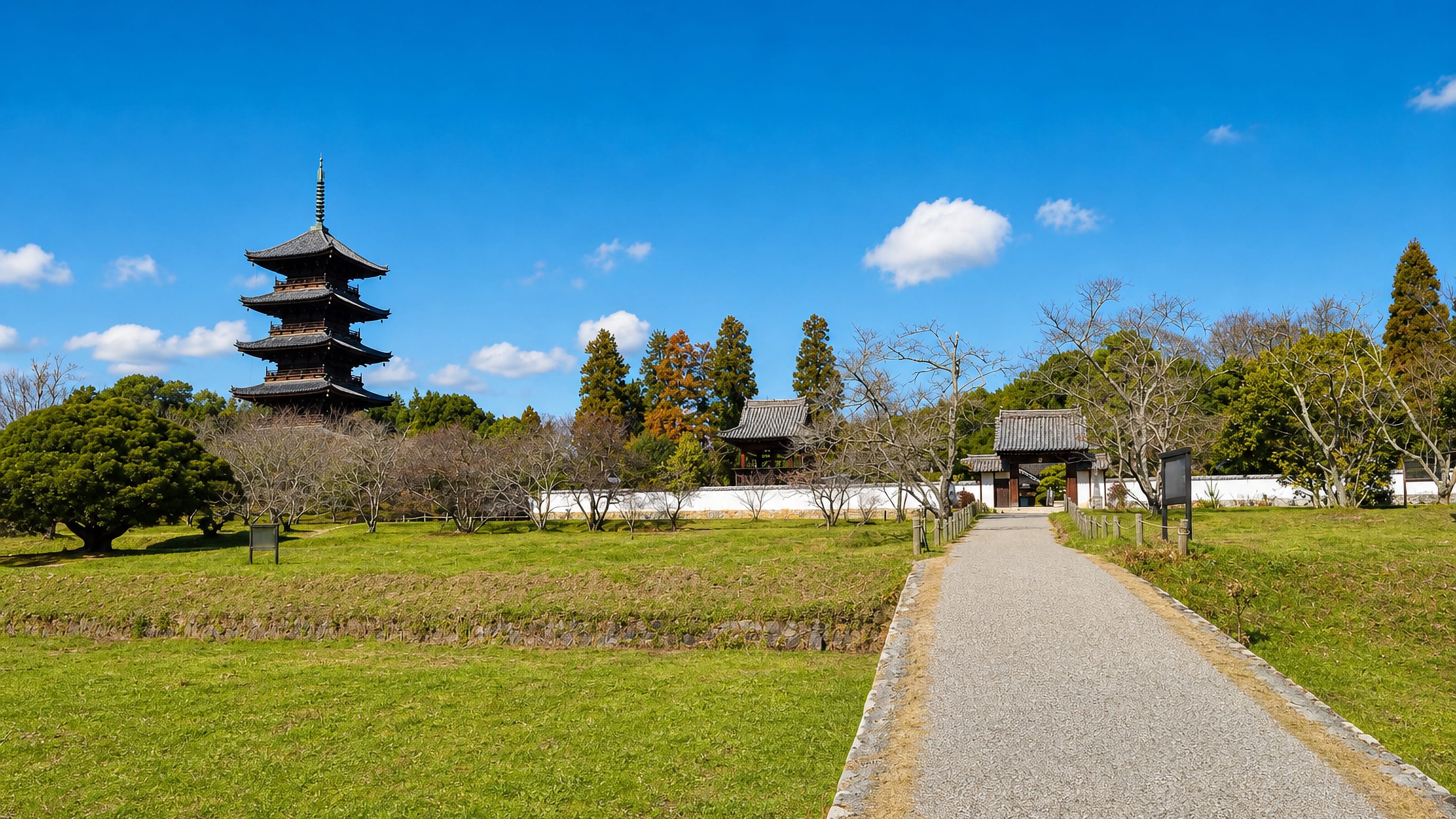
Sōja spreads across inland Okayama Prefecture around Ki Castle and the Bitchū Kokubun-ji Temple, a wide municipality formed in 1954.
Hotel links are affiliate links: booking through them may earn us a commission, at no extra cost to you. It never affects how places are ranked. How this works


Where to stay in Sōja
How the choice of base plays out on the ground.
Two hundred square kilometres change the calculation. Sōja is far larger than its built-up part suggests, so a bed chosen at random can leave Ki Castle and the Bitchū Kokubun-ji Temple on opposite sides of a drive rather than a walk. Minagi Station fixes one point.
Arrivals without a car will find everything measured outward from it, and the Sōja Kibiji Cultural Center and the Sōja City Machikado Local Museum sit on that same built-up side of the municipality. The old ground lies further out. Ki Castle, the Bitchū Kokubun-ji Temple, Bitchū Kokubun-niji and the Kōmori-zuka Burial Mound are the reason most people come, and a base out that way trades convenience for a shorter first hour each morning.
Kibiji Tsuru-no-Sato sits apart again. It suits a stay that has already worked through the temples and wants open country instead, and the difference between the two choices shows up in what the days look like rather than in comfort. Sōja is not a resort town.
Whichever site brought the trip about should decide the address, because the practical difference between one part of the municipality and another is measured in travel time.
Find hotels in Sōja
Direct booking searches for these neighbourhoods.
Ki Castle approach
Ki Castle is the site in Sōja worth reaching before the day warms, and a bed near its approach saves the transfer. Lodging is scarce in this area; reserve in advance.Find hotels in Ki Castle approachTemple mornings at the Bitchū Kokubun-ji TempleBitchū Kokubun-ji Temple side
The Bitchū Kokubun-ji Temple and Bitchū Kokubun-niji stand on the same old ground, which makes one base enough for both. Rooms are few around here — worth securing early.Find hotels in Bitchū Kokubun-ji Temple sideRail arrivals stepping off at Minagi StationMinagi Station
Minagi Station is the fixed point in Sōja for anyone arriving without a car, and every other distance is measured from it.Find hotels in Minagi StationStays within walking distance of the Sōja Kibiji Cultural CenterSōja Kibiji Cultural Center quarter
The Sōja Kibiji Cultural Center and the Sōja City Machikado Local Museum stand in the built-up part rather than out among the sites.Find hotels in Sōja Kibiji Cultural Center quarterQuiet nights out near Kibiji Tsuru-no-SatoKibiji Tsuru-no-Sato side
Kibiji Tsuru-no-Sato lies away from the museums, in the open part of a municipality running to more than two hundred square kilometres. Few places to stay nearby — book ahead.Find hotels in Kibiji Tsuru-no-Sato sideHotel links are affiliate links: booking through them may earn us a commission, at no extra cost to you. It never affects how places are ranked. How this works
About Sōja
Old sites carry the name.
What is Sōja known for?
Ki Castle heads the record, with the Bitchū Kokubun-ji Temple and Bitchū Kokubun-niji beside it, and the Kōmori-zuka Burial Mound giving Sōja a fourth entry of a wholly different kind. Two modern halls complete it. The Sōja City Machikado Local Museum and the Sōja Kibiji Cultural Center handle the interpretation, and Kibiji Tsuru-no-Sato rounds out a short list that a visitor can work through in a single unhurried day.
What are the main landmarks in Sōja?
Ki Castle dominates the register. The Bitchū Kokubun-ji Temple stands with Bitchū Kokubun-niji as the religious pair on the same list, and the Kōmori-zuka Burial Mound adds the one entry that is neither castle nor temple but a grave. Two halls interpret them.
The Sōja City Machikado Local Museum and the Sōja Kibiji Cultural Center handle that work between them, while Kibiji Tsuru-no-Sato and Minagi Station complete a register short enough to read in one sitting.
What is the history of Sōja?
Sōja as a municipality is young. The name was fixed to a city in 1954, which makes the administrative entity far younger than almost everything inside its boundary, and that gap is the whole shape of the local story. Its monuments long predate it.
Ki Castle, the Kōmori-zuka Burial Mound, the Bitchū Kokubun-ji Temple and Bitchū Kokubun-niji were all standing on this ground long before any administrative line was drawn around them. The Bitchū name is the clue. Both temples carry it, and Okayama Prefecture does not, so the label preserves an older way of naming this ground that survived on buildings after it left the maps.
Ki Castle keeps its own puzzle. A castle implies a reason, and the record around it is thinner than the site itself, which is part of why the Sōja Kibiji Cultural Center and the Sōja City Machikado Local Museum have work to do. Minagi Station belongs to the recent layer.
So does the municipality itself, drawn in 1954 around more than two hundred square kilometres of ground that had been in use for very much longer than that.
Where is Sōja?
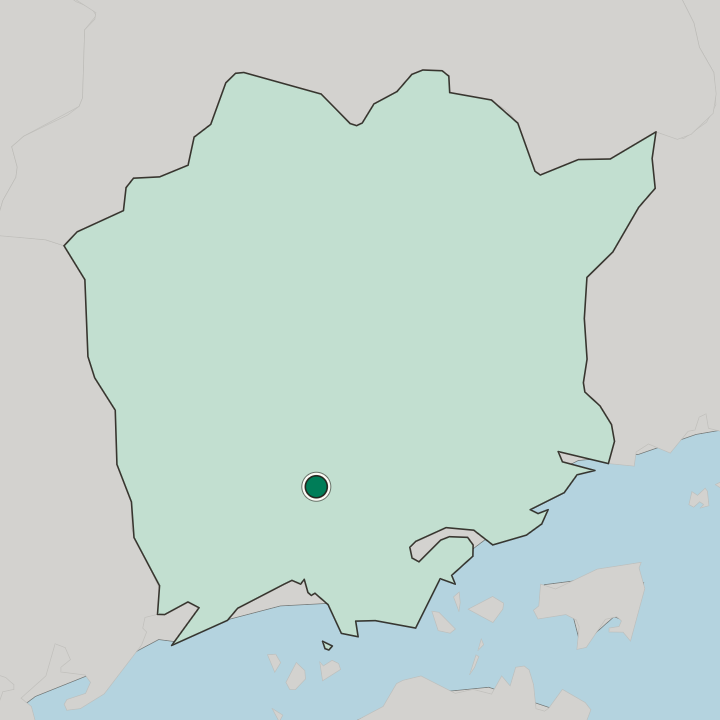
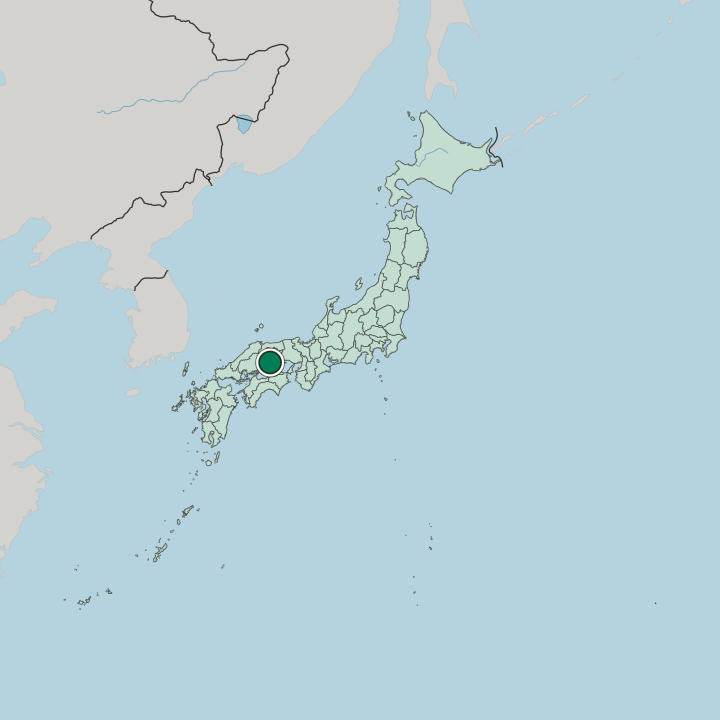
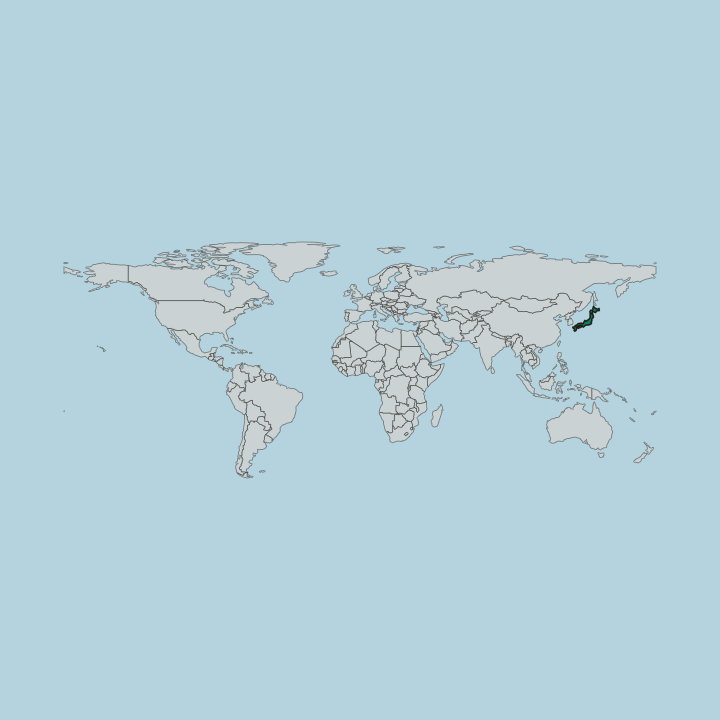
Sōja runs wide. More than two hundred square kilometres of inland Okayama Prefecture fall inside the boundary, which is why Ki Castle, Kibiji Tsuru-no-Sato and the built-up ground around Minagi Station read as separate places rather than districts of one. The sea never reaches it.
Sōja is an interior municipality within the subtropical band, and the Bitchū Kokubun-ji Temple, Bitchū Kokubun-niji and the Kōmori-zuka Burial Mound are scattered through that interior rather than gathered at a shoreline or a single centre.
What is the climate of Sōja?
Heat rules the calendar here. The subtropical band takes in the whole municipality, which stretches the warm half of the year and makes an outdoor day at Ki Castle or the Kōmori-zuka Burial Mound something to plan around rather than assume. Indoor options are few.
The Sōja Kibiji Cultural Center and the Sōja City Machikado Local Museum carry that weight between them, while the Bitchū Kokubun-ji Temple and Bitchū Kokubun-niji sit somewhere between the two conditions.
How do you get to Sōja?
Minagi Station is the way in. Rail puts arrivals down inside Sōja without a car, which matters in a municipality of more than two hundred square kilometres where the sites are spread rather than clustered. Distances open up from there.
Ki Castle, the Bitchū Kokubun-ji Temple and Kibiji Tsuru-no-Sato all sit out in that spread, so the order they are taken in decides how many of them fit into a single day.
Common questions
What is the best area to stay in Sōja?
Ki Castle approach: Early starts for the walk out to Ki Castle. Bitchū Kokubun-ji Temple side: Temple mornings at the Bitchū Kokubun-ji Temple. Minagi Station: Rail arrivals stepping off at Minagi Station. Sōja Kibiji Cultural Center quarter: Stays within walking distance of the Sōja Kibiji Cultural Center. Kibiji Tsuru-no-Sato side: Quiet nights out near Kibiji Tsuru-no-Sato.
More cities in Okayama-ken
Updated September 2026