Japan · Okayama-ken
Where to Stay in Tsuyama, Okayama-ken
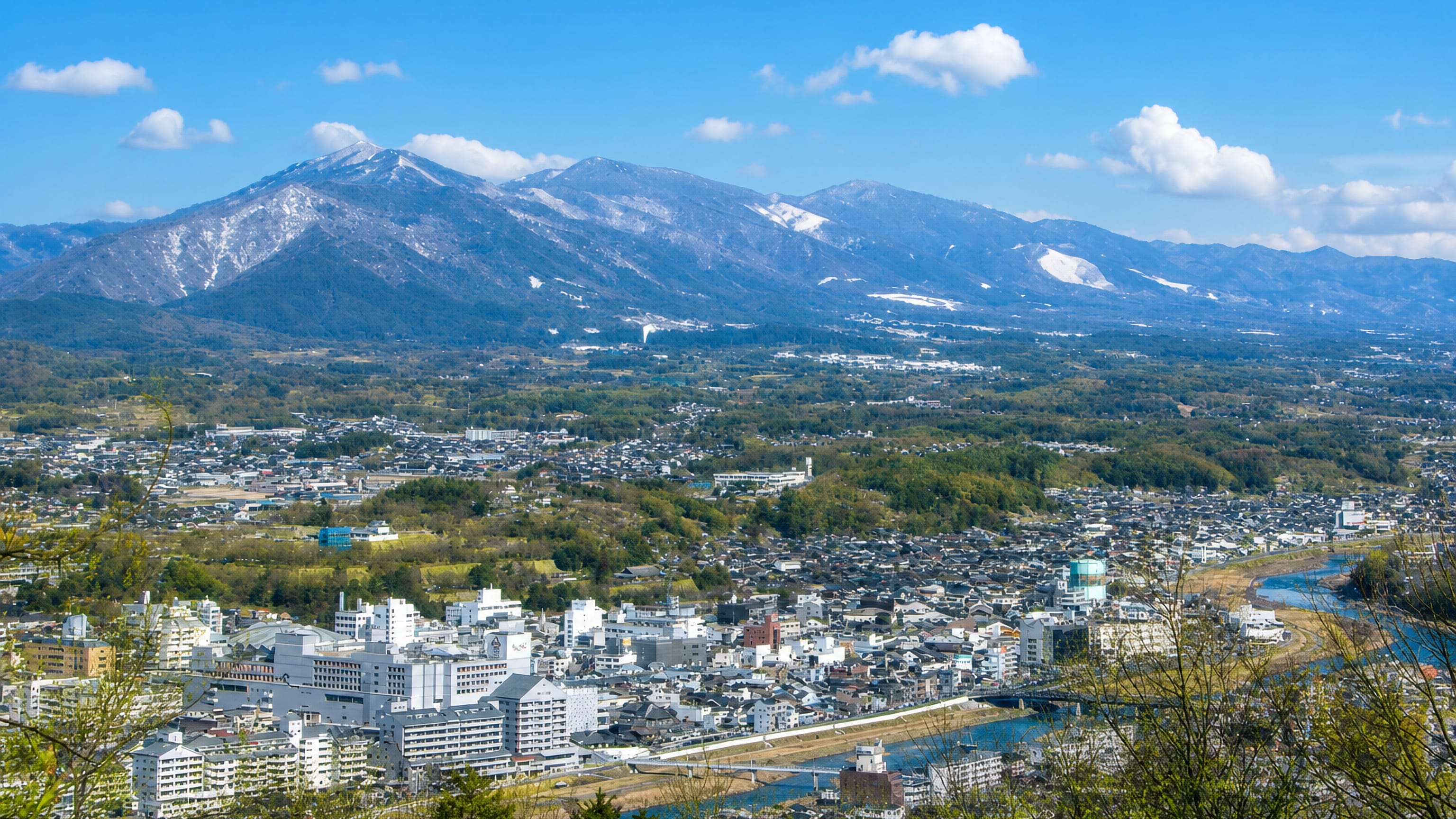
Tsuyama keeps its preserved quarter along Jōtō Street, a city of northern Okayama Prefecture that took its modern form in 1929.
Hotel links are affiliate links: booking through them may earn us a commission, at no extra cost to you. It never affects how places are ranked. How this works


Where to stay in Tsuyama
Where the beds are, and what that means for the visit.
Two very different Tsuyamas are on offer. A room by Jōtō Street puts the preserved frontages outside the door, which matters because the old quarter is the reason most people come and the part of the city that repays an evening walk. That end is compact and quiet.
Anyone here for the Tsuyama Railroad Educational Museum, the Tsuyama Archives of Western Learning, or the former residence of Mitsukuri Genpo is choosing between a walkable base and a short run by car, and in a municipality of this width the second option is not a defeat. Beyond the centre the city thins out. Five hundred square kilometres of northern Okayama Prefecture leaves a great deal of ground outside the built-up part, and rooms there come with parking and a drive rather than with a street to step into.
If you are travelling for the Globe Sports Dome, that trade is the right one. The Tsuyama City Museum, the Tsuyama Wonder Museum, and the Shikō Munakata and Michihiro Yanai (M&Y) Memorial Museum all belong to the indoor half of a stay, and any central room reaches them without much planning.
Find hotels in Tsuyama
Direct booking searches for these neighbourhoods.
The Jōtō Street quarter
Jōtō Street's old frontages, the one stretch of the city built for walkingFind hotels in The Jōtō Street quarterVisitors whose day opens at the Tsuyama Railroad Educational MuseumThe railway side
A base picked for the railway collection and an early departure out of TsuyamaFind hotels in The railway sideParking, space, and events at the Globe Sports DomeOut toward the Globe Sports Dome
The rural outer reach of a five-hundred-square-kilometre municipality, where a car comes with the room. Beds are limited here, so book early.Find hotels in Out toward the Globe Sports DomeHotel links are affiliate links: booking through them may earn us a commission, at no extra cost to you. It never affects how places are ranked. How this works
About Tsuyama
Western learning took root here.
What is Tsuyama known for?
The Tsuyama Archives of Western Learning and the former residence of Mitsukuri Genpo sit on the same subject, and a city of this size keeping both is the clearest signal of where its interests once lay. Jōtō Street carries the old townscape. Railways get their own building in the Tsuyama Railroad Educational Museum, while the Tsuyama City Museum and the Tsuyama Wonder Museum divide what is left between the civic record and everything harder to classify.
What are the main landmarks in Tsuyama?
One street does most of the work. Jōtō Street preserves the frontages that make Tsuyama worth stopping in, and the Tsuyama City Museum sets out the civic record that explains what is being looked at. Then the list scatters.
The Tsuyama Archives of Western Learning and the former residence of Mitsukuri Genpo cover the scholarly side, the Tsuyama Railroad Educational Museum the mechanical one, and the Shikō Munakata and Michihiro Yanai (M&Y) Memorial Museum and the Tsuyama Wonder Museum the two ends of what a small city collects.
What is the history of Tsuyama?
The modern city dates from 1929. What it preserves is older: Jōtō Street keeps a townscape from the period before that paperwork, and the Tsuyama City Museum exists to explain how the two fit together. Preservation came before the charter.
Mitsukuri Genpo's former residence is the sharpest single survival, a private house kept standing because of the man who lived in it rather than the architecture. Western learning is the thread that runs through all of it. The Tsuyama Archives of Western Learning gathers the record of a scholarly tradition that reached this part of northern Okayama Prefecture from far outside it, and a city keeps an archive of that kind only when the subject was its own.
Mitsukuri Genpo's house belongs to that story. Railways form the later chapter. The Tsuyama Railroad Educational Museum stands for the century in which the town was tied into the national network, and the Globe Sports Dome and the Tsuyama Wonder Museum belong to a later period again, built for a municipality that had grown well past its old street.
Shikō Munakata and Michihiro Yanai give the M&Y Memorial Museum its two names, and a memorial museum is itself a late institution, built once a place has decided which of its people to keep.
Where is Tsuyama?
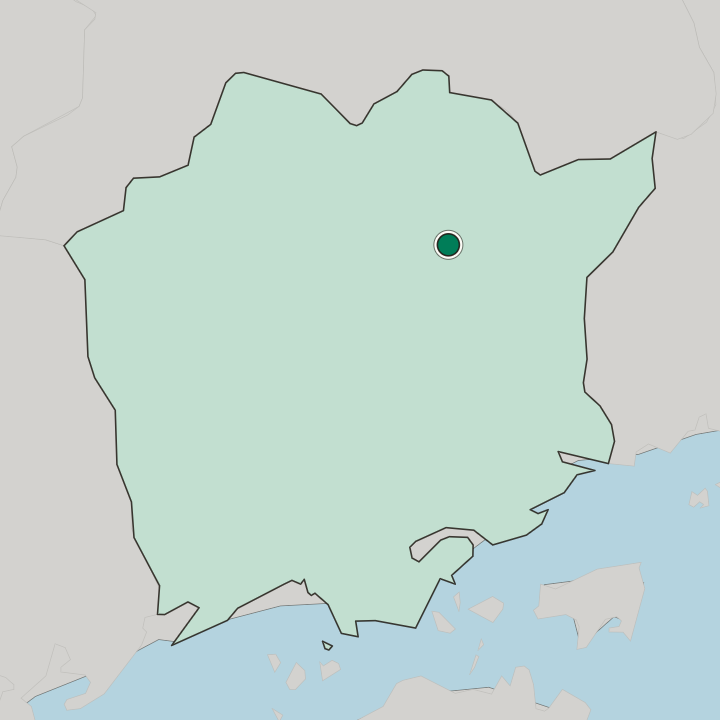
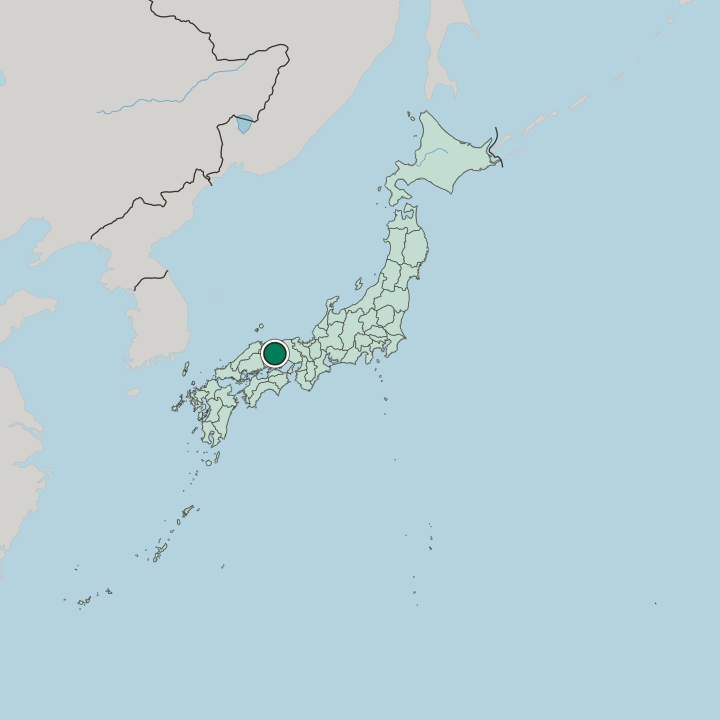
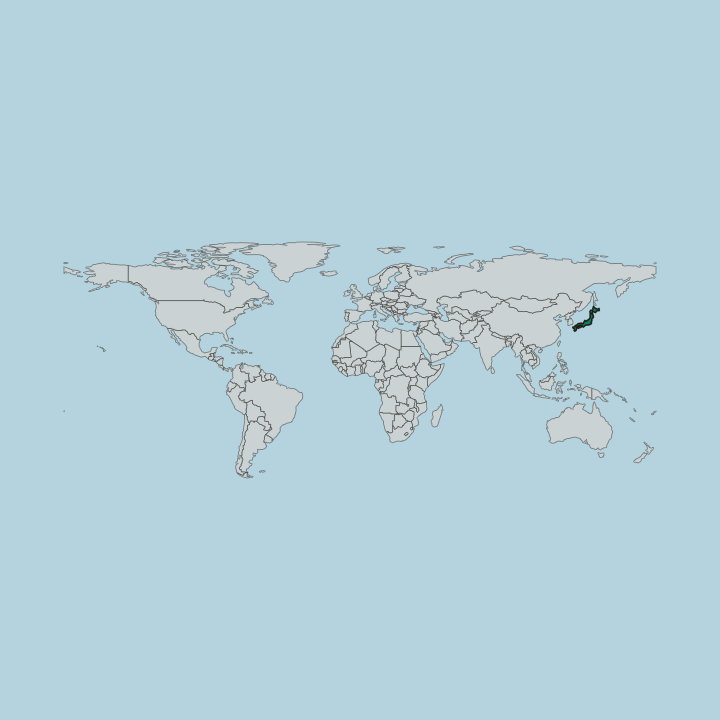
Five hundred square kilometres, mostly not city. Tsuyama covers a wide stretch of northern Okayama Prefecture, and the built-up part around Jōtō Street is a small figure inside a municipality that is largely rural. Distances inside the boundary are real.
The Globe Sports Dome, the Tsuyama Wonder Museum, and the rest of the list are spread across that ground rather than gathered into one quarter, which is why a car changes what a short stay can hold.
What is the climate of Tsuyama?
Distance from the coast tells. Tsuyama sits in the temperate band, in the northern half of Okayama Prefecture rather than on its coastal side, and ground set back from the sea like this is where the year takes its wider swings. Jōtō Street reads differently by season.
Wet weather sends a visit indoors, and the Tsuyama City Museum, the Tsuyama Archives of Western Learning, and the Tsuyama Railroad Educational Museum are the three that hold a day together.
How do you get to Tsuyama?
Rail built the approach. The Tsuyama Railroad Educational Museum is the clearest evidence that the town was a railway place before it was a road one, and arrivals from elsewhere in Okayama Prefecture cross a good deal of country to reach it. Jōtō Street is the walkable payoff.
Once here, the compact old quarter can be done on foot, while the Globe Sports Dome and the outer parts of a five-hundred-square-kilometre municipality need wheels of some sort.
Common questions
What is the best area to stay in Tsuyama?
The Jōtō Street quarter: Evenings spent inside Tsuyama's preserved townscape. The railway side: Visitors whose day opens at the Tsuyama Railroad Educational Museum. Out toward the Globe Sports Dome: Parking, space, and events at the Globe Sports Dome.
Good for
More cities in Okayama-ken
Updated September 2026