Japan · Okinawa
Where to Stay in Nago, Okinawa
Nago is a city in the northern part of Okinawa Island, and the Hinpun Banyan Tree is the marker the town is known by.
Hotel links are affiliate links: booking through them may earn us a commission, at no extra cost to you. It never affects how places are ranked. How this works


Where to stay in Nago
How the choice of base plays out on the ground.
Nago gives a visitor two reasons to choose an address, and neither of them is the usual one. A room near the Hinpun Banyan Tree puts the town's own centre of gravity outside the door, with the Nago Museum close enough to fill an hour that the weather ruins. That end is the compact one.
Anyone whose plan is Neo Park Okinawa, Okinawa Fruits Land, and the Tsukayama Awamori Distillery Garden is choosing a base for driving rather than for walking, which changes the calculation entirely. The Nago Museum sits on the walkable side of that choice. North of the town the island runs on into Yanbaru, the name carried by Okinawa Island's northernmost part, and beds there answer to a different kind of trip than a city stay.
Nago is the practical base for it. If you want one address to cover both the museum and the parks, take the town centre and accept a drive at each end of the day; the alternative is a bed chosen for a single attraction and a longer run back for dinner. Kunigami is the other name for the same northern ground.
Find hotels in Nago
Direct booking searches for these neighbourhoods.
The Hinpun Banyan Tree end of town
Nago's compact middle, where the tree and the museum fall inside one walkFind hotels in The Hinpun Banyan Tree end of townTrips built around Neo Park Okinawa and Okinawa Fruits LandA base for Neo Park Okinawa
The attraction side of Nago, chosen for driving days rather than evenings on footFind hotels in A base for Neo Park OkinawaTravellers carrying on into Yanbaru and Kunigami after NagoThe Yanbaru edge
Past the town the island runs into its northernmost country, where rooms answer to the outdoors. Rooms are few around here — worth securing early.Find hotels in The Yanbaru edgeHotel links are affiliate links: booking through them may earn us a commission, at no extra cost to you. It never affects how places are ranked. How this works
About Nago
What is Nago known for?
Nago's list is short and outdoor. Neo Park Okinawa and Okinawa Fruits Land head it, two open-air names that between them describe how a day here is spent, while the Tsukayama Awamori Distillery Garden covers the other kind of interest. The Nago Museum keeps the local record indoors.
Then there is the tree. The Hinpun Banyan Tree is the exception, a single tree carrying a name of its own, and it does more for how Nago is pictured than any building on the list.
What are the main landmarks in Nago?
Five names carry Nago. The Hinpun Banyan Tree is the one that needs no explanation, a tree with a name of its own, and Neo Park Okinawa and Okinawa Fruits Land follow it as the two open-air stops most visits are built around. Nago Museum handles the record.
Tsukayama Awamori Distillery Garden closes the list, putting a working title and a garden in the same name, and it is the only entry concerned with what is made here rather than what is grown or kept.
What is the history of Nago?
No charter year attaches to Nago in the record, which is ordinary for a name that covers a wide stretch of the northern part of Okinawa Island rather than one walled settlement. The Nago Museum is where that record is kept. Its subject is the town and the ground around it.
A museum of that kind exists because the history it holds is local rather than national, kept by the town for the town, and unlikely to turn up in any general account of Japan. Older names sit underneath the modern one. Yanbaru and Kunigami both refer to the northernmost part of Okinawa Island, the country Nago stands at the edge of, and they name the region rather than the municipality.
Distilling belongs to the same layer. The Tsukayama Awamori Distillery Garden puts a working name and a garden in the same title, which is unusual enough to say something about how the trade is shown to visitors. The record carries no founding year and no dynastic list, so the honest account is the one the Nago Museum itself offers: a town, the ground around it, and the names both have gone by.
Where is Nago?
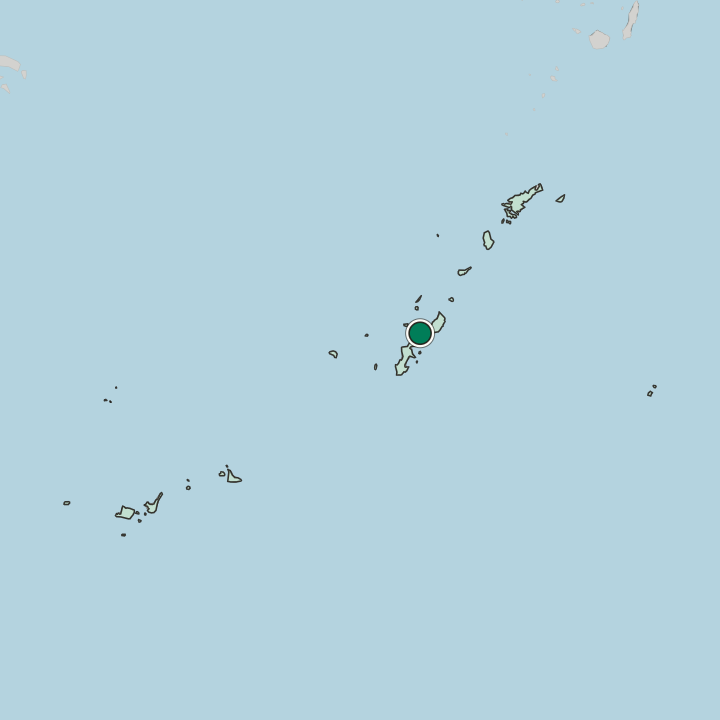
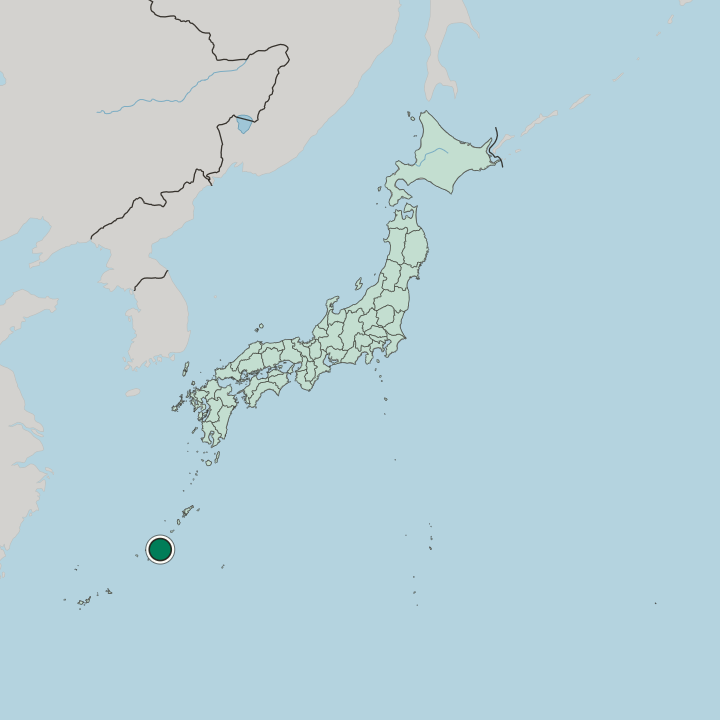
Two hundred and ten square kilometres is a lot of ground for one city name. Nago covers the northern part of Okinawa Island, subtropical ground with the sea never far from any of it. Yanbaru begins beyond it.
The city name therefore takes in both the built-up streets around the Hinpun Banyan Tree and a large share of countryside, which is why the attractions on its list are spread rather than gathered.
What is the climate of Nago?
Water sets the terms here. Nago lies in the subtropical band, and on an island of this width the sea reaches every part of the city, which flattens the extremes an inland town would feel. Okinawa Fruits Land trades on that warmth.
Neo Park Okinawa and the walk out to the Hinpun Banyan Tree are outdoor propositions in most months, while the Nago Museum and the Tsukayama Awamori Distillery Garden give the wet hours somewhere to go.
How do you get to Nago?
Everything arrives up the island. Nago stands in the northern part of Okinawa Island, so approaches from the rest of Okinawa Prefecture cover the length of the island before they reach it. Yanbaru lies beyond.
Anyone carrying on into Kunigami passes through, and standing where Okinawa Island's northernmost part begins is what makes Nago a base rather than a waypoint.
Common questions
What is the best area to stay in Nago?
The Hinpun Banyan Tree end of town: Guests who want the Nago Museum and the named banyan on foot. A base for Neo Park Okinawa: Trips built around Neo Park Okinawa and Okinawa Fruits Land. The Yanbaru edge: Travellers carrying on into Yanbaru and Kunigami after Nago.
Good for
More cities in Okinawa
Updated September 2026