Japan
Okinawa, Japan — Towns & Travel Guide
Okinawa is Japan's southernmost prefecture, a subtropical chain of coral islands strung between Kyushu and Taiwan across the East China Sea.
Hotel links are affiliate links: booking through them may earn us a commission, at no extra cost to you. It never affects how places are ranked. How this works


Towns & cities in Okinawa
Pick a town or city — each links to where to stay.
 Japan
Japan
Naha
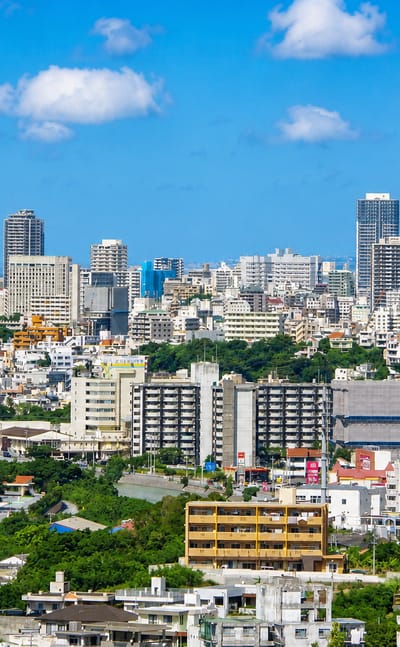
Subtropical light falls on Naha, the capital of Okinawa Prefecture and the main city of Okinawa Island, known for Ryūkyū heritage and Tsuboya pottery.Where to stay →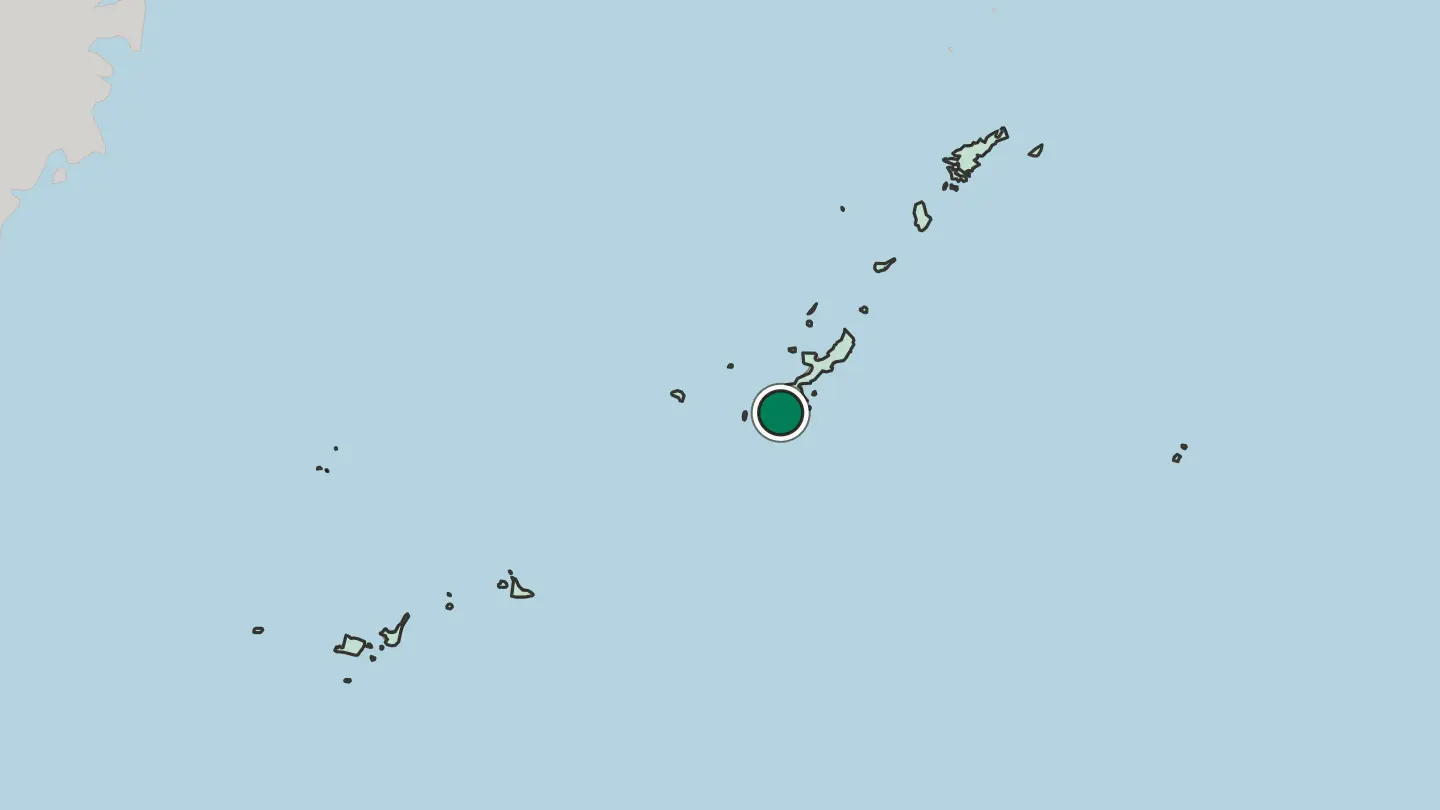 Japan
Japan
Okinawa
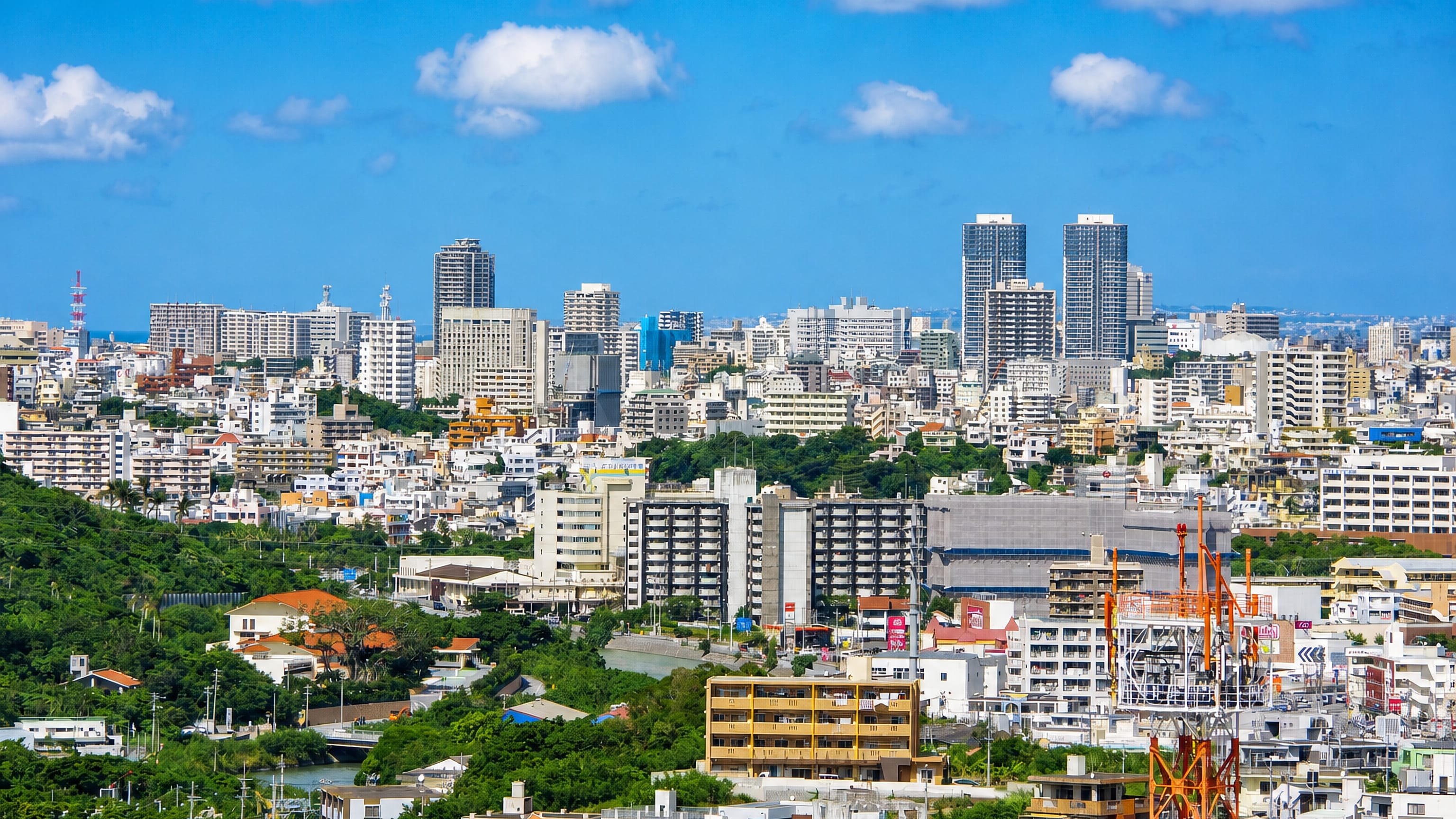
Subtropical green closes over Okinawa, the second-largest city in Okinawa Prefecture, in the middle of Okinawa Island and a short way north of Naha.Where to stay →
 Japan
Japan
Uruma
Uruma is a city on the Katsuren peninsula of central Okinawa, Japan, guarded by an old Ryukyu castle above the sea.Where to stay →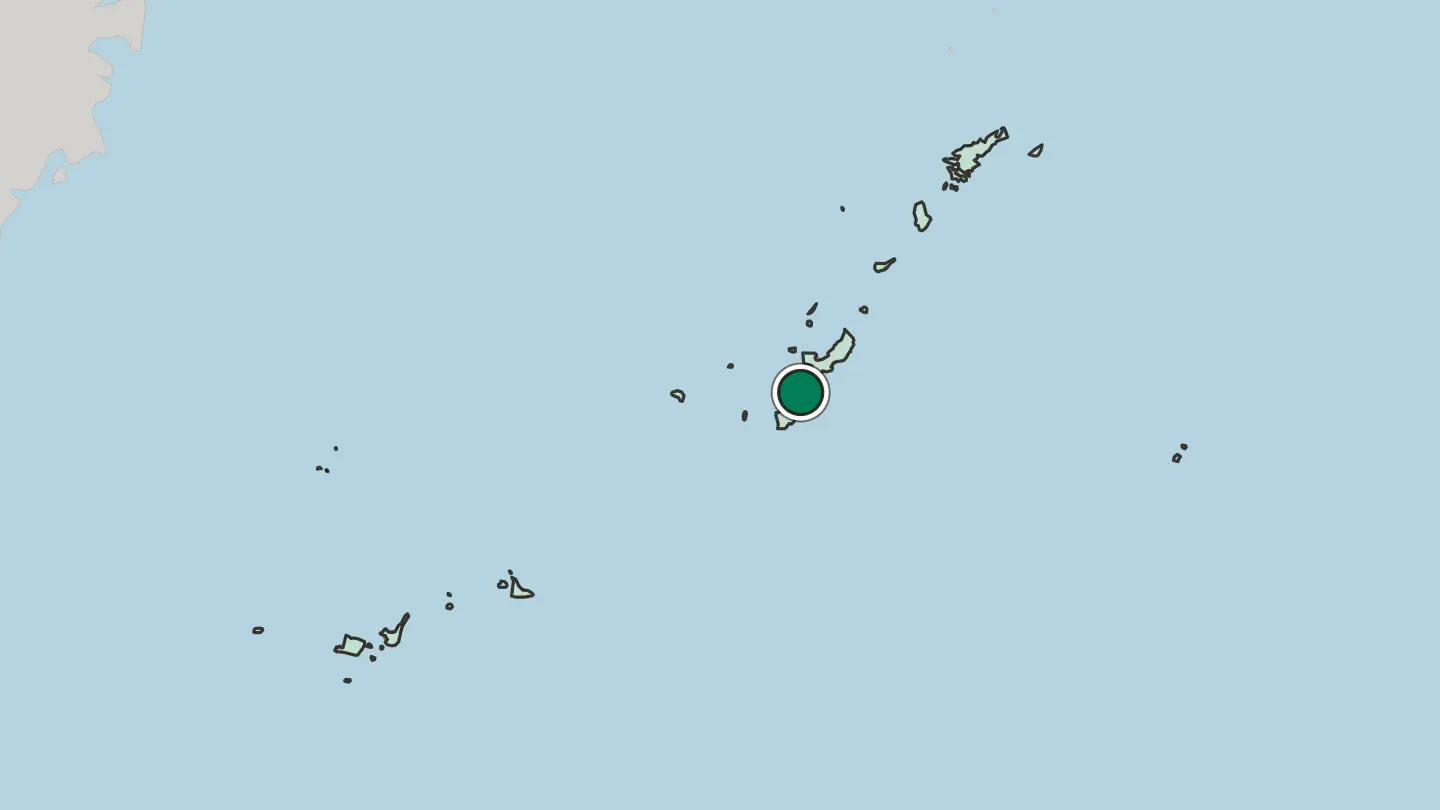 Japan
Japan
Urasoe
Urasoe sits in Central Okinawa between Naha and Ginowan, a city of museums and old tombs given municipal form in 1908.Where to stay →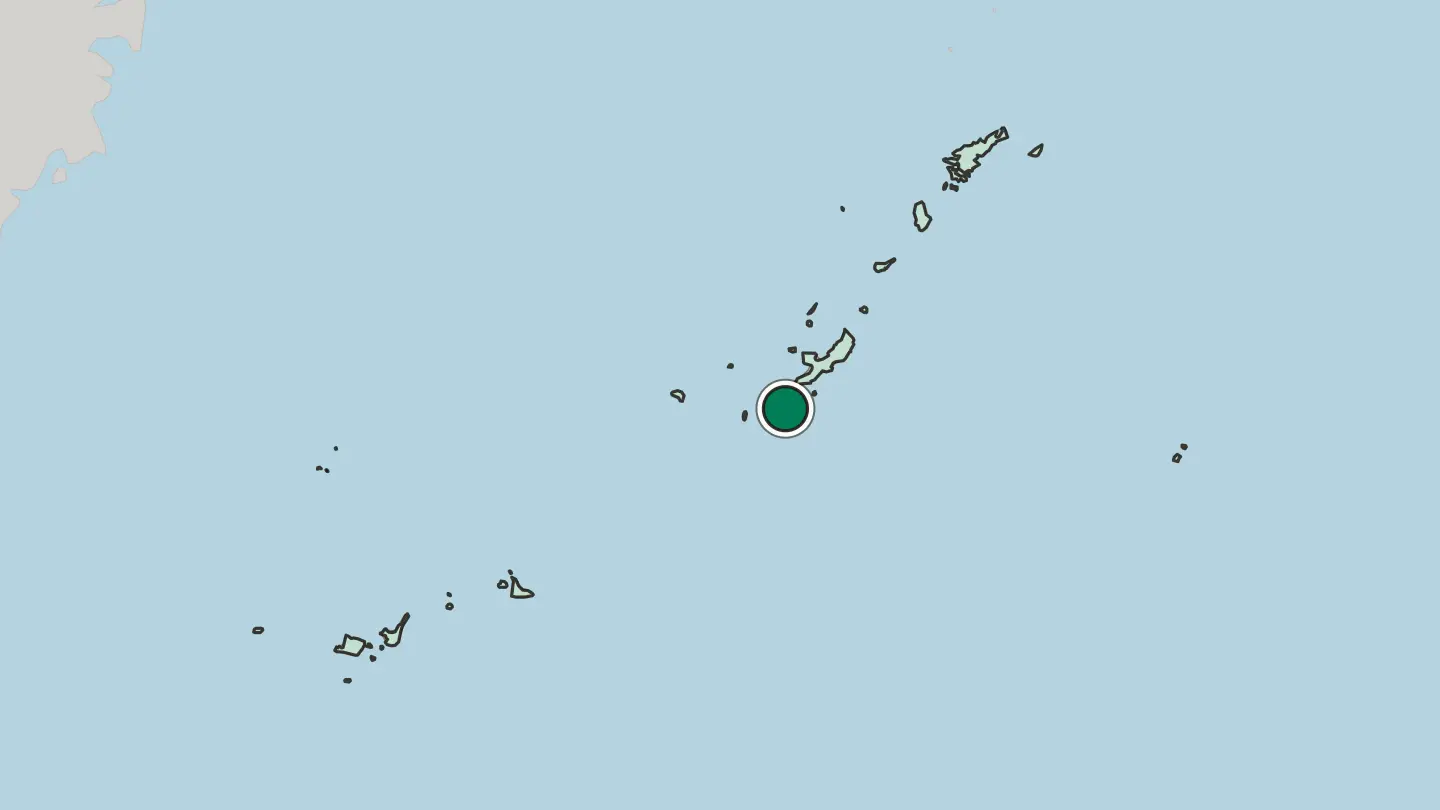 Japan
Japan
Ginowan
Ginowan is a small, densely built city in Okinawa Prefecture, Japan, holding the Sakima Art Museum and the Nakamura House.Where to stay →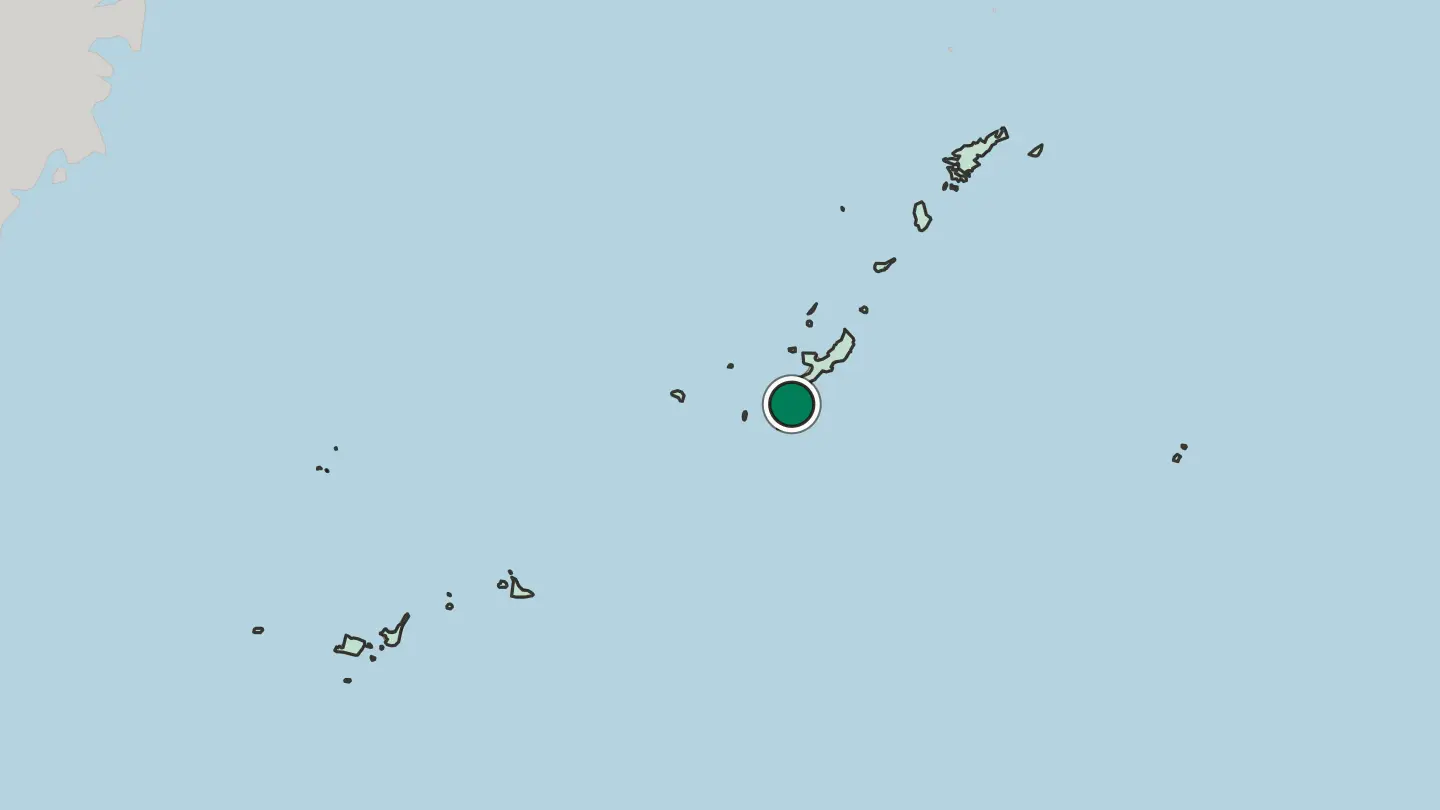 Japan
Japan
Nago
Nago is a city in the northern part of Okinawa Island, and the Hinpun Banyan Tree is the marker the town is known by.Where to stay →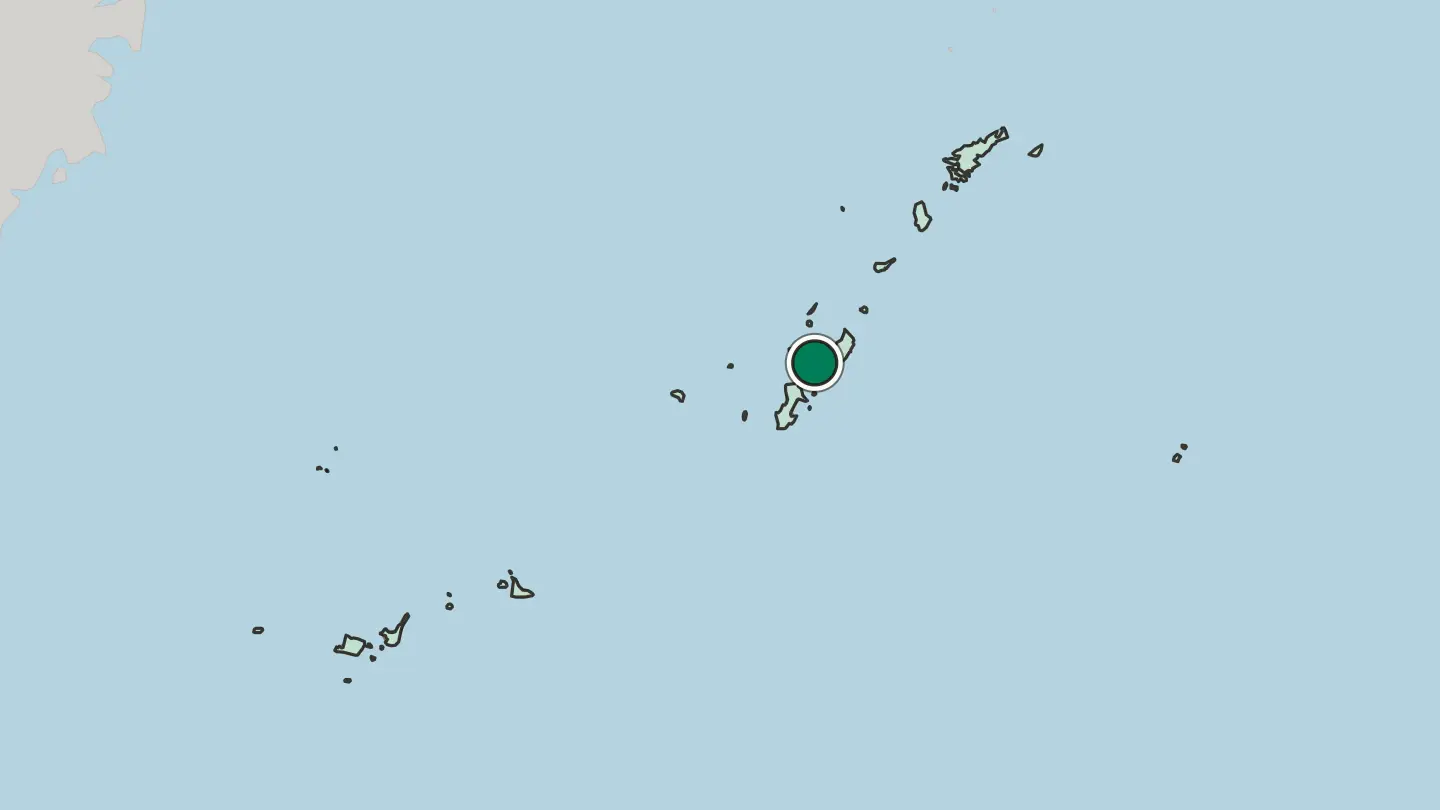
 Japan
Japan
Itoman
Itoman is the southernmost city of Okinawa in Japan, an old fishing town and the site of the Battle of Okinawa's last stand.Where to stay →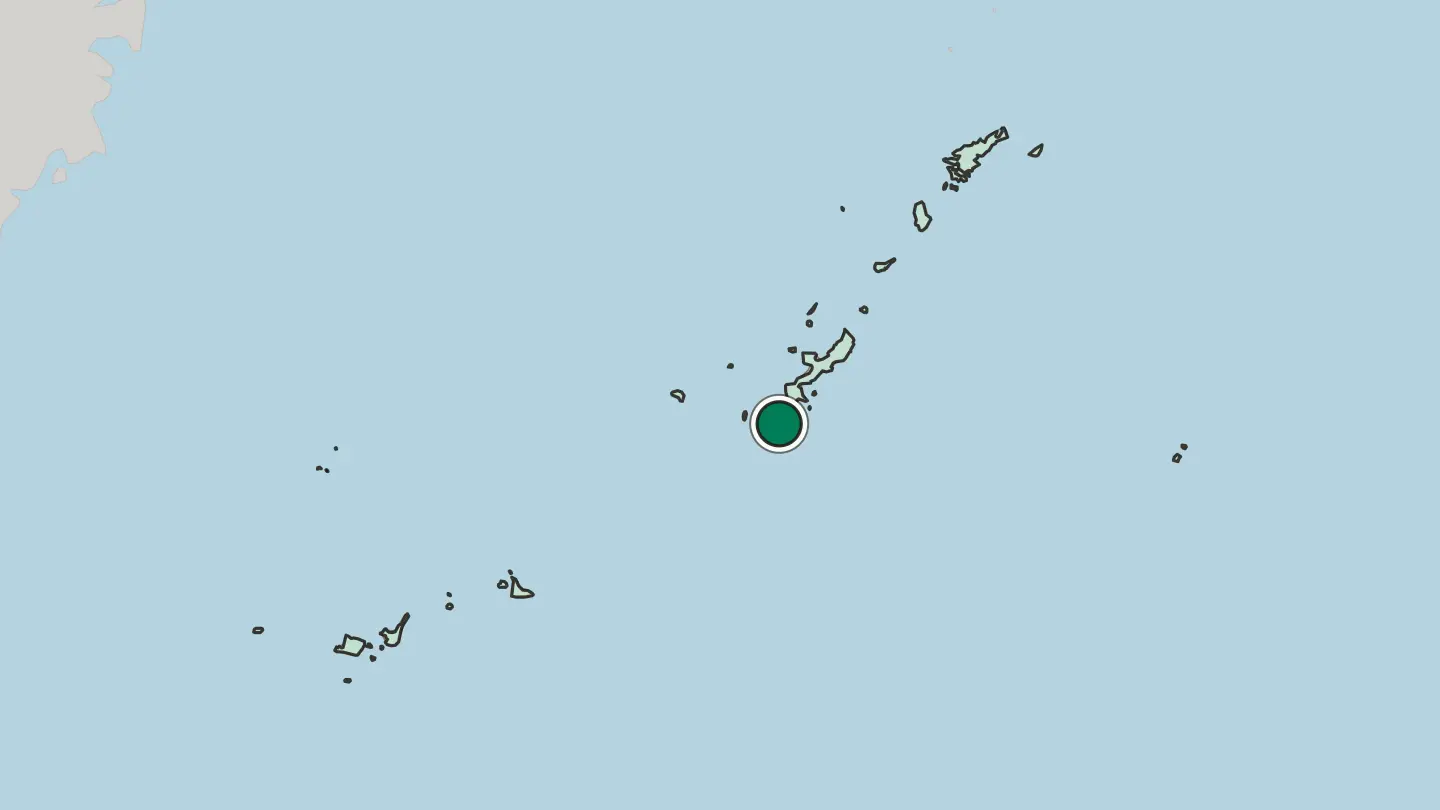
 Japan
Japan
Miyakojima
Miyakojima is an island city of the Miyako Islands in Okinawa Prefecture, Japan, edged by Yonaha Bay and Higashi-hennazaki.Where to stay →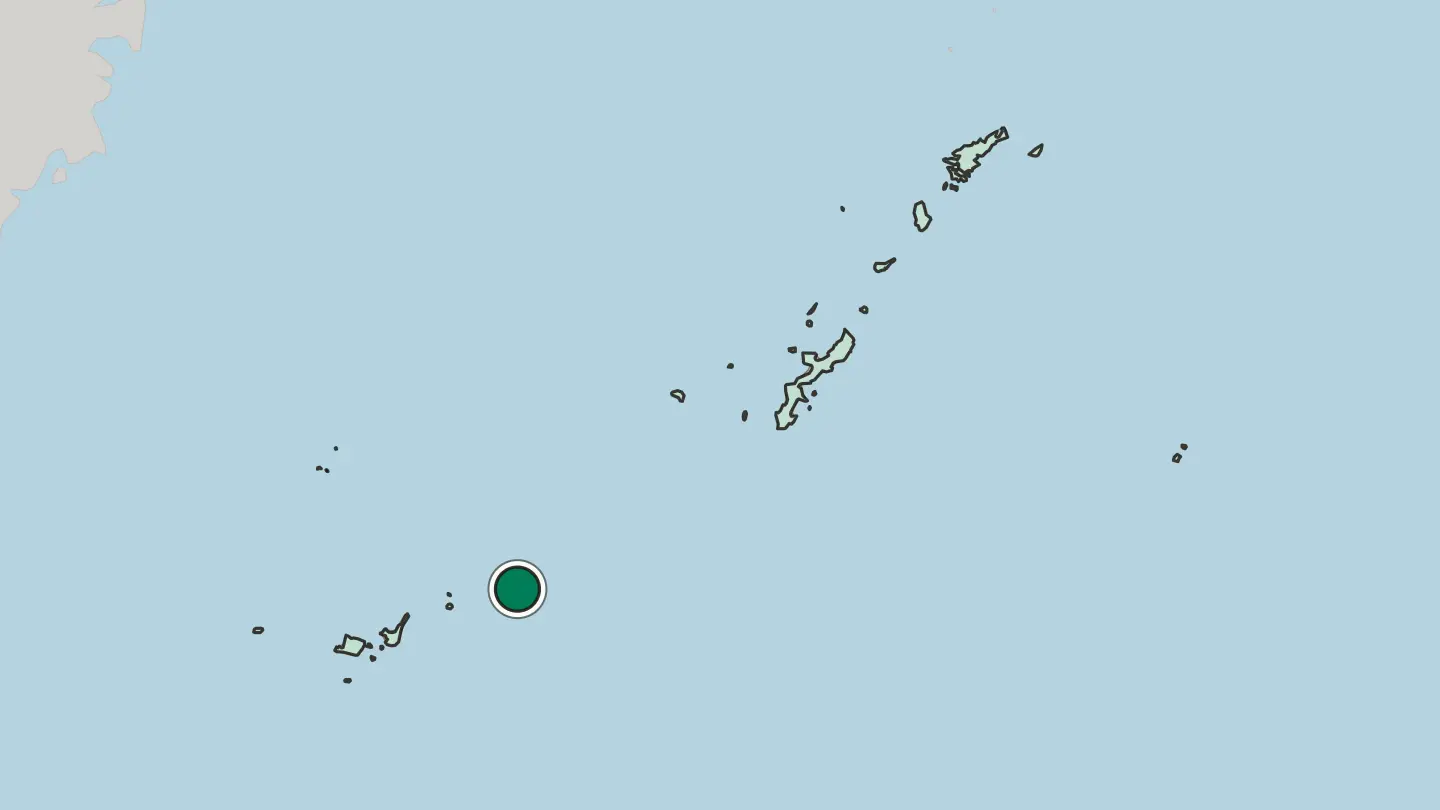
Hotel links are affiliate links: booking through them may earn us a commission, at no extra cost to you. It never affects how places are ranked. How this works
About Okinawa
What is Okinawa known for?
Okinawa is Japan's subtropical outlier. The prefecture spreads dozens of coral and volcanic islands across warm seas, far closer to Taiwan than to the Japanese mainland, and it carries a Ryukyuan heritage that sets it apart from every other part of the country. White-sand beaches and reefs draw divers to the Kerama Islands and beyond.
Shuri Castle in Naha recalls the old Ryukyu Kingdom. The scars of the 1945 Battle of Okinawa and a lasting American military footprint sit alongside that history. Sun, sea, and a culture of its own.
Where is Okinawa?
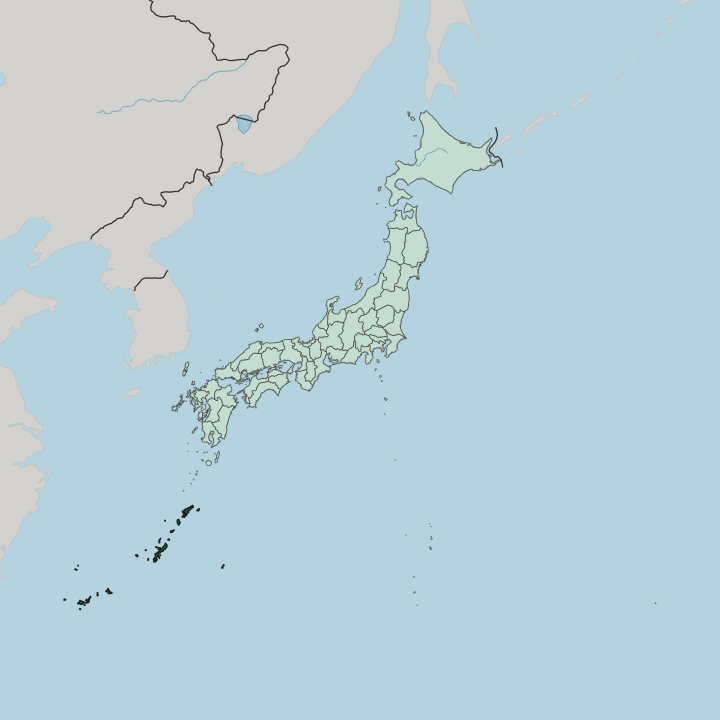
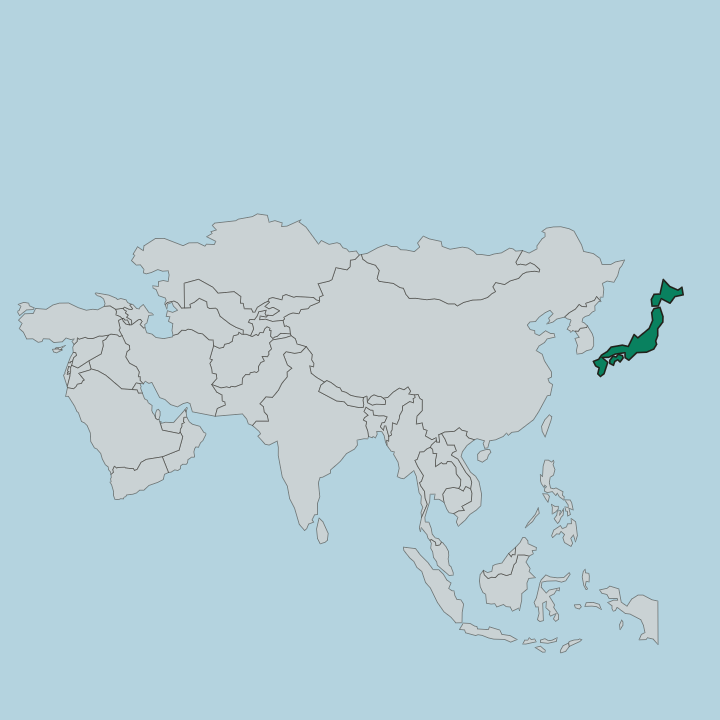
Okinawa is the southernmost of Japan's prefectures, and it looks nothing like the rest. Its islands form a long arc. The Ryukyu Islands sweep south-west from Kyushu toward Taiwan, and Okinawa holds the central and southern reach of that chain, scattered across a stretch of ocean wider than the main body of Japan itself.
The East China Sea washes the western shores while the open Pacific presses in from the east. Three island groups make up the prefecture. The Okinawa Islands sit in the middle, the Sakishima Islands lie farther south toward Taiwan, and the small Daitō Islands stand alone out in the Pacific.
Okinawa Island is the largest by far. Long and narrow, it carries most of the prefecture's people and its main cities: Naha at the south, with Urasoe, Ginowan, Okinawa City, and Uruma strung up its length. Coral built much of this land.
The southern islands are low limestone platforms ringed by reefs, while parts of the north rise into forested hills. In the Sakishima group, the Miyako and Yaeyama clusters hold Ishigaki and Miyako Island, the farthest inhabited edge of Japan before Taiwan. Reefs fringe nearly every coast.
No point on these islands sits far from the sea, and that closeness to warm, shallow water shapes daily life across the whole prefecture.
What is Okinawa like?
Okinawa feels like a different country because, for centuries, it was one. The old Ryukyu Kingdom traded across the seas between China, Japan, and South-East Asia, and that outward-facing history left a culture unlike anything on the Japanese mainland. Language marks the divide.
The Ryukyuan tongues, still heard among older islanders, are not mutually intelligible with standard Japanese. Shuri Castle crowns the ridge above Naha, its red tiles and Chinese-touched design recalling the kings who once ruled from that hill. Music carries the same difference.
The sanshin, a three-stringed instrument bound in snakeskin, gives Okinawan song its rolling, unmistakable sound. At Obon, the eisa drum dance fills the streets in memory of the ancestors. Awamori, a rice spirit aged in clay pots, has been distilled here since the days of the kingdom.
The table is its own world too. Bitter melon, island pork, and thick Okinawa soba noodles owe little to mainland cooking. Craft runs deep, from the dyed bingata cloth of the royal court to the woven textiles of the outer islands.
Islanders take real pride in this inheritance. Ryukyu identity survived annexation, war, and occupation, and it still sets the rhythm of festivals, food, and daily manners across the prefecture.
What is the history of Okinawa?
Okinawa's past is not Japan's. Shō Hashi unified the warring chiefdoms of Okinawa Island into a single Ryukyu Kingdom in 1429, and for two centuries that kingdom prospered as an independent trading power between China and Japan. Satsuma warriors from Kyushu invaded in 1609 and reduced it to a vassal.
Japan annexed the islands outright in 1879 and renamed them Okinawa Prefecture. The 1945 Battle of Okinawa devastated the islands. The United States then governed Okinawa until it reverted to Japanese rule in 1972.
What is the climate of Okinawa?
Okinawa is subtropical, the warmest corner of Japan. The cold season barely registers on these islands. Frost is unknown on the islands, and even the coldest months rarely turn cold enough for more than a light jacket near the coast.
Summers are hot and humid. Sea breezes off the East China Sea cool them a little. A rainy season soaks the islands in early summer before the heat peaks.
Typhoons sweep up from the Pacific between summer and autumn, and the warm Kuroshio current keeps the surrounding water warm for much of the year.
How do you get to Okinawa?
Reaching Okinawa means flying. The prefecture lies far out in the East China Sea, well beyond any bridge or rail line to the rest of Japan, so almost every visitor lands at Naha Airport on Okinawa Island. Direct flights connect it with the major mainland cities and with airports across East Asia.
From Naha, smaller planes hop south to Ishigaki and Miyako Island, while ferries thread the closer groups. A single monorail runs across Naha itself. Once there, a rental car is the usual way to explore the longer islands.
Common questions
What is the best area to stay in Okinawa?
Naha: first-timers and the Kokusai-dori food scene. The Onna coast: resort beaches on the west shore. Ishigaki and Miyako Island: the clearest water in the far south. The Kerama Islands: day-boat diving off Okinawa Island.
Good for
More regions in Japan
Updated September 2026