Japan · Okinawa
Where to Stay in Urasoe, Okinawa
Urasoe sits in Central Okinawa between Naha and Ginowan, a city of museums and old tombs given municipal form in 1908.
Hotel links are affiliate links: booking through them may earn us a commission, at no extra cost to you. It never affects how places are ranked. How this works


Where to stay in Urasoe
How the choice of base plays out on the ground.
Naha sets the terms. Urasoe shares its southern boundary with Naha, which means a bed here sits on the same continuous run of built-up ground rather than apart from it, and the trade-off is convenience set against quiet. Ginowan lies the other way.
The northern edge runs into that city, so a stay toward it puts the Ginowan City Museum within easy reach while pulling away from Shuri Castle and the sites recorded on the southern side. Culture concentrates in a narrow band. Urasoe Art Museum, the Okinawa Prefectural Museum & Art Museum and the Okinawa Prefecture Archaeological Center sit close enough together that one base covers all three, and the University Library and Arts Museum, Okinawa Prefectural University of Arts joins them without adding much travel.
Nishihara closes the eastern side. A stay angled that way trades the museum cluster for open ground, and suits anyone whose days are spent on Okinawa Island as a whole rather than in the city itself. Tombs sit apart from all that.
It rewards a base chosen for the archaeology rather than the galleries, with the Ryūkyū Seifuritsu Hakubutsukan and the Ryūkyū Shimpō Newspaper Museum filling the gaps between.
Find hotels in Urasoe
Direct booking searches for these neighbourhoods.
The Naha boundary
Urasoe runs straight into Naha along its southern boundary, so the two read as one built-up stretch.Find hotels in The Naha boundaryNights close to the Ginowan City MuseumGinowan edge
The northern boundary meets Ginowan, putting the Ginowan City Museum nearer than anything on the Urasoe side. Few places to stay nearby — book ahead.Find hotels in Ginowan edgeGallery days starting at the Urasoe Art MuseumUrasoe Art Museum quarter
Urasoe Art Museum, the Okinawa Prefectural Museum & Art Museum and the Okinawa Prefecture Archaeological Center fall inside one short circuit.Find hotels in Urasoe Art Museum quarterArchaeology-led trips built on the Mekaru Tomb ClusterMekaru Tomb Cluster ground
The Mekaru Tomb Cluster predates every gallery in Urasoe and lies away from the museum band. Lodging is scarce in this area; reserve in advance.Find hotels in Mekaru Tomb Cluster groundBases pointed toward Nishihara and the rest of Okinawa IslandNishihara side
Nishihara marks the eastern boundary of Urasoe, the quiet end for anyone touring Okinawa Island rather than the city. Few places to stay nearby — book ahead.Find hotels in Nishihara sideHotel links are affiliate links: booking through them may earn us a commission, at no extra cost to you. It never affects how places are ranked. How this works
About Urasoe
Galleries carry most of the visit.
What is Urasoe known for?
Urasoe Art Museum is the city's own, and the Okinawa Prefectural Museum & Art Museum, the Okinawa Prefecture Archaeological Center and the Ryūkyū Shimpō Newspaper Museum all fall within the same short compass of sites recorded around Urasoe. Older ground answers them. The Mekaru Tomb Cluster keeps burial architecture that predates every gallery on the list, and Shuri Castle stands at the head of it as the single best-known name in the whole group.
What are the main landmarks in Urasoe?
Shuri Castle towers over the list. It heads the record for this part of Okinawa Prefecture, and the Okinawa Prefectural Museum & Art Museum comes next among the collections gathered within reach of Urasoe. Local halls follow.
Urasoe Art Museum, the Ginowan City Museum, the Ryūkyū Seifuritsu Hakubutsukan and the Okinawa Prefecture Archaeological Center each hold a narrower brief, and the Mekaru Tomb Cluster offers the oldest built thing on the list.
What is the history of Urasoe?
Burials come before records. The Mekaru Tomb Cluster preserves grave architecture on this ground from a period no municipal document reaches, which makes it the oldest thing Urasoe can point to within its own bounds. Formal status arrived in 1908.
The name entered the register that year as Urasoe-son, a village designation rather than a city one, and the change of rank that followed is the plainest measure of what happened here afterwards. Neighbours shaped the rest. Naha presses on the southern boundary, Ginowan on the northern and Nishihara on the eastern, which left Urasoe with under twenty square kilometres and no room to expand outward once those lines were fixed.
Institutions filled the space instead. Urasoe Art Museum, the Okinawa Prefecture Archaeological Center and the University Library and Arts Museum, Okinawa Prefectural University of Arts each occupy ground that a larger municipality might have given over to something else, and the Okinawa Prefectural Museum stands in the same category. Shuri Castle predates all of them.
It is the one entry on the list whose story runs back past the founding of the modern municipalities entirely, and the Ginowan City Museum, the Ryūkyū Seifuritsu Hakubutsukan and the Ryūkyū Shimpō Newspaper Museum record what happened around it.
Where is Urasoe?
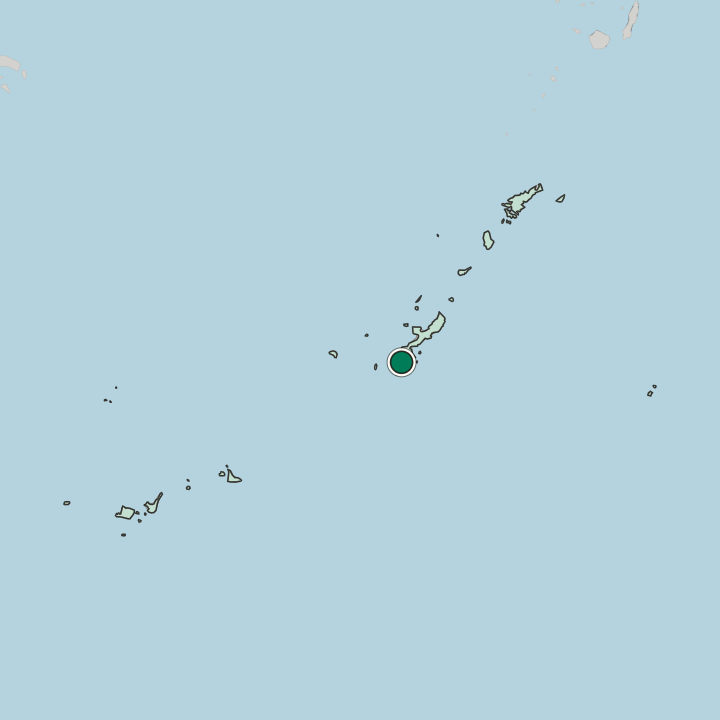
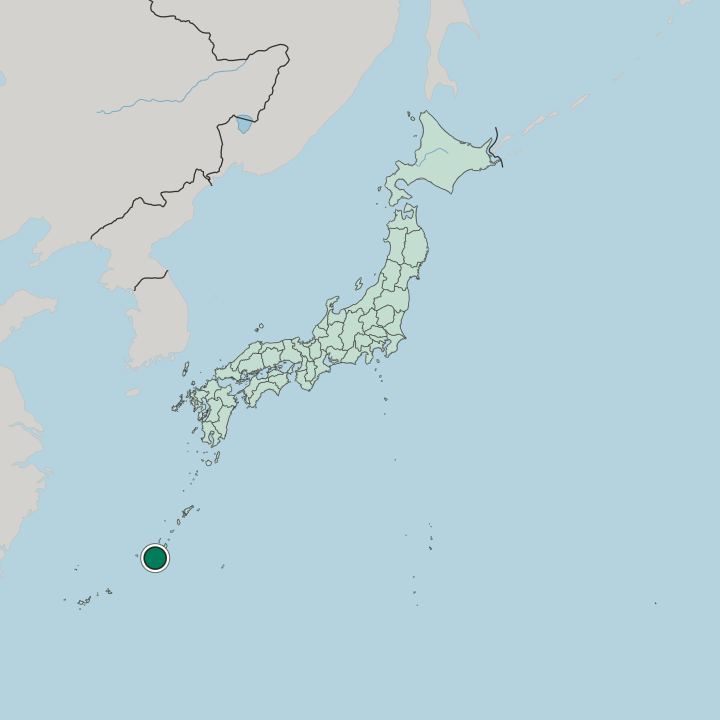
Three municipalities pin Urasoe in place. Naha holds the southern boundary, Ginowan the northern and Nishihara the eastern, leaving a compact wedge of under twenty square kilometres on Okinawa Island. Central Okinawa takes it in.
That region, written Nakagami and also called Nakagami, covers the middle stretch of the island, and the subtropical band it falls within rules the year for Urasoe and its neighbours alike.
What is the climate of Urasoe?
Okinawa Island sets the terms. Urasoe falls in the subtropical band rather than the temperate one, so the cool months stay short and the question for a visitor is heat rather than frost, which changes what an outdoor day here looks like. Planning an Urasoe day means chasing shade, not cover.
The museums, from the Urasoe Art Museum to the Okinawa Prefectural Museum & Art Museum, absorb the hours when walking out to the Mekaru Tomb Cluster or over to Shuri Castle would be uncomfortable.
How do you get to Urasoe?
No approach here is long. Naha adjoins the southern boundary, Ginowan the northern and Nishihara the eastern, so reaching Urasoe means crossing a municipal line rather than covering a distance, and nothing about the trip takes anyone off the built-up middle of Okinawa Island. Journeys are measured in minutes.
The same three boundaries make the city easy to pass through, which is why the Ginowan City Museum and Shuri Castle are as reachable from a bed in Urasoe as the Urasoe Art Museum is.
Common questions
What is the best area to stay in Urasoe?
The Naha boundary: Stays that lean on Naha but sleep inside Urasoe. Ginowan edge: Nights close to the Ginowan City Museum. Urasoe Art Museum quarter: Gallery days starting at the Urasoe Art Museum. Mekaru Tomb Cluster ground: Archaeology-led trips built on the Mekaru Tomb Cluster. Nishihara side: Bases pointed toward Nishihara and the rest of Okinawa Island.
Good for
More cities in Okinawa
Updated October 2026