Japan · Okinawa
Where to Stay in Naha, Okinawa
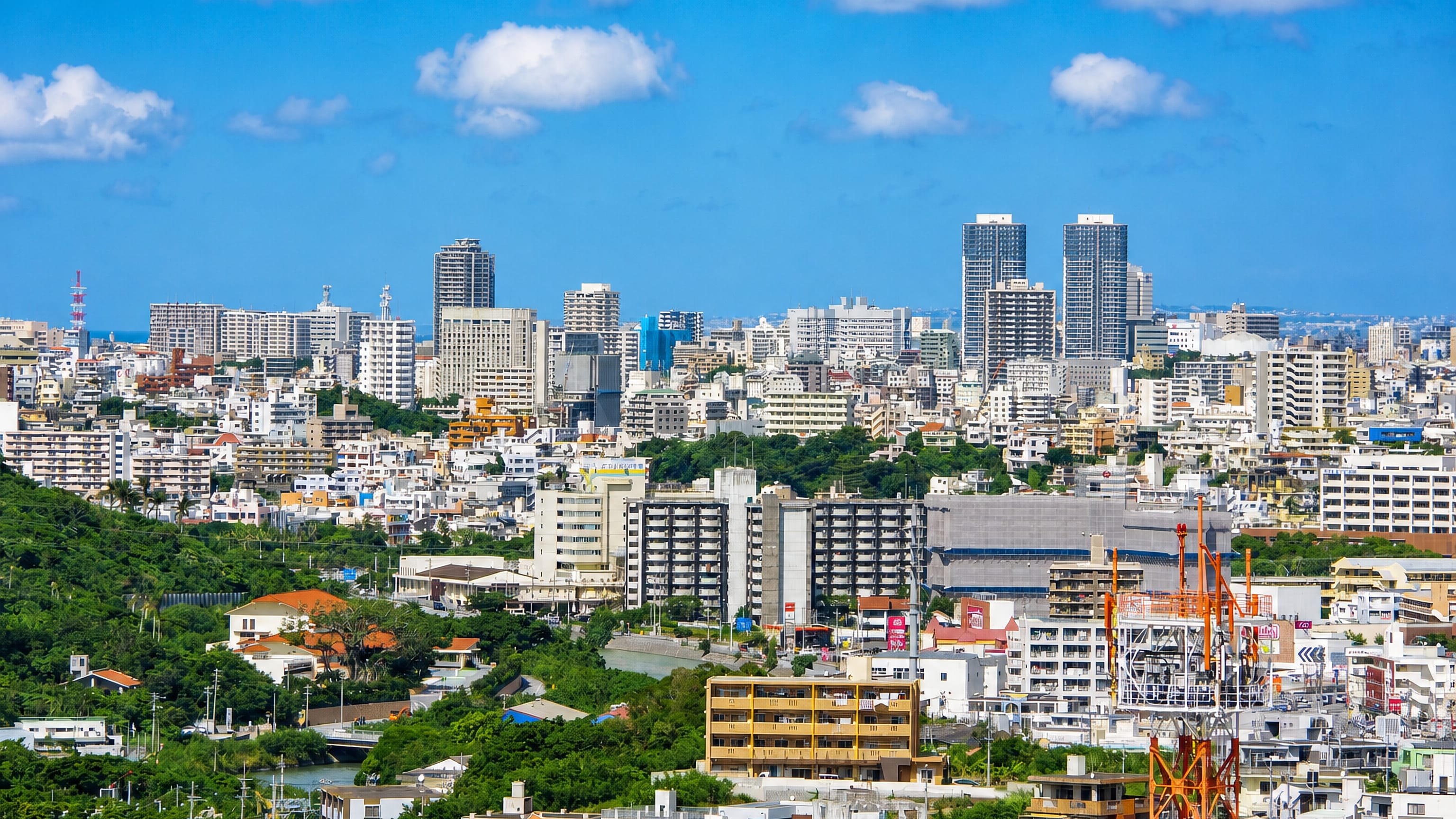
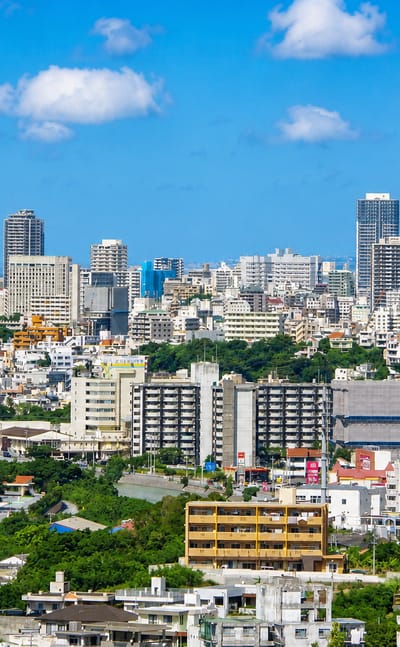
Subtropical light falls on Naha, the capital of Okinawa Prefecture and the main city of Okinawa Island, known for Ryūkyū heritage and Tsuboya pottery.
Hotel links are affiliate links: booking through them may earn us a commission, at no extra cost to you. It never affects how places are ranked. How this works


Where to stay in Naha
Not every neighbourhood fits every trip — here's what each one is good for.
 NahaJapan
Kume
Kume, the old Kumemura, is a district of Naha whose scholar families ran the Ryukyu Kingdom's bureaucracy and its dealings abroad.Where to stay →NahaJapanTsuji
Tsuji is a district of Naha in Okinawa, Japan, and the ground on which the Tsushima-maru Memorial Museum stands.Where to stay →NahaJapanTomari
Tomari is a neighbourhood of Naha where the Tomari Terminal sends ferries out to the islands neighbouring Okinawa Prefecture.Where to stay →Hotel links are affiliate links: booking through them may earn us a commission, at no extra cost to you. It never affects how places are ranked. How this works
Find hotels in Naha
Direct booking searches for these neighbourhoods.
Central Naha
The center of Naha gathers the shops and eating streets and puts the Okinawa Prefectural Museum & Art Museum within a walk in the capital of Okinawa Prefecture.Find hotels in Central NahaCraft travellers near the Naha Municipal Tsuboya Pottery MuseumThe Tsuboya potters' quarter
The old potters' quarter of Naha keeps the kilns and the Naha Municipal Tsuboya Pottery Museum, the trade that gave the Tsuboya district its name.Find hotels in The Tsuboya potters' quarterEarly ferry departures for the smaller Ryūkyū islandsThe Naha harbourfront
By the Naha harbour the ferries leave for the smaller Ryūkyū islands, and a room near the port rewards an early departure across the water.Find hotels in The Naha harbourfrontHotel links are affiliate links: booking through them may earn us a commission, at no extra cost to you. It never affects how places are ranked. How this works
Things to do in Naha
Ranked by global recognition; descriptions from Wikidata (CC0).
Museums & Galleries
3- Okinawa Prefectural Museum & Art Museum
- Tsushima-maru Memorial Museum
- No. 1 Middle School Apprentice Team Information Exhibition Room
Castles & Historic Sites
2- Mekaru Tomb Cluster Heritage
- Yamashita First Cave Site Park
worth knowingacross 2 categories in Naha
About Naha
What is Naha known for?
Naha is known as the capital of Okinawa Prefecture and the main city on Okinawa Island. Its museums carry the Ryūkyū story. The Okinawa Prefectural Museum & Art Museum and the Naha City Museum of History hold the record, while the Naha Municipal Tsuboya Pottery Museum keeps the craft that gave the potters' quarter its name.
Karate has its own hall at the Okinawa Karate Kaikan. The island shapes the city.
What are the main landmarks in Naha?
Naha keeps its heritage in a run of museums across the city. The Okinawa Prefectural Museum & Art Museum joins the region's history to its art under one roof, and the Naha City Museum of History reads the city's own record. Craft lives at the Naha Municipal Tsuboya Pottery Museum, and martial tradition has its hall at the Okinawa Karate Kaikan.
The Tsushima-maru Memorial Museum keeps a sombre wartime record. Ryūkyū newspapers fill the Ryūkyū Shimpō Newspaper Museum.
What is the history of Naha?
Naha was established as a city in 1921, and it grew into the capital of Okinawa Prefecture on Okinawa Island. The ground beneath it holds a far older record. Sites such as the Yamashita First Cave Site Park and the Mekaru Tomb Cluster mark where earlier life left its traces on the island.
The city carries the Ryūkyū heritage in its institutions. The Naha City Museum of History reads the local record, and the Ryūkyū Shimpō Newspaper Museum keeps the account the presses printed. War left a hard mark too, remembered at the Tsushima-maru Memorial Museum on the southern reaches of Japan.
As the main city of the Okinawa Prefecture, Naha gathered the trade, the crafts, and the offices of the island around its harbour. The port still anchors it.
Where is Naha?
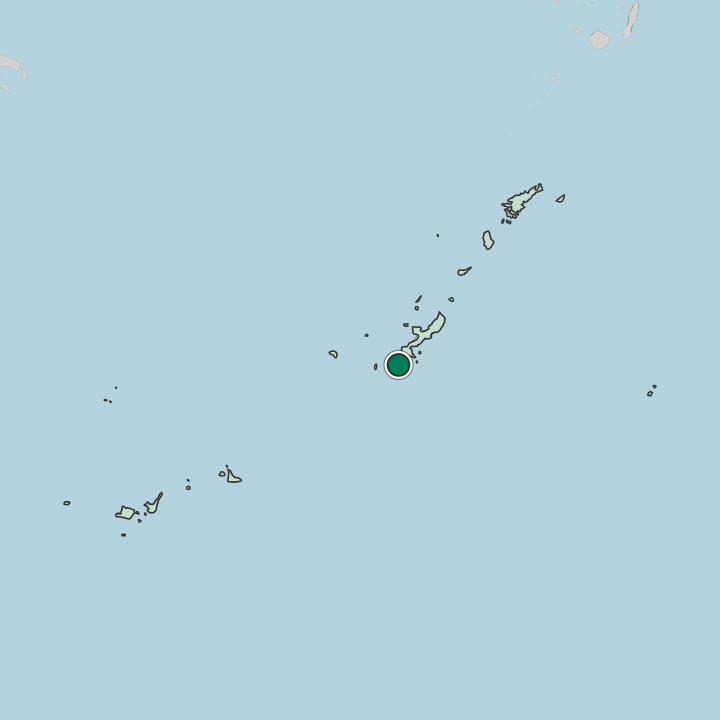
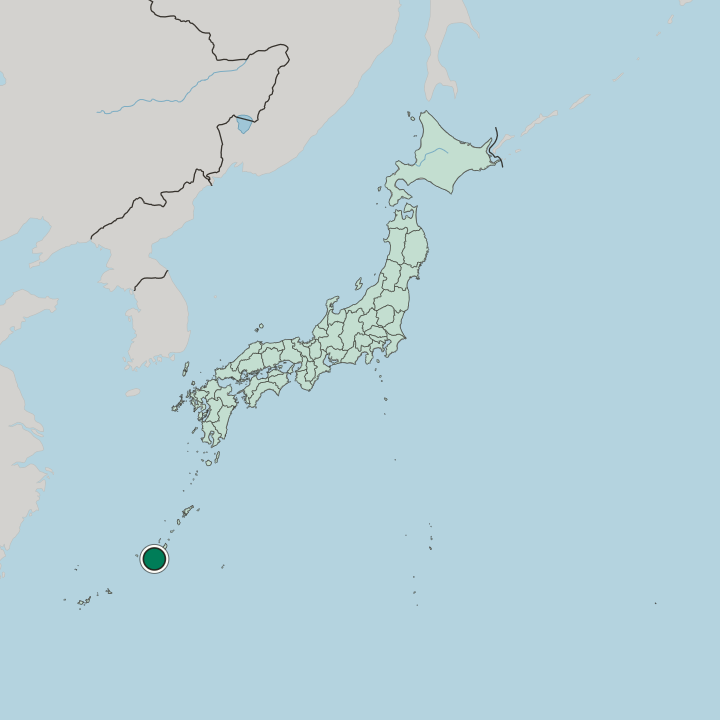
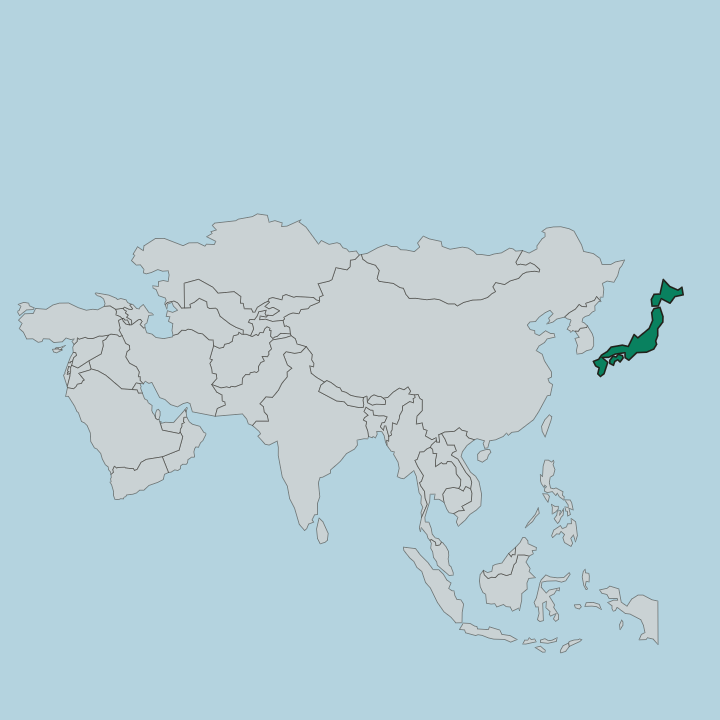
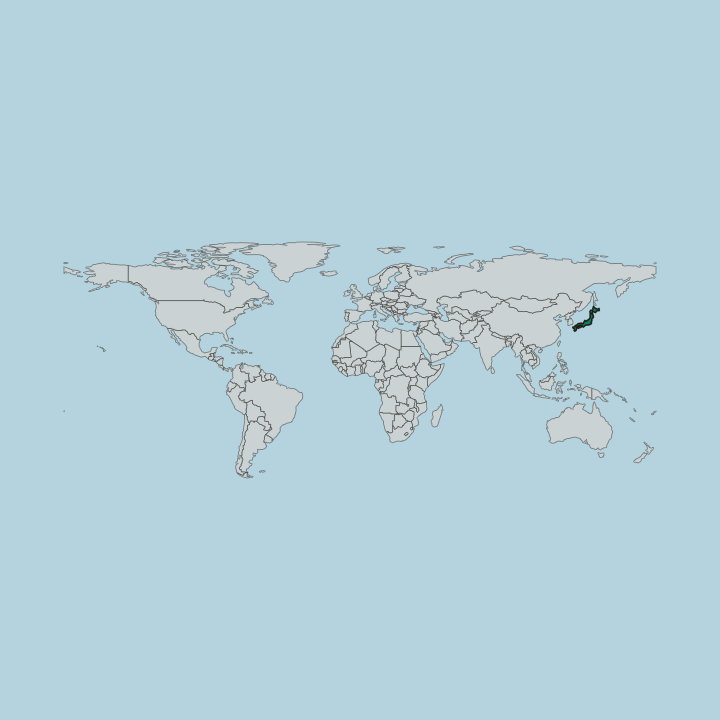
Naha lies on the western shore of Okinawa Island, in Okinawa Prefecture, the southernmost prefecture of Japan. The subtropical setting brings warm seas and green hills, and the harbour opens the city to the smaller Ryūkyū islands. A compact form keeps the center, the port, and the potters' quarter close together.
The sea defines the place.
What is the climate of Naha?
Naha has a subtropical climate, the warmest tenor in Japan. Summers run long, hot, and humid on Okinawa Island, and the sea stays swimmable for much of the year. Winters are mild, with little real cold this far south in Okinawa Prefecture.
The typhoon season brings heavy storms off the water. The ocean rules the weather.
How do you get to Naha?
Naha is the gateway of Okinawa Island, reached mainly by air and sea. Flights land at the city's airport from across Japan, and ferries tie the harbour to the smaller Ryūkyū islands. Once you arrive, a monorail and local buses carry you through the compact center of Okinawa Prefecture.
The port handles the island trade. Air and water bring you in.
Common questions
What is the best area to stay in Naha?
Central Naha: First-time visitors near the Okinawa Prefectural Museum & Art Museum. The Tsuboya potters' quarter: Craft travellers near the Naha Municipal Tsuboya Pottery Museum. The Naha harbourfront: Early ferry departures for the smaller Ryūkyū islands.
Good for
More cities in Okinawa
Updated September 2026