Japan · Saitama-ken
Where to Stay in Kasukabe, Saitama-ken
Kasukabe is a city in Saitama Prefecture, Japan, known for kiri-tansu chests of paulownia wood, the Giant Kite Hall, and the Wisteria in Ushijima.
Hotel links are affiliate links: booking through them may earn us a commission, at no extra cost to you. It never affects how places are ranked. How this works


Where to stay in Kasukabe
Where visitors usually base themselves, and why.
Kasukabe splits between a working city and a set of days out. Rooms in the built-up middle put the Kasukabe History Museum and the Giant Kite Hall within an ordinary walk, and that side suits anyone whose trip is about the paulownia craft rather than the parks. Evenings stay local.
The Kōrinji Site and the Shinpukuji Shell Mound sit near enough to fill a morning on the same side of town. Tobu Zoo changes the shape of a stay entirely. Families who come for it, and for the Tobu Super Pool and the Shirakobato Aquatic Park, want a bed close to the gates rather than close to the museums, because a day at any of the three ends late.
Sleep near the entrance. Ōsaki Park and the Campbelltown Forest of Wild Birds give the same trip a quieter second day. Collectors have their own map. The Iwatsuki Ningyō Museum, the Mogi-Honke Museum of Art, and the Omiya Bonsai Art Museum, Saitama lie out beyond the centre, and a stay planned around them trades walking distance for a route that a car or a patient train day can handle.
Beds are thinner that way. Senkyōkan and the Urawa Museum of Traditional Architecture fall on the same run.
Find hotels in Kasukabe
Direct booking searches for these neighbourhoods.
The built-up middle
The Giant Kite Hall stands within an ordinary walk of the same streetsFind hotels in The built-up middleFamilies spending a day at Tobu Zoo and the Tobu Super PoolBy Tobu Zoo
Beds near the zoo gates shorten the return from Shirakobato Aquatic ParkFind hotels in By Tobu ZooCollectors heading for the Iwatsuki Ningyō MuseumThe outer museum run
Ōsaki Park and the Mogi-Honke Museum of Art lie out where a car helps. Beds are limited here, so book early.Find hotels in The outer museum runHotel links are affiliate links: booking through them may earn us a commission, at no extra cost to you. It never affects how places are ranked. How this works
Things to do in Kasukabe
Ranked by global recognition; descriptions from Wikidata (CC0).
Museums & Galleries
3- Omiya Bonsai Art Museum, Saitama
- Giant Kite Hall
- Saitama Municipal Urawa Museum
Castles & Historic Sites
3- Shinpukuji Shell Mound Heritage
- 馬場小室山遺跡
- Kōrinji Site
Parks & Gardens
2- Tobu Zoo
- Ōsaki Park
worth knowingacross 3 categories in Kasukabe
About Kasukabe
Paulownia made the name.
What is Kasukabe known for?
Kasukabe is known for kiri-tansu, the chests worked from paulownia wood, and the tree carries enough weight here to stand as the official town tree. Kites take the other half. The Giant Kite Hall keeps that tradition, and the Wisteria in Ushijima draws its own season.
What are the main landmarks in Kasukabe?
The Giant Kite Hall is the one to see first. Kasukabe History Museum sets the paulownia trade in order beside it, while the Wisteria in Ushijima and Ōsaki Park handle the outdoor half of a visit and Tobu Zoo takes the family day whole. Shell mounds mark deeper time.
The Shinpukuji Shell Mound and the Kōrinji Site hold that ground, and the Iwatsuki Ningyō Museum sits at the far end of the same run.
What is the history of Kasukabe?
Shell mounds record the first settlement. The Shinpukuji Shell Mound holds the earliest settlement evidence on ground that carried people long before any town appeared on a map of Saitama Prefecture, and the Kōrinji Site adds a later marker. A town name follows.
Kasukabe-machi stands in the record as the older municipal form, and the Kasukabe History Museum keeps the paper end of it. Paulownia turned a town into a trade. Chests of kiri-tansu carried the name of Kasukabe outward, and the wood earned its standing so firmly that the paulownia became the official town tree rather than a mere local material.
Kites grew alongside the craft. The Giant Kite Hall preserves that, and the Wisteria in Ushijima marks an inheritance of its own. Administration caught up late.
Kasukabe took its modern bounds in 2005, and it held the status of a special city until Japan abolished that category in 2015. Two dates, one municipality. The Saitama Municipal Iwatsuki Local History Museum and the Urawa Museum of Traditional Architecture carry the wider prefecture's version of the same century, and the Noda City Museum works it from the far side.
Where is Kasukabe?
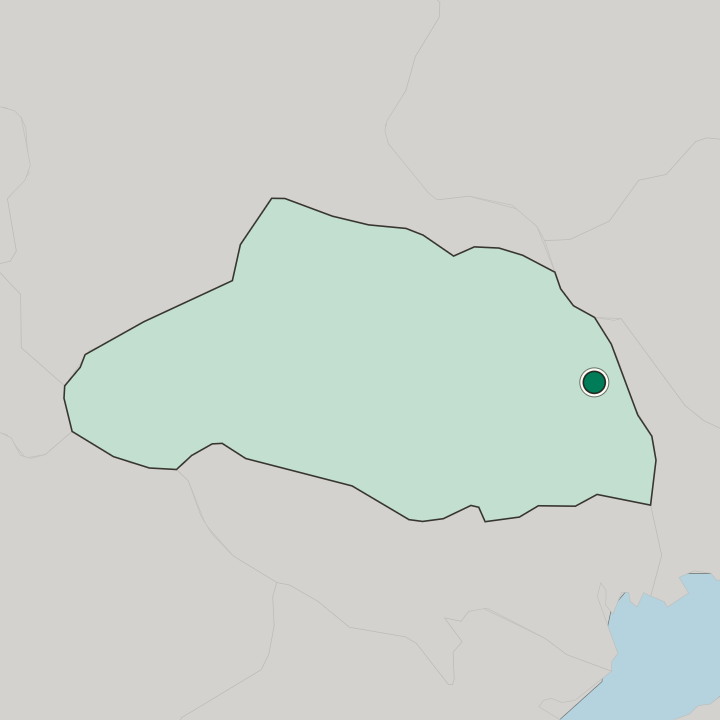
Kasukabe is closely built for a municipality of its size. Its landmarks scatter rather than cluster, with the Shinpukuji Shell Mound, Ōsaki Park, the Campbelltown Forest of Wild Birds, and Tobu Zoo spread far enough apart to make a single day awkward on foot. Water features repeat.
Shirakobato Aquatic Park and the Tobu Super Pool both turn on it, and Saitama Prefecture surrounds the whole.
What is the climate of Kasukabe?
Wisteria fixes the calendar. The Wisteria in Ushijima flowers in the warm half of the year, the plainest local sign that Kasukabe runs on the temperate cycle of the northern hemisphere rather than a wet and dry one. Winter is the indoor stretch.
Kasukabe History Museum, the Giant Kite Hall, and the Iwatsuki Ningyō Museum absorb the cold weeks.
How do you get to Kasukabe?
Arrivals land in the middle of the municipality. From there the Kasukabe History Museum and the Giant Kite Hall are walkable, and everything else, from Tobu Zoo to Ōsaki Park and the Campbelltown Forest of Wild Birds, asks for a ride. Ushijima needs its own trip.
The Iwatsuki Ningyō Museum, the Omiya Bonsai Art Museum, Saitama, and the Noda City Museum sit far enough out that a full day is the honest allowance.
Common questions
What is the best area to stay in Kasukabe?
The built-up middle: Trips centred on kiri-tansu and the Kasukabe History Museum. By Tobu Zoo: Families spending a day at Tobu Zoo and the Tobu Super Pool. The outer museum run: Collectors heading for the Iwatsuki Ningyō Museum.
Good for
More cities in Saitama-ken
Updated October 2026