Japan · Saitama-ken
Where to Stay in Kukichūō, Saitama-ken
Kukichūō, recorded as Kuki in Saitama Prefecture, is a Japanese city known for Tobu Zoo and a long run of small, single-subject museums.
Hotel links are affiliate links: booking through them may earn us a commission, at no extra cost to you. It never affects how places are ranked. How this works


Where to stay in Kukichūō
Where visitors usually base themselves, and why.
Tobu Zoo decides most stays in Kukichūō. A room within reach of the zoo and the Tobu Super Pool answers the one question families actually ask, since both sit on the same ground and a day can be split between them without moving a car. Beds there go early in the heat.
The museum side is quieter. Kuki City Community Museum, the Wakui Museum and the Suzuki Kantarō Museum sit at the other end of the visit, and a stay near them trades the queues for rooms that still work in bad weather. That suits a slower pair of days.
The Nippon Institute of Technology corner brings its own reason: the Museum of Industrial Technology draws people who came for machines rather than animals, and it rarely competes for the same beds. Kukichūō is small enough that the real choice is which end of the day matters. If it fills, the same list reaches into the towns around, though the Chiba Prefectural Sekiyado-jō Museum marks roughly the limit of what still counts as a short run.
Anything past that is a separate trip.
Find hotels in Kukichūō
Direct booking searches for these neighbourhoods.
By Tobu Zoo
Two gates on the same ground, so the second half of the day needs no journey. Lodging is scarce in this area; reserve in advance.Find hotels in By Tobu ZooSlow days at the Kuki City Community Museum and the Wakui MuseumThe museum end of Kuki
Indoor rooms that hold up in bad weather, with the Suzuki Kantarō Museum added onFind hotels in The museum end of KukiVisitors here for the Museum of Industrial TechnologyThe Nippon Institute of Technology corner
Machines instead of animals, and beds that rarely compete with the zoo crowdFind hotels in The Nippon Institute of Technology cornerHotel links are affiliate links: booking through them may earn us a commission, at no extra cost to you. It never affects how places are ranked. How this works
About Kukichūō
Tobu Zoo pulls most of the traffic.
What is Kukichūō known for?
Alongside it the Tobu Super Pool works the summer, and Kukichūō hands the rest of the year over to museums that sit within a short reach of one another across Saitama Prefecture. Kukichūō's museum list is not a short one. The Wakui Museum, the Hokusai Art Museum and the Satoe Memorial Art Museum of 21st Century each take one narrow subject and hold to it.
Even the Minomushi Museum keeps that habit.
What are the main landmarks in Kukichūō?
Tobu Zoo is the anchor. Older ground shows in the Kōrinji Site and in the marker recorded as Koemon Village Milestone Mound, both of them survivals from well before the town of 1889. Museums cover the rest: the Suzuki Kantarō Museum around one man's name, the Kuki City Community Museum on the town itself, and the Museum of Industrial Technology at the Nippon Institute of Technology on the machines.
Water and animals take the families.
What is the history of Kukichūō?
1889 is the date on the record. That year fixed Kukichūō as a town, and anything older has to be read out of the ground instead: the Kōrinji Site, and the marker recorded as Koemon Village Milestone Mound, are what the centuries before it left behind. Two fragments, then a gap.
The written account only begins with the town itself. Museums do the remembering. Kuki City Community Museum keeps the town's own record, the Suzuki Kantarō Museum is built around a single name, and the Chiba Prefectural Sekiyado-jō Museum, carrying another prefecture's name entirely, still falls on the same local list.
None of the arrangement is grand. One town's archive, one man's, and a castle collection borrowed from beyond the boundary cover three different scales of the past between them. Art and industry arrived on that same pattern.
The Wakui Museum, the Hokusai Art Museum and the Satoe Memorial Art Museum of 21st Century each keep a narrow collection rather than a general one, while the Museum of Industrial Technology at the Nippon Institute of Technology records the machines and trades a town of this size ran on. Even the Minomushi Museum picks one subject and stops there. That is the local habit, and it explains why the past in Kukichūō is met in a series of small rooms instead of one long gallery.
Where is Kukichūō?
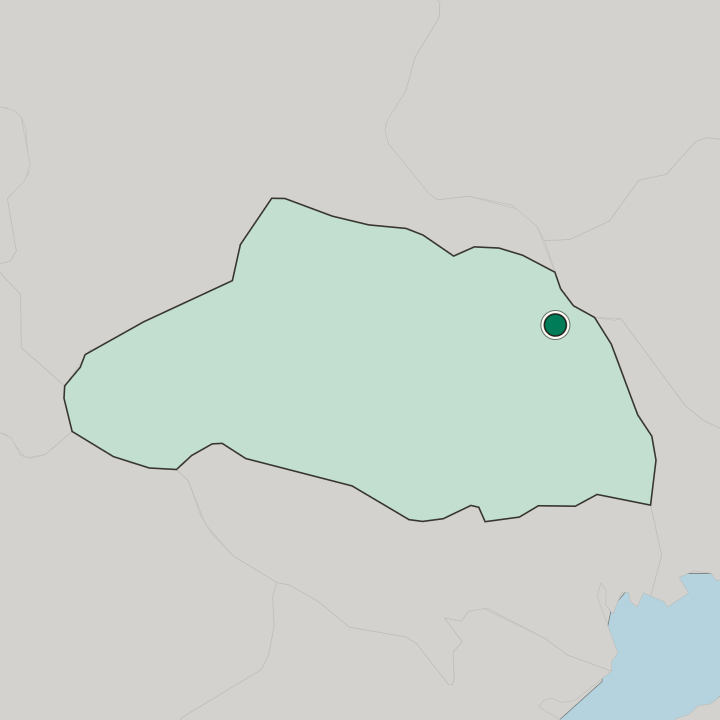
Kukichūō spreads across roughly eighty-two square kilometres of Saitama Prefecture. Its ground is worked hard: Tobu Zoo and the Tobu Super Pool account for a large share of what fills it, with the Nippon Institute of Technology and a run of museums taking up the space between. Boundaries come round quickly.
Kuki is the name the wider municipality carries on most records, and the two read as one place for anyone planning a day out of a single hotel room.
What is the climate of Kukichūō?
The year splits into a warm half and a cold one. That split decides which of the local draws is working: the Tobu Super Pool answers the heat, while the indoor rooms of the Wakui Museum and the Kuki City Community Museum carry the months when nobody wants to be outdoors. It is a temperate place.
Tobu Zoo works in either half, and it tends to anchor a Kukichūō itinerary whichever way the season has gone.
How do you get to Kukichūō?
Tobu Zoo is the landmark to steer by. Arrivals into Kukichūō come through Saitama Prefecture, and the useful mental map is a short one: the zoo and the Tobu Super Pool at one end of the day, the museums of Kuki at the other. The Chiba Prefectural Sekiyado-jō Museum sits far enough out to need a trip of its own, even though the same list carries it.
Two halves, one day.
Common questions
What is the best area to stay in Kukichūō?
By Tobu Zoo: Families splitting a day between Tobu Zoo and the Tobu Super Pool. The museum end of Kuki: Slow days at the Kuki City Community Museum and the Wakui Museum. The Nippon Institute of Technology corner: Visitors here for the Museum of Industrial Technology.
Good for
More cities in Saitama-ken
Updated October 2026