Japan · Saitama-ken
Where to Stay in Saitama, Saitama-ken
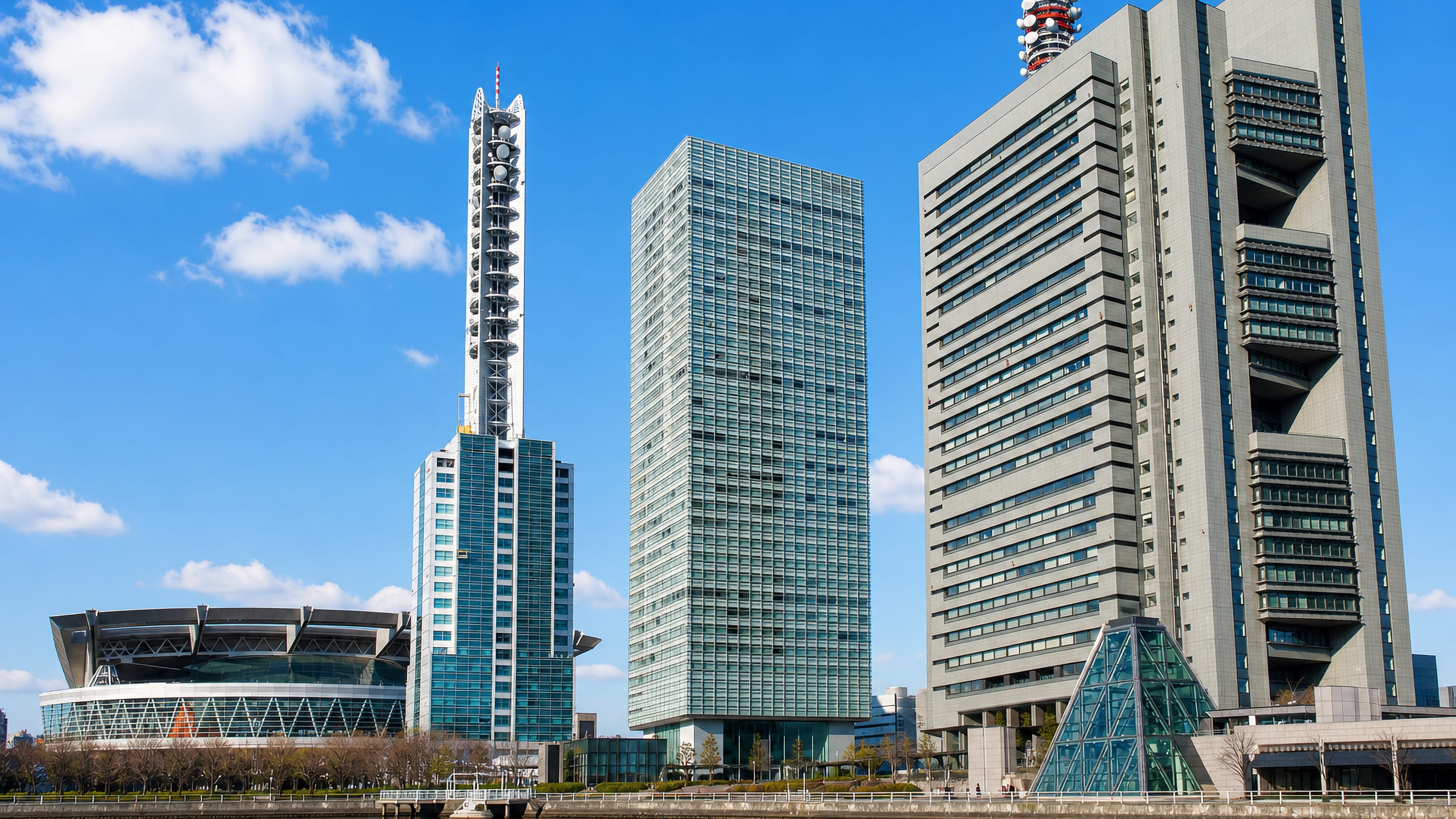
A cathedral spire and gallery halls mark Urawa, the old centre of Saitama, a city of Saitama-ken formed in 2001 and known for the Urawa Art Museum.
Hotel links are affiliate links: booking through them may earn us a commission, at no extra cost to you. It never affects how places are ranked. How this works


Where to stay in Saitama
Where the beds are, and what that means for the visit.
Saitama keeps most of its beds in Urawa, the ward that carried the prefectural offices before the merged city took its name. The Urawa Art Museum, the Museum of Modern Art and the spire of Saint Theresa of the Child Jesus Cathedral stand close together on these streets, so one room covers the whole gallery circuit on foot and still leaves the station within easy reach. Trains run all day.
This is the side you want if the museums are the reason for the trip. Musashi-Urawa lies a few stops west, where the orbital tracks cross the north-south line and the Musashi-Urawa Ramen Academy stacks its counters floor above floor. Rooms here cost less than the gallery streets.
The quarter suits late arrivals and anyone changing trains, and it puts Warabi, Kawaguchi and Koshigaya inside a short ride for a stay spread wider across Saitama-ken. The outer wards are the third choice. Ground near the Saitama Municipal Youth Astronomical Museum and the Kōnuma Folk Museum trades the arcades for parking and open sky, and families who drive tend to settle out there rather than in the crowded blocks behind Urawa.
Nights go quiet early.
Find hotels in Saitama
Direct booking searches for these neighbourhoods.
Urawa
Gallery streets around the old prefectural officesFind hotels in UrawaLate arrivals changing trains at the crossingMusashi-Urawa
Where the orbital tracks meet the ramen countersFind hotels in Musashi-UrawaDrivers heading for the Kōnuma Folk MuseumThe outer wards
Parking and open sky past the arcades of UrawaFind hotels in The outer wardsHotel links are affiliate links: booking through them may earn us a commission, at no extra cost to you. It never affects how places are ranked. How this works
About Saitama
Saitama is known for the museums gathered across its wards.
What is Saitama known for?
The Urawa Art Museum and the Museum of Modern Art hold the painting collections, while the Saitama Municipal Youth Astronomical Museum turns its dome on the night sky above the plain. Ramen has its own hall. Eaters queue at the Musashi-Urawa Ramen Academy, and the Kōnuma Folk Museum keeps the field tools and household gear of the countryside the wards were laid across.
Urawa still sets the tone.
What are the main landmarks in Saitama?
Saitama gathers its landmarks in Urawa and the wards immediately around it. The Urawa Art Museum and the Museum of Modern Art hold the painting collections, and the brick front of Saint Theresa of the Child Jesus Cathedral rises a few streets away. A dome watches the sky.
The Saitama Municipal Youth Astronomical Museum runs its telescope for school groups, while the Kōnuma Folk Museum keeps the tools of the farming plain the city was built across.
What is the history of Saitama?
Saitama took its present form in 2001, when the older towns of the plain were joined under a single name. Urawa was the elder of them. That town carried the prefectural offices and the galleries, and its name still marks the stations, the museum streets and the cathedral parish on this side of Saitama-ken.
The merger did not erase the older names. Wards and stations kept them, and so did the shopfronts along the arcades. Before any of it, this ground was farmland.
The Kōnuma Folk Museum keeps the tools and household gear of the villages that worked the plain, the record of a countryside the wards were laid across within a couple of generations. Paddy and dry field gave way to housing plots. Rail lines pushed the built-up edge outward until the blocks ran unbroken toward Warabi, Kawaguchi and Koshigaya, and the boundary between one town and the next stopped being visible from the street.
Museums followed the merger. The Museum of Modern Art and the Urawa Art Museum drew the painting collections together, while the Saitama Municipal Youth Astronomical Museum opened its dome for the schools of a city that had only just acquired its name. The old towns outlast the boundaries redrawn over them.
Where is Saitama?
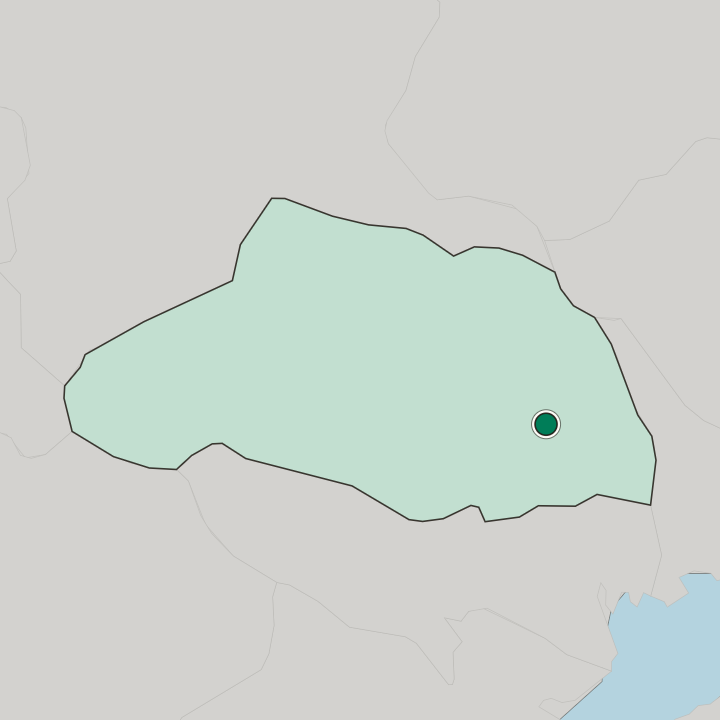
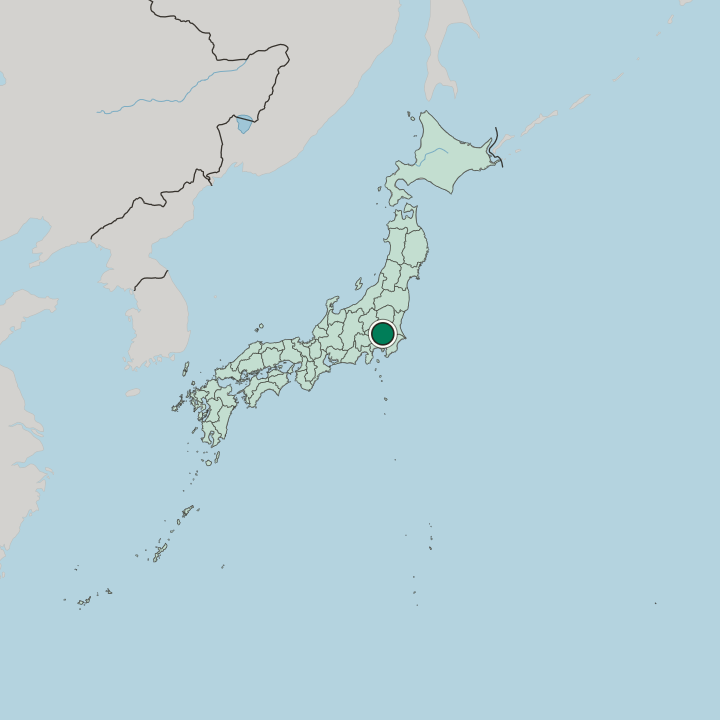
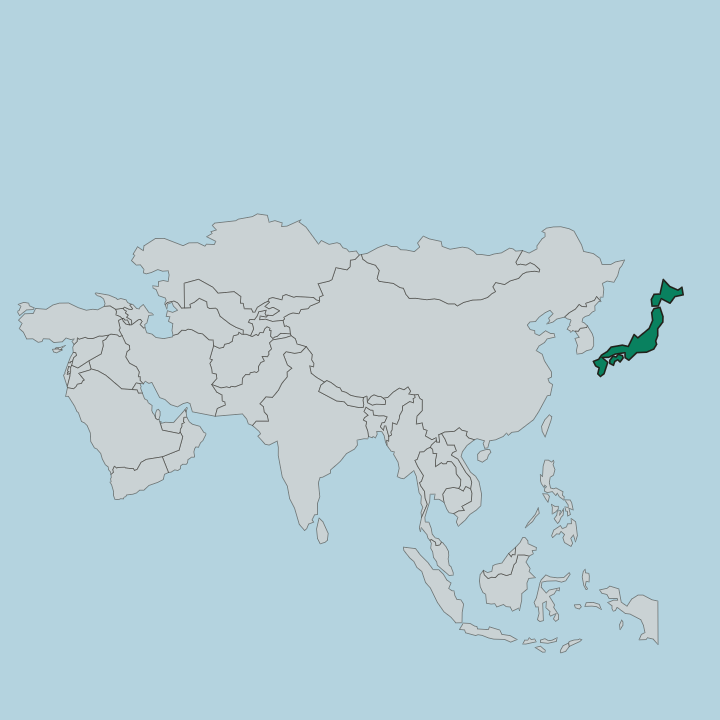
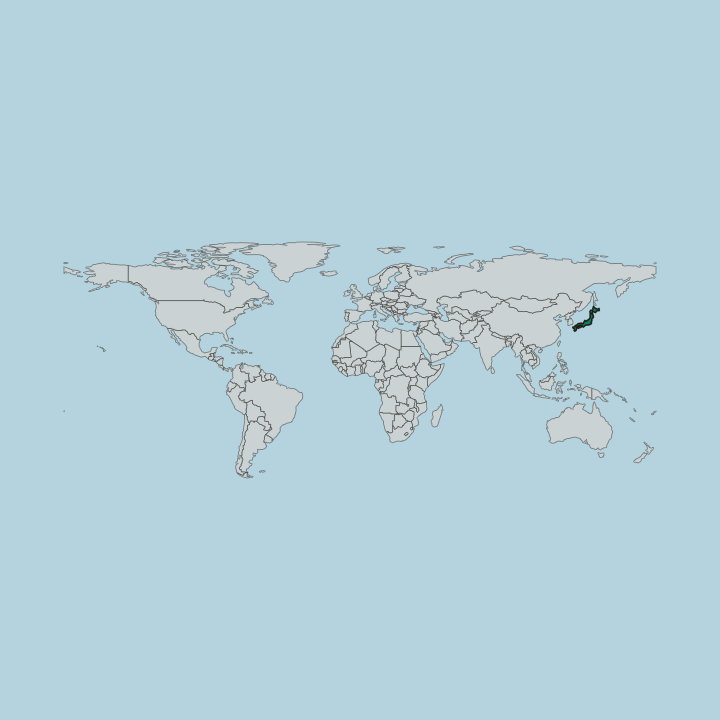
Saitama lies on the flat inland plain of Saitama-ken, in Japan, with no coast of its own. The land lifts hardly at all. Rivers cross it in shallow beds, and the built-up wards run into Warabi, Kawaguchi and Koshigaya with hardly a break, so the edges of the city read as administrative rather than physical.
Urawa sits toward the southern side. Open fields of the kind the Kōnuma Folk Museum records begin again past the outer wards.
What is the climate of Saitama?
Saitama sits too far inland for the sea to temper it. Summer settles heavy and still across the plain of Saitama-ken, the warmth holding through the night in the built-up blocks around Urawa, while the winter months turn dry and bright with hard frosts and very little snow. Rain arrives in early summer.
Autumn clears the sky over the dome of the Saitama Municipal Youth Astronomical Museum, and spring runs short and warm.
How do you get to Saitama?
Saitama stands on the rail corridor that runs north across the plain, and both Urawa and Musashi-Urawa take intercity services. Musashi-Urawa is the crossing point, where the orbital tracks cut the north-south line and passengers change without leaving the platform. Trains come constantly.
Local services thread out to Warabi, Kawaguchi, Shiki and Koshigaya, and the expressways over Saitama-ken bring in the coaches and the cars from the same directions.
Common questions
What is the best area to stay in Saitama?
Urawa: Walking the Urawa Art Museum and the cathedral spire. Musashi-Urawa: Late arrivals changing trains at the crossing. The outer wards: Drivers heading for the Kōnuma Folk Museum.
Good for
More cities in Saitama-ken
Updated September 2026