Japan · Saitama-ken
Where to Stay in Niiza, Saitama-ken
Niiza is a compact Saitama Prefecture city in Japan, ringed by museums running from the Ghibli Museum to the Tokorozawa Aviation Museum.
Hotel links are affiliate links: booking through them may earn us a commission, at no extra cost to you. It never affects how places are ranked. How this works


Where to stay in Niiza
Where visitors usually base themselves, and why.
Niiza's beds answer to the museums around it rather than to a centre of its own. The city is small and built up, so the practical question is which edge to wake up on: the Ghibli Museum and the Suginami Animation Museum pull one way, the Tokorozawa Aviation Museum and Seibu-en pull the other, and the Kadokawa Culture Museum sits further along that second line again. Its own ruins complicate the choice.
The Shitanoya Site, the Kurihara Ruins and the Gobōyama Site are scattered through residential ground and cluster near nothing a hotel would advertise as a district. Anyone here for animation should weigh the Nerima Art Museum and the Inokashira Park Zoo into the same run, since both fall inside the short hops that make this part of Saitama Prefecture worth a base at all. History-minded stays tilt the other way.
The Asaka City Museum, the Itabashi Historical Museum, the Nakano Historical Museum and the Edo-Tokyo Open Air Architectural Museum each cover a different municipality's version of the same centuries, and stringing three of them into one day is realistic from almost anywhere in Niiza. Beds are ordinary here. If you want short journeys and a quiet room rather than a night out, that ordinariness is the point, and the Museum of Modern Art, Saitama or the Tamarokuto Science Center will fill an afternoon without a long ride.
Find hotels in Niiza
Direct booking searches for these neighbourhoods.
Around the Shitanoya Site
Older residential ground where the Shitanoya Site and the Gobōyama Site surface between houses rather than in parkland.Find hotels in Around the Shitanoya Sitethe Ghibli Museum and the Suginami Animation MuseumThe Nerima Art Museum side
The edge of Niiza that shortens the run to the Nerima Art Museum, the Suginami Animation Museum and the Ghibli Museum.Find hotels in The Nerima Art Museum sidethe Kadokawa Culture Museum and Seibu-enThe Tokorozawa side
The opposite edge, pointed at the Tokorozawa Aviation Museum, Seibu-en and the Kadokawa Culture Museum.Find hotels in The Tokorozawa sidethe Asaka City Museum and the Museum of Modern Art, SaitamaThe Asaka side
The stretch that keeps the day inside Saitama Prefecture, with the Asaka City Museum and the Museum of Modern Art, Saitama in easy reach.Find hotels in The Asaka sideHotel links are affiliate links: booking through them may earn us a commission, at no extra cost to you. It never affects how places are ranked. How this works
Things to do in Niiza
Ranked by global recognition; descriptions from Wikidata (CC0).
Museums & Galleries
3- Ghibli Museum
- Museum of Modern Art, Saitama
- Suginami Animation Museum
Churches & Religious Sites
2- St. Theresa of the Child Jesus Cathedral, Urawa
- 阿佐ヶ谷教会
Castles & Historic Sites
3- Moro Heritage Site
- Shitanoya Site
- Kurihara Ruins
Parks & Gardens
1- Seibu-en
worth knowingacross 4 categories in Niiza
About Niiza
What is Niiza known for?
Twenty-odd square kilometres hold Niiza, and what that compression buys is access: the Ghibli Museum, the Edo-Tokyo Open Air Architectural Museum and the Nerima Art Museum all sit within an ordinary commute of a bed here. Its own ground is older. Excavation has turned up the Shitanoya Site, the Kurihara Ruins and the Gobōyama Site.
Museums borrow the city; the ruins are its own.
What are the main landmarks in Niiza?
The best-known names around Niiza belong to its neighbours. The Ghibli Museum, the Edo-Tokyo Open Air Architectural Museum and the Tokorozawa Aviation Museum take most of the visitors, while Seibu-en, the Inokashira Park Zoo and the Tamarokuto Science Center fill out the family end of the same list. Its own marks are quieter.
The Shitanoya Site, the Kurihara Ruins and the Gobōyama Site sit in unremarkable ground, and St. Theresa of the Child Jesus Cathedral, Urawa and the Ono Tadashige Print Museum round out what a short ride can reach.
What is the history of Niiza?
Excavated ground carries the earliest record. The Shitanoya Site, the Kurihara Ruins and the Gobōyama Site all lie within Niiza, and the Moro Heritage Site adds another marker to a landscape worked and rebuilt so thoroughly that its archaeology now surfaces between houses. None of it is monumental.
What survives is fragmentary, which is why the interpreting happens in collections rather than out on the sites themselves. The municipality itself is recent. Niiza took its modern shape in 1955, recorded as Niiza-machi, and the decades after that filled the fields between older settlements.
Neighbouring collections record how the same thing happened across the whole belt: the Itabashi Historical Museum, the Nakano Historical Museum and the Asaka City Museum each keep their own municipality's account, while the Edo-Tokyo Open Air Architectural Museum preserves the buildings themselves rather than the paperwork. Industry left an archive of its own in the Gas Museum and the NTT History Center of Technologies. Harder chapters have their record too, at the National Hansen's Disease Museum.
The Middle Eastern Culture Center in Japan and the Kadokawa Culture Museum belong to a later era again, and the Kodaira Hirakushi Denchu Art Museum shows how thickly this belt has come to be layered with institutions. Ruins first, archives after.
Where is Niiza?
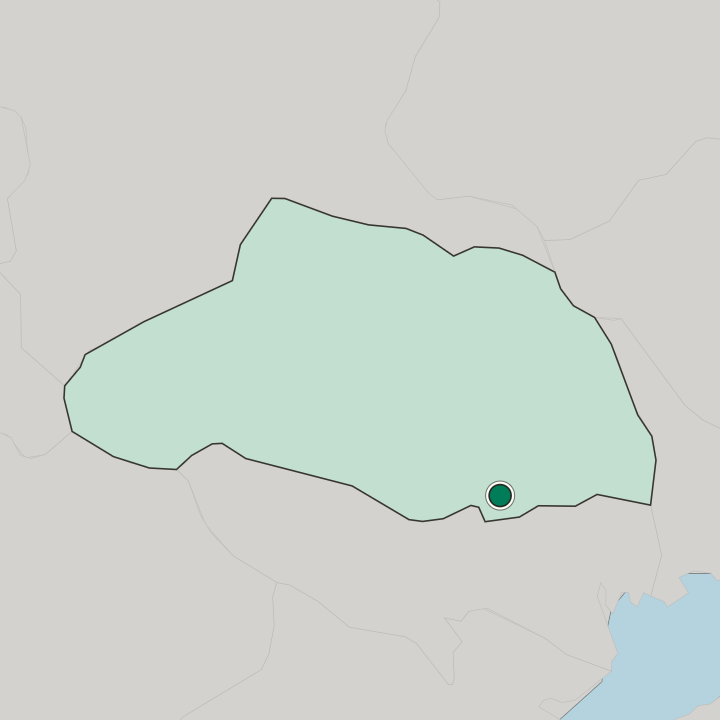
Under twenty-three square kilometres is all Niiza has. That is little room. The municipality is built up rather than open, its ground given over to housing and streets, with the Shitanoya Site and the Gobōyama Site surfacing inside that fabric instead of standing clear of it.
What compensates is company, because the Nerima Art Museum, the Asaka City Museum and the Tokorozawa Aviation Museum belong to other municipalities entirely and still fall inside the same short radius, which makes the working map of this corner of Saitama Prefecture far wider than one city outline.
What is the climate of Niiza?
The temperate band of the northern hemisphere sets the year in Niiza, which means a warm peak in the middle of it and a cold trough at either end, with spring and autumn holding the pleasant margins. Indoor days are easy. The Ghibli Museum, the Tamarokuto Science Center and the Gas Museum absorb bad weather, and none of the three is far.
Rain rarely wrecks a plan.
How do you get to Niiza?
Nearly everything here is a short hop. The Ghibli Museum, the Inokashira Park Zoo and the Suginami Animation Museum sit one way out of Niiza; the Tokorozawa Aviation Museum, Seibu-en and the Kadokawa Culture Museum sit the other, and neither run asks for a whole day. Distance is not the constraint.
Opening hours are, since the Edo-Tokyo Open Air Architectural Museum, the Gas Museum and the NTT History Center of Technologies each keep their own, so the order of a day decides more than the route does.
Common questions
What is the best area to stay in Niiza?
Around the Shitanoya Site: the Shitanoya Site and the Kurihara Ruins. The Nerima Art Museum side: the Ghibli Museum and the Suginami Animation Museum. The Tokorozawa side: the Kadokawa Culture Museum and Seibu-en. The Asaka side: the Asaka City Museum and the Museum of Modern Art, Saitama.
Good for
More cities in Saitama-ken
Updated September 2026