Japan · Tokyo Prefecture · Kita
Ōji, Kita — Area Guide & Where to Stay
Oji is a district of Kita ward in Tokyo, renamed from Kishi village in 1322 when the Toshima clan invited the Kumano Nyakuichi Oji deity to the ground.
Hotel links are affiliate links: booking through them may earn us a commission, at no extra cost to you. It never affects how places are ranked. How this works


Map data © OpenStreetMap contributors
Where to stay in Ōji
The practical side of choosing where to sleep.
Oji station is the busy point. The area around it and along the Kita-Hon-dori is the liveliest part of the district, served by the Keihin-Tohoku line and the Namboku line of the Tokyo Metro. Paper made this place.
Factories and company housing of the old Oji Paper filled much of the ground until the 1960s, and after they closed the Sun Square centre and the Oji five-chome estate were built on it. The Shakujii river crosses the district.
About Ōji
What are the main landmarks in Ōji?
Oji shrine is the origin of the name. The Toshima clan invited the Kumano Nyakuichi Oji deity here in 1322, and the village of Kishi was renamed after it. Its dengaku is a listed folk property.
The Oji Dengaku is said to have been created as an exorcistic dance at the time of that invitation, and Kita ward lists it as an intangible folk cultural property. Foxes process on the last night of the year. The custom follows the fox-fire legend attached to the Oji Inari shrine, which claimed to head the Inari shrines of the thirty-three eastern provinces.
What is the history of Ōji?
The Toshima clan held this ground in the Middle Ages. It was part of the Toshima estate from the late Heian to the Muromachi period, run from Hiratsuka castle at Kaminakazato, and the Gikeiki says Minamoto no Yoritomo crossed the Sumida and reached Oji. Cherry trees changed everything.
The eighth shogun Tokugawa Yoshimune planted them on Asukayama in the eighteenth century, the Nikko Onari Kaido ran through the middle of the village straight to Edo, and restaurants and teahouses lined the way as blossom viewing and the Inari shrine drew visitors out. Paper came in 1875. The first Western-style paper mill in Japan started in the lowland east of the plateau, the Printing Bureau built a works beside it the next year, and factories spread along the Shakujii and Sumida rivers.
A railway followed in 1883. Oji station was set up when the line between Ueno and Kumagaya opened, chemical and fertiliser works and a powder arsenal grew up by the Taisho era, and the Oji Electric Tramway began running from the station in 1911. The ward came in 1932.
Oji town joined Tokyo City with old Iwabuchi town to form Oji ward, and in 1947 it merged with Takinogawa to make Kita ward.
Where is Ōji?
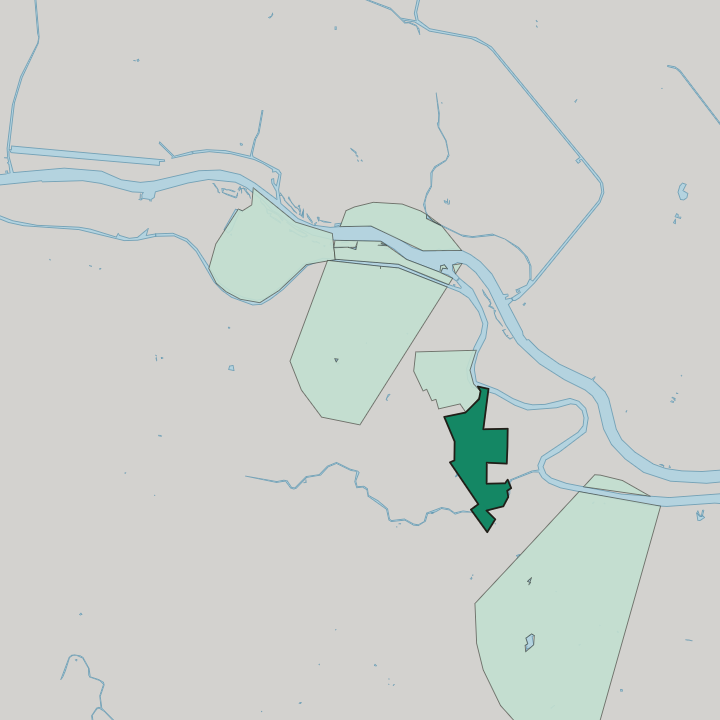
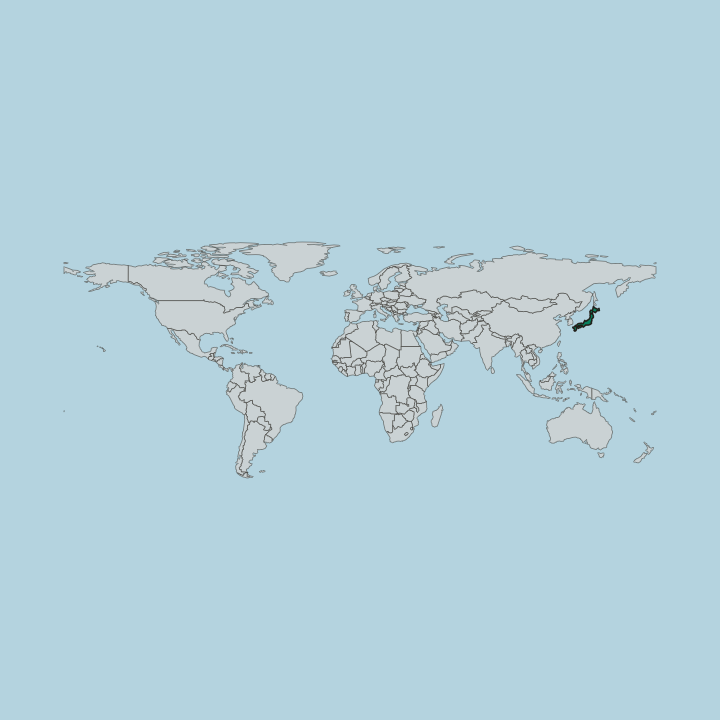
Oji lies at the centre of Kita ward in Tokyo, crossed north to south by national route 122, with the Keihin-Tohoku line along its western side and the Shakujii and Sumida rivers on the east.
More areas in Kita
Updated September 2026