Japan · Tokyo Prefecture
Where to Stay in Tokyo, Tokyo Prefecture
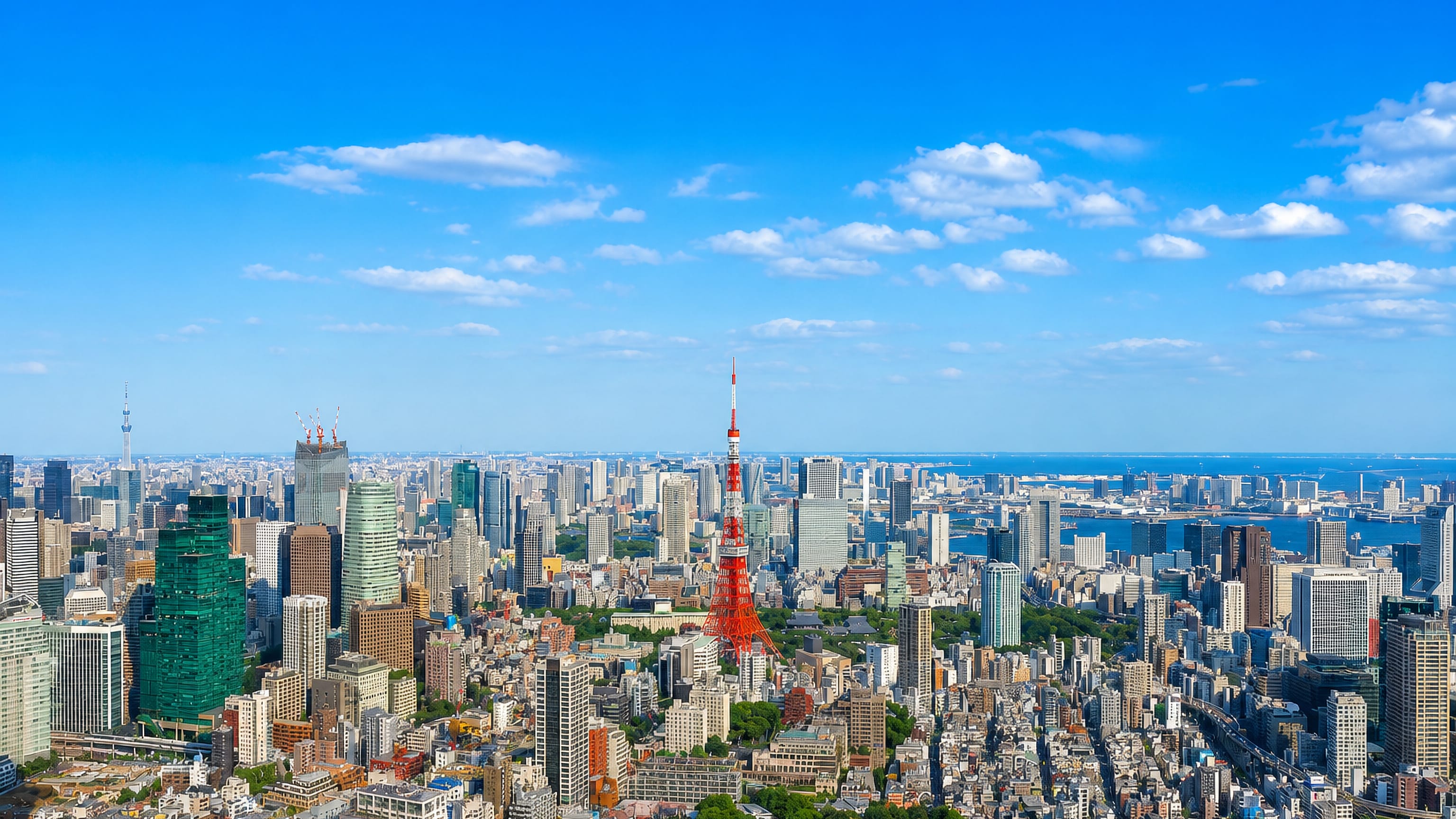
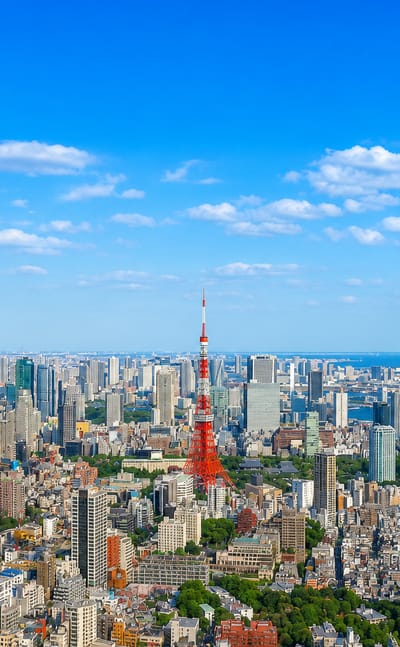
Skyscrapers and shrine forest stand side by side in Tokyo, the capital and main city of Japan, known for Meiji Jingū and the Shibuya scramble crossing.
Hotel links are affiliate links: booking through them may earn us a commission, at no extra cost to you. It never affects how places are ranked. How this works


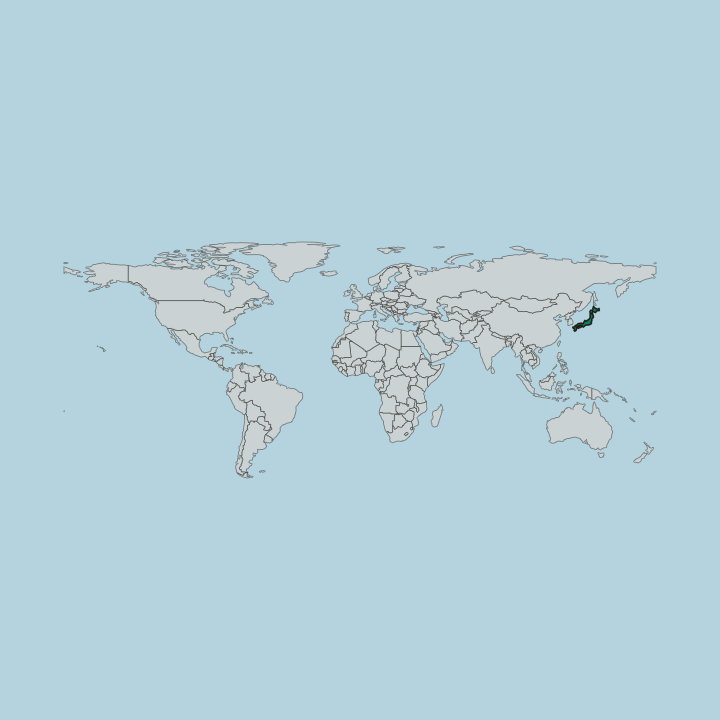
Where to stay in Tokyo
The right area depends on your trip — here's what each neighbourhood is best for.

 TokyoJapan
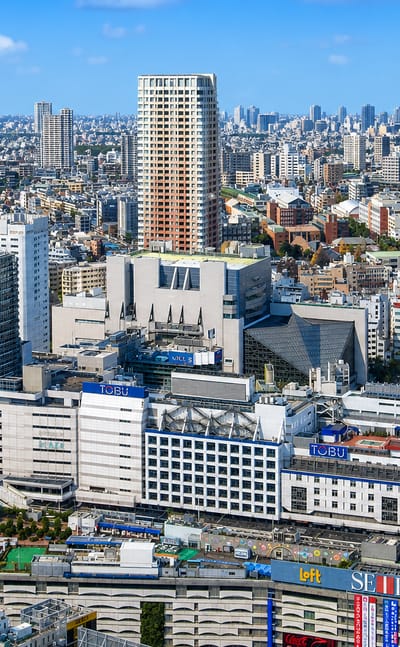
Shibuya
The blocks around the Shibuya scramble crossing stay busy after dark, with Bunkamura a short walk off.Shibuya →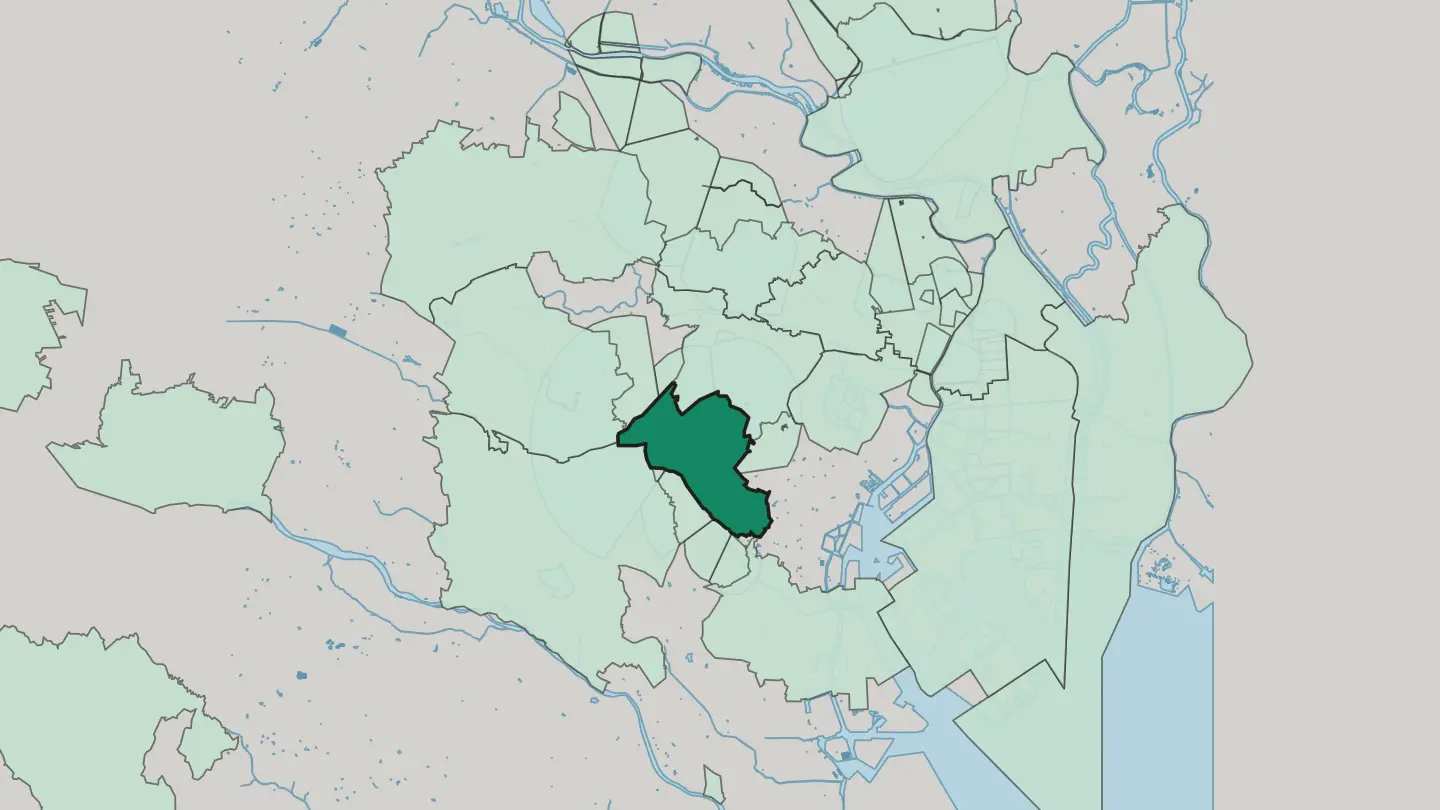
 TokyoJapan
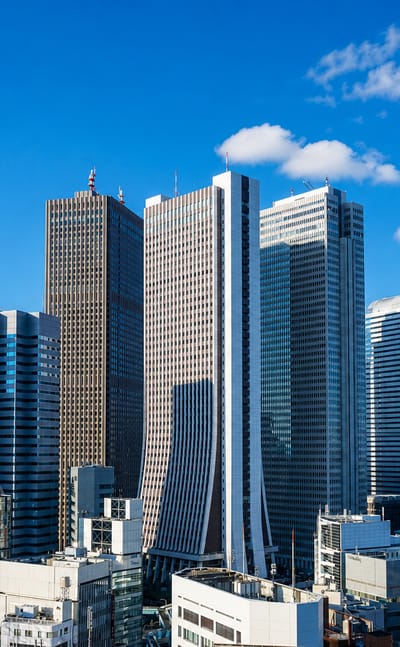
Shinjuku
Shinjuku is a central ward of Tokyo built around Shinjuku Station, the world's busiest railway complex.Where to stay →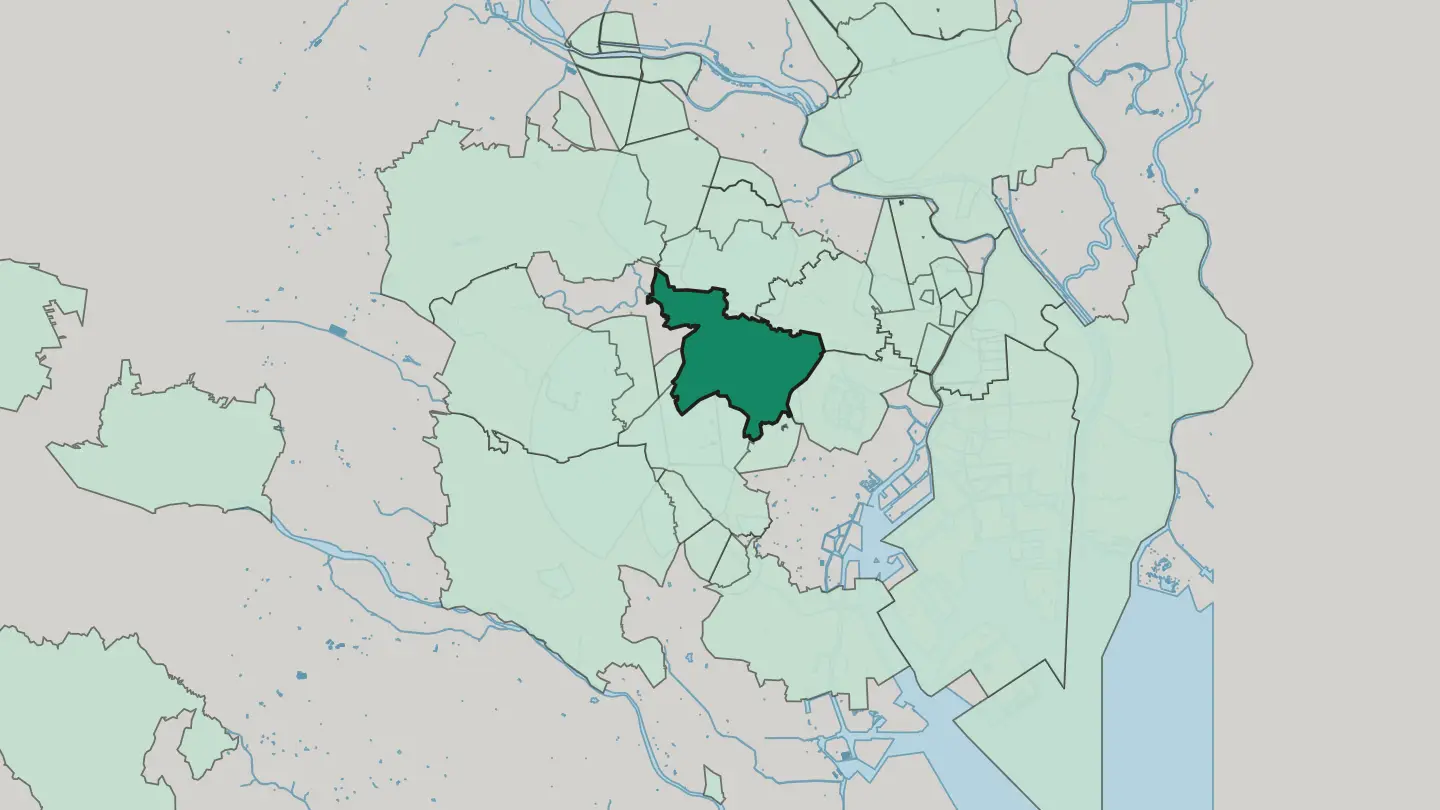
 TokyoJapan
Yoyogi
Yoyogi is a Shibuya neighbourhood of Tokyo where the Meiji Jingū collections and Tokyo Opera City Art Gallery stand within one walk.Where to stay →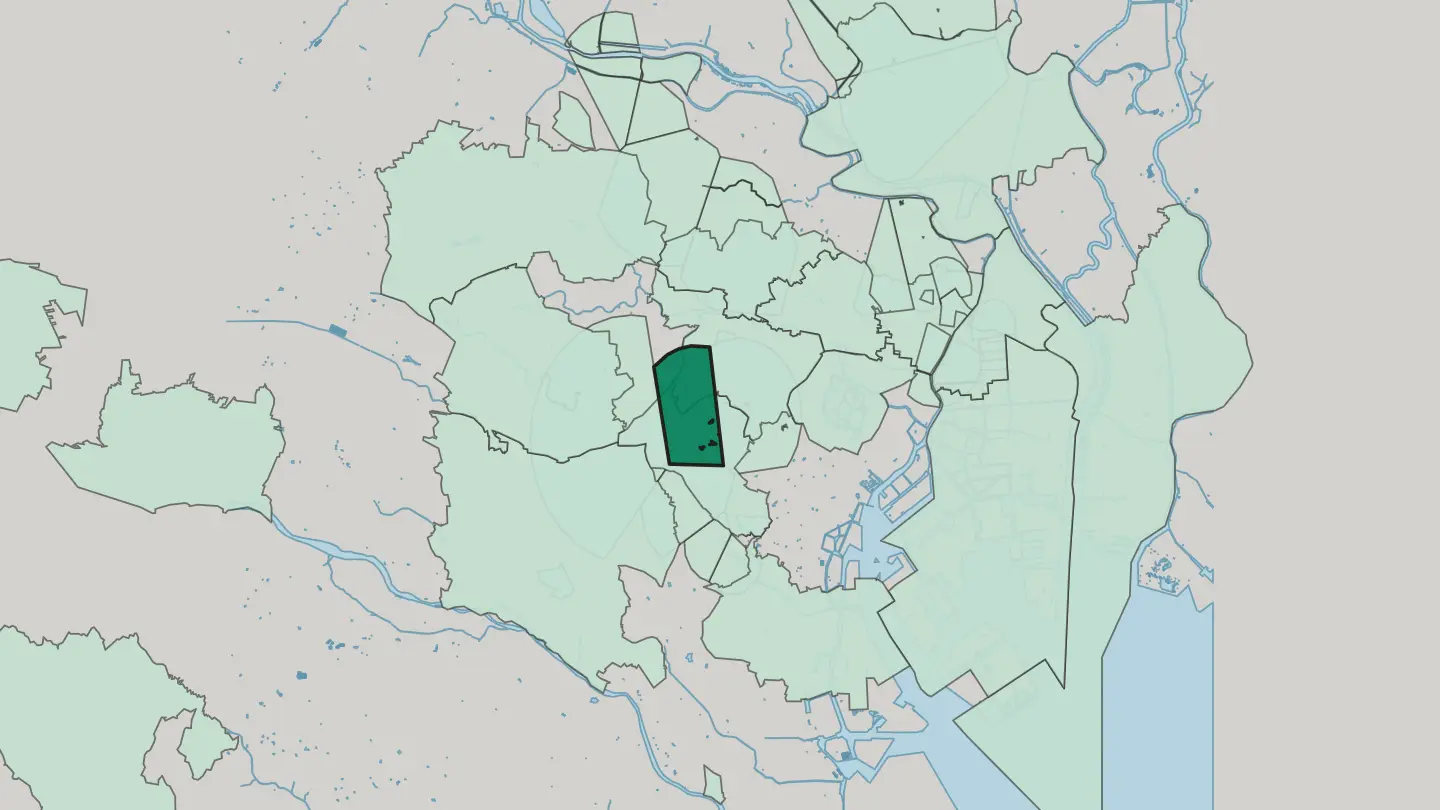
 TokyoJapan
Sendagaya
Sport and pictures share Sendagaya, a Shibuya area of Tokyo holding the Tokyo Metropolitan Gymnasium and the Meiji Memorial Picture Gallery.Where to stay →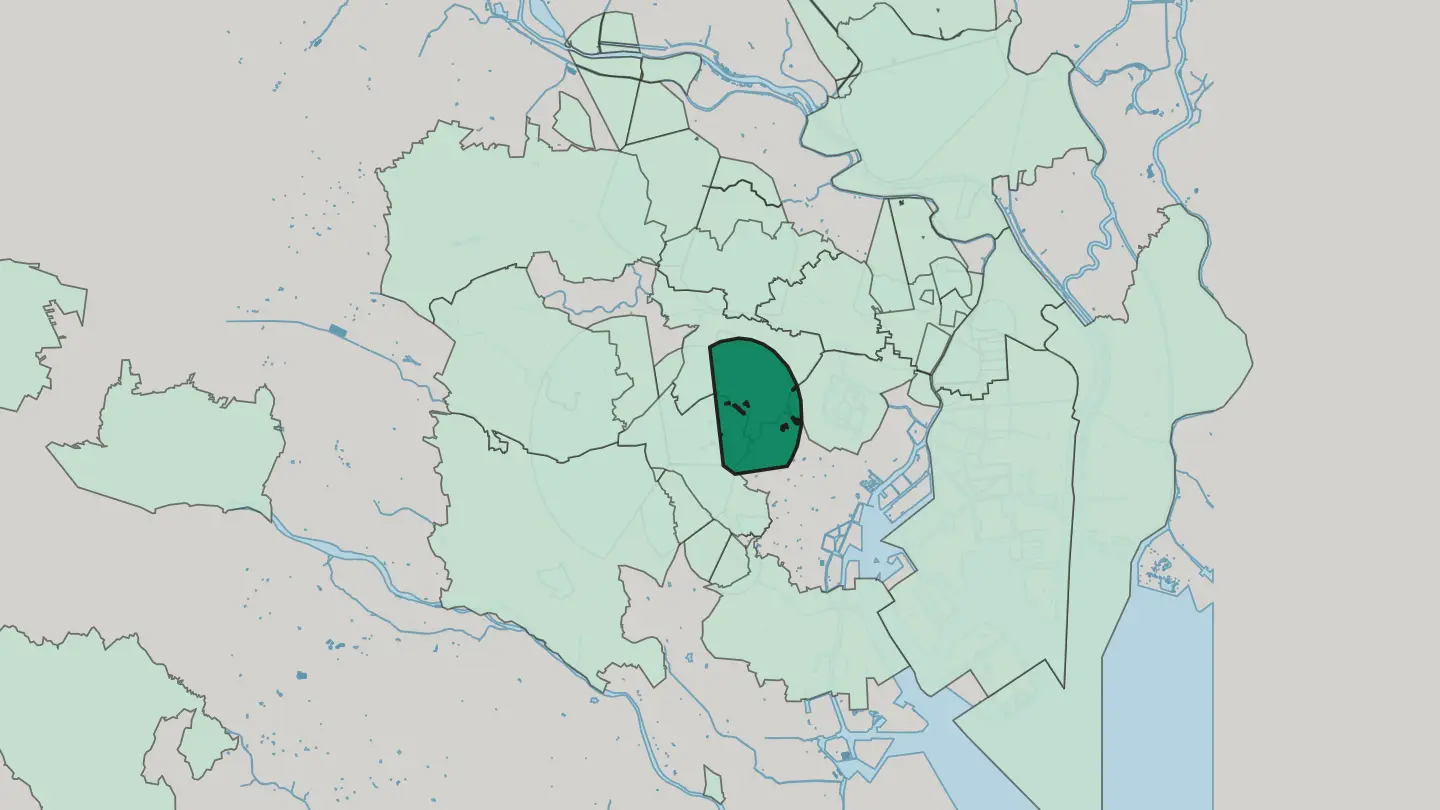
 TokyoJapan
Ōkubo
Ōkubo is a neighbourhood of Shinjuku in Tokyo, built around Shin-Ōkubo Station and widely known as the city's Koreatown.Where to stay →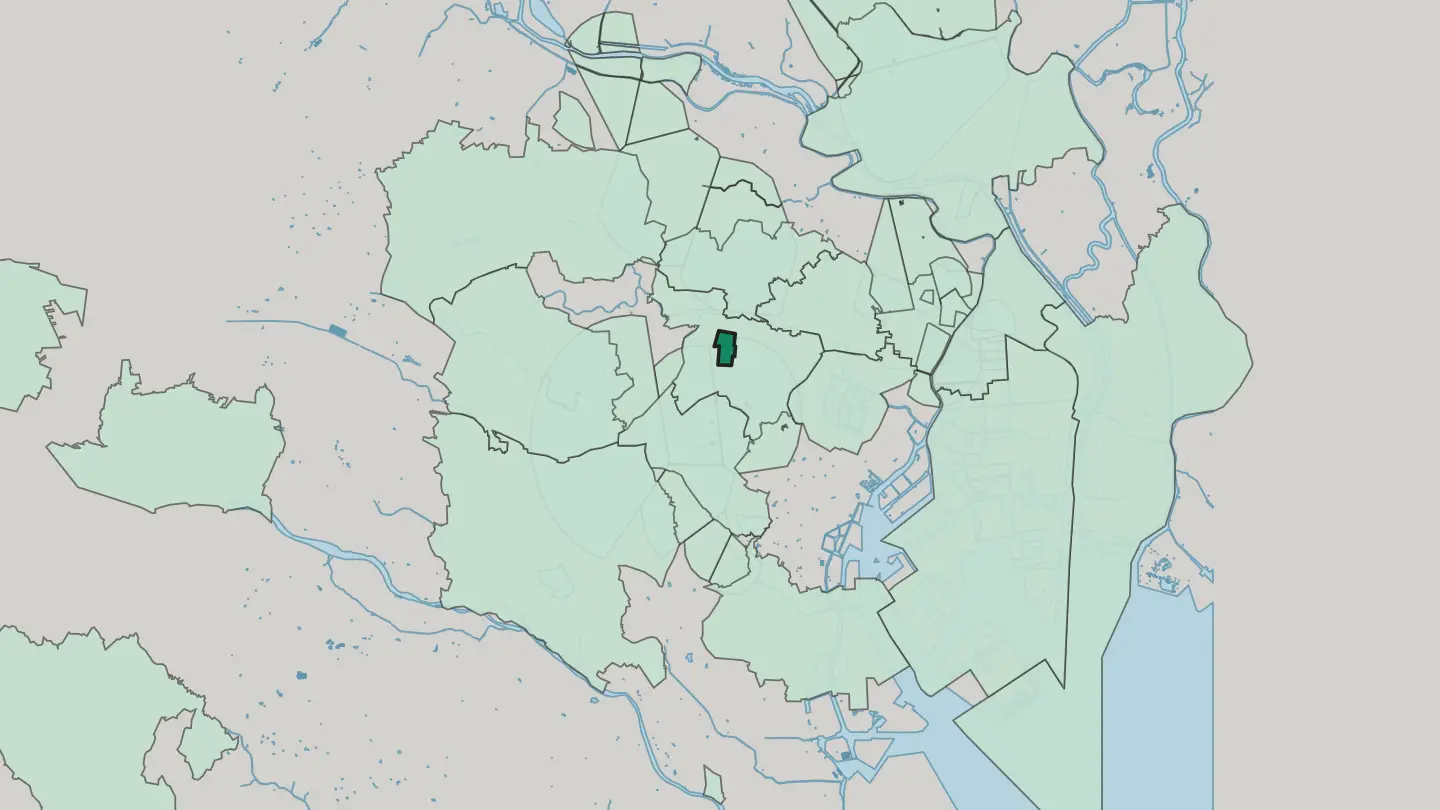 TokyoJapan
Yotsuya
Yotsuya is an area of Shinjuku in Tokyo, a ward in its own right until 1947 and now a run of streets around the Shinjuku Historical Museum.Where to stay → TokyoJapan
Sasazuka
Sasazuka, written Sasazuka, is one of the districts that make up the Shibuya ward of Tokyo, Japan.Where to stay →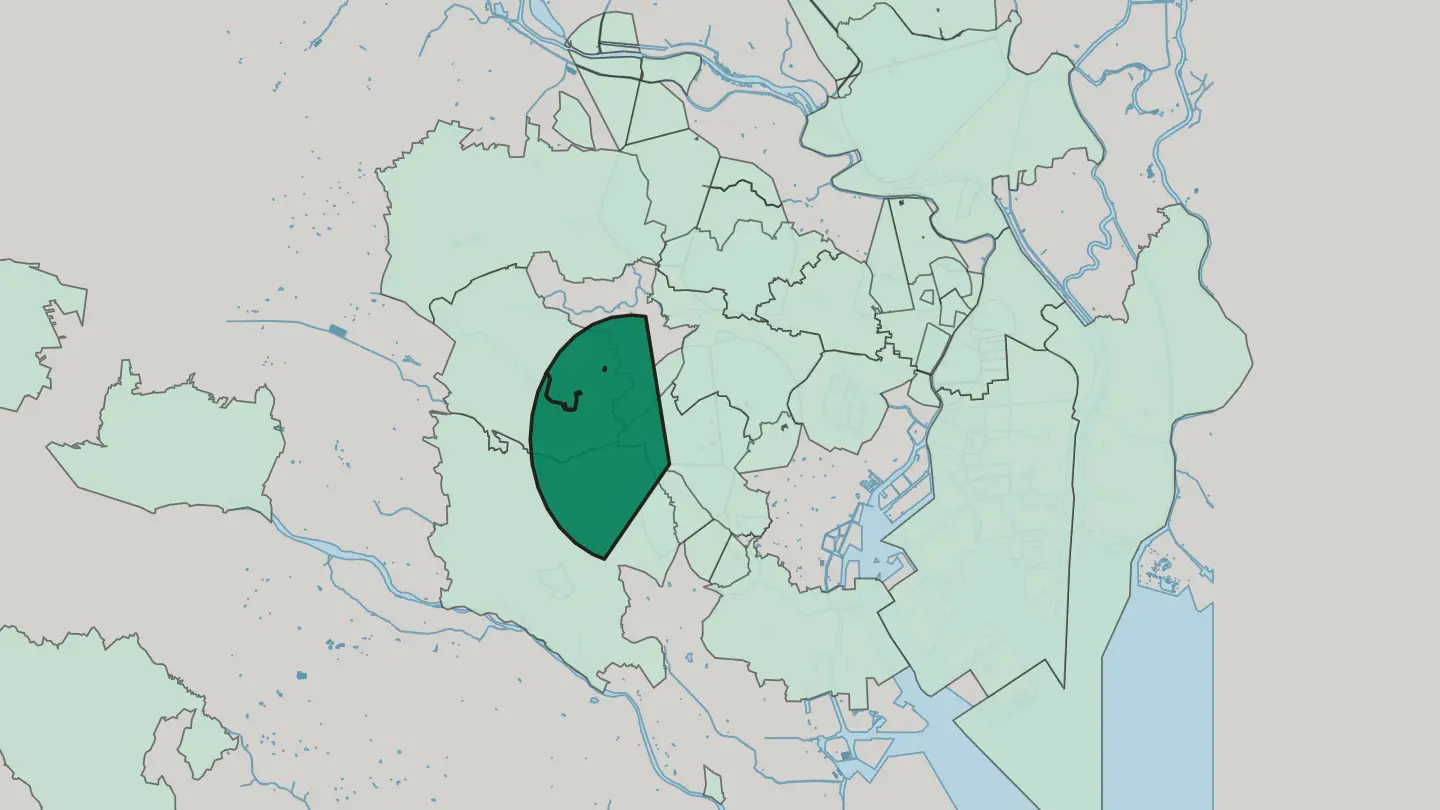 TokyoJapan
Aobadai
Aobadai is a four-chōme district of Meguro in Tokyo, with Bunkamura and the Toguri Museum of Art among the addresses within reach.Where to stay →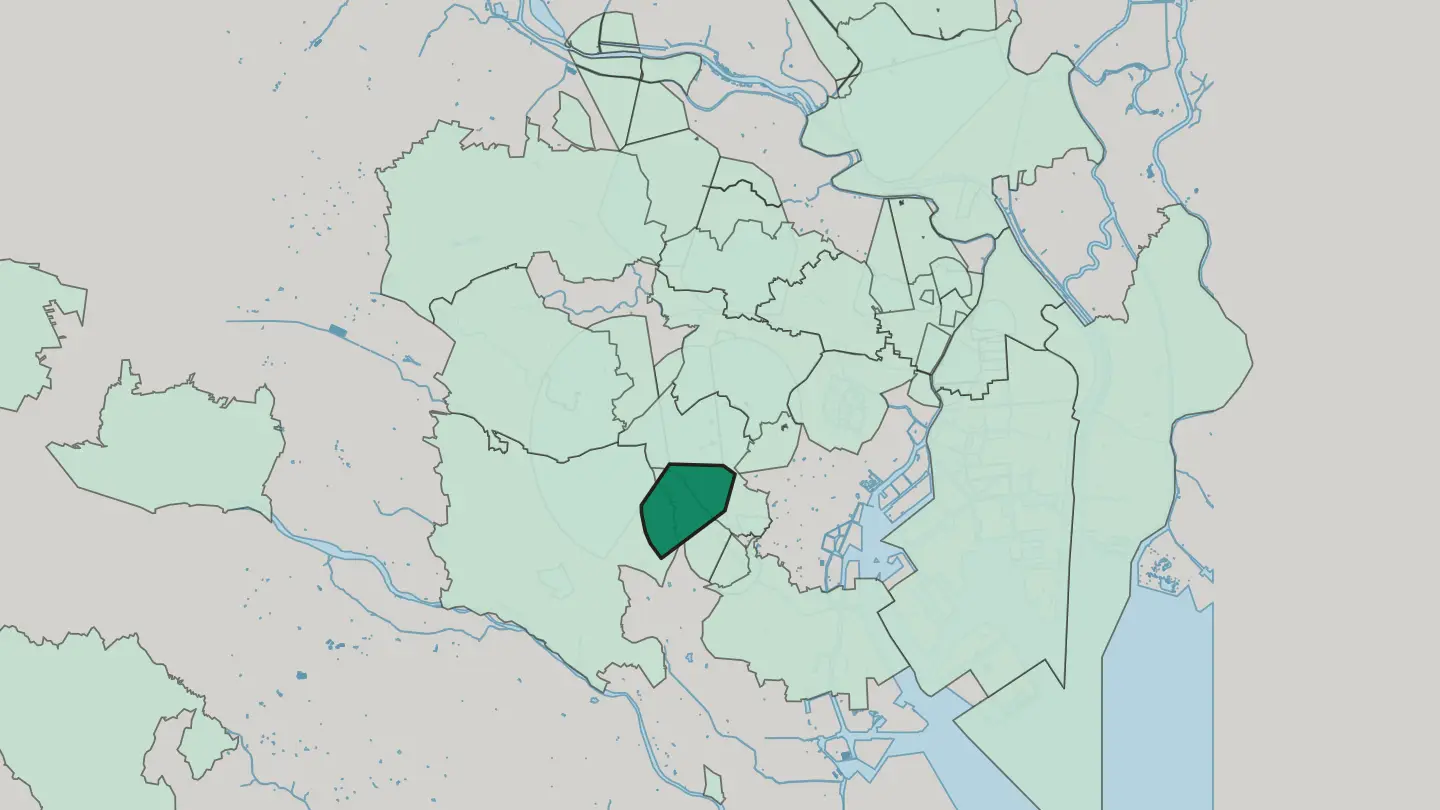
 TokyoJapan
Toshima
Toshima is a compact ward of Tokyo packed with museums and the Sunshine Aquarium.Where to stay →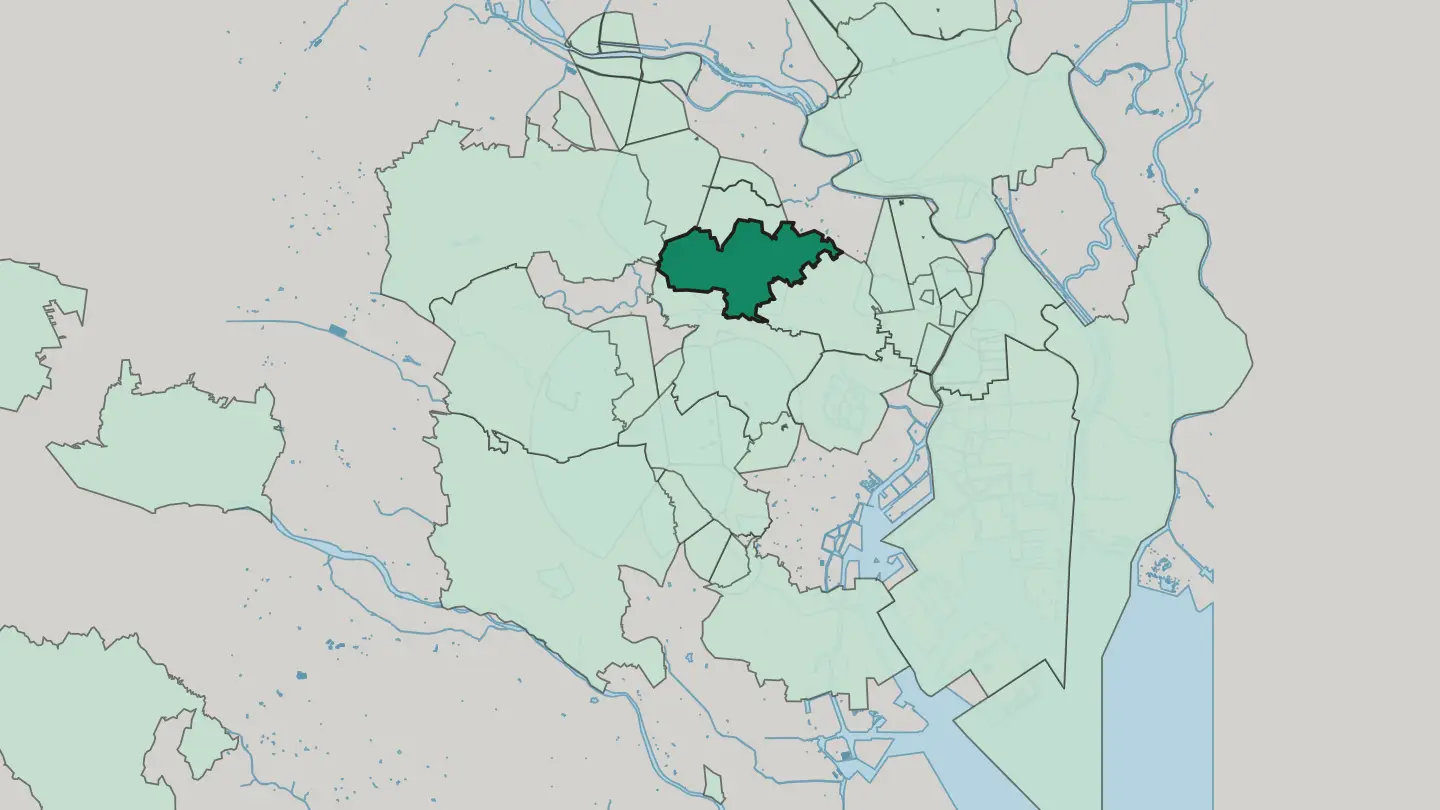
 TokyoJapan
Suginami
Suginami is a residential ward of Tokyo holding the Suginami Animation Museum and the Suginami Historical Museum.Where to stay →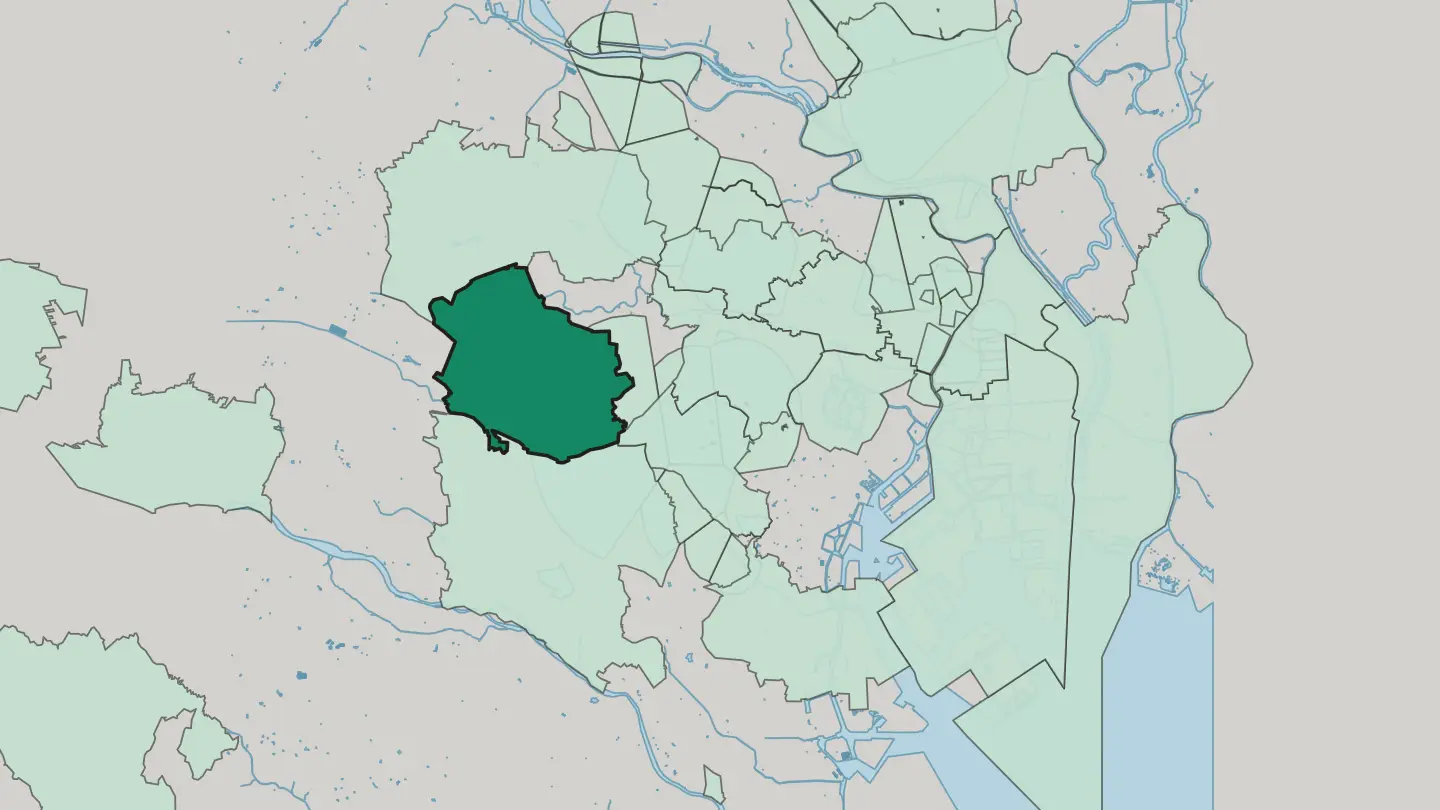 TokyoJapan
Umegaoka
Umegaoka is a district of Tokyo, Japan, sharing its name with Umegaoka Station and dated in the record to 1934.Where to stay → TokyoJapan
Ebisu
Ebisu is the southernmost part of Shibuya ward in Tokyo, named for the brewery it was built on and holding Yebisu Garden Place.Where to stay →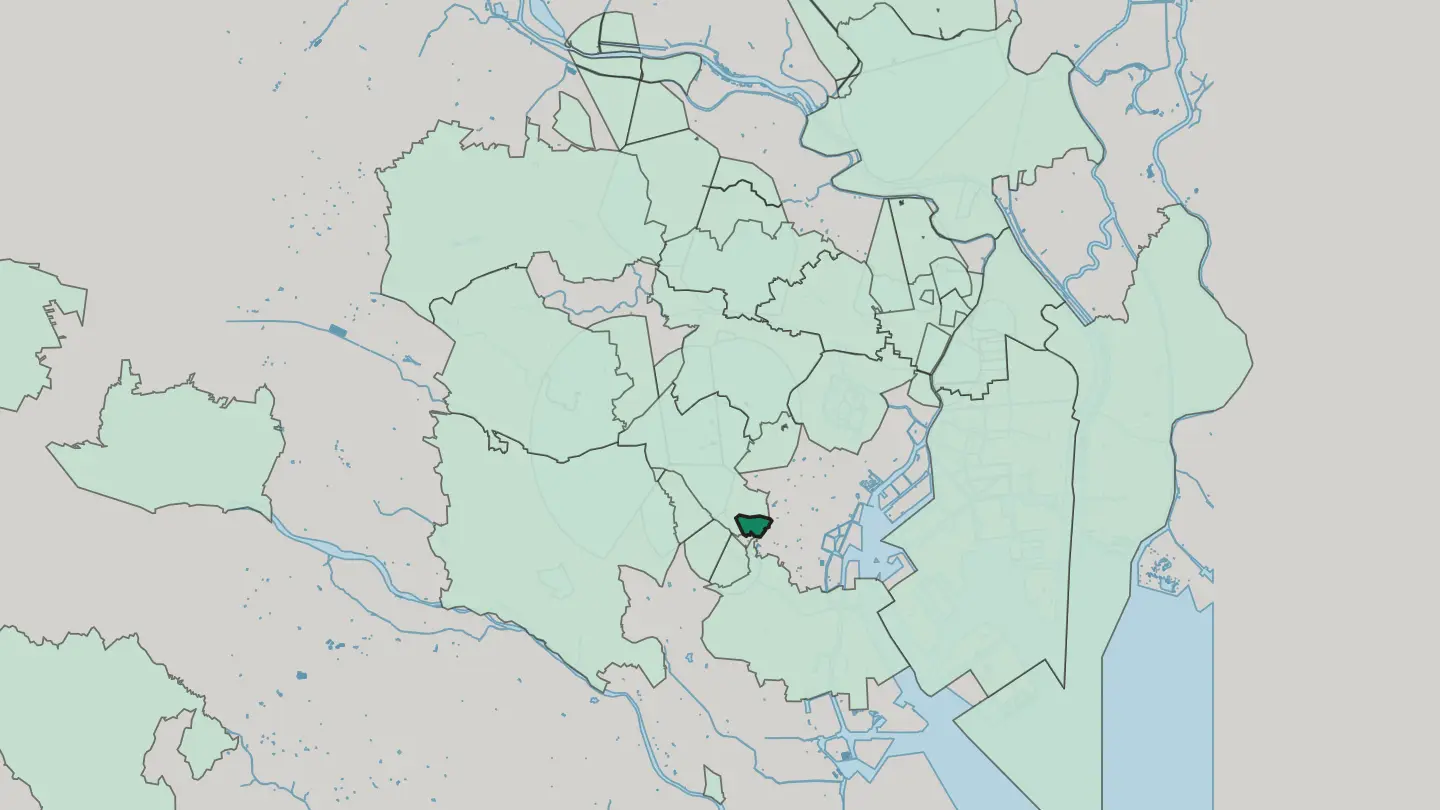
All neighbourhoods (51)
TokyoJapanWakabayashi
Wakabayashi is a Setagaya district in Tokyo, served by a stop on the Tokyu Setagaya Line between Sangen-jaya and Shimo-takaido.Where to stay →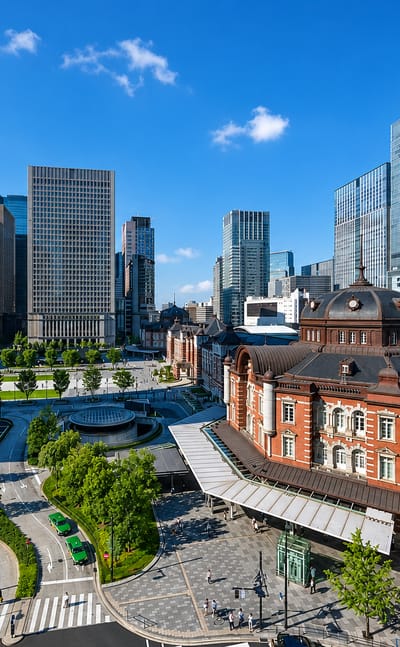 TokyoJapan
Chiyoda
Chiyoda is the central ward of Tokyo that wraps the Imperial Palace, Marunouchi, and the government district.Where to stay →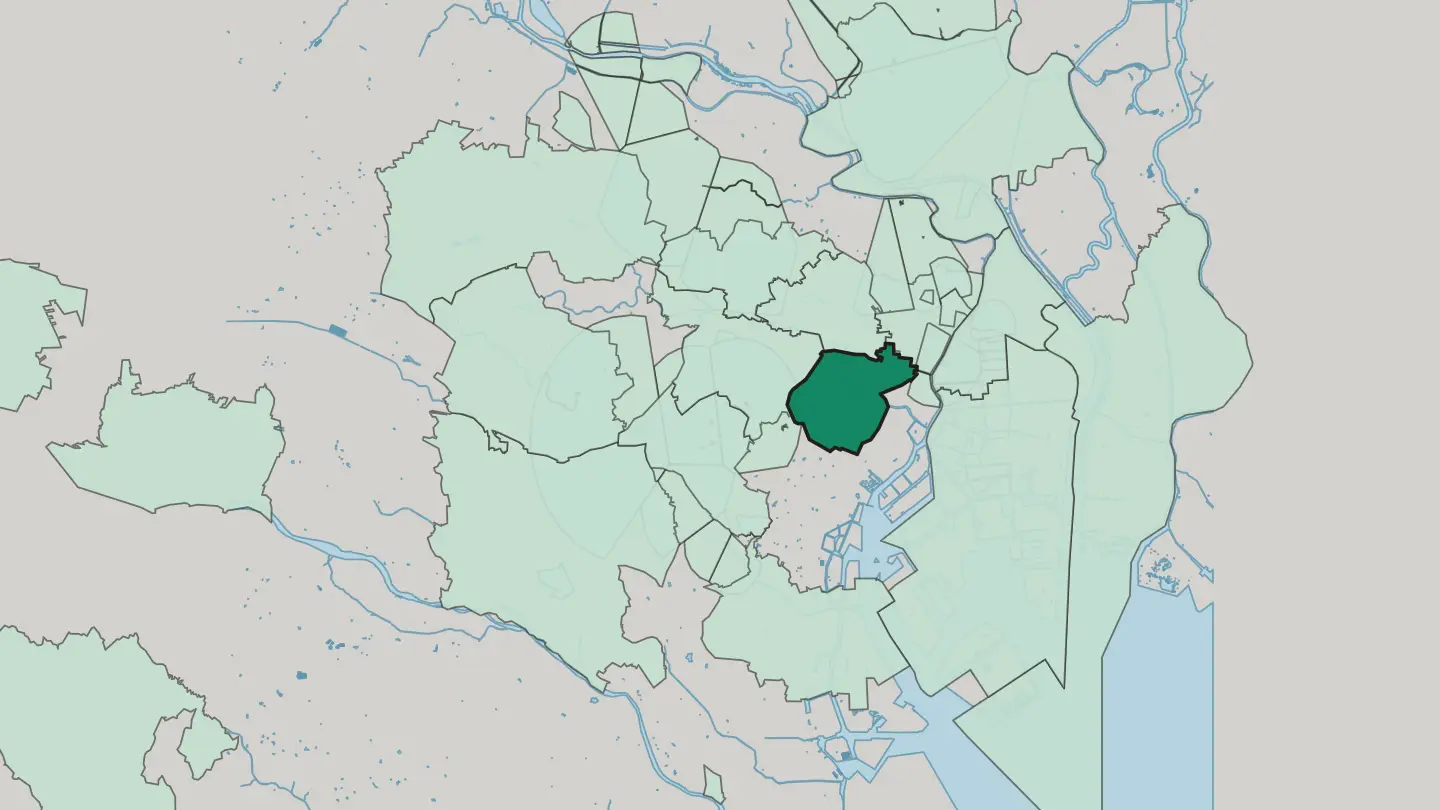
 TokyoJapan
Nakameguro
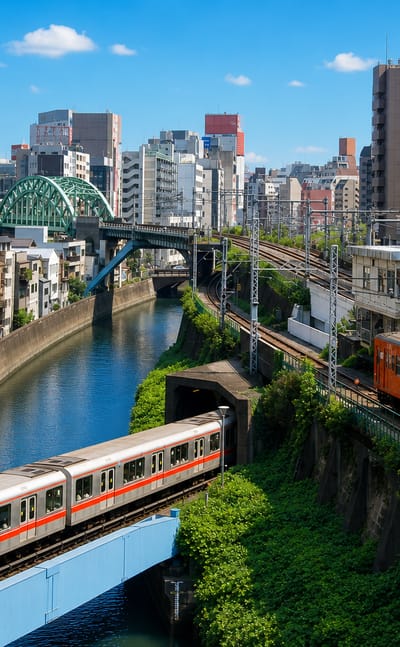
Nakameguro is a residential district of Meguro in Tokyo, where the Meguro River draws hanami crowds every mid-spring.Where to stay →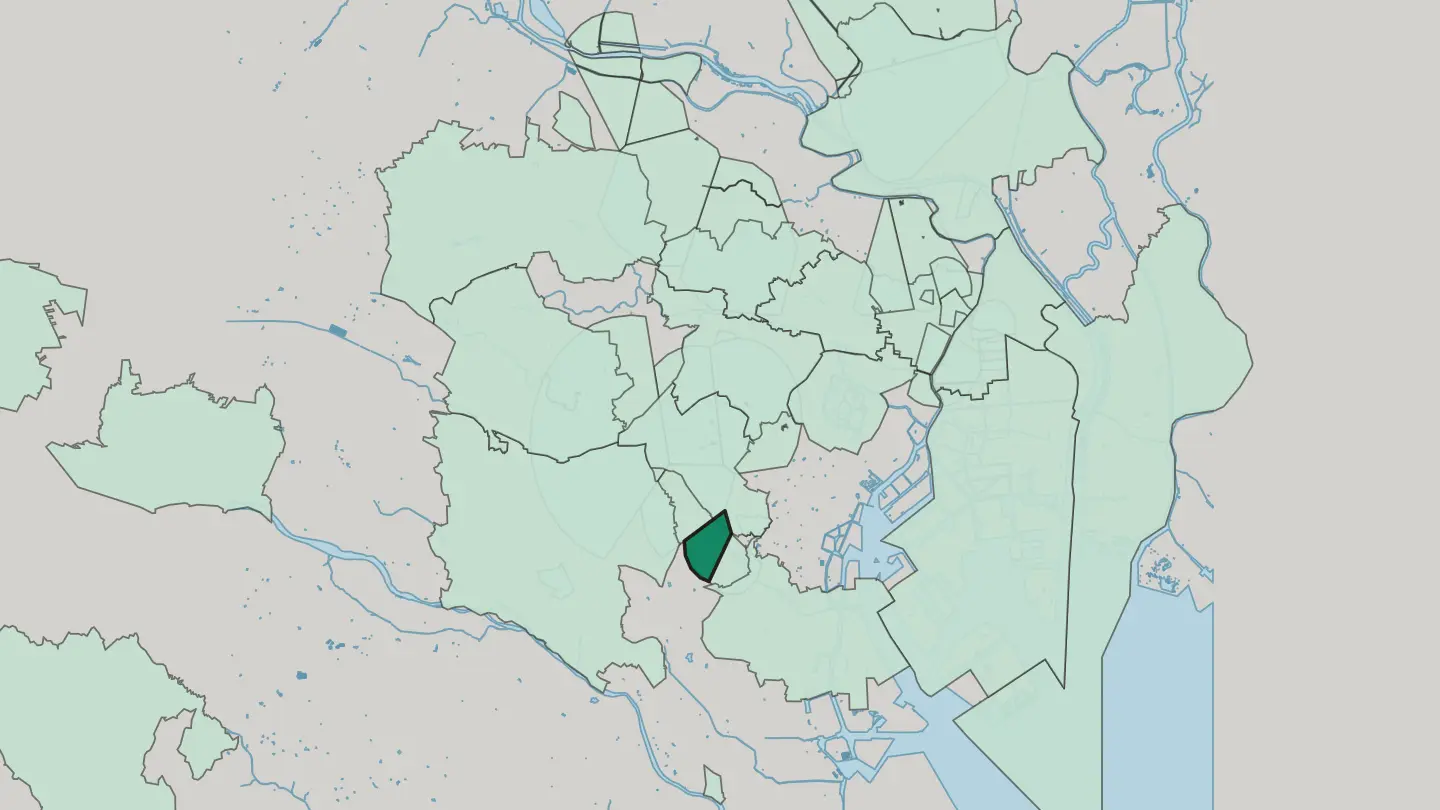
 TokyoJapan
Bunkyō-ku
Bunkyō is Tokyo's ward of universities and gardens, wrapping the Hongō campus, Tokyo Dome and the slopes above Koishikawa.Where to stay →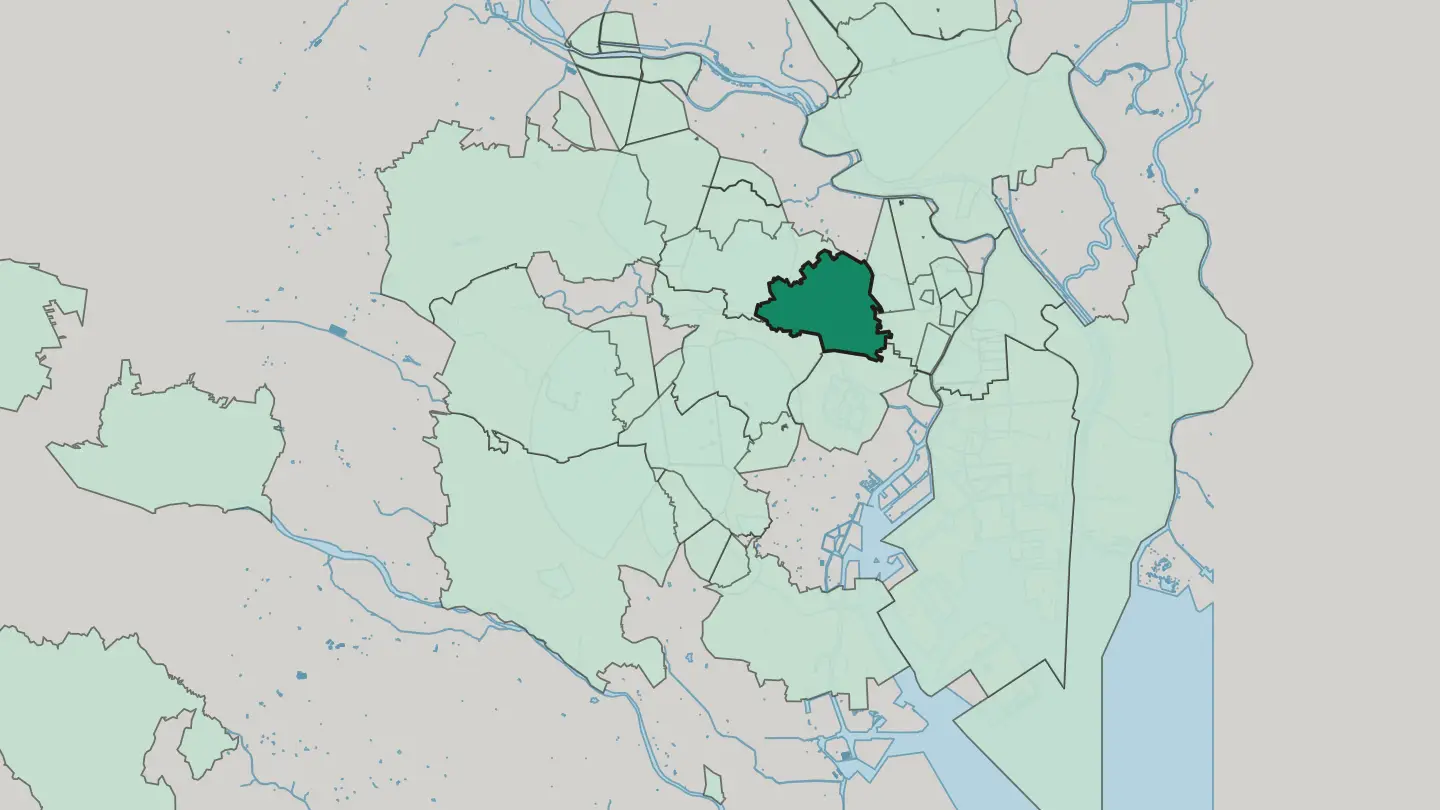
 TokyoJapan
Setagaya
Setagaya is a residential ward of Tokyo in the west of the capital, the largest by area of the city's 23 wards.Where to stay →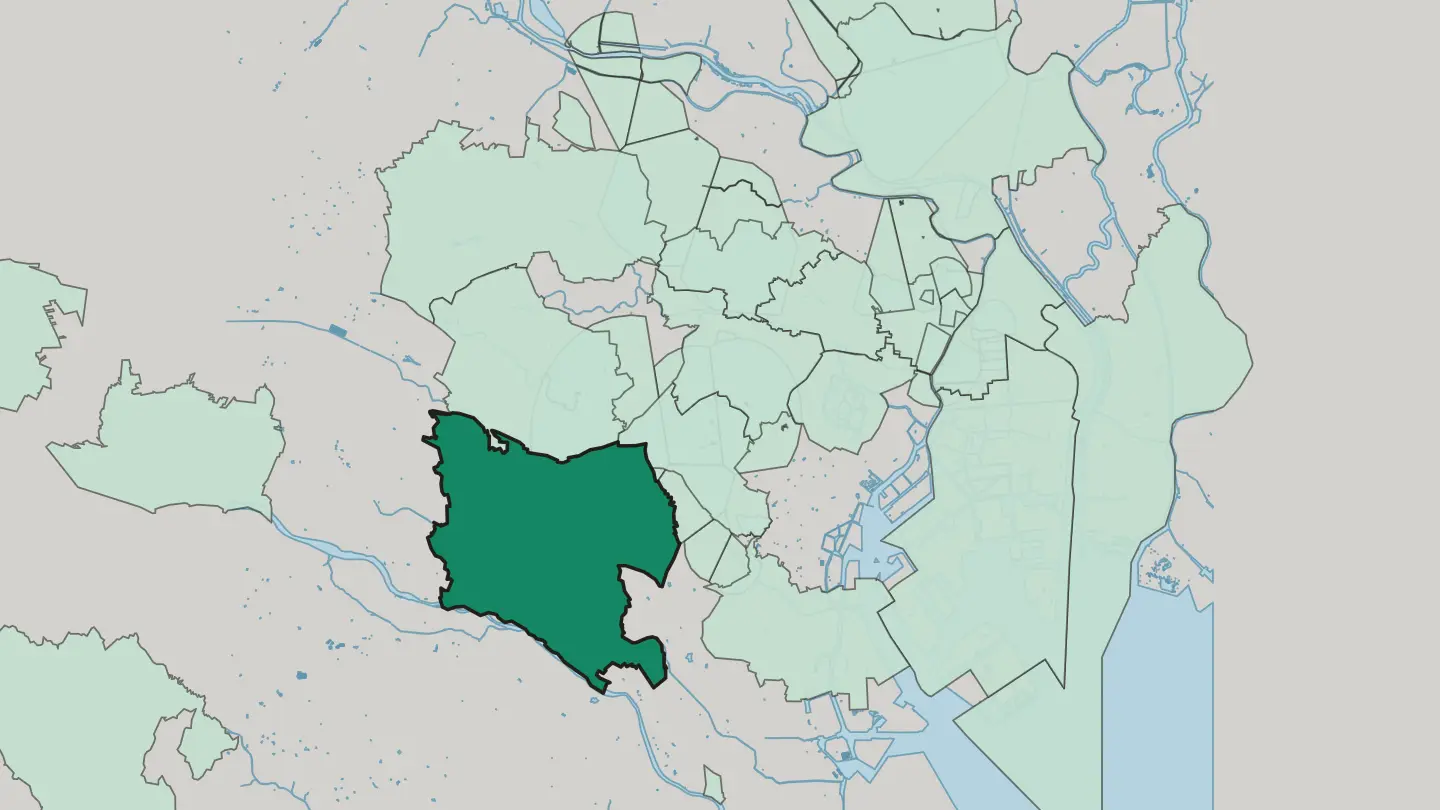 TokyoJapan
Gōtokuji
Gōtokuji is a district of Setagaya in Tokyo named for Daikeizan Gōtoku-ji, the Sōtō Zen temple standing within it.Where to stay → TokyoJapan
Meguro
Meguro is a largely residential ward of Tokyo whose museums run from folk crafts to photography and parasitology.Where to stay →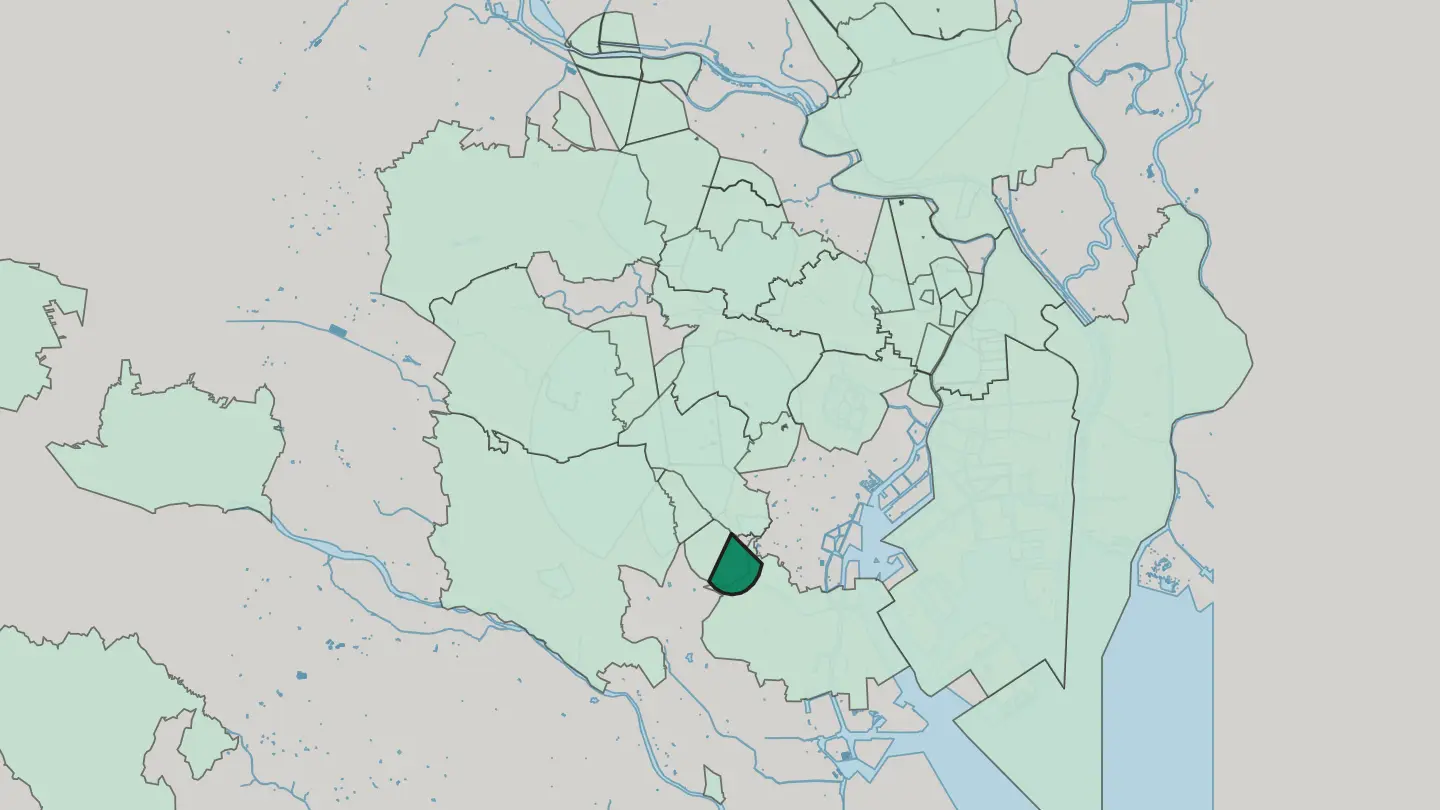
 TokyoJapan
Nerima
Nerima is one of the 23 special wards of Tokyo, a mainly residential ward set across the northwest of the Wards Area.Where to stay →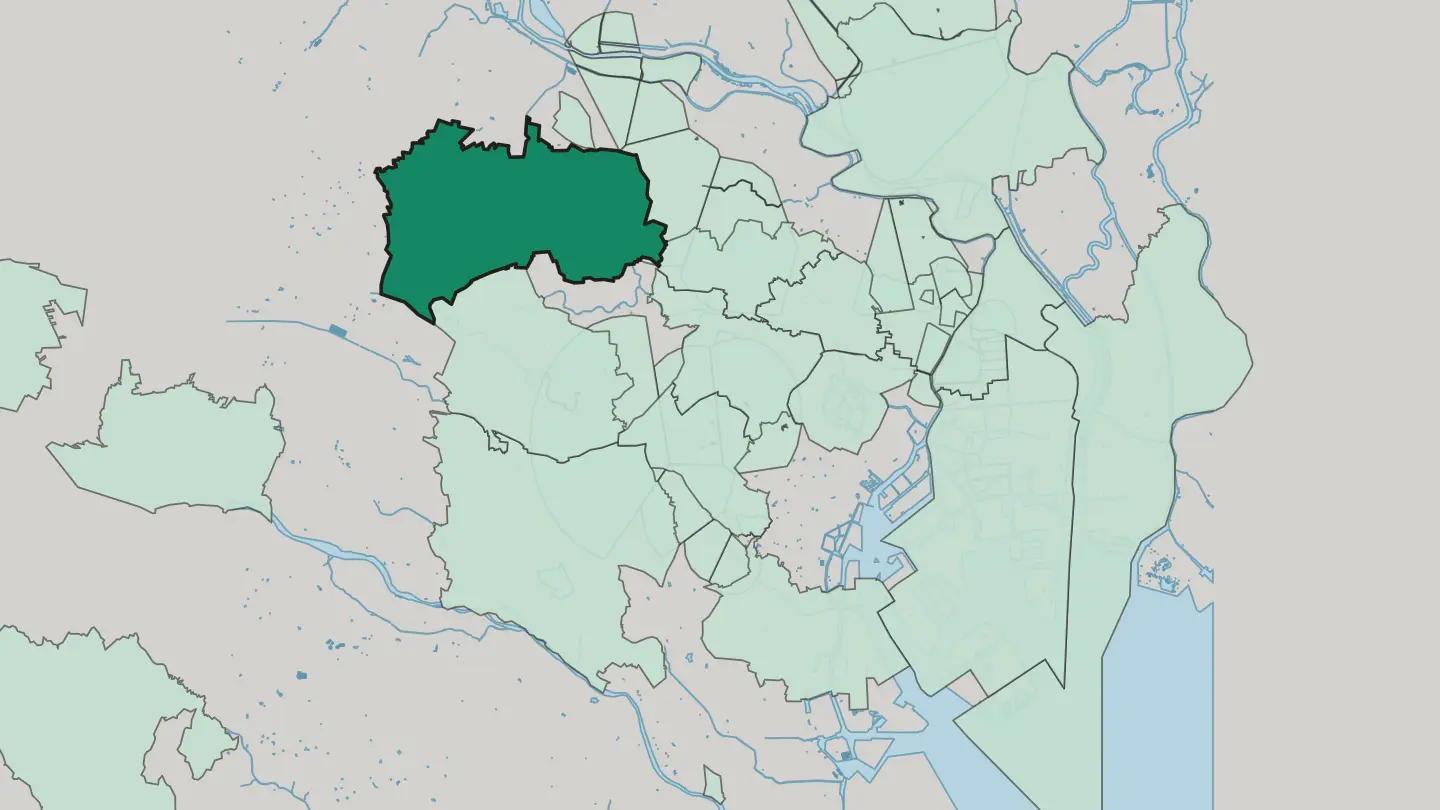
 TokyoJapan
Itabashi
Itabashi is a special ward of Tokyo, called Itabashi City in English, holding an art museum, an old roadside milepost and excavated ground.Where to stay →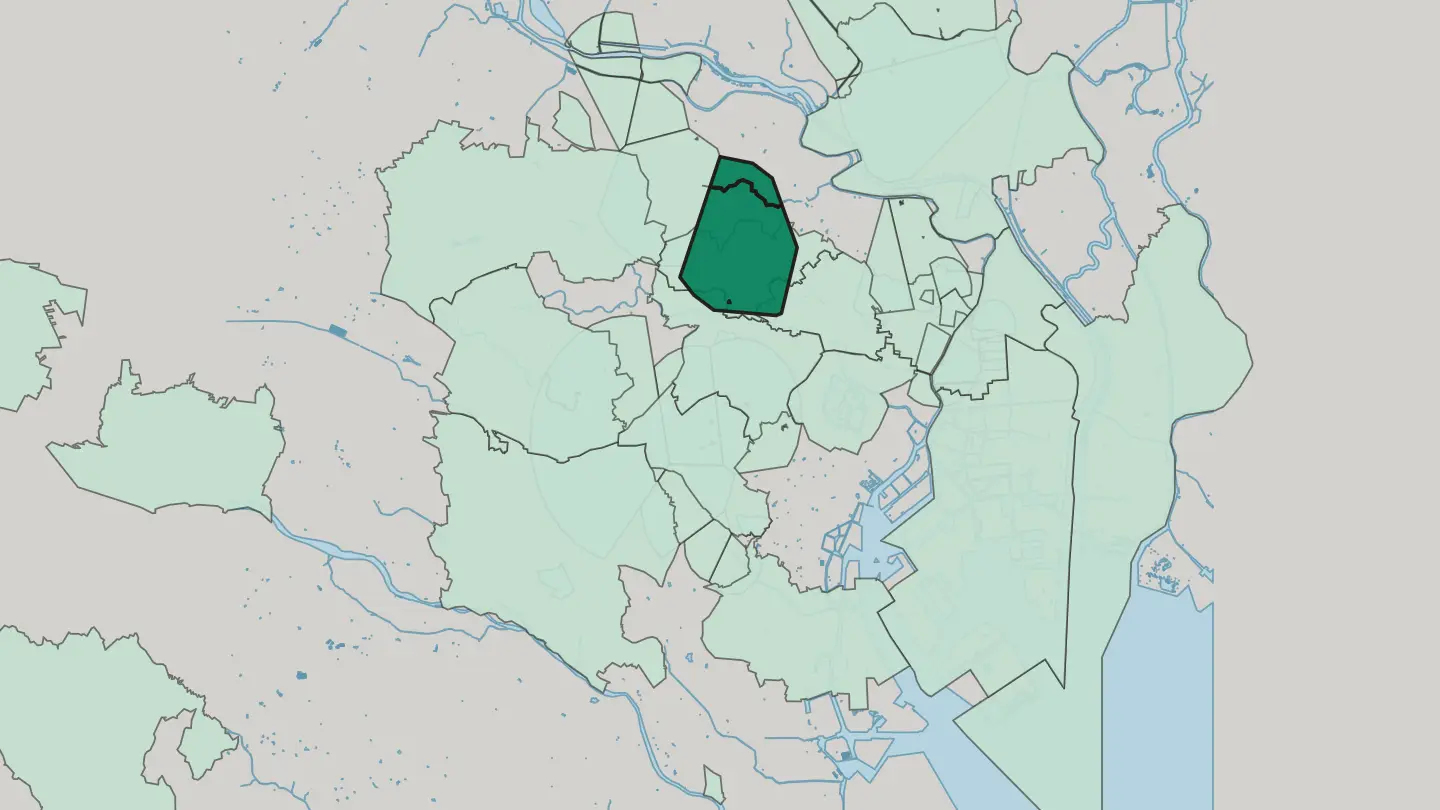
 TokyoJapan
Akihabara
Akihabara, or Akiba, is the Electric Town of Tokyo's Chiyoda ward, a grid of electronics counters and anime shops.Where to stay → TokyoJapan
Tokiwadai
Tokiwadai is a district of Tokyo, in Japan, where the Kurihara Ruins are the one archaeological site recorded on its ground.Where to stay →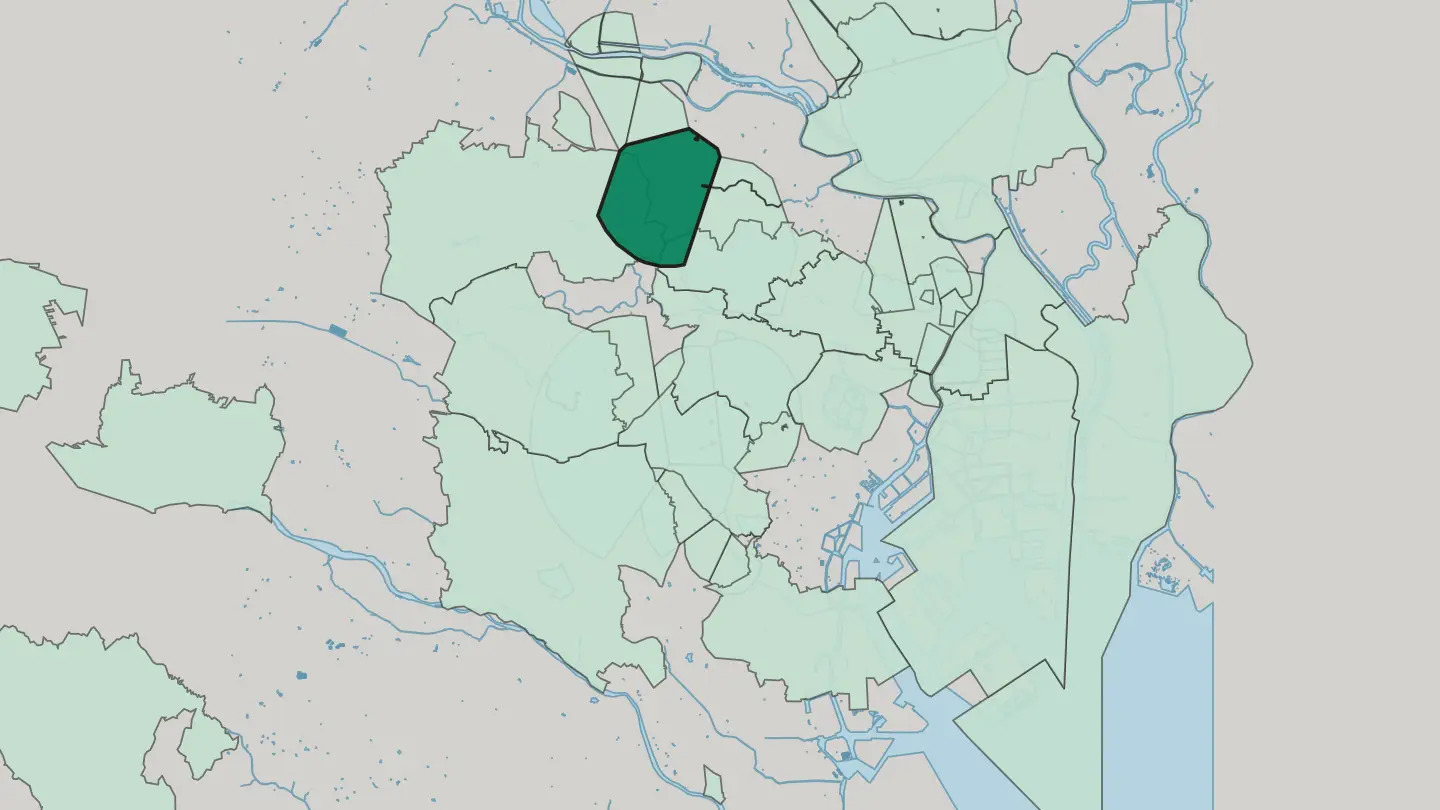
 TokyoJapan
Asakusabashi
Asakusabashi is a neighbourhood of Taitō, Tokyo, with the Edo-Tokyo Museum, the Sumo Museum and the Japanese Sword Museum among its collections.Where to stay → TokyoJapan
Taitō-ku
Taitō-ku is a ward of Tokyo built around Ueno Park and Asakusa, home to the Tokyo National Museum.Where to stay →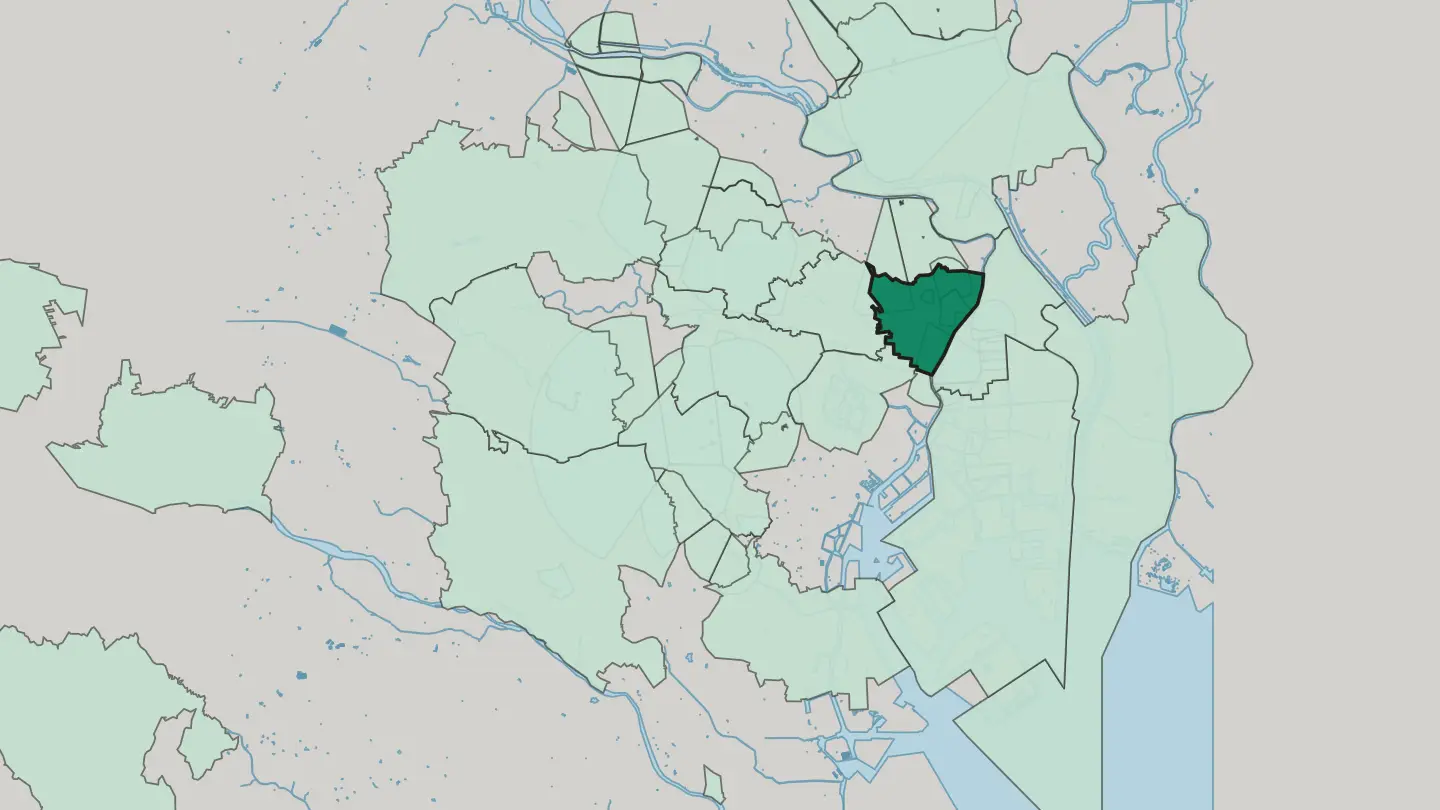 TokyoJapan
Yōga
Yōga is a Setagaya neighbourhood in Tokyo named in traffic reports for the junction of the Tōmei Expressway and the Metropolitan Expressway.Where to stay → TokyoJapan
Nishinippori
Nishi-Nippori in one spelling, Nishinippori in another: a district of Tokyo whose landmarks are five museums.Where to stay →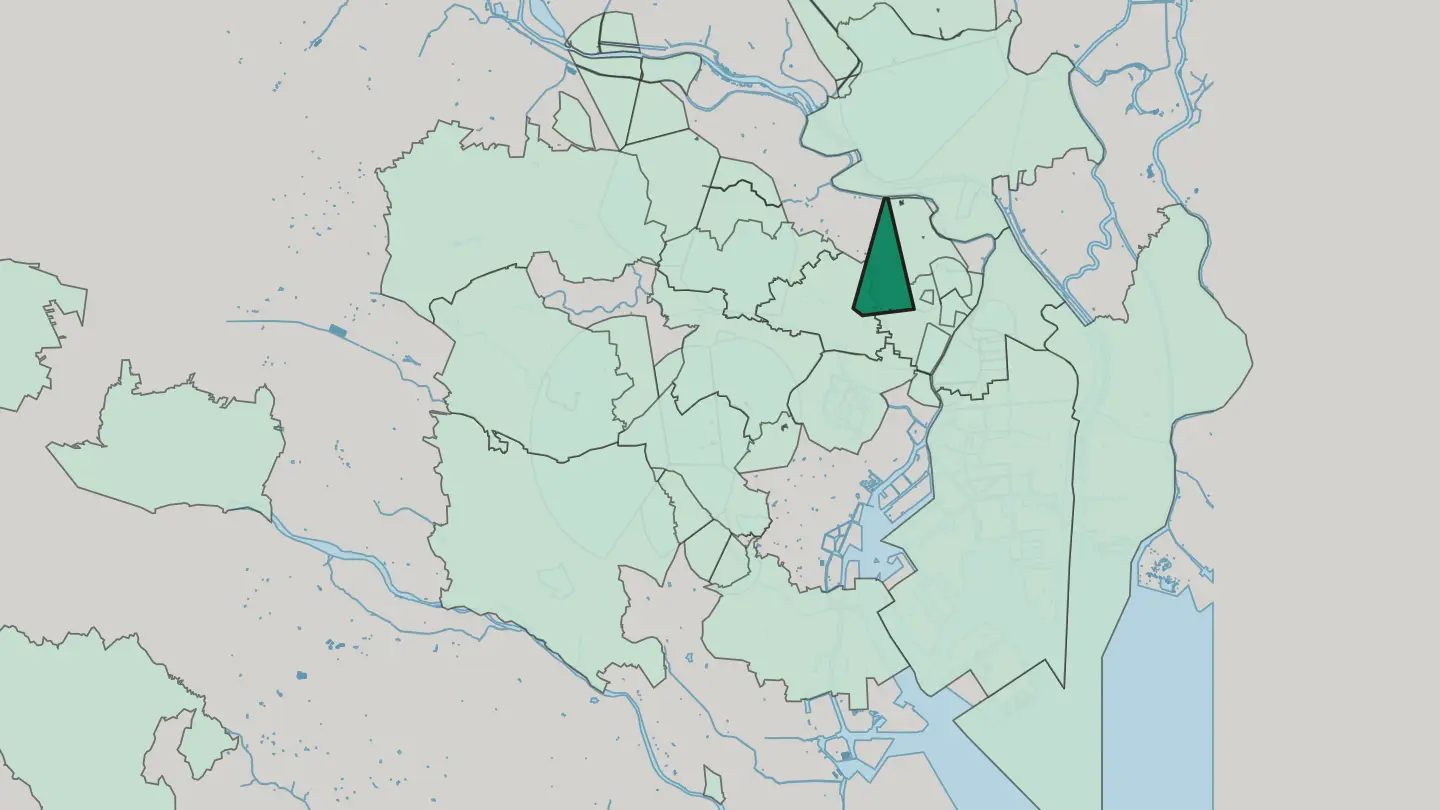 TokyoJapan
Kuramae
Kuramae is a district of Taitō in Tokyo where the Toei Asakusa Line and the Toei Ōedo Line cross without meeting underground.Where to stay →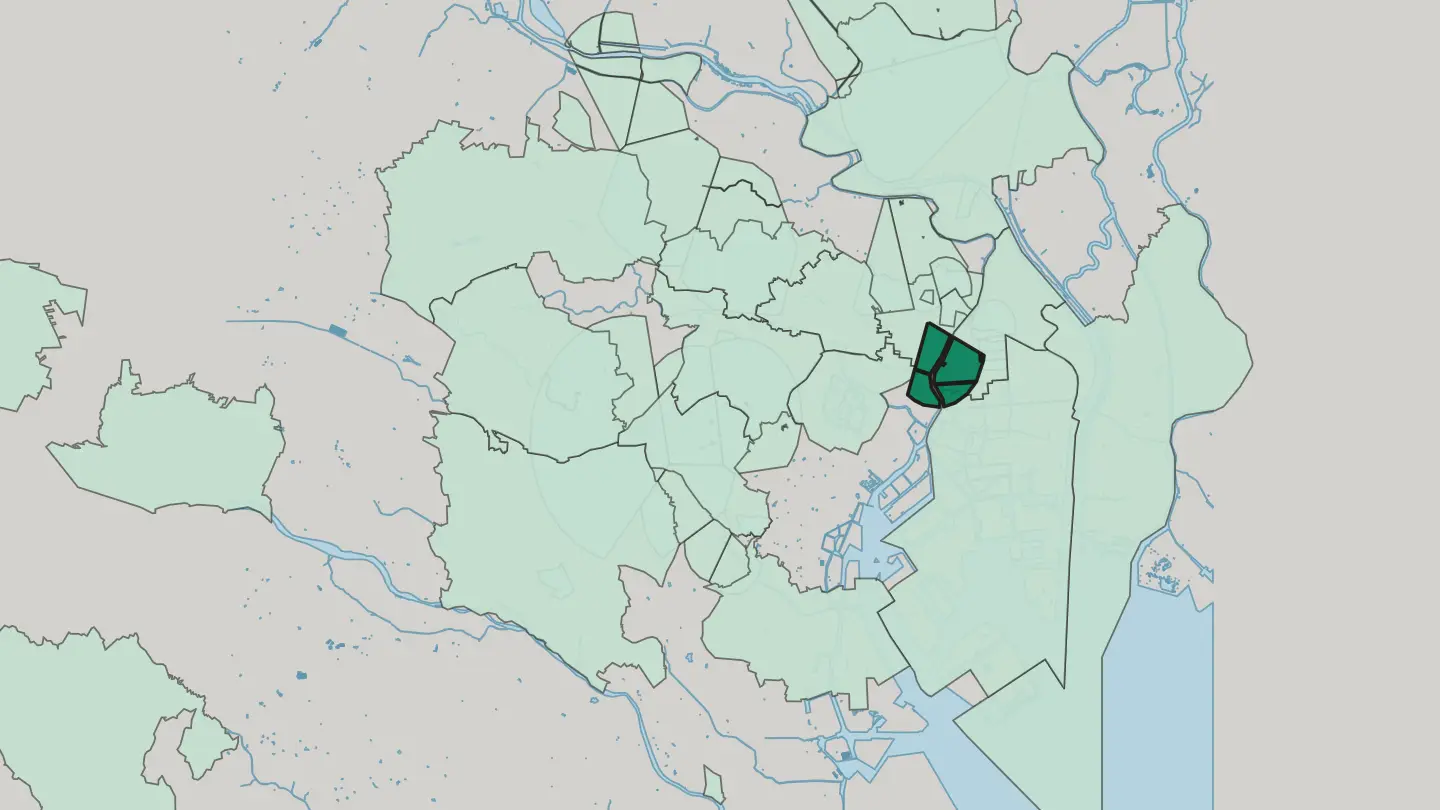 TokyoJapan
Iriya
Museums press in on every side of Iriya, a Tokyo district with the Tokyo National Museum, the Drum Museum and Hanayashiki all in reach.Where to stay →
 TokyoJapan
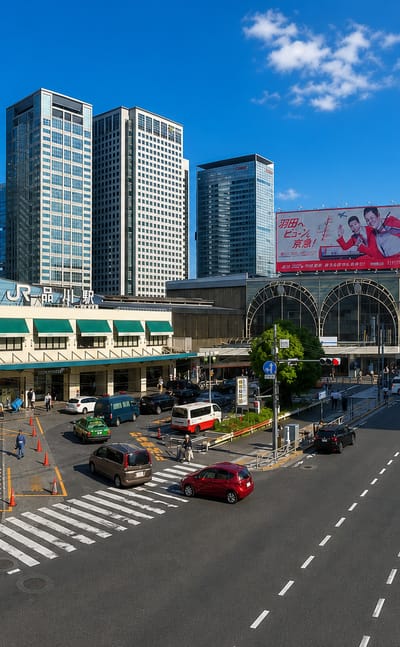
Shinagawa
Shinagawa is a southern ward of Tokyo, a bayside borough of old Tōkaidō post lanes holding Aqua Park Shinagawa and the Ebara Hatakeyama Museum of Art.Where to stay → TokyoJapan
Arakawa
Arakawa is a special ward of Tokyo named for a river that never touches it, with the Sumida River along one edge.Where to stay →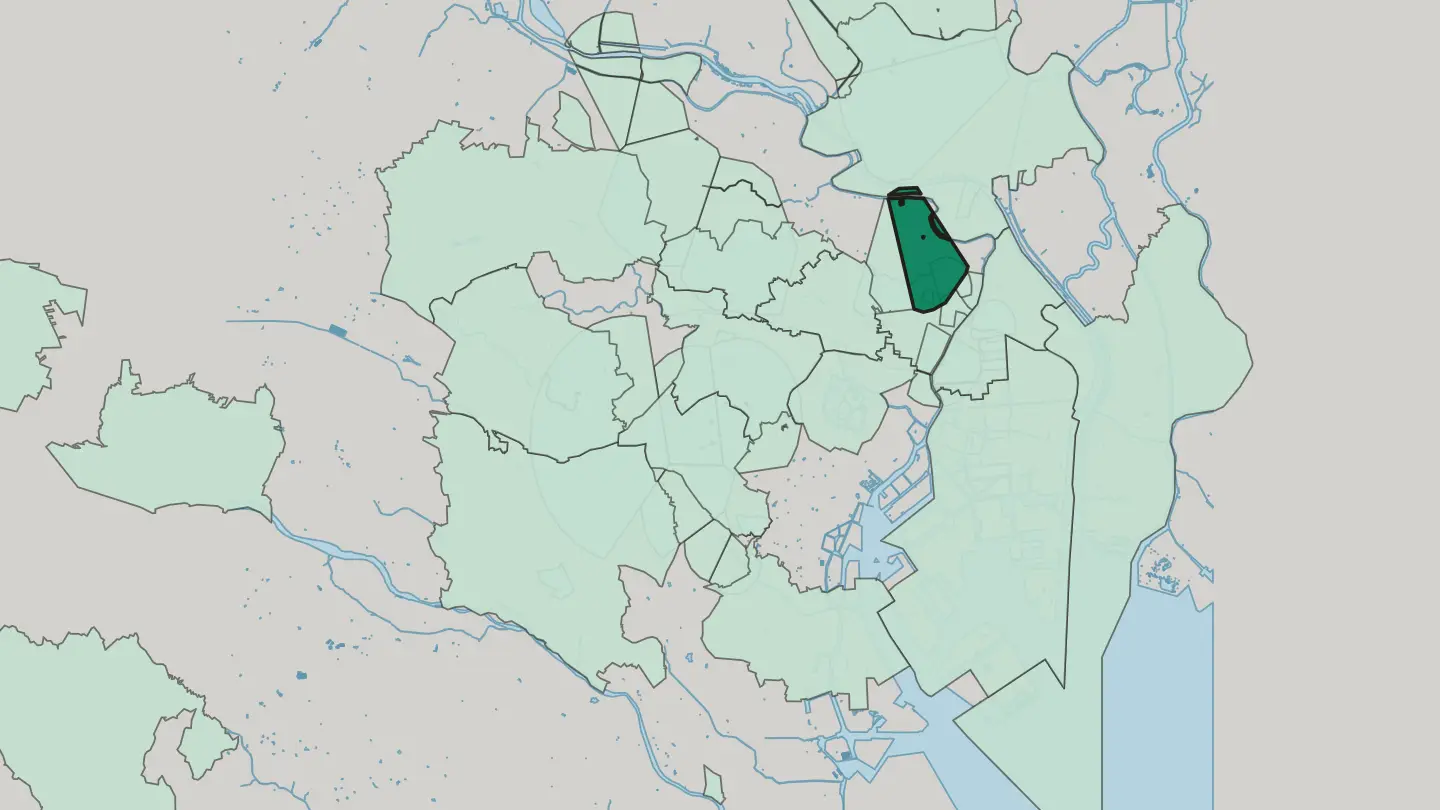 TokyoJapan
Asakusa
Asakusa is the temple quarter of Taitō in downtown Tokyo, gathered around Sensō-ji, the city's largest Buddhist temple.Where to stay →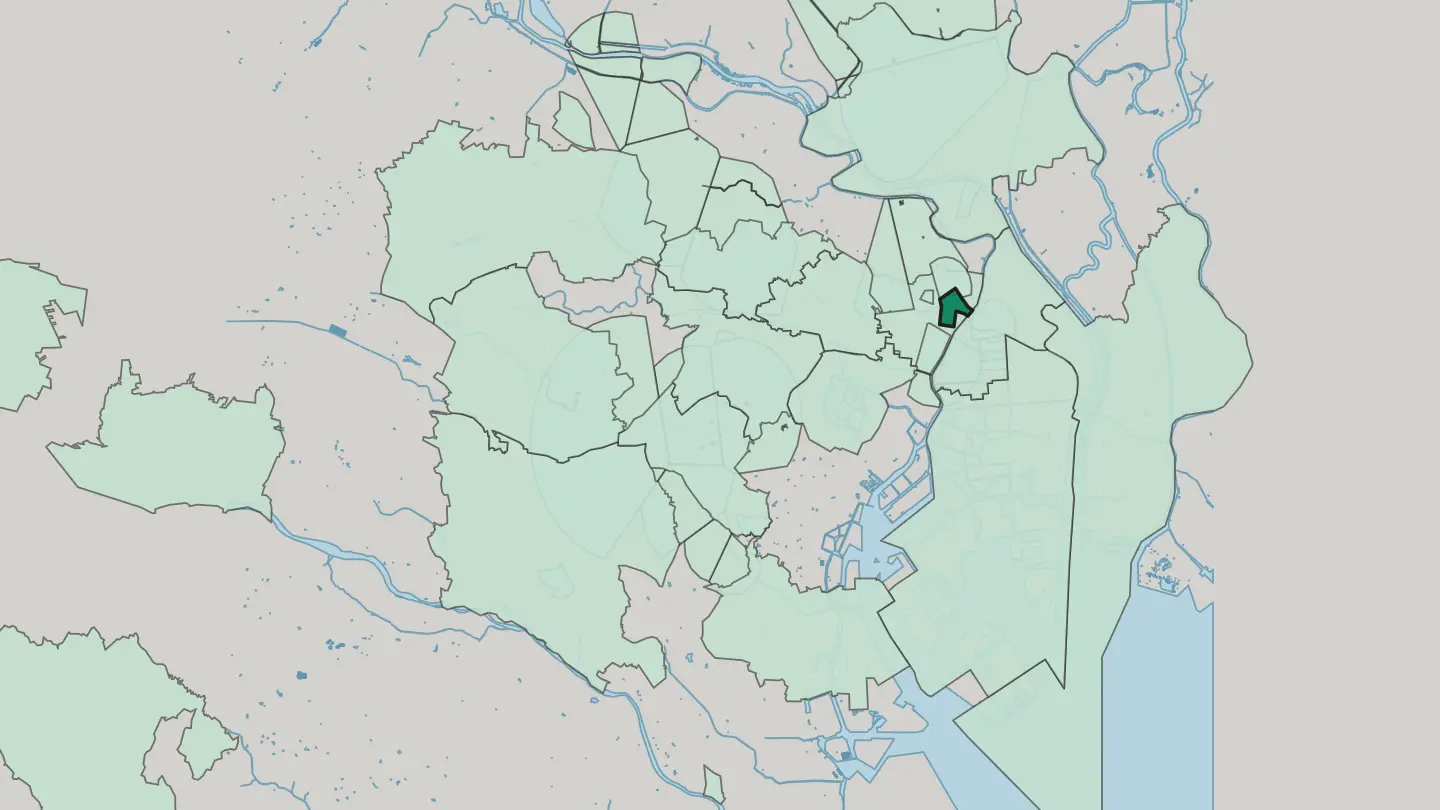 TokyoJapan
Senzoku
Senzoku is a district of Taito ward in Tokyo that gave its name to a medieval go, and holds the ground the Yoshiwara was moved to after the Meireki fire.Where to stay →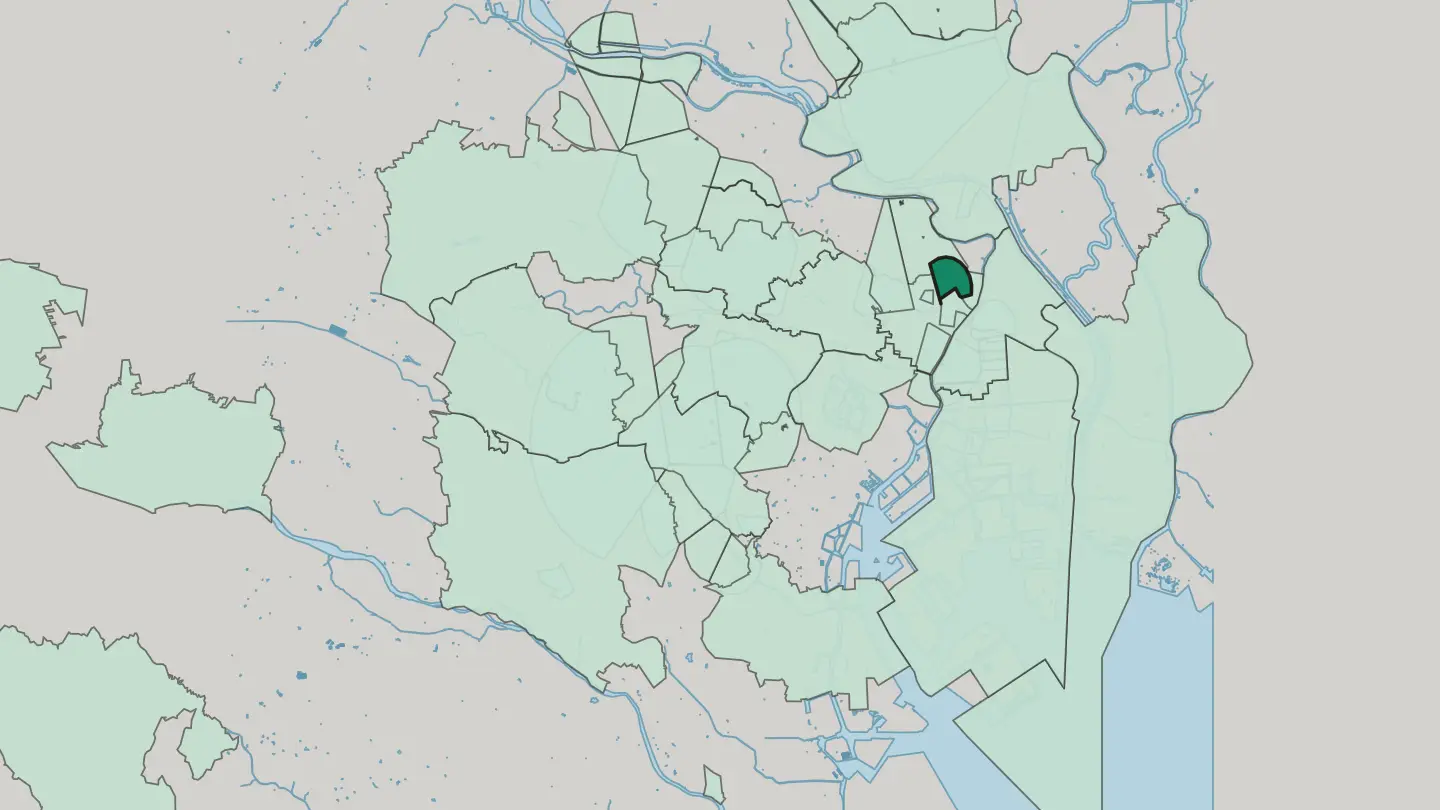
 TokyoJapan
Sumida
Sumida is a ward of Tokyo shaped in 1947, riverside home of the Tokyo Skytree and the sumo halls of Ryōgoku.Where to stay →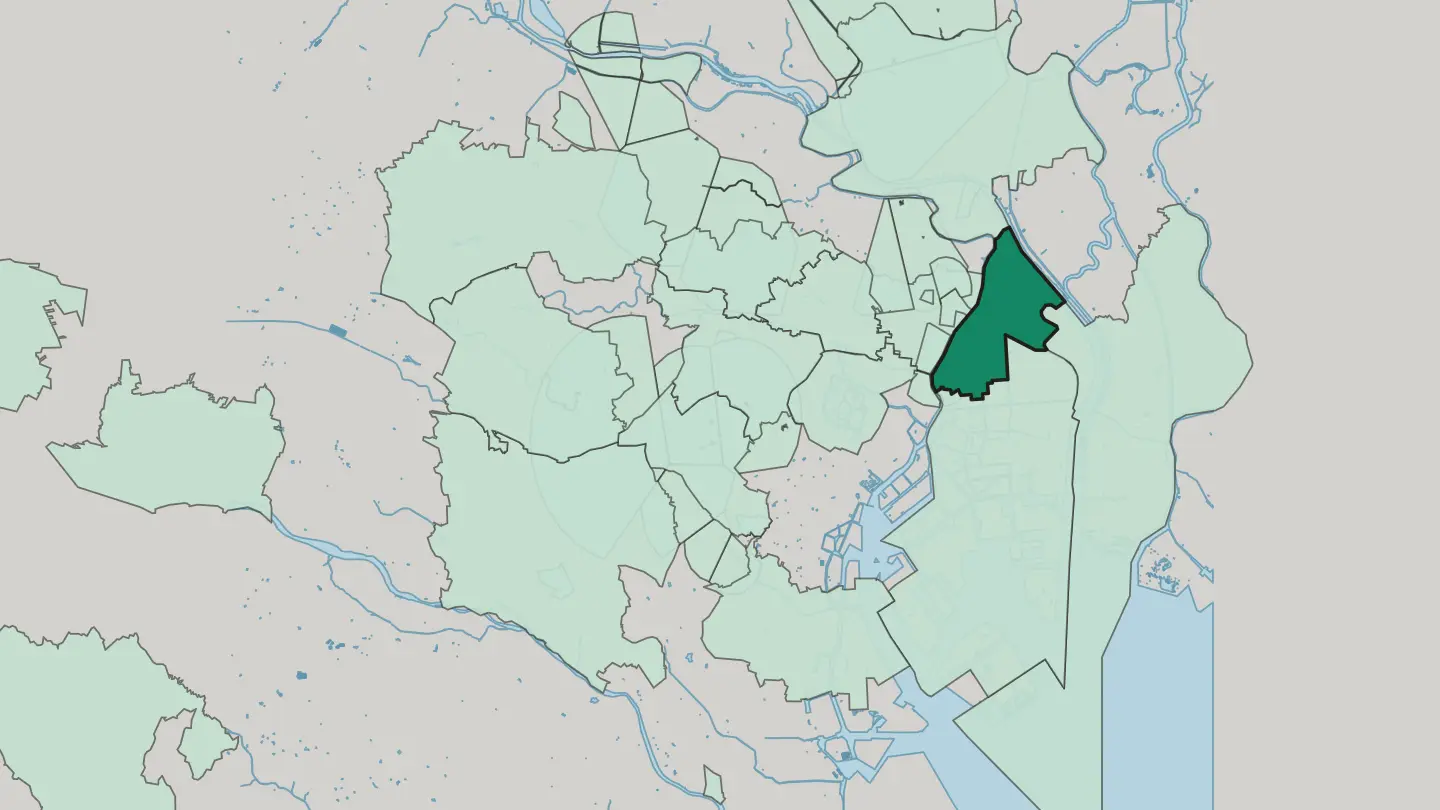 TokyoJapan
Tamagawa
Tamagawa is a district of Tokyo, in Japan, carrying no catalogued landmark and no recorded founding date of its own.Where to stay →TokyoJapanHasune
Hasune is one of Tokyo's districts, a neighbourhood-scale name used within Tokyo Prefecture in Japan.Where to stay →TokyoJapanAkatsuka
Akatsuka is a district of Tokyo covering under two square kilometres and holding both the Itabashi Art Museum and the Itabashi Historical Museum.Where to stay →TokyoJapan
Kinshi
Kinshi packs dense Tokyo ground beneath the Tokyo Skytree, keeping the Sumida Aquarium and the Sumida Hokusai Museum within easy reach.Where to stay →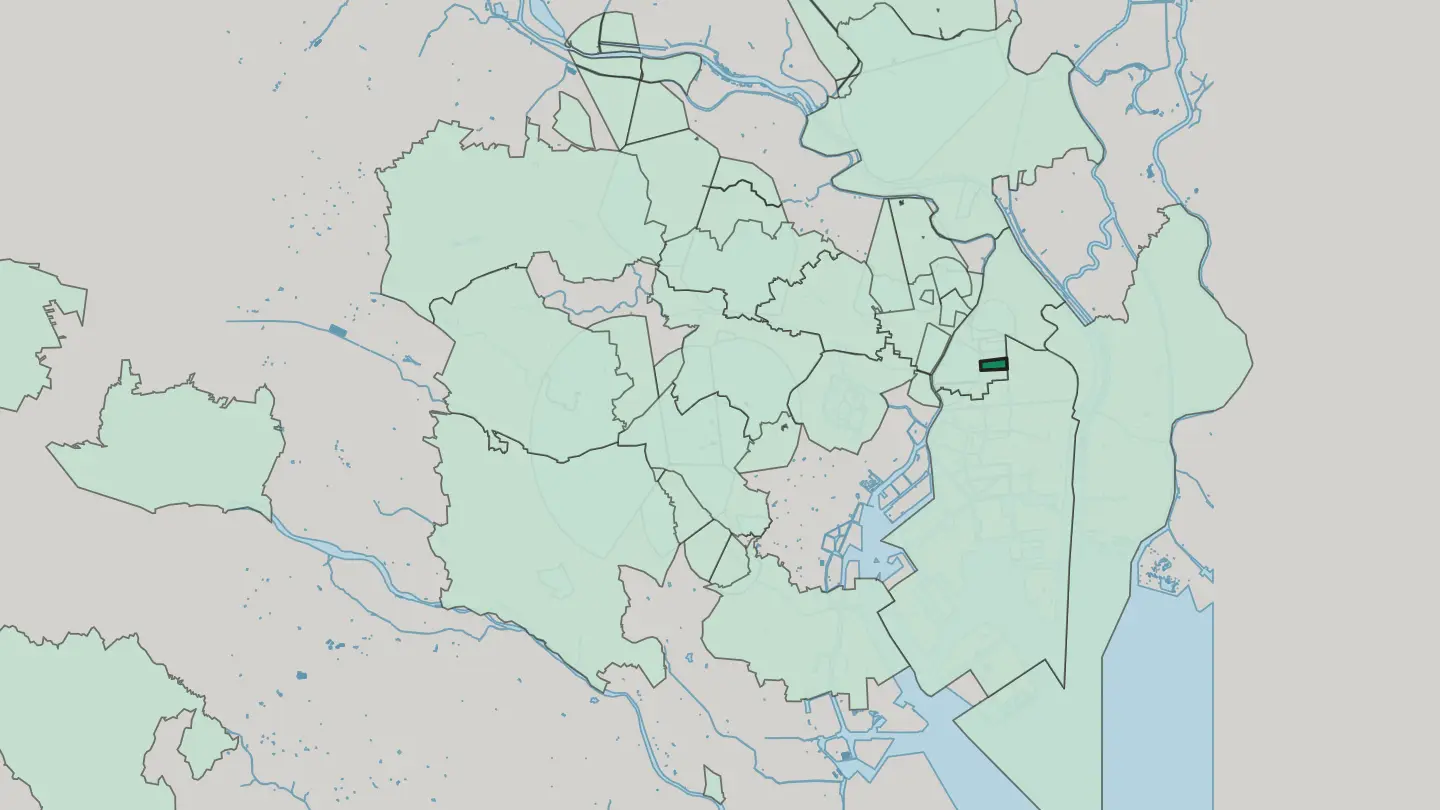 TokyoJapan
Yokokawa
Yokokawa is a Sumida district of Tokyo living in the shadow of the Tokyo Skytree, with the tower's museums and aquarium a few streets away.Where to stay →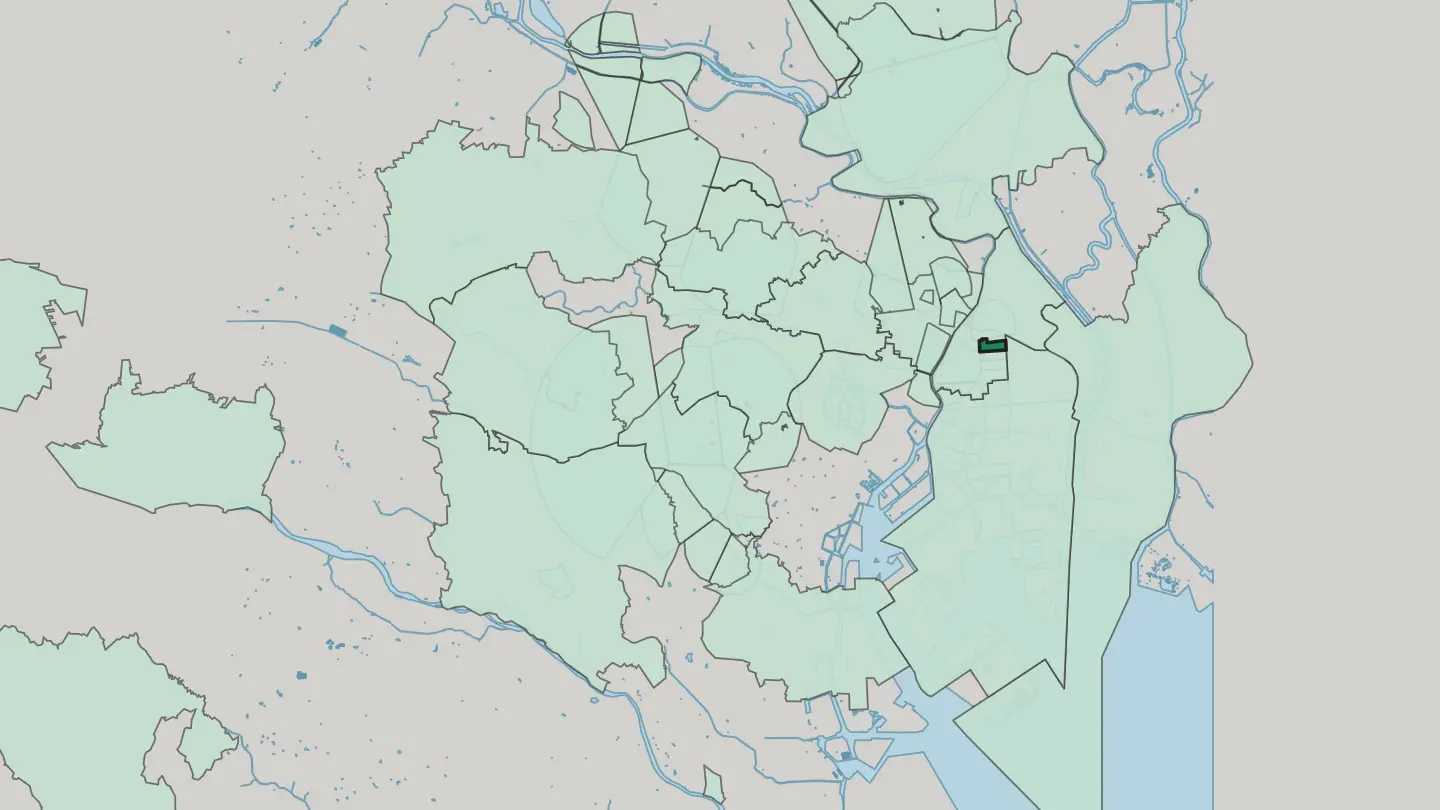
 TokyoJapan
Oshiage
Oshiage stands beside the Tokyo Skytree complex in Sumida, Tokyo, where four railway operators share the platforms at Oshiage Station.Where to stay →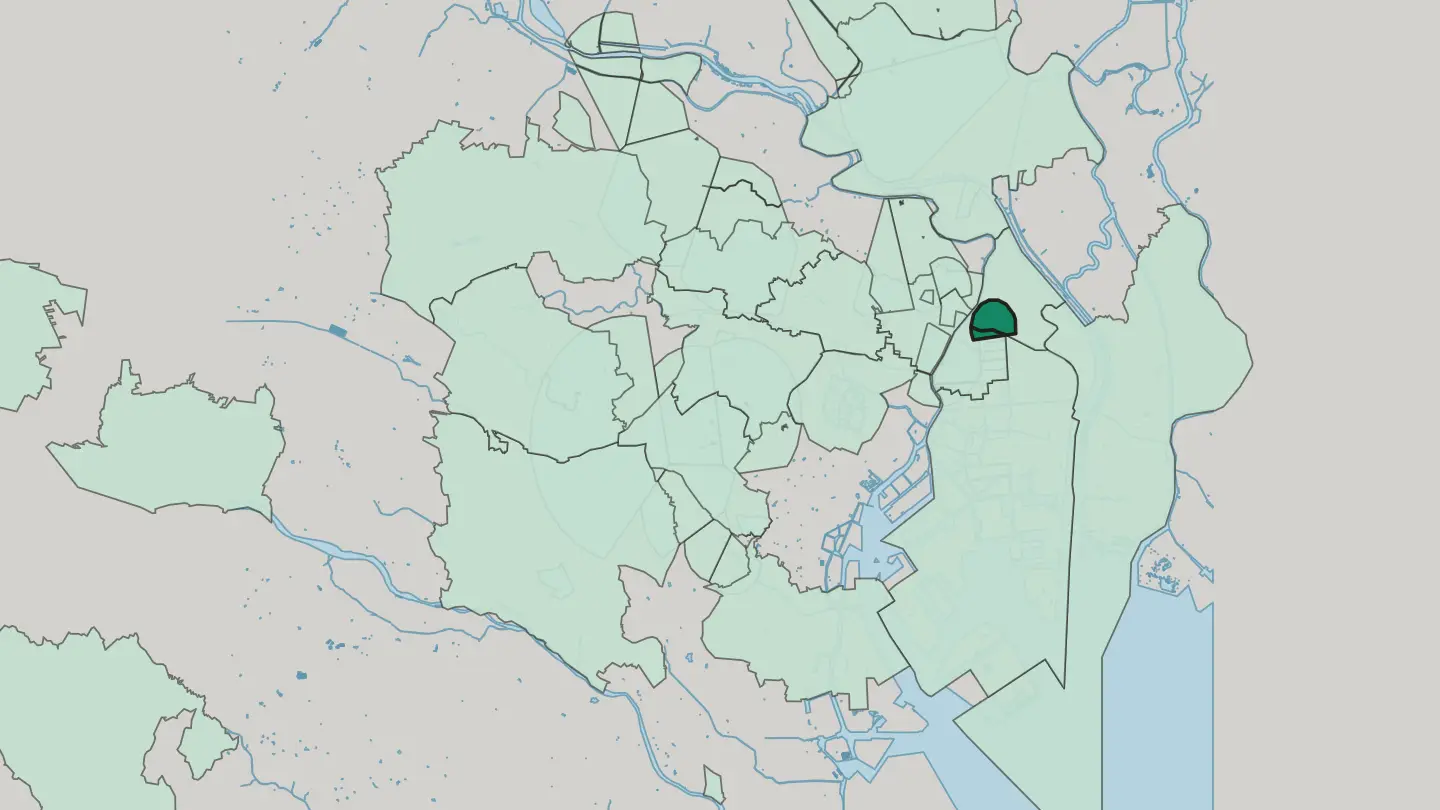
 TokyoJapan
Takashimadaira
Takashimadaira is a district of Itabashi ward in Tokyo named for Takashima Shuhan, who held Japan's first demonstration of Western gunnery here in 1841.Where to stay → TokyoJapan
Kōtō
Kōtō is an eastern ward of Tokyo, a canal-crossed borough holding Fukagawa, the Museum of Contemporary Art Tokyo, and Kidzania Tokyo.Where to stay →TokyoJapanFunado
Funado is a chōmei of Itabashi in Tokyo, running from Funado 1-chōme to 4-chōme at the northern tip of the ward. The Arakawa closes it to the north.Where to stay → TokyoJapan
Senju
Senju is a chōmei in southern Adachi, Tokyo, running from Senju 1-chōme to 5-chōme, broadly the old Senju town. The Arakawa runs along its northern edge.Where to stay → TokyoJapan
Nishiarai
Nishiarai is a district of Adachi in Tokyo, Japan, where Tobu Railway works the station that carries its name.Where to stay → TokyoJapan
Adachi
Adachi is one of Tokyo's twenty-three special wards, a broad residential district on the northern side of the capital.Where to stay →TokyoJapanToneri
Toneri is a district of Adachi in Tokyo, Japan, whose Toneri Station stands 8.7 km from Nippori Station.Where to stay → TokyoJapan
Edogawa
Edogawa is a lowland ward on the eastern edge of Tokyo, named for the Edogawa river that marks its far side.Where to stay →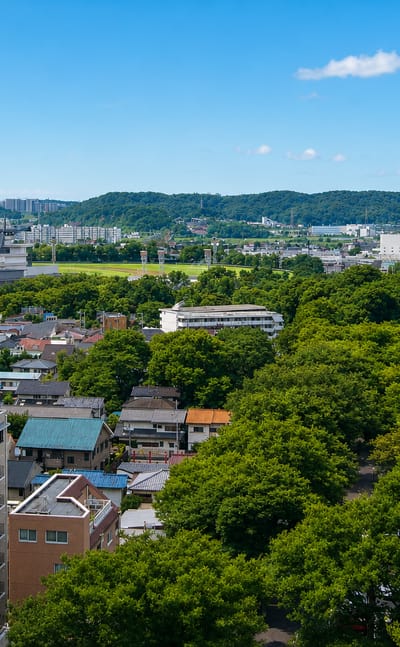 TokyoJapan
Fuchū
Fuchū is a suburban city within Tokyo, built around its racecourse, the Fuchū Art Museum, and the park at Kyōdo-no-Mori.Where to stay →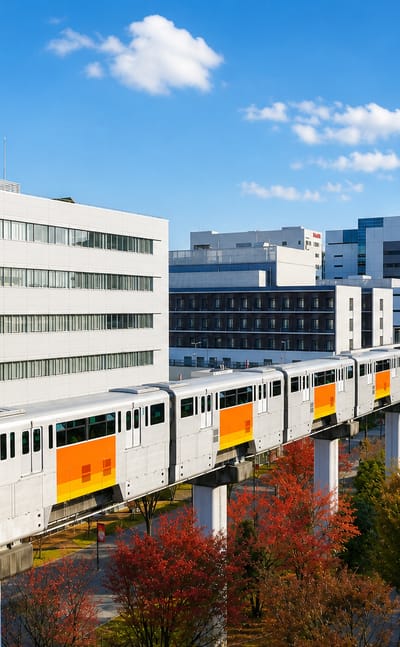 TokyoJapan
Tachikawa
Tachikawa is a district in the western portion of Tokyo, an inland city that holds the National Institute of Polar Research.Where to stay →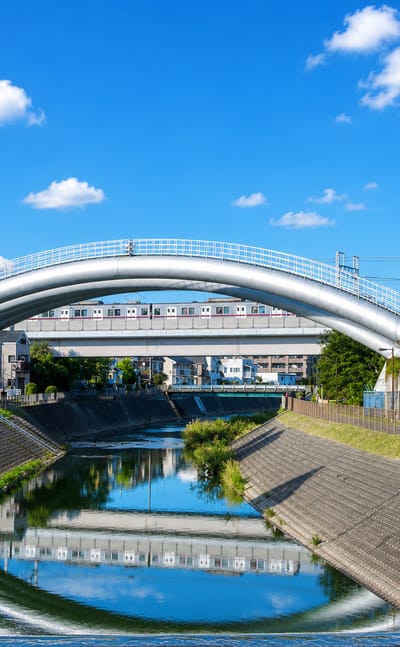 TokyoJapan
Machida
Machida is a district on the western rim of Tokyo, a shopping and museum hub near the Kanagawa border.Where to stay →Hotel links are affiliate links: booking through them may earn us a commission, at no extra cost to you. It never affects how places are ranked. How this works
Find hotels in Tokyo
Direct booking searches for these neighbourhoods.
Meiji Jingū
Green streets beside Meiji Jingū and its Outer Garden, a step from Jingu Bashi.Find hotels in Meiji Jingūa central, grander baseImperial Palace
The core around the Imperial Palace keeps the city's centre within reach.Find hotels in Imperial Palacean art-led, slower stayNezu Museum
The lanes by the Nezu Museum and the Yayoi Kusama Museum lean calm and gallery-minded.Find hotels in Nezu MuseumHotel links are affiliate links: booking through them may earn us a commission, at no extra cost to you. It never affects how places are ranked. How this works
Things to do in Tokyo
Ranked by global recognition; descriptions from Wikidata (CC0).
Museums & Galleries
8- Tokyo National Museum Heritage
- National Museum of Nature and Science Heritage
- National Museum of Western Art Heritage
- Tokyo Metropolitan Teien Art Museum Heritage
- Meiji Memorial Picture Gallery Heritage
Show 3 more →
- Japanese Folk Crafts Museum Heritage
- Great Kanto Earthquake Memorial Museum Heritage
- Yokoyama Taikan Memorial Hall Heritage
Churches & Religious Sites
3- St. Mary's Cathedral
- Jesus Lifehouse International Church
- St. Frances Xavier Church
Castles & Historic Sites
3- Sakuragi-iseki
- Moro Heritage Site
- Kurihara Ruins
Nature & Outdoors
1- Meiji Shrine Outer Garden
Stadiums & Sports
3- Tokyo Metropolitan Gymnasium
- Arena Tachikawa Tachihi
- Komazawa Hockey Field
Parks & Gardens
3- Institute for Nature Study Heritage
- Hanayashiki
- Tokyo Dome City Attractions
Landmarks & Notable Places
3- 旧磯野家住宅 Heritage
- 神田の家 Heritage
- Prime Minister's Official Residence
worth knowingacross 7 categories in Tokyo
About Tokyo
What is Tokyo known for?
Tokyo is known as the capital of Japan, a metropolis that runs from gleaming skyscrapers to the quiet of old shrines. The Shibuya scramble crossing pushes crowds across in every direction, while Meiji Jingū keeps its forest calm nearby. At its centre sits the Imperial Palace, a green remnant of old Japan.
Cherry blossoms mark the spring. Between global business and consumer streets, the city holds the whole sweep of Japanese culture, from foreign influences to the remnants of old Japan.
What are the main landmarks in Tokyo?
Tokyo's landmarks range from shrine to street corner. Meiji Jingū stands in its own forest, reached across Jingu Bashi, with the Meiji Shrine Outer Garden extending the green nearby. The Shibuya scramble crossing is a landmark in itself.
Galleries are everywhere. For art, the city holds the Nezu Museum, the Yayoi Kusama Museum, the Ōta Memorial Museum of Art, the Sompo Museum of Art, and the Japanese Folk Crafts Museum, with Bunkamura adding stages and galleries in Shibuya. At the heart of it all sits the Imperial Palace.
What is the history of Tokyo?
Tokyo's history as the capital of Japan runs from 1868. In that year the city took its place as the country's capital, the seat around which modern Japan would organise itself. The Imperial Palace stands at the centre as the enduring symbol of that role.
Around it the modern capital took shape. Much older layers survive beneath the modern surface, the remnants of the capital of old Japan. The city carries the whole sweep of Japanese history and culture in one place.
Old and new sit close. From that founding the capital grew into a vast metropolis, the core of the Tokyo Metropolis, or Tokyo-to, and of the wider Greater Tokyo Area. Its growth pulled in foreign influences, global business, and consumer culture, layering them over the older city.
None of it erased what came before. Landmarks like Meiji Jingū took their place among the surrounding streets, a shrine set in forest within the capital. The Shibuya scramble crossing belongs to that later, busier Tokyo.
The city's past reads as one long accumulation, with each era left standing beside the next.
Where is Tokyo?
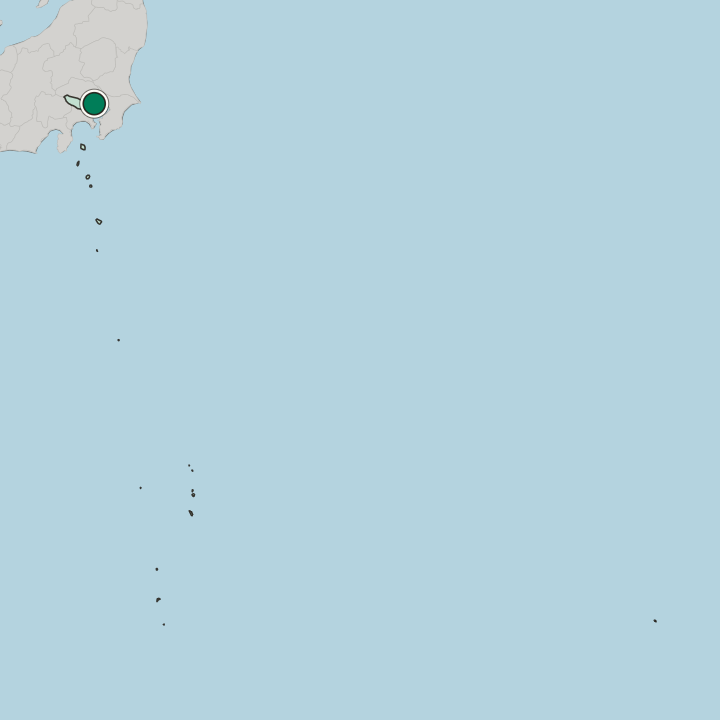
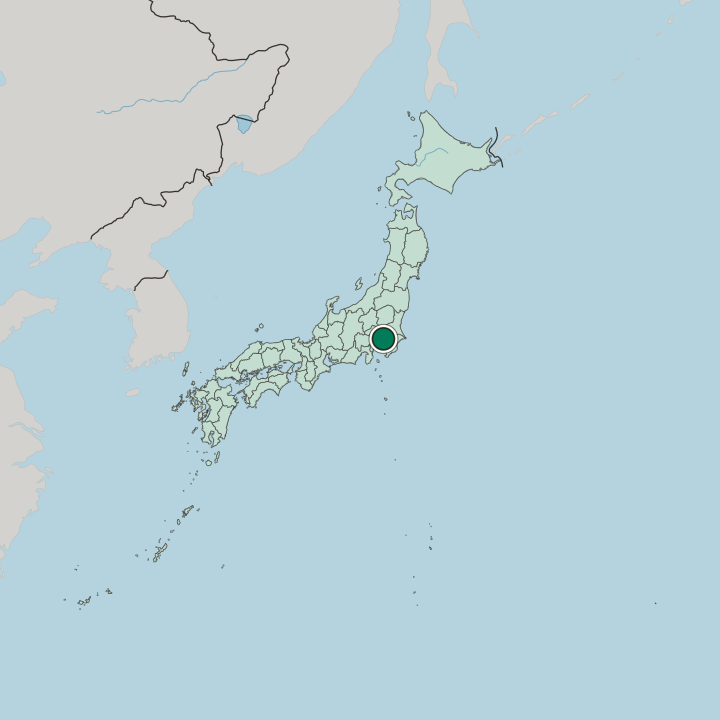
Tokyo spreads across the heart of the Greater Tokyo Area as the capital of Japan. The built-up city runs on and on, one district giving way to the next with little open ground between them. Green is the exception.
The forest around Meiji Jingū and the grounds of the Imperial Palace break the density at the centre, while quarters like Shibuya pack it back in around them.
What is the climate of Tokyo?
Tokyo has a temperate climate, with warm, humid summers and cool, drier winters. Spring brings the cherry blossoms that mark the city's calendar, a short, well-watched season across its parks and shrine grounds. Summers turn sticky.
Heat and humidity settle over the capital through the warm months, easing into the mild, clear weather that follows the blossom season around Meiji Jingū and the wider Greater Tokyo Area.
How do you get to Tokyo?
Tokyo is the main way into Japan. As the capital, it draws the country's principal air and rail connections, and the Greater Tokyo Area binds it to the surrounding prefectures by dense lines of transport. Most trips through Japan pass this way.
Within the city, transit knits the quarters together, so reaching Shibuya, Meiji Jingū, or the Imperial Palace from an arrival point is quick.
Common questions
What is the best area to stay in Tokyo?
Shibuya: shopping and late nights. Meiji Jingū: quiet mornings by the shrine. Imperial Palace: a central, grander base. Nezu Museum: an art-led, slower stay.
Good for
More cities in Tokyo Prefecture
Updated October 2026