Japan · Tokyo Prefecture
Where to Stay in Kita, Tokyo Prefecture
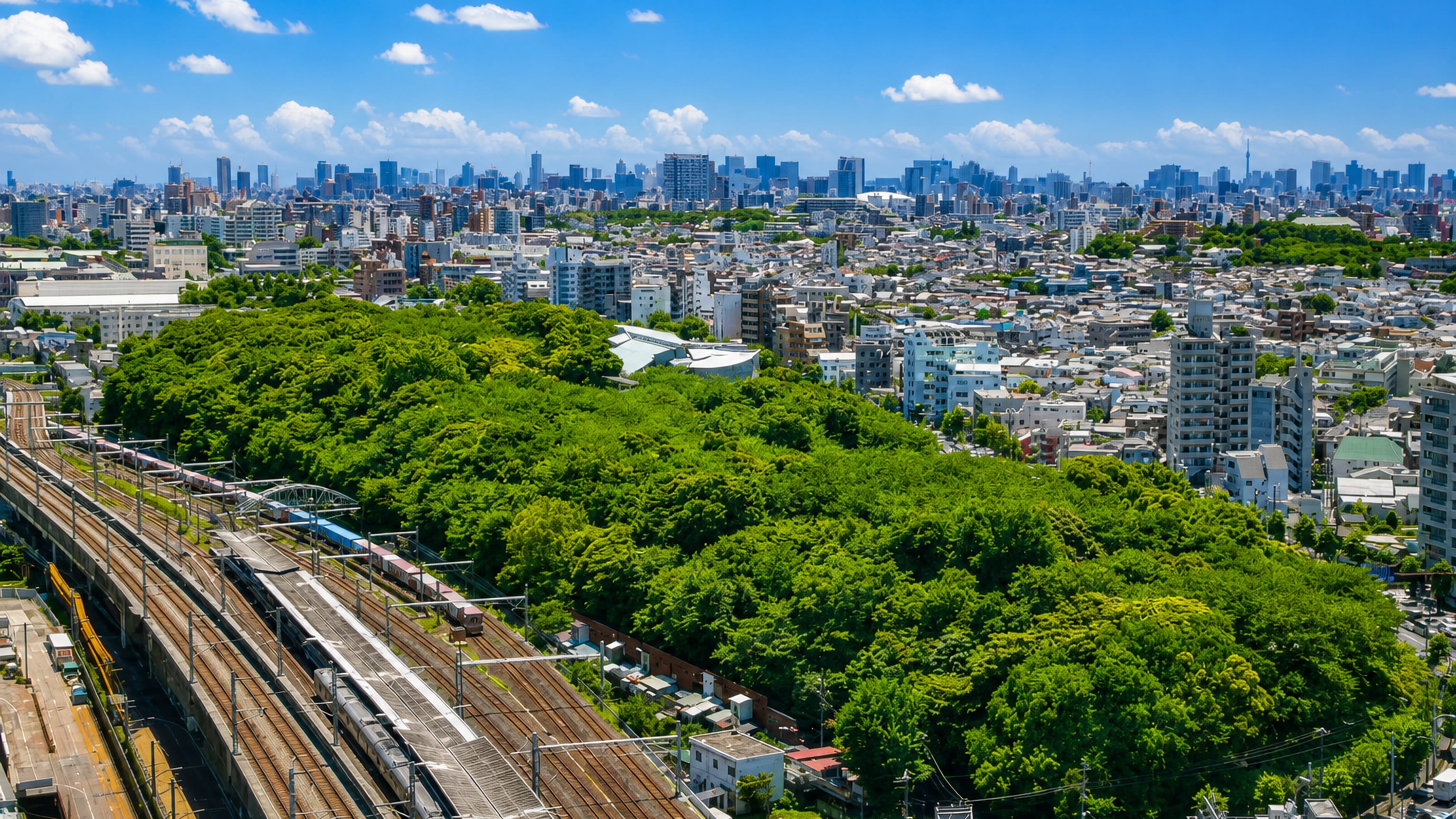
A special ward of the Tokyo Metropolis. Kita was founded in 1947, and the Paper Museum heads a long list of small collections.
Hotel links are affiliate links: booking through them may earn us a commission, at no extra cost to you. It never affects how places are ranked. How this works


Where to stay in Kita
The right area depends on your trip — here's what each neighbourhood is best for.

 KitaJapan
Tabata
The Tabata Memorial Museum of Writers and Artists keeps the record of the painters and novelists tied to Tabata, well away from the museum cluster. Beds are limited here, so book early.Tabata →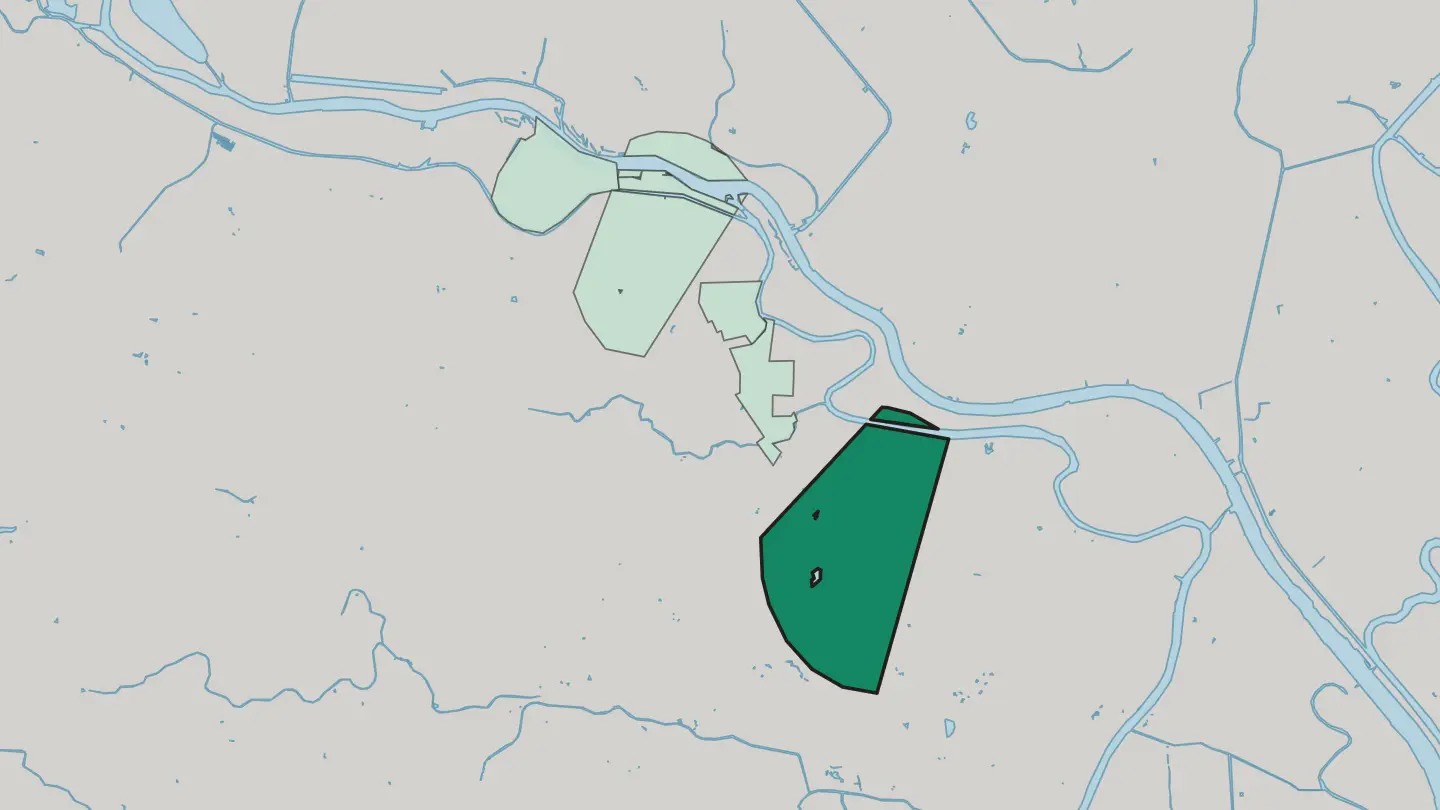
 KitaJapan
Ōji
Oji is a district of Kita ward in Tokyo, renamed from Kishi village in 1322 when the Toshima clan invited the Kumano Nyakuichi Oji deity to the ground.Where to stay →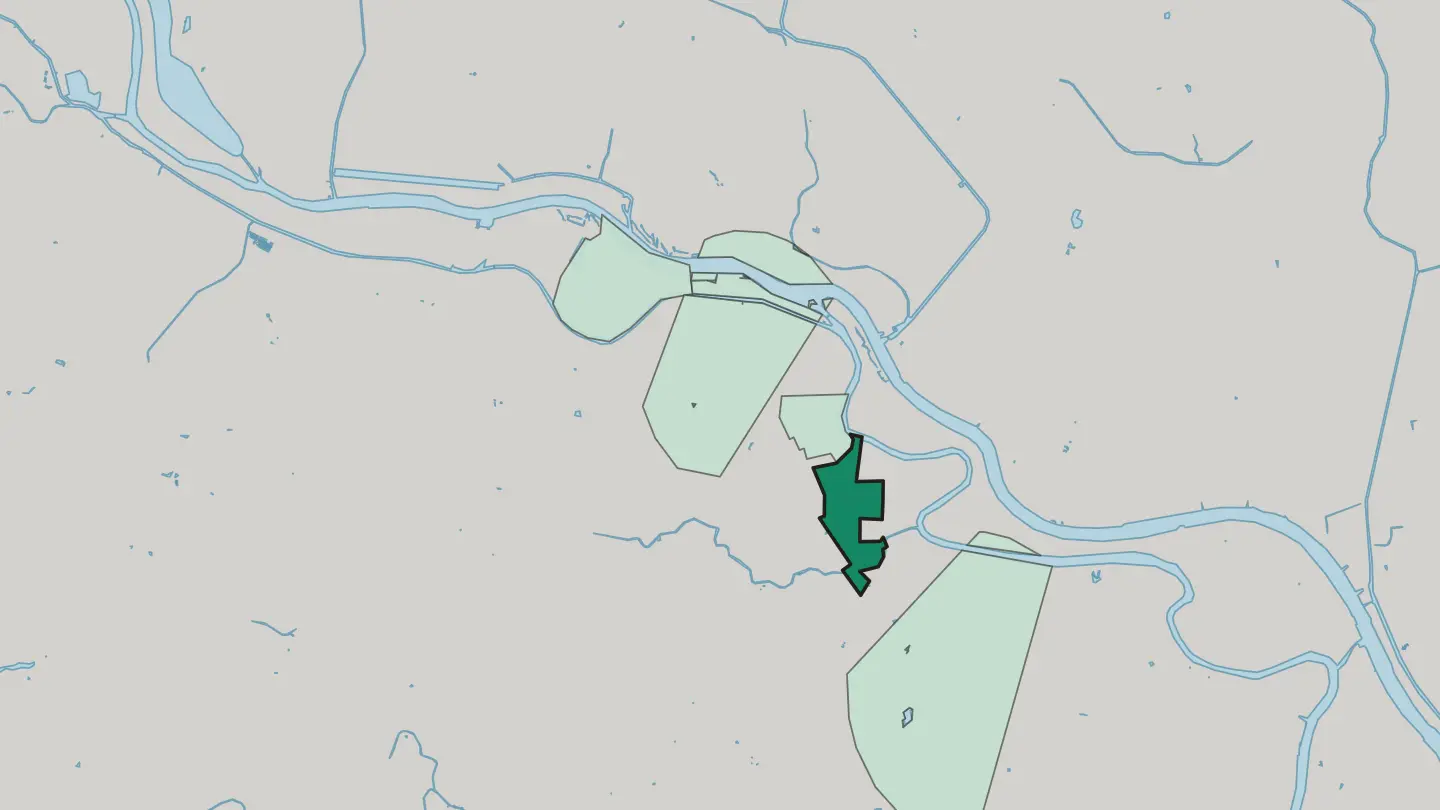 KitaJapan
Kamiya
Kamiya is one of the named quarters of Kita, in Tokyo, Japan, and the corner of the city holding the Arakawa Museum of Aqua.Where to stay →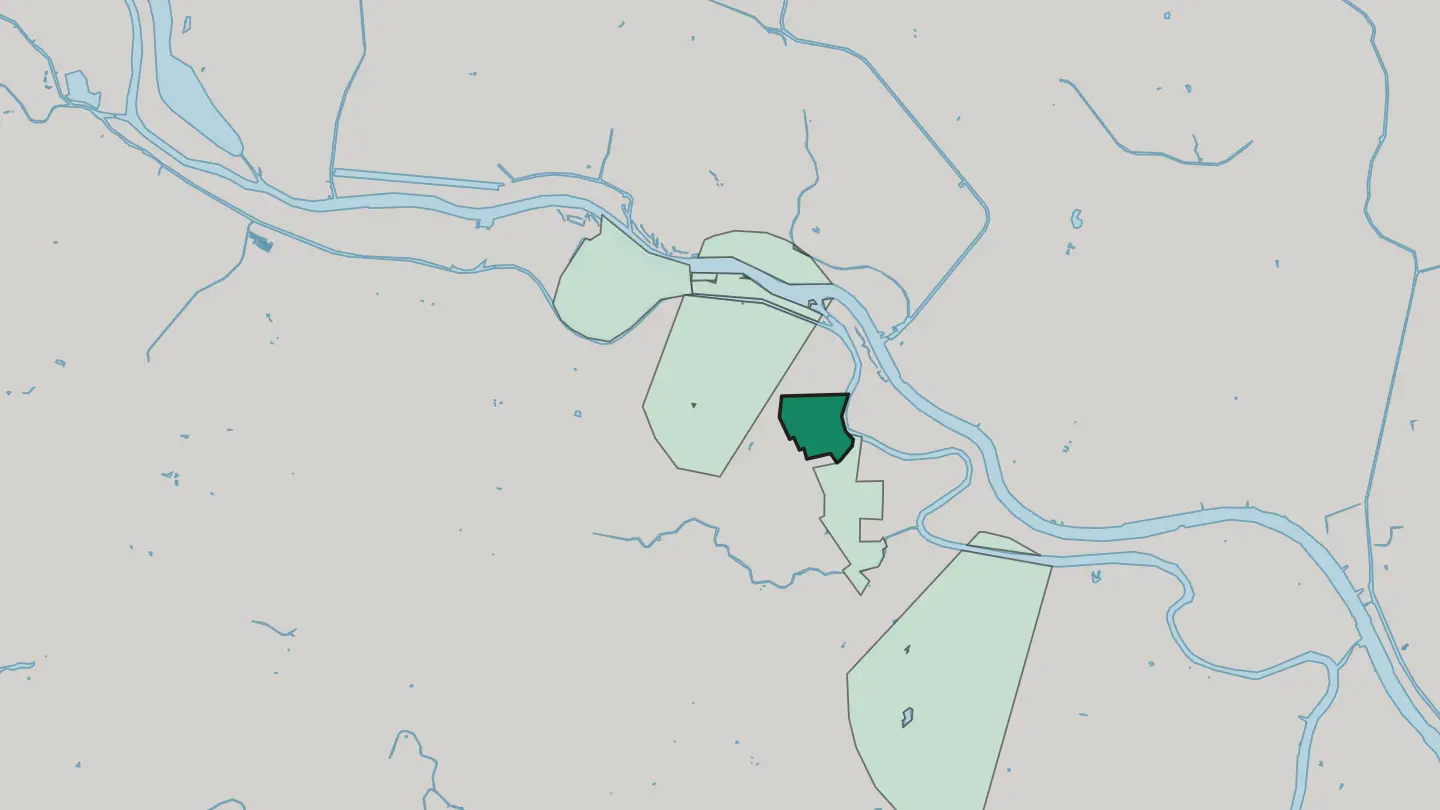 KitaJapan
Akabane
Akabane is a residential neighbourhood of Kita in Tokyo, hard against the Saitama Prefecture border and valued for its direct trains to the centre.Where to stay →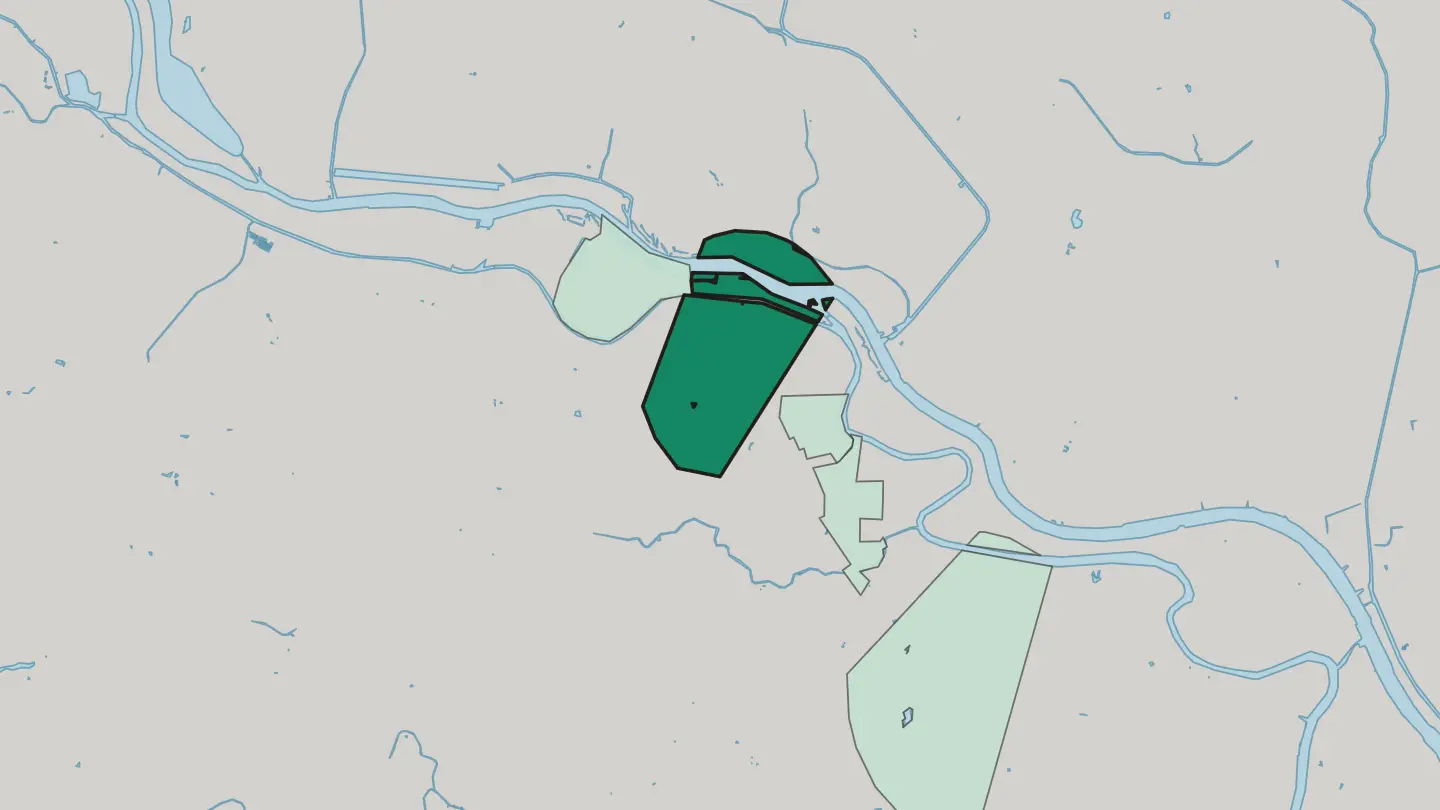 KitaJapan
Ukima
Ukima is a residential district of Kita, in Tokyo, Japan, lying out beyond Akabane at the quiet edge of the city.Where to stay →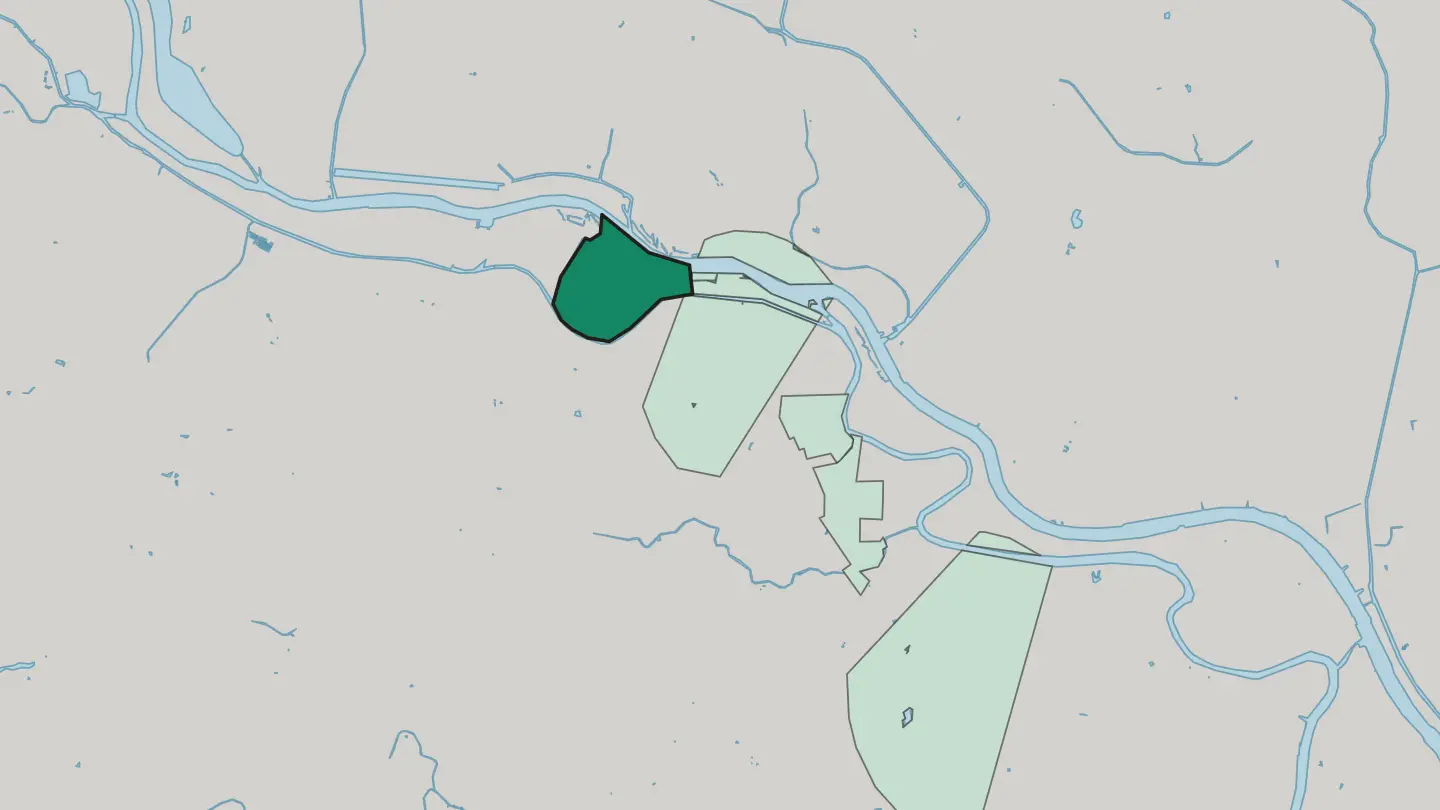
Hotel links are affiliate links: booking through them may earn us a commission, at no extra cost to you. It never affects how places are ranked. How this works
Find hotels in Kita
Direct booking searches for these neighbourhoods.
The Asukayama museums
The Paper Museum, the Shibusawa Memorial Museum and the Kita City Asukayama Museum are listed together as Kita's core cluster, close enough to take one after another.Find hotels in The Asukayama museumsstays built around the Banknote & Postage Stamp Museum and the Inaridai SiteThe Banknote & Postage Stamp Museum side
The Banknote & Postage Stamp Museum and the Inaridai Site are the ward's least obvious entries, and the rooms near them are plain business stock. Few places to stay nearby — book ahead.Find hotels in The Banknote & Postage Stamp Museum sideHotel links are affiliate links: booking through them may earn us a commission, at no extra cost to you. It never affects how places are ranked. How this works
Things to do in Kita
Ranked by global recognition; descriptions from Wikidata (CC0).
Museums & Galleries
3- Ancient Orient Museum
- Kita City Asukayama Museum
- Arakawa Museum of Aqua
Churches & Religious Sites
1- 池袋西教会
Parks & Gardens
2- Namco Namja Town
- Arakawa Amusement Park
worth knowingacross 3 categories in Kita
About Kita
Museums, and oddly specific ones.
What is Kita known for?
The Paper Museum, the Shibusawa Memorial Museum and the Kita City Asukayama Museum stand at the head of the ward's list, and the Banknote & Postage Stamp Museum adds a fourth specialism that no neighbouring ward can match. Writers get their own room. The Tabata Memorial Museum of Writers and Artists records the painters and novelists tied to Tabata, while the Inaridai Site holds the oldest thread in Kita.
What are the main landmarks in Kita?
The Paper Museum leads. Kita's list runs on through the Shibusawa Memorial Museum, the Kita City Asukayama Museum, the Banknote & Postage Stamp Museum and the Tabata Memorial Museum of Writers and Artists, five collections with almost nothing in common. Archaeology closes it.
The Inaridai Site and the Tokyo Kasei University Museum finish the ward's own entries, and the Arakawa Amusement Park supplies the one attraction that asks nothing of a visitor's patience.
What is the history of Kita?
The ward is younger than the city it belongs to. Kita was founded on 15 March 1947, and the English rendering of its own Japanese designation is the City of Kita, a phrasing that survives on official material. Beneath it all sits far older ground.
The Inaridai Site is the ward's archaeological entry, evidence of occupation long before any modern boundary was drawn across the Tokyo Metropolis. What came between is written into the museums rather than into monuments. The Paper Museum and the Banknote & Postage Stamp Museum both take manufactured paper as their material, an unusual pairing to find inside one ward and the clearest surviving trace of what the district once produced.
The Shibusawa Memorial Museum keeps a single name. Beside it, the Kita City Asukayama Museum holds the general account of the ward, the sort of civic collection that gathers everything the specialist museums leave out. Tabata went a different way.
The Tabata Memorial Museum of Writers and Artists exists because painters and novelists settled in that quarter, and a museum of writers is a very particular kind of memorial for a district to build. Learning followed the same pattern. The Tokyo Kasei University Museum is a campus collection rather than a civic one, and the Koishikawa Annex of the University Museum of the University of Tokyo and the Toyo University Inoue Enryo Memorial Museum show the same habit repeating across the wards around Kita.
Nothing here is grand. The record of this part of the Tokyo Metropolis was kept in small rooms with narrow subjects, and that is still how it reads.
Where is Kita?
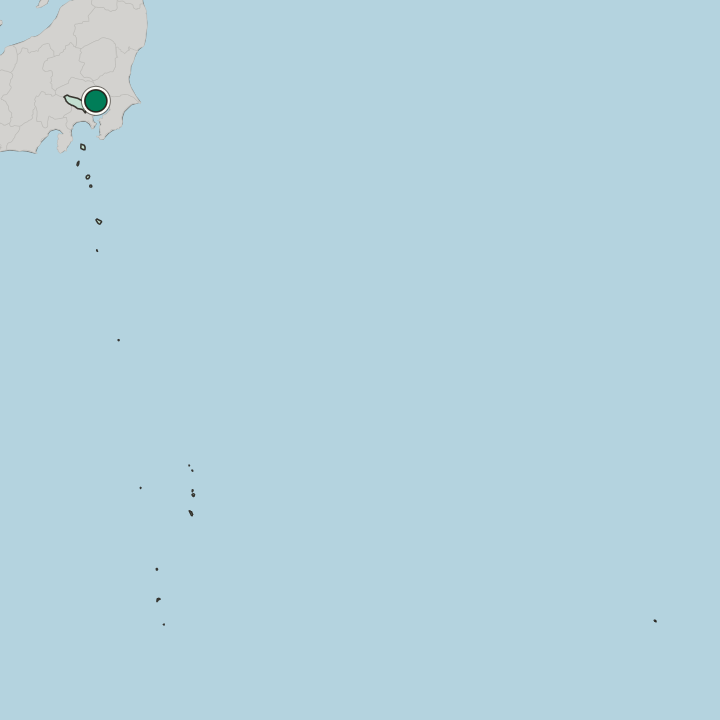
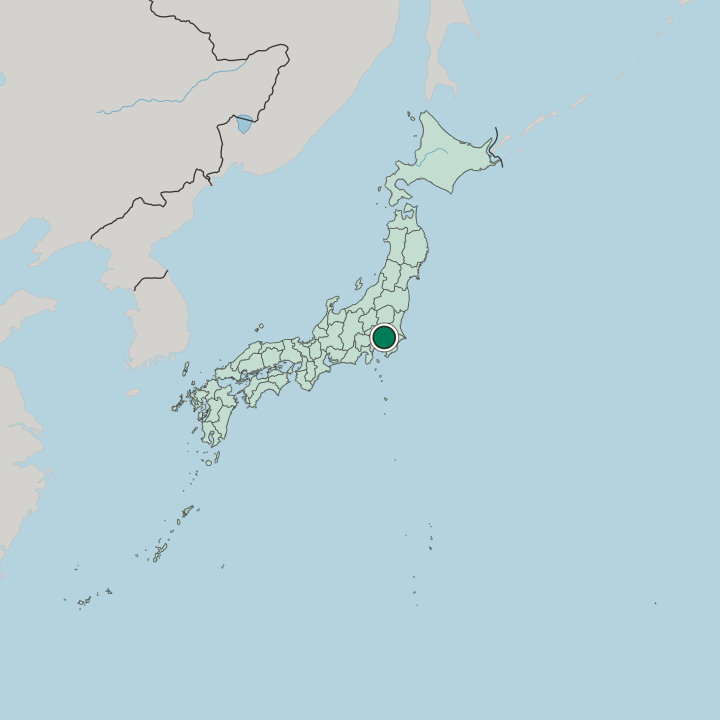
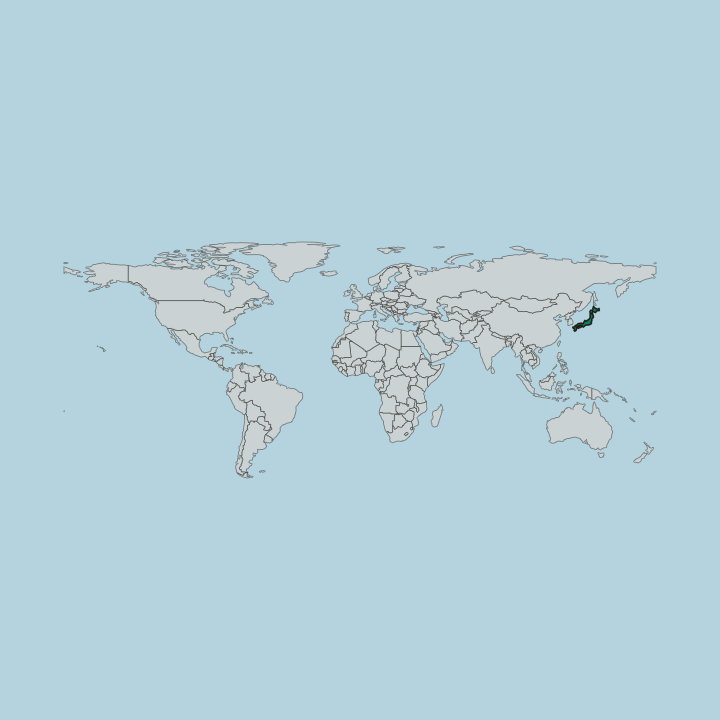
A little over twenty square kilometres. Kita is one of the special wards of the Tokyo Metropolis, built-up ground on which the Paper Museum, the Shibusawa Memorial Museum and the Kita City Asukayama Museum all fall within the same short compass. Ward lines do the shaping here.
Tabata and the Inaridai Site mark separate corners of the same small territory, and the neighbouring wards that hold the Sunshine Aquarium and the Arakawa Museum of Aqua begin immediately past the edge.
What is the climate of Kita?
Weather decides between indoors and out. The Paper Museum, the Banknote & Postage Stamp Museum and the Shibusawa Memorial Museum absorb a wet afternoon without complaint, and the Kita City Asukayama Museum belongs to the same all-weather list. Dry days move outside.
The Inaridai Site and the open ground it occupies read far better in clear conditions, and the Arakawa Amusement Park is an outdoor proposition from the first ride to the last.
How do you get to Kita?
Arrival is by Tokyo, not by Kita. The ward sits inside the Tokyo Metropolis and shares its network, so the practical route is whatever brings a traveller into the metropolis first, followed by a local hop toward the museums. No rail line is named in the record.
The Paper Museum, the Shibusawa Memorial Museum and the Kita City Asukayama Museum make the obvious target, with the Tabata Memorial Museum of Writers and Artists as a second.
Common questions
What is the best area to stay in Kita?
The Asukayama museums: pairing the Paper Museum with the Shibusawa Memorial Museum on foot. Tabata: quieter streets around the Tabata Memorial Museum of Writers and Artists. The Banknote & Postage Stamp Museum side: stays built around the Banknote & Postage Stamp Museum and the Inaridai Site.
Good for
More cities in Tokyo Prefecture
Updated October 2026