Japan · Yamaguchi
Where to Stay in Iwakuni, Yamaguchi
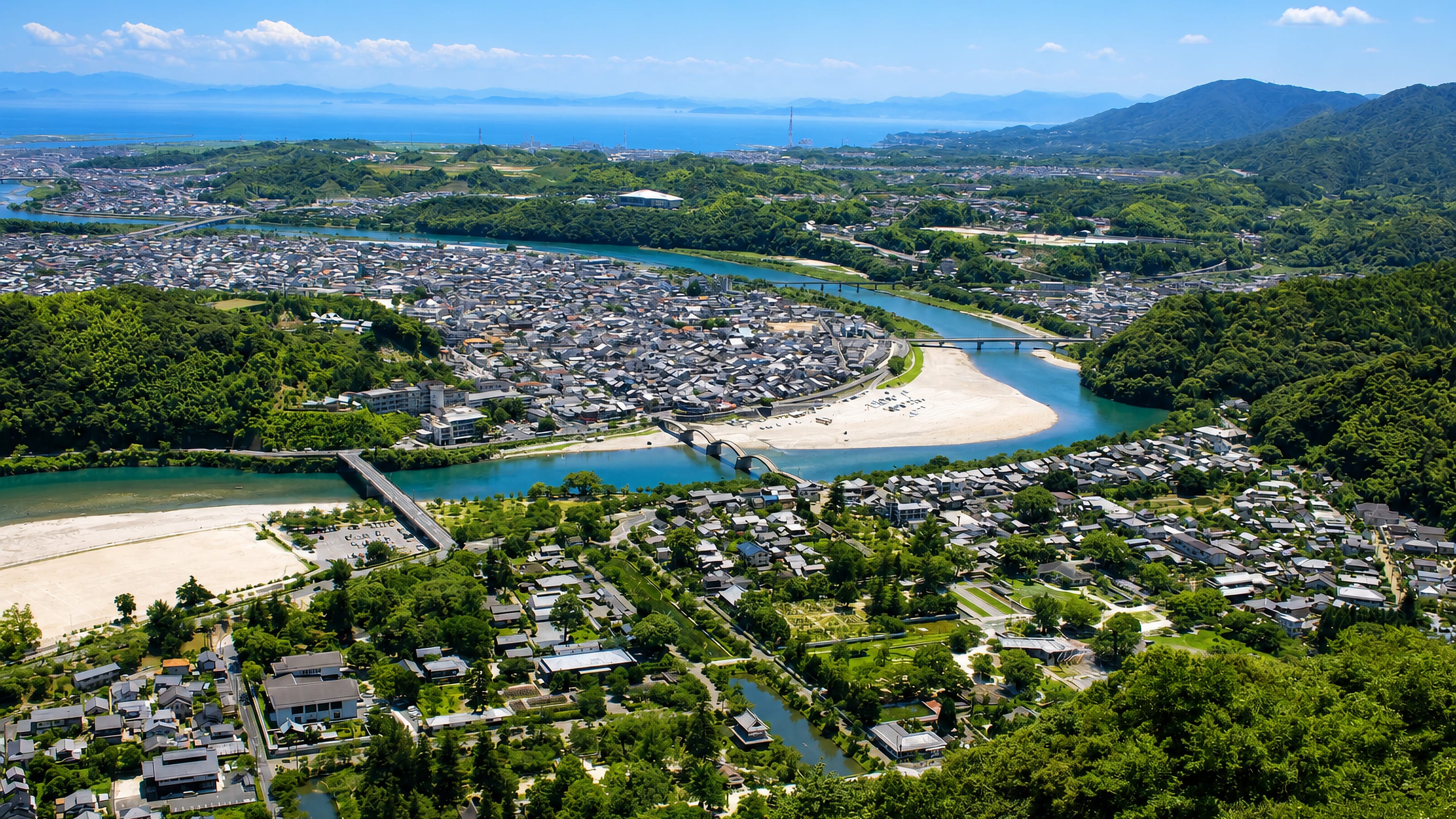
Iwakuni is a castle town in Yamaguchi Prefecture marked by two military eras, and known above all for the Kintai Bridge.
Hotel links are affiliate links: booking through them may earn us a commission, at no extra cost to you. It never affects how places are ranked. How this works


Where to stay in Iwakuni
How the choice of base plays out on the ground.
Kintai Bridge fixes the tourist half. Rooms near it put the Kikkawa Historical Museum, Iwakuni Chōkokan and the white snakes in Iwakuni within a short walk of one another, which is the tightest cluster the city offers. Nishi-Iwakuni Station is the other pole.
A bed near the platforms trades atmosphere for departures, and it suits anyone treating Iwakuni as one stop in a wider Yamaguchi Prefecture itinerary rather than a destination. The city is enormous. Eight hundred and seventy-three square kilometres run out well past the built-up part, so Kitsunegasaki, Inaba Gō and the Kashiwabara Museum can involve real travel from a central base.
Quiet corners exist away from the bridge. The Sakai Sake Brewery Art Museum "Gokyo Bunko" and the Iwakuni School Education Archive Museum reward a stay that is not organised entirely around the crossing. Base traffic is part of the picture.
The United States Marine Corps base sits within the city, and the surrounding streets carry a mix that a purely castle-town description would miss. If you want the bridge at dawn, sleep beside it. Two nights make the difference between seeing the Kintai Bridge and seeing the city that grew around it.
Find hotels in Iwakuni
Direct booking searches for these neighbourhoods.
By the Kintai Bridge
The visitor core, steps from the Kikkawa Historical Museum and Iwakuni ChōkokanFind hotels in By the Kintai BridgeStops treating Iwakuni as one leg of a Yamaguchi Prefecture tripNishi-Iwakuni Station
Beside the platforms at Nishi-Iwakuni Station, picked for departures over atmosphereFind hotels in Nishi-Iwakuni StationDays reaching Kitsunegasaki, Inaba Gō and the Kashiwabara MuseumThe outer city
Out in the eight hundred square kilometres a bridge-side visitor never sees. Beds are limited here, so book early.Find hotels in The outer cityHotel links are affiliate links: booking through them may earn us a commission, at no extra cost to you. It never affects how places are ranked. How this works
About Iwakuni
The Kintai Bridge carries the reputation.
What is Iwakuni known for?
Iwakuni is a castle town shaped by two military eras, the samurai who crossed that bridge and the United States Marine Corps base that occupies part of the city. Museums fill in the detail. The Kikkawa Historical Museum, Iwakuni Chōkokan and the Kashiwabara Museum each hold part of the record, and the Sakai Sake Brewery Art Museum "Gokyo Bunko" adds a trade to the list.
The white snakes in Iwakuni are the local oddity.
What are the main landmarks in Iwakuni?
One structure outranks everything. The Kintai Bridge is what most visitors come for, and the Kikkawa Historical Museum, Iwakuni Chōkokan and the Kashiwabara Museum stand near enough to make a single afternoon of the lot. Then the list turns odd.
The white snakes in Iwakuni have their own following, Kitsunegasaki and Inaba Gō mark ground further out, and the Sakai Sake Brewery Art Museum "Gokyo Bunko" and the Iwakuni School Education Archive Museum handle trade and schooling. Nishi-Iwakuni Station is itself listed.
What is the history of Iwakuni?
Iwakuni began as a castle town. Samurai crossed the Kintai Bridge when the place was governed on those terms, and the crossing has stayed the city's defining structure ever since. The Kikkawa name runs through it.
The Kikkawa Historical Museum keeps that lineage's record, and Iwakuni Chōkokan holds material from the same long stretch of local history. White snakes in Iwakuni belong to the same local inventory. That leaves the city with two military layers.
The second is modern. A United States Marine Corps base occupies part of the city, which makes military presence a continuous thread rather than a closed chapter of the castle-town past. Municipal Iwakuni dates from 1940.
That is late for a place with a bridge this old, and the gap between the two dates is a fair measure of how much of the city's story sits before its administrative founding. Ordinary life left its own museums. The Sakai Sake Brewery Art Museum "Gokyo Bunko" records a trade, the Iwakuni School Education Archive Museum records schooling, and the Kashiwabara Museum adds a further collection to the set.
Kitsunegasaki and Inaba Gō belong to the older ground.
Where is Iwakuni?
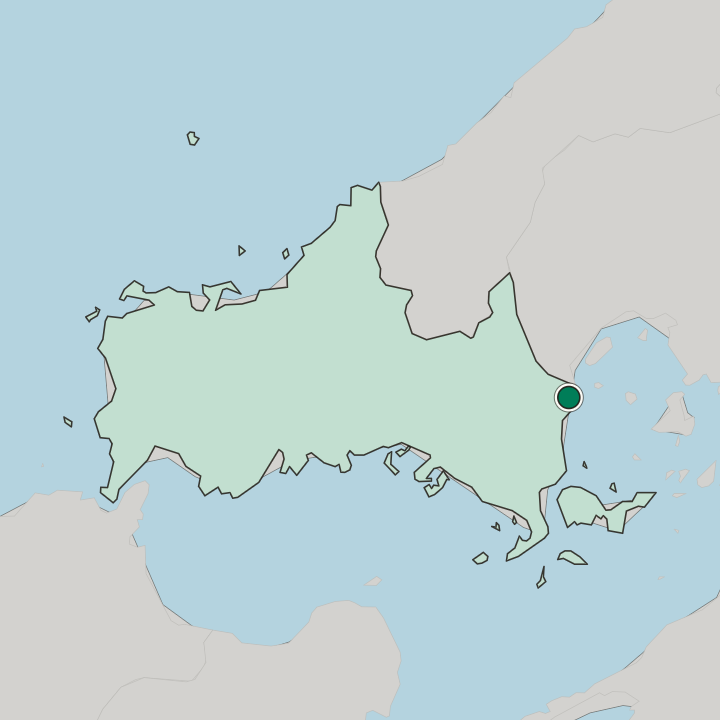
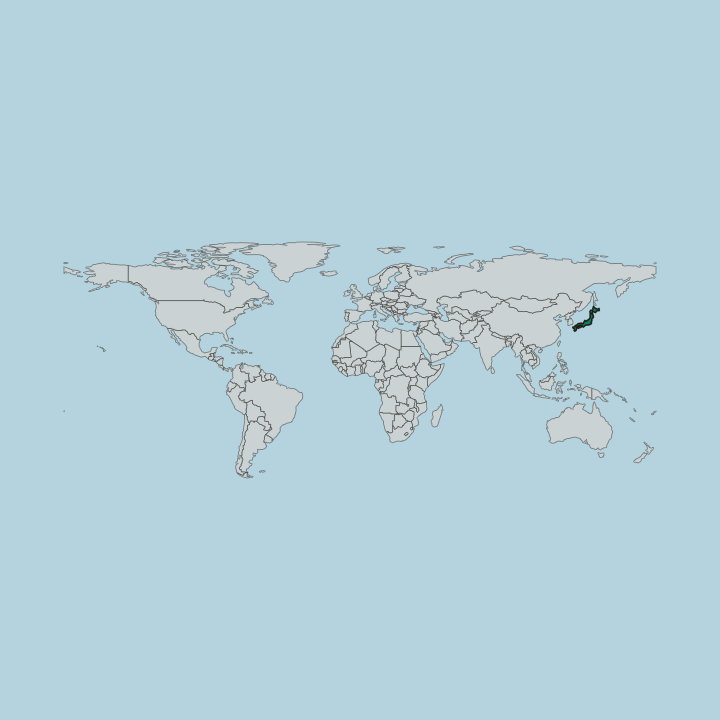
Eight hundred and seventy-three square kilometres make Iwakuni one of the larger municipal areas in Yamaguchi Prefecture, and most of that ground lies well beyond the streets around the Kintai Bridge. The centre is the exception. Kitsunegasaki and Inaba Gō sit out in the wider area, while the bridge, the museums and Nishi-Iwakuni Station keep to a compact belt.
Distance is the city's real feature.
What is the climate of Iwakuni?
Iwakuni sits in the subtropical band, which stretches the warm season and makes the walk over the Kintai Bridge a comfortable proposition for much of the year. The cold months are brief. Indoors, the Kikkawa Historical Museum, the Kashiwabara Museum and the Sakai Sake Brewery Art Museum "Gokyo Bunko" take over when the weather turns.
Rain changes the bridge more than the museums.
How do you get to Iwakuni?
Nishi-Iwakuni Station handles arrivals. It is listed among the city's own landmarks, which says something about how much of Iwakuni's traffic passes through it on the way to the Kintai Bridge. The rest takes wheels.
Eight hundred and seventy-three square kilometres of city put Kitsunegasaki, Inaba Gō and the Kashiwabara Museum beyond any walk, while the other cities of Yamaguchi Prefecture stay within a reasonable day's reach.
Common questions
What is the best area to stay in Iwakuni?
By the Kintai Bridge: Mornings on the Kintai Bridge before the coaches arrive. Nishi-Iwakuni Station: Stops treating Iwakuni as one leg of a Yamaguchi Prefecture trip. The outer city: Days reaching Kitsunegasaki, Inaba Gō and the Kashiwabara Museum.
Good for
More cities in Yamaguchi
Updated September 2026