Japan · Yamaguchi
Where to Stay in Shimonoseki, Yamaguchi
Shimonoseki is the westernmost city on Honshu, the largest in Yamaguchi Prefecture, nicknamed the home of fugu for its pufferfish catch.
Hotel links are affiliate links: booking through them may earn us a commission, at no extra cost to you. It never affects how places are ranked. How this works


Where to stay in Shimonoseki
Where visitors usually base themselves, and why.
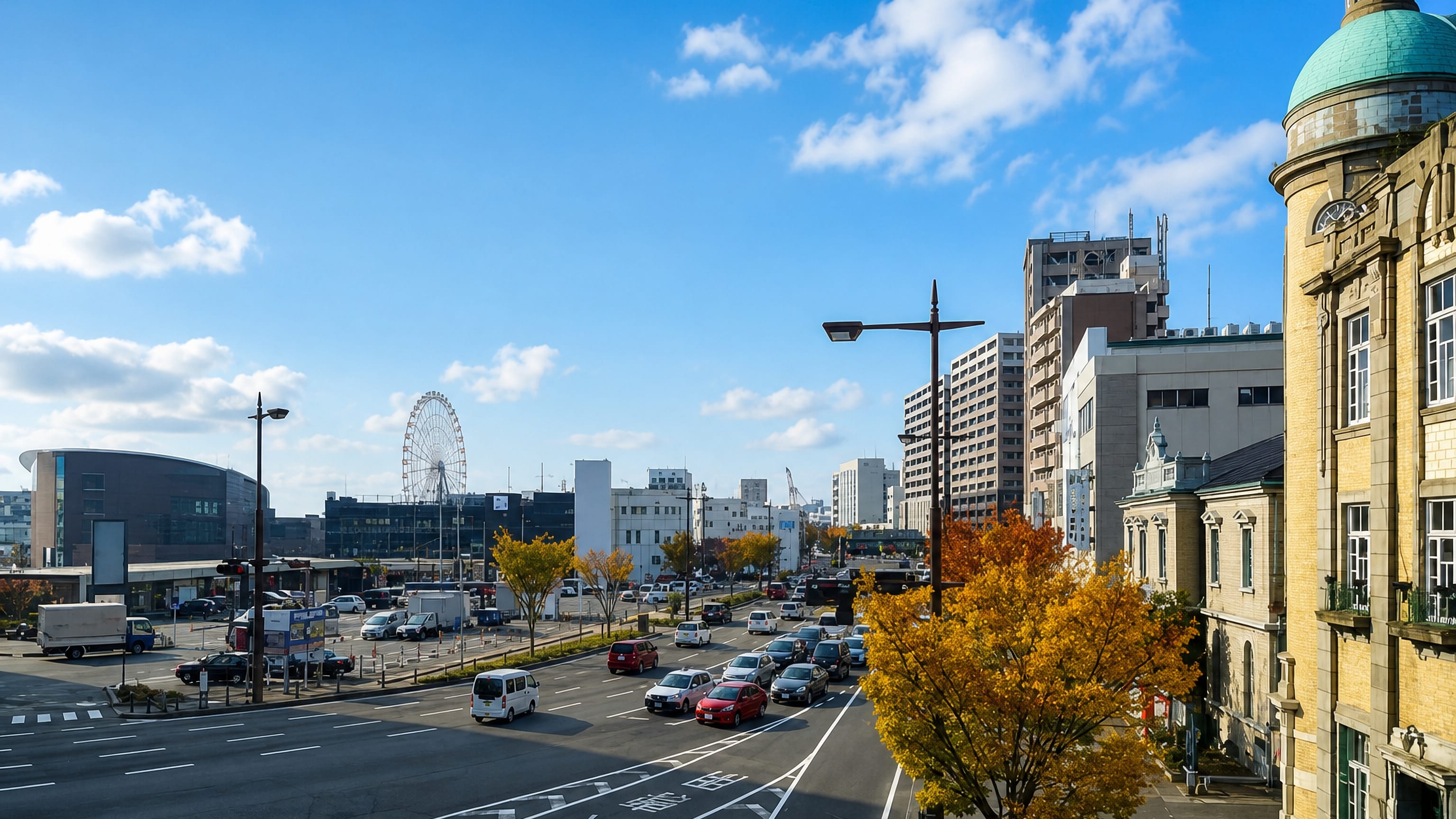
Kaikyō Yume Tower marks the waterfront half of the city, and rooms in its orbit put Kanmon Plaza, the Kanmon Strait Museum and the Shimonoseki Marine Science Museum Kaikyōkan within one walk. Waterfront rooms are Shimonoseki's default. Haikara't Yokocho and the fugu trade give the same quarter its evenings, which matters in a city where dinner is a large part of the reason for coming.
Inland is quieter. The Shimonoseki Memorial Museum of Modern Forerunners, Matsunaga Bunko and the Baikō Gakuin University Museum stand away from the water, and a bed among them suits a slower reading of the city. Seven hundred and sixteen square kilometres make this the largest city in Yamaguchi Prefecture, so the difference between a waterfront room and one out in the wider area is measured in half-hours.
If you want fugu at its source, stay near the water. Akama Shrine Treasure Hall anchors a third option. Its ground belongs to the older city, and sleeping nearby trades the tower's views for a shorter walk to the Sino-Japanese Peace Treaty Memorial Hall.
Rail arrivals complicate the choice, since the Kyushu Railway History Museum and the Moji Telecommunication Museum pull a visit toward the crossing rather than into the centre. Two nights cover both halves.
Find hotels in Shimonoseki
Direct booking searches for these neighbourhoods.
The Kaikyō Yume Tower waterfront
The quarter beneath Kaikyō Yume Tower, close to Haikara't YokochoFind hotels in The Kaikyō Yume Tower waterfrontOlder ground at the Akama Shrine Treasure HallAround Akama Shrine
Historic streets nearer the Sino-Japanese Peace Treaty Memorial Hall than the towerFind hotels in Around Akama ShrineReading days at Matsunaga Bunko and the Baikō Gakuin University MuseumInland Shimonoseki
Back from the water, out where the Shimonoseki Memorial Museum of Modern Forerunners stands. Rooms are few around here — worth securing early.Find hotels in Inland ShimonosekiHotel links are affiliate links: booking through them may earn us a commission, at no extra cost to you. It never affects how places are ranked. How this works
About Shimonoseki
What is Shimonoseki known for?
Shimonoseki is nicknamed the home of fugu, and it lands more of the pufferfish than anywhere else in Japan, which is the first thing most visitors know about it. The museums run deeper. Kaikyō Yume Tower, the Kanmon Strait Museum and the Shimonoseki Marine Science Museum Kaikyōkan handle the modern city, while the Sino-Japanese Peace Treaty Memorial Hall and the Akama Shrine Treasure Hall carry older ground.
The city has stood at the centre of Japanese history for centuries.
What are the main landmarks in Shimonoseki?
Kaikyō Yume Tower is the marker most visitors use, and the Kanmon Strait Museum and Kanmon Plaza stand in the same part of the city with the crossing as their subject. Water has its own museum. Shimonoseki Marine Science Museum Kaikyōkan handles that, while the Akama Shrine Treasure Hall, the Sino-Japanese Peace Treaty Memorial Hall and the Shimonoseki Memorial Museum of Modern Forerunners take the historical load.
Smaller collections finish the list. Matsunaga Bunko, the Baikō Gakuin University Museum, the Kyushu Railway History Museum, the Moji Telecommunication Museum and Haikara't Yokocho each hold a corner of it.
What is the history of Shimonoseki?
The city answered to another name once. Bakan, written Bakan, is what the record used before Shimonoseki settled into use, and the municipality itself dates only from 1889. Its importance is much older.
Shimonoseki has stood at the centre of Japanese history for centuries, and the Akama Shrine Treasure Hall keeps material from that long stretch. The pufferfish trade belongs to the same story, and the nickname the city carries, the home of fugu, comes from the catch landed here. A modern chapter has its own hall.
The Sino-Japanese Peace Treaty Memorial Hall commemorates the agreement it is named for, and the Shimonoseki Memorial Museum of Modern Forerunners covers the individuals its own name points to. Written records survive as well. Matsunaga Bunko and the Baikō Gakuin University Museum hold collections of that kind.
Transport rewrote the place. The Kyushu Railway History Museum and the Moji Telecommunication Museum document the railway and the wires that reached this corner of Honshu, and the Kanmon Strait Museum takes the water route as its subject. Honshu ends here, and being the westernmost municipality of the island shaped much of what happened in the city.
Shimonoseki-shi is the name in use.
Where is Shimonoseki?
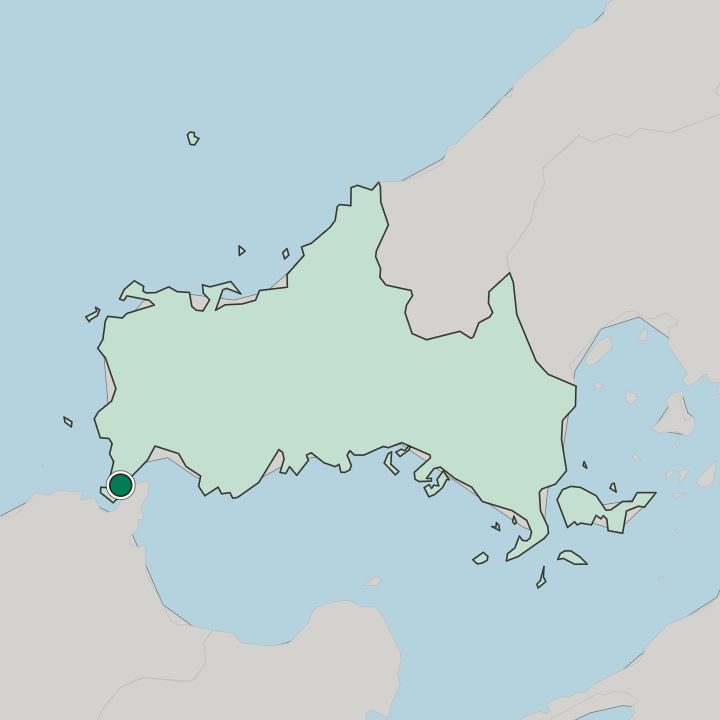
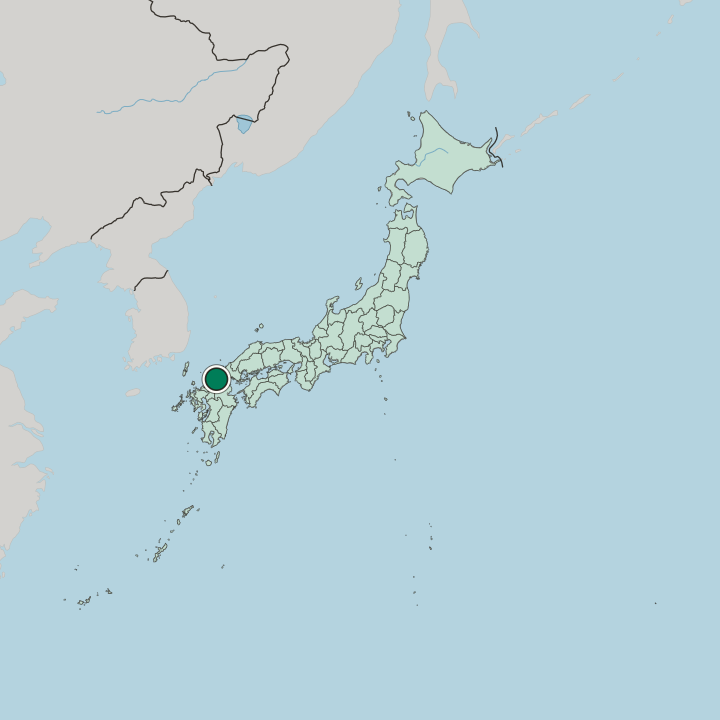
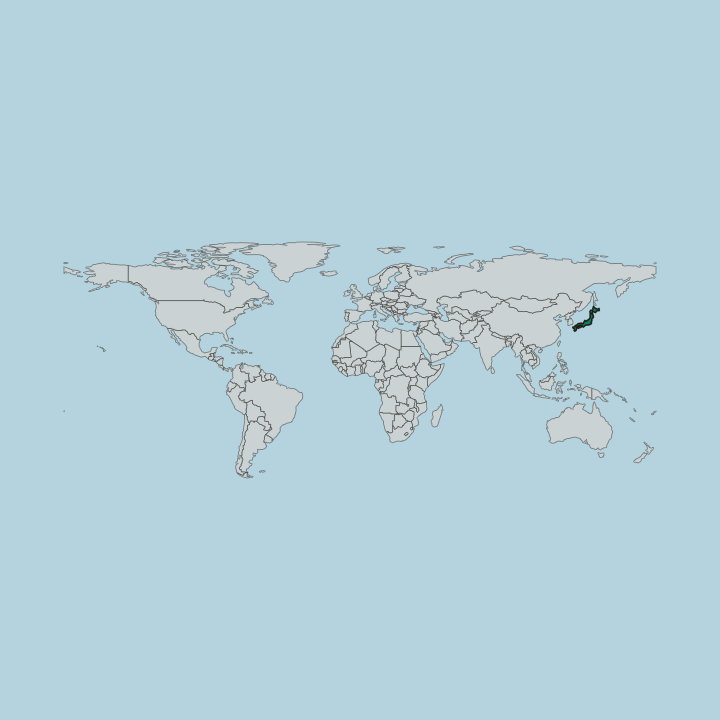
Seven hundred and sixteen square kilometres put Shimonoseki at the western end of Honshu, the westernmost municipality on the island and the largest city in Yamaguchi Prefecture. The Chūgoku region ends here. Kanmon Plaza and the Kanmon Strait Museum take their names from the strait, which is the feature the city's landmarks return to most often.
Everything else is inland ground.
What is the climate of Shimonoseki?
The subtropical band gives Shimonoseki a long warm season and a short cold one. Wet or cold days do little damage to a visit, because the Shimonoseki Marine Science Museum Kaikyōkan, the Kanmon Strait Museum and Kaikyō Yume Tower are all indoor propositions. Summer belongs outdoors.
Haikara't Yokocho and the water's edge make more sense then.
How do you get to Shimonoseki?
Honshu runs out at Shimonoseki. The Kanmon Strait Museum and Kanmon Plaza both take their name from the crossing, which is the fixture that organises movement at this end of the island. Rail has its own museum here.
The Kyushu Railway History Museum sets out that history and the Moji Telecommunication Museum stands with it, while seven hundred and sixteen square kilometres of city mean the outer parts need wheels.
Common questions
What is the best area to stay in Shimonoseki?
The Kaikyō Yume Tower waterfront: Fugu evenings and the walk to Kanmon Plaza. Around Akama Shrine: Older ground at the Akama Shrine Treasure Hall. Inland Shimonoseki: Reading days at Matsunaga Bunko and the Baikō Gakuin University Museum.
Good for
More cities in Yamaguchi
Updated September 2026