Lebanon · Beyrouth
Where to Stay in Beirut, Beyrouth
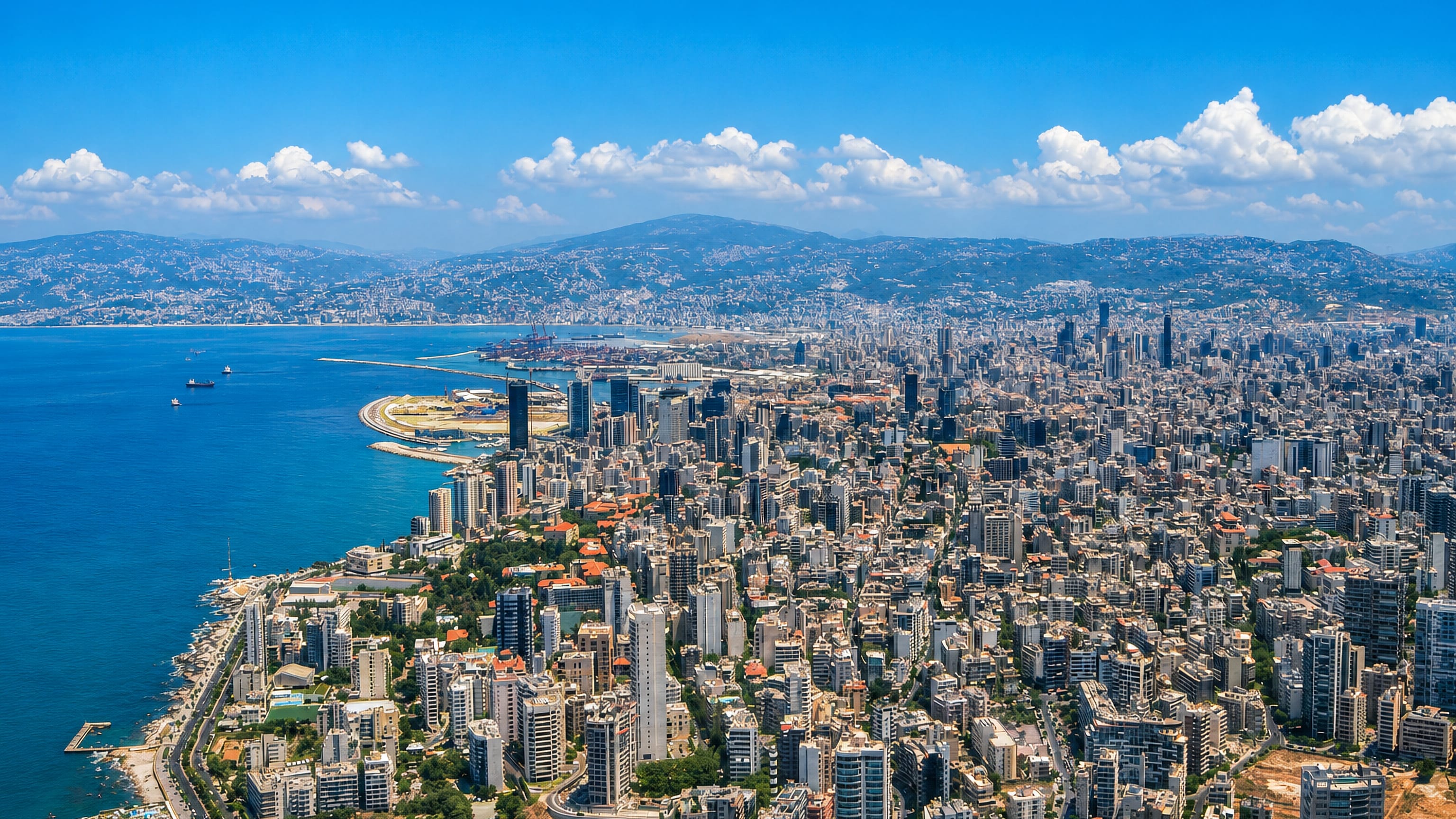
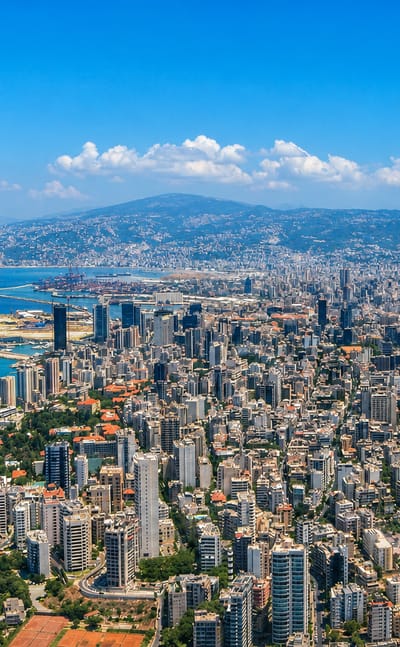
A headland juts into the Mediterranean at Beirut, the capital of Lebanon, known for the National Museum of Beirut and its Roman Baths.
Hotel links are affiliate links: booking through them may earn us a commission, at no extra cost to you. It never affects how places are ranked. How this works


Where to stay in Beirut
Where you base yourself shapes the visit — here's the character of each area.
 BeirutLebanon
Badaro
Badaro is a residential neighbourhood and business hub in the heart of Beirut, edging the Beirut Hippodrome and Horsh Beirut.Badaro →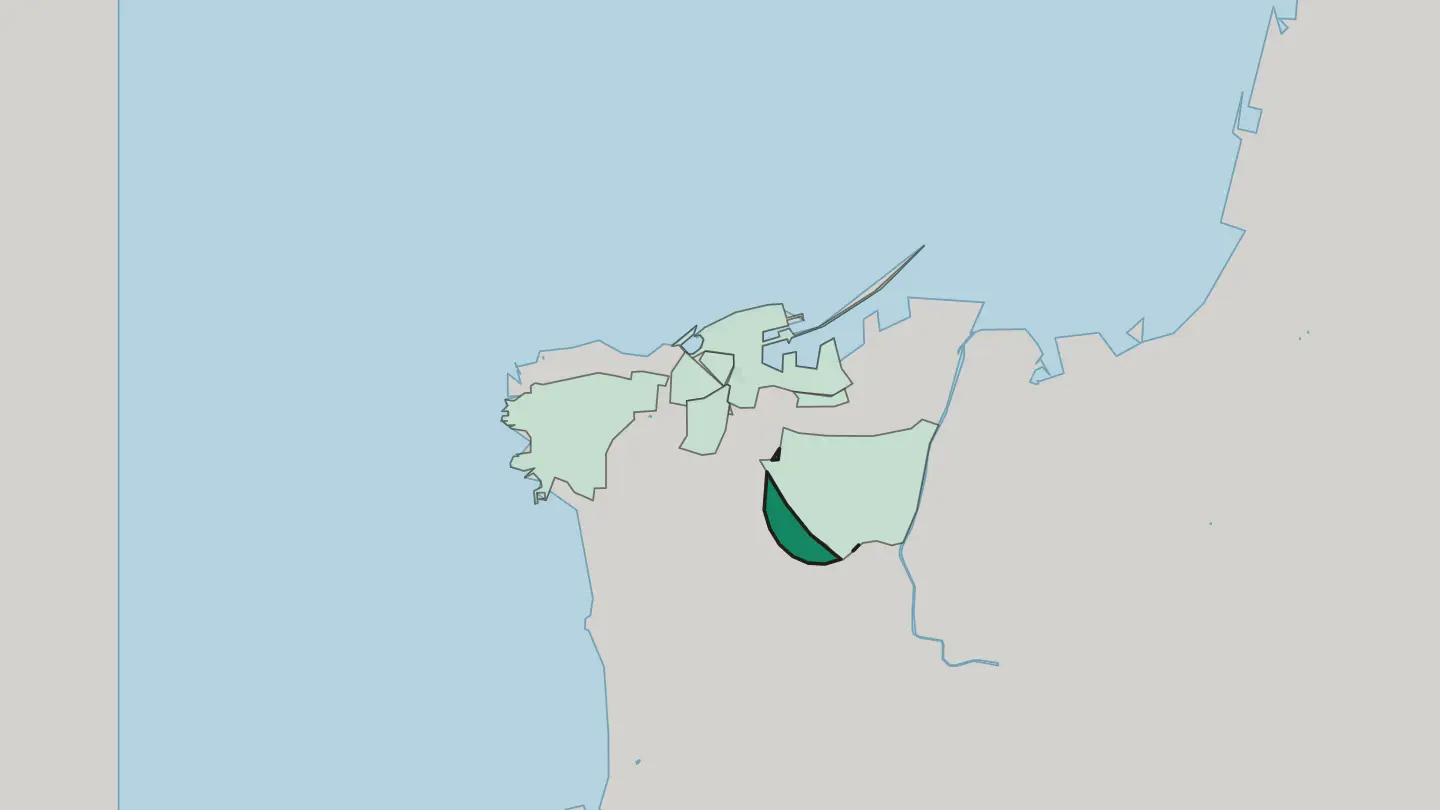
 BeirutLebanon
Ashrafieh
Ashrafieh is a hilltop district of Beirut, its ridge lined with cathedrals and the Sursock Museum.Ashrafieh →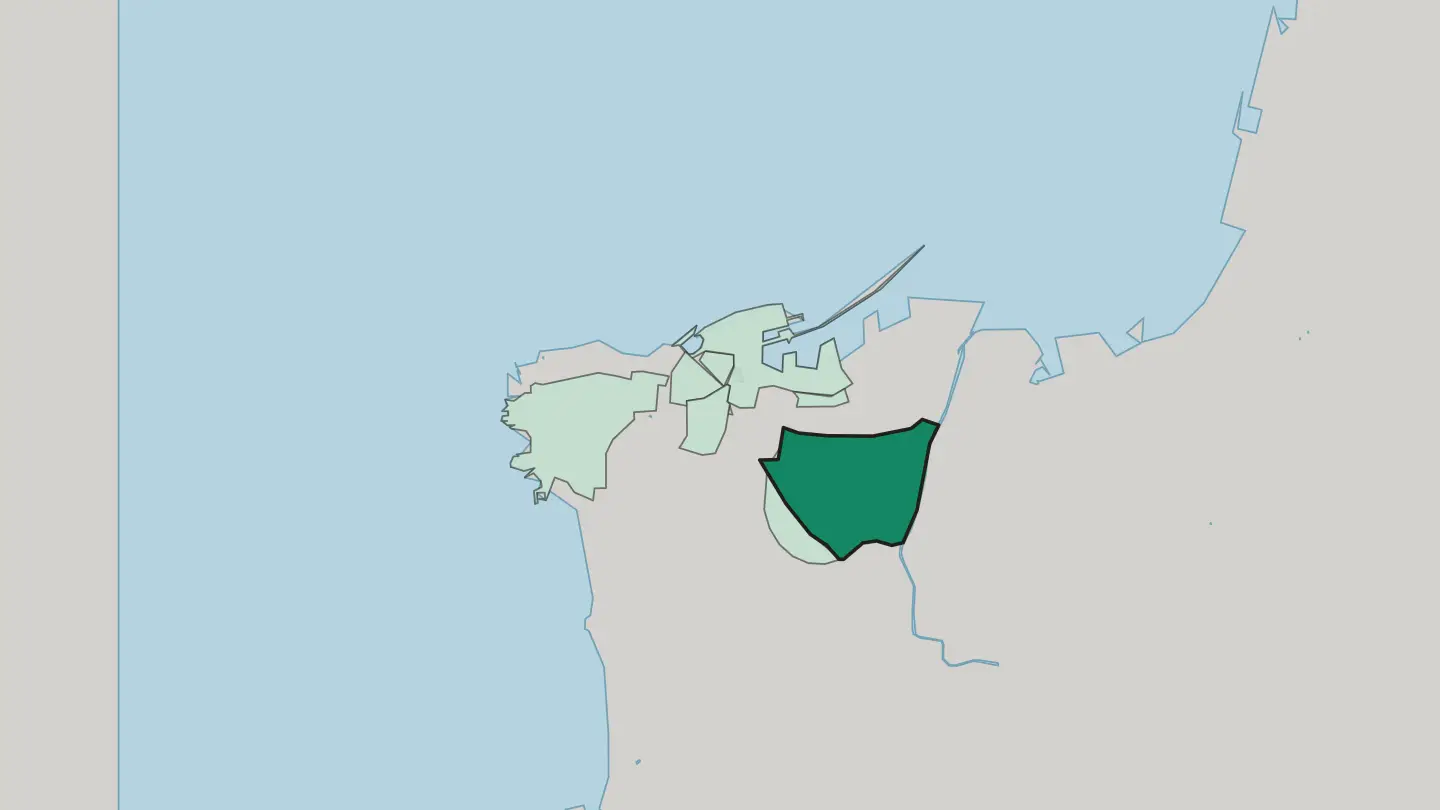 BeirutLebanon
Zuqaq al-Blat
Zuqaq al-Blat is a historic hillside quarter of Beirut, its villa-lined slopes rising toward the Grand Serail.Zuqaq al-Blat →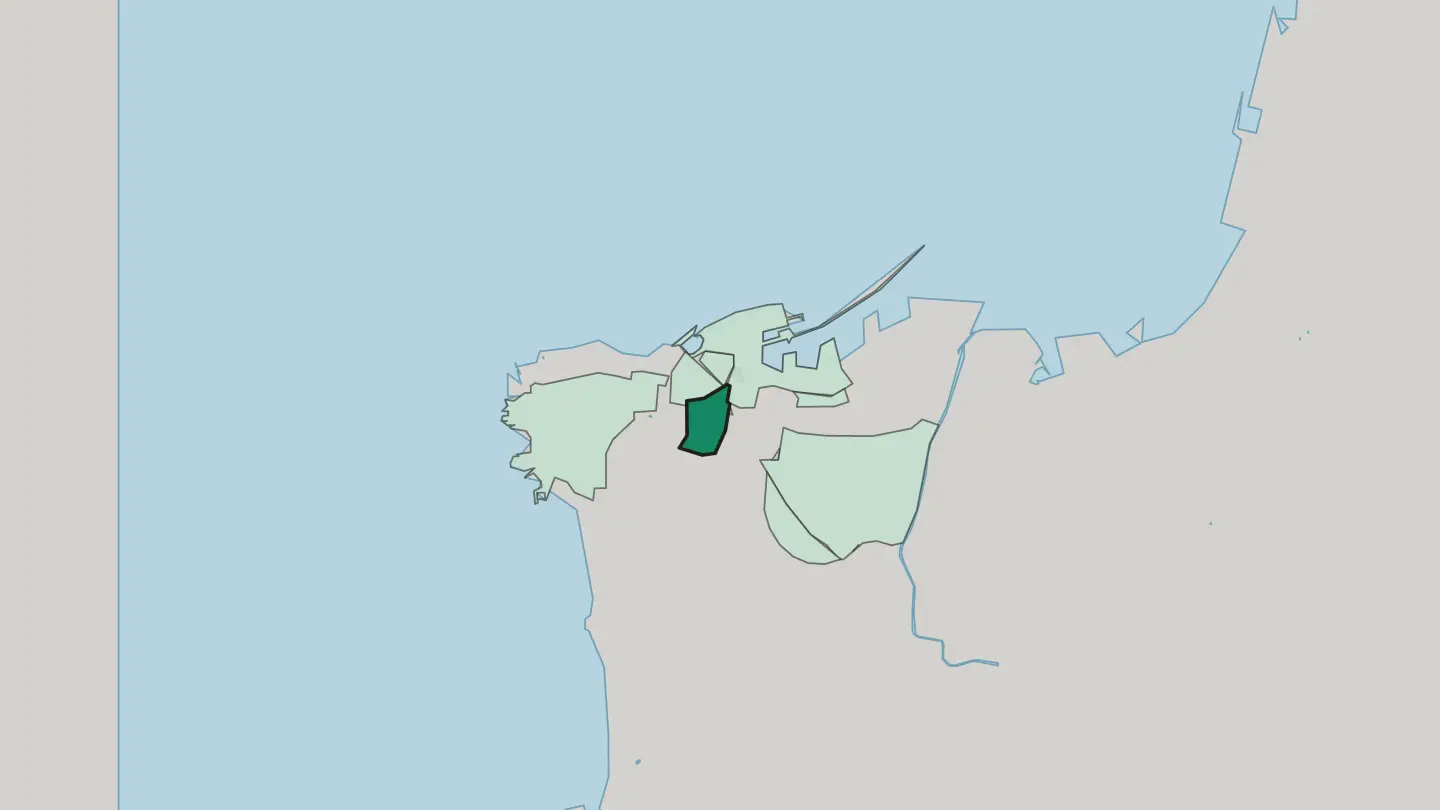 BeirutLebanon
Rmeil
Rmeil is a district of Beirut, holding the National Museum of Beirut, Sursock Museum and Beit Beirut.Rmeil →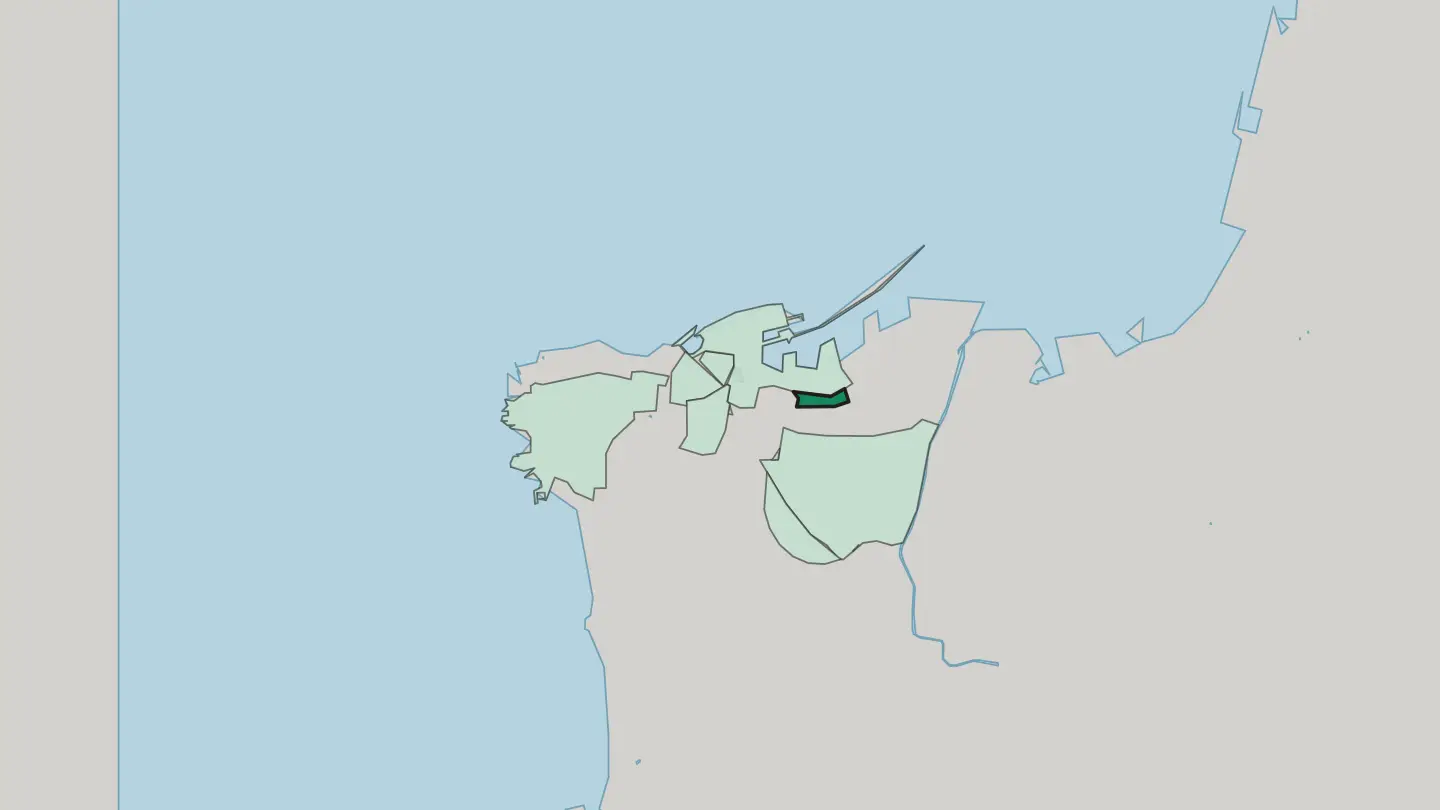
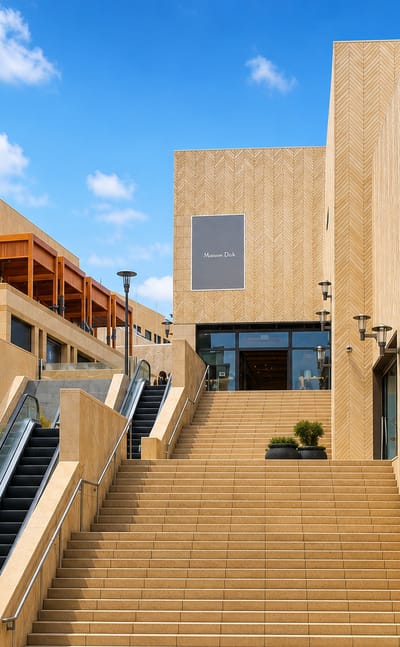 BeirutLebanon
Beirut Souks
Beirut Souks is the rebuilt market quarter of central Beirut, near Martyrs' Monument and the Roman Baths.Beirut Souks → BeirutLebanon
Mousseitbeh
Mousseitbeh is a mixed Sunni and Greek Orthodox quarter of Beirut, gathered around its Ottoman-era mosque and the Wata slope.Mousseitbeh →BeirutLebanon
Wadi Abu Jamil
Wadi Abu Jamil is the former Jewish quarter of Beirut, Lebanon, set within the city's central district.Wadi Abu Jamil →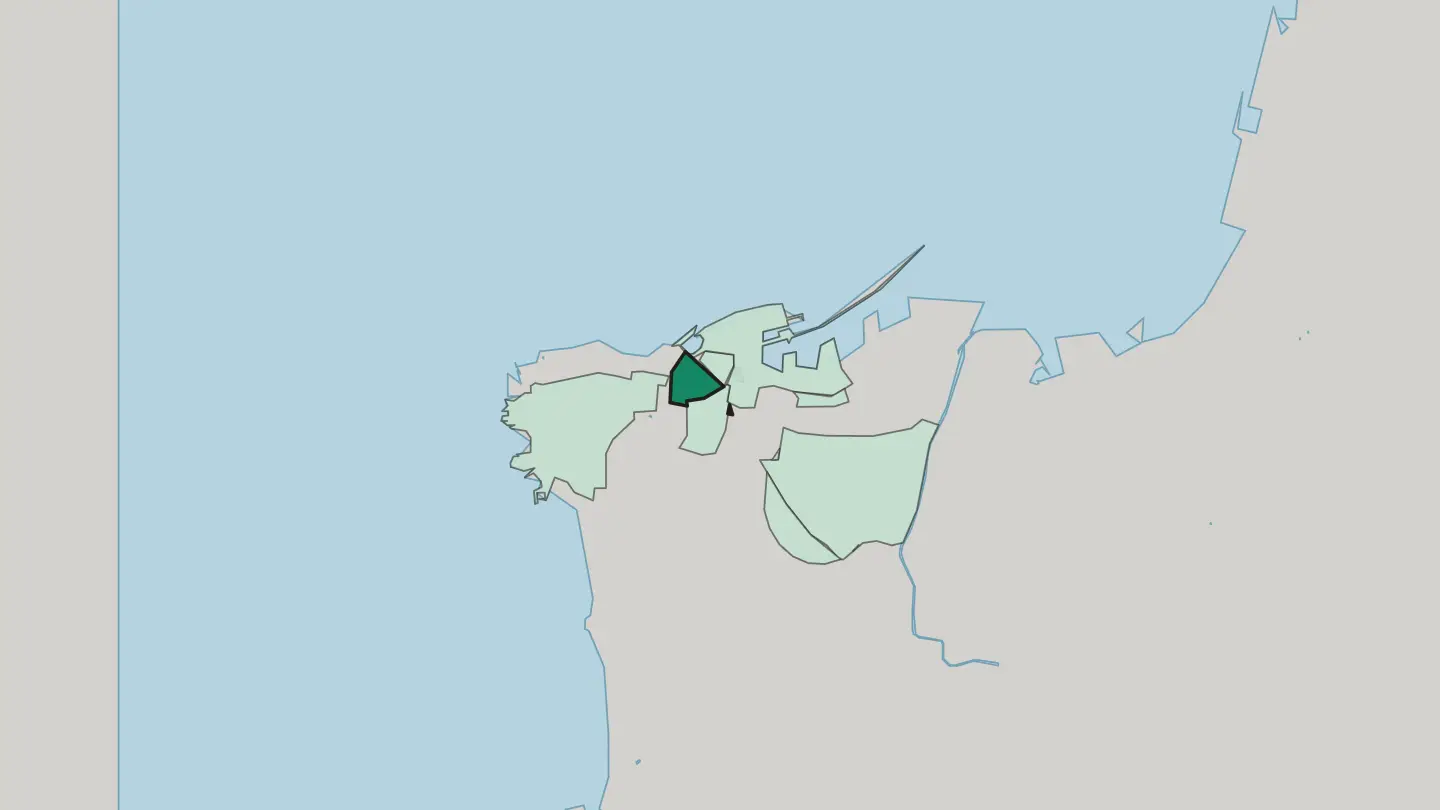
 BeirutLebanon
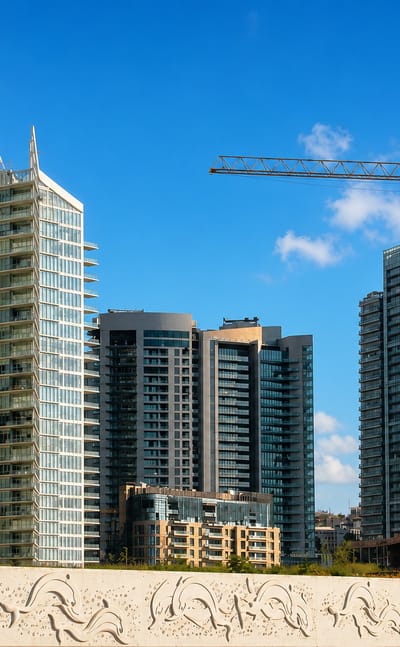
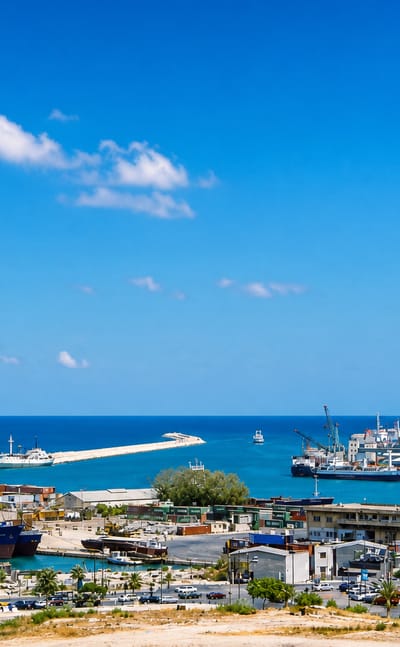
Beirut Central District
Beirut Central District is the rebuilt historic core of Beirut, layered over Roman-era Berytus and the old Phoenician port.Beirut Central District →
 BeirutLebanon
Port of Beirut
The Port of Beirut is the working harbour district of Beirut, on the Mediterranean shore where the city meets the sea.Port of Beirut →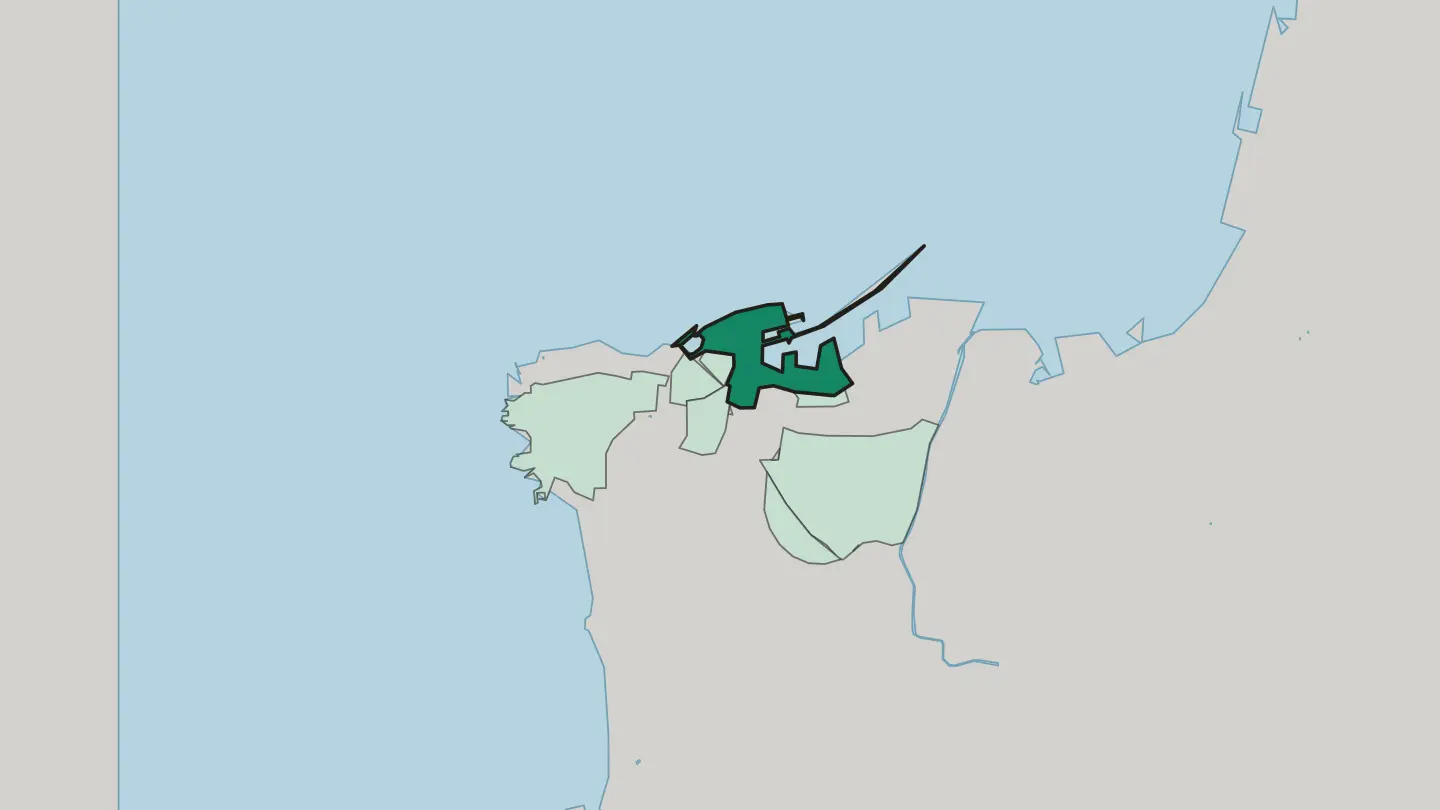
 BeirutLebanon
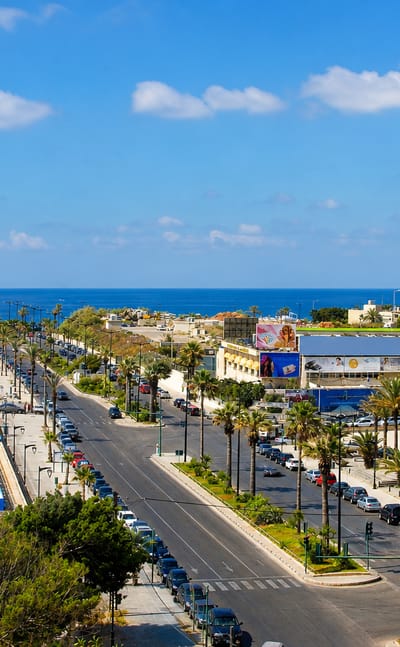
Ras Beirut
Ras Beirut is the seaward headland closing western Beirut, built around the American University of Beirut and its Corniche shore.Ras Beirut →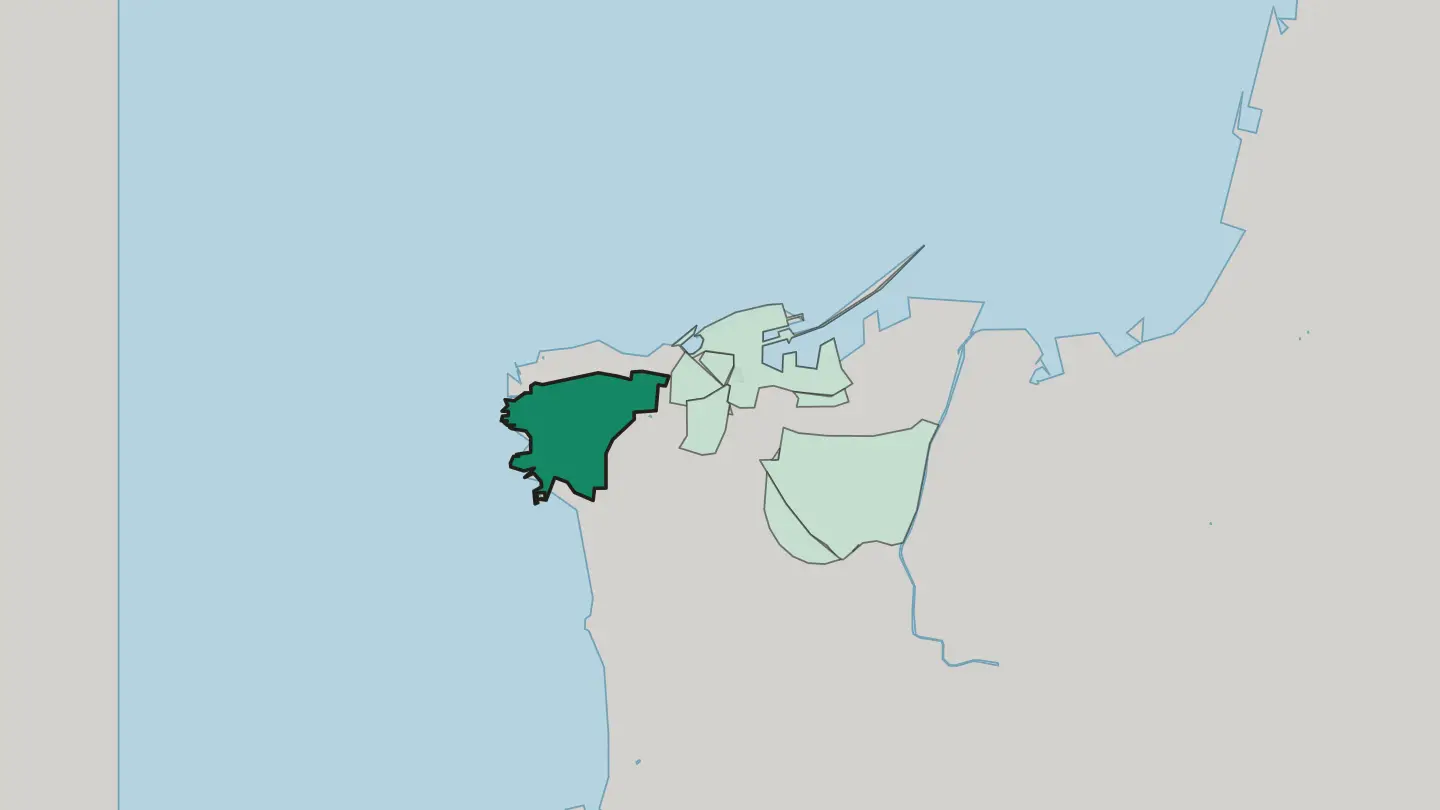 BeirutLebanon
Hayy al-Salam
Hayy al-Salam is a residential quarter of Beirut, set near Hadath and the Lebanese Military Museum.Hayy al-Salam →Hotel links are affiliate links: booking through them may earn us a commission, at no extra cost to you. It never affects how places are ranked. How this works
Things to do in Beirut
Ranked by global recognition; descriptions from Wikidata (CC0).
Museums & Galleries
3- National Museum of Beirut
- Sursock Museum
- Beit Beirut
Churches & Religious Sites
4- Surb Nshan Cathedral Heritage
- St. Hakob church Heritage
- Forty Martyrs church Heritage
- St. Gevorg church Heritage
Castles & Historic Sites
3- Berytus
- Hadath
- Martyrs’ Monument, Beirut
Stadiums & Sports
1- Beirut Hippodrome
Landmarks & Notable Places
1- Sursock House
worth knowingacross 5 categories in Beirut
About Beirut
What is Beirut known for?
Beirut is known as the capital and largest city of Lebanon, the country's commercial and financial hub. Antiquity marks it. One of the oldest cities in the world, Beirut keeps the Roman Baths and the ancient site of Berytus, while the National Museum of Beirut and the Sursock Museum gather its collections above the Mediterranean coast.
What are the main landmarks in Beirut?
Beirut gathers its landmarks across the old centre and the seafront headland. Many faiths stand side by side. The Maronite Cathedral of Saint George, the Saint Elias Greek Catholic Cathedral, the Al-Majidiyyeh Mosque, and the First Armenian Evangelical Church share the centre, while the Roman Baths and the ancient site of Berytus mark its deepest past.
Museums gather the rest, from the National Museum of Beirut and the Sursock Museum to the Mim Museum and the Beirut Art Center.
What is the history of Beirut?
Beirut counts among the oldest cities in the world, settled on its Mediterranean headland since deep antiquity. Rome knew it as Berytus. Under the name Berytus the city rose as a Roman centre, and the Roman Baths still stand at its heart, while the Museum of Lebanese Prehistory traces the far older peoples who lived on this coast.
Layer settled on layer. Thousands of years of settlement left Beirut a city of many faiths, its cathedrals, churches, and mosques rising over the ruins of Berytus on the Mediterranean coast. Independence made it the capital.
Since Lebanon became independent, Beirut has stood as its capital and largest city, the commercial and financial hub of the country on the Mediterranean Sea. Its collections grew with it. The National Museum of Beirut and the Archaeological Museum of the American University of Beirut gathered the record of the city's long past, while the Sursock Museum and the Sursock House kept the art and houses of its later years.
Monuments mark the modern city. The Martyrs' Monument stands at the centre of Beirut, and the Beirut Hippodrome and the halls of Beit Beirut carry the story of the capital into its more recent past on the Mediterranean coast.
Where is Beirut?
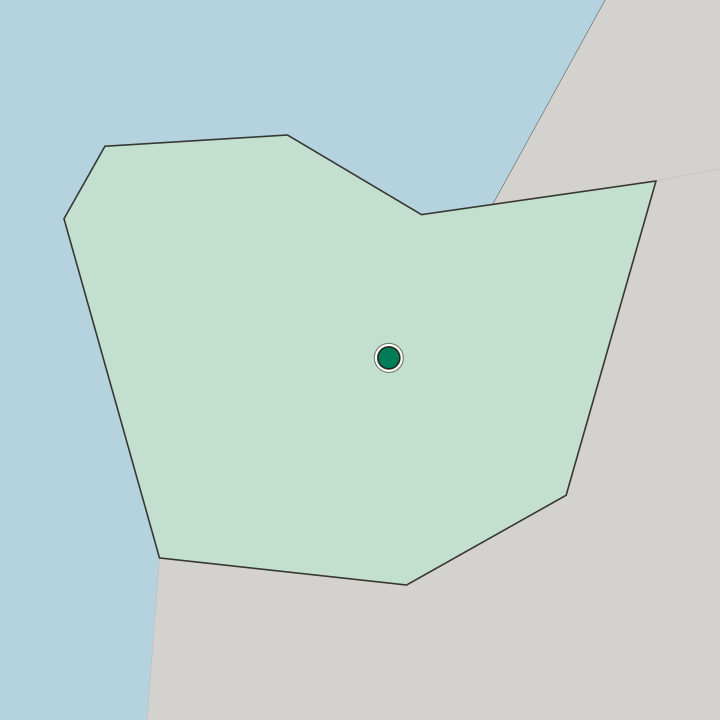
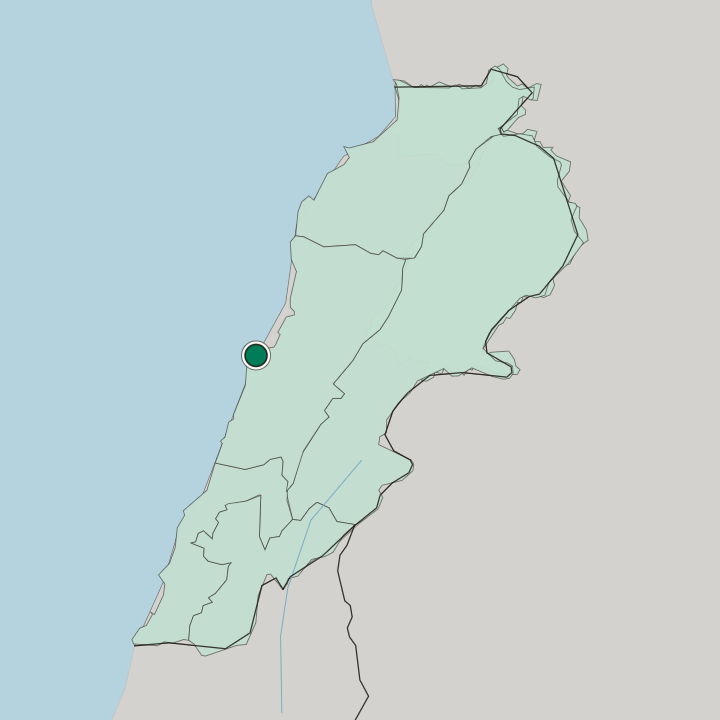
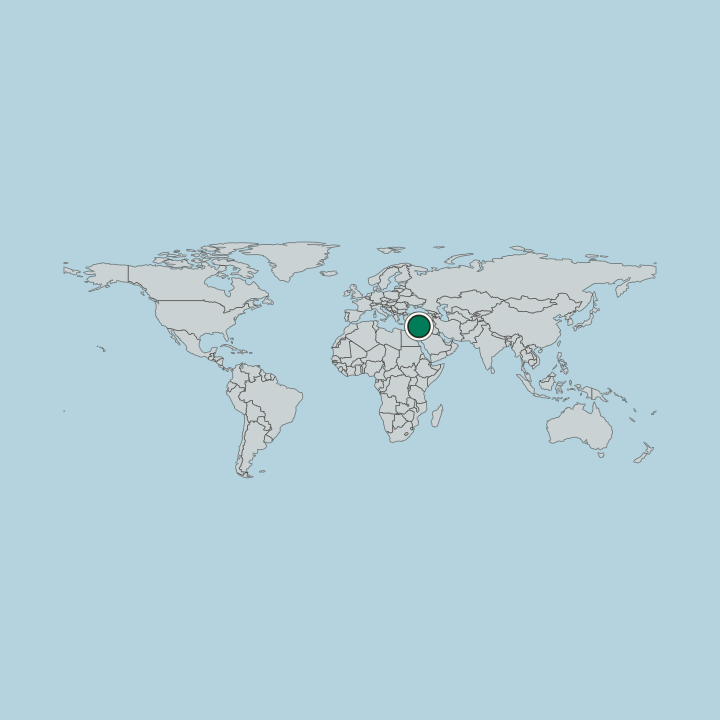
Beirut stands on a headland at the midpoint of Lebanon's Mediterranean coast, jutting out into the sea. The sea wraps it. Water frames the headland on three sides, and the streets of Beirut climb from the shore across the peninsula, the city set out on its point of the Mediterranean coast at the heart of Lebanon.
What is the climate of Beirut?
Beirut holds a Mediterranean climate, softened by the sea that surrounds its headland. Summers run long and warm. Winters bring mild, wet weather off the Mediterranean Sea, the rains gathering in the cooler months, while the dry heat of summer settles over the headland of Beirut and the rest of coastal Lebanon.
How do you get to Beirut?
Beirut is the way into Lebanon, its capital reached by air and by sea on the Mediterranean coast. The sea opens the door. Most travellers arrive by air or across the water to the headland of Beirut, the capital and largest city of Lebanon, and the roads run inland from the Mediterranean coast toward the rest of the country.
Good for
Updated October 2026