Lebanon · Beyrouth · Beirut
Mousseitbeh, Beirut — Area Guide & Where to Stay
Mousseitbeh is a mixed Sunni and Greek Orthodox quarter of Beirut, gathered around its Ottoman-era mosque and the Wata slope.
Hotel links are affiliate links: booking through them may earn us a commission, at no extra cost to you. It never affects how places are ranked. How this works


Where to stay in Mousseitbeh
Where visitors usually base themselves, and why.
Mousseitbeh keeps few rooms of its own, a residential quarter built for households rather than guests. This slope offers little in the way of rooms. Base yourself in central Beirut or nearby Ras Beirut, where hotels are plentiful, and treat this Msaytbeh slope as a place to walk rather than to sleep.
Should you land in the quarter, the lanes near the Mousseitbeh Mosque and along Corniche el Mazraa are the steadiest bet, plain and well connected to the seafront. You gain quiet, lose the crowds.
Find hotels in Mousseitbeh
Direct booking searches for these neighbourhoods.
Around the Mousseitbeh Mosque
The lanes ringing the Mousseitbeh Mosque stay walkable and close to the quarter's food stalls, an easy base for a plain, central stay. Rooms are few around here — worth securing early.Find hotels in Around the Mousseitbeh Mosquea calmer stay on the seaward slopeThe Wata slope
Below the Wata sector the ground tips toward the shore, so streets here trade bustle for a quieter, downhill stay near the water. Rooms are few around here — worth securing early.Find hotels in The Wata slopequick transport links into the centreAlong Corniche el Mazraa
Fronting Corniche el Mazraa the quarter opens onto a broad thoroughfare, handy for buses and a short run into central Beirut. Few places to stay nearby — book ahead.Find hotels in Along Corniche el MazraaHotel links are affiliate links: booking through them may earn us a commission, at no extra cost to you. It never affects how places are ranked. How this works
About Mousseitbeh
What are the main landmarks in Mousseitbeh?
Mousseitbeh leans on places of worship and learning rather than monuments. The Mousseitbeh Mosque anchors the quarter, its stone raised under Ottoman rule, while the Cathedral of Saint Peter and Saint Paul serves the Syriac Orthodox and the Church of Saint Elias gathers the wider Christian parish alongside a Sunni majority. Study fills the streets too.
The Lebanese International University keeps classrooms among the housing, and the Tallet Khayat rise carries the quarter's northern edge.
What is the history of Mousseitbeh?
Mousseitbeh grew as Beirut spread inland from the sea. Its mosque came first. Built in 1884 under Ottoman rule, the Mousseitbeh Mosque fixed a centre for the quarter, and housing filled the slopes of Wata and Tallet Khayat as the Msaytbeh sectors took shape around Sunni and Greek Orthodox families.
The churches followed the homes.
Where is Mousseitbeh?
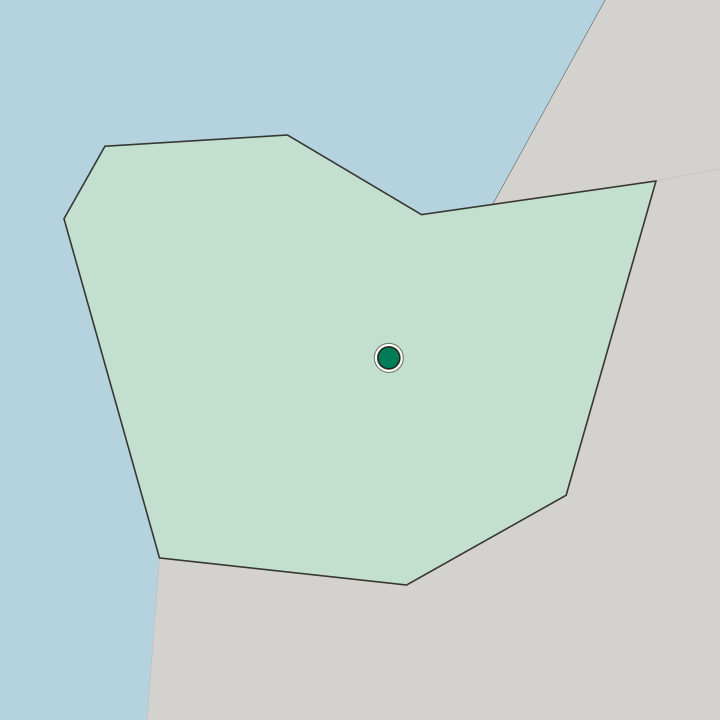
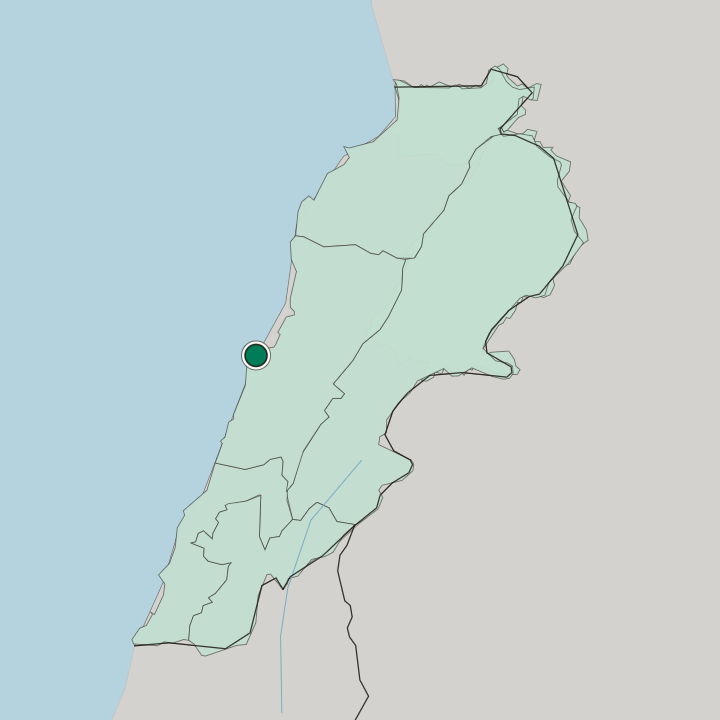
Mousseitbeh sits inland from the Beirut seafront, a sloping quarter above Corniche el Mazraa that gathers the Wata and Tallet Khayat sectors between the centre and Ras Beirut.
Common questions
What is the best area to stay in Mousseitbeh?
Around the Mousseitbeh Mosque: a walkable, unfussy base near the mosque. The Wata slope: a calmer stay on the seaward slope. Along Corniche el Mazraa: quick transport links into the centre.
More areas in Beirut
Updated September 2026