Lebanon
Beyrouth, Lebanon — Towns & Travel Guide
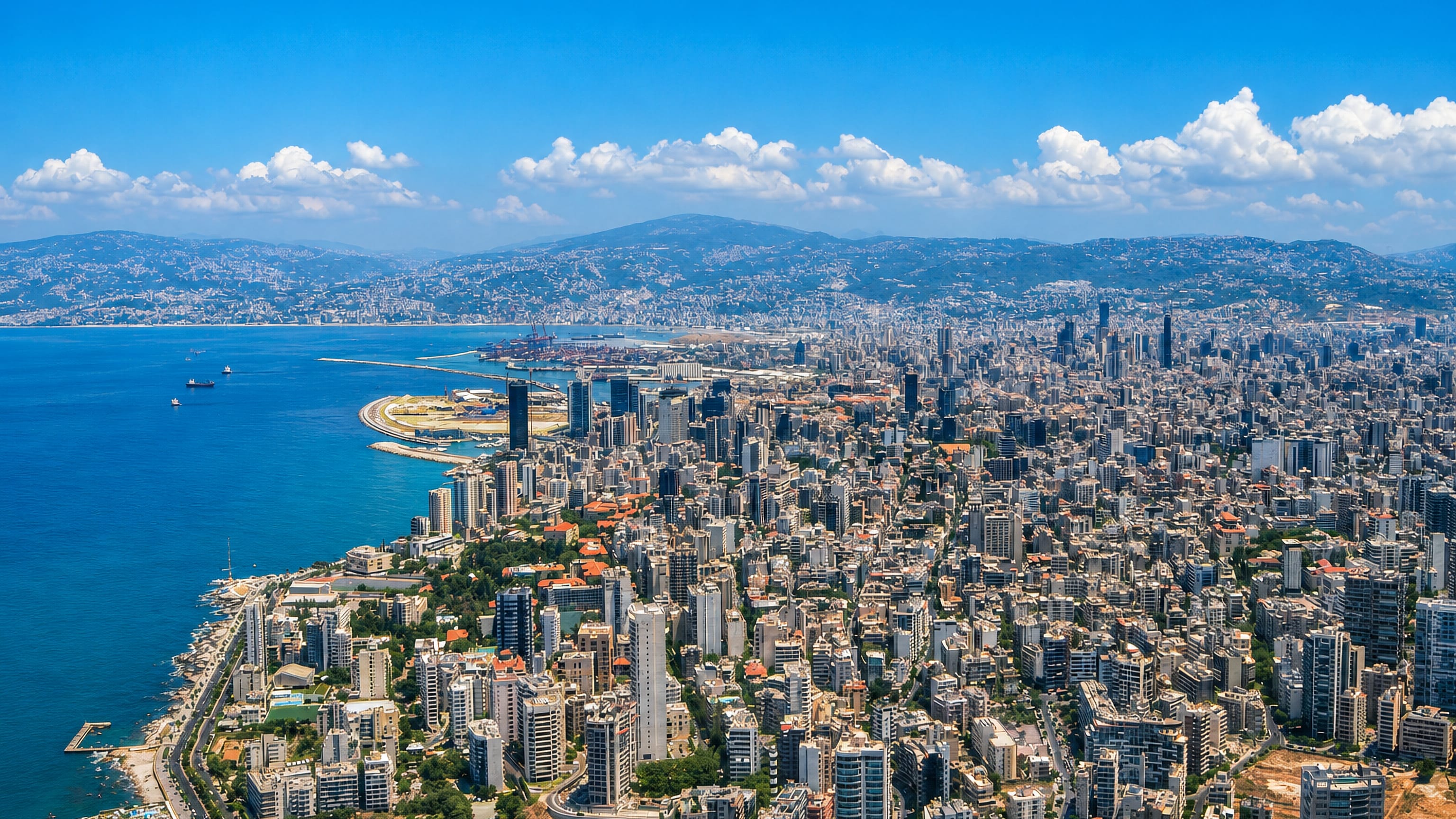
Beyrouth is the governorate around Beirut, the capital of Lebanon, set on a peninsula reaching into the Mediterranean Sea.
Hotel links are affiliate links: booking through them may earn us a commission, at no extra cost to you. It never affects how places are ranked. How this works


Towns & cities in Beyrouth
One town here has its own guide — it links to where to stay.
 Lebanon
Beirut
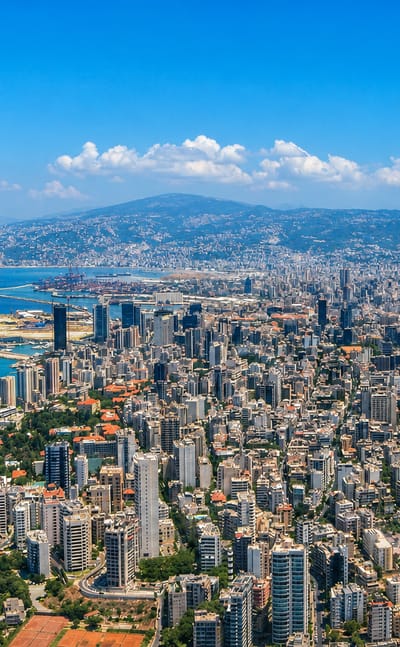
A headland juts into the Mediterranean at Beirut, the capital of Lebanon, known for the National Museum of Beirut and its Roman Baths.Where to stay →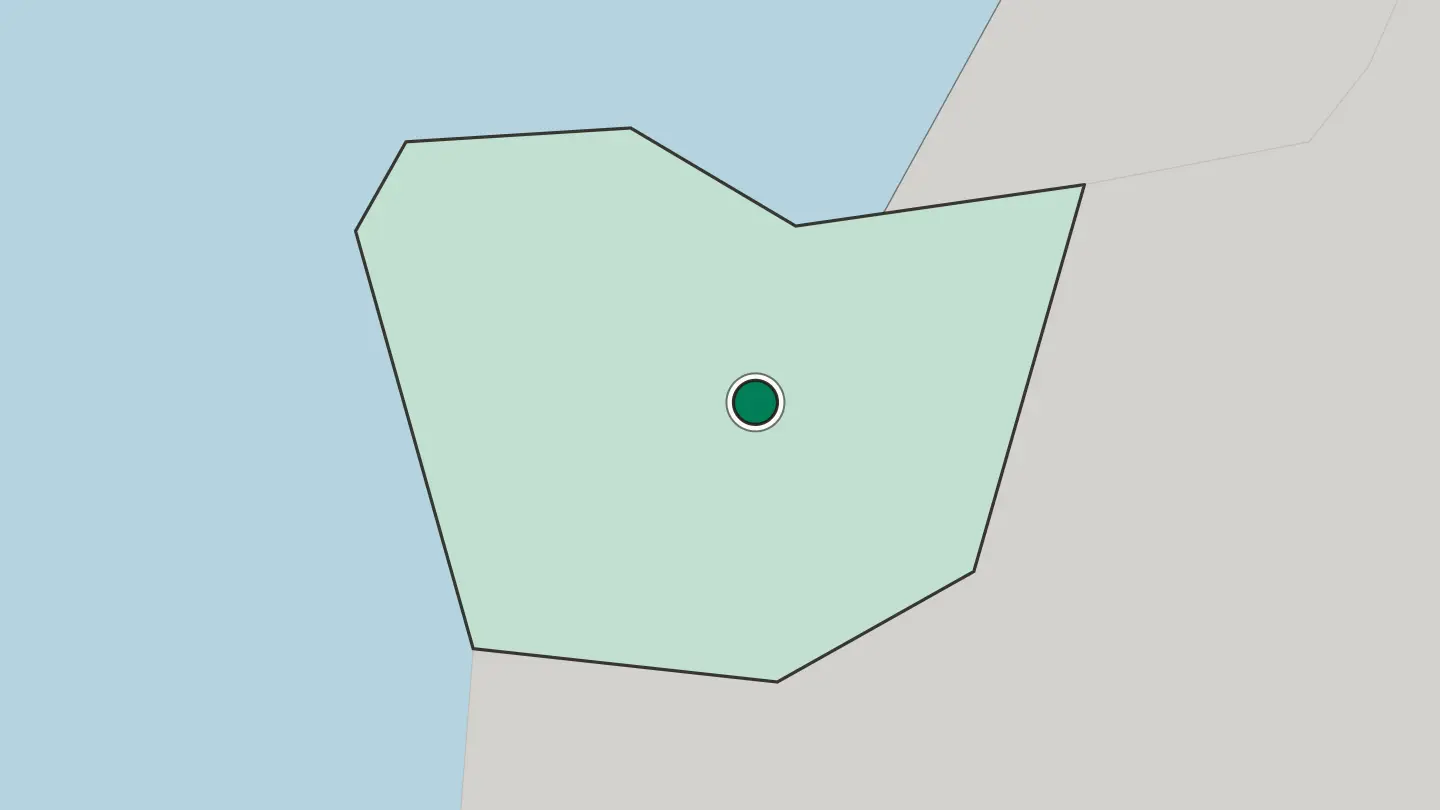
Hotel links are affiliate links: booking through them may earn us a commission, at no extra cost to you. It never affects how places are ranked. How this works
About Beyrouth
What is Beyrouth known for?
Beyrouth is known as the governorate of Beirut, the capital and largest city of Lebanon. One city fills it. The smallest region of Lebanon holds little beyond Beirut itself, a city settled for thousands of years on a peninsula of the Mediterranean coast, counted among the oldest in the Levant and the Arab world.
Where is Beyrouth?
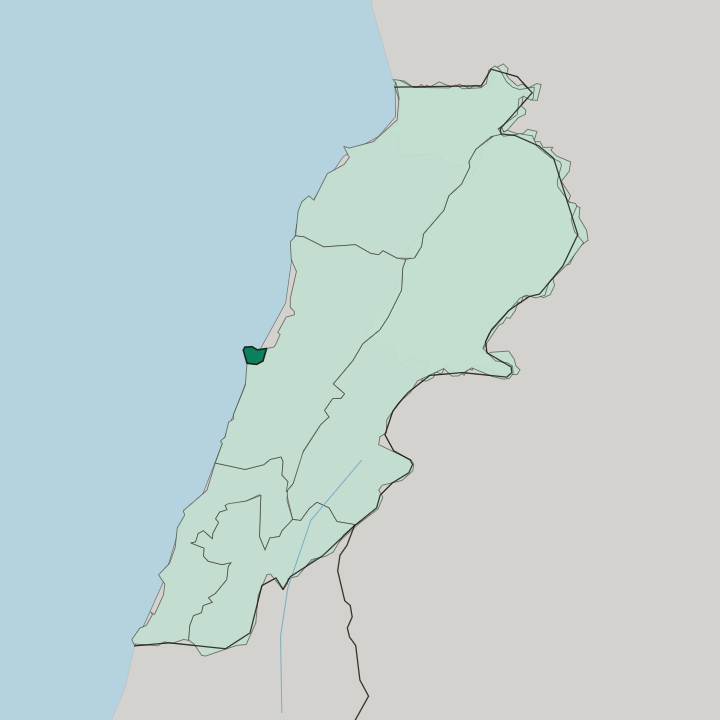
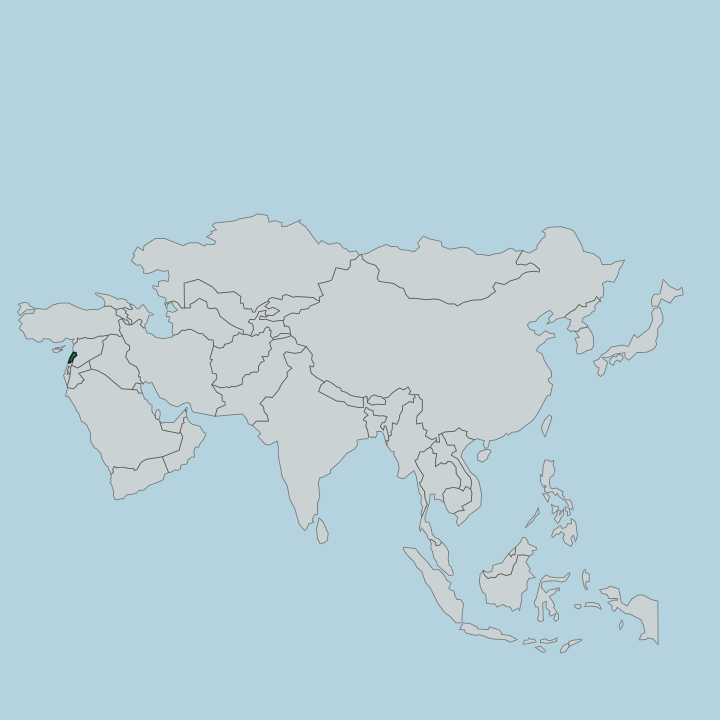
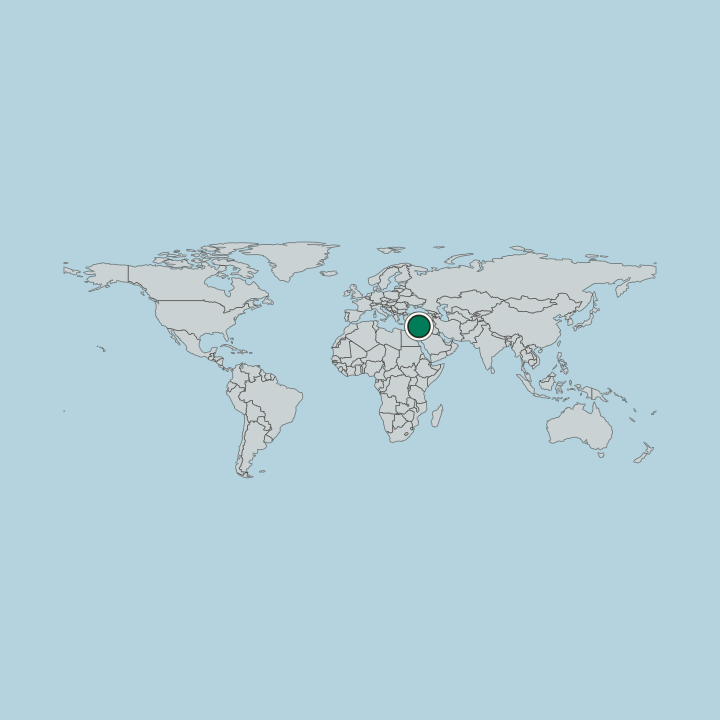
Beyrouth sits at the midpoint of Lebanon's Mediterranean coast, wrapped around a peninsula that pushes out into the sea. It is the country's smallest region. The whole governorate is little more than the city of Beirut and the peninsula it stands on, a compact stretch of the Mediterranean coast at the heart of Lebanon.
The sea shapes it. Water frames the peninsula on three sides, and the governorate of Beyrouth looks out over the Mediterranean Sea toward the wider Levant. Beirut anchors the region.
The city of Beirut fills nearly all of the governorate, its streets running from the shore back across the peninsula, while the built-up spread of Greater Beirut reaches beyond the small region into the rest of Lebanon. The coast is everything here. Drawn midway along the Mediterranean shore of Lebanon, Beyrouth belongs wholly to the coast, one of the most tightly drawn governorates in the whole of the Levant.
Little land lies outside it. Beyond the governorate the rest of Lebanon opens up, but within its line the peninsula, the shore, and the city of Beirut are nearly all there is of Beyrouth.
What is Beyrouth like?
Beyrouth carries the urban life of Lebanon, gathered into a single ancient city on the Mediterranean coast. Arabic is the language here. As the capital and largest city of Lebanon, Beirut draws the civic and cultural life of the whole country to its peninsula, a role it has held as one of the oldest inhabited cities of the Levant.
Age sits under everything. Settled for thousands of years, Beirut belongs among the oldest cities of the world, and that long past runs through the streets of the governorate on the Mediterranean Sea. The city looks two ways.
Beirut faces the Mediterranean Sea and the wider Arab world at once, a port capital that ties the culture of Lebanon to the sea trade of the Levant. Its reach runs wide. Beyond the governorate, Greater Beirut spreads across the coast, carrying the language, custom, and daily life of the capital into the surrounding country of Lebanon.
Arabic ties it together. The Arabic of Beirut and Greater Beirut carries the shared culture of Lebanon along this stretch of the Mediterranean coast, at the western edge of the Arab world.
What is the history of Beyrouth?
Beyrouth takes its history from Beirut, one of the oldest inhabited cities in the world. Beirut's history reaches back millennia. Settled for thousands of years on its Mediterranean peninsula, Beirut grew into the capital and largest city of Lebanon, and the governorate of Beyrouth carries that long history at the heart of the Levant.
What is the climate of Beyrouth?
Beyrouth holds a Mediterranean climate, tempered by the sea that wraps its peninsula. The Beirut summer arrives hot and rainless. Winters stay mild and wet on the Mediterranean coast, the sea keeping the peninsula of Beirut warmer than the inland country, with the rains falling in the cooler months across this corner of Lebanon.
How do you get to Beyrouth?
Beyrouth is reached through Beirut, the capital of Lebanon on the Mediterranean coast. The sea brings most arrivals. Travellers come by air or by sea to the peninsula of Beirut, since the governorate sits on the Mediterranean coast at the midpoint of Lebanon, with Greater Beirut spreading the roads inland toward the rest of the Levant.
More regions in Lebanon
Updated September 2026