Sri Lanka · Western Province
Where to Stay in Colombo, Western Province
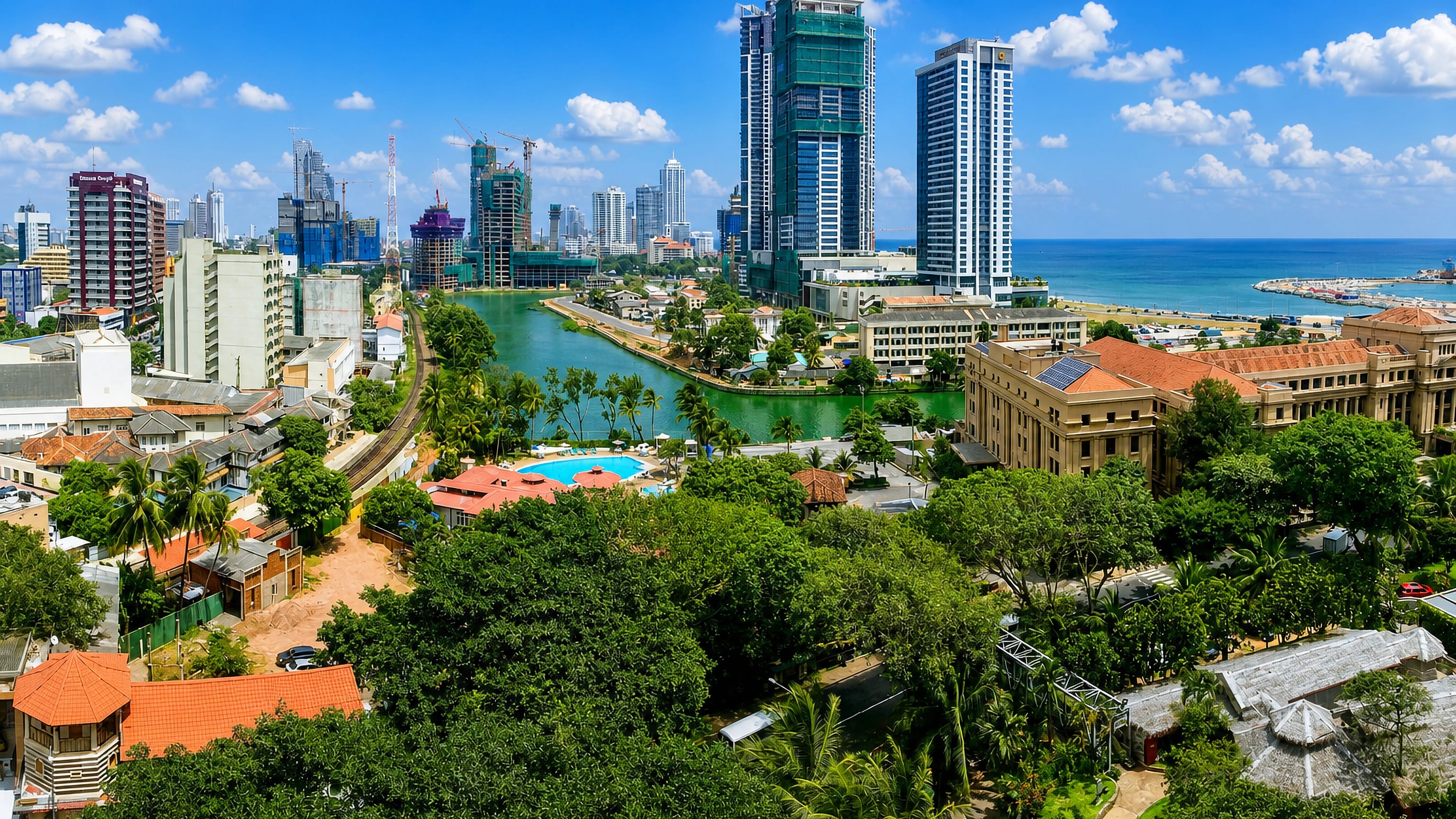
Ships crowd the harbour at Colombo, Sri Lanka's largest city and commercial capital on the island's west coast, known for the Lotus Tower and its old port.
Hotel links are affiliate links: booking through them may earn us a commission, at no extra cost to you. It never affects how places are ranked. How this works


Where to stay in Colombo
The right area depends on your trip — here's what each neighbourhood is best for.

 ColomboSri Lankaquieter evenings near the National Museum of Colombo
Cinnamon Gardens
Spreads across tree-lined avenues linking the National Museum of Colombo, the Independence Memorial Museum, and the green oval of Colombo Racecourse.Cinnamon Gardens →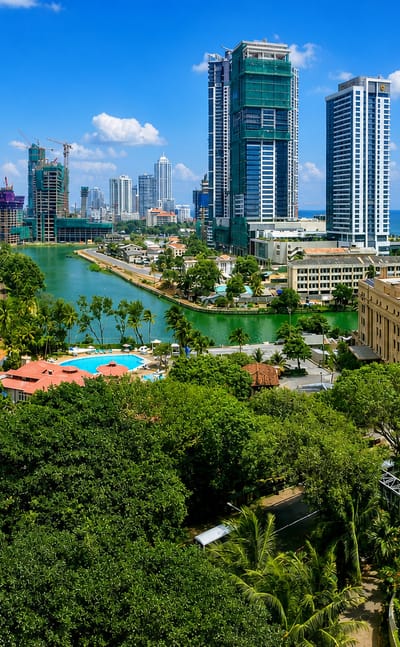 ColomboSri Lanka
Maradana
Maradana is a Colombo suburb built around Maradana Railway Station, one of the primary rail hubs of Sri Lanka, with the Lotus Tower alongside.Where to stay →ColomboSri LankaUnion Place
Union Place is a Colombo suburb roughly a kilometre from Fort, and the Lotus Tower rises from its ground.Where to stay →ColomboSri LankaSlave Island
Slave Island, officially Kompanna Vidiya, is a Colombo suburb wrapped around Beira Lake, with Malay heritage and Company Roads at its centre.Where to stay → ColomboSri Lanka
Fort
Fort is the central business district of Colombo, holding the Colombo Stock Exchange, the Bank of Ceylon headquarters and the General Post Office.Where to stay →ColomboSri LankaMutwal
Mutwal is the anglicised name for Modara, a municipal ward of Colombo near the mouth of the Kelani Ganga.Where to stay →ColomboSri LankaGrandpass
Grandpass is a suburb of Colombo in Sri Lanka, the ward that carries the postal address Colombo 14.Where to stay → ColomboSri Lanka
Kollupitiya
Kollupitiya is a commercial neighbourhood of Colombo, named for a chief of Kandy and lined with shopping malls, embassies and a planetarium.Where to stay →ColomboSri LankaBloemendhal
Bloemendhal is a suburb of Colombo in Sri Lanka, its Dutch name meaning 'Valley of Flowers' and its addresses numbered Colombo 13.Where to stay →ColomboSri LankaModara
Modara is a municipal ward of Colombo, capital of Sri Lanka, lying close to the mouth of the Kelani Ganga.Where to stay →ColomboSri LankaBambalapitiya
Bambalapitiya is a coastal neighbourhood of Colombo, Sri Lanka, known as Colombo 4 and strung along Galle Road between the Indian Ocean and Havelock Town.Where to stay →ColomboSri LankaKirilapone
Kirilapone, also written Kirulapone, is a suburb of Colombo in Sri Lanka, known equally by its postal designation of Colombo 5.Where to stay →Hotel links are affiliate links: booking through them may earn us a commission, at no extra cost to you. It never affects how places are ranked. How this works
Find hotels in Colombo
Direct booking searches for these neighbourhoods.
Port district
Wraps the Colombo Port Maritime Museum and the waterfront Lotus Tower, with the old warehouses and main transport links a short walk from most hotels. Beds are limited here, so book early.Find hotels in Port districttravellers who want the markets and old streets around Wolvendaal ChurchPettah
Runs from Wolvendaal Church through crowded trading lanes to St. Anthony's Shrine at Kochchikade, a dense grid of markets north of Cinnamon Gardens.Find hotels in PettahHotel links are affiliate links: booking through them may earn us a commission, at no extra cost to you. It never affects how places are ranked. How this works
Things to do in Colombo
Ranked by global recognition; descriptions from Wikidata (CC0).
Museums & Galleries
3- National Museum of Colombo
- Sri Lanka Planetarium
- National Museum of Natural History
Churches & Religious Sites
3- St. Anthony's Shrine, Kochchikade
- St. Lucia's Cathedral
- Wolvendaal Church
Stadiums & Sports
3- Sugathadasa Stadium
- Colombo Racecourse
- Havelock Park
Landmarks & Notable Places
1- Lotus Tower
worth knowingacross 4 categories in Colombo
About Colombo
What is Colombo known for?
Colombo is known as the commercial and financial heart of Sri Lanka. The port drew traders, and later colonial powers, to this stretch of the island's west coast, leaving a centre where the Wolvendaal Church, the National Museum of Colombo, and the tall Lotus Tower stand within the same sprawling city. It is a working harbour first.
Museums, cathedrals, and cricket grounds fill the districts inland from the water.
What are the main landmarks in Colombo?
Colombo keeps an unusual spread of landmarks. The Lotus Tower rises over the harbour as the city's tallest structure, while the National Museum of Colombo holds the island's heritage collections inland at Cinnamon Gardens. Colonial churches still stand across the old centre, each anchoring its own quarter of the sprawling port city.
Wolvendaal Church survives from the Dutch period. St. Anthony's Shrine draws crowds of pilgrims at Kochchikade, and St. Lucia's Cathedral marks the streets near the harbour.
What is the history of Colombo?
Colombo grew from a harbour on the west coast of the island. Its position on the sea route between Arabia and the Far East made the natural port a prize, and successive colonial powers built their trading forts and warehouses along the same sheltered water. The Dutch left the clearest mark near the centre.
Wolvendaal Church, raised in the Dutch period, still stands above the old trading quarter of Pettah, one of the oldest surviving buildings of colonial Colombo. The port kept the city central to the island long after independence. Colombo became the commercial capital and financial centre of Sri Lanka, and the seat of its executive and judicial functions, even as the official capital moved to the neighbouring suburb of Sri Jayawardenepura Kotte.
The Independence Memorial Museum records that chapter. Older churches like St. Lucia's Cathedral and the shrine at Kochchikade mark the layered faiths a trading port drew to its streets.
Where is Colombo?
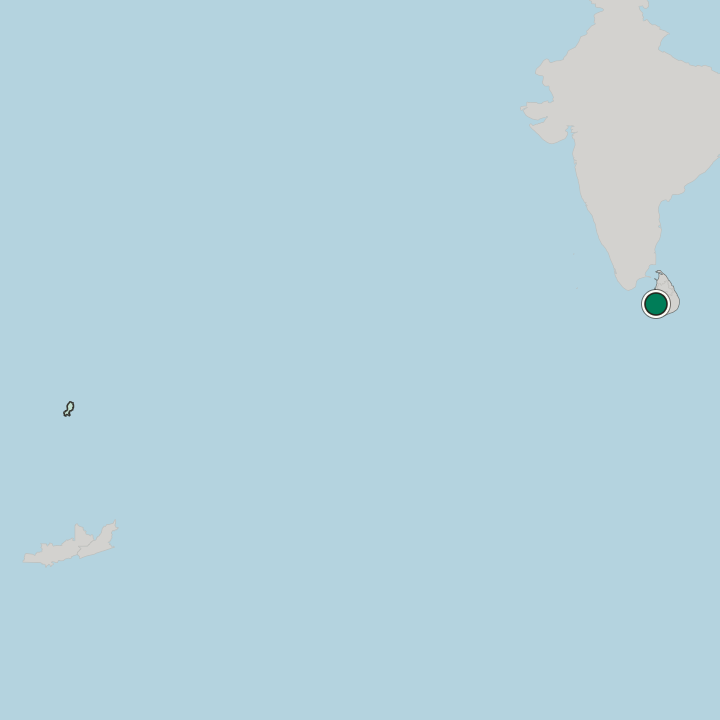
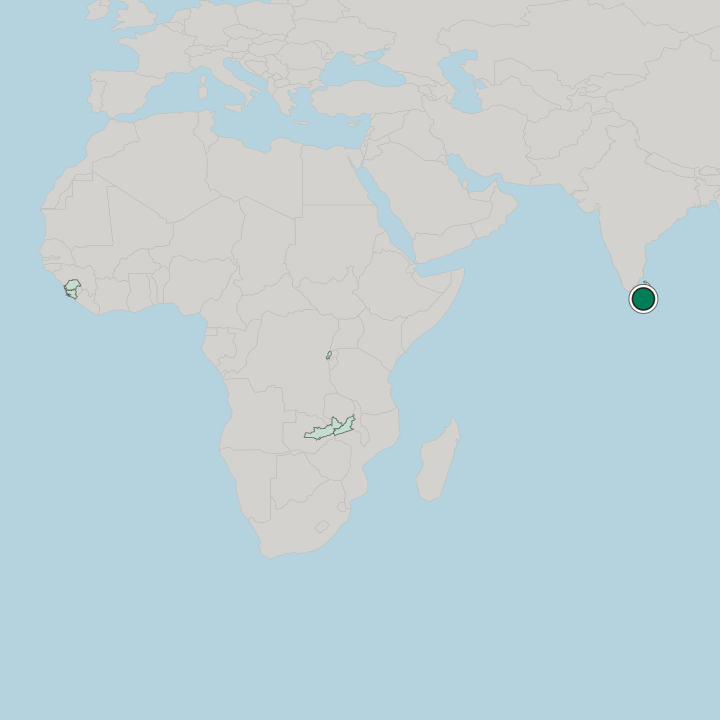
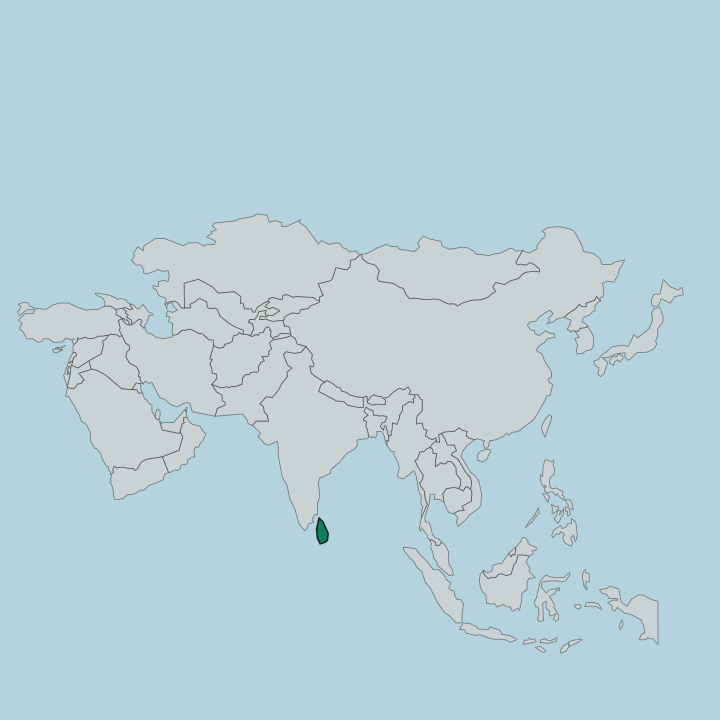
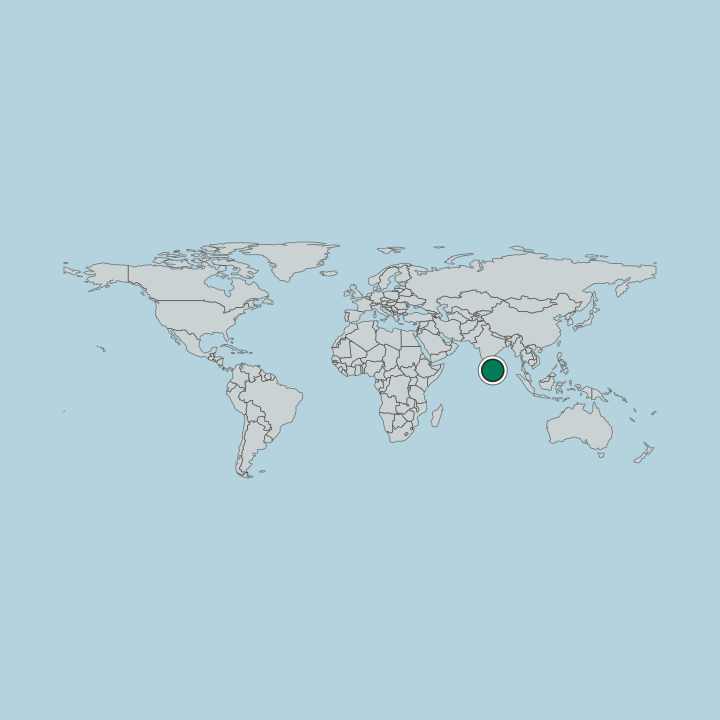
Colombo lies on the west coast of the island of Sri Lanka. The city spreads over a low coastal plain where the land meets the Indian Ocean, its harbour sheltered against the open sea. It is the island's largest city.
Colombo is also the administrative capital of the surrounding Western Province and the district capital of the Colombo District that takes its name.
What is the climate of Colombo?
Colombo's weather is tropical and hot the year through. Warmth and humidity hold steady through the year on this low stretch of the island's west coast, with no real cold season and little swing between the months. The heat is constant.
Monsoon rains sweep in off the Indian Ocean in heavy bursts, soaking the coastal plain before the sky clears again over the harbour.
How do you get to Colombo?
Colombo sits on the coast of an island, so most long-haul visitors arrive by air. The city is the main point of arrival for Sri Lanka, and its harbour still handles the shipping that first gave the settlement its reason to exist. Rail and road lines fan out from the centre.
They link Colombo along the west coast and inland across the Western Province to the rest of the island.
Common questions
What is the best area to stay in Colombo?
Port district: first-timers who want Colombo's harbour and transport links on foot. Pettah: travellers who want the markets and old streets around Wolvendaal Church. Cinnamon Gardens: quieter evenings near the National Museum of Colombo.
Good for
More cities in Western Province
Updated October 2026