Morocco · Fès-Meknès
Where to Stay in Meknes, Fès-Meknès
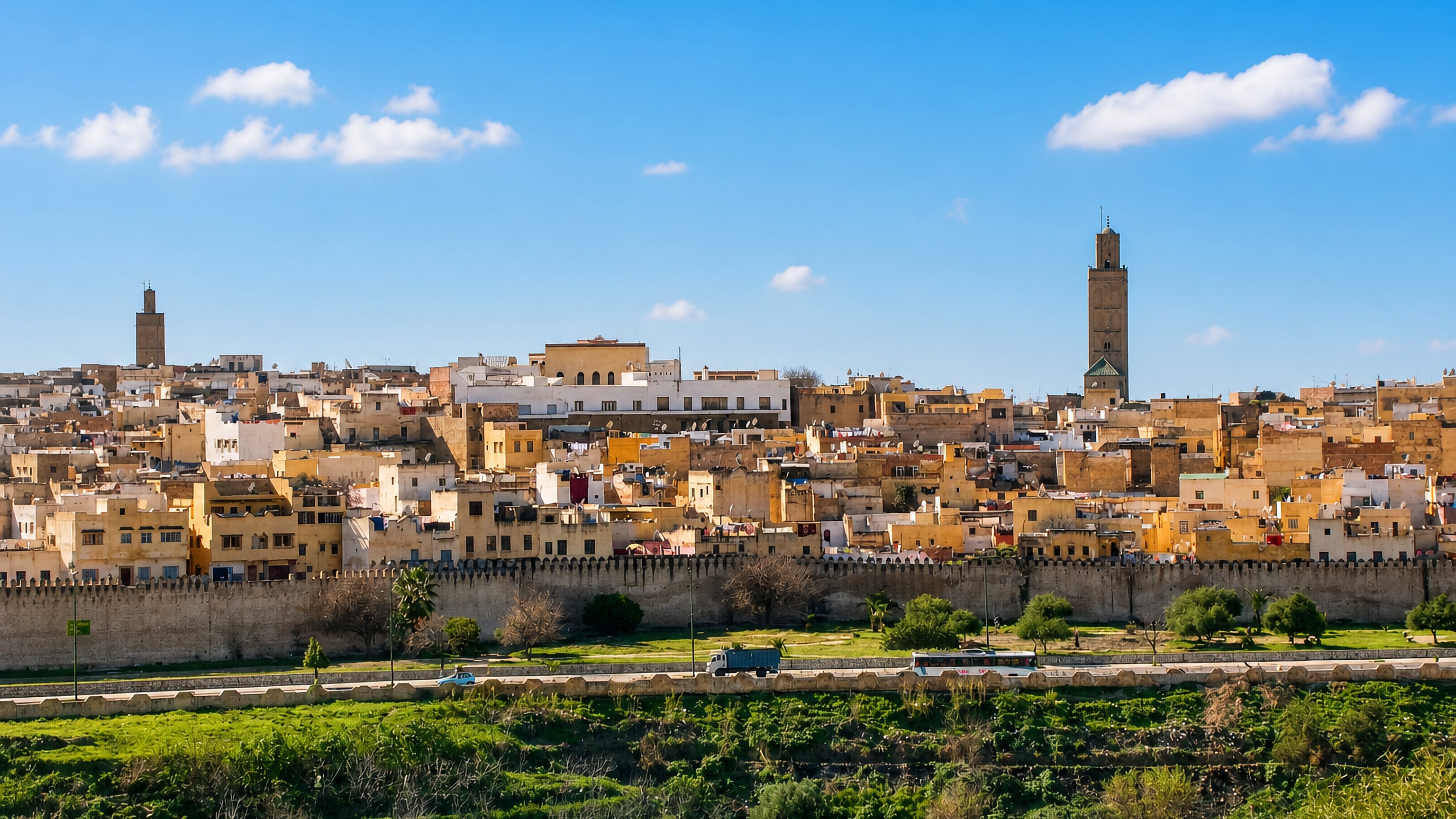
Meknes is one of the four imperial cities of Morocco, a walled town of grand gates and palaces raised by Sultan Moulay Ismail behind the great Bab Mansour.
Hotel links are affiliate links: booking through them may earn us a commission, at no extra cost to you. It never affects how places are ranked. How this works


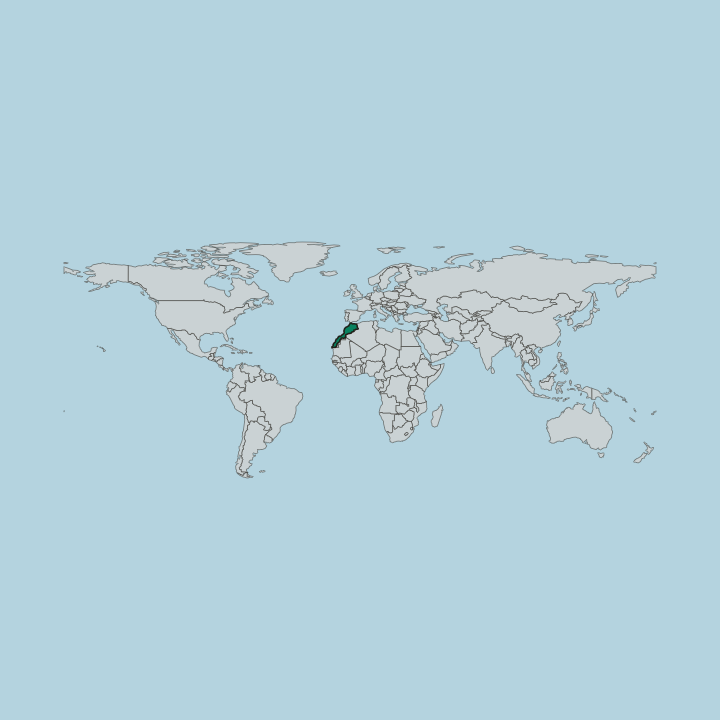
Where to stay in Meknes
Where visitors usually base themselves, and why.
Where you stay in Meknes means the old medina, for most visitors. The walled streets around El Hedim Square and Bab Mansour keep the souks, the palaces, and the Mausoleum of Moulay Ismail within a walk, and it suits anyone here for the imperial past. Riads hide behind plain doors in the lanes.
Rooms open onto tiled courtyards deep in the medina. Beyond the walls, the newer town spreads across the plateau on straight modern streets. A room in the ville nouvelle trades the medina for wider roads, the station, and easier parking, handier for a base than the crowded old quarters.
The new town runs calm and open. If you want the gates and the souks, stay in the medina; if you want the transport and the space, take a room in the new town. Either way, Meknes is easy to explore on foot.
Find hotels in Meknes
Direct booking searches for these neighbourhoods.
The medina
Around El Hedim Square and Bab Mansour, near the Mausoleum of Moulay Ismail and the souksFind hotels in The medinaStays wanting wider streets, the station, and easier parkingVille nouvelle
On the plateau beyond the walls near the railway station, away from the crowded medinaFind hotels in Ville nouvelleHotel links are affiliate links: booking through them may earn us a commission, at no extra cost to you. It never affects how places are ranked. How this works
Things to do in Meknes
Ranked by global recognition; descriptions from Wikidata (CC0).
Museums & Galleries
1- Meknes Pottery Museum
Churches & Religious Sites
3- Bab El-Baradeiyin Mosque Heritage
- Meknes Grand Mosque Heritage
- Lalla Aouda Mosque Heritage
Castles & Historic Sites
5- Kara Prison Heritage
- Dar Jamaï palace Heritage
- Dar Al Makhzen (Meknes) Heritage
- Dar el Kbira Heritage
- Borj El Mers Heritage
Landmarks & Notable Places
1- Dar el-Ma Heritage
worth knowingacross 4 categories in Meknes
About Meknes
Meknes is the imperial city of Sultan Moulay Ismail.
What is Meknes known for?
He made this walled town his capital, raising vast gates, granaries, and palaces across it, and the mighty Bab Mansour still opens onto the great square of El Hedim. His mausoleum draws pilgrims through the medina. Power built the whole place.
What are the main landmarks in Meknes?
Bab Mansour is the great gate of Meknes. Its tiled arch opens the imperial city onto El Hedim Square, the finest of the many gates in the walls. Palaces and granaries lie within.
The Mausoleum of Moulay Ismail, the Heri es-Swani, and the Dar Jamaï palace crown the imperial quarter, while the Bou Inania Madrasa and the Meknes Grand Mosque hold the older medina.
What is the history of Meknes?
The Almoravids founded Meknes in the eleventh century, a fortress town on the northern plateau. The plateau gave water, grain, and a wall of distance from rivals. For centuries it stood in the shadow of its neighbours, and the Marinids left it the fine Bou Inania Madrasa in the medieval age.
Its great hour came late. Sultan Moulay Ismail chose Meknes as his capital in the seventeenth century and built without limit. He raised a city to rival any in the world.
The Bab Mansour opened the imperial quarter with a wall of tile and stone, and behind it rose the palaces, the Agdal Basin for water, and the vast Heri es-Swani to store the grain and stable the horses. The Kara Prison held his captives below ground. When the sultan died, the Mausoleum of Moulay Ismail became a shrine that still draws the faithful.
Dar Jamaï, a later palace, holds a museum of the city's craft. The capital passed on, but the walls and gates of Moulay Ismail still ring the old town.
Where is Meknes?
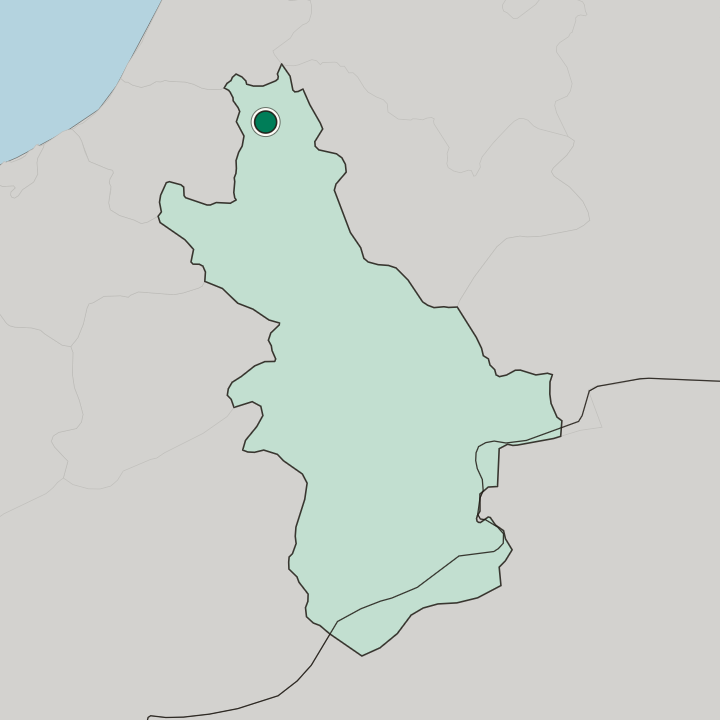
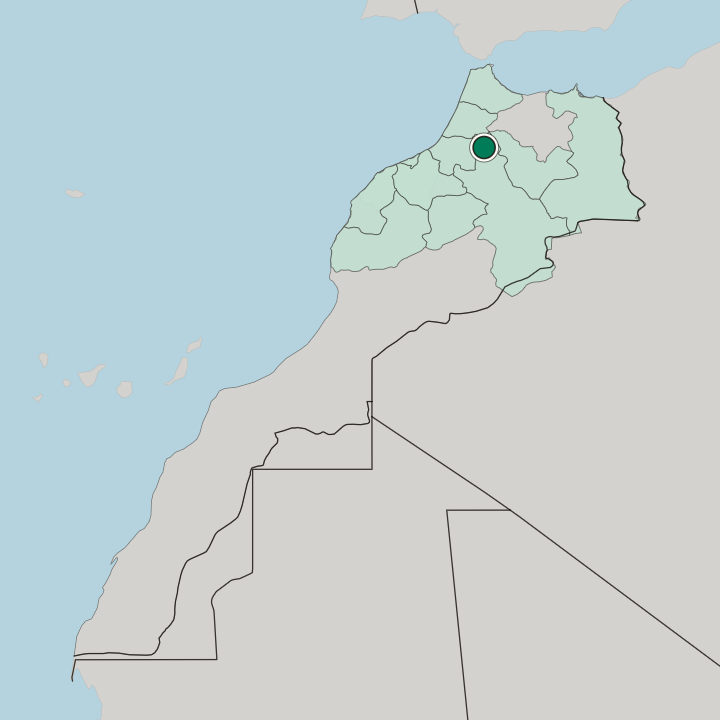
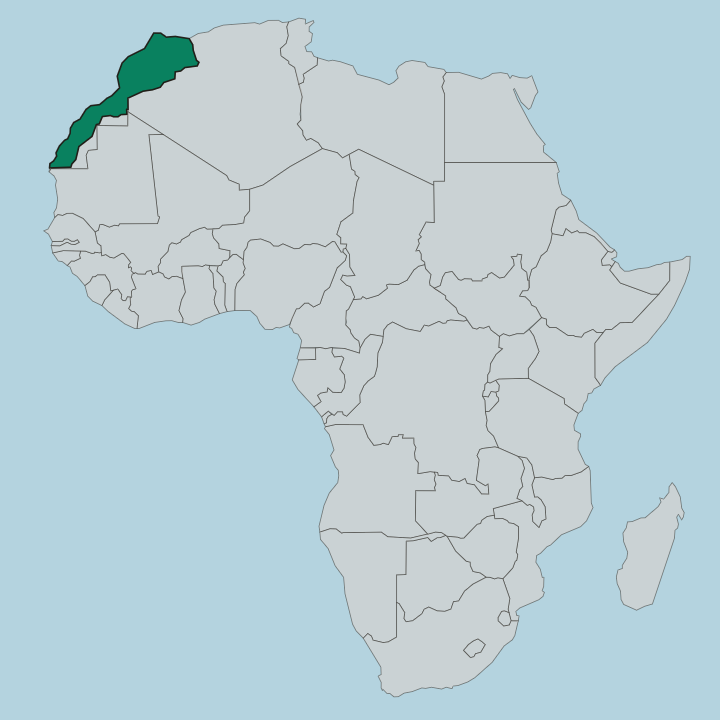
Meknes sits on a plateau in northern Morocco. The old city spreads above a river valley between the plains and the Middle Atlas, its walls enclosing gardens, basins, and the vast granary yards. Olive groves and farmland ring the town.
The high ground kept the capital cool and safe.
What is the climate of Meknes?
Meknes enjoys a mild inland climate. Warm dry summers on the plateau give way to cool, wet winters, with the Middle Atlas sending cold air and the occasional snow down toward the town. Spring greens the surrounding fields.
Autumn brings in the olive harvest each year.
How do you get to Meknes?
Meknes sits on the road between Fez and Rabat. Trains and highways run through the city across northern Morocco, tying it to the imperial cities on either side, and buses climb up from the plains to the plateau. The old medina lies within the walls.
Most arrive by rail, a short hop from Fez.
Common questions
What is the best area to stay in Meknes?
The medina: Visitors here for the gates, souks, and imperial monuments. Ville nouvelle: Stays wanting wider streets, the station, and easier parking.
Good for
More cities in Fès-Meknès
Updated October 2026