Morocco · Fès-Meknès
Where to Stay in Sefrou, Fès-Meknès
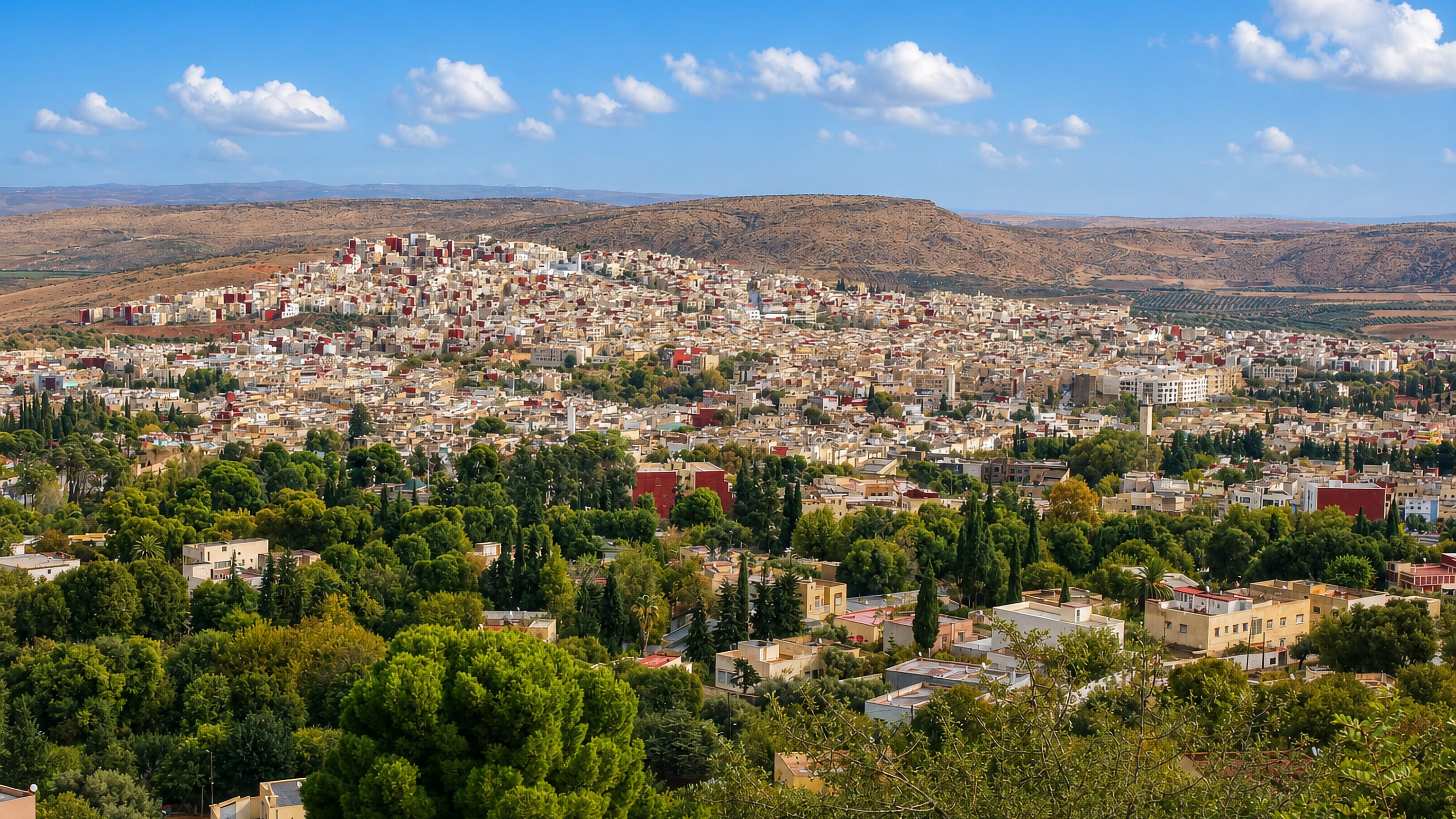
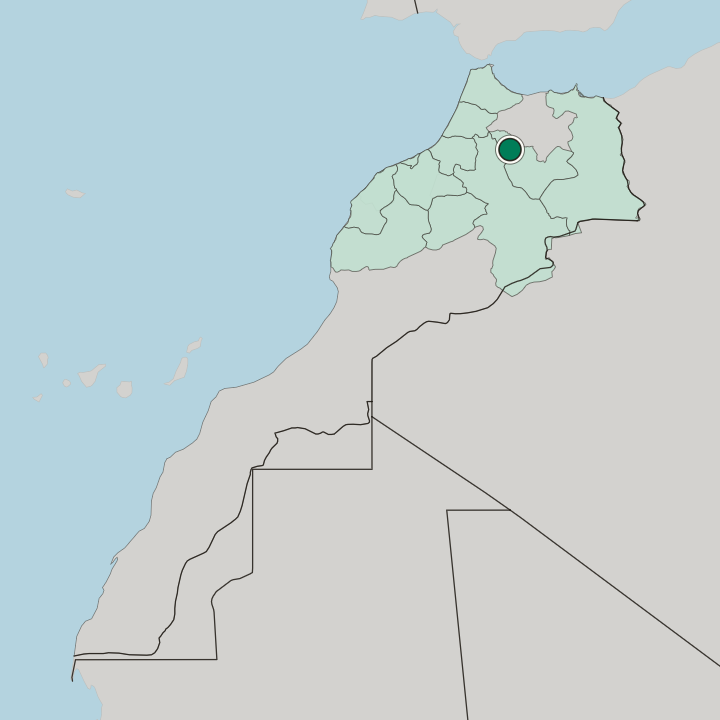
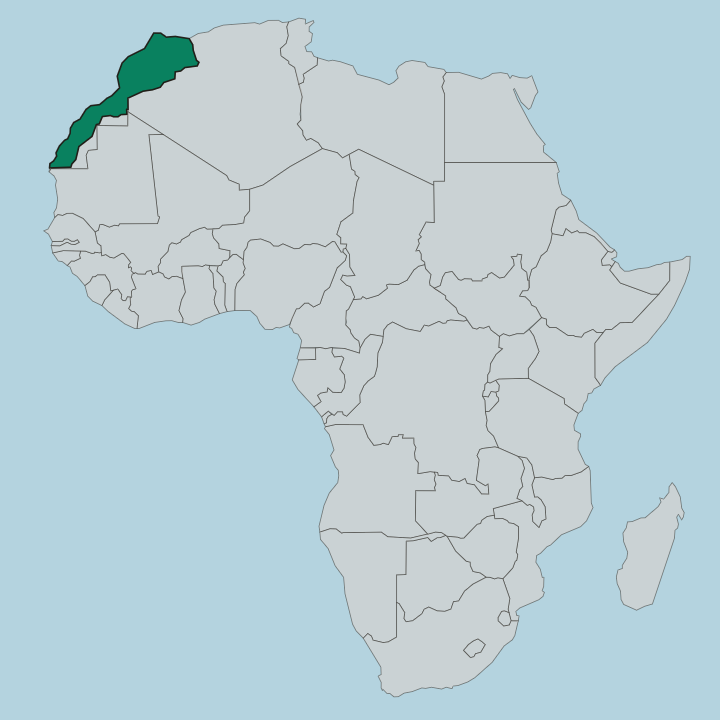
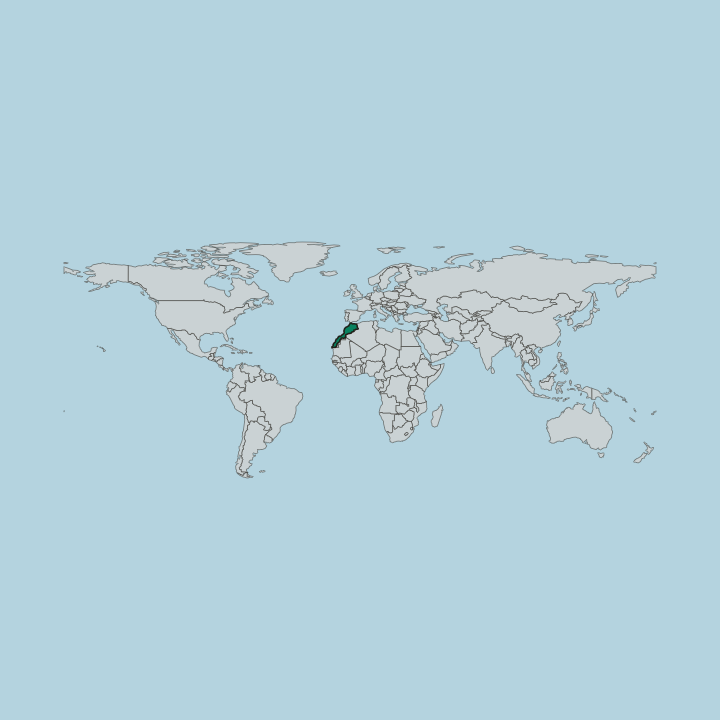
Sefrou is a walled city of central Morocco in the Fès-Meknès region, built around its medina. The ramparts still stand.
Hotel links are affiliate links: booking through them may earn us a commission, at no extra cost to you. It never affects how places are ranked. How this works


Where to stay in Sefrou
The practical side of choosing where to sleep.
Sefrou Medina is the obvious choice. Rooms inside the walls put a guest among the lanes and courtyards that make the city worth the detour, with the Remparts of Sefrou a few steps away and the noise of traffic kept outside the gates. The trade-off is access.
Entry is on foot from the gates, and the houses converted for guests are old enough that stairs and low doors come with the deal. Nothing in Sefrou is far from the walls, and the compact scale of the built-up ground means the choice is about character rather than distance. Outside the medina the city spreads on easier ground.
Rooms there come with parking and a level approach, which suits anyone driving in from the Fès-Meknès region or carrying more than a small bag, though the walk back through the gates is part of every evening. El Kelaa lies apart from both. The quarter that gives the Kasbah of El Kelaa its name sits away from the main streets, and staying near it trades the medina's convenience for a quieter and older corner of Sefrou.
Borj Sefrou is the marker to navigate by.
Find hotels in Sefrou
Direct booking searches for these neighbourhoods.
Sefrou Medina
Rooms inside Sefrou Medina sit among the lanes the walls were built to hold, with the gates keeping traffic out and the whole old city on the doorstep.Find hotels in Sefrou MedinaA quieter corner beside the Kasbah of El KelaaEl Kelaa
The quarter behind the Kasbah of El Kelaa keeps its distance from the main streets of Sefrou, which suits a stay built around slow mornings rather than quick access. Rooms are few around here — worth securing early.Find hotels in El KelaaDrivers arriving from the Fès-Meknès region who need parkingOutside the ramparts
The newer ground beyond the Remparts of Sefrou has level streets and space for a car, and it still puts Borj Sefrou and the medina gates within a short walk.Find hotels in Outside the rampartsHotel links are affiliate links: booking through them may earn us a commission, at no extra cost to you. It never affects how places are ranked. How this works
About Sefrou
Walls are what Sefrou is known for.
What is Sefrou known for?
Sefrou Medina sits at the core of the city, the Remparts of Sefrou enclose it, and together they account for most of what brings visitors up from the wider Fès-Meknès region. Borj Sefrou stands on the list too. The Kasbah of El Kelaa completes it, giving Sefrou four catalogued sites, more than most towns of this size in central Morocco can show.
What are the main landmarks in Sefrou?
Four sites carry Sefrou's name. Sefrou Medina is the largest of them, an old quarter still enclosed by the Remparts of Sefrou, and the two are read together rather than separately by anyone walking the city. Borj Sefrou is the third.
The Kasbah of El Kelaa is the fourth, standing apart in the quarter of El Kelaa, and between them the four make up the entire catalogued record of built Sefrou.
What is the history of Sefrou?
The date Sefrou began is not on record. What the city has instead is fabric, and the walls are the oldest part of it, older than any document the record keeps about when they went up. Defence explains the shape.
A medina enclosed by ramparts, with a kasbah at El Kelaa and a borj holding its own position, describes a place that expected trouble and built accordingly. Sefrou Medina remains the core of that plan, and its lanes still run inside the line the Remparts of Sefrou drew. Administration came to the city later than its walls.
Sefrou belongs to the Fès-Meknès region of central Morocco, which places it within a modern structure that says nothing about the centuries in which the kasbah and the borj mattered most. The Kasbah of El Kelaa is the clearest survival from that older order, standing in the quarter of El Kelaa rather than inside Sefrou Medina, which suggests a settlement that grew in more than one piece. صفرو is the name in Arabic. Sefrou is the Latin spelling used on maps, and both forms appear in the records that cover this part of the country.
Everything earlier goes undated here.
Where is Sefrou?
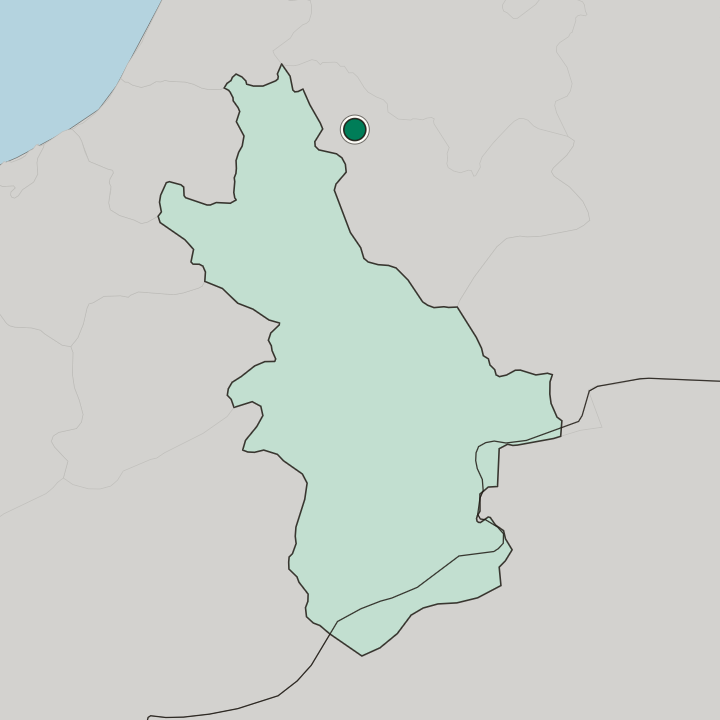
Sefrou occupies a small patch of central Morocco. The built-up ground covers only a few square kilometres, so the medina, the ramparts and the quarters beyond them all sit within a walk of one another in a way larger cities of the Fès-Meknès region cannot manage. Sefrou Medina holds the middle of it.
Everything outside the Remparts of Sefrou is newer ground, and the city's edges give out quickly into open country.
What is the climate of Sefrou?
Summer arrives hard and stays. The lanes of Sefrou Medina run narrow and its courtyards turn inward, which keeps shade available through the heat that settles over central Morocco between spring and autumn. Winter turns cold and wet.
Rain falls mostly in the cooler months, and the Fès-Meknès region takes enough of it that the country around Sefrou greens up before the heat returns.
How do you get to Sefrou?
Arrival here is by road. Sefrou lies close enough to the larger centres of the Fès-Meknès region for the drive to be short, and the approach runs straight to the edge of the walls before the medina takes over on foot. The last stretch is walked.
Cars stop outside the Remparts of Sefrou, and anyone staying inside Sefrou Medina carries bags through a gate, which is worth settling before booking a room in the old city.
Common questions
What is the best area to stay in Sefrou?
Sefrou Medina: Guests wanting the Remparts of Sefrou outside the window. El Kelaa: A quieter corner beside the Kasbah of El Kelaa. Outside the ramparts: Drivers arriving from the Fès-Meknès region who need parking.
Good for
More cities in Fès-Meknès
Updated September 2026