Morocco · Tanger-Tetouan-Al Hoceima
Where to Stay in Fnidek, Tanger-Tetouan-Al Hoceima
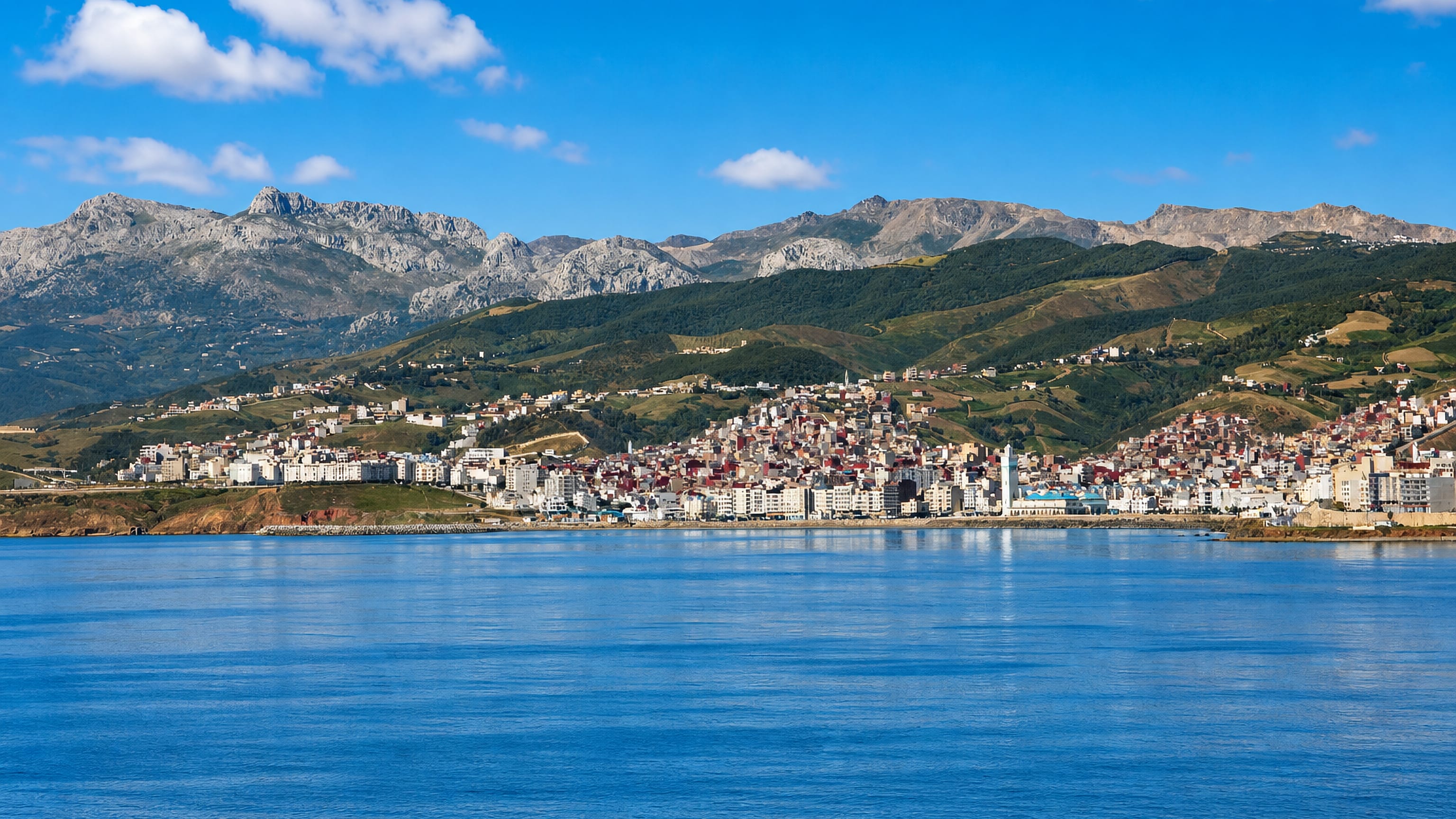
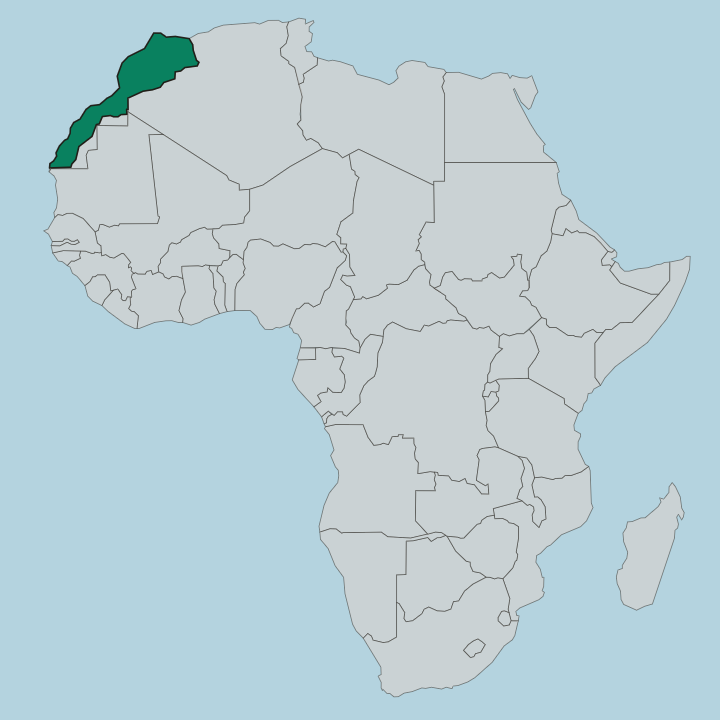
Fnidek sits on Morocco's Mediterranean coast, the closest urban commune to the Spanish exclave of Ceuta. Castillejos is its Spanish name.
Hotel links are affiliate links: booking through them may earn us a commission, at no extra cost to you. It never affects how places are ranked. How this works


Where to stay in Fnidek
Where visitors usually base themselves, and why.
Fnidek's beds answer to two things: the Mediterranean in front of the town and the crossing to Ceuta just beyond it. A room near the seafront puts a guest on the coast the town is built along, which is the reason most people who are not crossing the border come at all. The other pull is practical.
Travellers with business at the exclave stay in Fnidek by default, because it is the closest urban commune to Ceuta and Belyounech, the rural commune that lies closer still, is not an urban centre where a traveller would look for a bed. Tétouan is the alternative. The city lies 31 km south of Fnidek and carries the range a coastal town of this size cannot, which makes it the base for anyone who wants choice more than they want the Mediterranean outside the window. M'diq is the other half of the prefecture.
M'diq-Fnideq Prefecture pairs the two coastal towns under one administration, so a stay in either keeps the same shoreline and the same road to Ceuta within reach, and the choice between them comes down to which end of that coast suits the trip.
Find hotels in Fnidek
Direct booking searches for these neighbourhoods.
Fnidek seafront
Fnidek is built along the Mediterranean edge of M'diq-Fnideq Prefecture, so a room facing the water gives both the coast and the shortest approach to the Ceuta boundary.Find hotels in Fnidek seafrontA wider choice of rooms 31 km south of the Ceuta boundaryTétouan
Tétouan lies 31 km south of Fnidek and carries the accommodation range that the two coastal communes of M'diq-Fnideq Prefecture between them do not.Find hotels in TétouanHotel links are affiliate links: booking through them may earn us a commission, at no extra cost to you. It never affects how places are ranked. How this works
About Fnidek
The line with Ceuta shapes everything here.
What is Fnidek known for?
Fnidek is the closest Moroccan urban commune to the Spanish exclave, and that proximity, rather than any monument inside the town, is what the place is identified by along this stretch of the Mediterranean. One battle adds a second claim. The Battle of Castillejos was fought here in 1859 during the Hispano-Moroccan War, and it took its name from Castillejos, the Spanish form of the town's own name.
What are the main landmarks in Fnidek?
Monuments are the one thing Fnidek lacks. What the town has instead is a location: the ground where the Battle of Castillejos was fought in 1859, and the boundary with the Spanish exclave of Ceuta running a short way beyond the built-up edge. Belyounech lies closer to it.
Fnidek's own shoreline is the feature a visitor actually looks at, and the town shares that coast with M'diq at the other end of the prefecture the two of them are named for.
What is the history of Fnidek?
Fnidek's origin year is missing from the sources. The town enters the documentary record through a war: in 1859 the Hispano-Moroccan War reached this stretch of the coast, and the Battle of Castillejos, described as the decisive engagement of that conflict, was fought on the ground the town stands on. The name went with it.
Castillejos is the Spanish form of the town's name, and the battle carried that form into Spanish histories, which is why one settlement appears under two names in accounts of the same period. Proximity has outlasted the war. Ceuta remains a Spanish exclave on this coast, and Fnidek remains the closest Moroccan urban commune to it, with only the rural commune of Belyounech lying nearer, so the town's modern role is bound to a boundary rather than to a monument.
Formal administration arrived only afterwards. M'diq-Fnideq Prefecture pairs Fnidek with M'diq under one administrative unit inside Tanger-Tetouan-Al Hoceima, with Tétouan 31 km to the south of the pair. Arabic keeps the town's own name, الفنيدق, and the Latin spelling Fnideq stands beside Fnidek in the record, so one place circulates under several written forms at once.
Where is Fnidek?
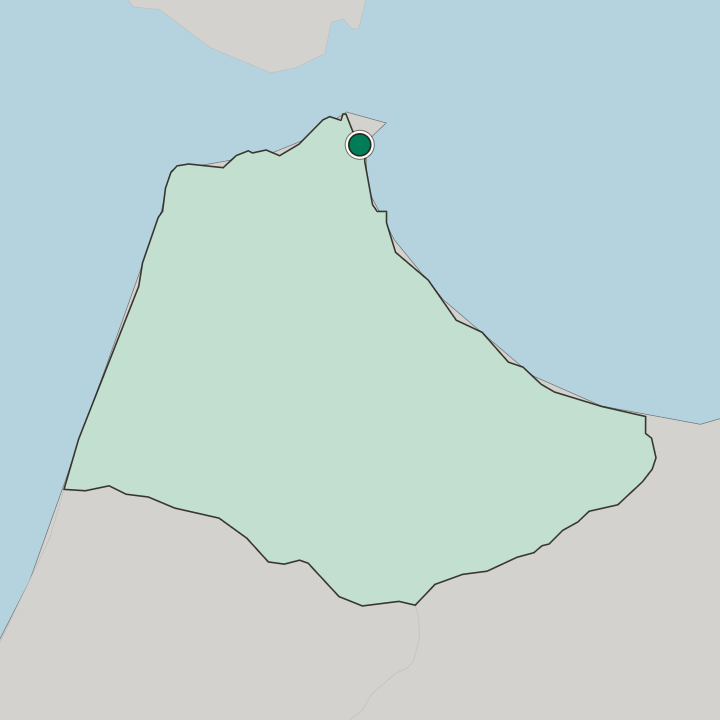
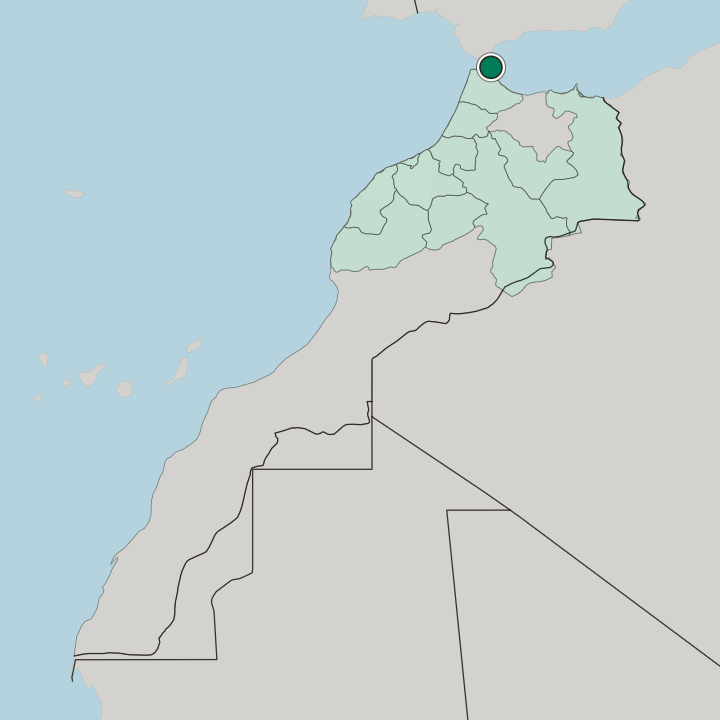
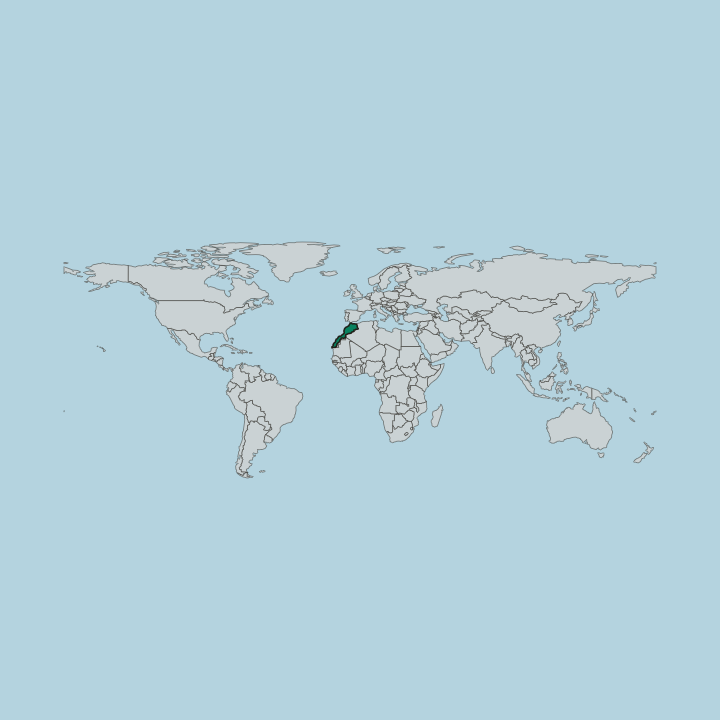
Fnidek runs along the Mediterranean, 31 km north of Tétouan. The town belongs to M'diq-Fnideq Prefecture, which strings it together with M'diq along the same shoreline inside Tanger-Tetouan-Al Hoceima, so its geography is a strip of coast rather than a hinterland. Ceuta closes the coast beyond.
The Spanish exclave lies past Fnidek along the same shore, with the rural commune of Belyounech occupying the ground between, which makes this the last Moroccan urban settlement before that boundary.
What is the climate of Fnidek?
The Mediterranean moderates Fnidek year-round. The town lies in the temperate band with the water immediately in front of it, which gives it a coastal version of the conditions the rest of Tanger-Tetouan-Al Hoceima shares, and the contrast with any place set back from the shore is the practical thing to know. M'diq shares the same exposure.
Both towns of the prefecture face the same stretch of sea, and the 31 km down to Tétouan is a short enough run that the shift in conditions over it is slight.
How do you get to Fnidek?
Roads along the coast bring everyone in. Fnidek lies 31 km north of Tétouan, and the road up from that city is the standard approach from inside Morocco, while arrivals from the other direction come through the crossing with Ceuta. The boundary is the other door.
As the closest Moroccan urban commune to the exclave, Fnidek takes what crosses that line, and Belyounech, nearer to Ceuta than the town is, does not stand in for it.
Common questions
What is the best area to stay in Fnidek?
Fnidek seafront: A Mediterranean shore stay within reach of the Ceuta crossing. Tétouan: A wider choice of rooms 31 km south of the Ceuta boundary.
More cities in Tanger-Tetouan-Al Hoceima
Updated September 2026