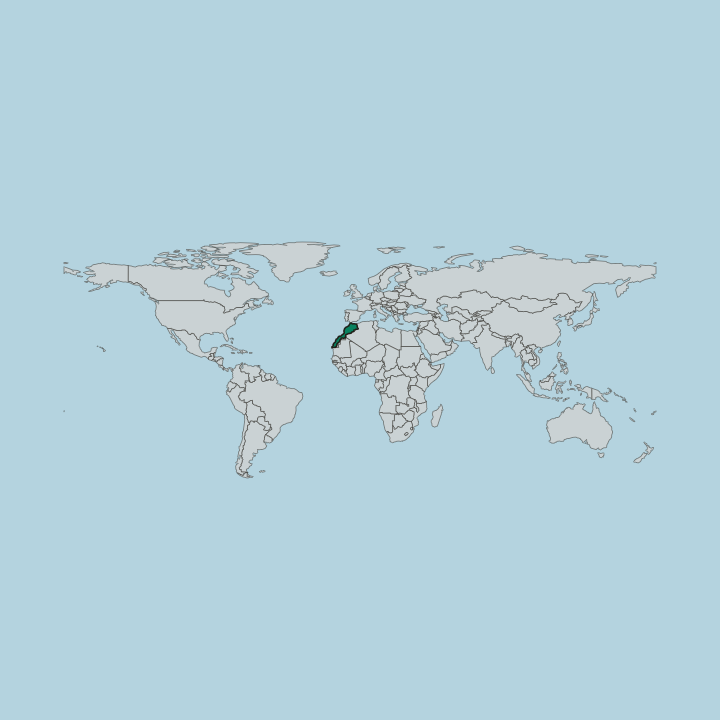
Morocco · Tanger-Tetouan-Al Hoceima
Where to Stay in Tétouan, Tanger-Tetouan-Al Hoceima
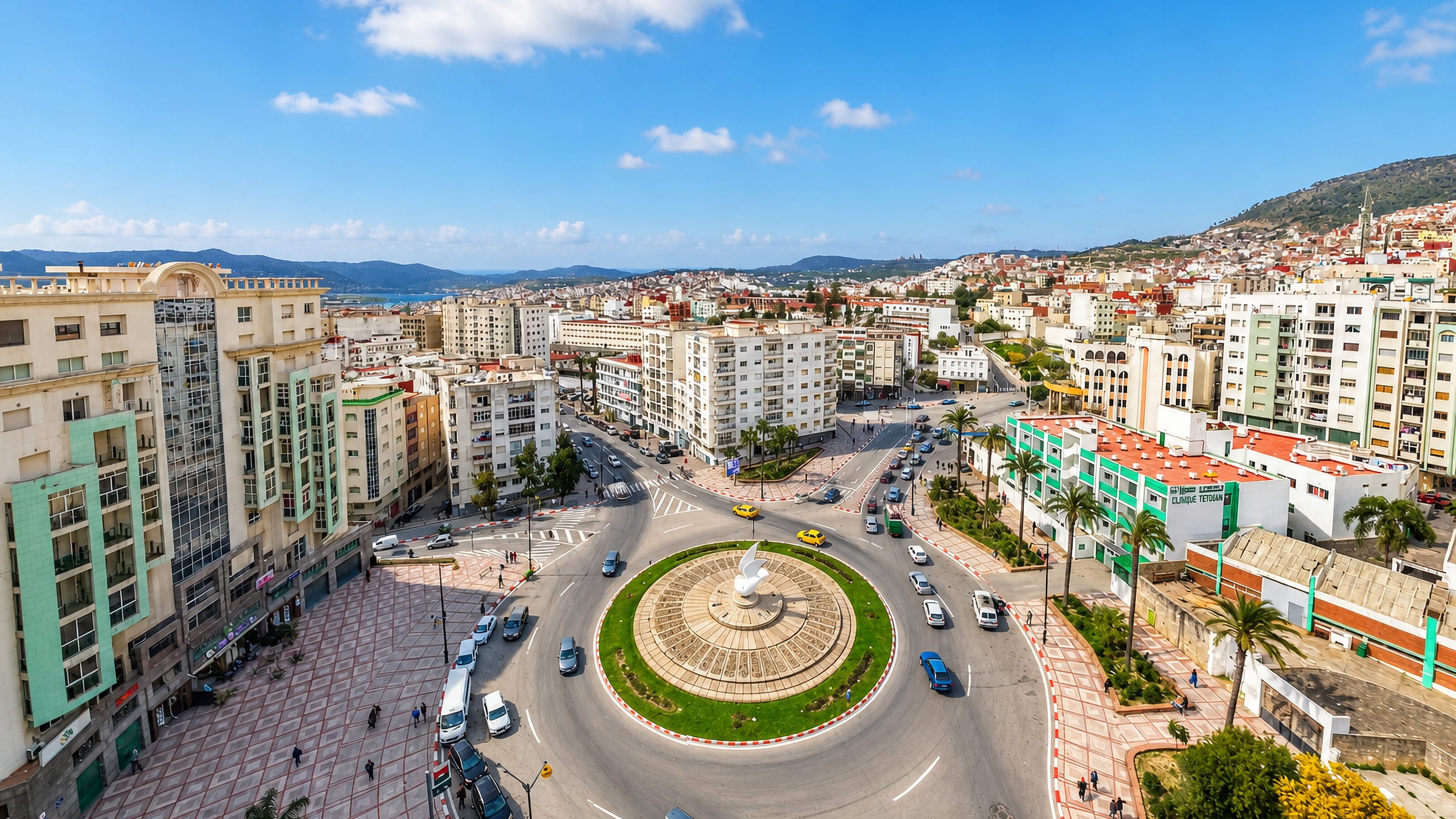
White walls rise above the Martil Valley at Tétouan, a Mediterranean port in Tanger-Tetouan-Al Hoceima, Morocco, known for its UNESCO medina.
Hotel links are affiliate links: booking through them may earn us a commission, at no extra cost to you. It never affects how places are ranked. How this works


Where to stay in Tétouan
Where you base yourself shapes the visit — here's the character of each area.

 TétouanMorocco
Bab El Oqla
Bab El Oqla is a Tétouan district whose register holds the Tetouan Modern Art Center and the old houses Dar Al Mandri and Dar Sellam El Haj.Where to stay →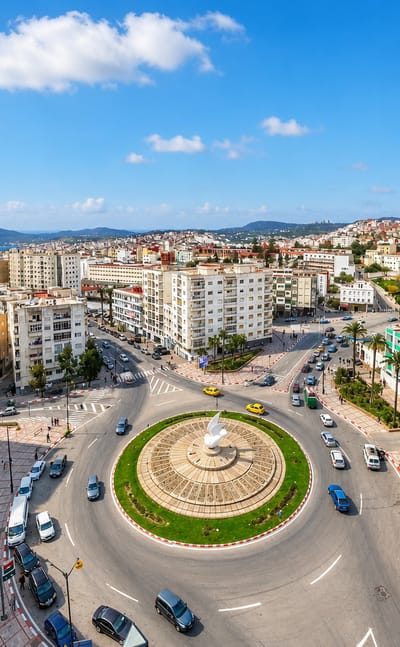 TétouanMorocco
Bab Saida
Bab Saida is the Tétouan district credited with nine listed buildings, from the Archaeological Museum of Tétouan to the Agattas Tower.Where to stay →Hotel links are affiliate links: booking through them may earn us a commission, at no extra cost to you. It never affects how places are ranked. How this works
Find hotels in Tétouan
Direct booking searches for these neighbourhoods.
The medina
Pedestrian lanes wind past the Funduq Lebbadi and Dar Al Mandri, with rooms set in carved-cedar riads a few steps from the craft souks.Find hotels in The medinaWider streets, parking, and easy arrivals west of the wallsThe Ensanche
The early twentieth-century avenues run past the Church of Our Lady of Victory and the Archaeological Museum of Tétouan toward Plaza Primo, with the beach at Martil a short drive down the valley.Find hotels in The EnsancheHotel links are affiliate links: booking through them may earn us a commission, at no extra cost to you. It never affects how places are ranked. How this works
Things to do in Tétouan
Ranked by global recognition; descriptions from Wikidata (CC0).
Museums & Galleries
3- medersa loukach Heritage
- Archaeological Museum of Tétouan
- Tetouan Modern Art Center
Churches & Religious Sites
1- Church of Our Lady of Victory
Landmarks & Notable Places
8- Dar Al Mandri Heritage
- Dar Aragón Heritage
- Funduq Lebbadi Heritage
- Dar Abdelkhalek Torres Heritage
- house of governors Naqsis Heritage
Show 3 more →
- Dar Ben Naim Heritage
- Dar Sellam El Haj Heritage
- Dar Skirej Heritage
worth knowingacross 3 categories in Tétouan
About Tétouan
What is Tétouan known for?
Tétouan is known above all for its medina, a walled old town inscribed on the UNESCO World Heritage List. White houses climb the slope. Behind their doors sit restored merchant residences such as Dar Al Mandri, Dar Aragón, and the Funduq Lebbadi, a caravanserai built around a central court.
The city carries a strong Andalusian imprint, and its museums, from the Archaeological Museum of Tétouan to the Tetouan Modern Art Center, keep that layered heritage on public view.
What are the main landmarks in Tétouan?
The main landmarks in Tétouan cluster inside and just beyond the medina walls. The Funduq Lebbadi, a former caravanserai, and the merchant houses Dar Aragón and Dar Skirej show how Andalusian families built around shaded courtyards. Culture sits close by.
The Archaeological Museum of Tétouan holds finds from the Martil Valley, the Tetouan Modern Art Center occupies a former railway station, and the Church of Our Lady of Victory marks the Spanish presence west of the old town.
What is the history of Tétouan?
Tétouan's history is written into the walls and street plan of its medina. The town took its lasting form after refugees and craftsmen from Andalusia settled here, rebuilding an earlier site along the Martil Valley into a fortified centre of trade and skilled work. That Andalusian founding shaped everything that followed.
The narrow lanes, the funduqs where caravans unloaded, and the merchant houses with their tiled courts all date from that mercantile order, and the Funduq Lebbadi survives as one of its clearest survivors. Spain governed the surrounding zone for part of the twentieth century, and Tétouan served as its administrative seat. The Ensanche west of the walls, the Church of Our Lady of Victory, and the building that now houses the Tetouan Modern Art Center all belong to that Spanish chapter.
When the protectorate ended, the city passed to Morocco. Its medina later joined the UNESCO World Heritage List, recognising the old town as one of the most complete Andalusian urban ensembles on the Mediterranean.
Where is Tétouan?
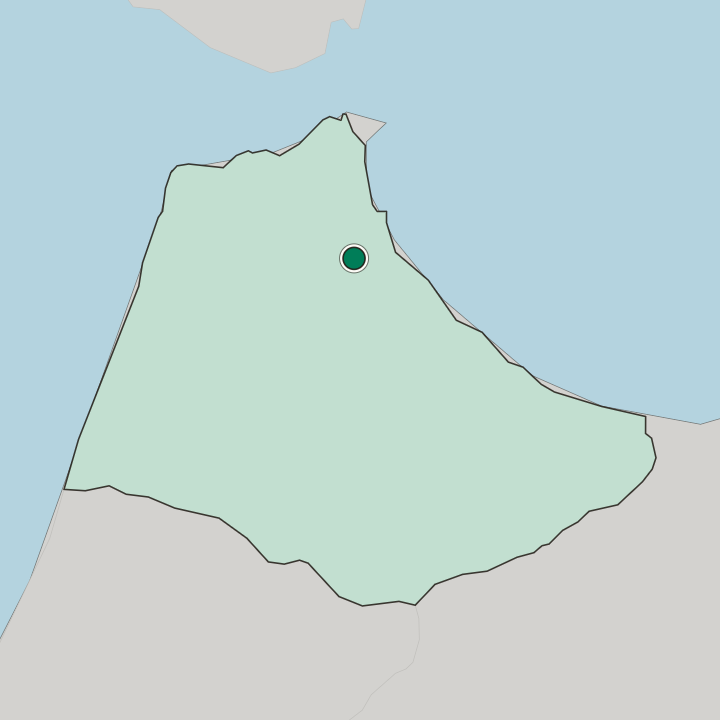
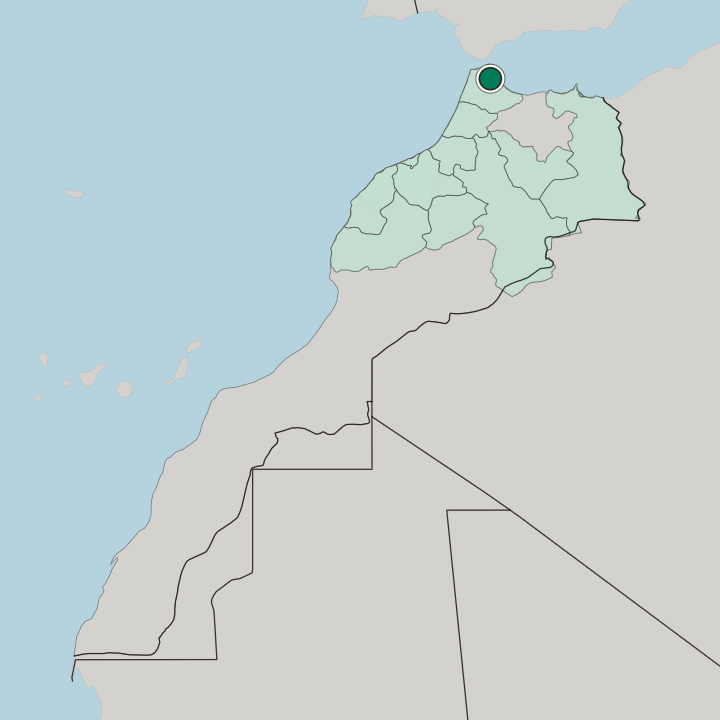
Tétouan sits along the Martil Valley, a short way inland from the Mediterranean Sea and south of the Strait of Gibraltar, where coastal hills give way to a narrow plain running down to the water. The old town spreads across a hillside. Below it the newer Ensanche fills flatter ground to the west, and from the walls the land drops away toward the beach at Martil. Tangier lies west along the same shore.
The surrounding province of Tanger-Tetouan-Al Hoceima carries the region's name.
What is the climate of Tétouan?
Tétouan has a Mediterranean climate shaped by its position near the sea and the Strait of Gibraltar. Dry warmth holds through the long summer. Winters bring most of the year's rain, kept mild by marine air moving up the Martil Valley off the Mediterranean Sea, so frost is rare and the hills stay green well into spring.
Sea breezes off the strait soften the warmest afternoons.
How do you get to Tétouan?
Tétouan is reached most often overland from Tangier, which sits to the west along the coast and carries the region's main international airport. Buses and taxis follow the road across the Martil Valley into the city, a route that also links Tétouan to the beach resort of Martil a short drive to the east. Old Tétouan is best seen on foot.
A local airport serves the area too, though most travellers still arrive through Tangier or by road from the wider Tanger-Tetouan-Al Hoceima province.
Common questions
What is the best area to stay in Tétouan?
The medina: Staying inside the UNESCO-listed walls among restored merchant houses. The Ensanche: Wider streets, parking, and easy arrivals west of the walls.
Good for
More cities in Tanger-Tetouan-Al Hoceima
Updated September 2026