Morocco · Tanger-Tetouan-Al Hoceima
Where to Stay in Martil, Tanger-Tetouan-Al Hoceima
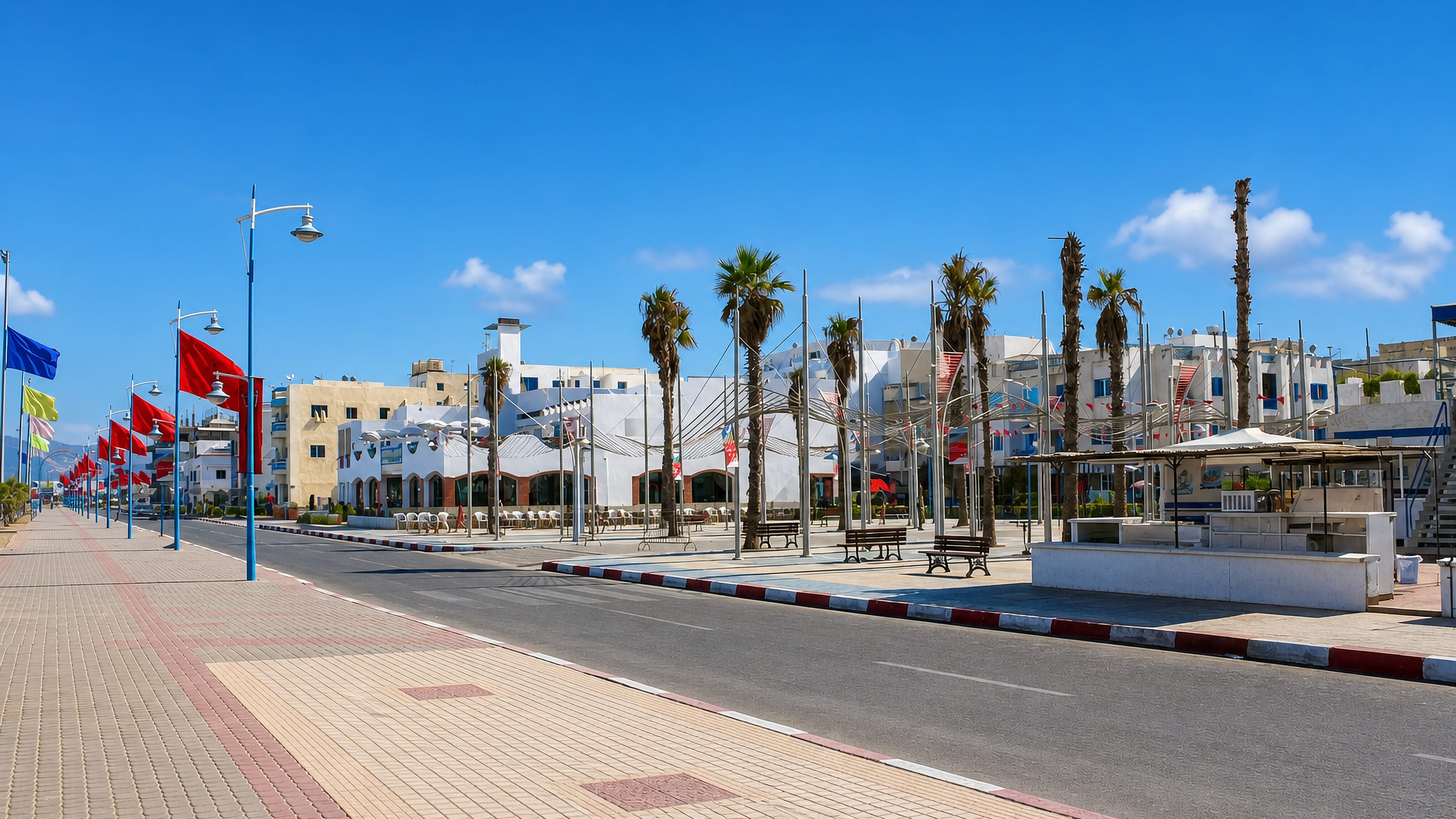
Martil is a Moroccan seaside town northeast of Tétouan, on the Mediterranean Sea within Tanger-Tetouan-Al Hoceima. Its church carries the town's name.
Hotel links are affiliate links: booking through them may earn us a commission, at no extra cost to you. It never affects how places are ranked. How this works


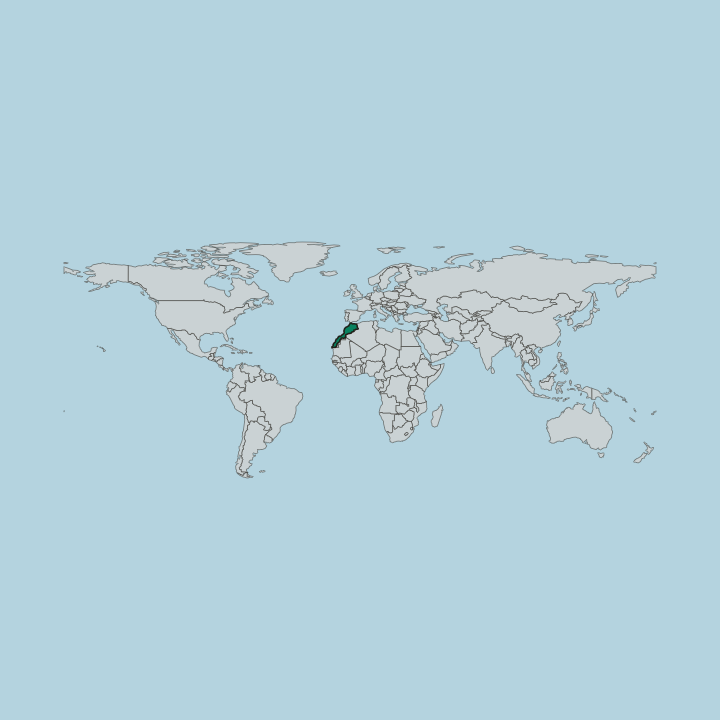
Where to stay in Martil
The practical side of choosing where to sleep.
The shoreline is where the rooms are. Martil exists as a coastal town first, so a bed here means a bed near the water, and the practical question is not which quarter to pick but whether the sea is the reason for coming at all. It usually is.
Visitors who want the Mediterranean Sea at the door book in Martil itself, accept that the town's own registered landmark amounts to Martil church, and treat everything else as a short trip inland. Martil church and the seafront are the whole of what a stay in the town organises itself around, and that is enough for a trip built on the water rather than on sightseeing. Tétouan is the other option, and a different kind of stay.
The city carries the museums on that list, and a set of medina houses is recorded alongside them, Dar Al Mandri, Dar Aragón, Dar Skirej, Dar Ben Naim, Dar Abdelkhalek Torres and Dar Sellam El Haj, together with Funduq Lebbadi and the medersa loukach. Martil keeps the water. Staying in Tétouan trades the Mediterranean frontage for that heritage, and the town's position northeast of the city keeps both within one itinerary.
Find hotels in Martil
Direct booking searches for these neighbourhoods.
Martil seafront
Martil's rooms sit along the Mediterranean frontage the town was built on, and Martil church is the only registered landmark the place keeps under its own name.Find hotels in Martil seafrontMedina houses and the museums that fill Martil's own landmark listTétouan
Tétouan carries the Archaeological Museum of Tétouan and the Tetouan Modern Art Center, so a room there swaps Martil's shoreline for the heritage the two towns share on one register.Find hotels in TétouanHotel links are affiliate links: booking through them may earn us a commission, at no extra cost to you. It never affects how places are ranked. How this works
About Martil
Seaside is the whole proposition.
What is Martil known for?
Martil faces the Mediterranean Sea a short way northeast of Tétouan, and what draws people is the shoreline rather than a monument, since the only landmark recorded under the town's own name is Martil church. Tétouan supplies the rest. The Archaeological Museum of Tétouan, the Tetouan Modern Art Center and the Musée d'ethnographie à Tétouan all sit on the same list of things within reach of the town, which is how a seaside town ends up with a museum circuit within reach.
What are the main landmarks in Martil?
Martil church is the town's own entry. Everything else on the record around it belongs to Tétouan or is listed with Tétouan's holdings: the Archaeological Museum of Tétouan, the Tetouan Modern Art Center and the Musée d'ethnographie à Tétouan, along with the Church of Our Lady of Victory. Medina houses fill out the list.
Dar Al Mandri, Dar Aragón, Dar Skirej, Dar Ben Naim, Dar Abdelkhalek Torres and Dar Sellam El Haj appear beside Funduq Lebbadi, the medersa loukach and the Agattas Tower, which is a heritage register a seaside town of Martil's size would not generate on its own.
What is the history of Martil?
What is documented about Martil's past comes indirectly, through the buildings on its landmark register rather than through any dated account of the town. Its founding year is one thing the sources skip. Martil church stands as the one structure the record ties to the town itself, and no date is attached to it, so even that entry says less about the town's age than its presence on the list suggests.
Tétouan carries the deeper record. The Archaeological Museum of Tétouan, the Musée d'ethnographie à Tétouan and the medina houses listed with them, Dar Al Mandri, Funduq Lebbadi, the medersa loukach, are where the history of this corner of Tanger-Tetouan-Al Hoceima is actually held. Martil's own story is the coast's, not the medina's.
The town sits northeast of Tétouan on the Mediterranean Sea, and its place in the record is defined by that position rather than by any dated event of its own. Tanger-Tetouan-Al Hoceima is the region both belong to, and the administrative frame is modern where the buildings on the list are not. Arabic writes the name مرتيل.
Both forms name the same town in Morocco, and the Latin spelling Martil is the one that appears on the register alongside Martil church and the Tétouan entries.
Where is Martil?
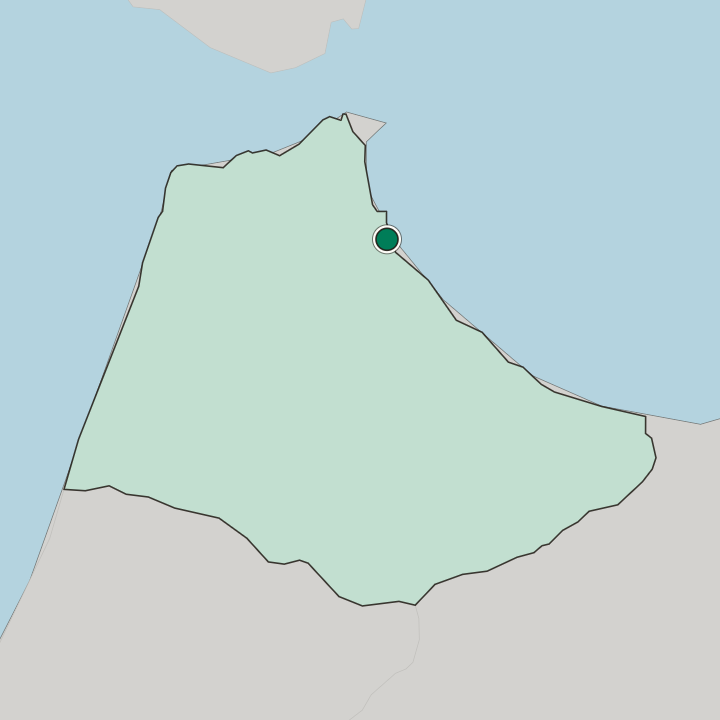
Martil occupies a stretch of the Mediterranean Sea shore northeast of Tétouan. The town's ground is coastal in the plainest sense, with the sea on one side and Tétouan's hinterland on the other, and nothing in the record gives it a river, a headland or a range of its own to be measured against. The region frames it.
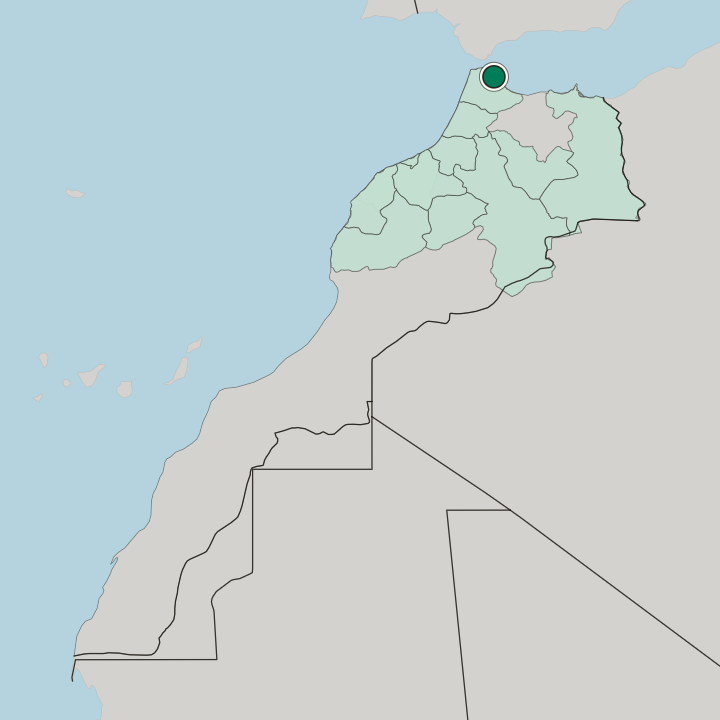
Within Tanger-Tetouan-Al Hoceima, Martil sits at the seaward edge, close enough to Tétouan that the two share a single landmark register.
What is the climate of Martil?
Temperate conditions arrive off the water. The Mediterranean Sea sits directly against Martil, and a town with that much frontage takes its conditions from the sea rather than from the interior behind it, which is the difference a visitor feels moving inland. Beyond that the record is silent.
The town's file carries no seasonal figures, which leaves the temperate band and the sea frontage as the two things a traveller can plan around on this part of the Tanger-Tetouan-Al Hoceima coast.
How do you get to Martil?
Everything comes through Tétouan. Martil lies northeast of the city on the Mediterranean Sea, so the approach is the road down to the coast rather than any route that reaches the town directly from elsewhere in Tanger-Tetouan-Al Hoceima. The sea ends the journey.
A traveller arrives at Martil from the landward side and stops at the shoreline, which is also why the Archaeological Museum of Tétouan and the rest of the region's heritage list sit behind rather than ahead.
Common questions
What is the best area to stay in Martil?
Martil seafront: Days on the Mediterranean Sea with Martil church a short walk back. Tétouan: Medina houses and the museums that fill Martil's own landmark list.
Good for
More cities in Tanger-Tetouan-Al Hoceima
Updated October 2026