Macau: Regions, Cities & Travel Guide
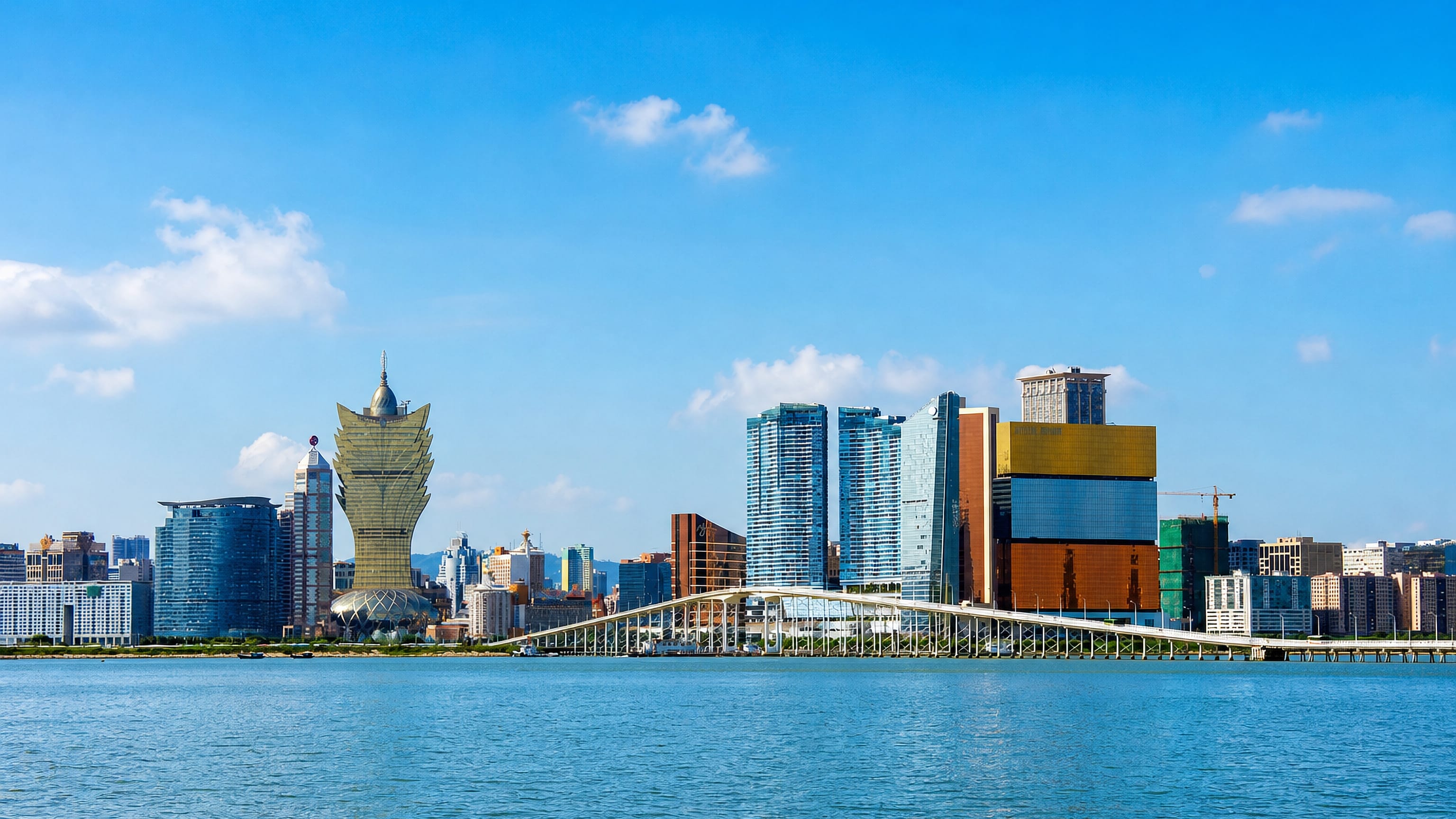
Macau is a dense Special Administrative Region on China's Pearl River estuary, a former Portuguese enclave of casinos and old churches.
Hotel links are affiliate links: booking through them may earn us a commission, at no extra cost to you. It never affects how places are ranked. How this works


Top destinations in Macau
One city to start from, then drill into its areas and hotels.
 Macau
Macau
Macau
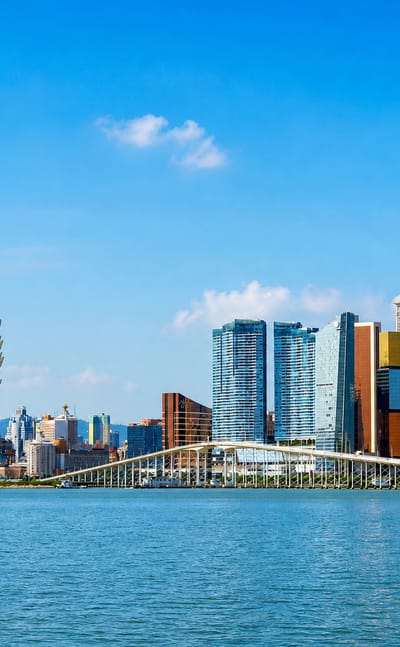
Baroque facades rise over tiled squares in Macau, a Special Administrative Region on the Pearl River estuary, known for the Ruins of St. Paul's.Where to stay →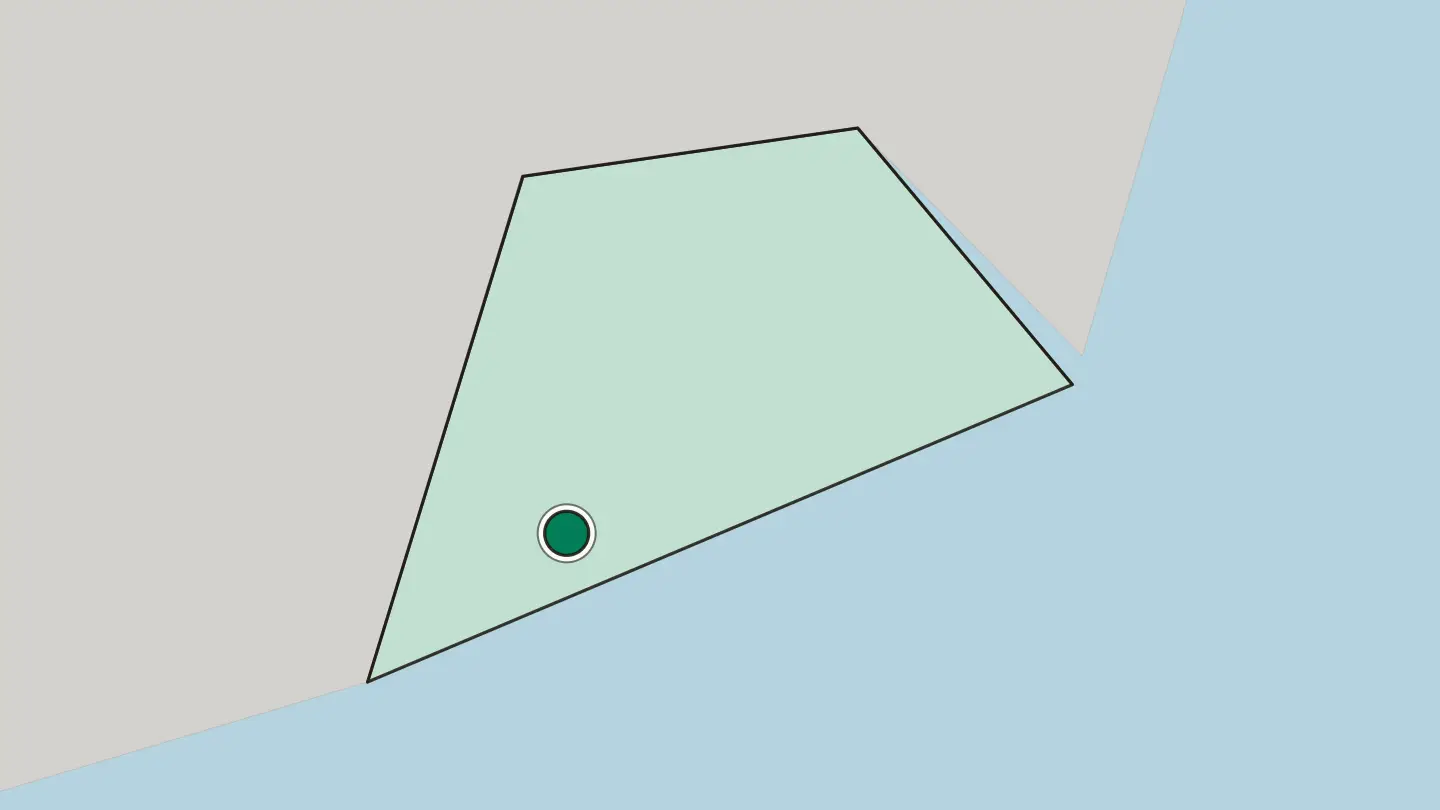
Hotel links are affiliate links: booking through them may earn us a commission, at no extra cost to you. It never affects how places are ranked. How this works
Browse by region
One region so far — open it to see its cities and towns.
Explore by experience
Not sure which place? Start from how you want to travel.
About Macau
Two Macaus sit oddly together.
What is Macau known for?
On the Macau Peninsula, the baroque façade of the Ruins of St. Paul's rises above old lanes that lead down to the wave-pattern paving of Senado Square. Across the water, the reclaimed flat of Cotai carries a wall of casino resorts between the islands of Taipa and Coloane. In between, the queues form for Portuguese egg tarts.
Gambling and Catholic stone, one small territory.
Where is Macau?
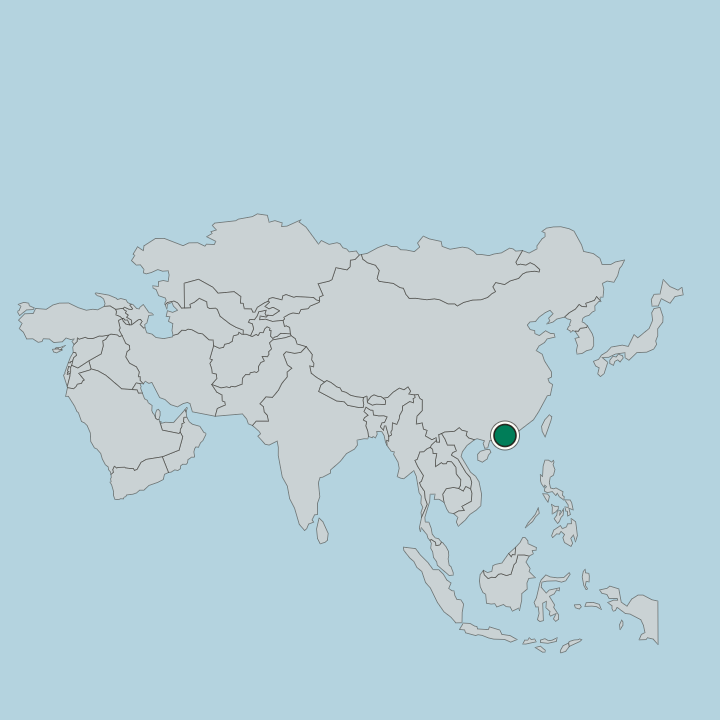
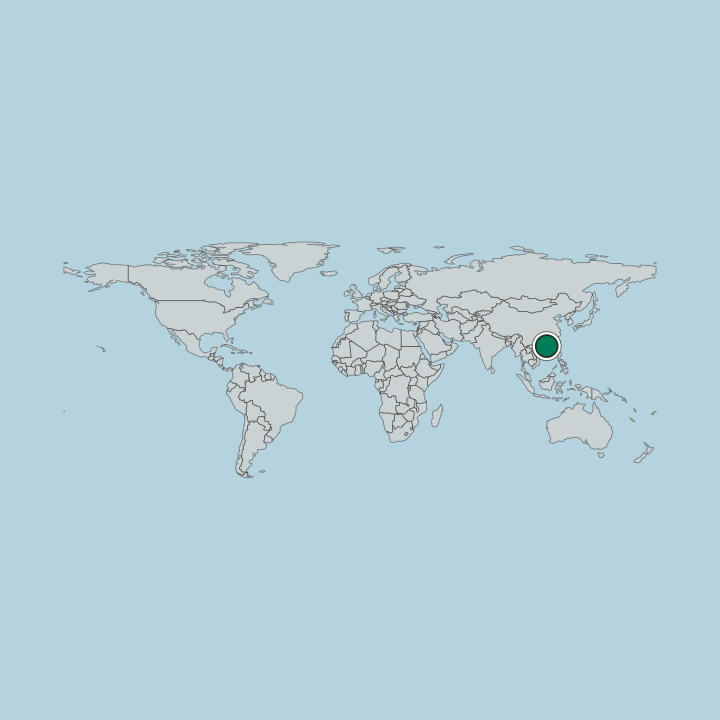
Macau sits on the western side of the Pearl River estuary, where the great river empties into the South China Sea on China's southern coast. It is tiny. The whole territory covers only a small stretch of land and reclaimed foreshore, yet it packs one of the densest populations on earth into that space.
Three main pieces make up the map. The Macau Peninsula reaches north to a narrow isthmus that joins it to the Guangdong city of Zhuhai, and this hilly former island, tied to the mainland by a slow build-up of sand, holds most of the old city. South of the peninsula lie the once-separate islands of Taipa and Coloane.
Between them stretches Cotai, a flat wedge of reclaimed land that filled the old Seac Pai bay and welded the two islands into one built-up block. Coloane stays the greenest corner, climbing to Coloane Alto, the highest ground in the territory. Land reclamation has done much of the work of making Macau bigger, pushing new shoreline out into the muddy estuary decade after decade. Hong Kong lies just across the mouth of the river to the east.
The sea is never far from any street here.
What is the history of Macau?
Macau began as a trading post. The Ming dynasty leased the small peninsula to Portuguese merchants around 1557, and it grew into the hinge of Portugal's trade between China, Japan, and Europe, moving silver, silk, and Ming porcelain through its harbour. For centuries the Portuguese paid ground rent and worked under Chinese sovereignty.
That changed in 1887, when the Sino-Portuguese treaty granted Portugal perpetual occupation, and Macau became a colony outright rather than a leased port. It was both the first European foothold in China and the last to leave. The end came in 1999.
On the twentieth of December that year, Portugal handed the territory back to the People's Republic of China, closing four and a half centuries of Portuguese rule. Macau returned as a Special Administrative Region, promised its own laws and capitalist system for fifty years under the "one country, two systems" arrangement it shares with Hong Kong. The long overlap of East and West left its mark in stone.
In 2005, the churches, squares, and fortresses of the old town were inscribed together as the Historic Centre of Macau, a UNESCO World Heritage Site. The past here is legible on the street.
What is Macau like?
Macau's culture grew in the seam between two worlds. Cantonese life from Guangdong sets the everyday rhythm, from the language of the markets to the incense curling inside the A-Ma Temple, the seafarers' shrine that may have given the place its name. Onto that base four centuries of Portuguese settlement added Catholic feast days, azulejo tilework, and cobbled squares.
The clearest fusion is on the plate. Macanese cuisine, born in the sixteenth-century households of Portuguese traders and their Asian families, folds African bird's-eye chilli, Indian spice, and Portuguese technique into Cantonese cooking. You taste it in minchi, in African chicken, in the caramel-topped custard of the Portuguese egg tart.
Street food is its own institution here. The bone-in pork chop bun, fried and pressed into a milk roll, has been sold in Taipa Village since 1968, and almond cookies and jerky crowd the stalls around Senado Square. Religion runs double as well, with Chinese temples and baroque churches standing streets apart.
Festivals follow both calendars, the lunar and the liturgical. Two heritages, one small city.
What is the climate of Macau?
Macau runs humid and subtropical, shaped by the monsoon off the South China Sea. Summers are hot and wet. From April into September the air turns heavy, the rain arrives in bursts, and the estuary can send typhoons ashore that shutter the ferries and the airport for a day.
Winters are mild and much drier, cool enough for a jacket after dark. Humidity rarely lets go, holding high across the year. Autumn is the calmest window.
How do you get to Macau?
Most travellers arrive by water or across a bridge. Ferries run all day from Hong Kong, crossing the mouth of the Pearl River estuary to the terminals on the Macau Peninsula and Taipa in about an hour. The Hong Kong-Zhuhai-Macau Bridge carries shuttle buses over the sea from Hong Kong's airport, and land crossings link the territory to Zhuhai in Guangdong.
Macau International Airport, built on reclaimed ground off Taipa, handles regional flights. Every district lies close.
Good for
Updated September 2026