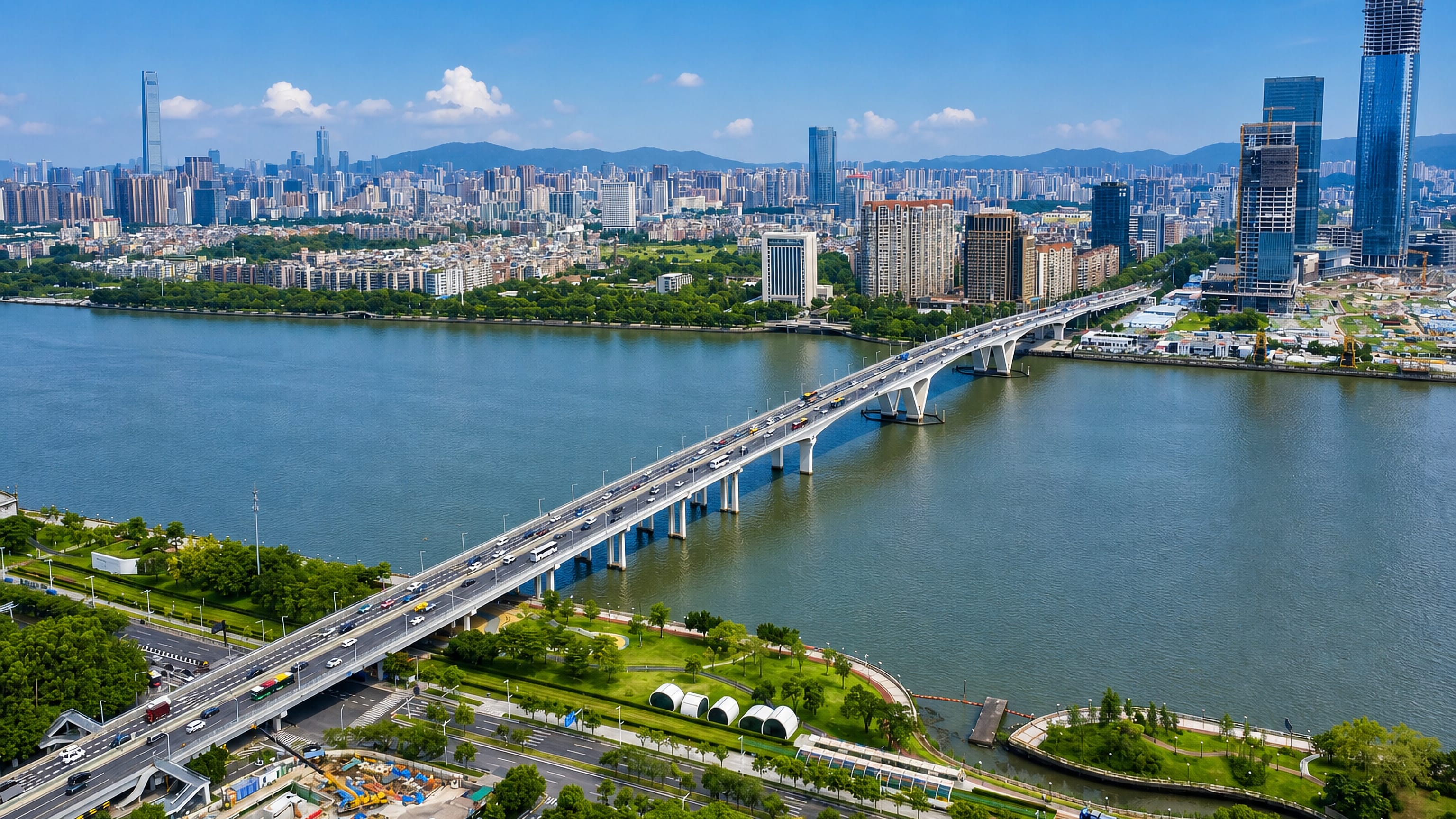
China
Guangdong, China — Towns & Travel Guide
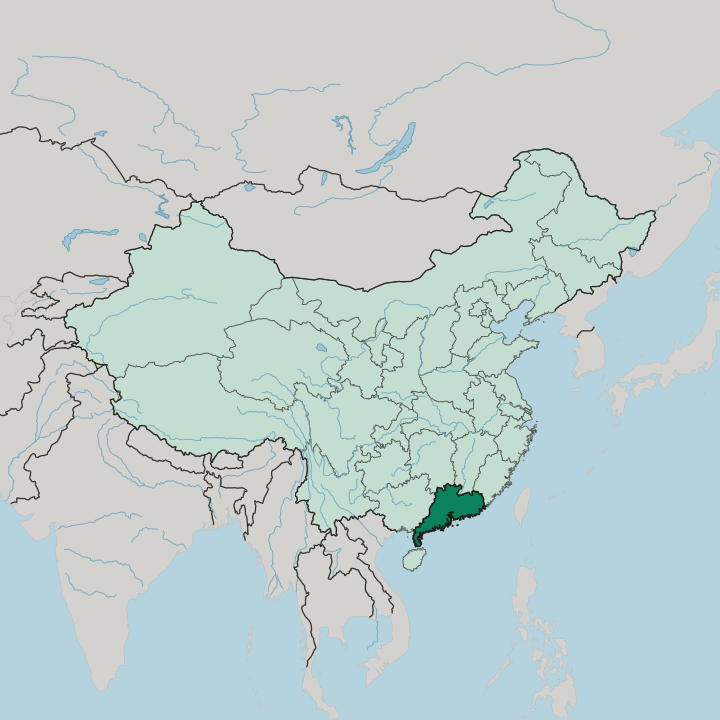
Guangdong is a coastal province in South China on the north shore of the South China Sea, with Guangzhou as its capital and Shenzhen nearby.
Hotel links are affiliate links: booking through them may earn us a commission, at no extra cost to you. It never affects how places are ranked. How this works


Towns & cities in Guangdong
Pick a town or city — each links to where to stay.
 China
China
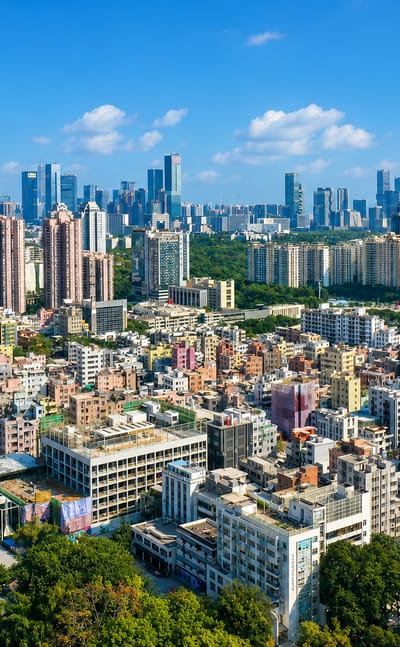
Shenzhen
Shenzhen rises on the east bank of the Pearl River estuary beside Hong Kong, a special economic zone in Guangdong known for enterprise and towers.Where to stay →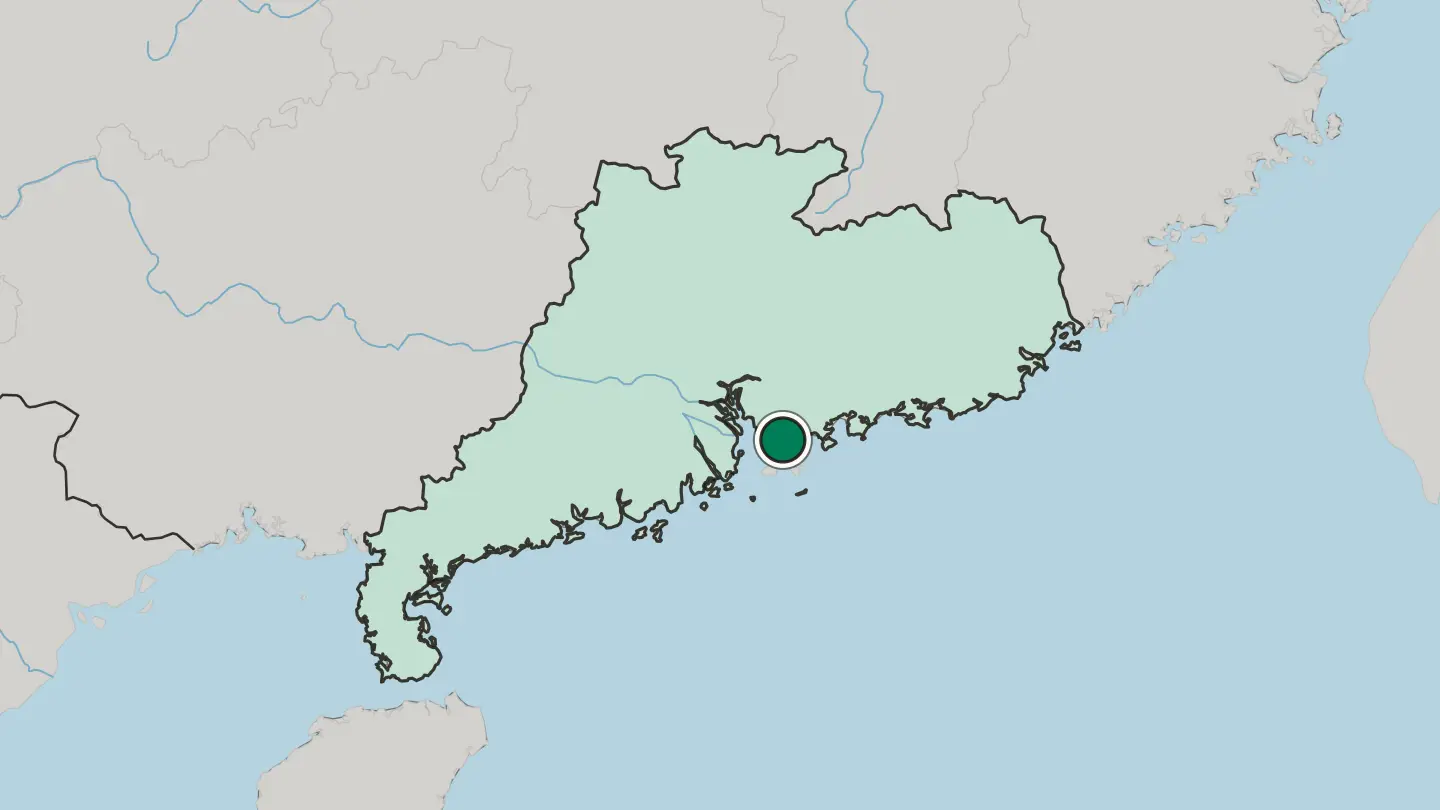
 China
China
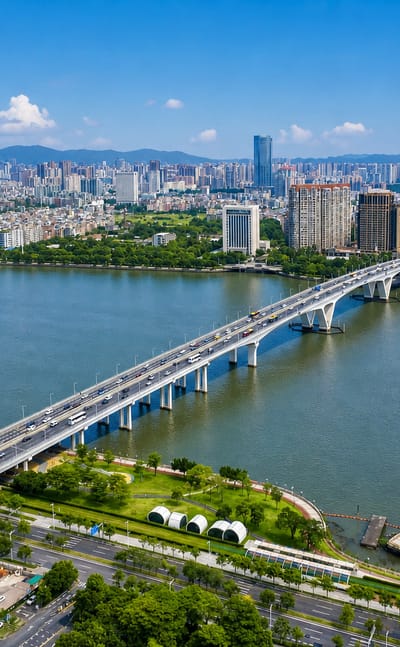
Guangzhou
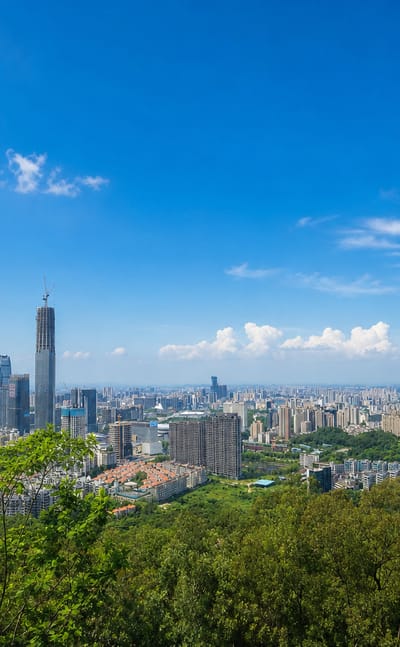
Guangzhou lines the Pearl River, the old port of Canton and capital of Guangdong, known for the Chen Clan Academy and Sacred Heart Cathedral.Where to stay →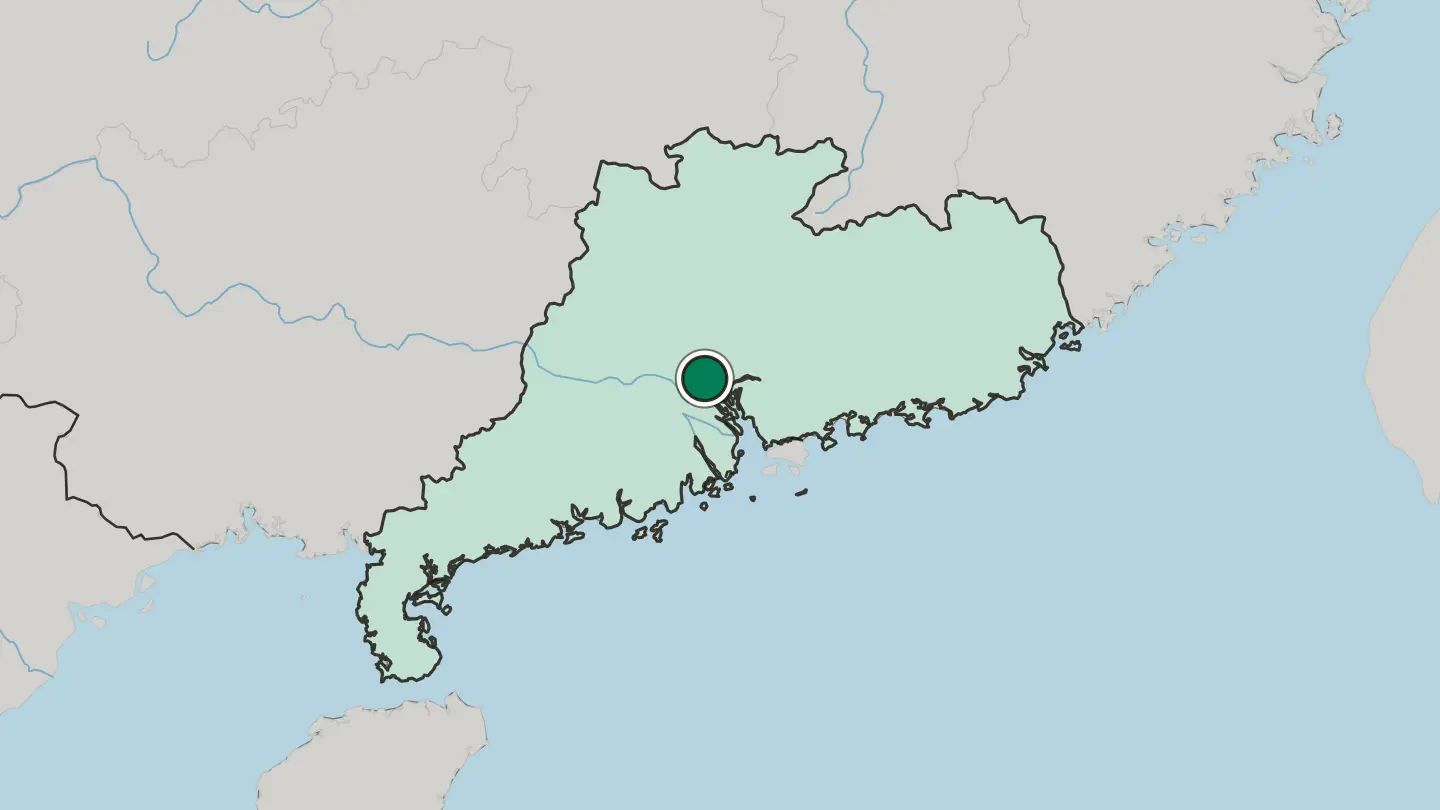
 China
China
Dongguan
Factory towns crowd the Pearl River at Dongguan, an industrial city in central Guangdong known for the classical garden of Keyuan and the Humen Batteries.Where to stay →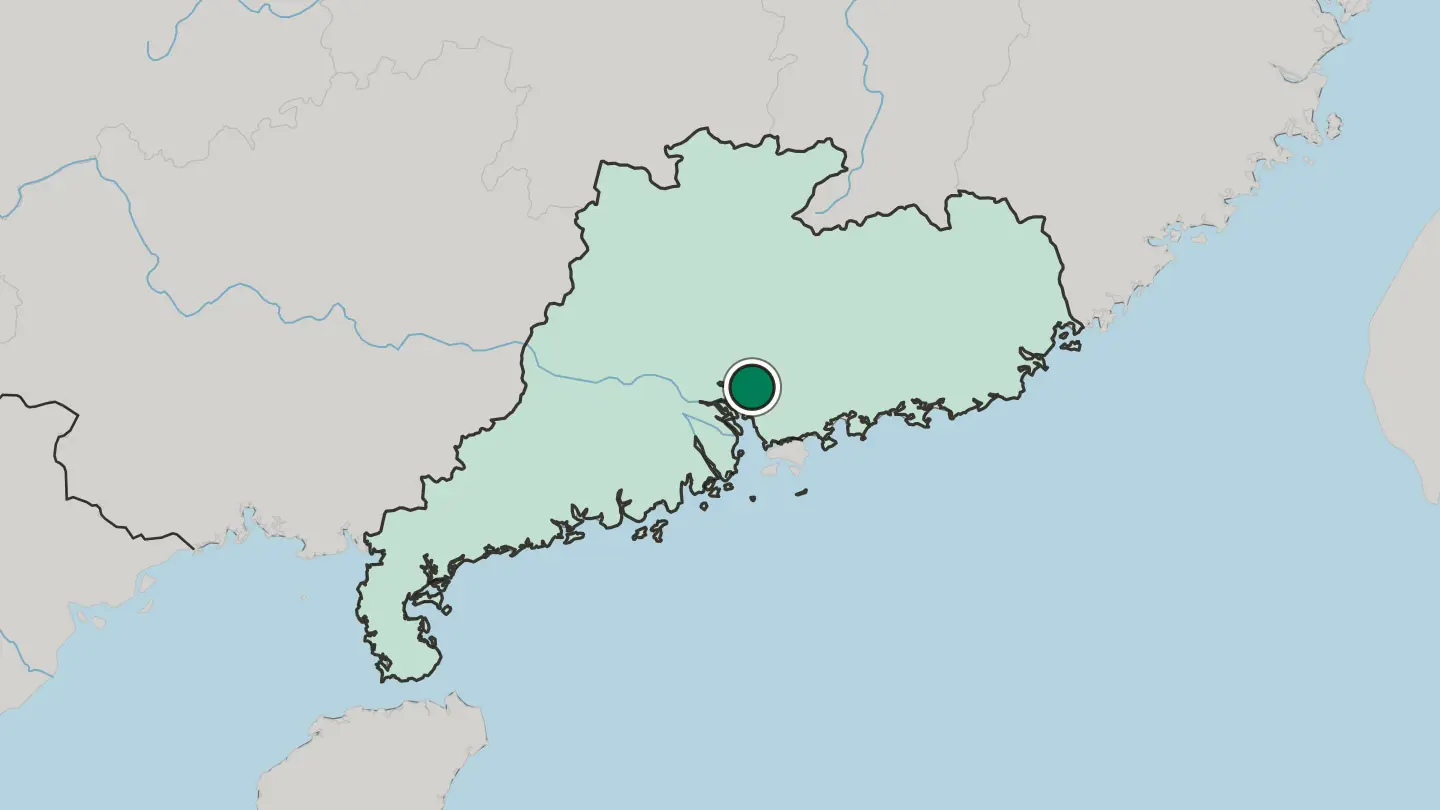
 China
China
Foshan
Foshan is a city in the Pearl River Delta of Guangdong, China, a famous cradle of southern martial arts and Cantonese craft.Where to stay →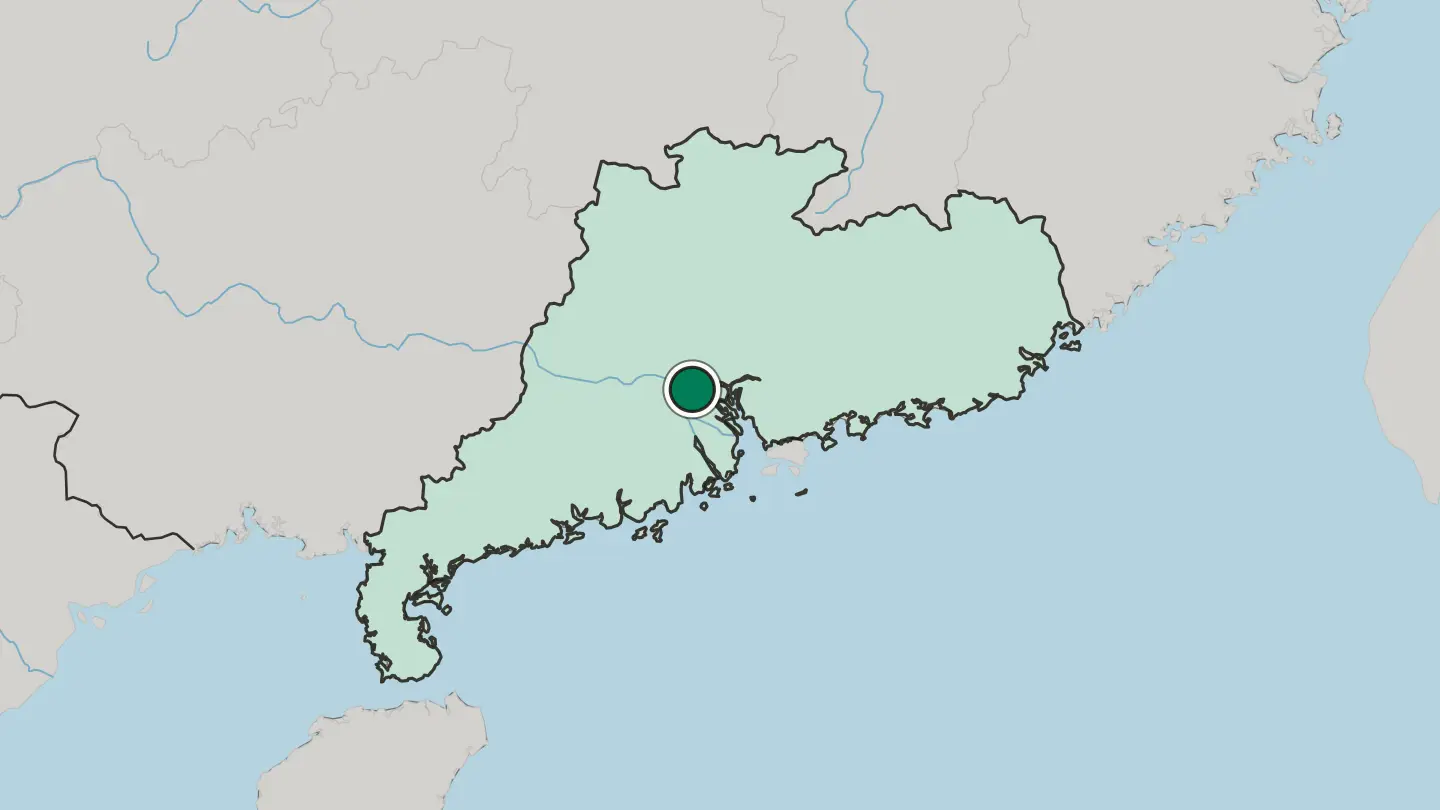
 China
China
Zhongshan
Zhongshan is a Guangdong city of the Pearl River Delta, birthplace of Sun Yat-sen, with a core once called Shiqi or Shekki.Where to stay →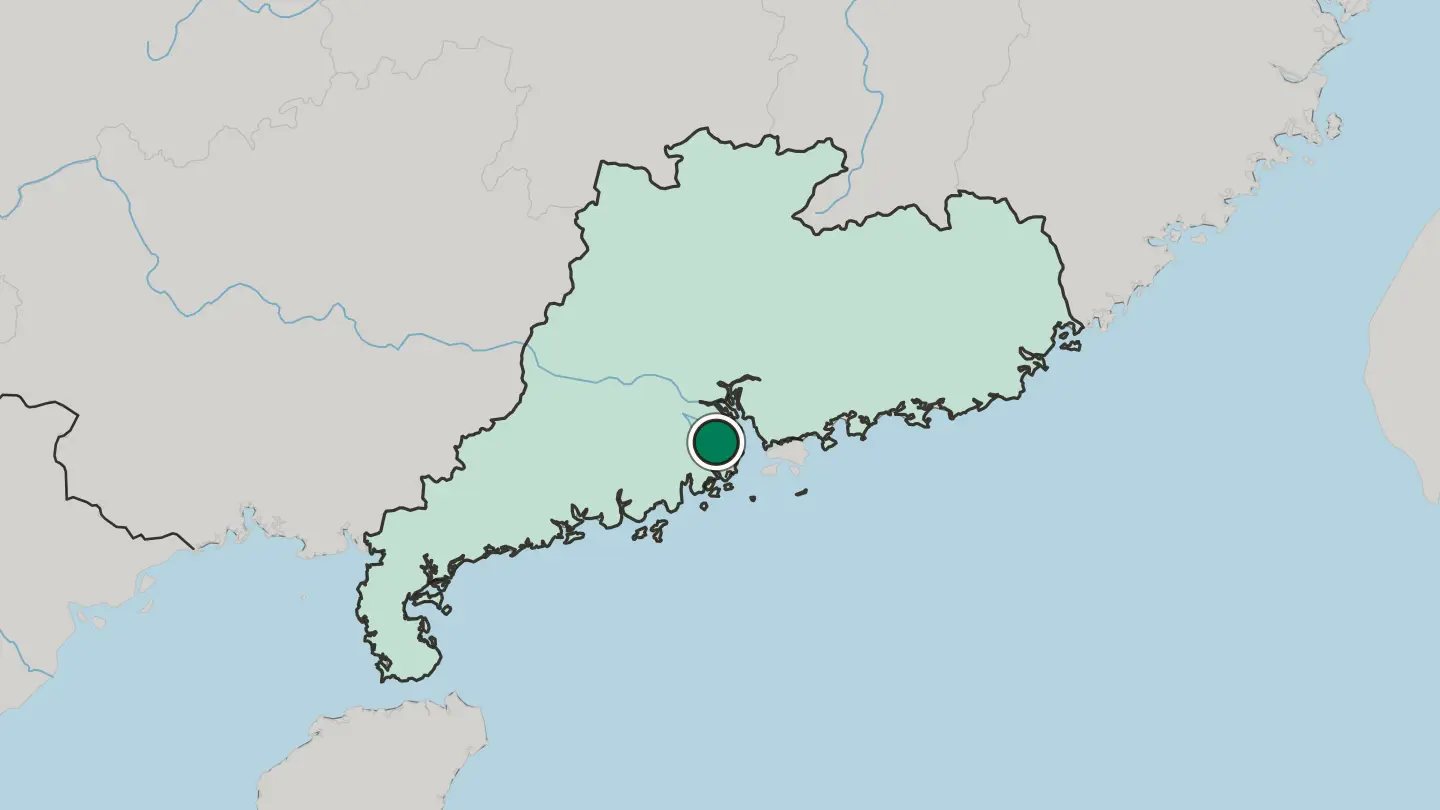
 China
China
Shantou
Shantou is a city of eastern Guangdong in China, the port of the Chaoshan country, an old treaty harbour and the heart of Teochew culture.Where to stay →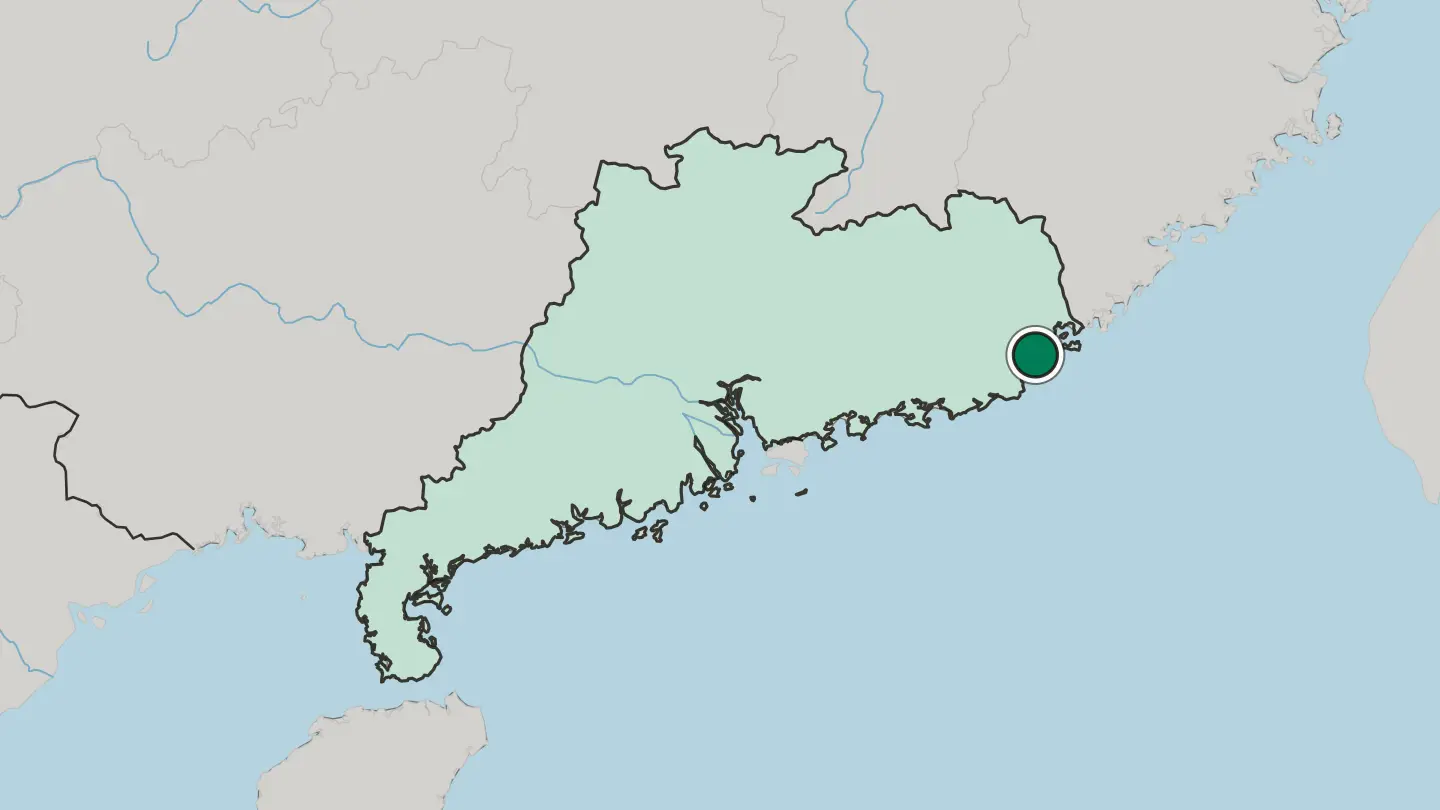
 China
China
Huizhou
Huizhou is a city of eastern Guangdong in China on the Dong River, an old lake town of poets and temples, east of the Pearl River delta.Where to stay →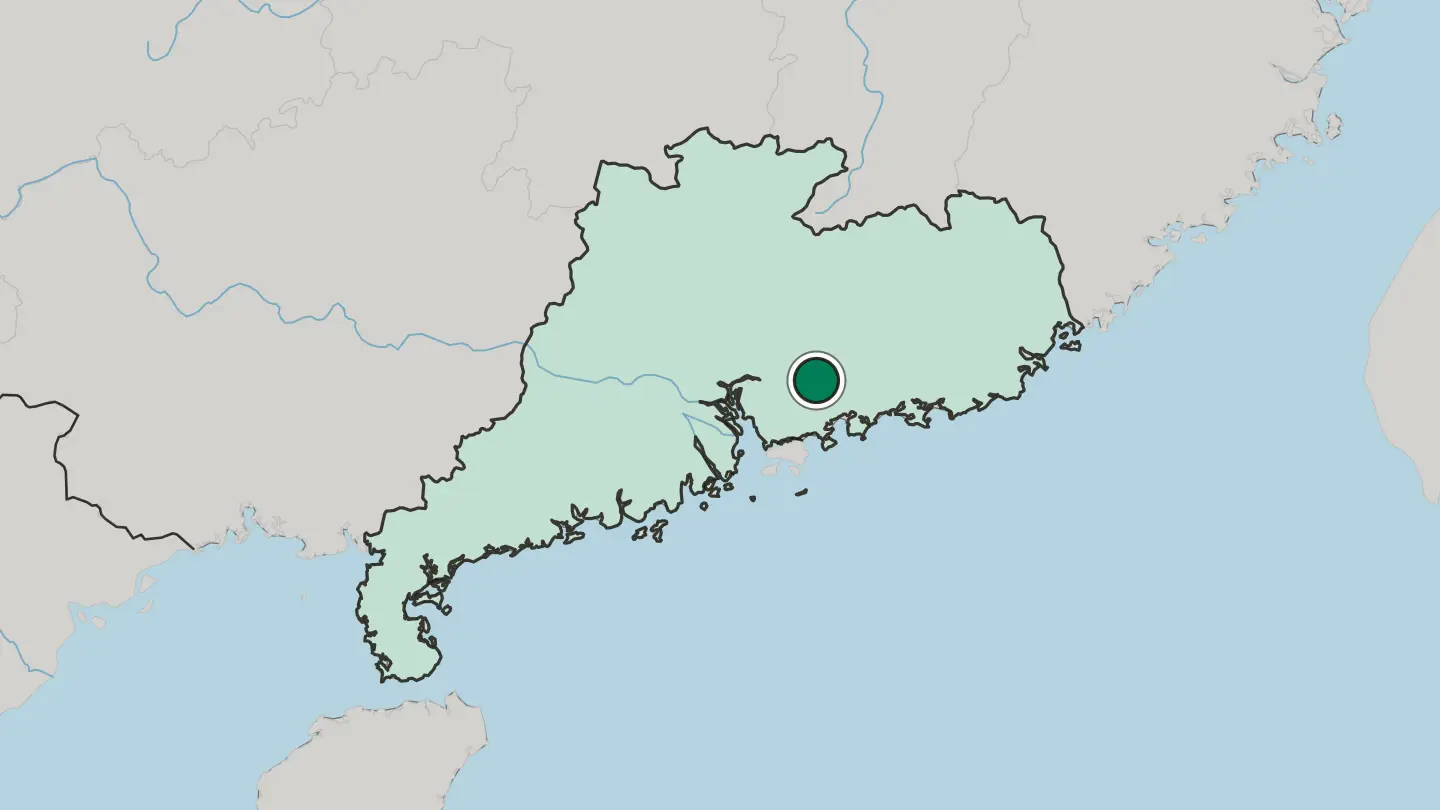
 China
China
Zhuhai
Zhuhai is a city of Guangdong in south China, a garden city on the Pearl River by Macau, known for its coastline, islands, and the sea bridge to Hong Kong.Where to stay →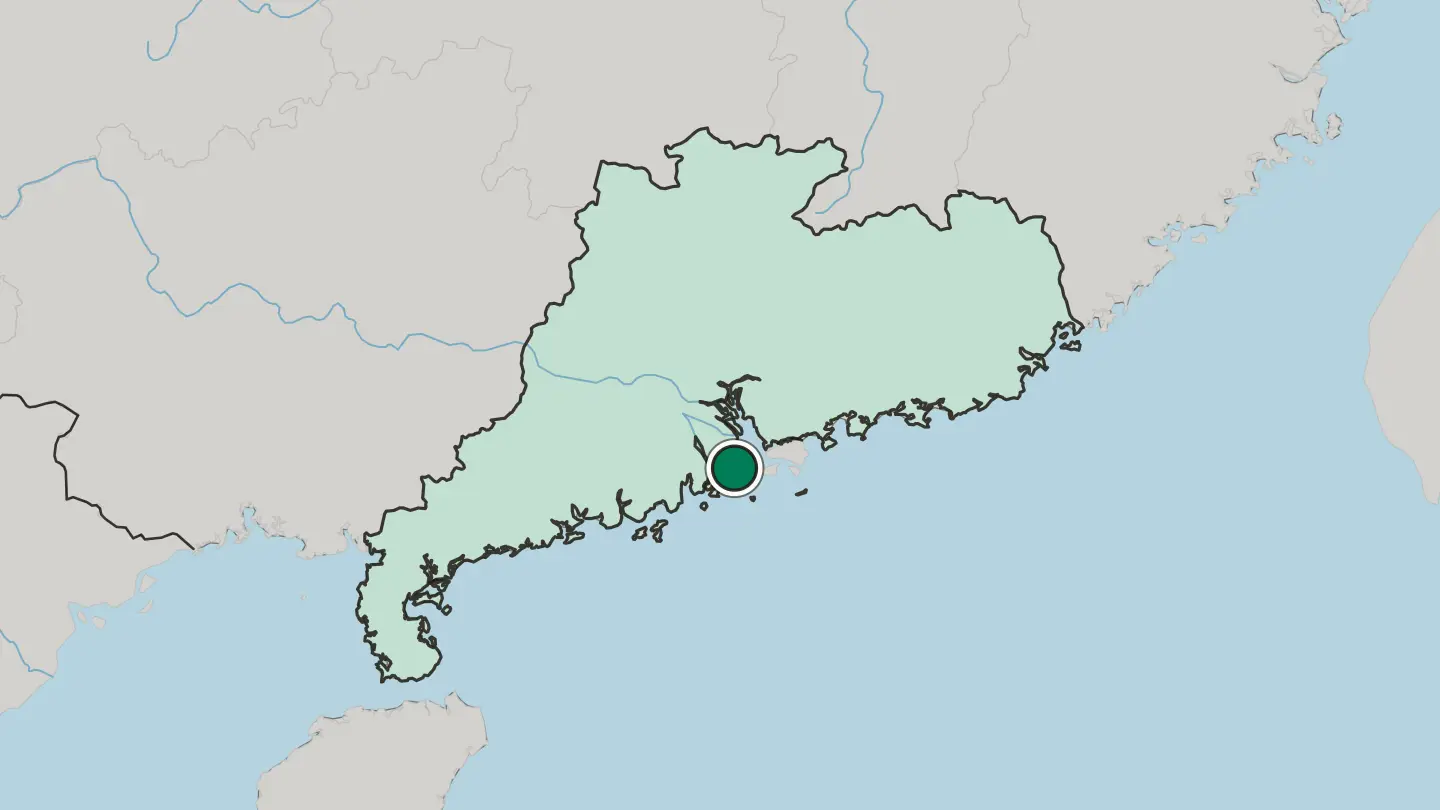
All towns & cities (20)
 China
China
Jieyang
Jieyang is a prefecture-level city in eastern Guangdong, a Chaoshan town of temples, arcades and old alleys rather than tall buildings.Where to stay →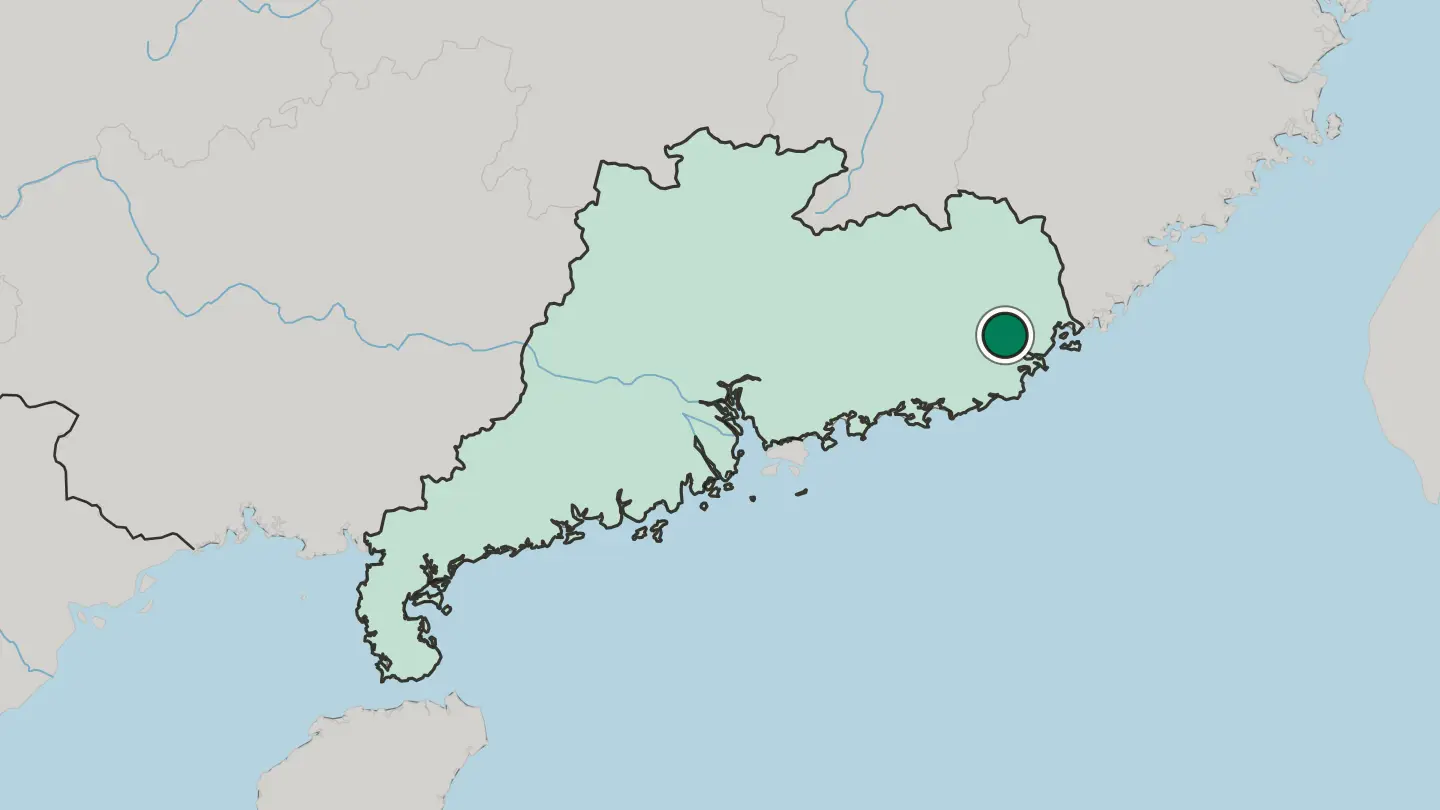
 China
China
Jiangmen
Jiangmen is a city of central Guangdong in China on the West River, the ancestral town of countless overseas Chinese, near the fortified towers of Kaiping.Where to stay →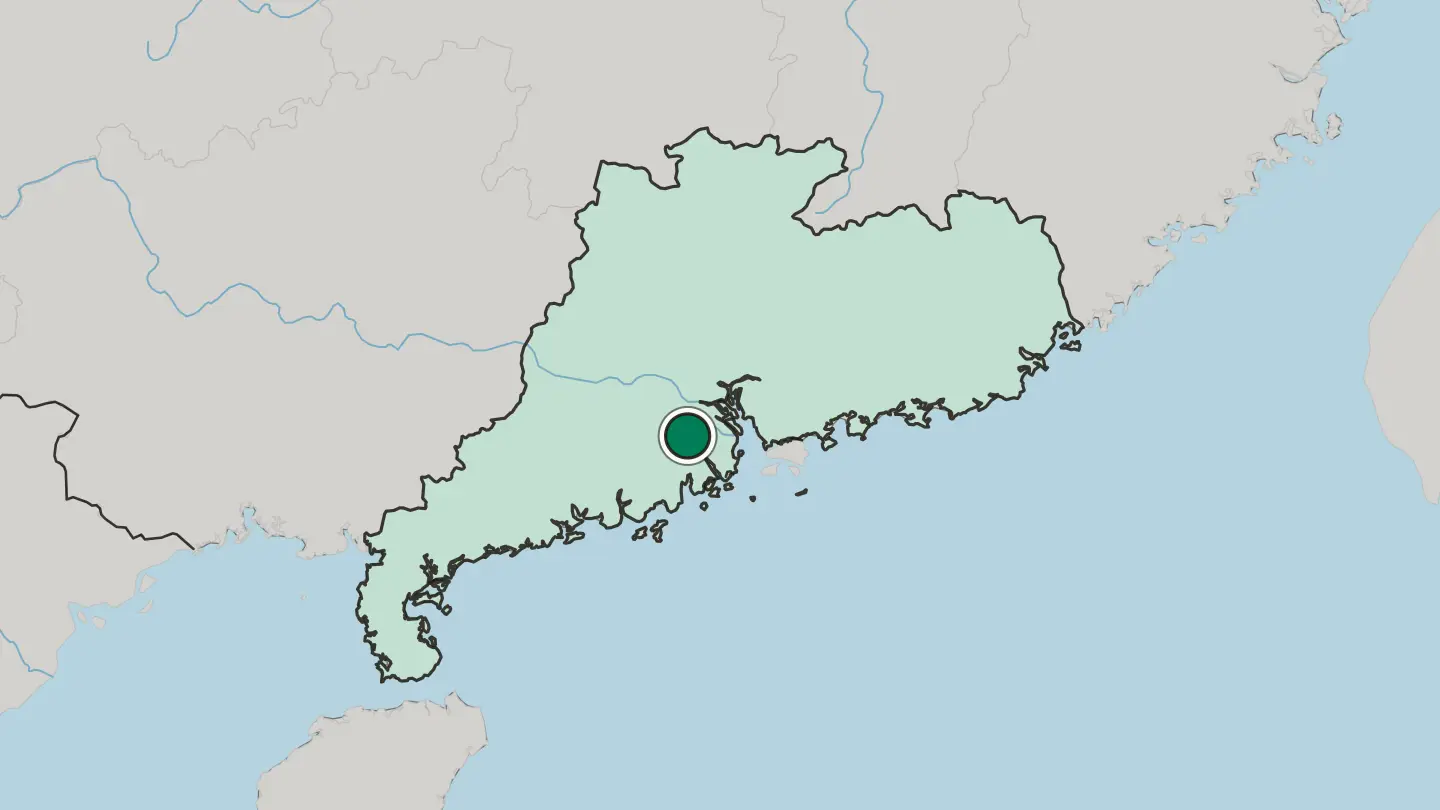
 China
China
Chaozhou
Chaozhou is an ancient city on the Han River in eastern Guangdong, China, the heartland of Teochew culture, famed for its old bridge and walled town.Where to stay →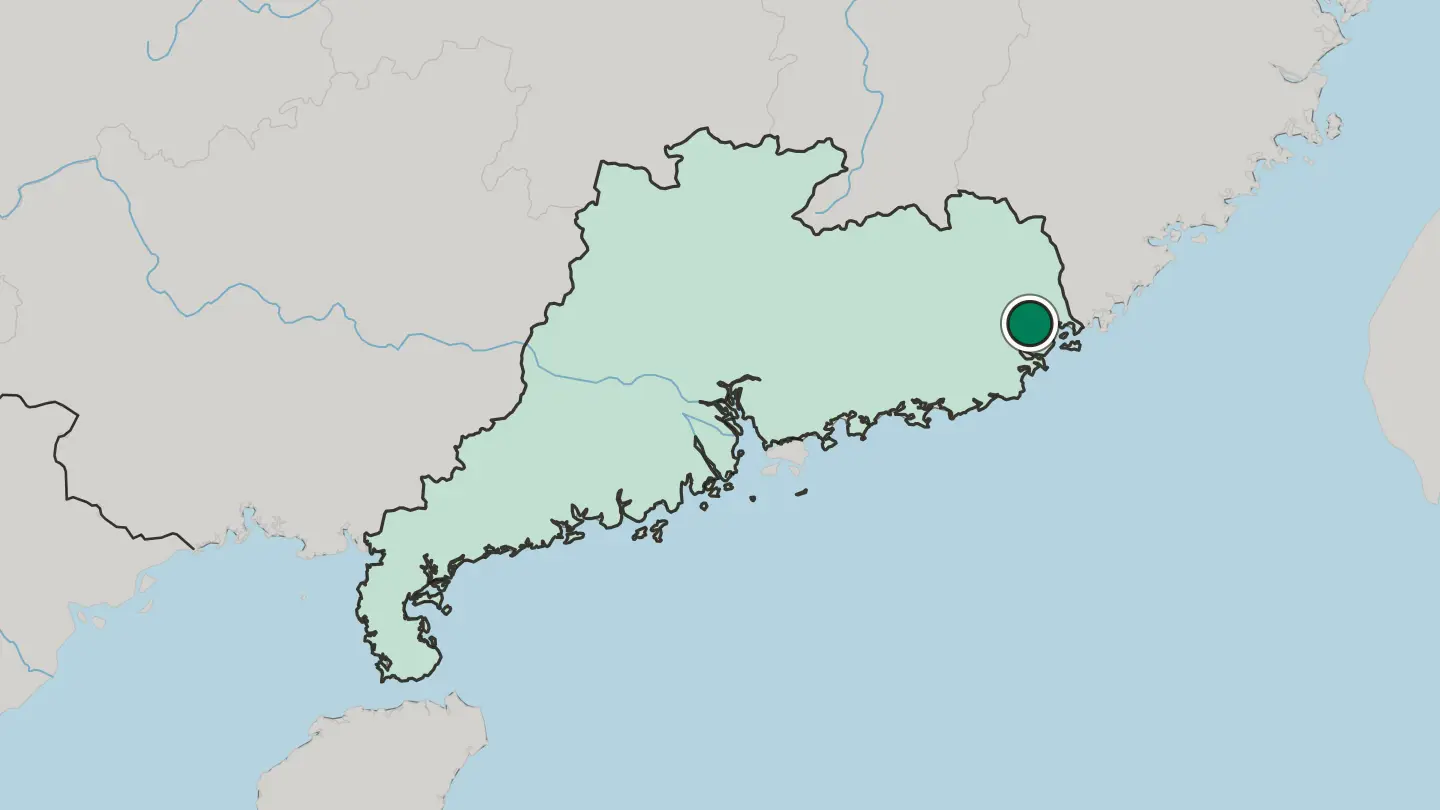 China
China
Qingyuan
Qingyuan is a prefecture-level city on the Bei River in Guangdong, China, the province's largest division by land area.Where to stay →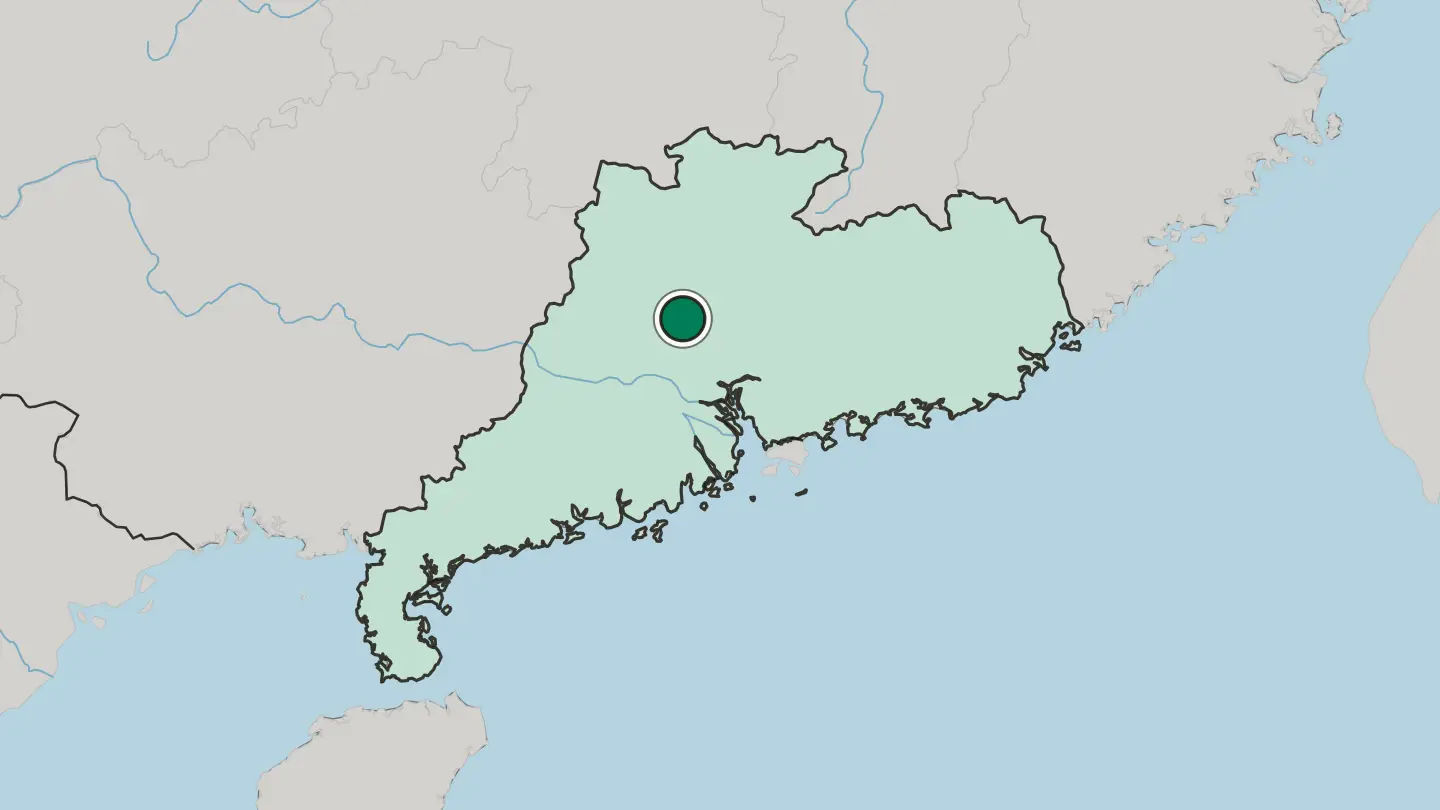
 China
China
Zhaoqing
Zhaoqing, romanized also as Shiuhing, is a Guangdong prefecture-level city whose Seven Star Crags rise from the Xinghu Scenic Area.Where to stay →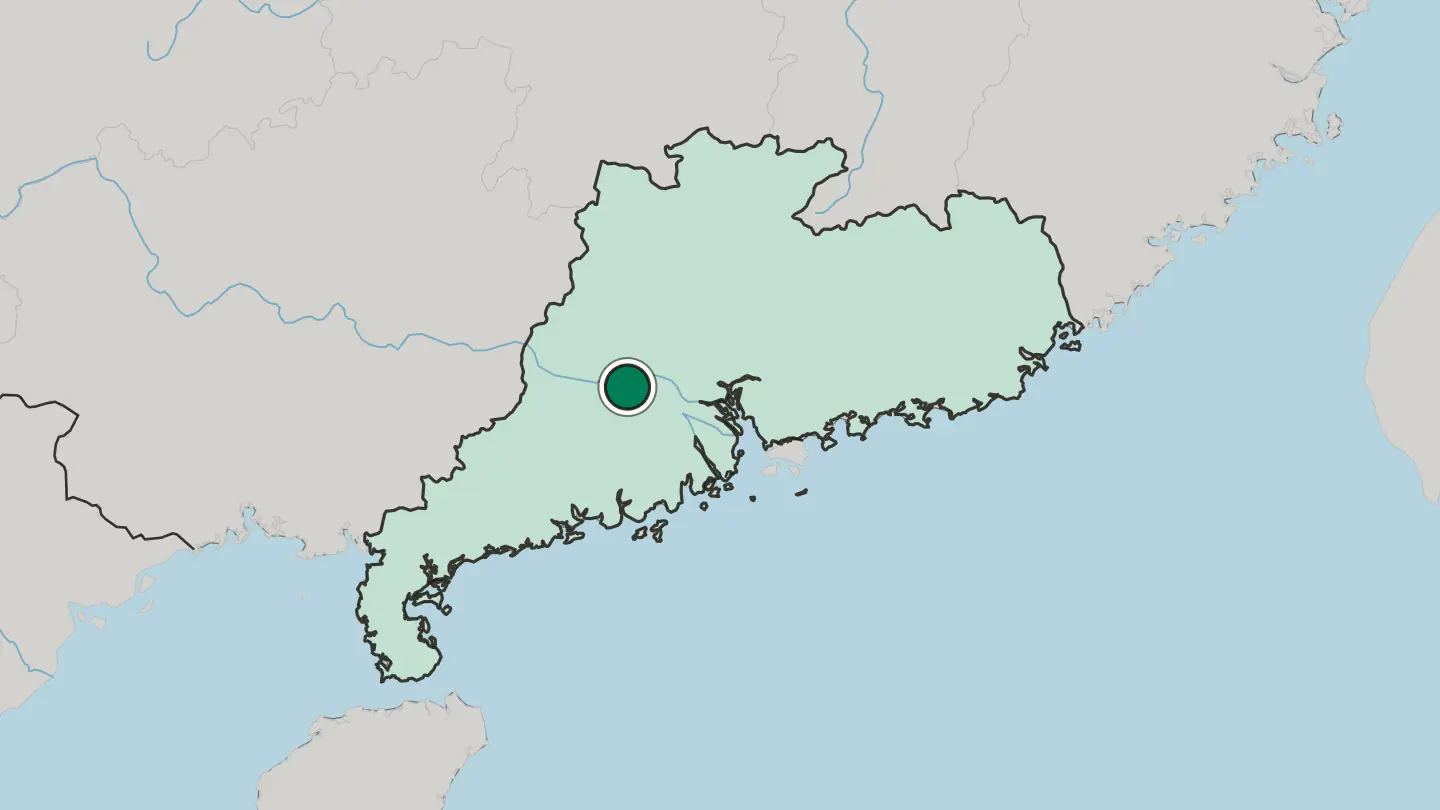
 China
China
Zhanjiang
Zhanjiang is a city of south Guangdong in China on the Leizhou peninsula, an old French treaty lease turned port, ringed by mangroves and a volcanic lake.Where to stay →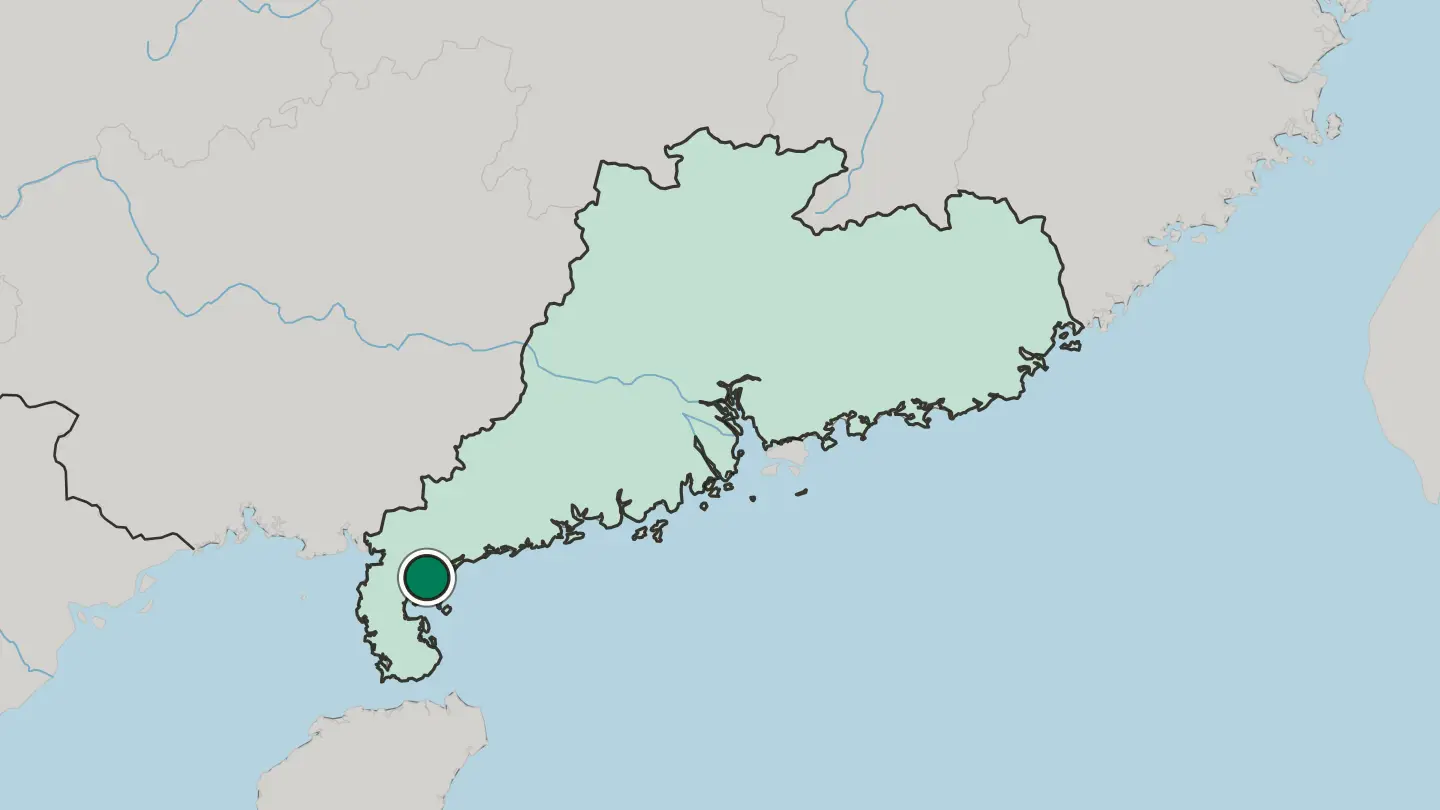
 China
China
Maoming
Maoming is a petrochemical port city in southwestern Guangdong, facing the South China Sea and administering Xinyi, Gaozhou and Huazhou.Where to stay →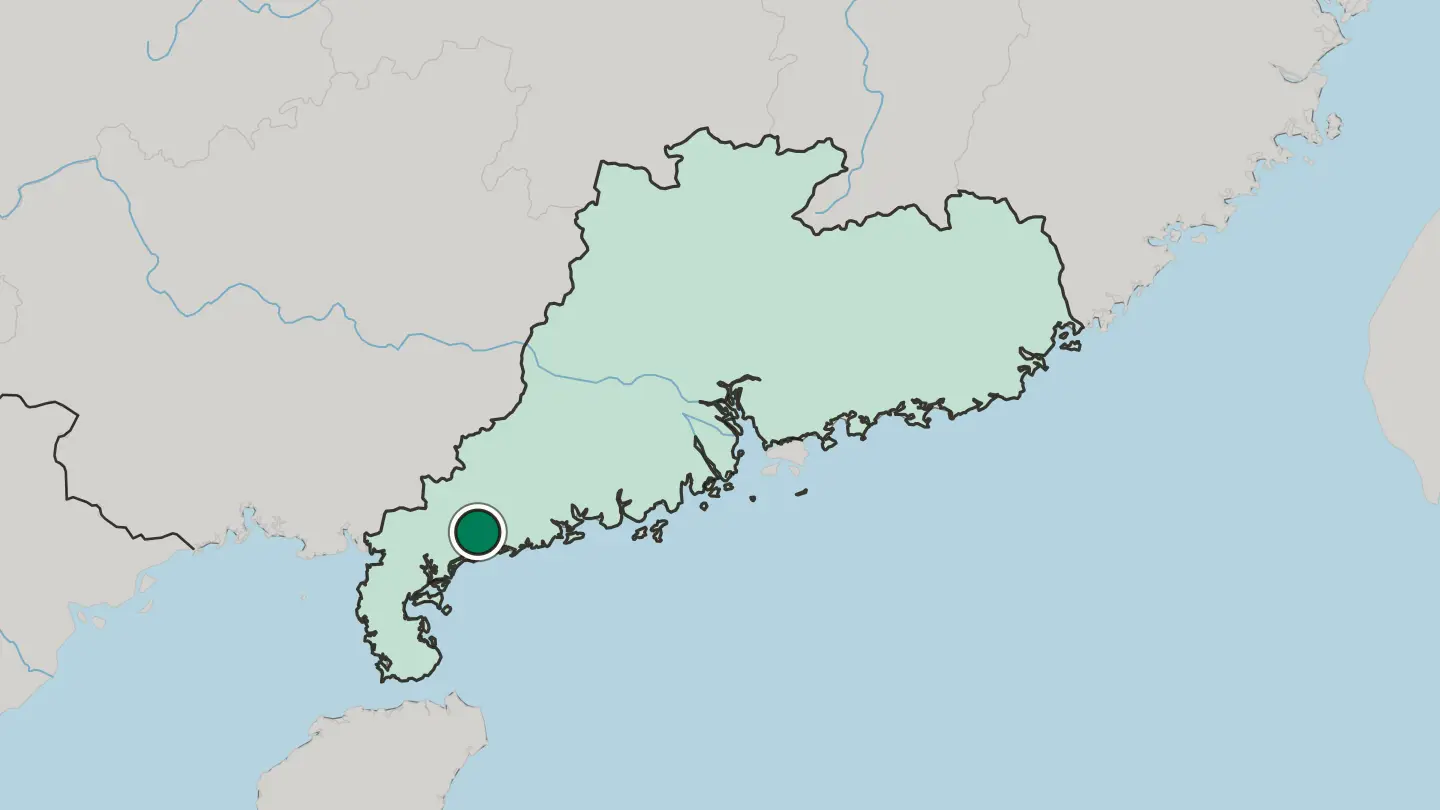
 China
China
Yangjiang
Yangjiang is a coastal prefecture-level city in Guangdong, China, facing the South China Sea, with Hailing Island lying offshore.Where to stay →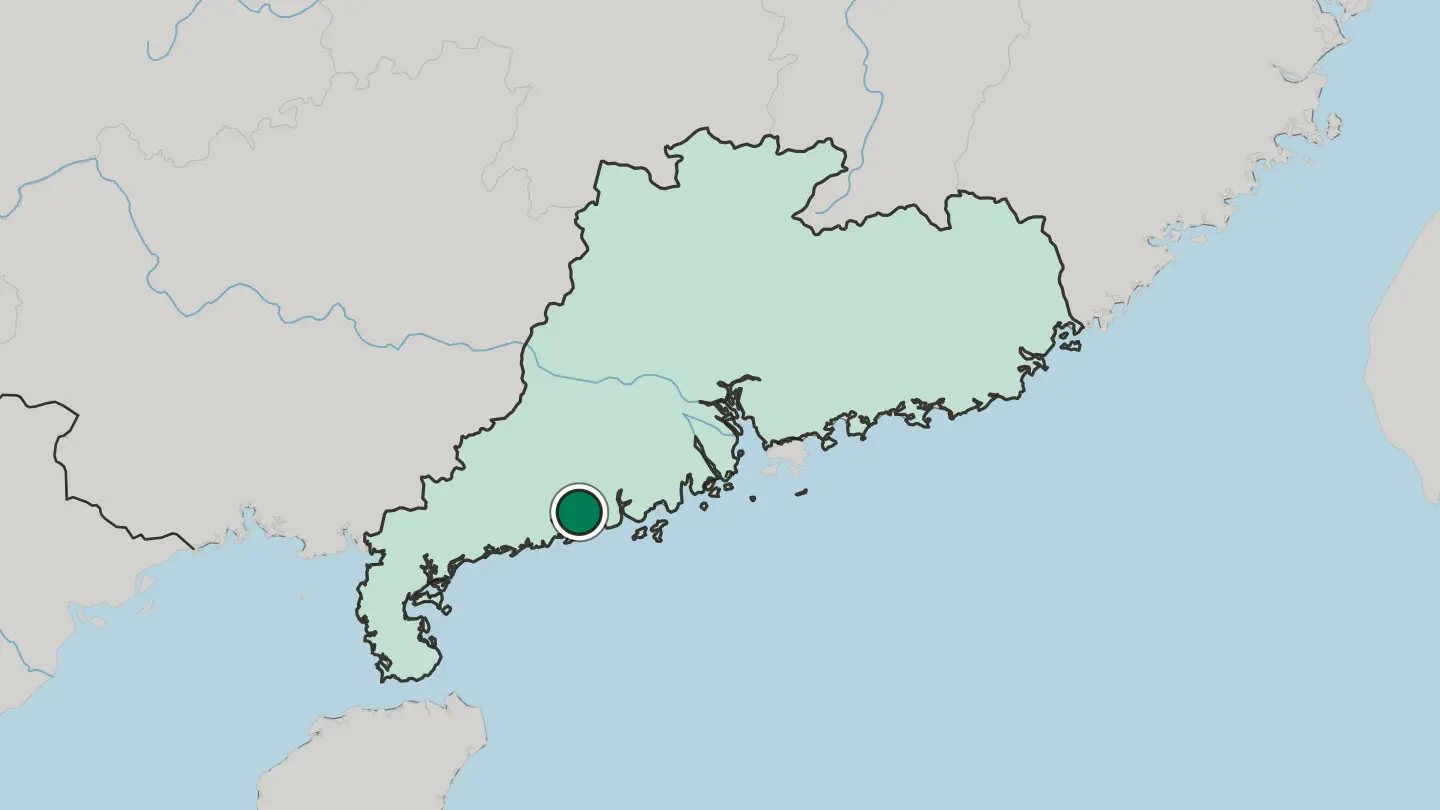
 China
China
Shaoguan
Shaoguan is a prefecture-level city in Guangdong, China, set among the Mount Danxia landforms and holding the remains of the Zen patriarch Huineng.Where to stay →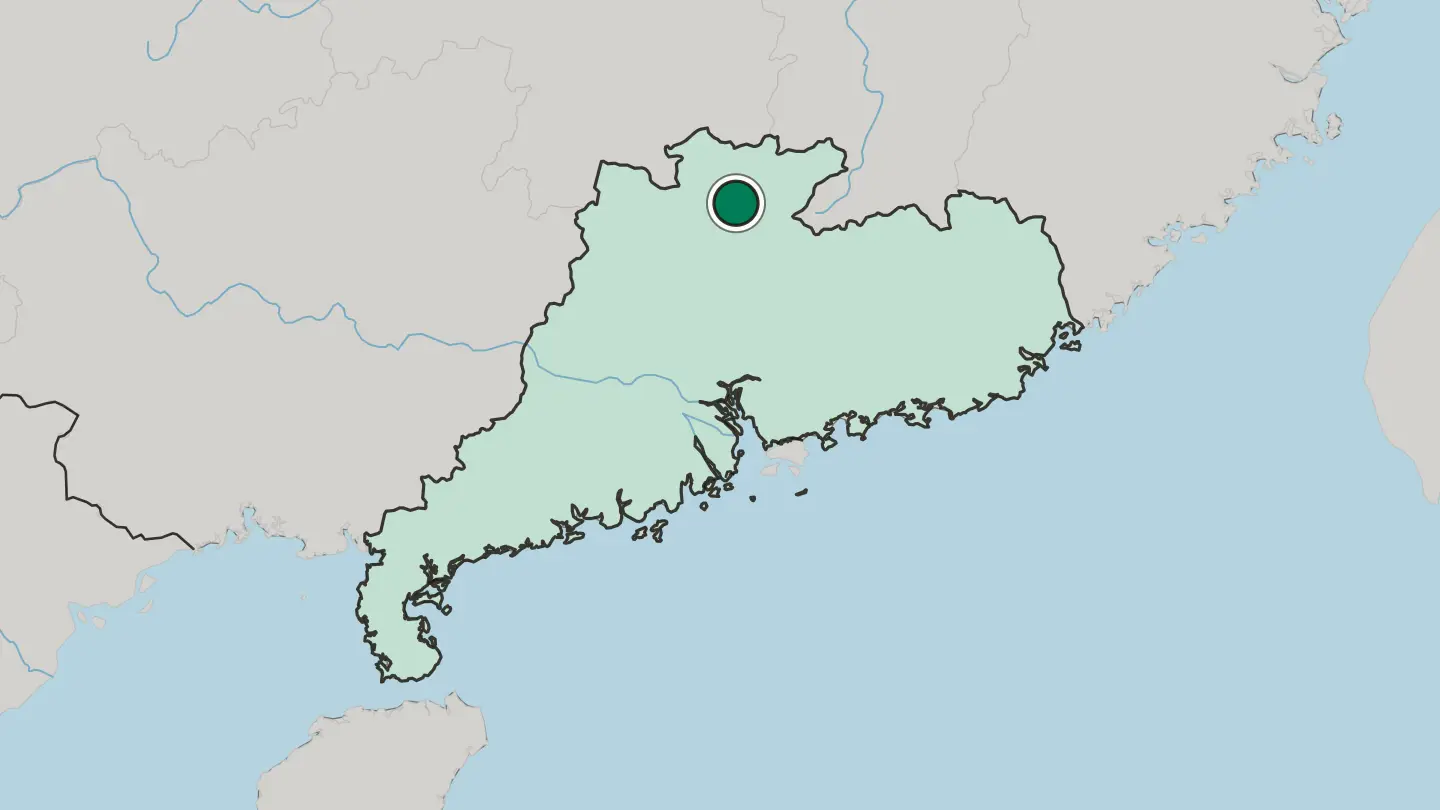
 China
China
Meizhou
Meizhou is a prefecture-level city in Guangdong, titled Hometown of the Overseas Hakka Chinese and built from Meijiang District and Meixian District.Where to stay →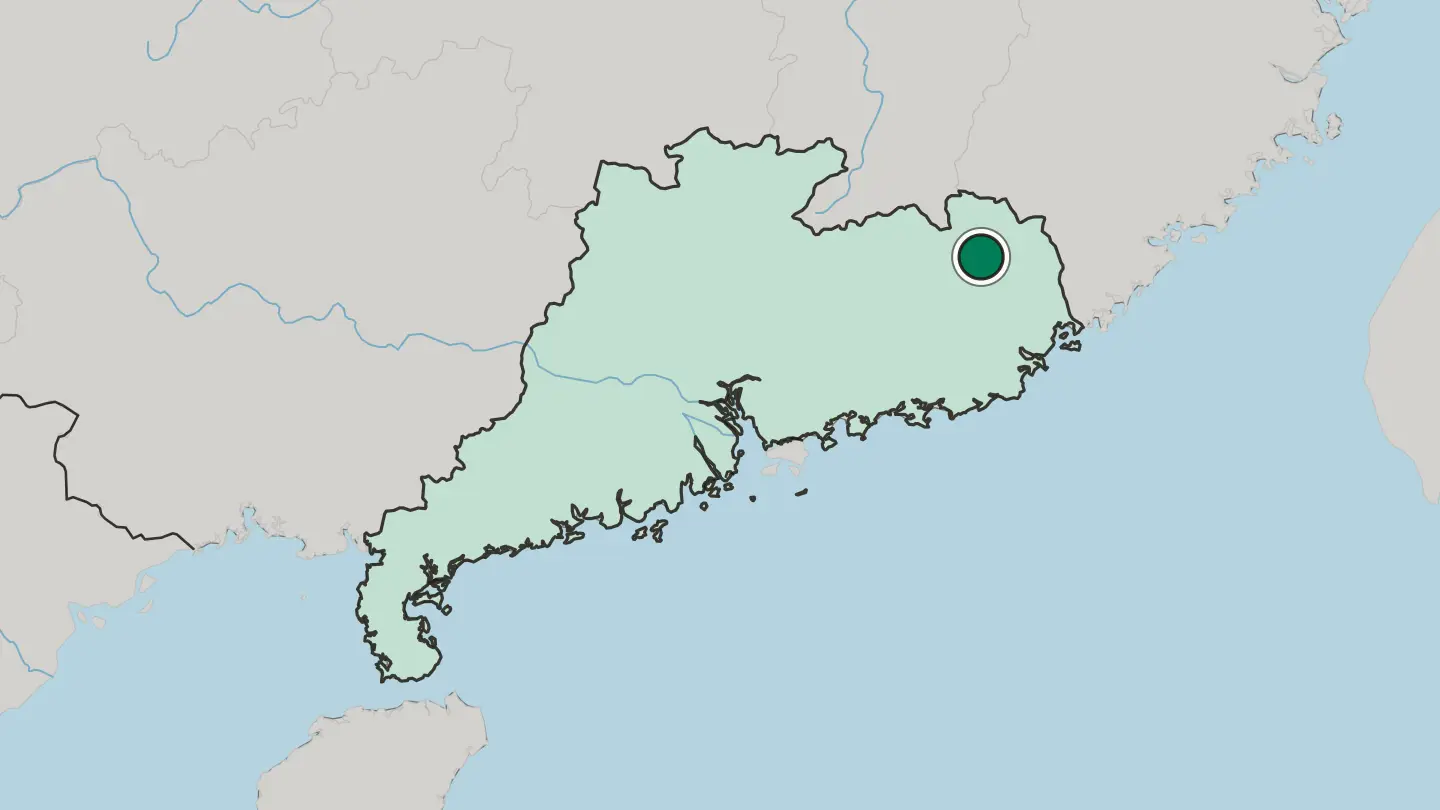 China
China
Heyuan
Heyuan is a prefecture-level city in Northern Guangdong, known for Hakka culture, dinosaur egg fossils and the Xinfengjiang Reservoir.Where to stay →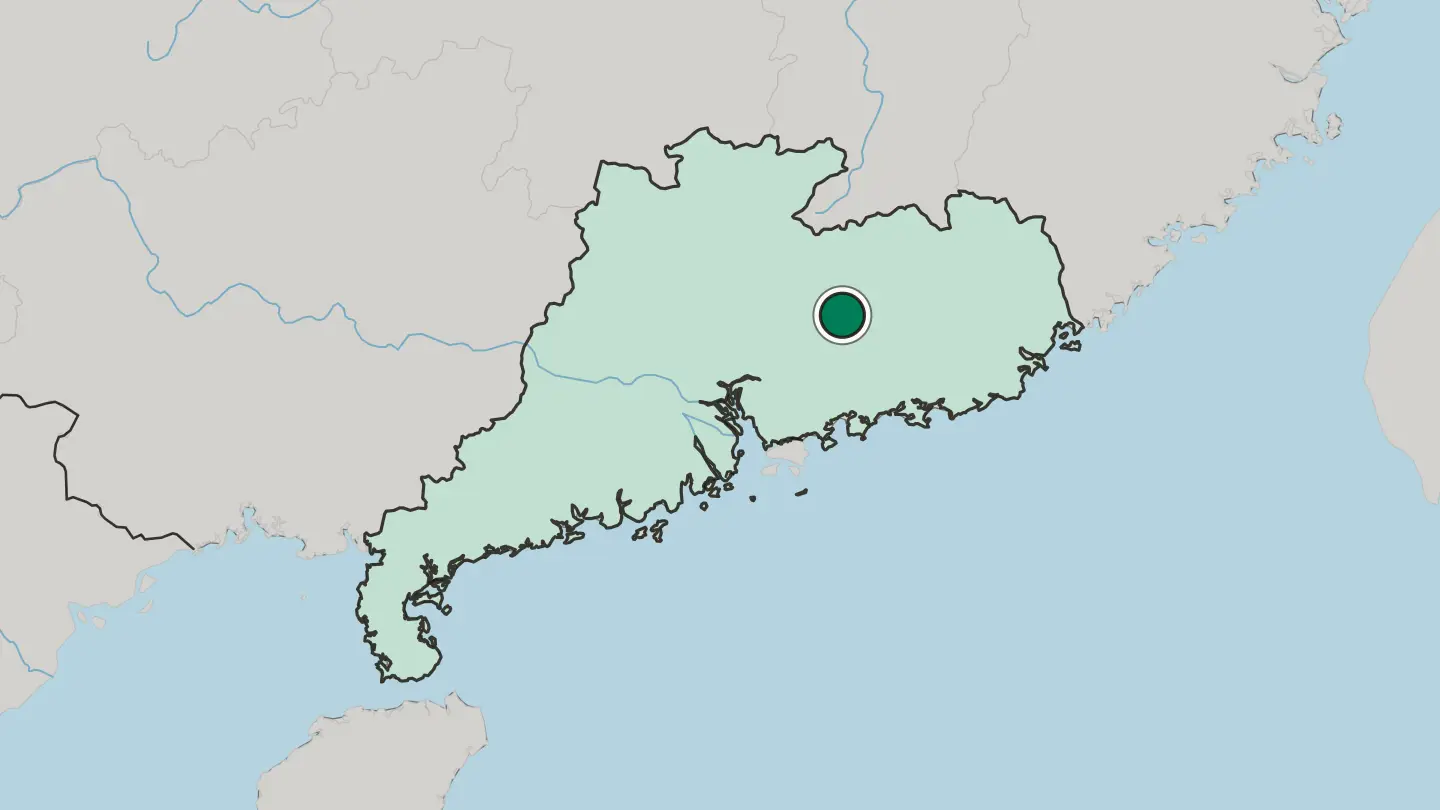
 China
China
Taishan
Taishan is a city of Guangdong in southern China, the ancestral county of many overseas Chinese, a land of watchtowers and remittance mansions by the sea.Where to stay →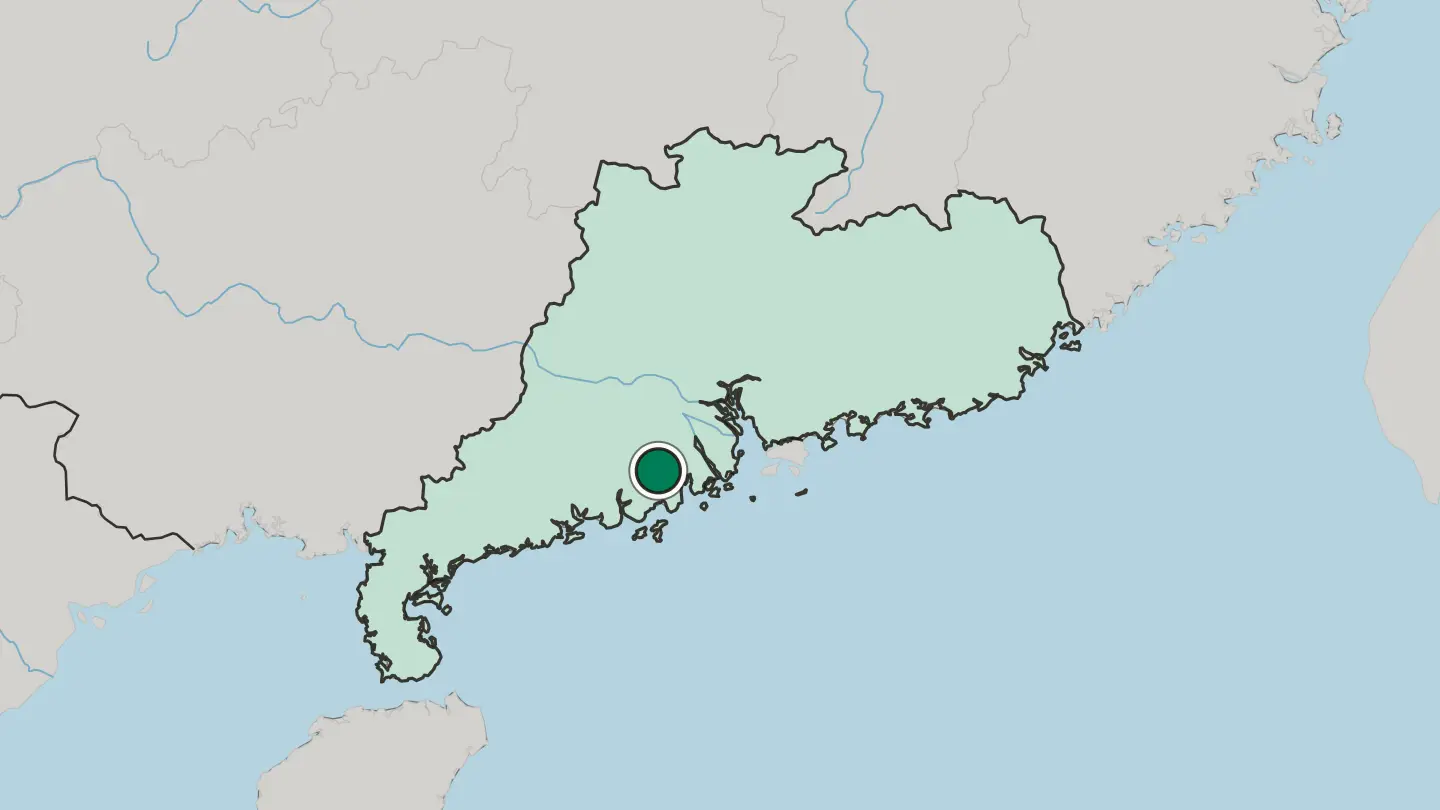
Hotel links are affiliate links: booking through them may earn us a commission, at no extra cost to you. It never affects how places are ranked. How this works
About Guangdong
What is Guangdong known for?
Guangdong is known as the trading coast of South China, the province that has linked China to the wider world for centuries. Guangzhou, its capital, and the newer city of Shenzhen anchor a coast built on manufacturing and maritime trade. Sea trade was the point.
The province faces the South China Sea and borders Hong Kong and Macau, and it became the ancestral home of many overseas Chinese and a long-standing centre of commerce. Its cuisine is famous well beyond its borders.
Where is Guangdong?
Guangdong is a coastal province in South China, stretched along the north shore of the South China Sea. The sea sets its character. A long, indented coastline of ports, river mouths, and beaches faces the open water, and it is this seaboard that made the province a meeting point between China and the wider world.
Inland, the land rises into green mountains and hills, with villages and farmland folded between the ranges and the valleys that run down between them. Guangzhou, the capital, sits inland along the province's rivers, while Shenzhen lies on the coast near the border with Hong Kong. Macau borders the province as well.
Among China's provinces it is one of the larger by area, ranking around fifteenth, though its real weight comes from the density of its coast rather than its sheer size. The climate is warm and southern. Rivers drain from the interior hills down toward the lowlands and the sea, threading the ground where most of the cities have grown.
From its mountains down to its shoreline, Guangdong tilts south toward the South China Sea.
What is Guangdong like?
Guangdong has a culture turned outward, shaped by the sea and by centuries of contact with the wider world. As the trading coast of South China, the province learned early to send its people abroad, and it became the ancestral homeland of many overseas Chinese whose ties still run back to these towns and villages. That diaspora is central.
Its food carries the culture furthest, a cuisine famous well beyond China, built on fresh ingredients and careful technique and copied around the world. Guangzhou, the old trading city, and Shenzhen, the newer one, give the province two faces, one long-settled over centuries and one built in the modern era. Proximity to Hong Kong and Macau has long tied Guangdong into a wider coastal world of commerce and exchange.
Markets, kitchens, and the tables of its cities hold the everyday life of the region. Language and custom here differ from the north of the country, a distinct southern identity grown along the South China Sea. The culture looks to the water.
What Guangdong makes and cooks has travelled with its people across the world.
What is the history of Guangdong?
Guangdong's history is a history of the sea. For centuries the province was China's great window on the outside world, its ports carrying maritime trade far beyond the coast of South China. That commerce drew the province into contact with distant lands and sent its own people abroad, making Guangdong the ancestral homeland of many overseas Chinese.
Trade shaped everything here. When the People's Republic of China was proclaimed in 1949, the coast remained the country's link to the wider world of commerce. Guangzhou anchored that long trading story, with Shenzhen rising later as its modern counterpart.
What is the climate of Guangdong?
Guangdong has a warm, southern climate along the South China Sea. Summers are long, hot, and humid, swept by heavy monsoon rains off the water and the storms that build over the South China Sea. Winters are short and mild, rarely turning cold.
The coast stays green through the year. Rain is heaviest in the warm months, when the air turns thick and wet. This is a subtropical to tropical climate, among the warmest in China.
How do you get to Guangdong?
Guangdong is easy to reach through Guangzhou and Shenzhen, its two main cities. Both anchor a busy stretch of the South China coast, well linked to the rest of the country and to the world beyond. The coast has always drawn traffic.
Shenzhen sits right by the Hong Kong border, a common way in from the south, while Guangzhou connects the interior of the province. From either city, the dense coastal corridor makes travel between towns quick. Arrivals concentrate on the two cities.
Good for
More regions in China
Updated September 2026