Netherlands · Provincie Noord-Holland
Where to Stay in Alkmaar, Provincie Noord-Holland
Alkmaar is a historic North Holland city inland from the coast, known for its traditional cheese market and a centre of 17th-century canals.
Hotel links are affiliate links: booking through them may earn us a commission, at no extra cost to you. It never affects how places are ranked. How this works


Where to stay in Alkmaar
Where you base yourself shapes the visit — here's the character of each area.

 AlkmaarNetherlands
Huiswaard
Huiswaard is an Alkmaar district whose filed sites run from the Lukaskerk to a Beatles Museum and a protected house beside a mill.Where to stay →AlkmaarNetherlandsOverdie
Overdie is one of two districts the record files under Alkmaar, and it carries no listed landmark of its own.Where to stay →Hotel links are affiliate links: booking through them may earn us a commission, at no extra cost to you. It never affects how places are ranked. How this works
Find hotels in Alkmaar
Direct booking searches for these neighbourhoods.
Binnenstad
The 17th-century canal grid around Oudegracht 218 and Langestraat 93, with the Hollands Kaasmuseum minutes away. Lodging is scarce in this area; reserve in advance.Find hotels in Binnenstadcanal-side rooms a short walk from the cheese marketBierkade
The old quay where Bierkade 10 stands, with the Accijnstoren at the water's end of the centre. Rooms are few around here — worth securing early.Find hotels in Bierkadedrivers heading on to the beaches and dune reservesDe Meent
Outer ground by De Meent, off the canal grid and pointed toward the dunes.Find hotels in De MeentHotel links are affiliate links: booking through them may earn us a commission, at no extra cost to you. It never affects how places are ranked. How this works
Things to do in Alkmaar
Ranked by global recognition; descriptions from Wikidata (CC0).
Museums & Galleries
3- Grote or Sint-Laurenskerk Heritage
- Bierkade 10, Alkmaar Heritage
- Stedelijk Museum Alkmaar
Churches & Religious Sites
7- Sint-Laurentiuskerk Heritage
- Sint Jozefkerk, Alkmaar Heritage
- White Church Heritage
- Kapelkerk Heritage
- St. Laurentius Heritage
Show 2 more →
- Doopsgezinde kerk, Alkmaar Heritage
- Lukaskerk Heritage
Castles & Historic Sites
3- Kasteel De Nieuwburg Heritage
- Torenburg
- De man van Vught
Stadiums & Sports
1- De Meent
Landmarks & Notable Places
8- Huis met de Kogel Heritage
- Accijnstoren Heritage
- Langestraat 93, Alkmaar Heritage
- Schoutenstraat 2, Alkmaar Heritage
- Huis De Lange Heritage
Show 3 more →
- Pieterstraat 16, Alkmaar Heritage
- Kanisstraat 1, Alkmaar Heritage
- Oudegracht 218, Alkmaar Heritage
worth knowingacross 5 categories in Alkmaar
About Alkmaar
Cheese made the name.
What is Alkmaar known for?
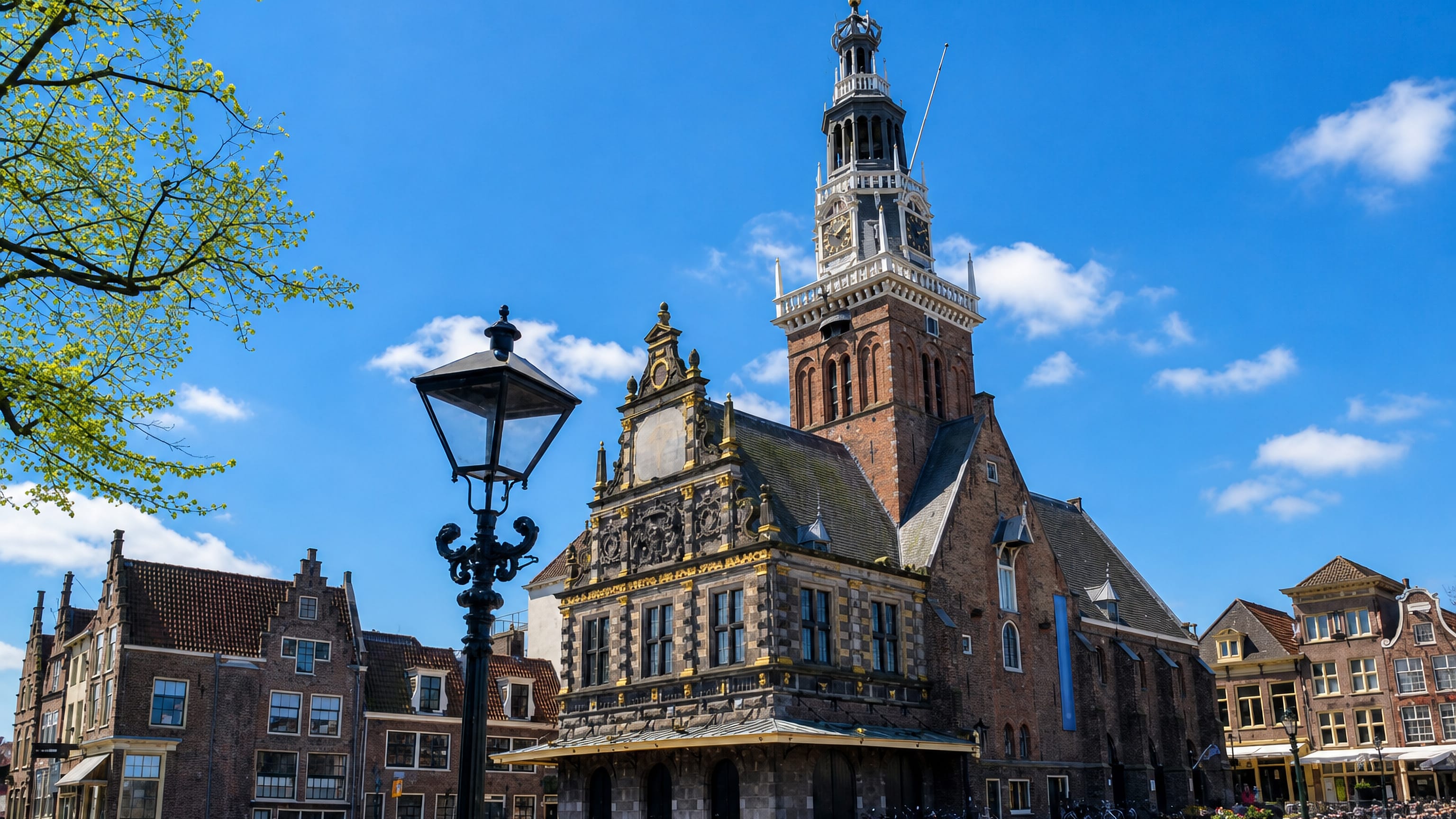
The traditional cheese market is what draws most visitors to Alkmaar, and the Hollands Kaasmuseum keeps the trade's record indoors. The centre backs it up. Canals and narrow streets still follow the 17th-century pattern, with the Grote or Sint-Laurenskerk and the Accijnstoren among the historic buildings that line them.
Museums run unusually wide here. The Stedelijk Museum Alkmaar, the Beatles Museum and the Poldermuseum Heerhugowaard divide the ground between city record, pop history and the polder country.
What are the main landmarks in Alkmaar?
Seven church buildings stand in Alkmaar. The Grote or Sint-Laurenskerk leads the list, and the Kapelkerk, the White Church, the Sint-Laurentiuskerk, the Sint Jozefkerk and the Doopsgezinde kerk take the rest between them. Six museums follow.
The Hollands Kaasmuseum, the Stedelijk Museum Alkmaar, the Beatles Museum and the Poldermuseum Heerhugowaard are the ones most often named. Older stonework survives around the canals: the Accijnstoren on the water, the Huis met de Kogel, Huis De Lange, and the two castles, Kasteel De Nieuwburg and Torenburg.
What is the history of Alkmaar?
Water shaped the plan. The centre keeps the 17th-century arrangement of canals and narrow streets, so the frontages at Oudegracht 218, Bierkade 10 and Langestraat 93 stand along lines drawn when that pattern was set. Two castles came earlier.
Kasteel De Nieuwburg and Torenburg carry the names of fortified ground from a period before the canal grid took its present shape. Trade paid the bills. The Accijnstoren stands for the excise once taken on goods moving by water, and the cheese market gave the city a weekly trade of its own.
Churches multiplied with the congregations. The Grote or Sint-Laurenskerk, the Kapelkerk, the White Church, the Sint-Laurentiuskerk, the Sint Jozefkerk and the Doopsgezinde kerk each hold ground of their own inside or near the old centre. One house keeps a cannonball in its name.
Huis met de Kogel records that much, and Huis De Lange, Schoutenstraat 2, Pieterstraat 16, Sint Annastraat 13 and Kanisstraat 1 fill out the protected addresses of the same streets. The polders came in the same century. Land drained inland from the city belongs to a historic agricultural landscape, and one of those 17th-century polders is inscribed as a UNESCO World Heritage Site.
The Poldermuseum Heerhugowaard tells that part.
Where is Alkmaar?
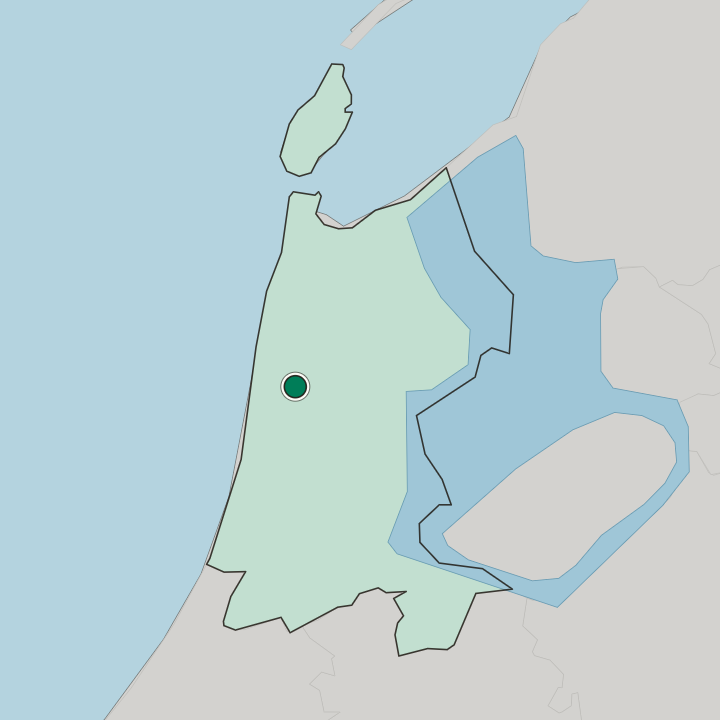
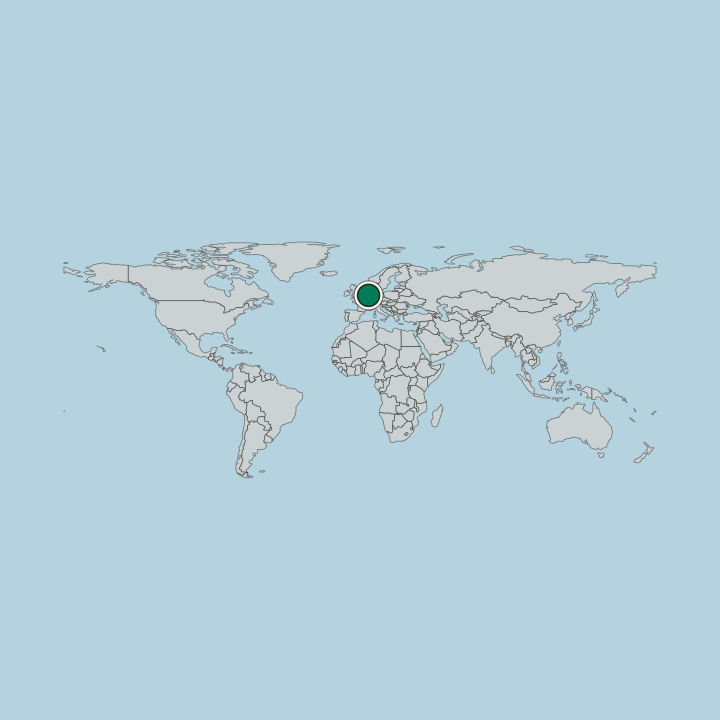
Alkmaar lies inland from the coast, north-west of Amsterdam. The dunes and beaches are close enough for an afternoon, while the land on the other side opens into a historic agricultural landscape of 17th-century polders, one of them a UNESCO World Heritage Site. Canals cut the centre.
The old grid of water and narrow streets holds the built-up core tightly, with Oudegracht 218 and Bierkade 10 among the addresses along it. North Holland spreads out past that.
What is the climate of Alkmaar?
The sea sits close enough to run the weather. Wind off the coast keeps Alkmaar's summers from turning heavy and its winters from hardening, and the dune reserves between the city and the water take the worst of the gales before they reach the canals. Rain comes in showers.
Grey runs long in winter, and the canal frontages get the best of the light in the months either side of midsummer. Frost is rare on the water.
How do you get to Alkmaar?
Alkmaar sits north-west of Amsterdam. The city works as the regional centre for the northern part of North Holland, so the traffic of the smaller places around it heads this way rather than past. The coast is a short hop.
Beaches and dune reserves lie within easy reach, and the polder country inland runs the other way, with the Poldermuseum Heerhugowaard out among it. Inside the ring, the canals and narrow streets make walking the obvious choice between the Grote or Sint-Laurenskerk and the Hollands Kaasmuseum.
Common questions
What is the best area to stay in Alkmaar?
Binnenstad: cheese market mornings and the Grote or Sint-Laurenskerk on foot. Bierkade: canal-side rooms a short walk from the cheese market. De Meent: drivers heading on to the beaches and dune reserves.
Good for
More cities in Provincie Noord-Holland
Updated October 2026