Norway · Agder
Where to Stay in Arendal, Agder
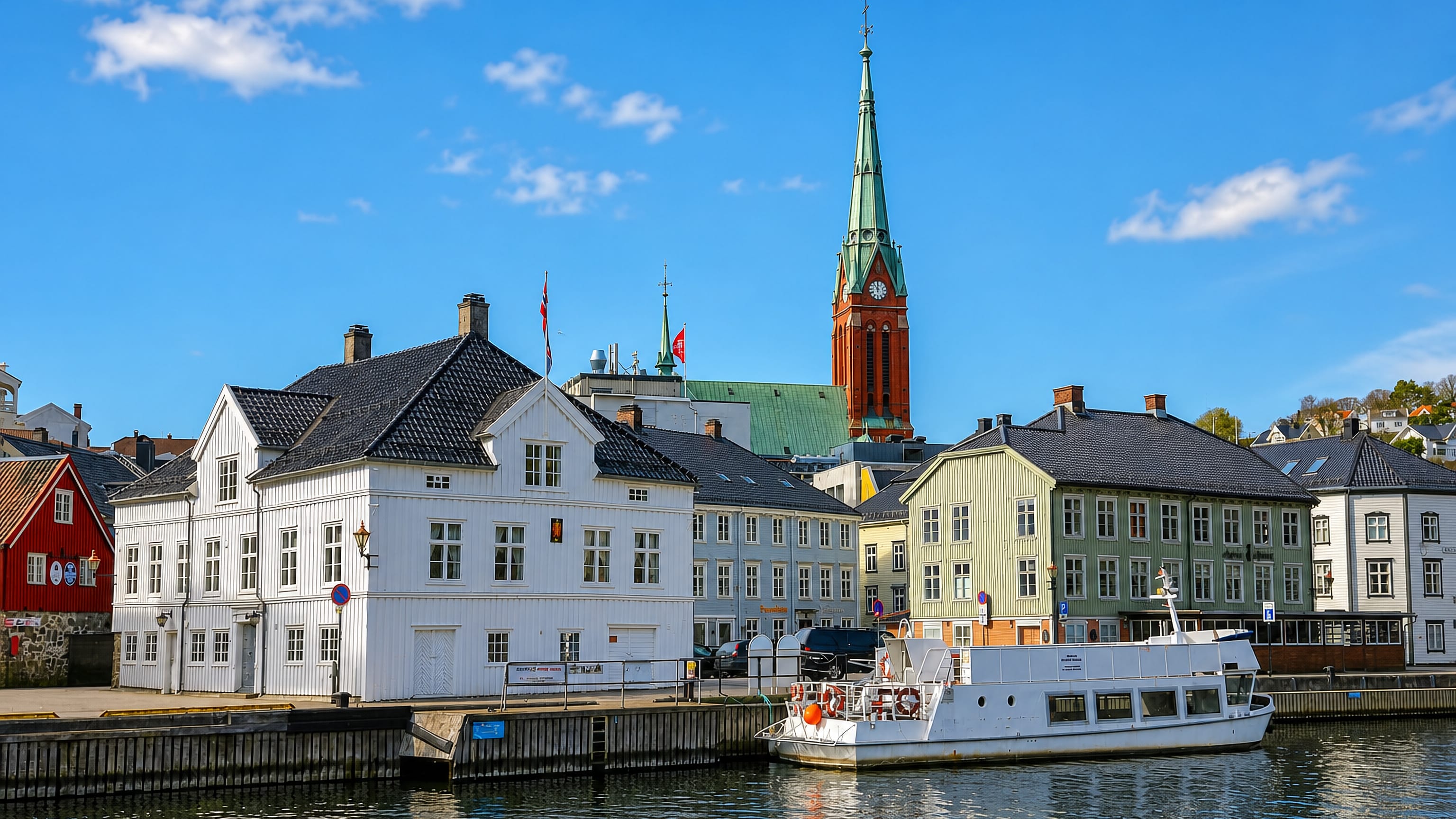
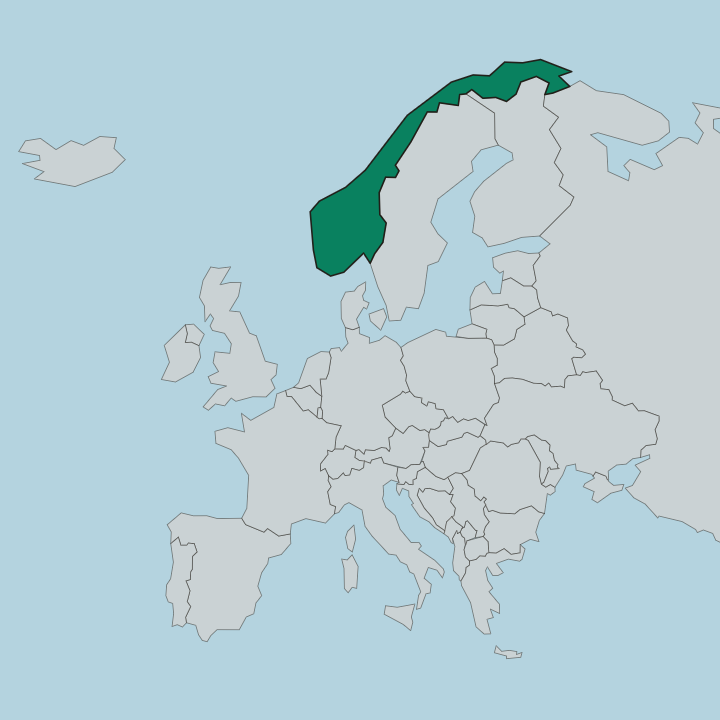
Arendal is a white-timbered harbour town on the Sørlandet coast, the largest in the north-eastern part of Agder, in southern Norway.
Hotel links are affiliate links: booking through them may earn us a commission, at no extra cost to you. It never affects how places are ranked. How this works


Where to stay in Arendal
Where the beds are, and what that means for the visit.
Most beds in Arendal gather at Pollen. Its hotels and guest rooms stand within a short walk of the quays, the white wooden streets and the spire of Trinity Church. The centre suits visitors who want the waterfront and the old town on the doorstep.
Out toward Barbu, around Barbu Church north-east of the harbour, apartments and smaller lodgings sit handy for the everyday streets and the coast road. On the island of Hisøy, near Hisøy Church, and across at Færvik by Færvik Church, holiday houses and cabins spread among the bays and skerries, a quieter choice for travellers touring the islands of the north-eastern part of Agder by car or boat. Reserve well ahead in summer, when the harbour fills and the rooms across this corner of southern Norway are taken early.
Find hotels in Arendal
Direct booking searches for these neighbourhoods.
Pollen harbour and old town
hotels around the Pollen harbour below the Trinity Church spireFind hotels in Pollen harbour and old townguests preferring the coast road north-east of the harbourBarbu
apartments on the streets around Barbu ChurchFind hotels in Barbutravellers touring the Agder islands by car or boatHisøy and Færvik islands
cabins among the skerries near Hisøy Church and Færvik Church. Lodging is scarce in this area; reserve in advance.Find hotels in Hisøy and Færvik islandsHotel links are affiliate links: booking through them may earn us a commission, at no extra cost to you. It never affects how places are ranked. How this works
Things to do in Arendal
Ranked by global recognition; descriptions from Wikidata (CC0).
Museums & Galleries
2- Aust-Agder museum og arkiv
- Aust-Agder-Museet
Churches & Religious Sites
4- Trinity Church Heritage parish church of Trinity parish
- Barbu Church Heritage
- Hisøy Church Heritage
- Færvik Church Heritage
Castles & Historic Sites
2- Kløcker's House Heritage
- Lassens hus
Stadiums & Sports
1- Norac stadion association football stadium
Landmarks & Notable Places
1- Gjerløws Minde
worth knowingacross 5 categories in Arendal
About Arendal
What is Arendal known for?
Arendal is the largest town of the former Aust-Agder, a coastal place built on shipping and the timber trade. Its waterfront is the draw. Around the harbour district of Pollen the white wooden streets gather the cafés and the old merchant houses, with the spire of Trinity Church rising over the centre.
A seafaring story is kept in Kløcker's House and the collections of the Aust-Agder museum og arkiv, while old churches mark the islands and suburbs around this corner of southern Norway.
What are the main landmarks in Arendal?
Trinity Church rises over central Arendal, the town's chief church above the harbour streets. Down by the water Kløcker's House, an old merchant house, serves as a town museum, and the wider seafaring story is held in the Aust-Agder museum og arkiv and the open-air Aust-Agder-Museet. Hisøy Church stands on its island.
Barbu Church lies north-east of the harbour and Færvik Church across the water, while heritage timber houses such as Lassens hus and Gjerløws Minde survive among the white streets of this part of Agder.
What is the history of Arendal?
Arendal was established in 1550. It grew on the timber trade and the shipping of the Sørlandet coast. Merchants built their white wooden houses along the harbour and on the islands, and the town rose to become one of the great shipping places of southern Norway, its wealth carried in the fleets that sailed from these quays.
Kløcker's House survives from those prosperous years, while Trinity Church came to crown the centre and the older Hisøy Church and Barbu Church served the islands and suburbs around the harbour. The age of sail passed, and Arendal turned to other trades. Still the town kept its place as the largest in the former Aust-Agder and the seat of its district, and the seafaring past was gathered into the Aust-Agder museum og arkiv and the open-air Aust-Agder-Museet.
Heritage houses such as Lassens hus and Gjerløws Minde still stand among the white streets, and Arendal remains a working harbour town on the coast of the north-eastern part of Agder.
Where is Arendal?
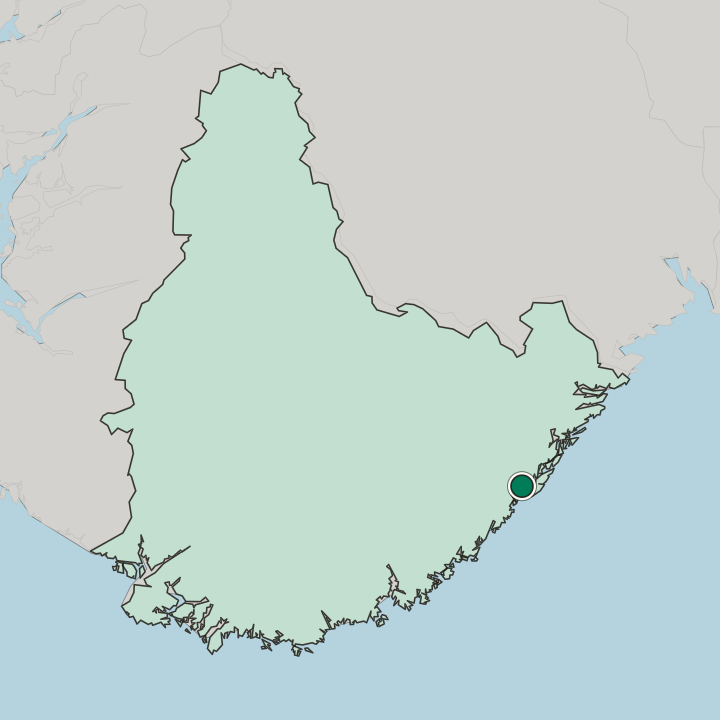
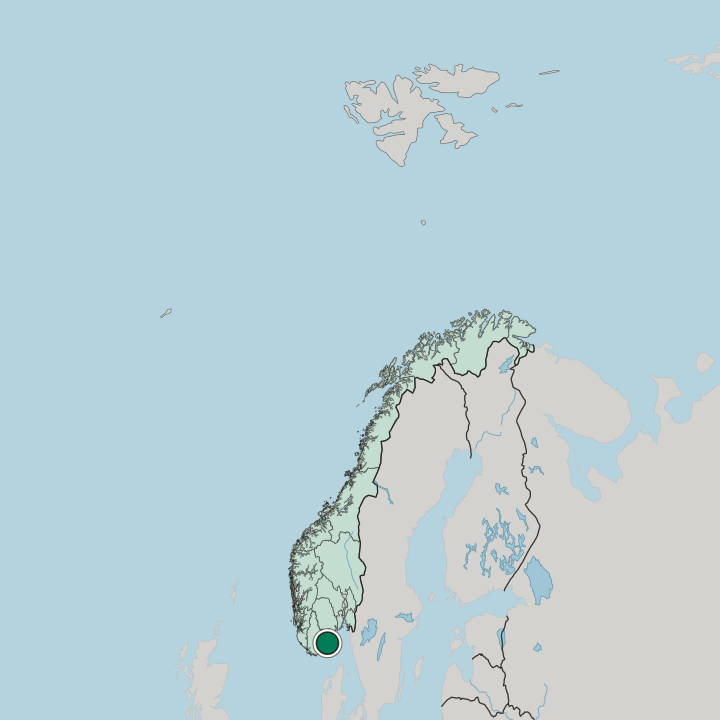
Arendal lies on the coast in the north-eastern part of Agder, in southern Norway. Its centre wraps around the sheltered harbour of Pollen. Islands and skerries break up the shore, with Hisøy lying off the town and the bays of Færvik and Barbu reaching out along the coast.
The white wooden streets climb from the quays below Trinity Church, while the wooded headlands and the scattered islands frame the sea where the Sørlandet coast meets the open water below Arendal.
What is the climate of Arendal?
Arendal has the mild coastal climate of the Sørlandet, the sunny southern shore of Norway. Winters stay cool rather than severe, the open sea off Agder holding hard frost and lasting snow away from the harbour town through most of the season. The sheltered bays and the southern sun draw boats and bathers to the islands of Hisøy and Færvik, while rain off the open water reaches this stretch of coast below Trinity Church in every month of the year.
How do you get to Arendal?
Cars and trains both reach Arendal. The drive follows the Sørlandet coast, and a branch line runs down to the town from the main southern railway inland. Buses and the coast road tie Arendal to the other towns of Agder, while the regional airport for the district lies a short way out from the harbour.
The marinas around Pollen draw summer sailors along the island coast, and from the quays below Trinity Church the white wooden streets of the centre are an easy walk into the heart of this part of southern Norway.
Common questions
What is the best area to stay in Arendal?
Pollen harbour and old town: first-time visitors wanting the quays and white wooden streets. Barbu: guests preferring the coast road north-east of the harbour. Hisøy and Færvik islands: travellers touring the Agder islands by car or boat.
Good for
More cities in Agder
Updated October 2026