Norway · Agder
Where to Stay in Lyngdal, Agder
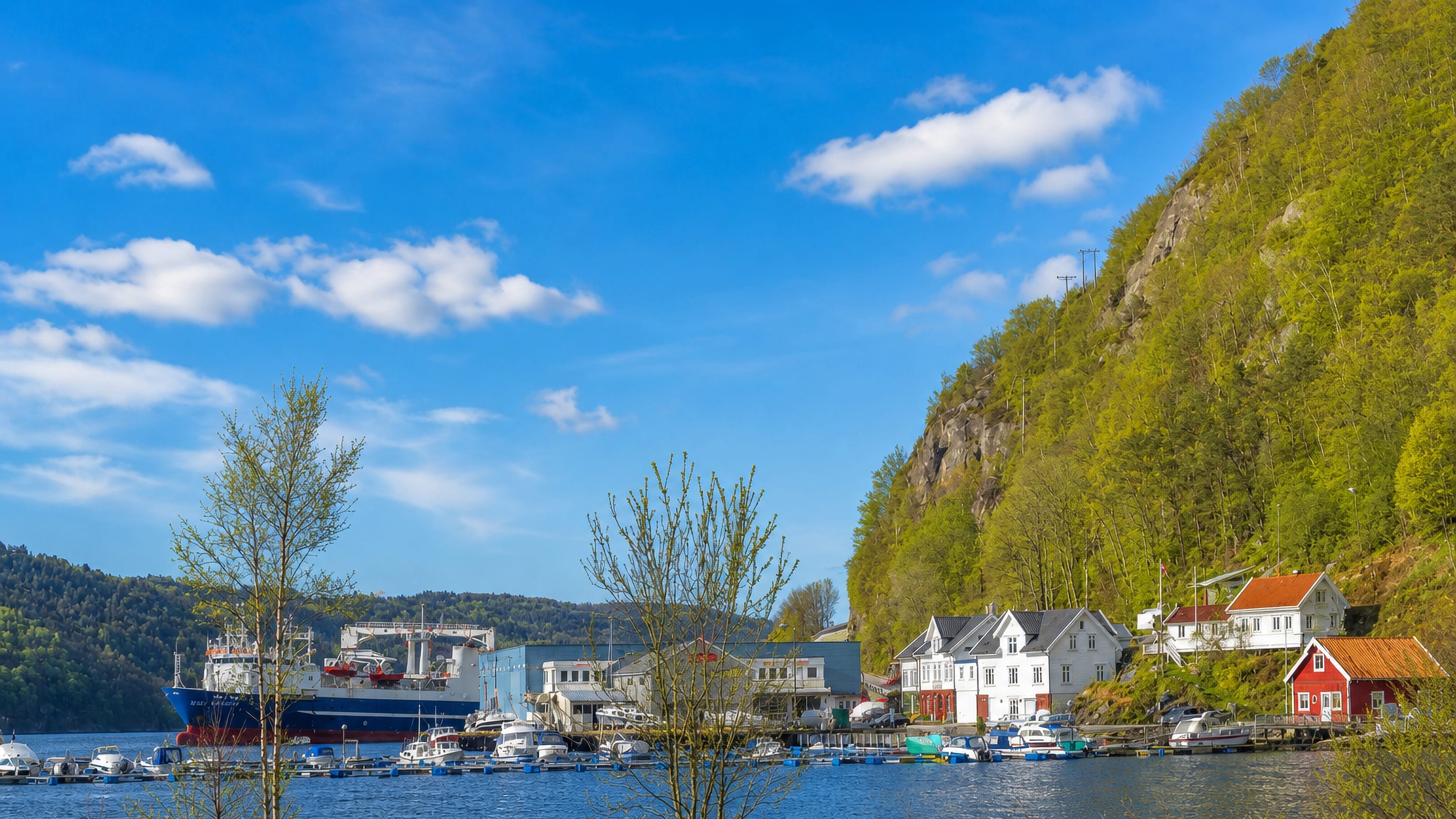
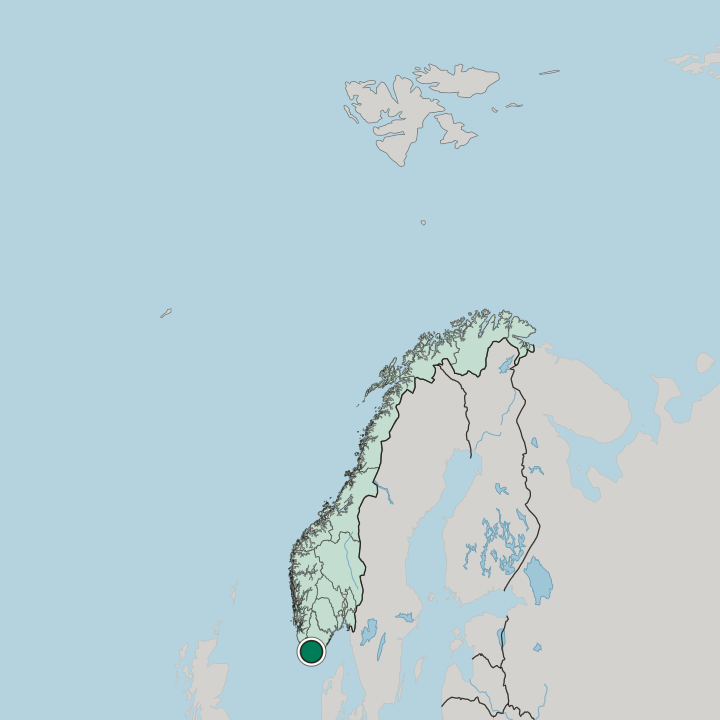
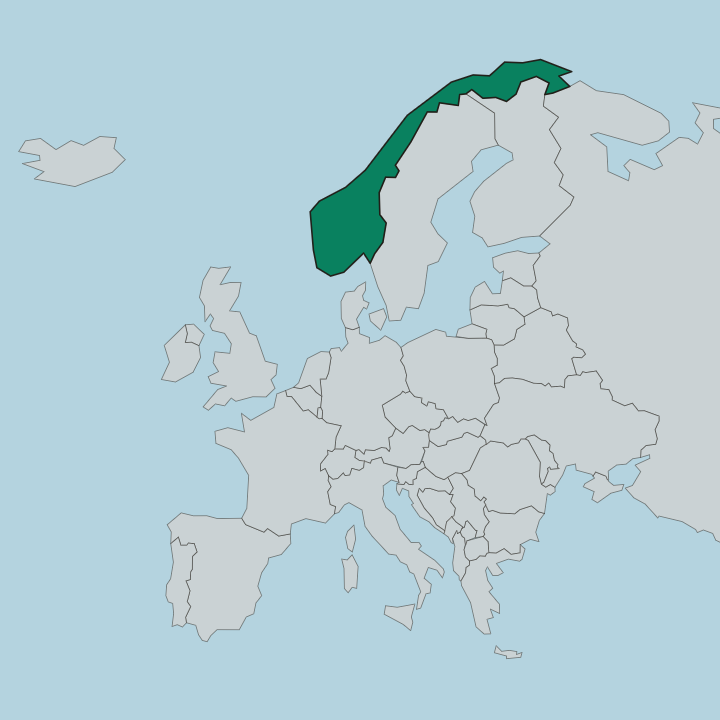
Lyngdal is a valley town in the western part of Agder, in southern Norway (Sørlandet), gathered around Lyngdal kirke.
Hotel links are affiliate links: booking through them may earn us a commission, at no extra cost to you. It never affects how places are ranked. How this works


Where to stay in Lyngdal
How the choice of base plays out on the ground.
Most beds in Lyngdal gather in the centre near Lyngdal kirke, where hotels and guest rooms stand within a short walk of the church and the streets along the valley floor in this corner of Sørlandet. The centre suits visitors who want the town and the valley on the doorstep. For most visitors, that is reason enough to settle here.
Near the Sørlandsbadet and the grass of Lyngdal Stadion, family rooms and cabins sit on the edge of the town, handy for travellers stopping with children in the western part of Agder. Stock thins up the valley. Out toward the coast and the country districts of the municipality, holiday houses spread among the farms, a quieter base for travellers touring the shore by car.
Reserve well ahead in the warm season, when the pools and the coast draw visitors to this corner of southern Norway.
Find hotels in Lyngdal
Direct booking searches for these neighbourhoods.
Town centre by Lyngdal kirke
rooms by Lyngdal kirke along the valley floorFind hotels in Town centre by Lyngdal kirkefamilies stopping with childrenEdge by the Sørlandsbadet
cabins near the Sørlandsbadet pools and Lyngdal StadionFind hotels in Edge by the Sørlandsbadetdrivers touring the western Agder shoreCoast and country farms
holiday houses among the farms below the valley. Few places to stay nearby — book ahead.Find hotels in Coast and country farmsHotel links are affiliate links: booking through them may earn us a commission, at no extra cost to you. It never affects how places are ranked. How this works
Things to do in Lyngdal
Ranked by global recognition; descriptions from Wikidata (CC0).
Churches & Religious Sites
6- Lyngdal church Heritage
- Austad Church Heritage
- Grindheim Church Heritage
- Konsmo Church Heritage
- Korshamn Chapel Heritage
Show 1 more →
- Kvås Church Heritage
Castles & Historic Sites
4- GRØNDOKKA (JAKOB OLSENS HUS) Heritage
- Kvås Heritage
- Mjåvann Heritage
- Ådneskår Heritage
Stadiums & Sports
2- Sørlandsbadet
- Lyngdal Stadion
worth knowingacross 3 categories in Lyngdal
About Lyngdal
What is Lyngdal known for?
Lyngdal lies in the western part of Agder, a town where a river valley opens toward the coast of Sørlandet. Lyngdal kirke rises over the centre and gives the streets their fixed point, a listed church above the valley floor. The valley made the town.
On its edge the Sørlandsbadet draws families to its pools, while the grass of Lyngdal Stadion lies near the centre of this western Agder municipality.
What are the main landmarks in Lyngdal?
Lyngdal kirke holds the heart of the town. The listed church rises over the centre on the valley floor and gives the streets their fixed point, the chief sight of Lyngdal. Two draws sit on the edge.
The Sørlandsbadet pulls families to its indoor pools and the grass of Lyngdal Stadion lies near the centre, the two of them giving the western part of Agder a pair of well-used grounds beside the church on the Sørlandet coast.
What is the history of Lyngdal?
Lyngdal grew where a river valley opens toward the coast in the western part of Agder. The town gathered on the valley floor as the market and church centre of the surrounding farms, a settlement of the southern shore of Norway rather than a harbour of the open sea. The valley was its road.
Lyngdal kirke rose over the centre as the heart of the parish, drawing the country folk of the valley and the coast to the same churchyard. Farming and the valley trade carried the place through the centuries. The town held its role as the chief settlement of the western Agder district, and in time it gathered the grounds and halls of a small regional centre.
The Sørlandsbadet rose on the edge as an indoor bathing hall and the grass of Lyngdal Stadion was laid near the centre, and together with the church they mark a valley town that grew inland from the southern coast of Norway in this corner of Sørlandet.
Where is Lyngdal?
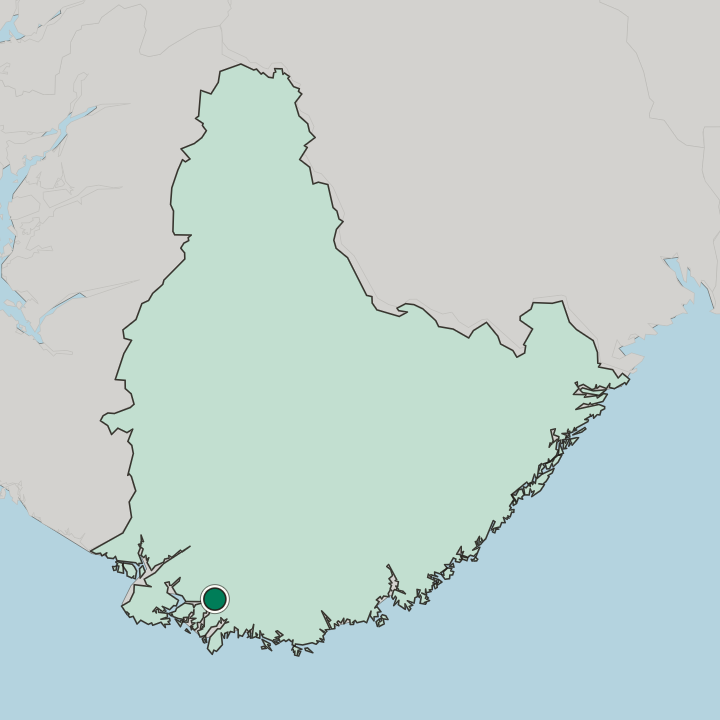
Lyngdal lies in the western part of Agder, in southern Norway (Sørlandet). The town stands on the floor of a river valley that opens toward the coast, the centre gathered around Lyngdal kirke between the slopes. Valley and water frame the town.
The municipality reaches from the inland hills down to the shore, taking in the farms along the valley and the coast, while the Sørlandsbadet and Lyngdal Stadion sit on the edge of the built-up centre in this corner of Agder.
What is the climate of Lyngdal?
Lyngdal has the mild, damp maritime climate of the southern Norwegian coast. Winters stay cool and grey rather than hard, the sea off the western part of Agder keeping lasting frost and deep snow off the low valley floor through most of the season. The valley opens to the light.
Long northern daylight then draws visitors to the pools of the Sørlandsbadet and the streets near Lyngdal kirke. Cloud and rain off the coast reach this corner of Sørlandet in every month of the year.
How do you get to Lyngdal?
Lyngdal sits on the main road through the western part of Agder. This road carries most of the traffic along the southern shore and up into the valley, and the centre lies a short walk from Lyngdal kirke. Nearly everyone comes by car.
Local roads run down to the coast and out to the Sørlandsbadet and Lyngdal Stadion on the edge of town, while the wider airports and rail of Agder handle the longer journeys of travellers reaching this part of southern Norway from farther afield.
Common questions
What is the best area to stay in Lyngdal?
Town centre by Lyngdal kirke: visitors wanting the valley town on foot. Edge by the Sørlandsbadet: families stopping with children. Coast and country farms: drivers touring the western Agder shore.
Good for
More cities in Agder
Updated October 2026