Norway · Agder
Where to Stay in Kristiansand, Agder
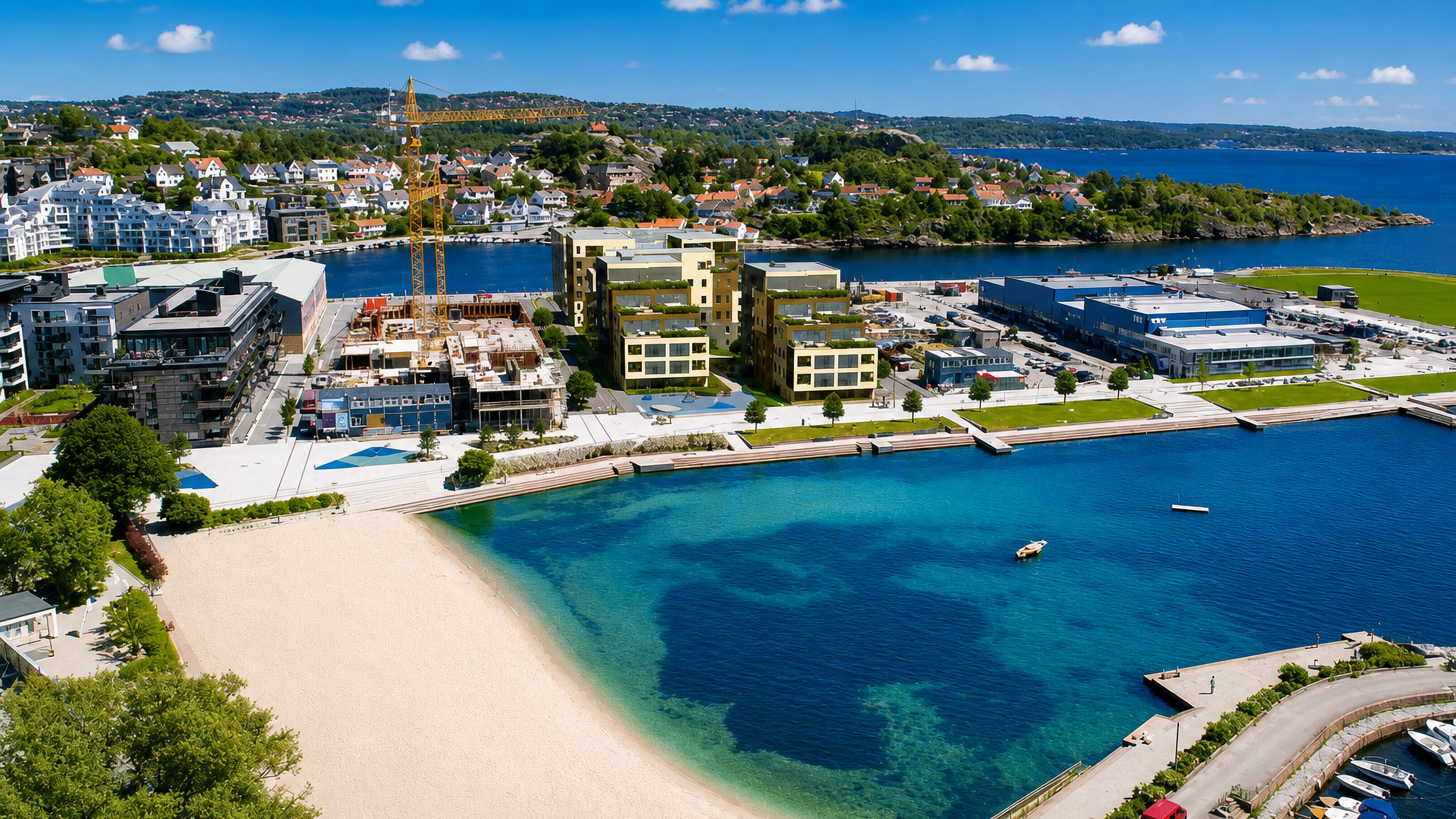
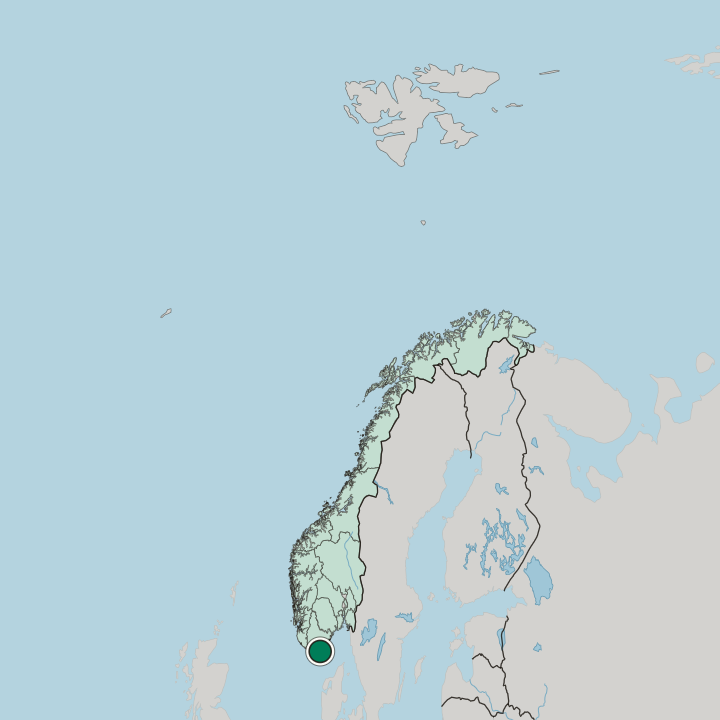
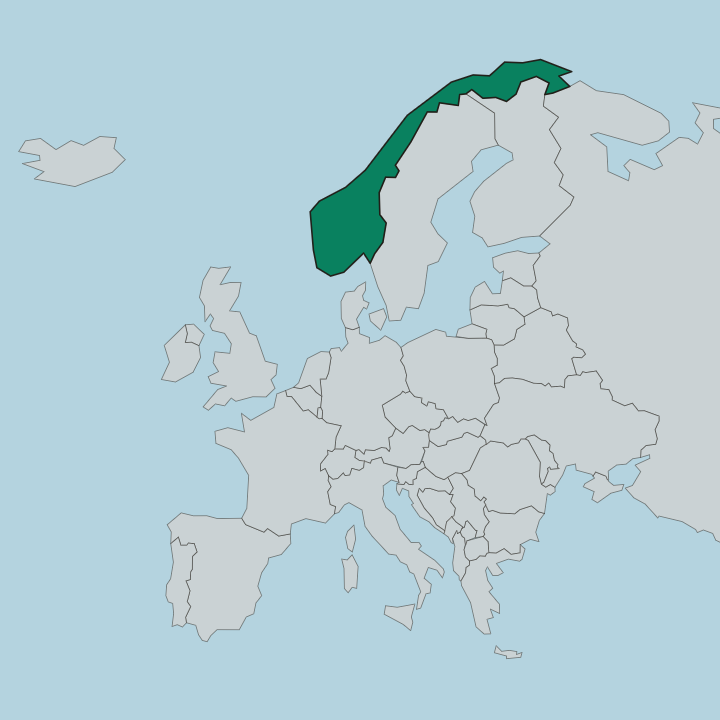
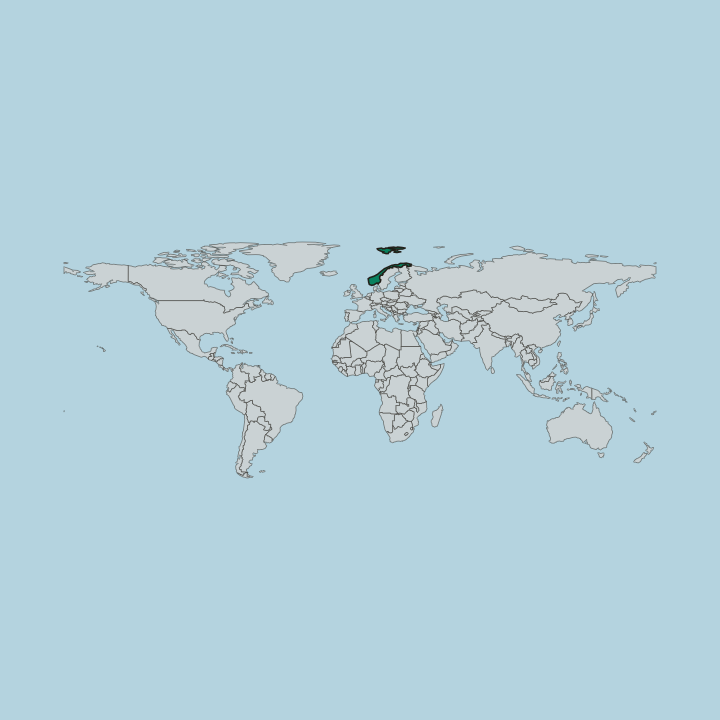
Kristiansand is the coastal capital of the Sørlandet, a 17th-century grid town in the southern part of Agder, in southern Norway.
Hotel links are affiliate links: booking through them may earn us a commission, at no extra cost to you. It never affects how places are ranked. How this works


Where to stay in Kristiansand
Each area has its own feel; here's who each one suits.

 KristiansandNorwaytravellers visiting the Agder university campus
Lund
rooms near Lund kirke and the Agder Natural History Museum and Botanical GardenLund →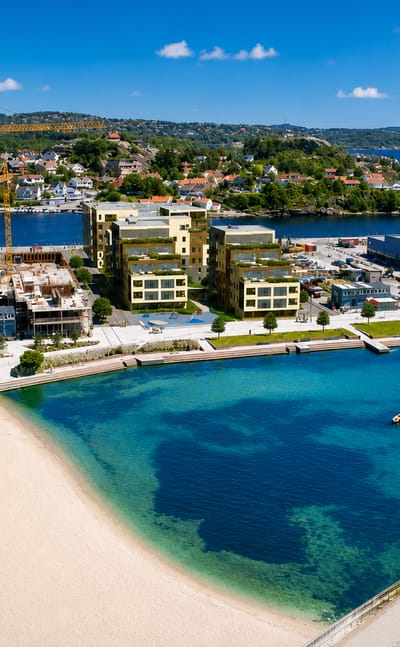 KristiansandNorway
Eg
Eg is a district of northern Kristiansand in southern Norway, home to the Universitetet i Agder campus and Oddernes kirke.Where to stay →KristiansandNorwayGimlekollen
Gimlekollen is a hillside district of north-eastern Kristiansand in southern Norway, near the open-air Vest-Agder museet.Where to stay →KristiansandNorwayHellemyr
Hellemyr is a residential district of western Kristiansand in southern Norway, a hillside suburb gathered around Hellemyr kirke.Where to stay → KristiansandNorway
Søm
Søm is a residential district of north-eastern Kristiansand in southern Norway, a suburban quarter gathered around Søm kirke.Where to stay →KristiansandNorwayKorsvik
Korsvik is an eastern district of Kristiansand in southern Norway, a residential quarter of Kristiansand kommune near Søm kirke.Where to stay → KristiansandNorway
Tømmerstø
Tømmerstø is a neighbourhood of Kristiansand in Agder county, Norway, part of the borough of Oddernes and of the district of Randesund.Where to stay → KristiansandNorway
Hånes
Hånes is a residential district of north-eastern Kristiansand in southern Norway, a hillside suburb gathered around Hånes kirke.Where to stay → KristiansandNorway
Randesund
Randesund is a coastal district of Kristiansand, set along the southern Sørlandet shore between two fjords.Where to stay → KristiansandNorway
Tveit
Tveit is a north-eastern district of Kristiansand in southern Norway, a rural-edged quarter of Kristiansand kommune around Tveit kirke.Where to stay →Hotel links are affiliate links: booking through them may earn us a commission, at no extra cost to you. It never affects how places are ranked. How this works
Find hotels in Kristiansand
Direct booking searches for these neighbourhoods.
Kvadraturen grid centre
hotels by the Fiskebrygga quays and the Kunstsilo siloFind hotels in Kvadraturen grid centreguests preferring the road approaches above the harbourGrim
apartments on the streets around Grim kirke north-west of the centreFind hotels in Grimdrivers exploring the south-western headlands and baysVågsbygd
beds out by Vågsbygd kirke in the largest boroughFind hotels in VågsbygdHotel links are affiliate links: booking through them may earn us a commission, at no extra cost to you. It never affects how places are ranked. How this works
Things to do in Kristiansand
Ranked by global recognition; descriptions from Wikidata (CC0).
Museums & Galleries
3- Vest-Agder Museum Kristiansand
- Agder Natural History Museum and Botanical Garden
- Kunstsilo
Churches & Religious Sites
4- Oddernes Church Heritage
- Tveit Church Heritage
- Vågsbygd church Heritage
- Lund Church Heritage
Stadiums & Sports
3- Storheia Heritage
- Aquarama Kristiansand
- Idda Arena
Landmarks & Notable Places
1- Fiskebrygga fish market and tourist destination
worth knowingacross 4 categories in Kristiansand
About Kristiansand
What is Kristiansand known for?
Kristiansand is the largest town of the Sørlandet and the seat of Agder, laid out on a strict grid. The waterfront draws the visitors. Fiskebrygga, the old fish market on the quays, and Kunstsilo, an art museum set in a converted grain silo, give the harbour its two best-known faces.
Inland the medieval Oddernes kirke and the Vest-Agder museet keep the older story, while the modern Aquarama leisure complex stands by the town beach in this sunny corner of southern Norway.
What are the main landmarks in Kristiansand?
Fiskebrygga anchors the Kristiansand waterfront, an old fish market turned into a row of quayside eateries and moorings. Beside the harbour rises Kunstsilo, an art museum built into a converted grain silo. Two churches mark the deeper past.
Oddernes kirke is a medieval stone church on the eastern edge of the centre, while Grim kirke, Lund kirke and Vågsbygd kirke serve the boroughs spread around the town. The Vest-Agder museet and the Agder Natural History Museum and Botanical Garden gather the regional story, and the Aquarama complex stands by the beach in this corner of Agder.
What is the history of Kristiansand?
Kristiansand was established in 1641 and laid out on a strict grid of square blocks, the pattern that still gives Kvadraturen its name. The new town was planted on the coast of Agder to command the sea lanes of the south and to draw trade and defence to one fortified point. The king built the town.
Older worship stood nearby in the medieval Oddernes kirke, which had served the land long before the grid was drawn, and the harbour grew quickly into the chief port of the Sørlandet. The town outgrew its grid. Over the centuries Kristiansand spread into the boroughs of Grim, Lund and Vågsbygd, each gaining its own church in time, while shipping, timber and later industry carried the place through the generations and tied its fortunes to the sea.
The old grain silo on the quay has become the art museum of Kunstsilo, and the fish market at Fiskebrygga turned to visitors. The regional past is kept in the Vest-Agder museet. Kristiansand remains the seat and largest place of Agder on the coast of southern Norway.
Where is Kristiansand?
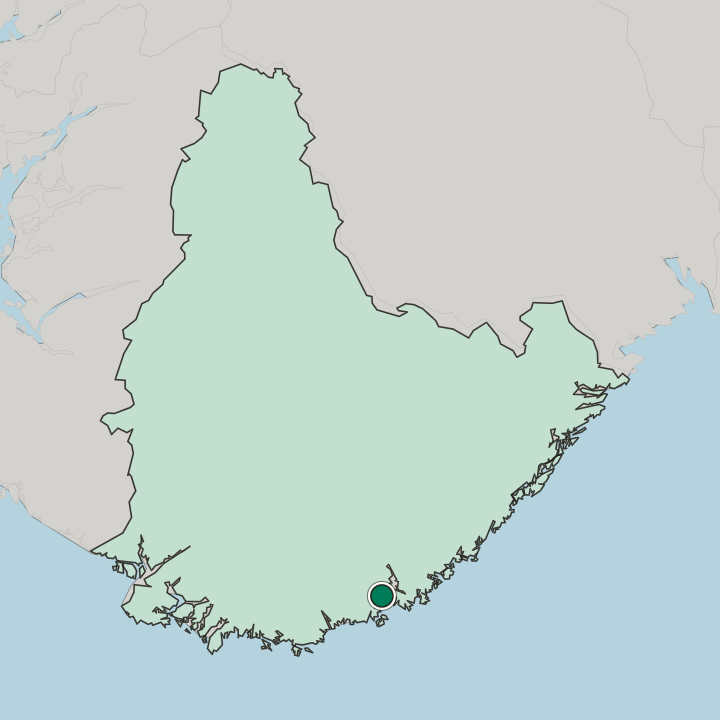
Kristiansand sits on the coast in the southern part of Agder, in southern Norway, where a river reaches the sea among low headlands and bays. The grid centre of Kvadraturen lies between the harbour and the beach, with Grim rising to the north-west and Lund spreading east across the river. Hills and water break up the town.
The large borough of Vågsbygd reaches south-west toward the headlands, and wooded ridges and skerries frame the bays where the Sørlandet coast meets the open water below Kristiansand.
What is the climate of Kristiansand?
Kristiansand has the mild coastal climate of the Sørlandet, the sunniest stretch of the Norwegian shore. Winters stay cool rather than harsh, the sea off Agder keeping hard frost and long-lying snow from settling over the grid town for most of the season. Summers run warm and bright.
The sheltered bays and the southern sun draw bathers to the town beach near Aquarama and crowds to Fiskebrygga, while rain off the open water reaches this coast in every month of the year.
How do you get to Kristiansand?
Kristiansand is the main transport hub of the Sørlandet, tied to the rest of the country by rail and road and to the Continent by sea. Trains run along the southern line to the town, while the ferry port links the harbour across the water to mainland Europe and the road network ties Kristiansand to the towns of Agder. The port stays busy.
The regional airport lies a short way out from the centre, and from the quays near Fiskebrygga and Kunstsilo the grid streets of Kvadraturen are an easy walk into the heart of this corner of southern Norway.
Common questions
What is the best area to stay in Kristiansand?
Kvadraturen grid centre: first-time visitors wanting Fiskebrygga and the town beach. Grim: guests preferring the road approaches above the harbour. Lund: travellers visiting the Agder university campus. Vågsbygd: drivers exploring the south-western headlands and bays.
Good for
More cities in Agder
Updated October 2026