Norway · Agder
Where to Stay in Birkeland, Agder
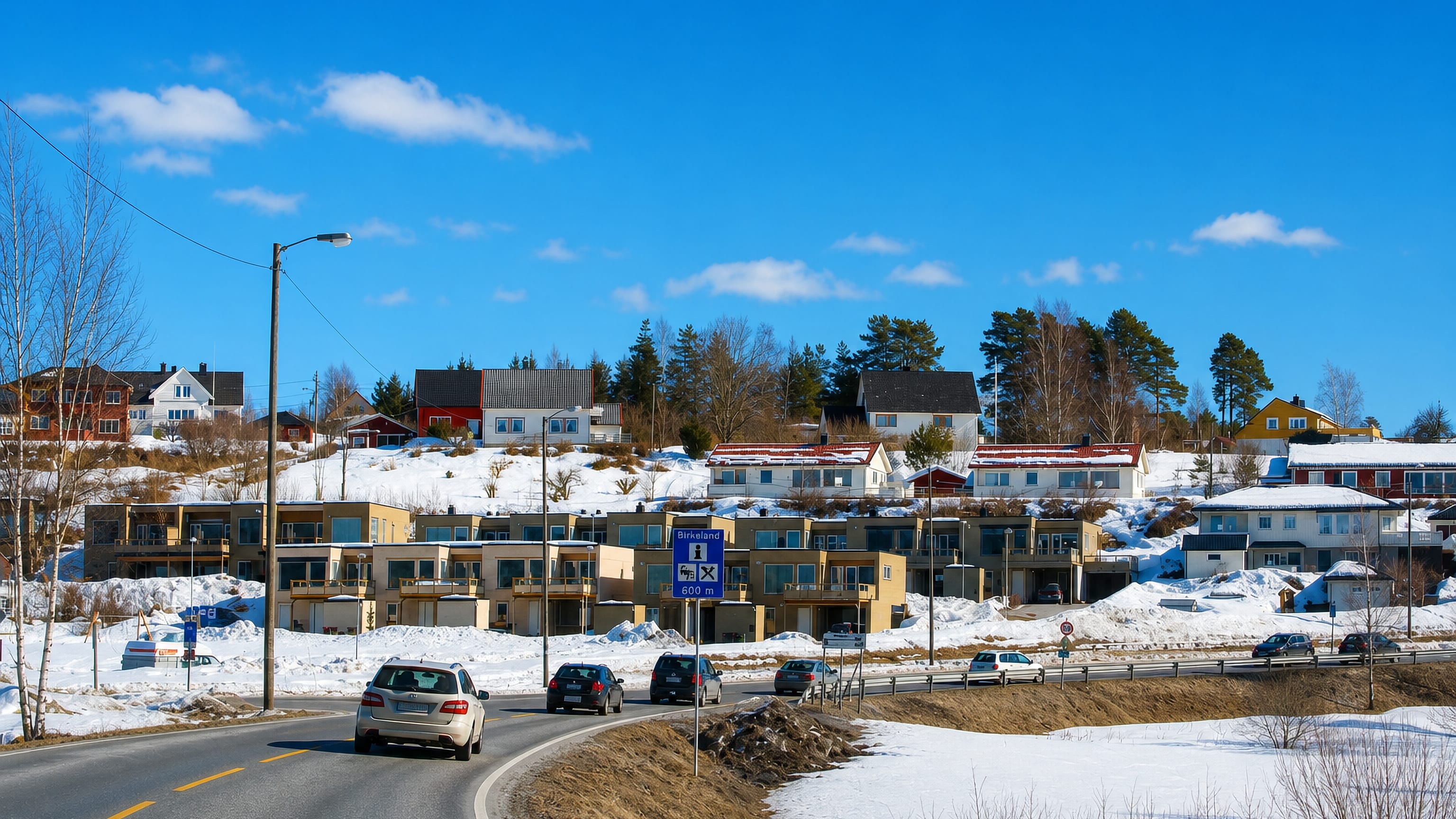
Birkeland is an inland village in southern Norway (Sørlandet), the small administrative centre of the northern part of Agder.
Hotel links are affiliate links: booking through them may earn us a commission, at no extra cost to you. It never affects how places are ranked. How this works


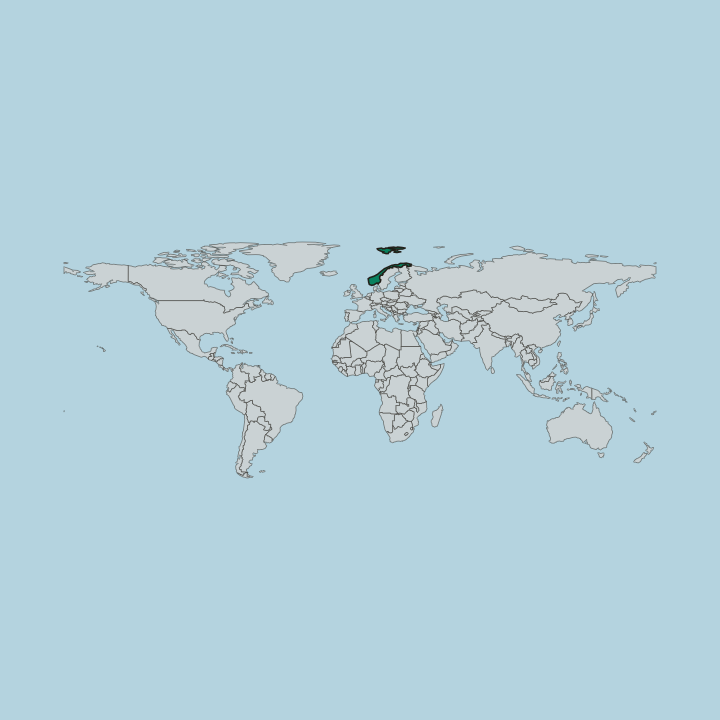
Where to stay in Birkeland
How the choice of base plays out on the ground.
Beds are scarce inland. Birkeland is a small administrative village in the northern part of Agder, not a hotel town, so rooms here run to a few guesthouses and farm stays rather than any cluster of harbour hotels on the Sørlandet coast. The village centre is the practical base.
The handful of rooms gather near Birkenes kirke and the small civic core, and they suit travellers passing through the forested interior of Agder who want a quiet inland stop rather than a seaside one. Many visitors look toward the coast instead. The larger towns on the southern Norwegian shore hold far more rooms than this inland centre, and Birkeland works best as an overnight stop in the woods and lakes of the Agder interior.
Keep expectations modest. A village this size in the northern part of Agder offers shelter and quiet near Birkenes kirke rather than a wide choice of beds.
Find hotels in Birkeland
Direct booking searches for these neighbourhoods.
Birkeland village centre
the small civic core around Birkenes kirke holds the few guesthouses of this inland Agder village. Beds are limited here, so book early.Find hotels in Birkeland village centrevisitors after farm stays among the woods and lakes of inland SørlandetThe forested Agder interior around Birkeland
the scattered farms in the forests of the northern part of Agder offer farm rooms rather than village hotels. Few places to stay nearby — book ahead.Find hotels in The forested Agder interior around BirkelandHotel links are affiliate links: booking through them may earn us a commission, at no extra cost to you. It never affects how places are ranked. How this works
About Birkeland
A quiet inland centre.
What is Birkeland known for?
Birkeland is known as the small administrative village that holds the northern part of Agder, set back from the coast among the forests and lakes of the Sørlandet interior rather than on the open sea. The church marks the centre. Birkenes kirke stands over the village as its oldest landmark, a parish church that has long gathered the scattered farms and woods of this corner of Agder around a single inland settlement.
What are the main landmarks in Birkeland?
One church holds the village. Birkenes kirke is the chief landmark of Birkeland, the parish church that stands over the small administrative centre of the northern part of Agder. The setting carries the rest.
Beyond the church the forests, farms, and inland lakes of the Sørlandet interior frame the village, giving this corner of Agder a quiet wooded landscape rather than a built one.
What is the history of Birkeland?
Birkeland grew from the forest farms. The village rose as the natural meeting point for the scattered farming districts of the northern part of Agder, an inland gathering place in the Sørlandet woods rather than a coastal trading port. The church came to centre it.
Birkenes kirke drew the surrounding farms toward a single settlement, and the parish around it gave Birkeland its early role as the focus of this wooded corner of Agder. The village became the administrative seat. As the districts of the interior were organised, Birkeland took on the role of small administrative centre for the northern part of Agder, a civic core among the forests and lakes well back from the southern Norwegian coast.
The pattern still holds. Birkeland remains an inland village built around Birkenes kirke and its farms, the quiet wooded heart of this corner of Agder rather than a place that ever looked to the sea.
Where is Birkeland?
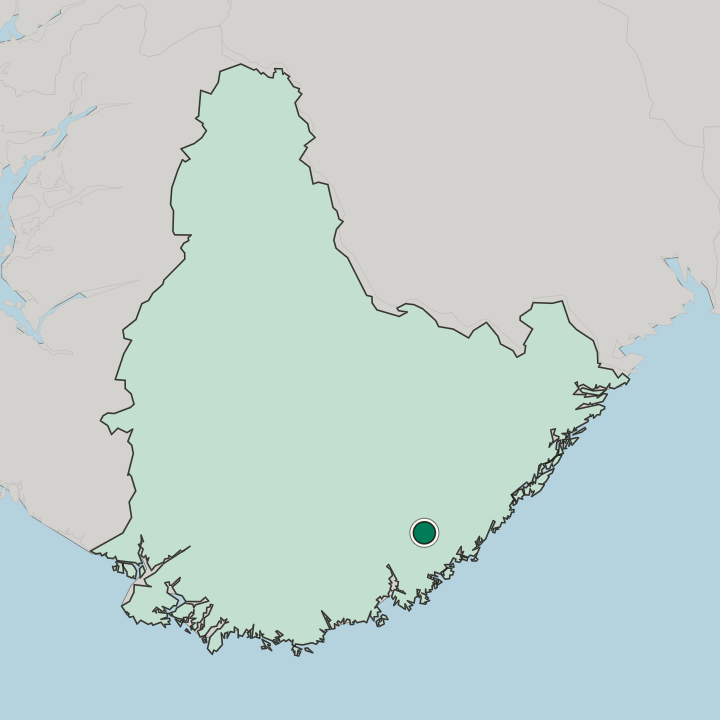
Birkeland sits well back from the sea. The village sits in the northern part of Agder, set among the forests and lakes of the Sørlandet interior rather than on the southern Norwegian coast that the region is known for. The land is wooded and broken.
Low forested ridges, farm clearings, and inland water surround the small centre at Birkenes kirke, marking out a quiet interior corner of Agder well back from the open sea.
What is the climate of Birkeland?
The interior runs cooler than the coast. Lying well inland in the northern part of Agder, Birkeland feels a sharper seasonal swing than the milder shore, with the forests and lakes around Birkenes kirke holding more frost in winter than the open Sørlandet coast. The short summers turn warm and green over the forests.
The wooded inland setting of Agder gives the village mild forest summers and colder, snowier winters than the southern Norwegian seaboard, a continental edge softened only by the surrounding lakes.
How do you get to Birkeland?
Reach it by road. Birkeland sits inland in the northern part of Agder, served by the roads that climb from the southern Norwegian coast into the forested Sørlandet interior. The village is the local hub.
From the centre at Birkenes kirke the roads thread out to the surrounding farms and lakes of Agder, tying the scattered inland districts back to a single small administrative village well away from the rail and sea routes of the coast.
Common questions
What is the best area to stay in Birkeland?
Birkeland village centre: travellers wanting a quiet inland stop near Birkenes kirke. The forested Agder interior around Birkeland: visitors after farm stays among the woods and lakes of inland Sørlandet.
Good for
More cities in Agder
Updated September 2026