Norway · Akershus fylke
Where to Stay in Roa, Akershus fylke
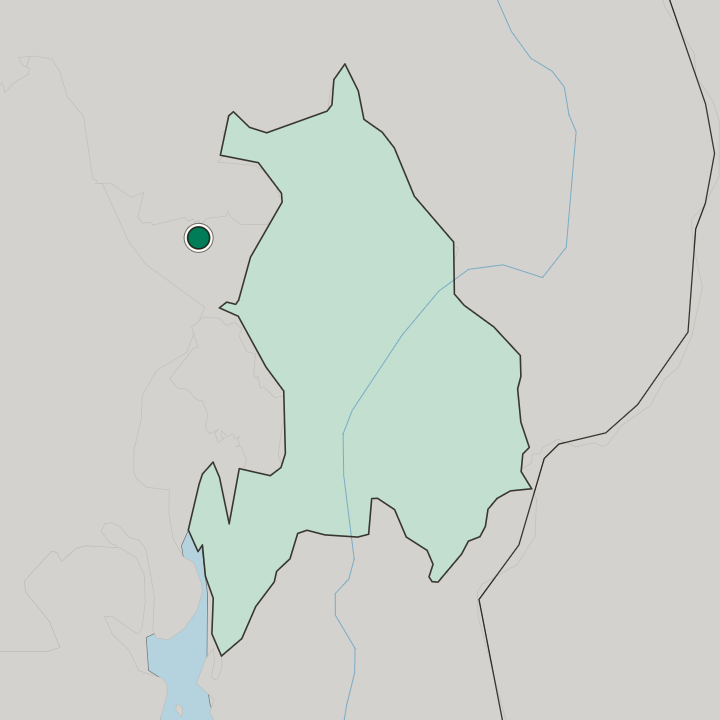
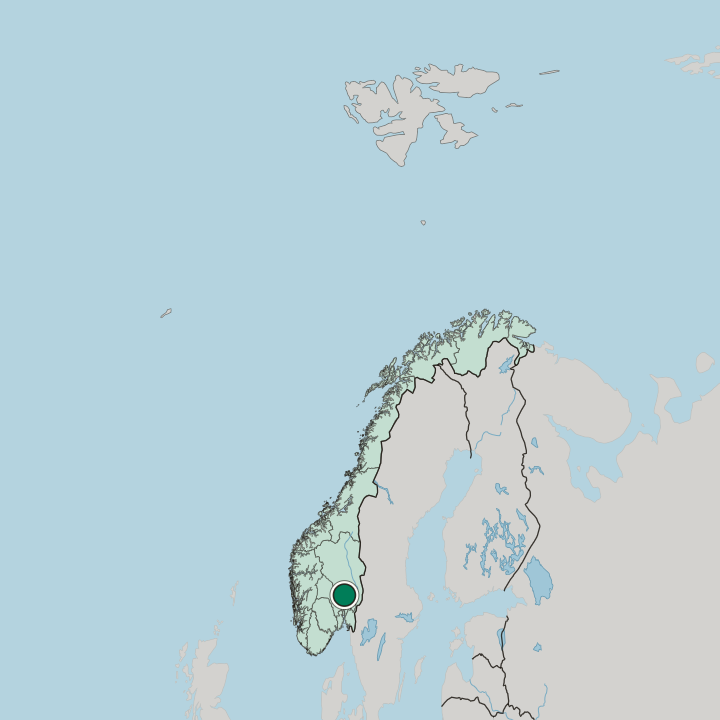
Roa is the seat of Lunner in the Hadeland district, in the north-western part of Akershus, a road-junction village in south-eastern Norway.
Hotel links are affiliate links: booking through them may earn us a commission, at no extra cost to you. It never affects how places are ranked. How this works


Where to stay in Roa
Where visitors usually base themselves, and why.
Roa holds only a small bed stock. The village is the modest seat of an upland farming municipality rather than a resort, so a traveller finds a handful of rooms here in the north-western part of Akershus, useful for someone touring the Hadeland district or breaking an inland drive across south-eastern Norway (Østlandet). Stay at the junction.
Roa suits a visitor who wants a quiet base in Lunner near the parish of Lunner kirke and the mining heritage of the district, away from the larger lakeside towns. The villages spread the choice. Scattered farm and village lodging sits out toward Grua and the church at Grua kirke, where the old ore country and the Hadeland Bergverksmuseum lie.
Book the seat for the roads. Book Grua for the mining past.
Find hotels in Roa
Direct booking searches for these neighbourhoods.
The Roa junction by Lunner kirke
rooms at the Roa road junction near Lunner kirke, the centre of the Hadeland municipality. Beds are limited here, so book early.Find hotels in The Roa junction by Lunner kirkeyou prefer a base near the mining heritage and the church at GruaGrua and the old ore country
village lodging out toward Grua kirke and the Hadeland Bergverksmuseum in the old ore country. Rooms are few around here — worth securing early.Find hotels in Grua and the old ore countryHotel links are affiliate links: booking through them may earn us a commission, at no extra cost to you. It never affects how places are ranked. How this works
About Roa
Roa is the seat of Lunner.
What is Roa known for?
The village serves as the administrative centre of the municipality in the Hadeland district, set in the north-western part of Akershus, south-eastern Norway (Østlandet), where the main inland roads converge. Mining left its mark on Hadeland. The old ore country is recorded at the Hadeland Bergverksmuseum, while Lunner kirke and Grua kirke hold the listed parishes that gather the farms of this upland district around their churches.
What are the main landmarks in Roa?
Mining and faith mark the Hadeland country. The Hadeland Bergverksmuseum records the old ore workings of the district, while Lunner kirke stands near the seat as the chief parish church in the north-western part of Akershus. More churches hold the outlying farms.
Grua kirke and the chapel at Oppdalen kapell mark the listed parishes spread across the upland, together tracing the mining and farming life that shaped this corner of south-eastern Norway (Østlandet) around Roa.
What is the history of Roa?
Roa grew where roads and ore met. The Hadeland district was worked for its minerals long before the village rose, and the old ore industry recorded at the Hadeland Bergverksmuseum drew people into the upland country of the north-western part of Akershus. Parishes anchored the farms.
Lunner kirke gathered the central congregation while Grua kirke served the mining settlement and the chapel at Oppdalen kapell held the outlying valleys, each church marking a corner of the district. Roa became the seat at the junction. As the parishes of Lunner were drawn together, the road-junction village took the administrative role for the municipality, the chief settlement of this part of south-eastern Norway (Østlandet).
The uplands kept the district rural and mining-marked. Roa held its place as the quiet centre where the inland roads cross the Hadeland country, a junction-and-farm village rather than a lakeside town.
Where is Roa?
Roa sits in upland country. The village lies in the north-western part of Akershus, south-eastern Norway (Østlandet), where the wooded ridges and lakes of the Hadeland district rise inland well above the coast. Roads cross at the centre.
The junction village gathers the routes of Lunner near Lunner kirke, while the higher ground around Grua and Oppdalen kapell carries the parishes apart, so Roa reads as an inland upland-and-forest settlement rather than a coastal or fjord one.
What is the climate of Roa?
The upland setting makes Roa's winters hard. High inland in the north-western part of Akershus, the village sees a sharply continental edge to the weather of south-eastern Norway (Østlandet), with deep frost and long snow cover settling over the Hadeland ridges far from any sea. Snow lingers in the forest.
The high ground around Grua and Oppdalen kapell holds winter well into spring, giving Roa a cold, clear upland season unlike the milder fjord coast.
How do you get to Roa?
Roads make the place. Roa sits at an inland junction in the north-western part of Akershus, where the main routes of the Hadeland district cross on their way through south-eastern Norway (Østlandet). It is a road centre first.
The junction draws traffic toward the Lunner seat near Lunner kirke and on into the mining country around the Hadeland Bergverksmuseum, so most travellers reach the village by car along the upland roads rather than by sea.
Common questions
What is the best area to stay in Roa?
The Roa junction by Lunner kirke: you want the Lunner seat at the road junction with the parish church close by. Grua and the old ore country: you prefer a base near the mining heritage and the church at Grua.
Good for
More cities in Akershus fylke
Updated September 2026