Norway · Buskerud fylke
Where to Stay in Hønefoss, Buskerud fylke
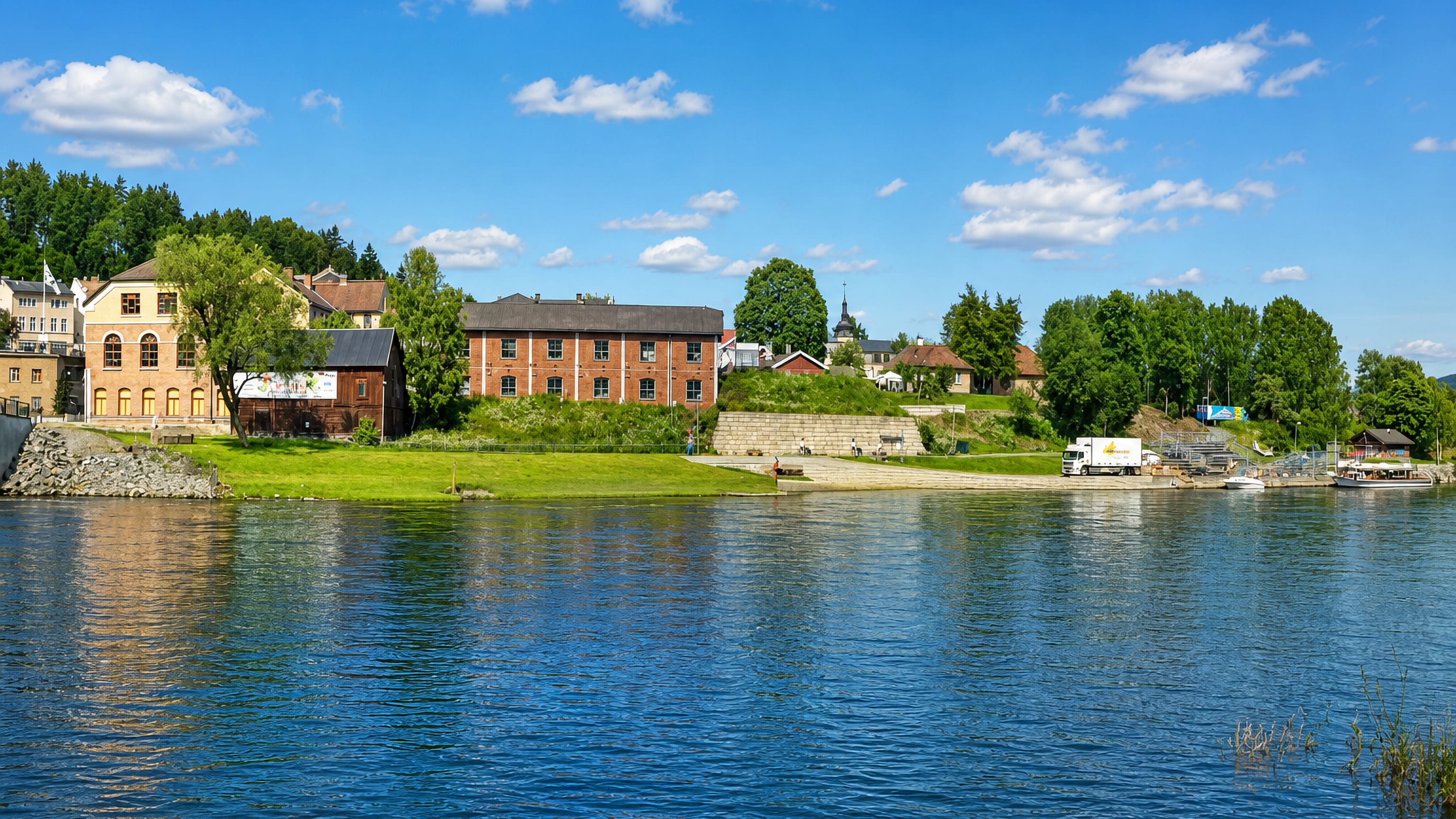
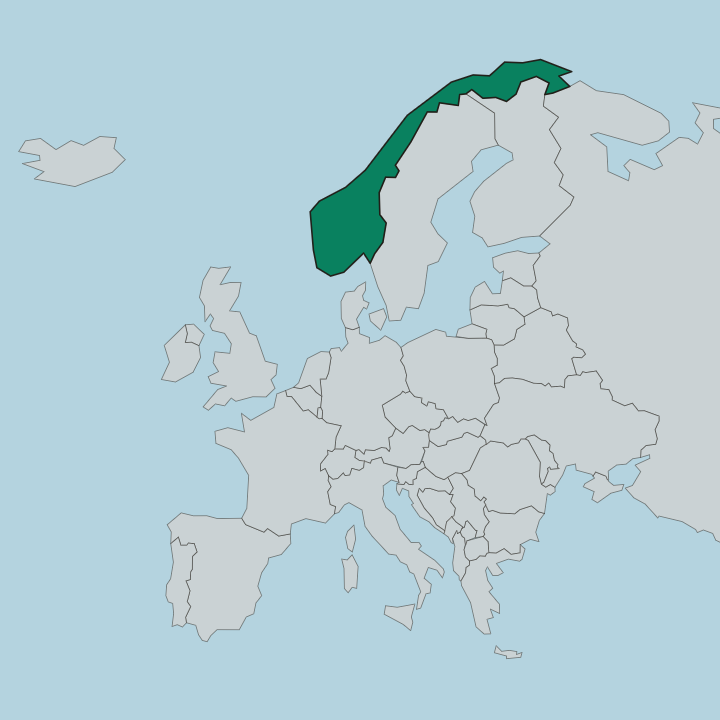
Hønefoss is a falls town and the centre of Ringerike, in the south-eastern part of Buskerud, in south-eastern Norway.
Hotel links are affiliate links: booking through them may earn us a commission, at no extra cost to you. It never affects how places are ranked. How this works


Where to stay in Hønefoss
How the choice of base plays out on the ground.
Hønefoss gathers its beds in the town centre around the falls, where hotels and guest rooms stand near Hønefoss kirke and the bridges over the rushing water. The centre suits visitors who want the falls and the shops at the door, within reach of Ringerikes Museum and the station. The centre by the falls is the natural base.
Out toward the older parishes of Haug and Norderhov, farm rooms and guesthouses sit near Haug kirke and Norderhov kirke, a quieter choice among the lowland fields of Ringerike. Reserve rooms ahead for the summer. Around the edges of the town the sports grounds of Hønefoss Arena, Hønefoss idrettspark and Ringerikshallen draw events, while the iron-age site at Veien Kulturminnepark and the transport collections of Norsk Samferdselshistorisk Senter give travellers reason to stay near this part of the south-eastern part of Buskerud in south-eastern Norway.
Find hotels in Hønefoss
Direct booking searches for these neighbourhoods.
Hønefoss town centre
hotels by Hønefoss kirke and the bridges over the waterFind hotels in Hønefoss town centrea quieter stay among the lowland fieldsHaug and Norderhov
farm rooms near Haug kirke and Norderhov kirke. Lodging is scarce in this area; reserve in advance.Find hotels in Haug and Norderhovthose drawn by the iron-age heritage parkAround Veien
lodging near Veien Kulturminnepark and Norsk Samferdselshistorisk Senter. Lodging is scarce in this area; reserve in advance.Find hotels in Around VeienHotel links are affiliate links: booking through them may earn us a commission, at no extra cost to you. It never affects how places are ranked. How this works
Things to do in Hønefoss
Ranked by global recognition; descriptions from Wikidata (CC0).
Museums & Galleries
3- Veien Kulturminnepark
- Ringerikes Museum building in Ringerike
- Norsk Samferdselshistorisk Senter
Churches & Religious Sites
3- Norderhov Church Heritage church building in Ringerike, Buskerud
- Hønefoss Church Heritage
- Haug Church Heritage church building in Ringerike Municipality
Stadiums & Sports
3- Hønefoss idrettspark
- Ringerikshallen
- Hønefoss Arena
worth knowingacross 3 categories in Hønefoss
About Hønefoss
What is Hønefoss known for?
Hønefoss is the administrative centre of Ringerike, an industrial and transport town built around the waterfall that gives it its name. The falls run through the middle. The town church of Hønefoss kirke stands by the water, the iron-age past of the district is gathered at Veien Kulturminnepark, and the regional story is kept at Ringerikes Museum, in this municipality in the south-eastern part of Buskerud, in south-eastern Norway.
What are the main landmarks in Hønefoss?
Hønefoss takes its great landmark from the falls themselves, the rushing water that drives through the heart of the town. Hønefoss kirke stands beside them. Out in the lowlands the older churches of Haug kirke and Norderhov kirke hold the parishes of Ringerike, while the iron-age burial ground and longhouse at Veien Kulturminnepark and the collections of Ringerikes Museum keep the deep past of the district, and the transport history at Norsk Samferdselshistorisk Senter records the town's place on the routes of the south-eastern part of Buskerud.
What is the history of Hønefoss?
Hønefoss grew at the falls, where the power of the rushing water drew mills and sawworks to the river. Water built the town. A settlement formed around the falls as timber from the inland valleys was floated down and worked at the waterside, and a town rose where the older farming parishes of Ringerike met the river, taking its name from the falls and raising Hønefoss kirke by the water as the industry gathered.
This was old farming country. The deep past of the district reaches back to the iron-age burial ground and longhouse at Veien Kulturminnepark, and the parishes of Haug and Norderhov kept their churches, Haug kirke and Norderhov kirke, long before the town took shape. The town grew on industry and routes.
Hønefoss became the meeting point of the roads and rail between the eastern lowlands and the inner valleys, a transport hub for the district, and its mills and factories made it an industrial centre of inner Østlandet. It once stood on its own. For a time the town was an independent municipality, before it was joined again to Ringerike, and as the administrative centre it now holds the falls, the lowland parishes and the routes of this south-eastern part of Buskerud together in south-eastern Norway, its story kept at Ringerikes Museum.
Where is Hønefoss?
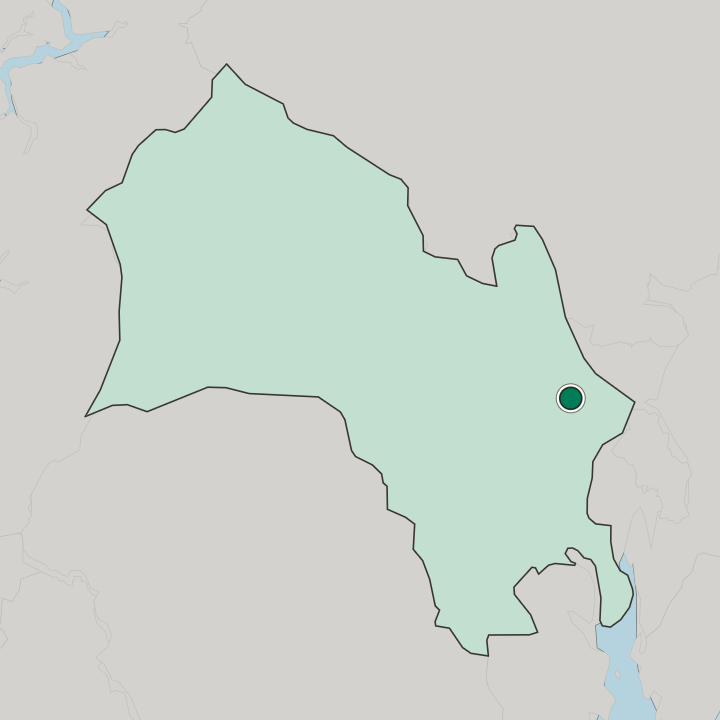
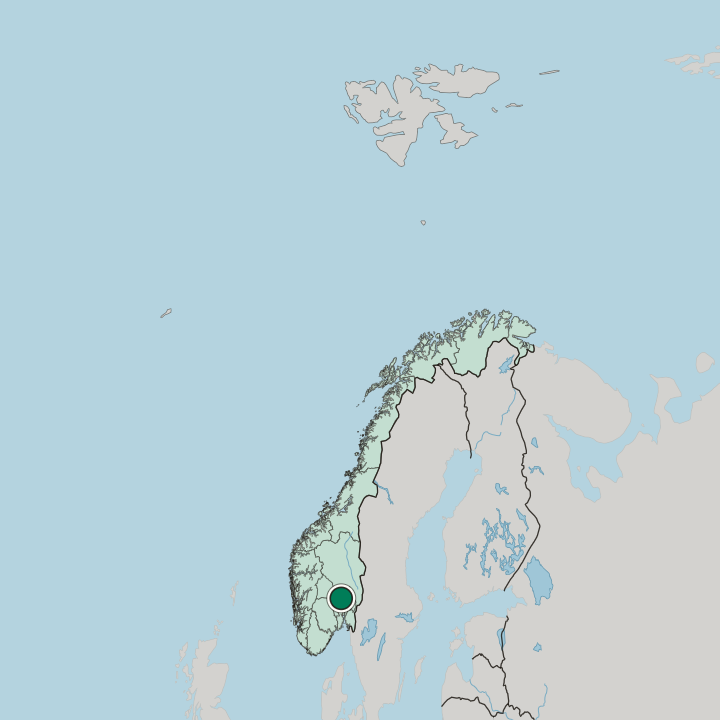
Hønefoss lies in the central lowlands of Ringerike, in the south-eastern part of Buskerud, in south-eastern Norway. The town sits where the river drops over its falls and runs on through the flat farming country, the rushing water dividing the streets in the centre. Lowland fields spread around it.
Hønefoss kirke stands by the falls, while the parishes of Haug and Norderhov and their churches lie out across the open land, and this municipality in Buskerud reaches from the river plain to the wooded ridges that ring the Ringerike lowland.
What is the climate of Hønefoss?
Hønefoss has a cold inland climate, set in the lowlands of Ringerike well back from the moderating coast. Winters run cold and snowy, with frost gripping the river plain and snow lying over the open fields and the falls through the long heart of the season. The summer turns bright.
The lowland farms and the wooded ridges around the town warm under the long northern daylight, while rain and cloud cross this south-eastern part of Buskerud through every month of the year.
How do you get to Hønefoss?
Hønefoss sits at a meeting of routes, a transport hub between the eastern lowlands and the inner valleys of south-eastern Norway. Roads and rail cross at the town, and from the station it is a short walk to the falls and Hønefoss kirke in the centre. Many travellers come in by rail.
The roads and rail lines carry the traffic of this Ringerike town between the lowland districts and the inland valleys, while the lowland routes out toward Haug and Norderhov open the way through the farming country of this part of the south-eastern part of Buskerud.
Common questions
What is the best area to stay in Hønefoss?
Hønefoss town centre: visitors wanting the falls and shops at the door. Haug and Norderhov: a quieter stay among the lowland fields. Around Veien: those drawn by the iron-age heritage park.
Good for
More cities in Buskerud fylke
Updated October 2026