Norway · Buskerud fylke
Where to Stay in Ål, Buskerud fylke
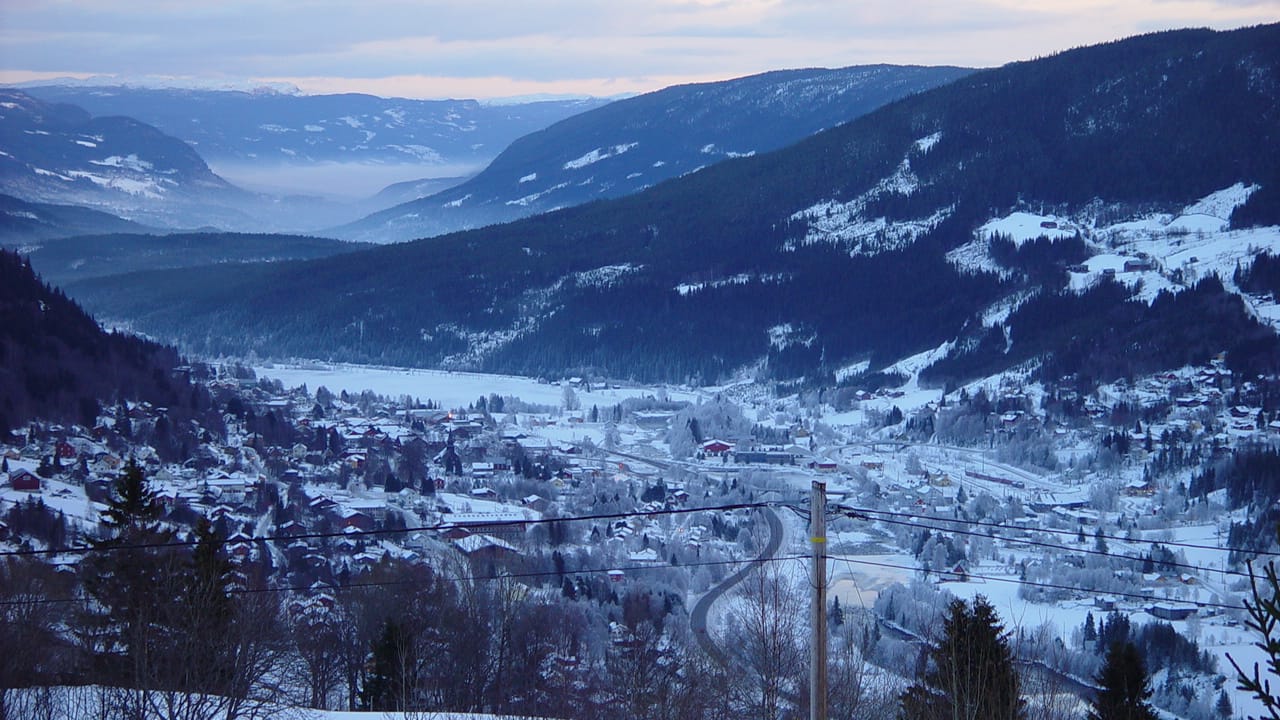
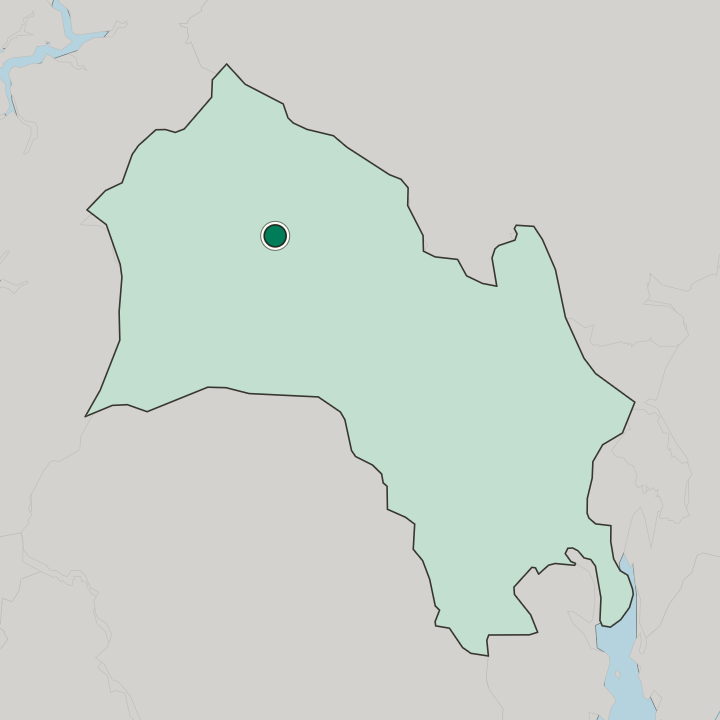
Ål is a town and municipality in Hallingdal, in the north-western part of Buskerud, in south-eastern Norway.
Hotel links are affiliate links: booking through them may earn us a commission, at no extra cost to you. It never affects how places are ranked. How this works


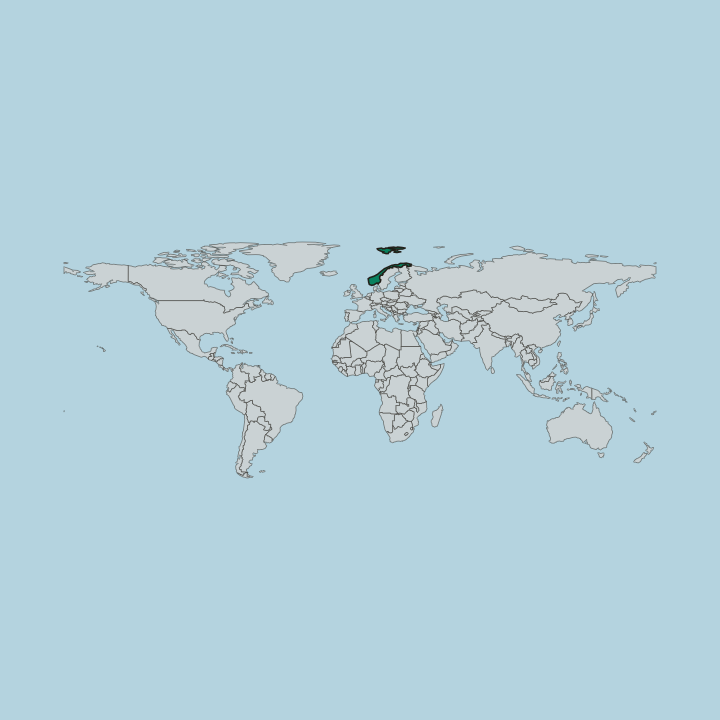
Where to stay in Ål
Where visitors usually base themselves, and why.
Ål gathers its beds in the valley centre. The village of Ål is the natural base. Rooms here put you beside Ål kirke and the Ål Bygdamuseum, with the services of the municipality and the through-routes of Hallingdal close at hand, so a single footing serves both a stopover and a longer stay in the high country of south-eastern Norway.
Rooms in the valley are few. Beyond the centre, the wider parish of Ål spreads into open mountain land. The country around Torpo kirke and Leveld kirke is scattered rural settlement rather than a hotel district, suited to drivers who want a quiet base and are happy to travel in for meals and sights.
The decision is simple here. Take the village of Ål for convenience in the valley, or a rural footing if you are touring the churches and the high country of north-western Buskerud.
Find hotels in Ål
Direct booking searches for these neighbourhoods.
Ål village
the administrative centre in Hallingdal, with services and the valley through-routes close at hand. Lodging is scarce in this area; reserve in advance.Find hotels in Ål villagedrivers touring the churches around Torpo kirkeOuter Ål parish
the scattered mountain country near Torpo kirke and Leveld kirke, away from the village centre. Beds are limited here, so book early.Find hotels in Outer Ål parishHotel links are affiliate links: booking through them may earn us a commission, at no extra cost to you. It never affects how places are ranked. How this works
Things to do in Ål
Ranked by global recognition; descriptions from Wikidata (CC0).
Museums & Galleries
1- Hallingrosa
Churches & Religious Sites
3- Torpo stave church Heritage
- Ål Church Heritage
- Leveld Church Heritage
Stadiums & Sports
1- Ål skisenter
worth knowingacross 3 categories in Ål
About Ål
Ål is a Hallingdal town.
What is Ål known for?
It is the centre of a municipality in the north-western part of Buskerud, in the high country of south-eastern Norway, and the village of Ål sits at its heart as the administrative seat. Old churches mark the parish. Ål kirke, Torpo kirke, and Leveld kirke stand across the district, with the Ål Bygdamuseum holding the local heritage. A valley town in Østlandet.
What are the main landmarks in Ål?
Old churches lead the local sights. Ål kirke stands at the village centre, while Torpo kirke and Leveld kirke serve the surrounding country of the municipality in north-western Buskerud. The Ål Bygdamuseum keeps the district's heritage. These buildings trace long centuries of settled valley life across this corner of Hallingdal, scattered through the high country of south-eastern Norway.
Stone, timber, and the museum yard.
What is the history of Ål?
Ål took its modern shape in the nineteenth century. The parish of Aal was established as a municipality in 1838, gathering the valley farms and parishes of this corner of Hallingdal into a single administrative unit in north-western Buskerud. In 1877 the area of Hol was separated from Ål to form its own municipality.
That division split the upper and lower stretches of the valley into the two municipalities that the high country of south-eastern Norway has carried since. The churches reach back further. Ål kirke, Torpo kirke, and Leveld kirke anchor a settled valley life that long predates the 1838 municipality, and the Ål Bygdamuseum keeps the story of that older rural world. Farming, the parish, and the slow turn of the mountain seasons shaped the district.
From medieval parish to municipality and the 1877 split with Hol, Ål keeps the layered story of a Hallingdal valley.
Where is Ål?
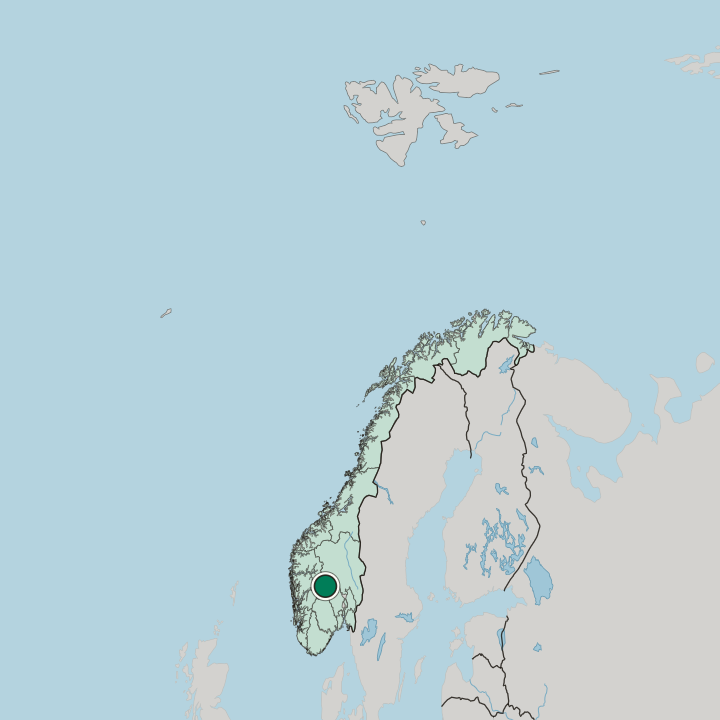
Ål lies high in south-eastern Norway. It occupies the north-western part of Buskerud, in the valley of Hallingdal, where the uplands of Østlandet rise into mountain country well above the lowlands to the east. The village fills the valley floor.
Around it the scattered parish reaches into the fells, with Torpo kirke and Leveld kirke marking the higher country and the through-roads following the valley. This is high interior, far from any coast.
What is the climate of Ål?
Ål has a cold mountain climate. High in the north-western part of Buskerud, the village and its surrounding parish see short cool summers and long snowy winters typical of the Hallingdal valley, with deep cold settling over the fells of south-eastern Norway through the dark winter months. Snow lies long on the high ground.
The brief summer brings warmth and long light to the country around Ål kirke before the season turns again. Subpolar, not coastal.
How do you get to Ål?
Ål is reached up the valley. The town lies on the routes through Hallingdal in the north-western part of Buskerud, served by road and rail across the high country of south-eastern Norway, and the village is the main arrival point for this stretch of Østlandet. The centre gathers the connections.
From there Ål kirke and the Ål Bygdamuseum lie close, with the wider parish spreading out around the valley floor. The way in follows the river valley up.
Common questions
What is the best area to stay in Ål?
Ål village: visitors basing beside Ål kirke and the Ål Bygdamuseum. Outer Ål parish: drivers touring the churches around Torpo kirke.
Good for
More cities in Buskerud fylke
Updated October 2026