Norway · Buskerud fylke
Where to Stay in Kongsberg, Buskerud fylke
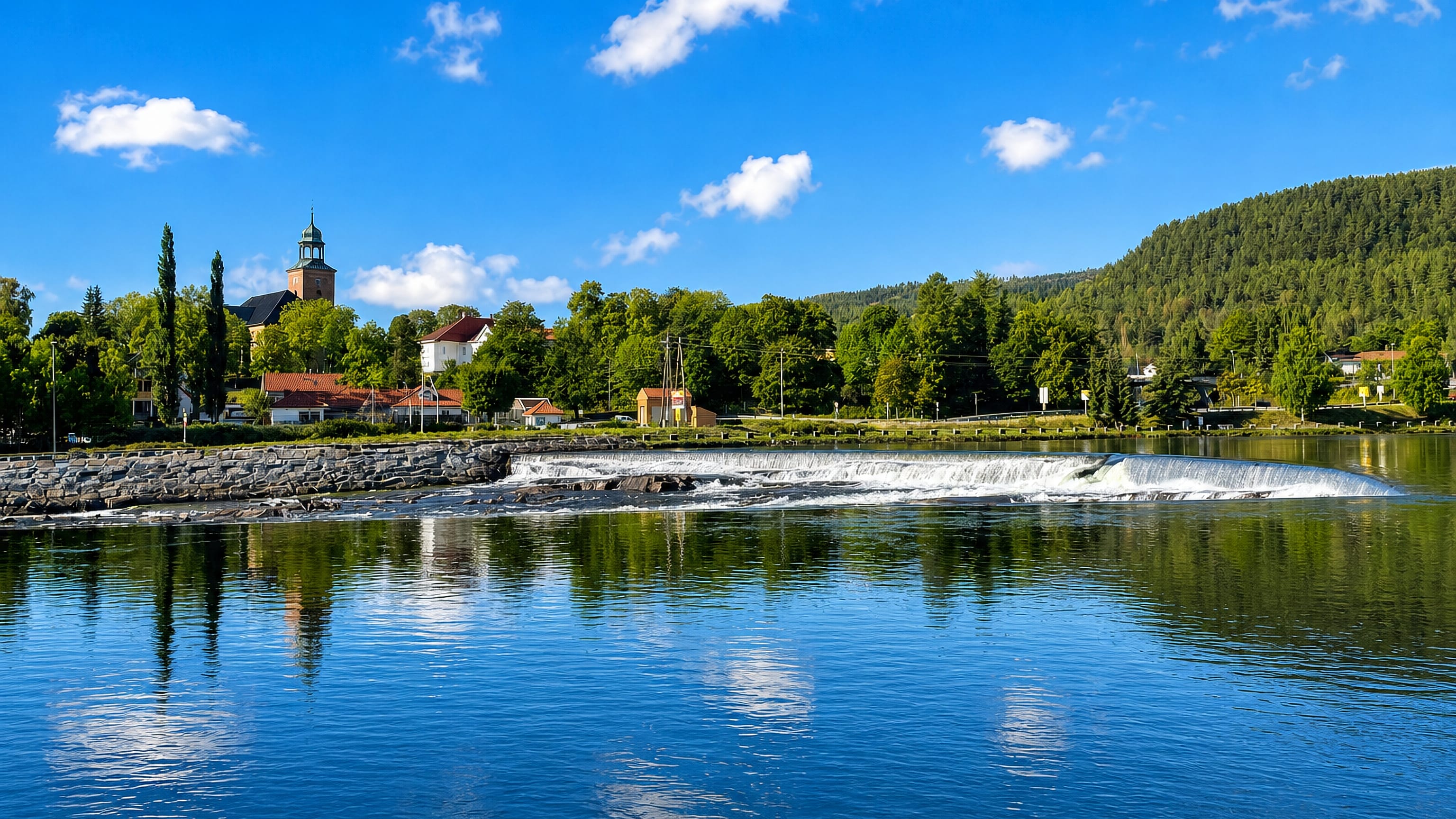
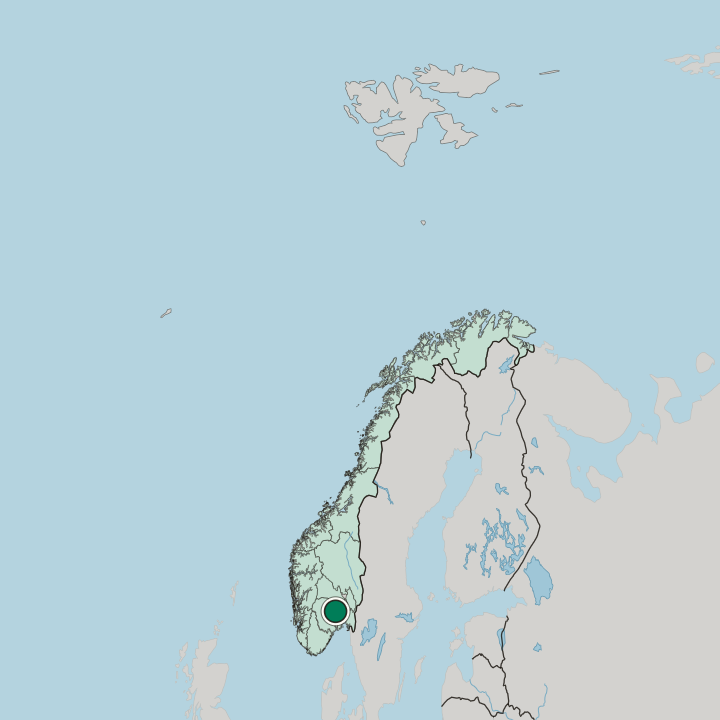
Kongsberg is an old silver-mining town on the Numedalslågen, in the southern part of Buskerud, in south-eastern Norway.
Hotel links are affiliate links: booking through them may earn us a commission, at no extra cost to you. It never affects how places are ranked. How this works


Where to stay in Kongsberg
The practical side of choosing where to sleep.
Kongsberg's beds gather in the old town along the Numedalslågen, where hotels and guest rooms stand near the great Kongsberg kirke and the riverside streets of the mining centre. The town centre suits visitors who want the silver-town heart at the door, within walking reach of Norsk Bergverksmuseum and the river. It is the natural base in town.
Up in the hills, lodging spreads toward the ski ground and the Kongsberg Skimuseum, a quieter choice for travellers who come for the winter slopes above the valley. Book ahead in the ski season. Out along the river and the outlying parishes toward Hedenstad and Jondalen, farm rooms and guesthouses sit near Hedenstad kirke and Jondalen kirke, handy for those touring the mouth of the Numedal valley and the open-air collections of Lågdalsmuseet in this part of the southern part of Buskerud in south-eastern Norway.
Find hotels in Kongsberg
Direct booking searches for these neighbourhoods.
Kongsberg old town
hotels by Kongsberg kirke and Norsk Bergverksmuseum on the NumedalslågenFind hotels in Kongsberg old towntravellers coming for the winter slopesThe ski hills
lodging toward the ski ground and the Kongsberg Skimuseum. Rooms are few around here — worth securing early.Find hotels in The ski hillsthose touring the mouth of the Numedal valleyHedenstad and Jondalen
farm rooms near Hedenstad kirke and Jondalen kirke. Beds are limited here, so book early.Find hotels in Hedenstad and JondalenHotel links are affiliate links: booking through them may earn us a commission, at no extra cost to you. It never affects how places are ranked. How this works
Things to do in Kongsberg
Ranked by global recognition; descriptions from Wikidata (CC0).
Museums & Galleries
3- Norwegian Mining Museum
- Kongsberg Skiing Museum
- Lågdalsmuseet
Churches & Religious Sites
5- Tuft stavkirke Heritage
- Efteløt Church Heritage
- Hedenstad kyrkje Heritage
- Jondalen Church Heritage
- Komnes Church Heritage
Castles & Historic Sites
6- Kongsberg Silverworks Heritage
- Heistadmoen Heritage
- Kongsberg School of Mines Heritage
- Kongsberg sykehus Heritage
- Meheiskogen Heritage
Show 1 more →
- Zechenhusene Heritage
Stadiums & Sports
1- Bergerbakken alpinanlegg
worth knowingacross 4 categories in Kongsberg
About Kongsberg
What is Kongsberg known for?
Kongsberg is the old silver town of Buskerud, built around the rich mines that opened in the seventeenth century at the mouth of the Numedal valley. Silver made the town. The story of the workings is kept at Norsk Bergverksmuseum, while the great Kongsberg kirke stands at the heart of the mining town and the slopes above hold the heritage of the Kongsberg Skimuseum, in this municipality in the southern part of Buskerud, in south-eastern Norway.
What are the main landmarks in Kongsberg?
Kongsberg's landmarks rise from its mining past. The great Kongsberg kirke stands at the centre of the silver town, one of the largest baroque churches in the country, while the workings and tools of the mines are gathered at Norsk Bergverksmuseum. Silver runs through it all.
The ski heritage of the hills is kept at the Kongsberg Skimuseum and the country life of the valley at Lågdalsmuseet, while the outlying churches of Hedenstad kirke and Jondalen kirke mark the parishes along the Numedalslågen in this part of the southern part of Buskerud.
What is the history of Kongsberg?
Kongsberg was founded as a mining town when rich silver was struck in the hills in the seventeenth century. Silver built it from the rock. A king's town grew at the mouth of the Numedal valley to work the mines and mint the coin, and the great Kongsberg kirke rose at its heart as the wealth of the silver years gathered the workers and officials into one place along the Numedalslågen.
The mines ran for centuries. Their workings, tools and history are kept at Norsk Bergverksmuseum, a record of the silver that made the town. The town outlived the silver.
As the mines wound down, Kongsberg turned to arms production and forestry, and later to the high-technology industry that took root in the old mining town. Skiing took to the hills. The slopes above the valley gave the country its skiing tradition, kept at the Kongsberg Skimuseum, while the country life of the district is held at Lågdalsmuseet.
Around the centre the older parishes of Hedenstad and Jondalen kept their churches, Hedenstad kirke and Jondalen kirke, and the town grew into the municipality that holds the mouth of the Numedal valley together in the southern part of Buskerud, in south-eastern Norway.
Where is Kongsberg?
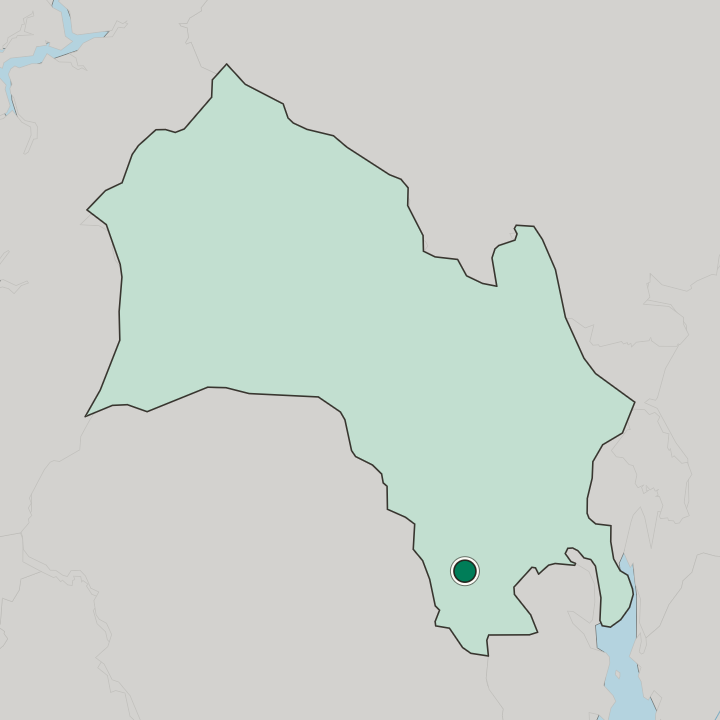
Kongsberg lies on the Numedalslågen at the entrance to the Numedal valley, in the southern part of Buskerud, in south-eastern Norway. The town sits where the river runs out of the valley, ringed by the forested hills that held the silver mines and rise to the ski ground above. Hills close it round.
Kongsberg kirke stands by the river in the old centre, while this municipality in Buskerud reaches up the wooded ridges and out along the Numedalslågen toward the outlying parishes of Hedenstad and Jondalen.
What is the climate of Kongsberg?
Kongsberg has a cold inland climate, set among the forested hills of the southern part of Buskerud well back from the coast. Winters run cold and snowy, with frost and deep snow lying over the valley and the slopes above the town through the long heart of the season, feeding the ski ground in the hills. Summers warm the river valley and woods.
The river valley and the woods around the old silver town warm under the long northern daylight, while rain and cloud cross the Numedalslågen and its ridges through every month of the year.
How do you get to Kongsberg?
Kongsberg sits on the rail line and roads that run up from the lowlands into the Numedal valley, in the southern part of Buskerud. Trains call at the town station near the river, and from there it is a short walk to Kongsberg kirke and the old mining centre. Many reach the silver town by train.
The valley roads and rail carry the traffic of this Buskerud town between the lowland towns and the inland heights, while the routes up the Numedalslågen open the way to the parishes of Hedenstad and Jondalen for travellers reaching this part of south-eastern Norway.
Common questions
What is the best area to stay in Kongsberg?
Kongsberg old town: visitors wanting the silver-town heart at the door. The ski hills: travellers coming for the winter slopes. Hedenstad and Jondalen: those touring the mouth of the Numedal valley.
Good for
More cities in Buskerud fylke
Updated October 2026