Norway · Buskerud fylke
Where to Stay in Drammen, Buskerud fylke
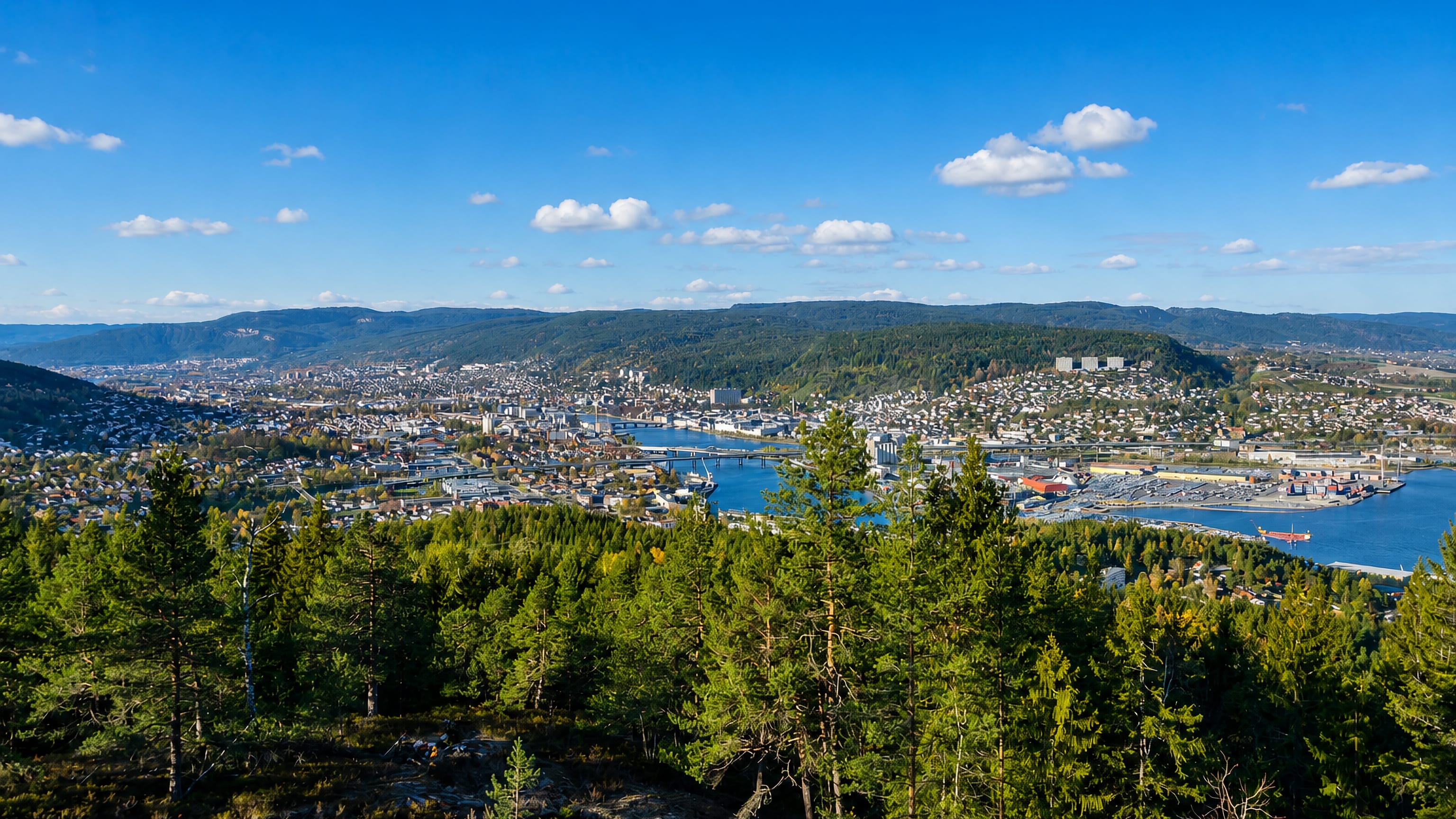
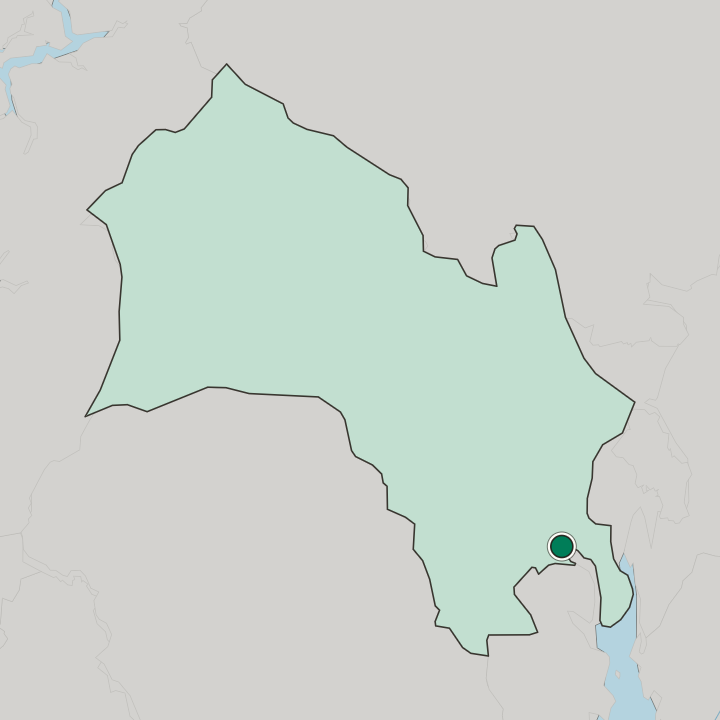
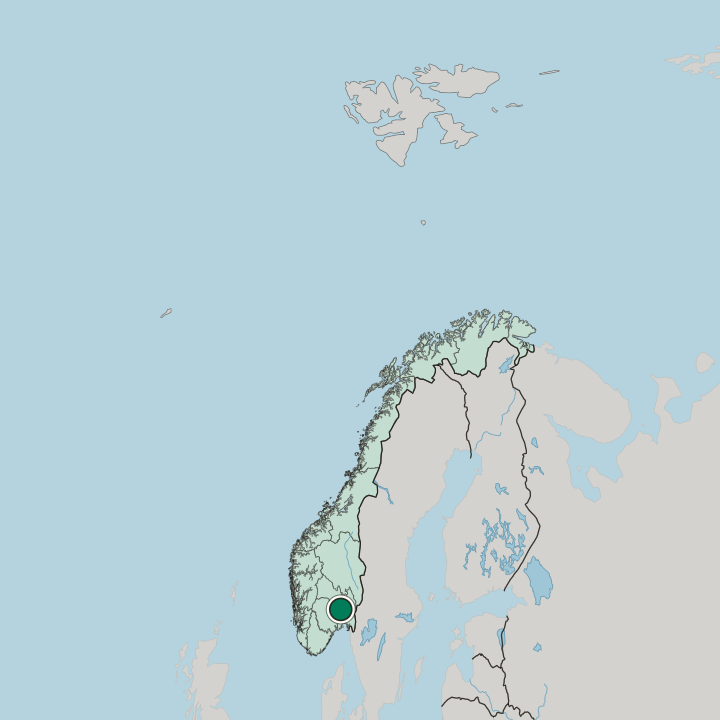
Drammen is a river city on the Drammenselva, the south-eastern part of Buskerud, in south-eastern Norway.
Hotel links are affiliate links: booking through them may earn us a commission, at no extra cost to you. It never affects how places are ranked. How this works


Where to stay in Drammen
Not every neighbourhood fits every trip — here's what each one is good for.
 DrammenNorway
Bragernes
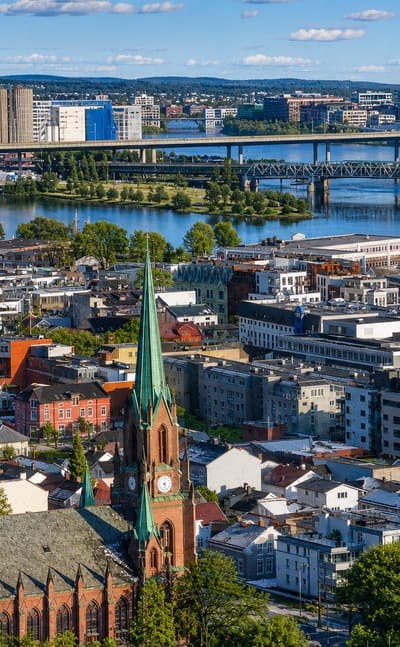
central hotels by the square and Bragernes kirke below SpiraltoppenBragernes →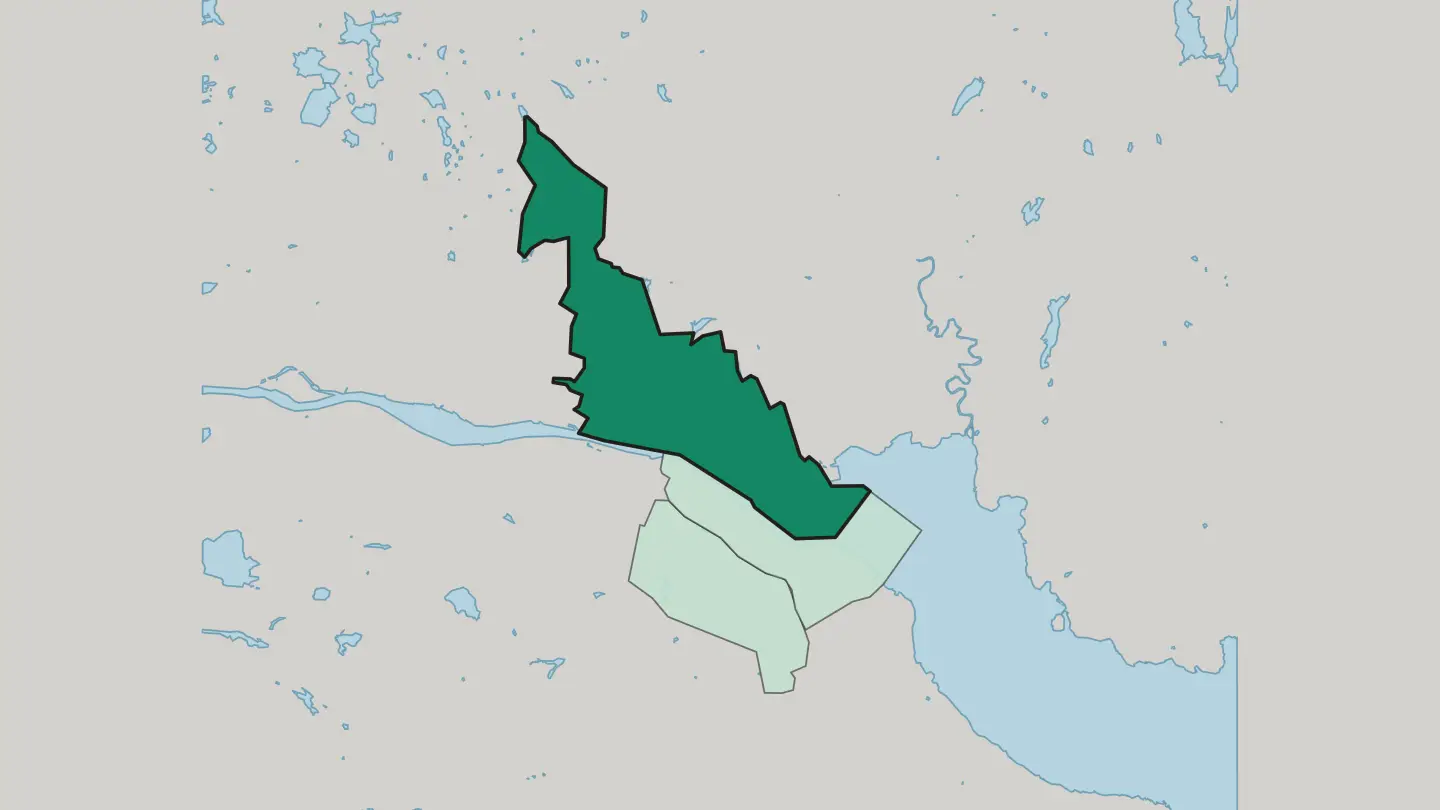
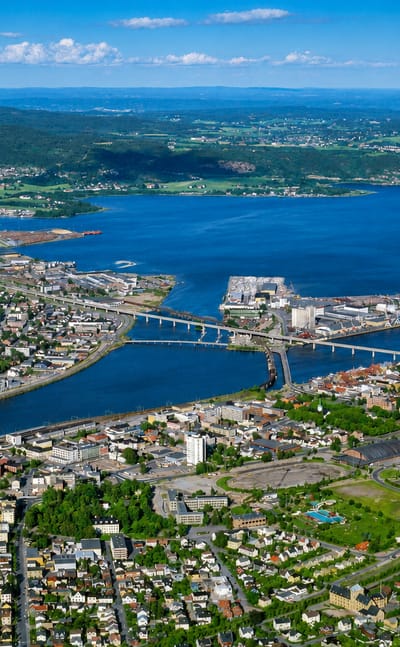 DrammenNorway
Strømsø
a quieter stay near the station and Strømsø kirkeStrømsø →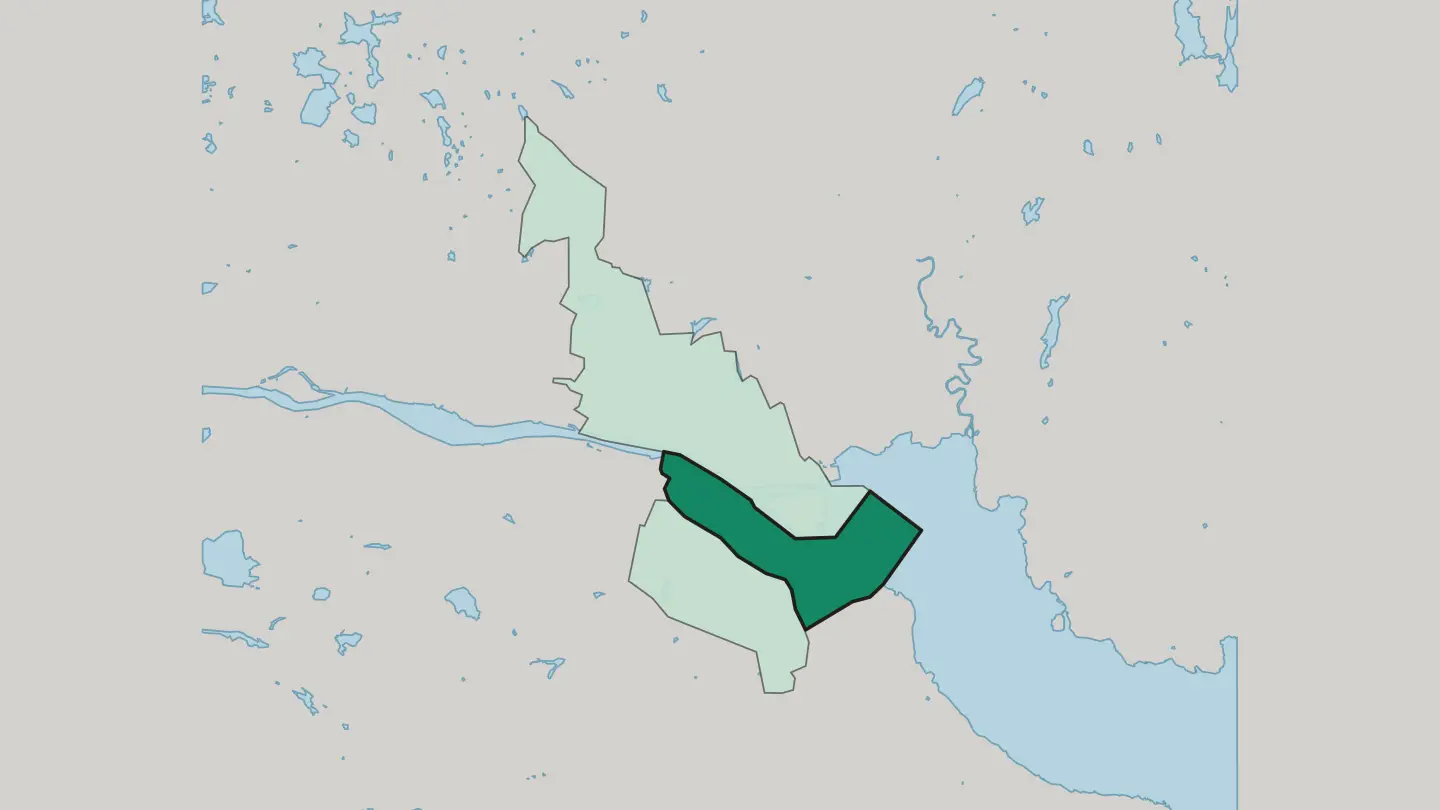
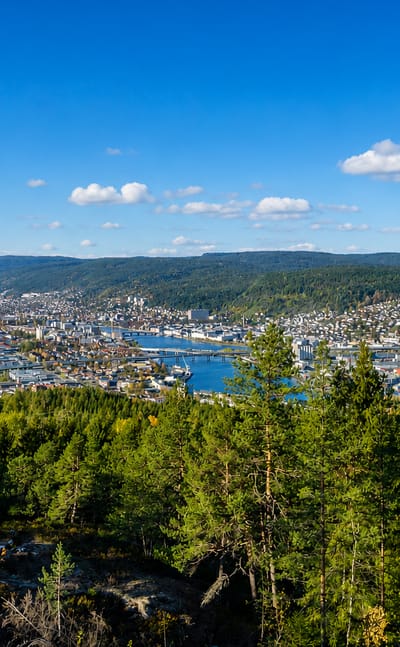 DrammenNorway
Austad
Austad names one of Drammen's districts in Buskerud fylke, Norway, sitting nearer to Strømsø than to any other part of the city.Where to stay →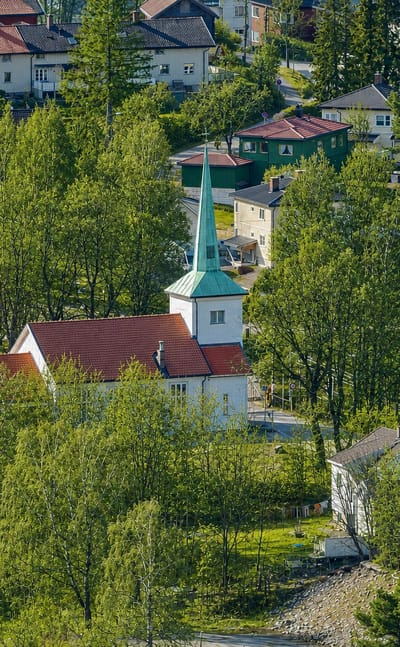 DrammenNorway
Strømsgodset
Strømsgodset is a former municipality in Norway, absorbed into the city of Drammen and carried on since as one of its districts.Where to stay →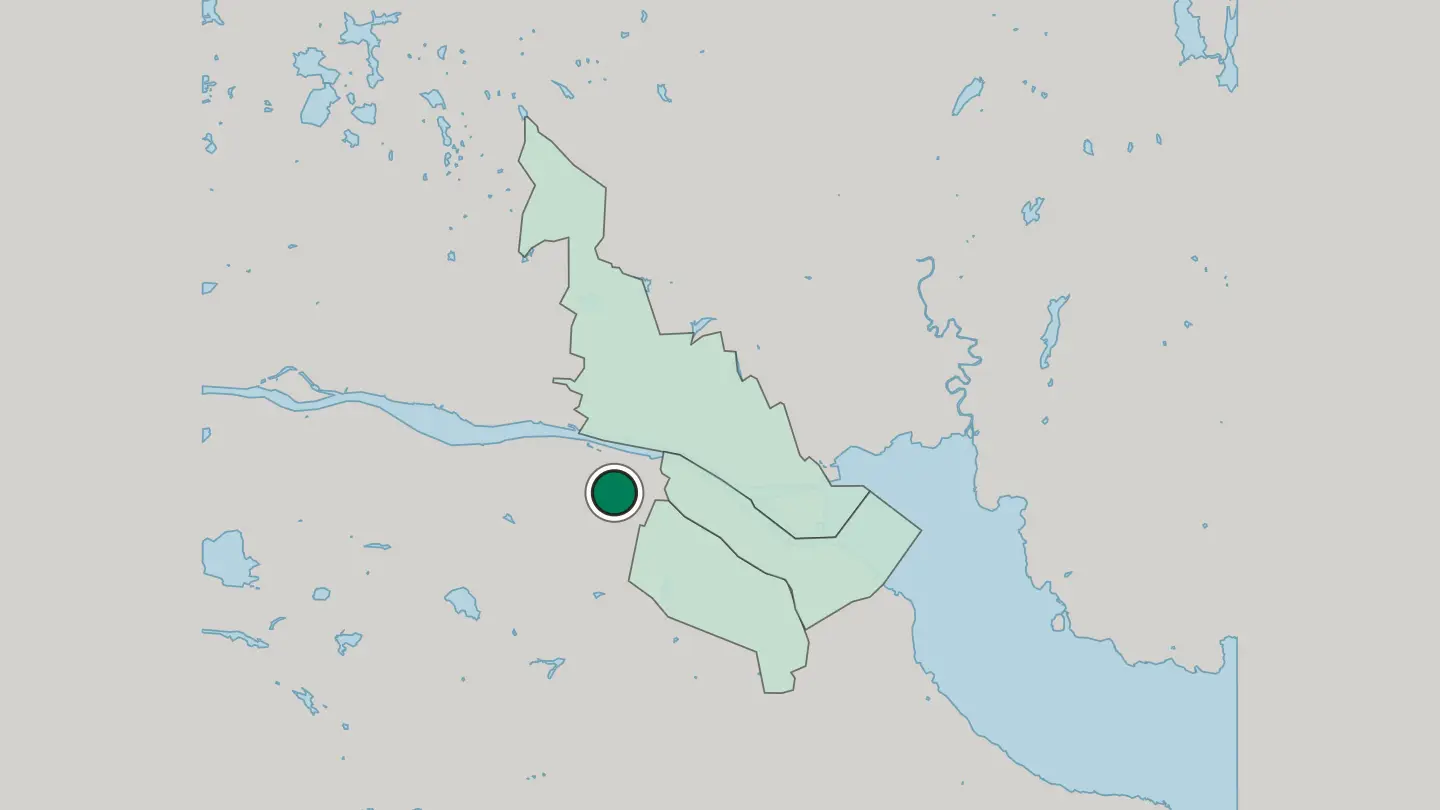 DrammenNorway
Rundtom
Rundtom is a district of Drammen in Buskerud fylke, Norway, with Tangen kirke standing among its streets.Where to stay →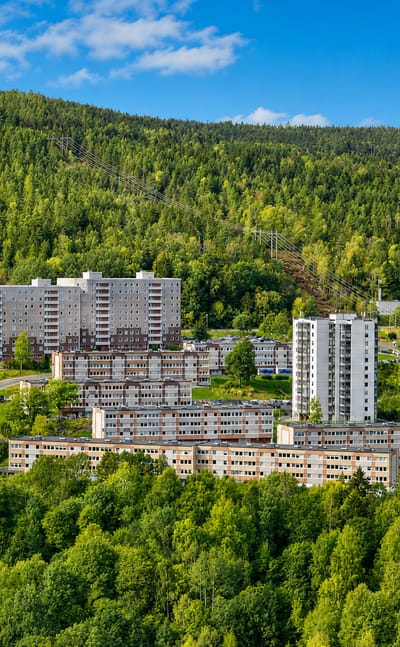 DrammenNorway
Fjell
Fjell is a residential district of Drammen in south-eastern Norway, built in stages from 1965 as 27 low and high blocks.Where to stay →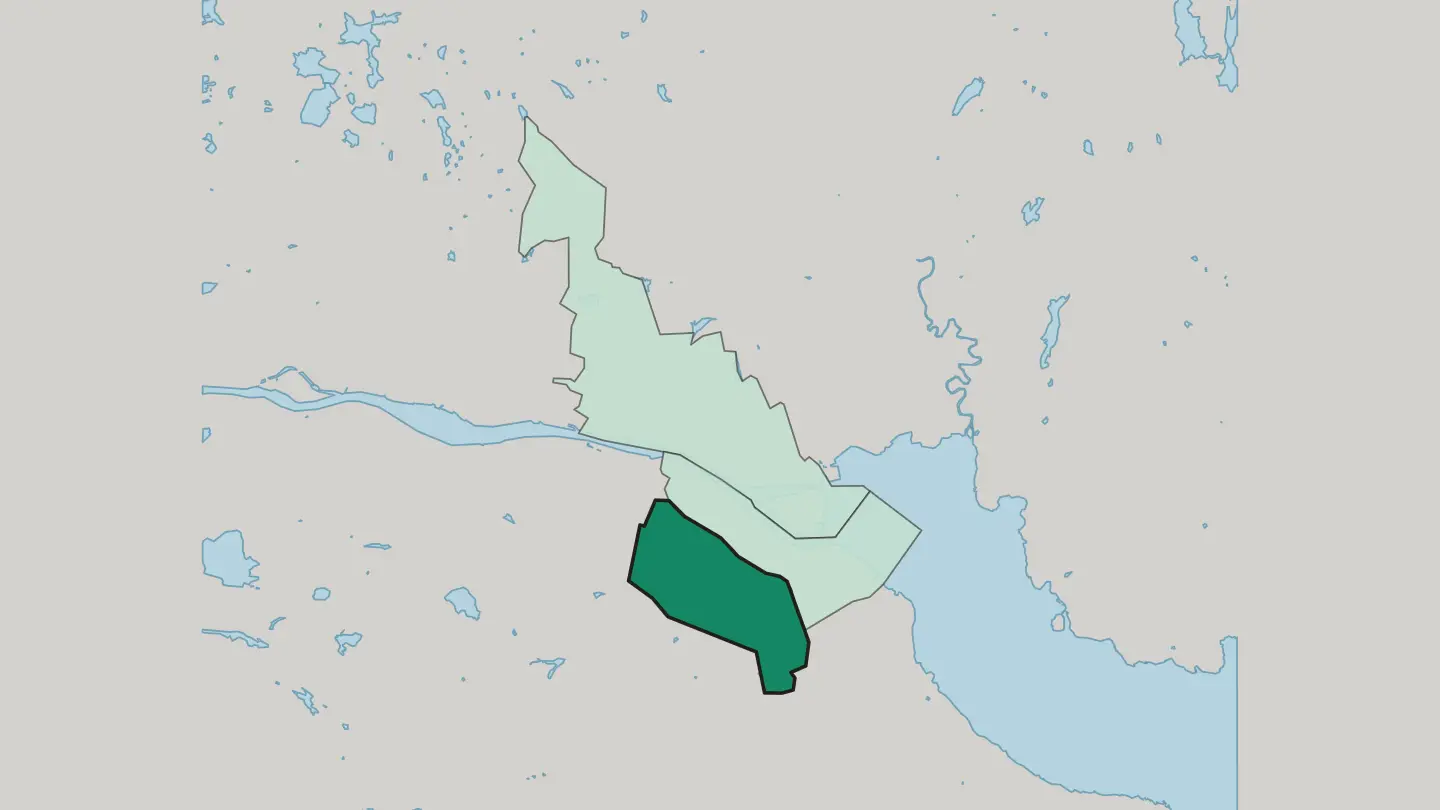
 DrammenNorway
Åssida
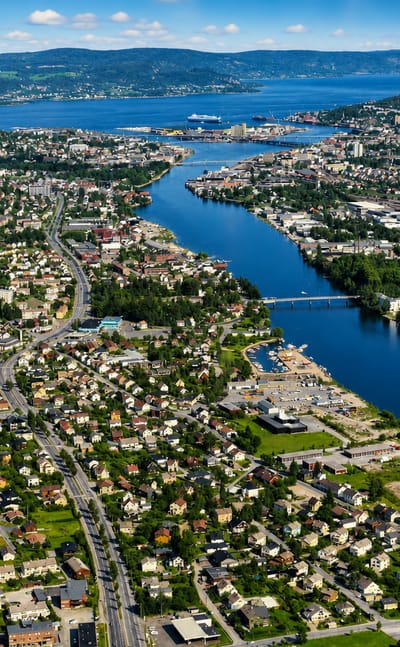
Åssida is the largest borough of Drammen in south-eastern Norway, spreading across the north-western side of the city.Where to stay →Hotel links are affiliate links: booking through them may earn us a commission, at no extra cost to you. It never affects how places are ranked. How this works
Find hotels in Drammen
Direct booking search for this neighbourhood.
Hotel links are affiliate links: booking through them may earn us a commission, at no extra cost to you. It never affects how places are ranked. How this works
Things to do in Drammen
Ranked by global recognition; descriptions from Wikidata (CC0).
Museums & Galleries
1- Drammens Museum
Churches & Religious Sites
4- Bragernes Church Heritage
- Strømsø Church Heritage
- Åssiden Church Heritage
- Tangen Church Heritage
Stadiums & Sports
3- Gulskogen Idrettspark
- Åssiden Idrettspark
- Haukåsløypa
worth knowingacross 3 categories in Drammen
About Drammen
What is Drammen known for?
Drammen is the river city of Buskerud, set where the Drammenselva runs between the old districts of Bragernes and Strømsø. The river divides and binds it. Bragernes kirke crowns the northern bank and Strømsø kirke the southern, while the art and history collections of Drammens Museum and the hillside viewpoint of Spiraltoppen draw visitors to this municipality in the south-eastern part of Buskerud, in south-eastern Norway.
What are the main landmarks in Drammen?
Drammen's landmarks line both banks of the Drammenselva. Bragernes kirke rises over the northern district and Strømsø kirke over the southern, the two old churches facing each other across the water, with Tangen kirke and Åssiden kirke marking the outer parishes. Churches crown the river city.
Above Bragernes the wooded hill climbs to the viewpoint of Spiraltoppen, reached by the spiral tunnel, while the art and cultural collections of Drammens Museum hold the history of this part of the south-eastern part of Buskerud in south-eastern Norway.
What is the history of Drammen?
Drammen grew where the Drammenselva reached the fjord, drawing timber and trade down from the inland valleys of Buskerud. The Drammenselva made the town. Two old market settlements faced each other across the water, Bragernes on the northern bank and Strømsø on the southern, each with its own church, Bragernes kirke and Strømsø kirke, raised as the parishes prospered on the timber and shipping that the river carried to the sea.
Trade built the banks. The merchant houses and collections of those centuries are kept at Drammens Museum, a record of the river city's wealth. The two towns became one.
Bragernes and Strømsø were joined into a single city straddling the Drammenselva, and the parishes spread outward to Tangen, Åssiden and the western districts, each gaining its church among them Tangen kirke and Åssiden kirke. The hill was opened to the public. A spiral tunnel was driven up through the rock to the viewpoint at Spiraltoppen above Bragernes, and as the river city grew into its present municipality, Drammen drew the sports grounds of Åssiden Idrettspark and Gulskogen Idrettspark and the neighbouring fields of Lier into its life, holding the south-eastern part of Buskerud together as one city in south-eastern Norway.
Where is Drammen?
Drammen sits where the Drammenselva opens into its fjord, in the south-eastern part of Buskerud, in south-eastern Norway. The city straddles the river, with Bragernes on the wooded northern bank below the hill of Spiraltoppen and Strømsø spreading over the flatter southern ground. The Drammenselva cuts straight through the city.
Westward the districts of Åssiden and Gulskogen line the valley toward Lier, while this municipality in Buskerud reaches from the fjordside up the forested ridges that close the river basin.
What is the climate of Drammen?
Drammen has the inland-tempered climate of the south-eastern part of Buskerud, set back from the open coast along the sheltered Drammenselva. Winters bring cold and snow, with frost gripping the river valley and the wooded ridges around Spiraltoppen through the heart of the season, though the fjord and river soften the worst of it. The river holds the city's warmth.
Under the long northern daylight the banks at Bragernes and Strømsø come alive, while rain and cloud cross this part of south-eastern Norway through every month.
How do you get to Drammen?
Drammen lies on the main routes of the south-eastern part of Buskerud, reached by rail and motorway down the Drammenselva valley. Trains call at the station on the Strømsø side, and from there the bridges cross the river to Bragernes and the centre. Many travellers come by rail.
The motorway and rail lines carry the traffic of this Buskerud city between the inland valleys and the coast, while the western districts of Åssiden and Gulskogen open the roads toward Lier, handling the longer journeys of travellers reaching this part of south-eastern Norway.
Common questions
What is the best area to stay in Drammen?
Bragernes: visitors wanting restaurants and the river at the door. Strømsø: travellers arriving by rail. Åssiden and Gulskogen: a calmer base away from the centre.
Good for
More cities in Buskerud fylke
Updated October 2026