Norway
Buskerud fylke, Norway — Towns & Travel Guide
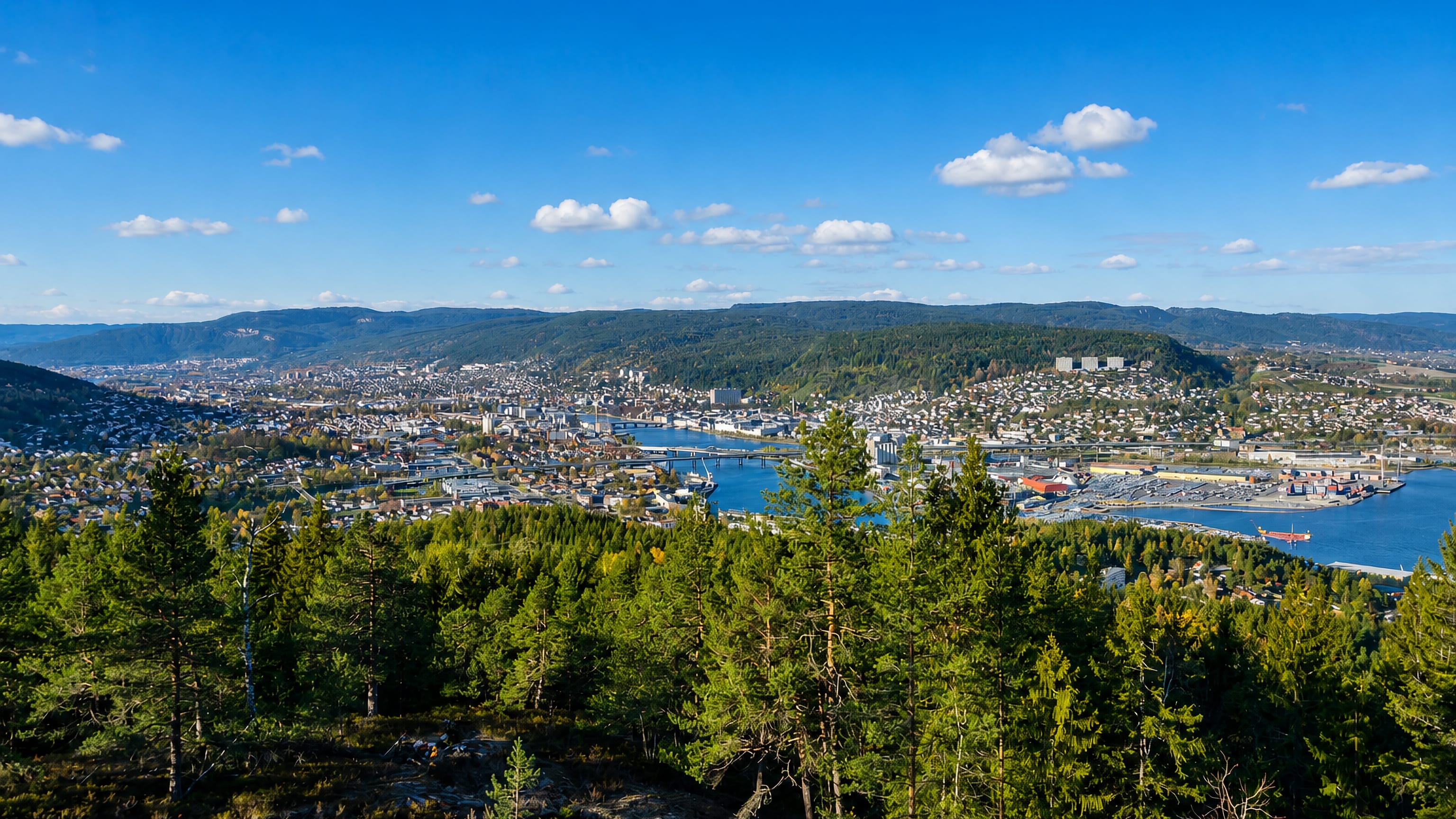
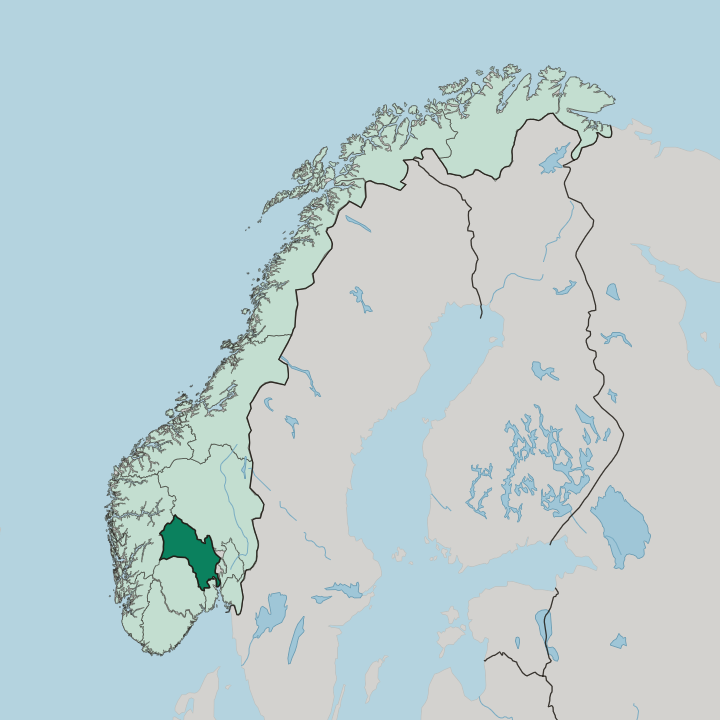
Buskerud is a county in south-eastern Norway, reaching from the Oslofjord to the Hardangervidda, with Drammen as its centre.
Hotel links are affiliate links: booking through them may earn us a commission, at no extra cost to you. It never affects how places are ranked. How this works


Towns & cities in Buskerud fylke
Pick a town or city — each links to where to stay.
 Norway
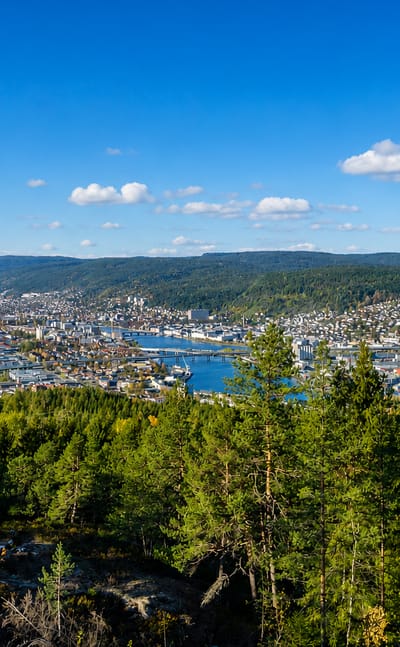
Drammen
Drammen is a river city on the Drammenselva, the south-eastern part of Buskerud, in south-eastern Norway.Where to stay →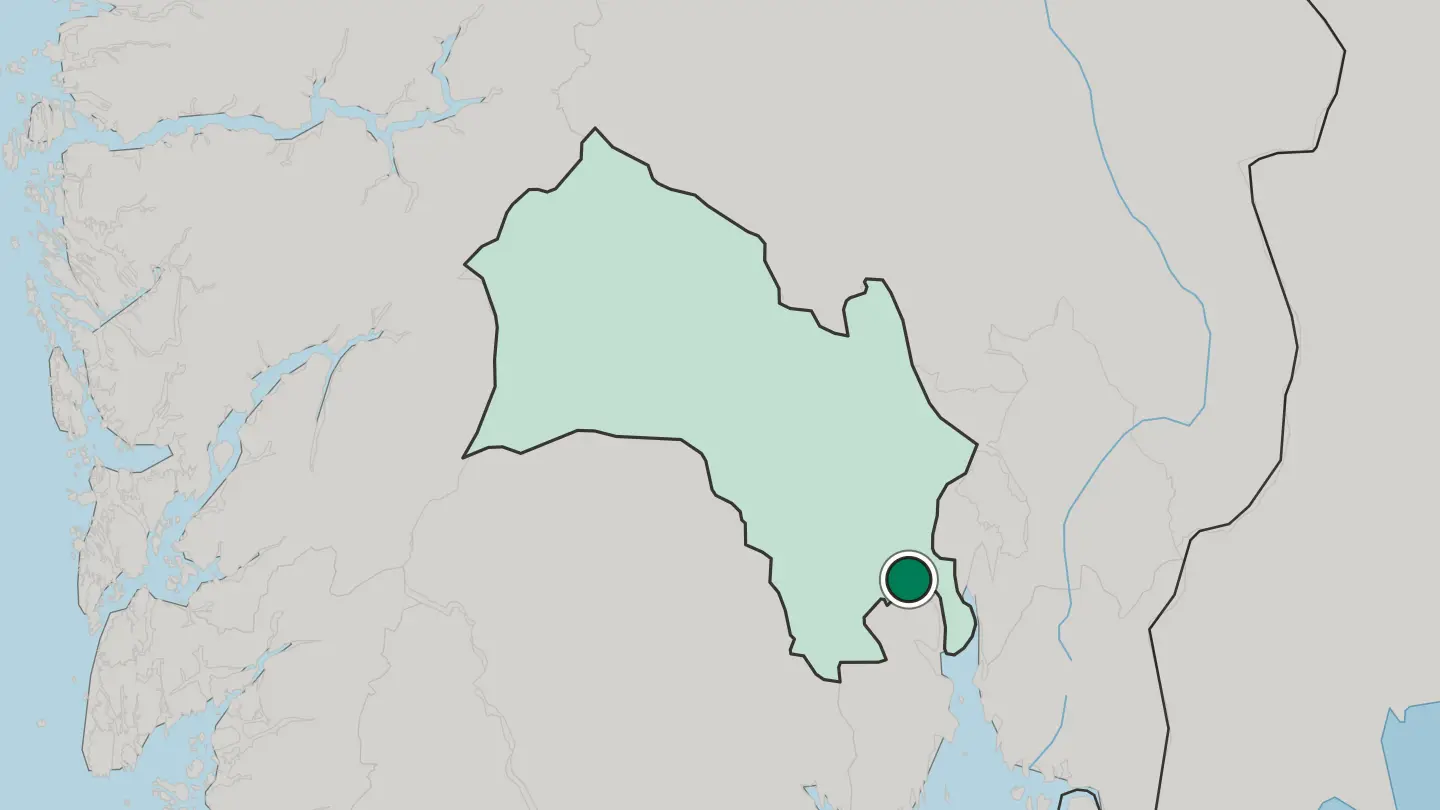
 Norway
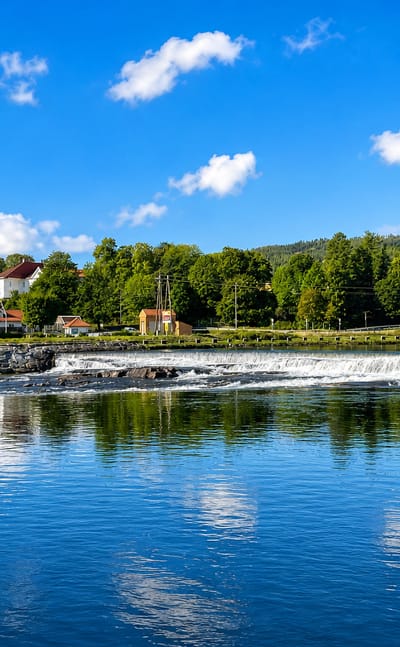
Kongsberg
Kongsberg is an old silver-mining town on the Numedalslågen, in the southern part of Buskerud, in south-eastern Norway.Where to stay →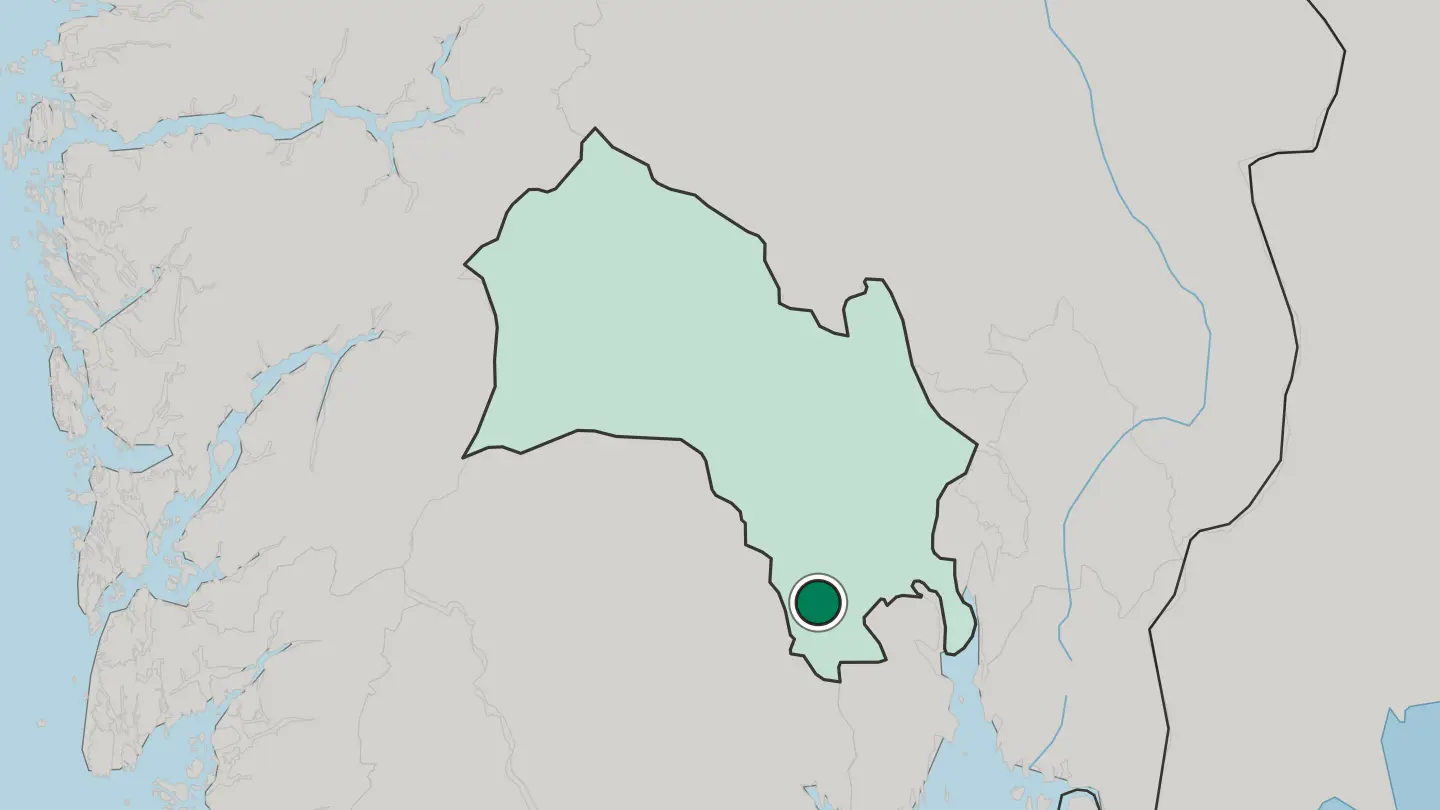
 Norway
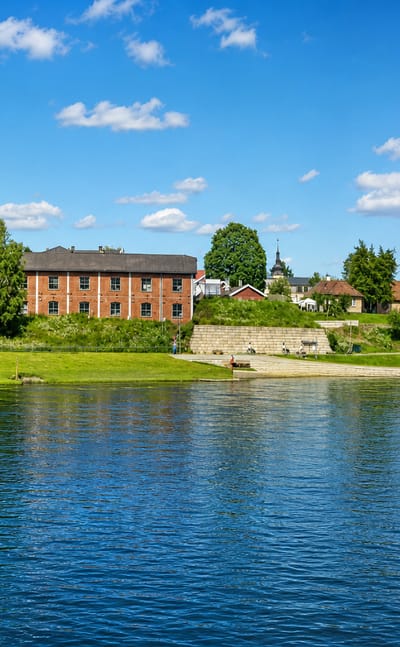
Hønefoss
Hønefoss is a falls town and the centre of Ringerike, in the south-eastern part of Buskerud, in south-eastern Norway.Where to stay →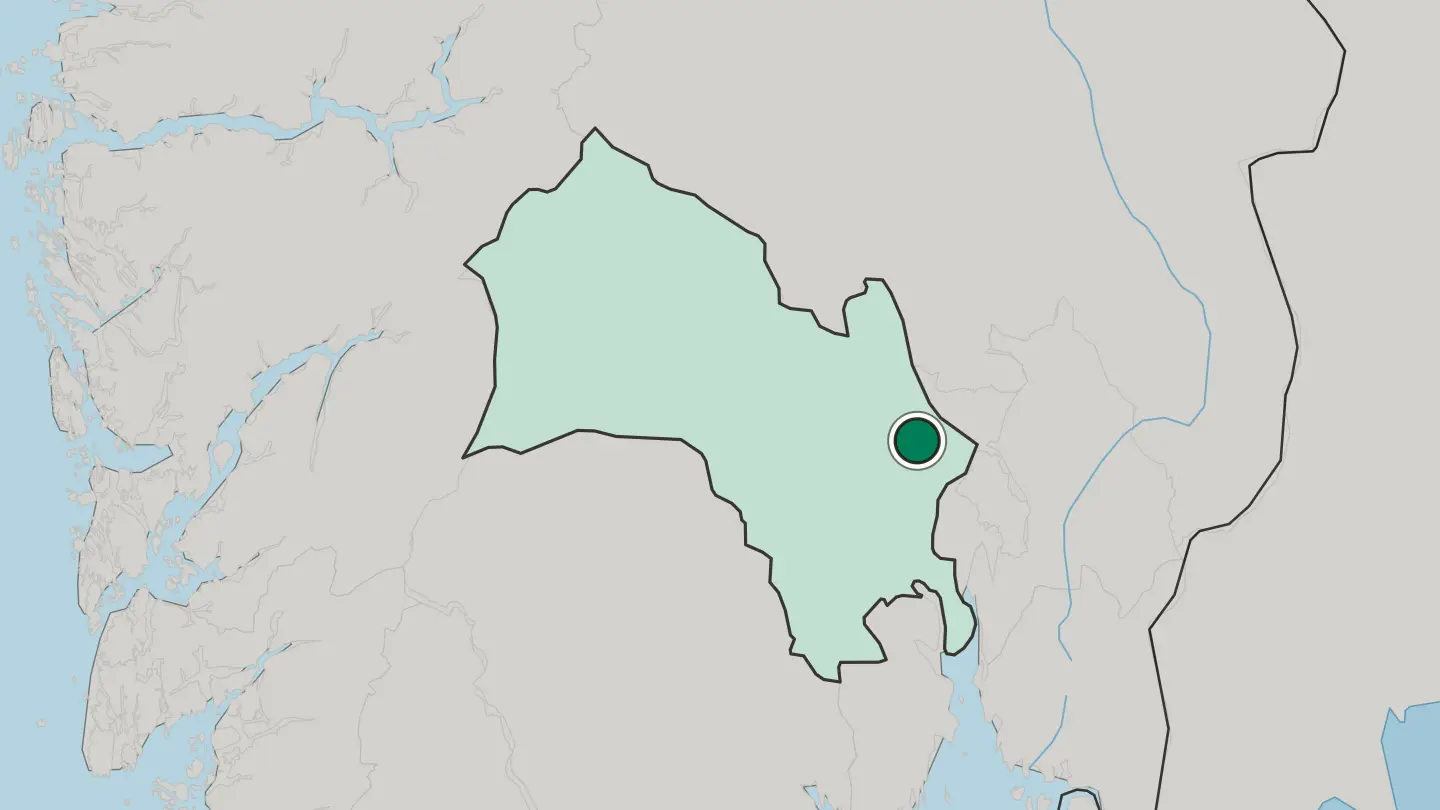
 Norway
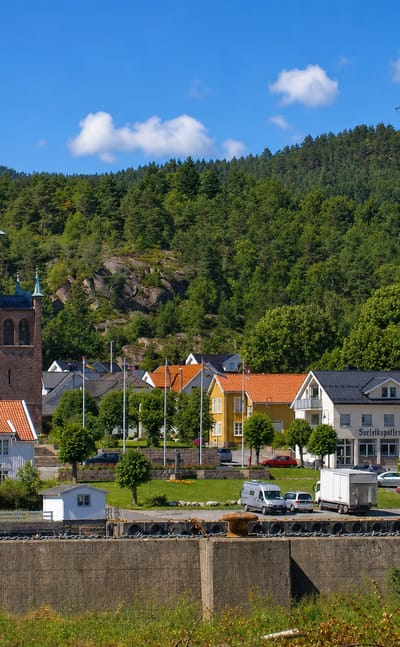
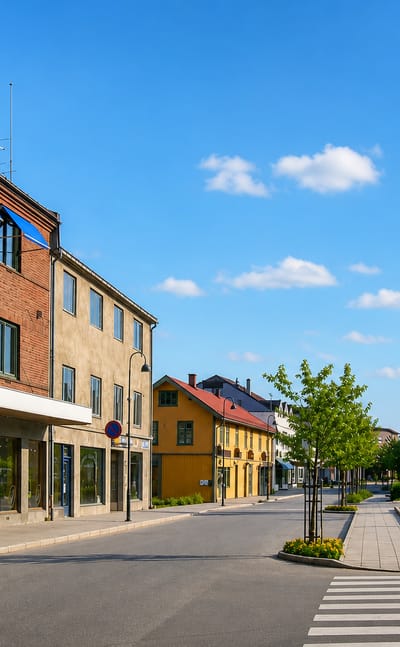
Svelvik
Svelvik is a fjord town on the narrows of the Drammensfjord, the south-eastern part of Buskerud, in south-eastern Norway.Where to stay →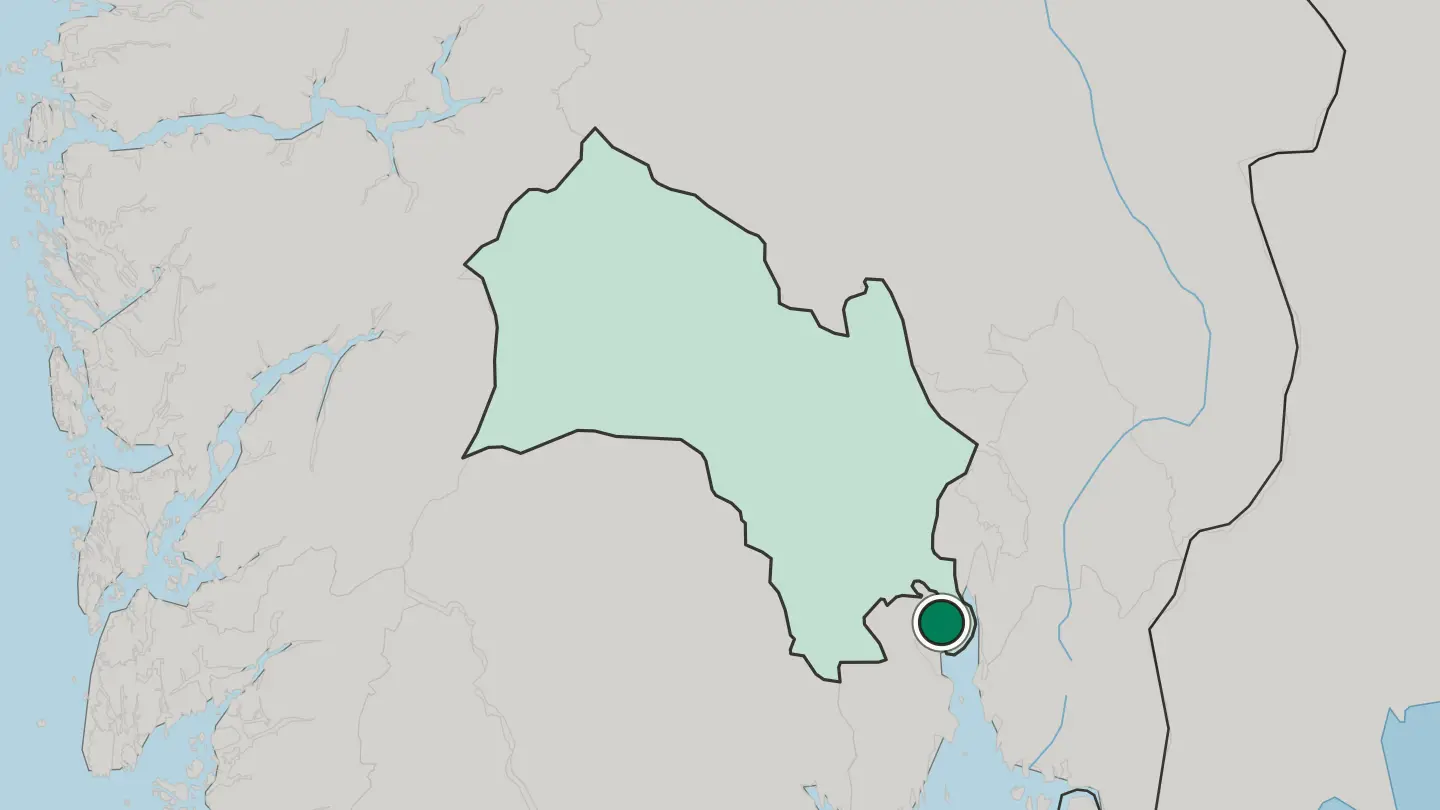
 Norway
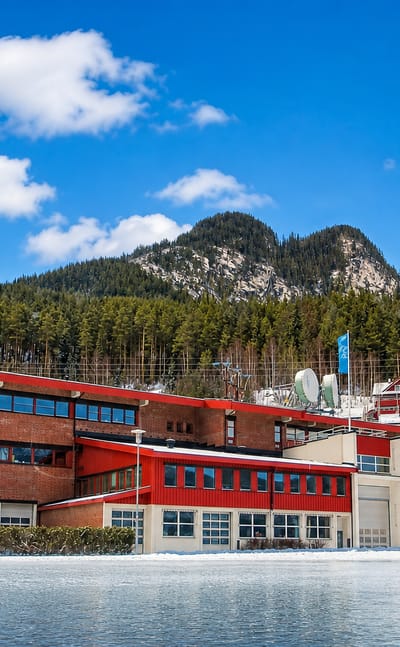
Vikersund
Vikersund is a town in Modum, in south-eastern Norway, known for the Blaafarveværket cobalt works and the Krøderbanen heritage railway.Where to stay →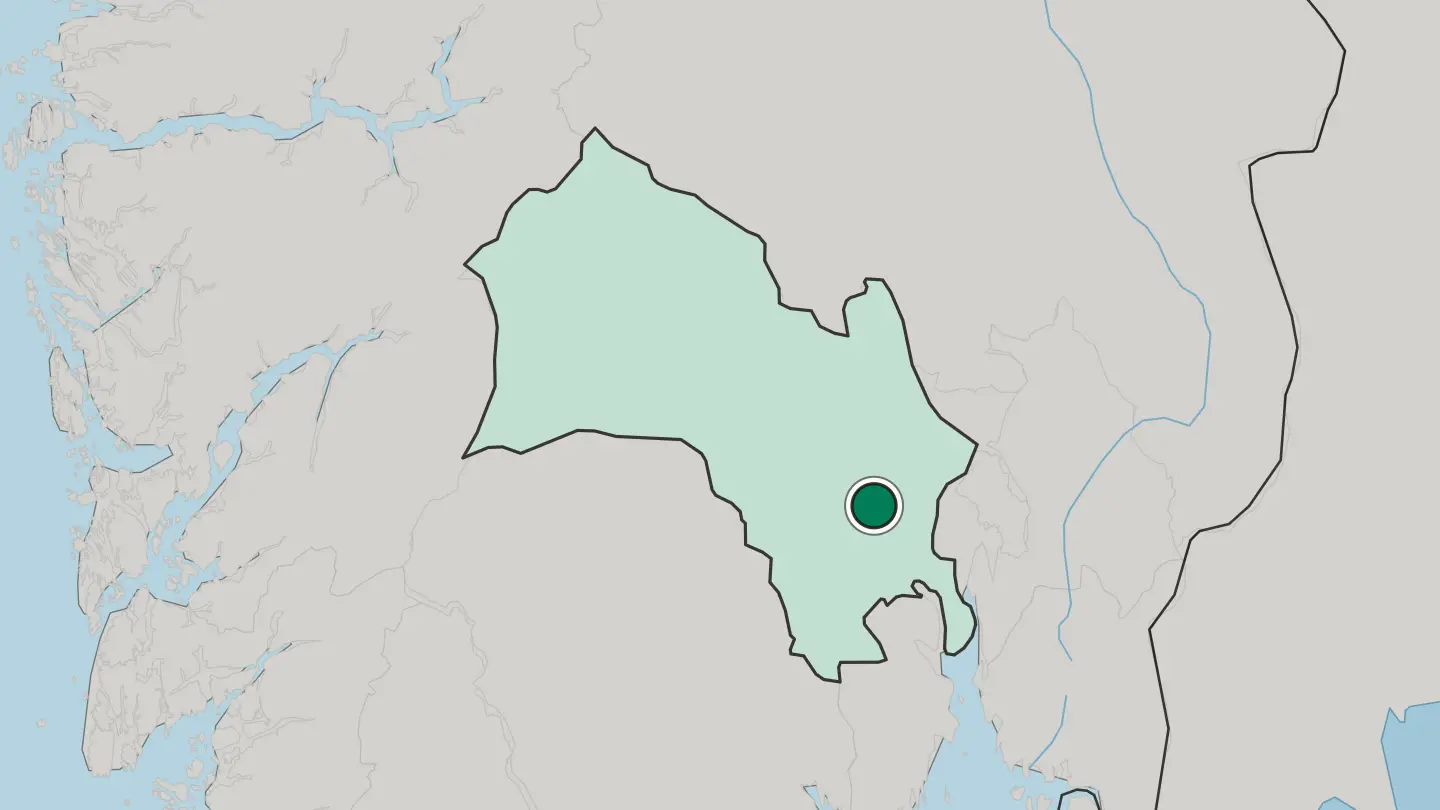
 Norway
Gol
Gol is a town and municipality in Buskerud, in south-eastern Norway, set in the high country of the region's north-western reach.Where to stay →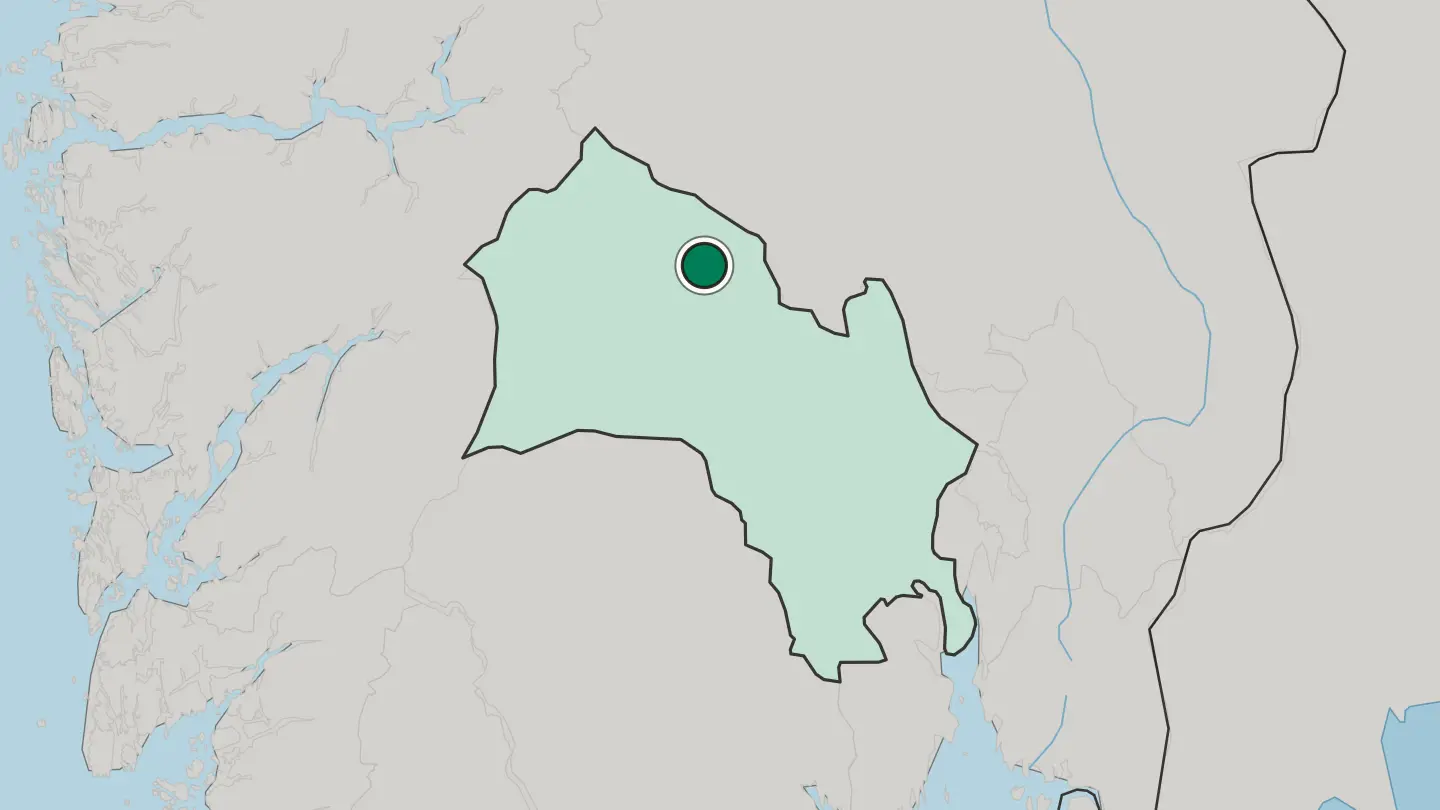
 Norway
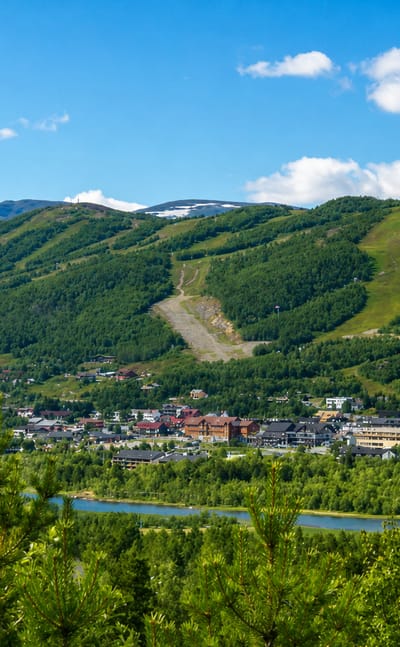
Geilo
Geilo is a mountain town in Hol, in the western part of Buskerud, in the high country of south-eastern Norway.Where to stay →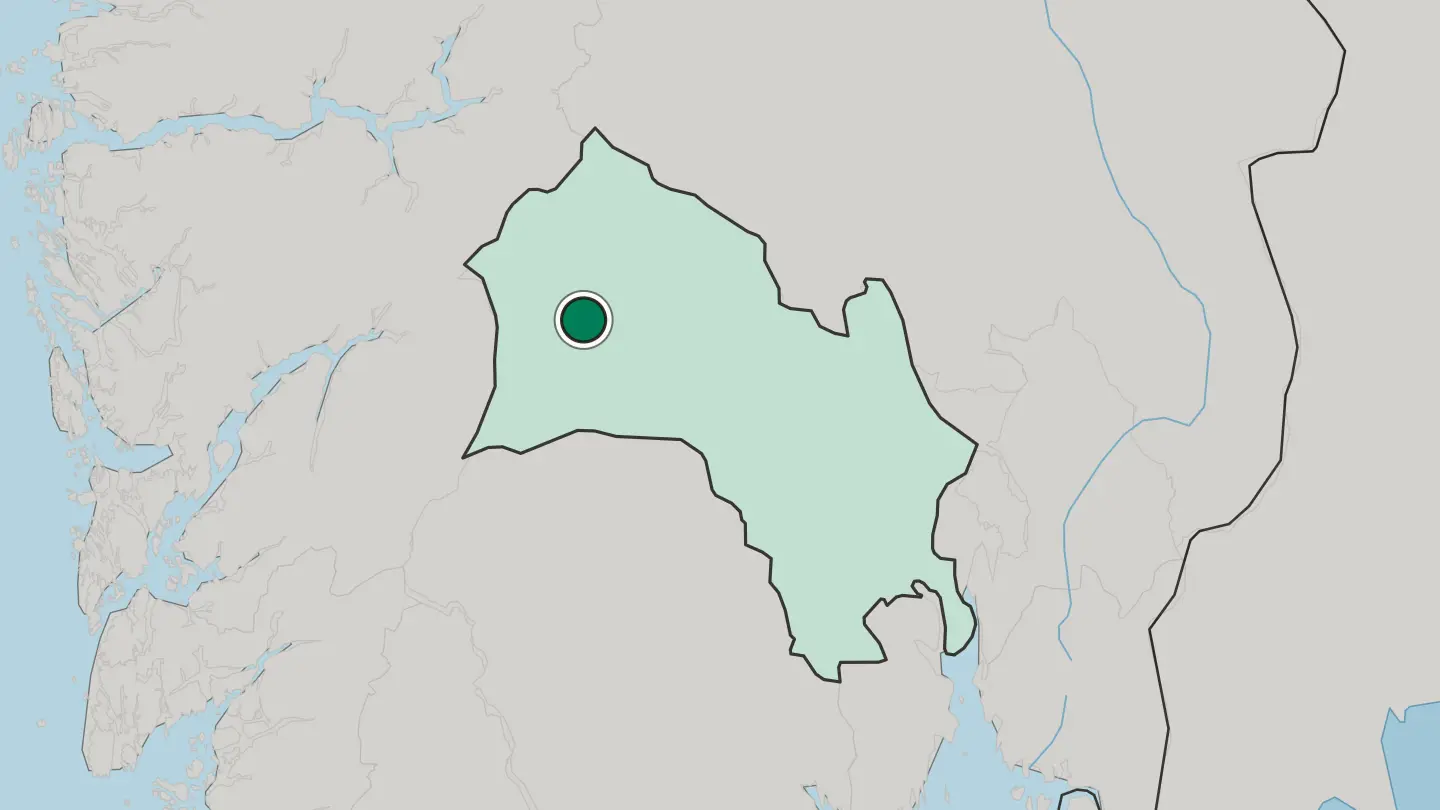
 Norway
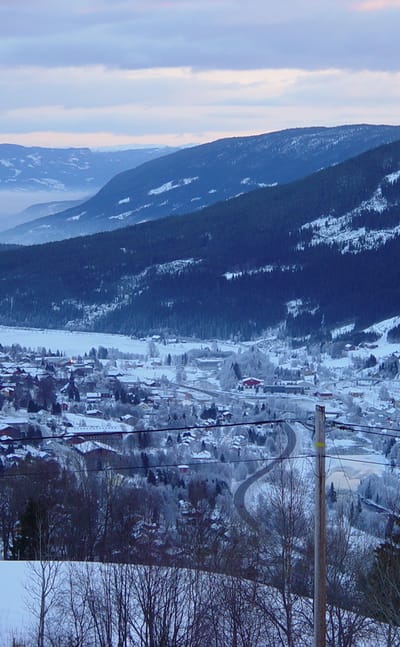
Ål
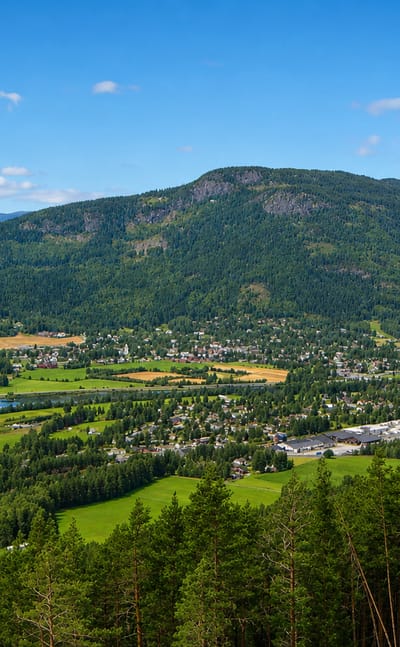
Ål is a town and municipality in Hallingdal, in the north-western part of Buskerud, in south-eastern Norway.Where to stay →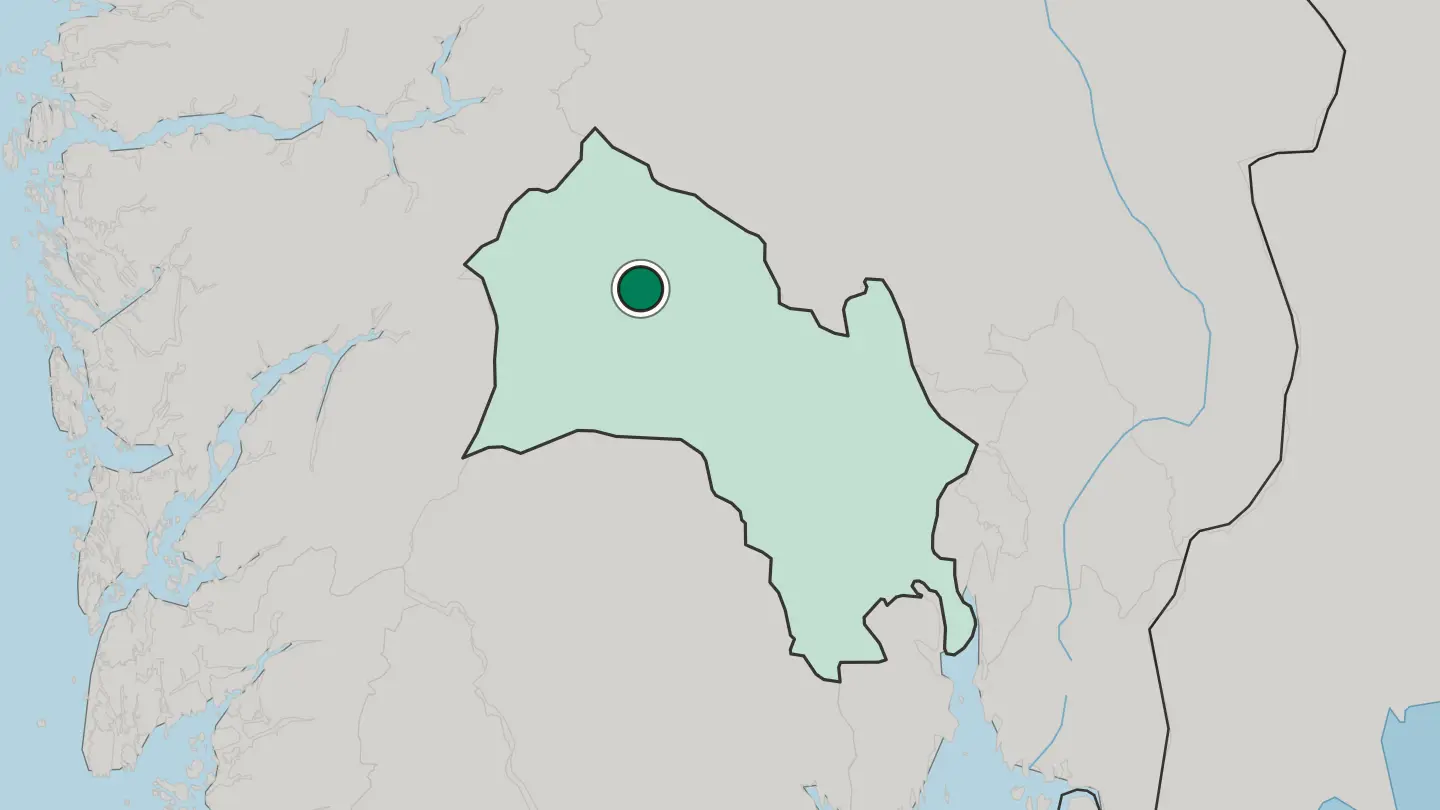
All towns & cities (21)
 Norway
Nesbyen
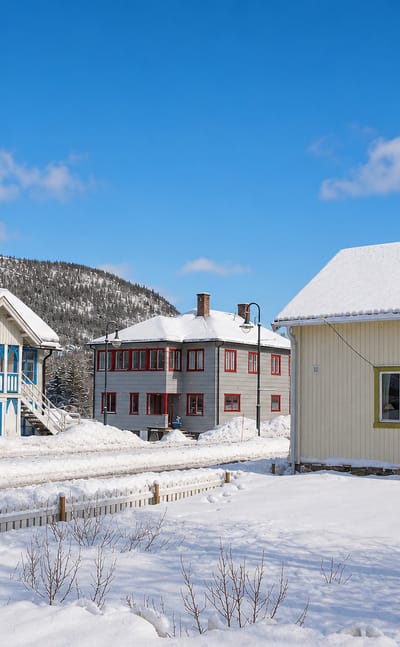
Nesbyen is a town and municipality in the western part of Buskerud, in south-eastern Norway, in the Hallingdal valley.Where to stay →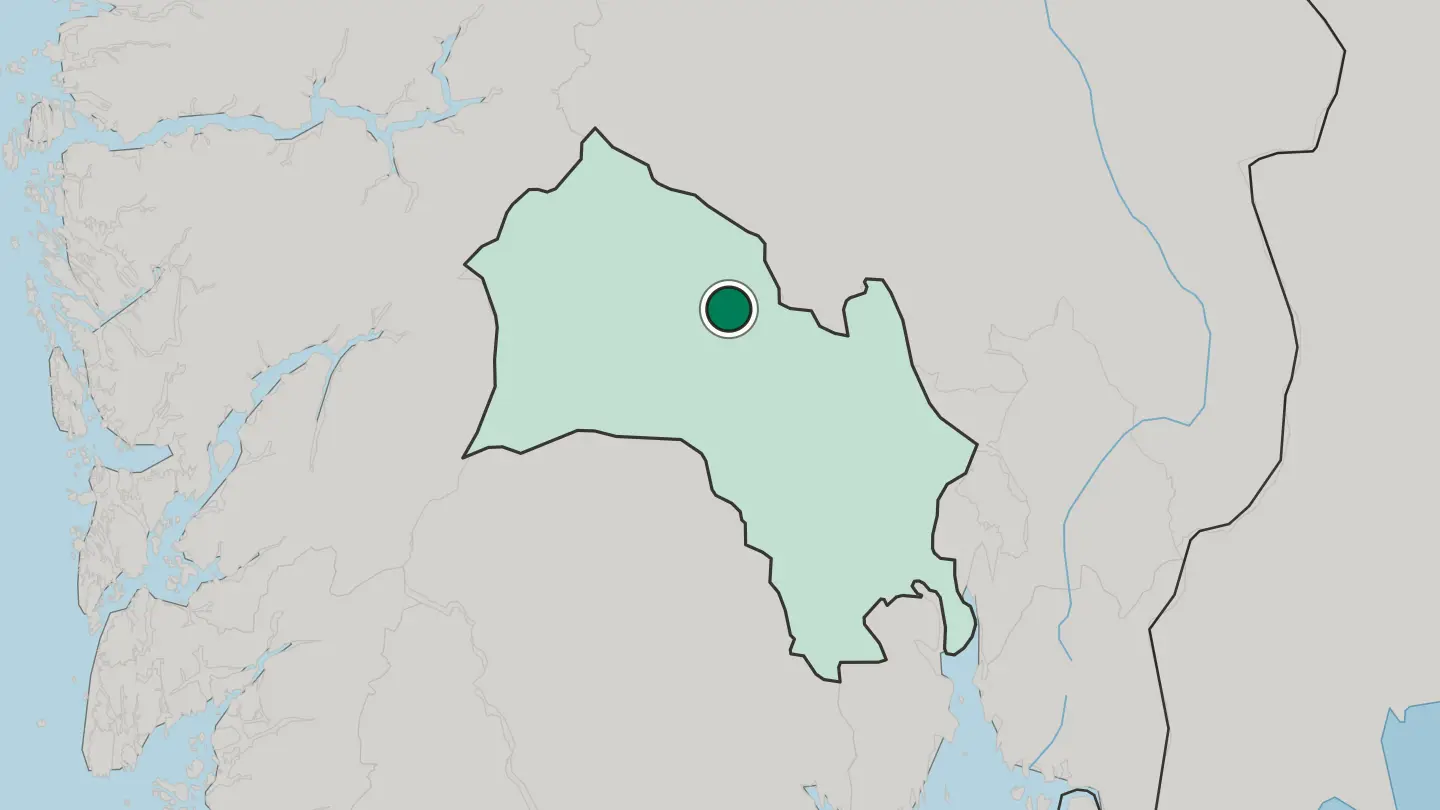
 Norway
Hemsedal
Hemsedal is a mountain valley and ski town in Hallingdal, in the north-western part of Buskerud, in south-eastern Norway.Where to stay →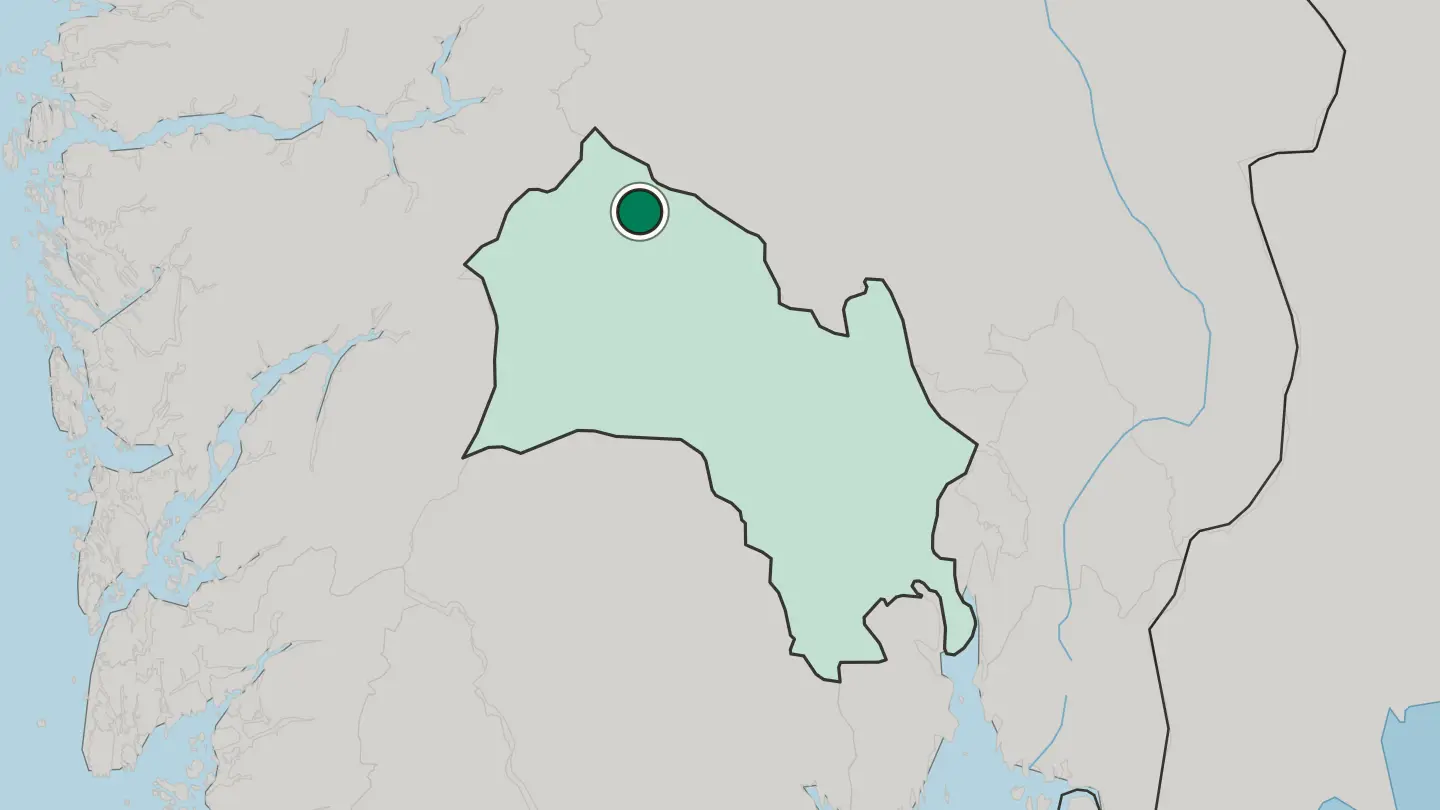
 Norway
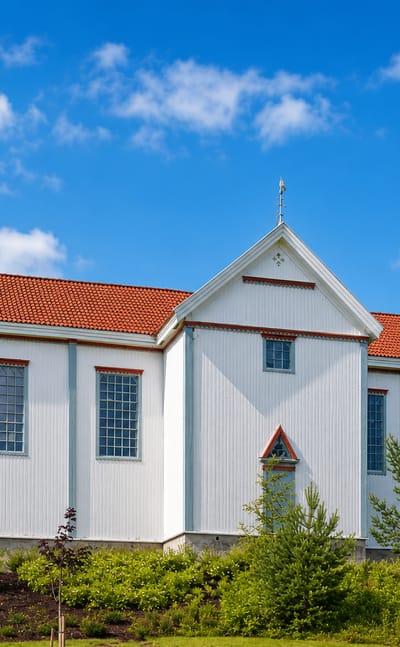
Prestfoss
Prestfoss is a small village in Sigdal, the seat of its municipality in the southern part of Buskerud, in south-eastern Norway.Where to stay →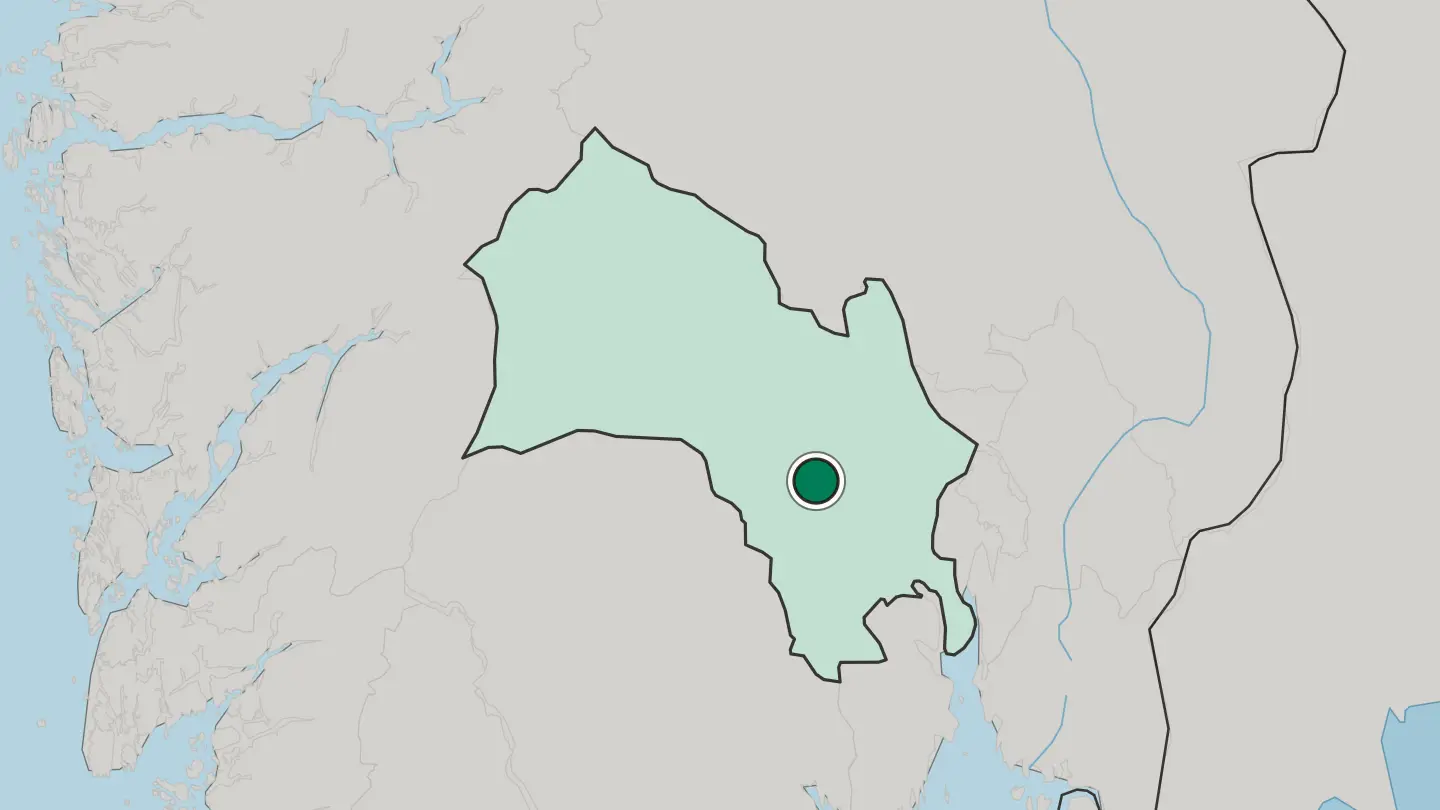
 Norway
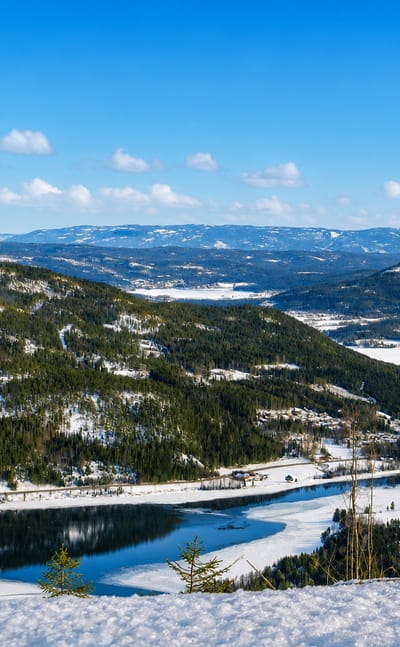
Noresund
Noresund is a lakeside village in Krødsherad on Lake Krøderen, in the southern part of Buskerud, in south-eastern Norway.Where to stay →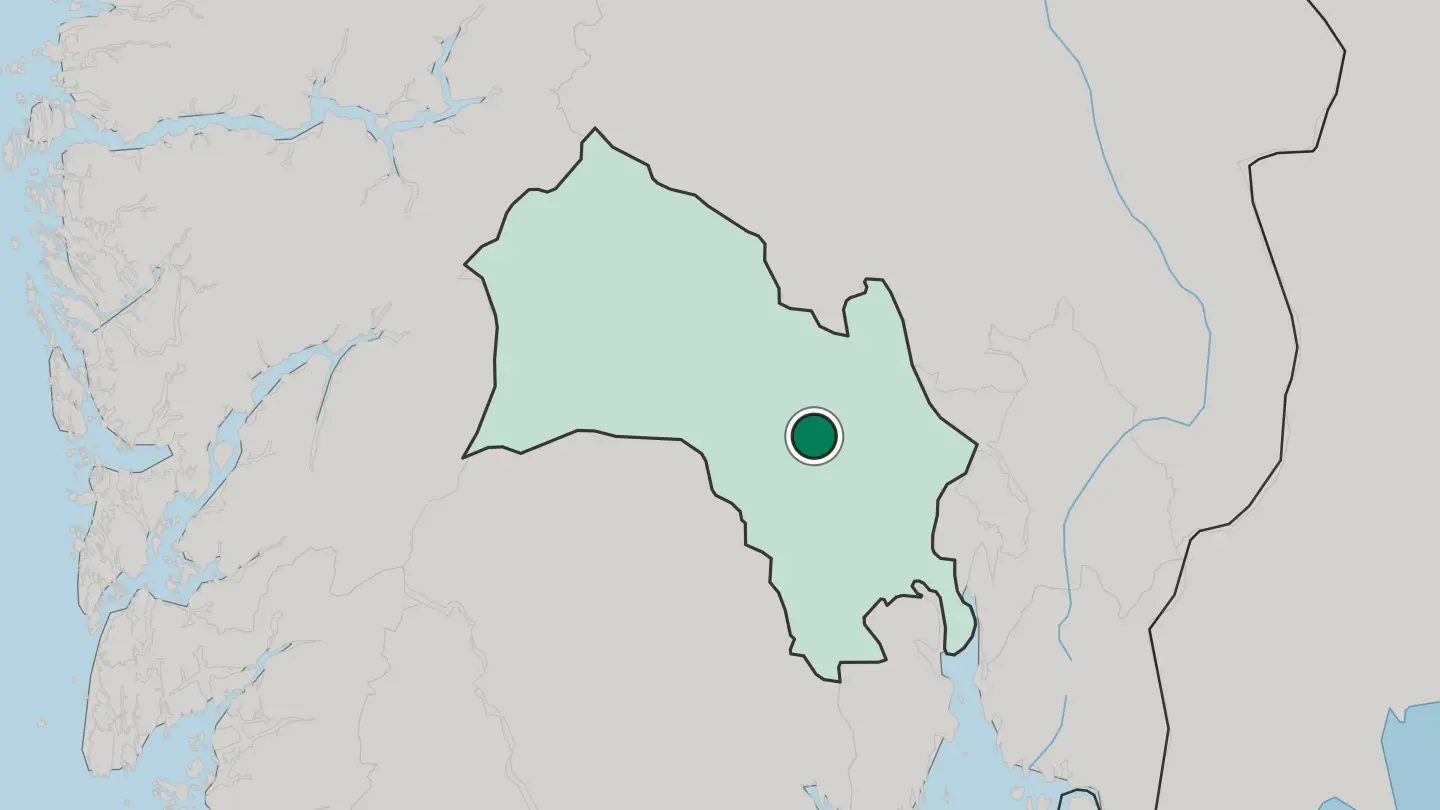
 Norway
Flå
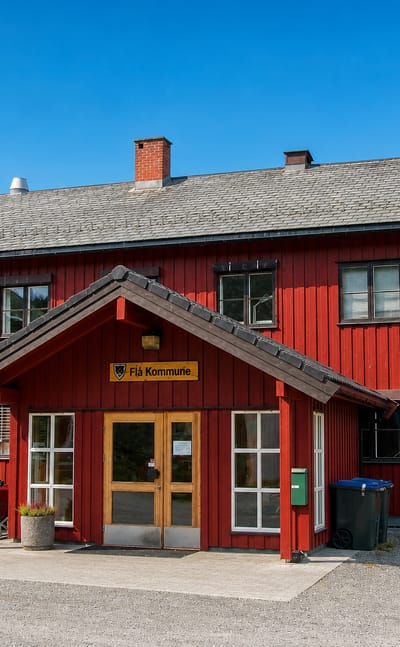
Flå sits at the lower end of Hallingdal in south-eastern Norway, a mountain municipality in Buskerud whose best-known address is Bjørneparken.Where to stay →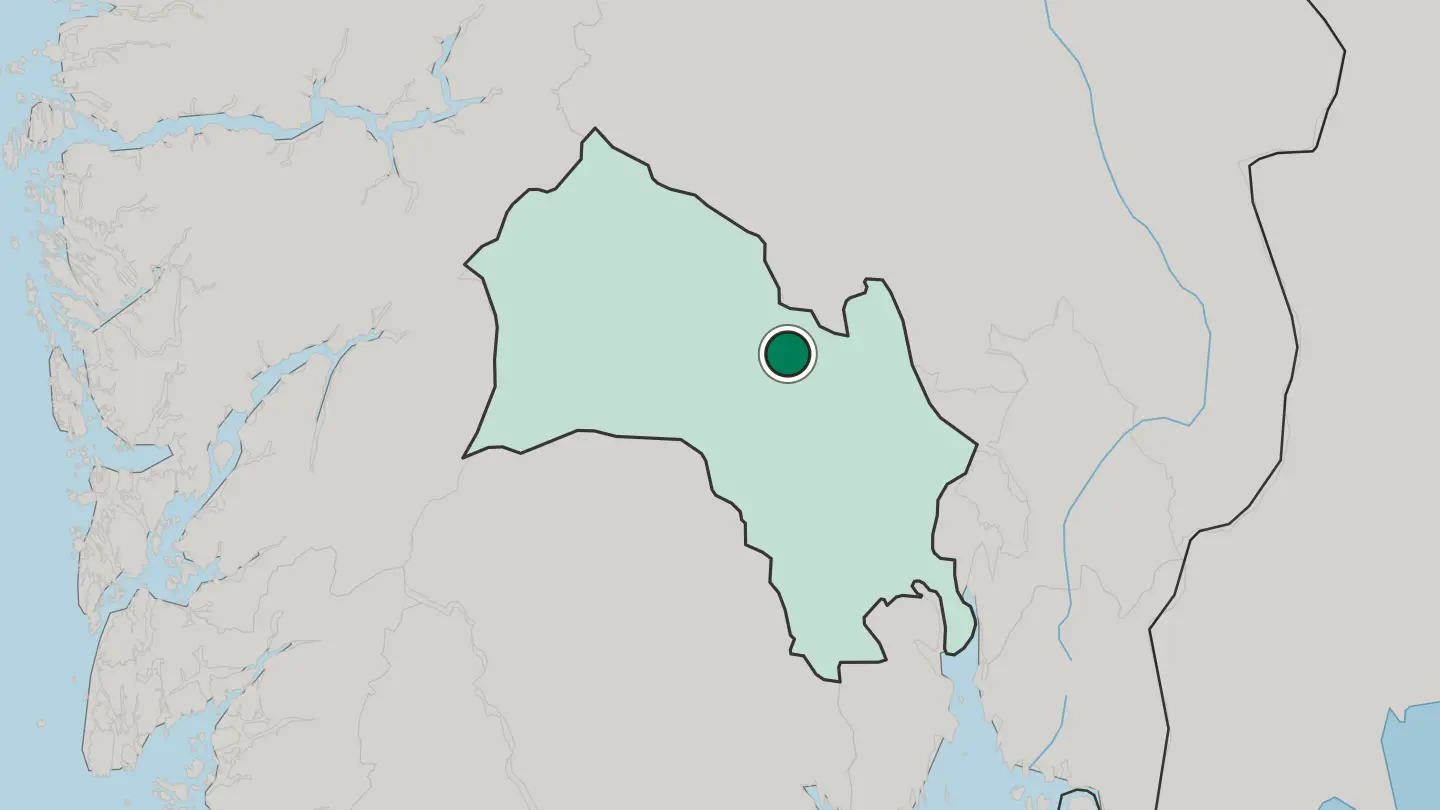
 Norway
Hokksund
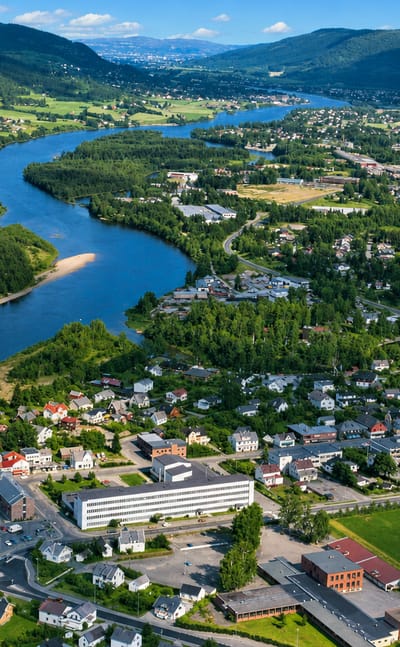
Hokksund is a market town and the seat of Øvre Eiker, in the south-eastern part of Buskerud, in south-eastern Norway.Where to stay →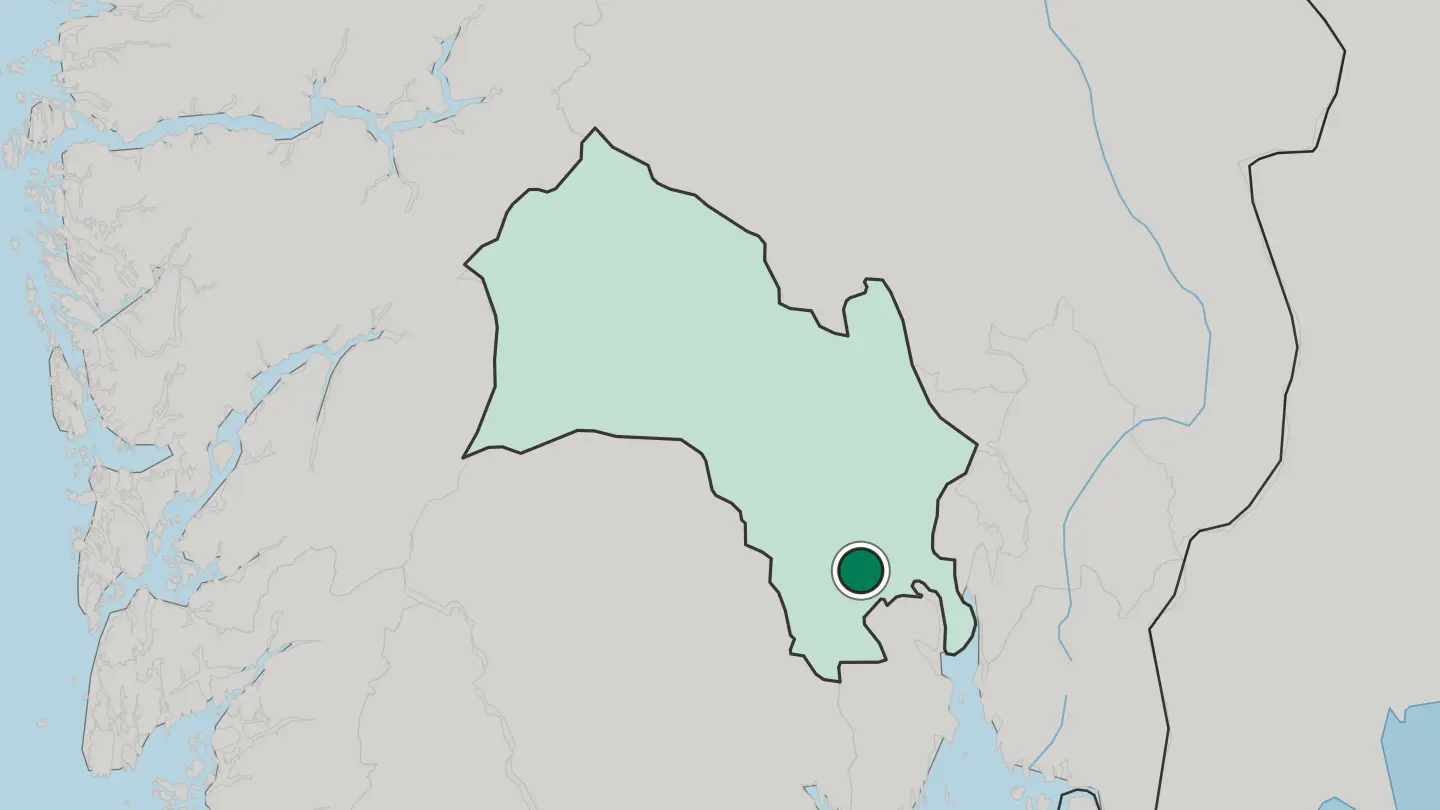
 Norway
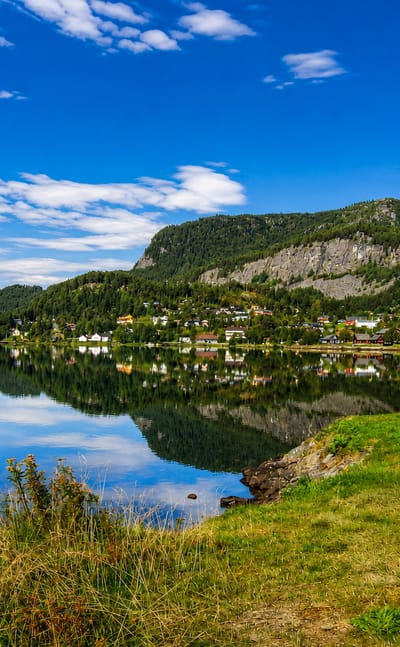
Hol
Hol is the seat of its municipality in the western part of Buskerud, in south-eastern Norway (Østlandet).Where to stay →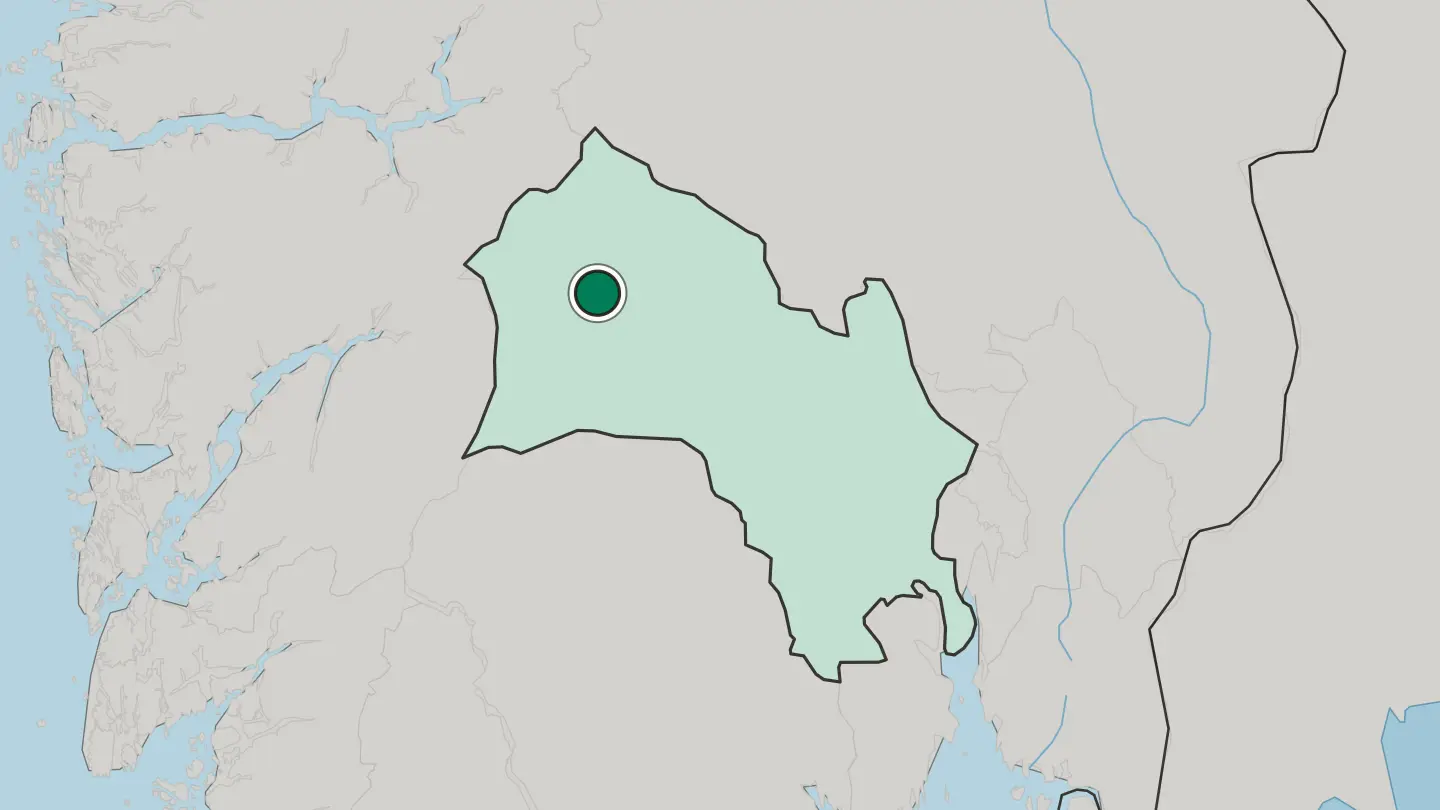
 Norway
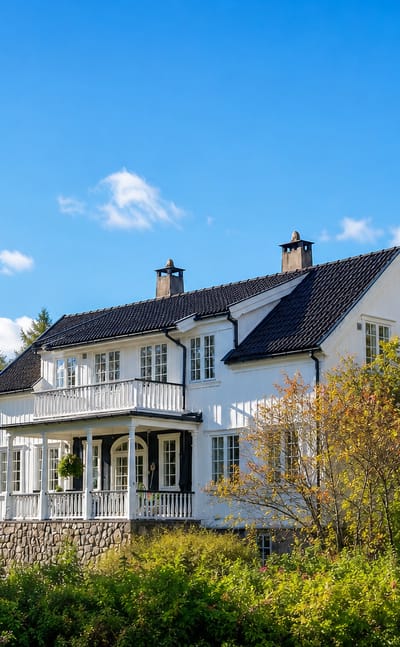
Lampeland
Lampeland is the centre of Flesberg municipality in the southern part of Buskerud, in south-eastern Norway.Where to stay →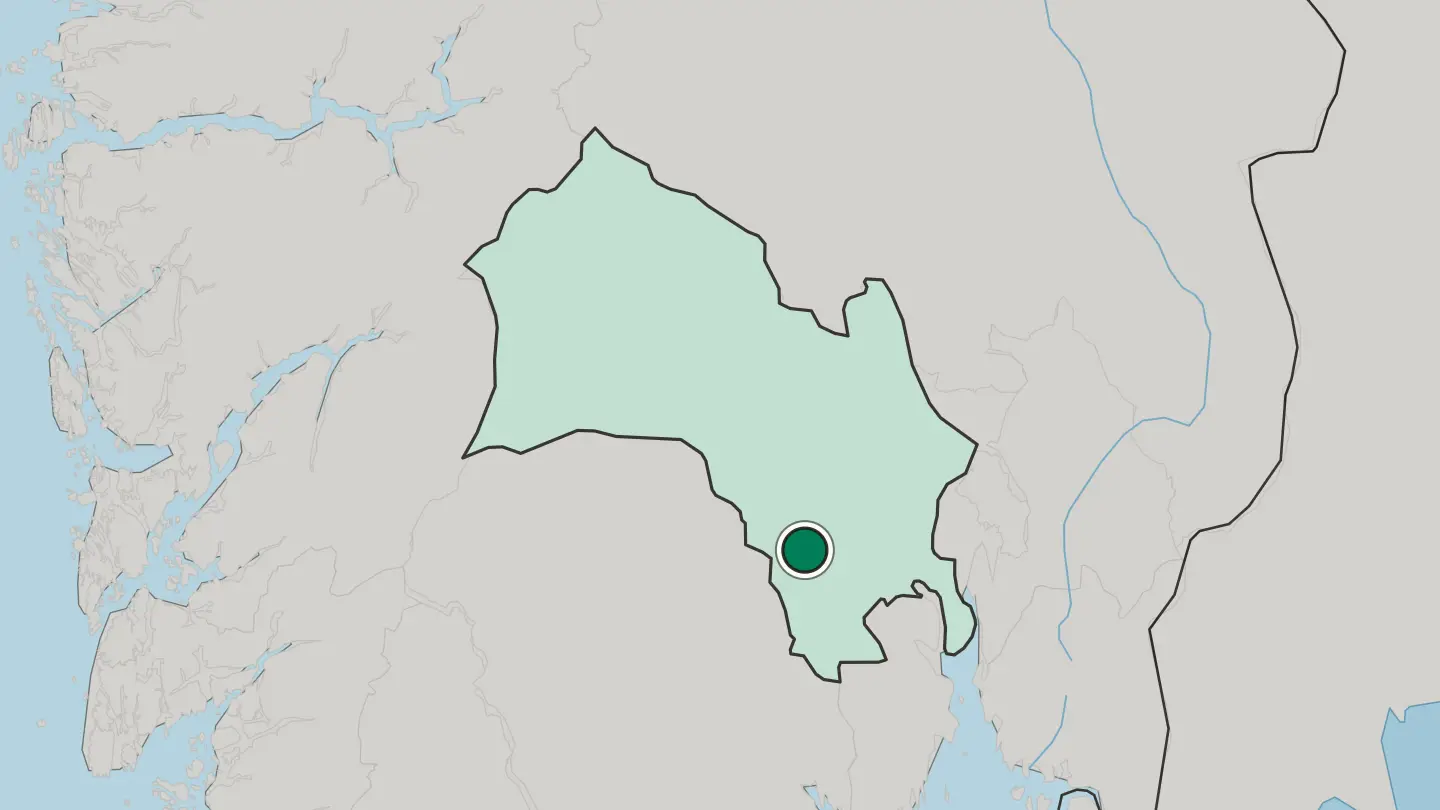
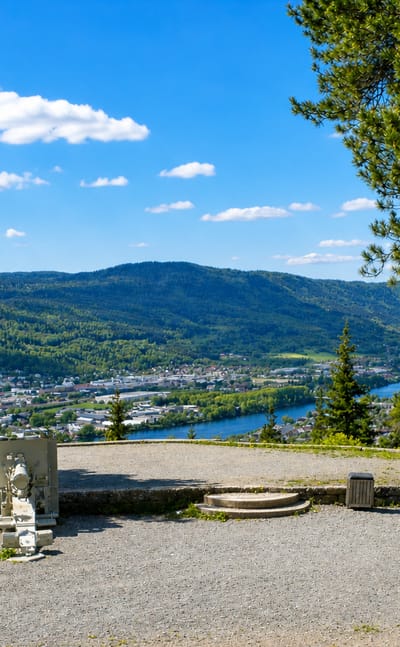 Norway
Lierbyen
Lierbyen is the centre of Lier municipality in the south-eastern part of Buskerud, in south-eastern Norway.Where to stay →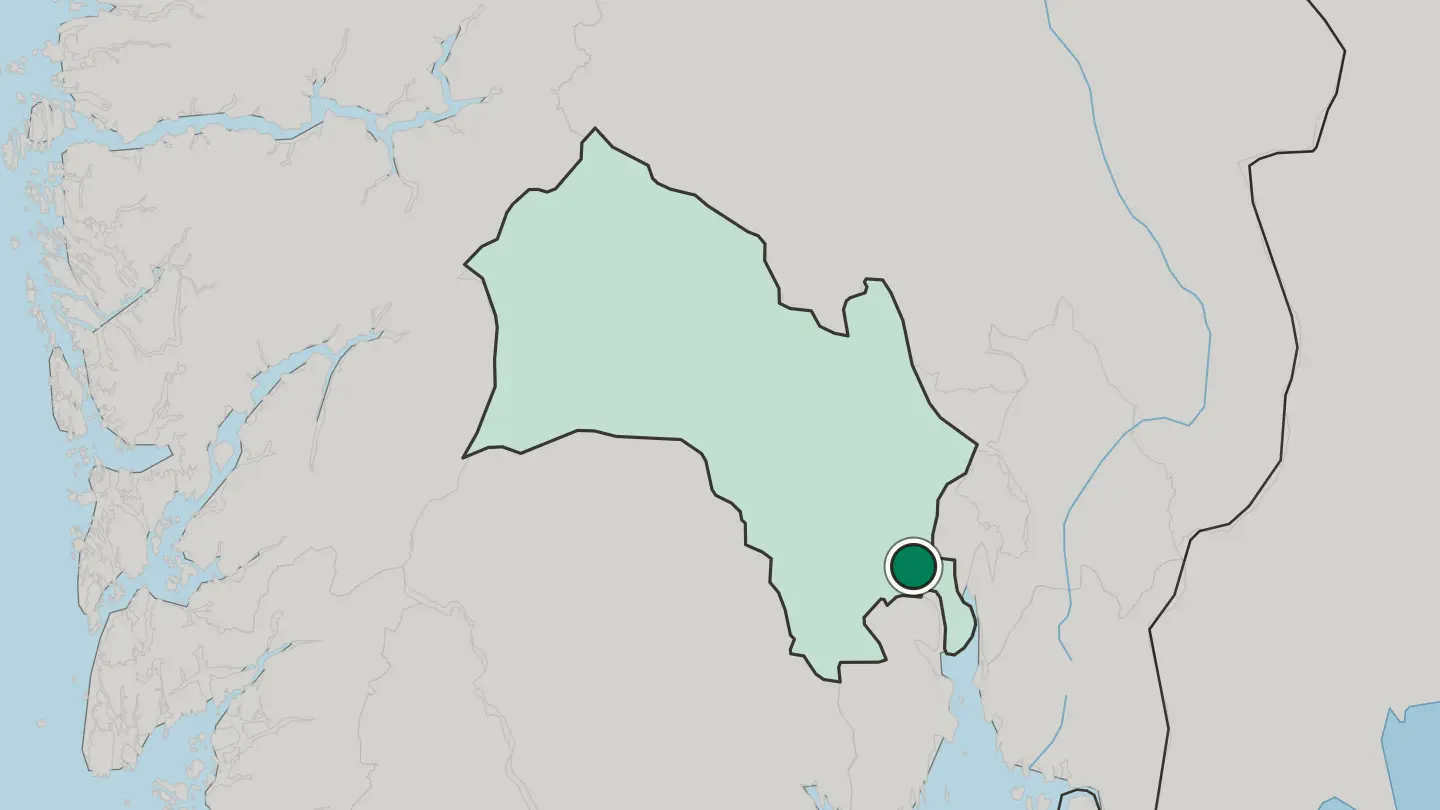
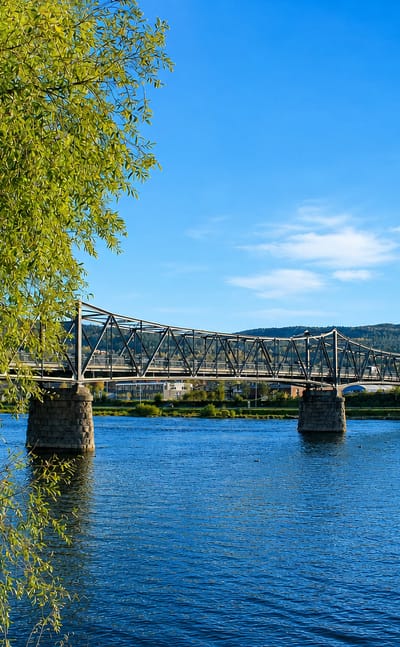 Norway
Mjøndalen
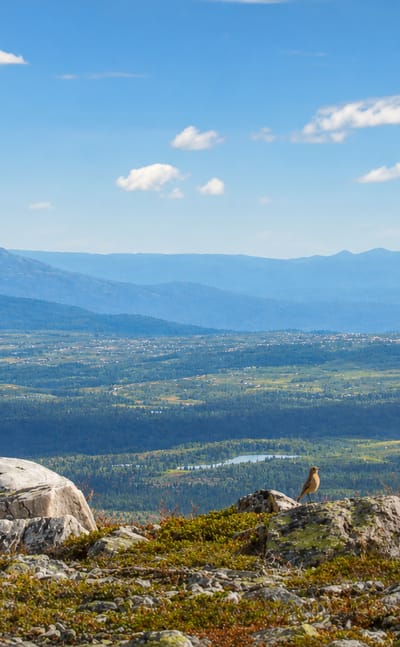
Mjøndalen is a riverside town on the Drammenselva in Drammen municipality, in south-eastern Norway.Where to stay →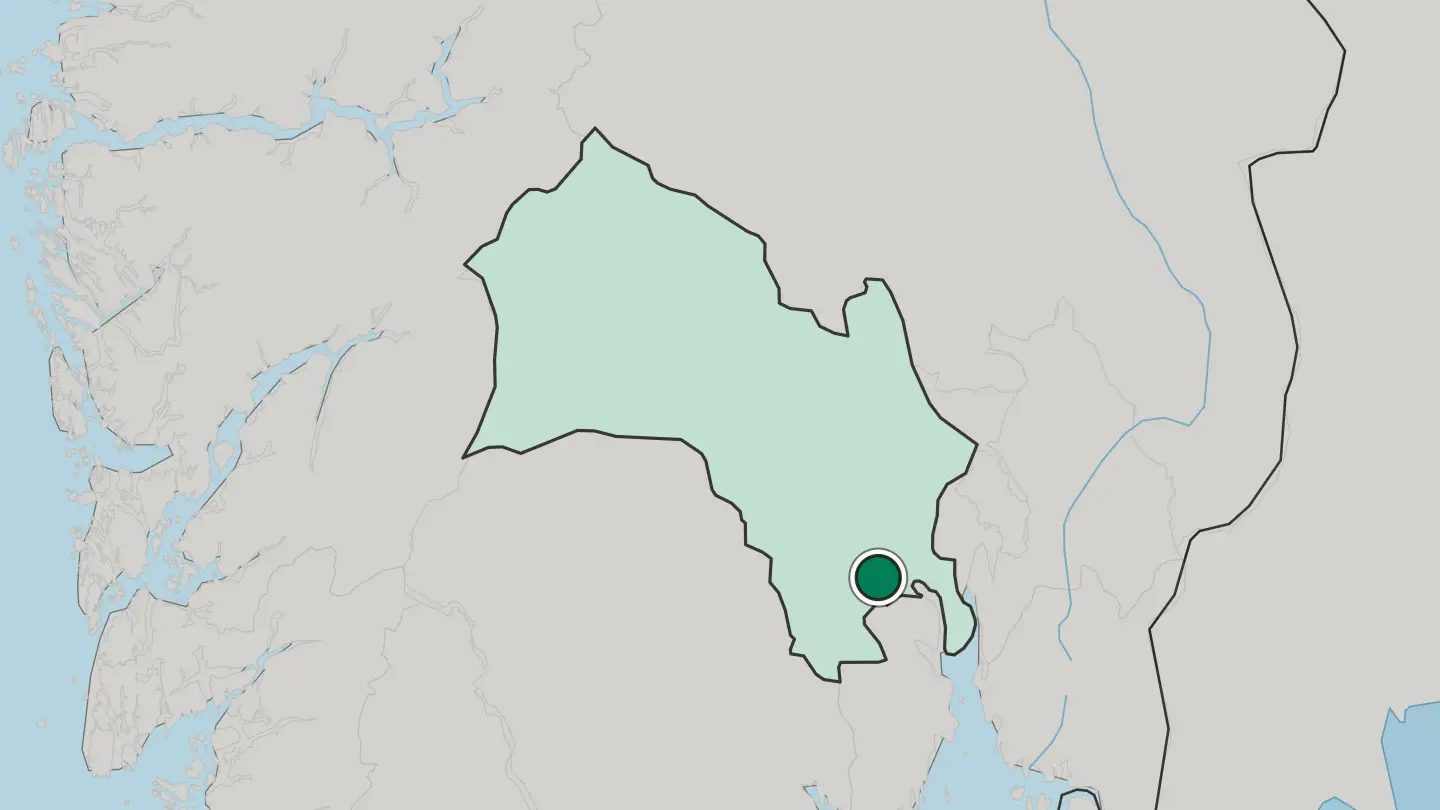
 Norway
Rollag
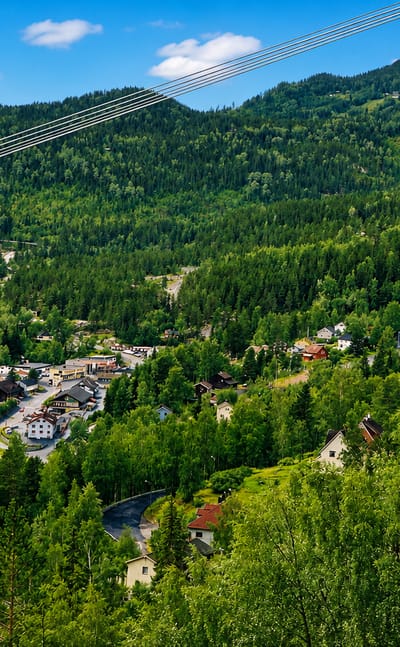
Rollag is a valley municipality in Numedal, in the southern part of Buskerud, in south-eastern Norway.Where to stay →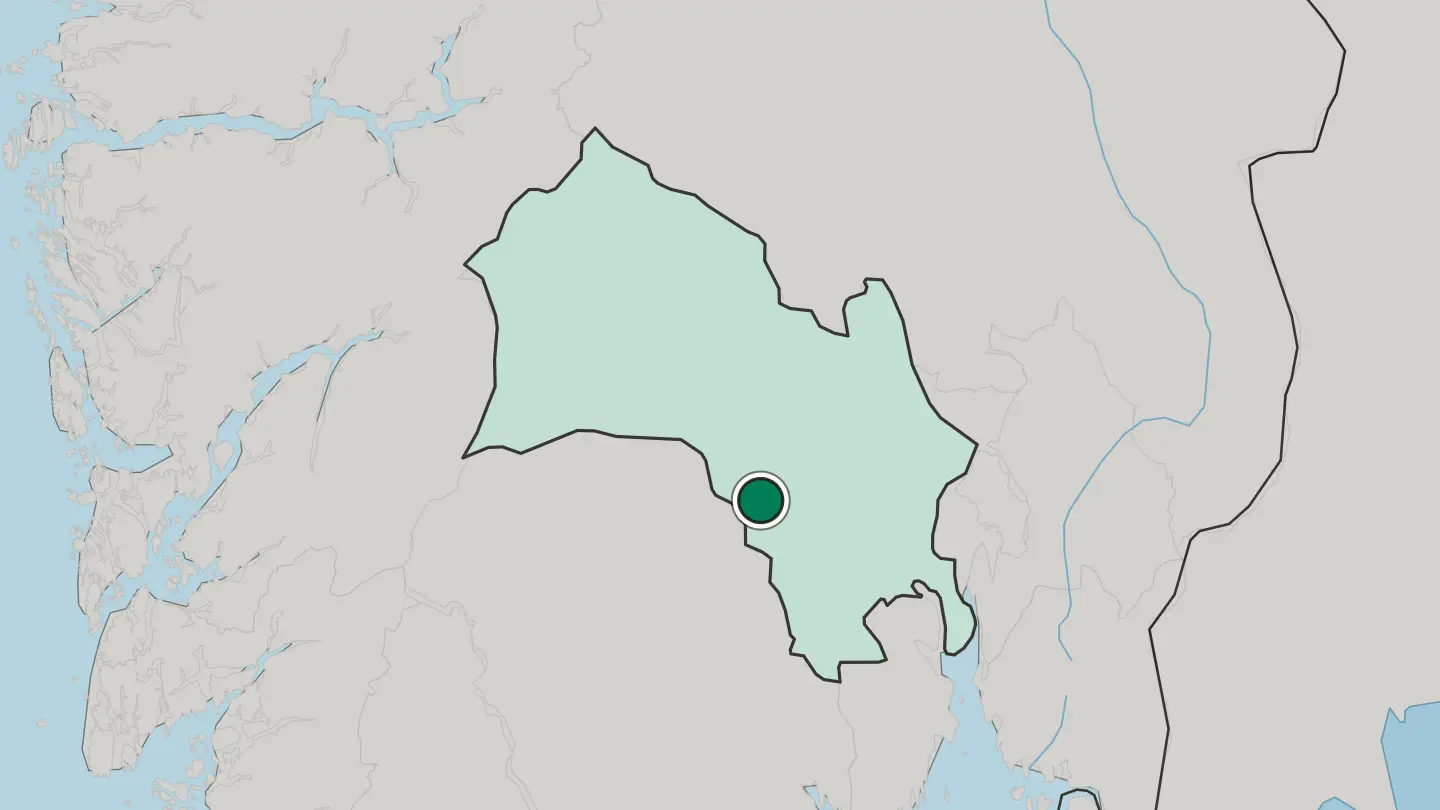
 Norway
Rødberg
Rødberg is the centre of Nore og Uvdal municipality in the south-western part of Buskerud, in Norway.Where to stay →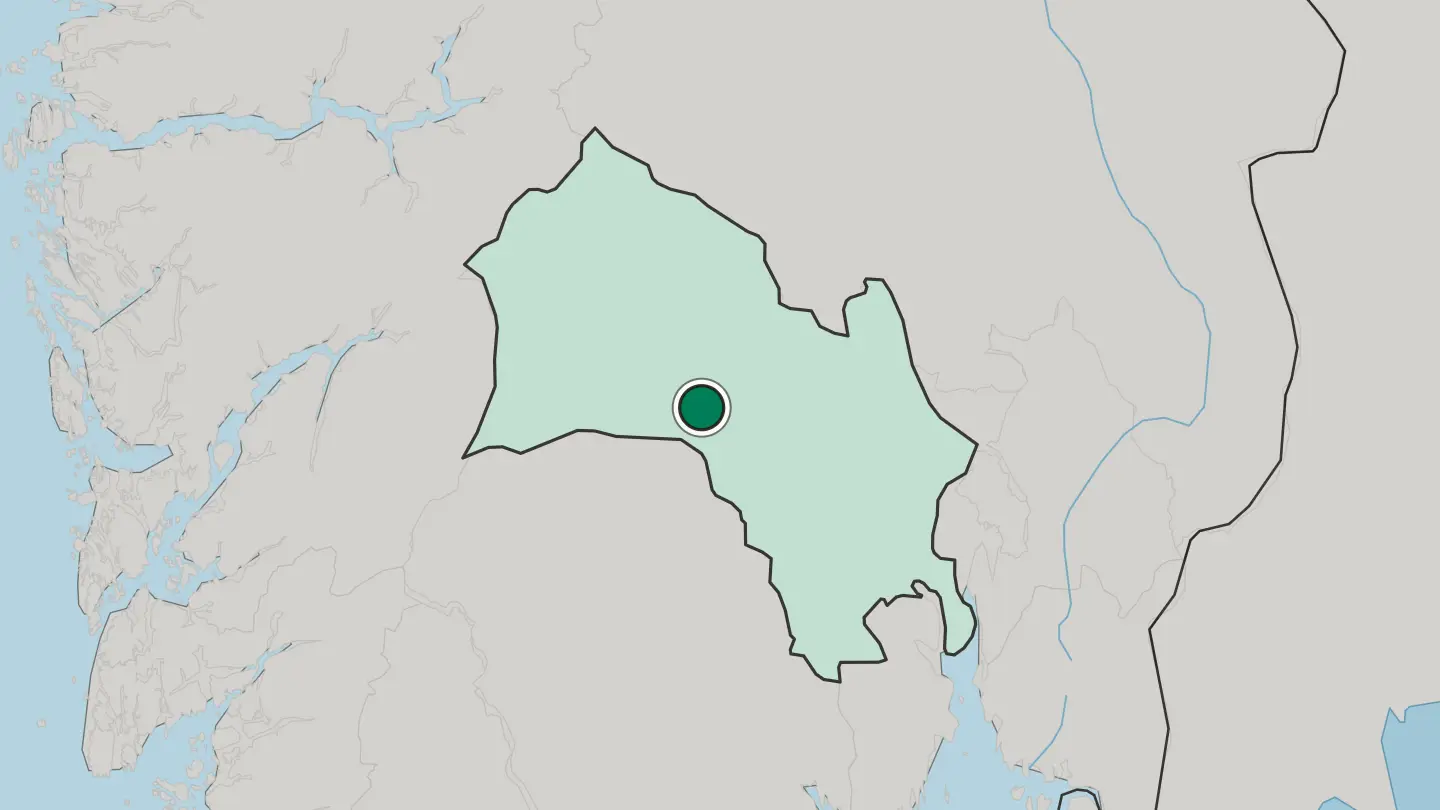
 Norway
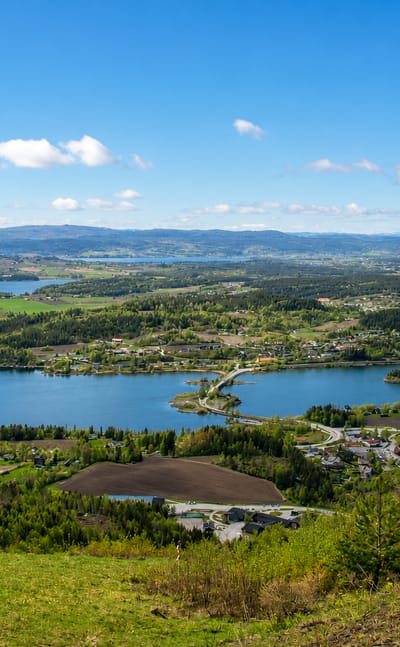
Vik
Vik is the centre of Hole municipality in Buskerud, in south-eastern Norway (Østlandet).Where to stay →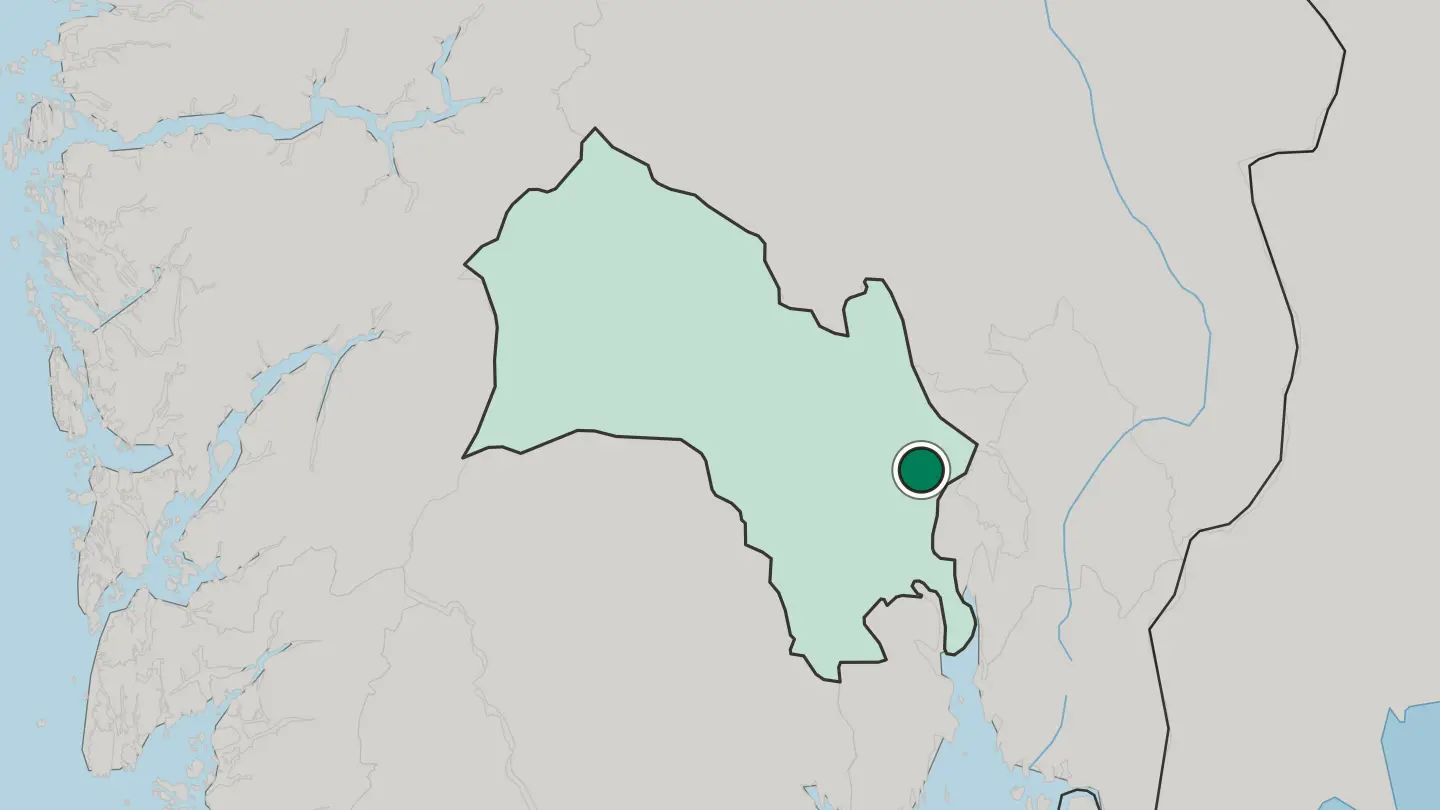
Hotel links are affiliate links: booking through them may earn us a commission, at no extra cost to you. It never affects how places are ranked. How this works
About Buskerud fylke
What is Buskerud fylke known for?
Mountains define Buskerud's far end. The county runs from the lowland around the Oslofjord and the Drammensfjord up into the high Hardangervidda plateau in the northwest, gathering both city and mountain in one long sweep. Drammen serves as the administrative centre near the fjord.
The mountain villages of Geilo, Gol, and Hemsedal draw visitors to the highlands. Fjord to plateau, in one county.
Where is Buskerud fylke?
Buskerud stretches across south-eastern Norway from sea level to high plateau, one of the country's most varied counties in profile. The land climbs the whole way. From the Oslofjord and the Drammensfjord in the southeast the ground rises steadily northwest through forested valleys and lakes until it reaches the bare, treeless expanse of the Hardangervidda, the great mountain plateau that forms the county's far edge.
Lowland and highland in one long gradient. The towns sit mostly in the lower, milder southeast. Drammen lies at the head of its fjord, with Kongsberg and Hønefoss inland along the river valleys that carry the county toward the mountains.
Northwest, the highland villages of Gol, Ål, Nesbyen, Geilo, and Hemsedal cluster in the valleys below the Hardangervidda. The county borders Oslo and Akershus to the east and reaches toward Vestland over the mountains. Fjord, valley, and high plateau together make the geography of Buskerud.
What is Buskerud fylke like?
Two worlds meet in this county. The culture of Buskerud spans the lowland life of the fjord-side towns and the mountain traditions of the highland valleys, a span from the trading and industrial heritage near the Oslofjord up to the farming and the old stave-church country of the upper valleys below the Hardangervidda. Town craft below, mountain custom above.
Drammen and the lower towns carry the county's urban culture. Kongsberg holds an old silver-mining heritage, while Hønefoss grew on its river and timber. Up the valleys, Gol, Ål, Nesbyen, and Geilo keep the highland traditions of folk craft, wooden churches, and mountain farming that mark the upper country, and Hemsedal carries the mountain-village life of the slopes.
Between fjord-side town and high valley, Buskerud holds a culture that climbs with the land.
What is the history of Buskerud fylke?
Buskerud has stood as a county since 1919. Trade and industry built the lower towns near the Oslofjord, with Drammen growing as a timber port and Kongsberg rising on its silver mines inland. Hønefoss developed around its river falls.
The upper valleys toward the Hardangervidda kept an older farming and stave-church heritage, the highland communities of Gol, Ål, and Nesbyen living by mountain agriculture and the routes across the plateau. Lowland industry and highland farm shaped the county's long history together.
What is the climate of Buskerud fylke?
Climate here changes with height. The lowland around Drammen and the Oslofjord enjoys mild, settled weather typical of south-eastern Norway, with warm summers and moderate winters near the water. The mountains tell another story.
Up toward the Hardangervidda the highland villages of Geilo, Gol, and Hemsedal lie under long and snowy winters that hold deep into spring and feed the mountain slopes, while the inland valleys around Kongsberg and Hønefoss fall somewhere between the two. Altitude rules the seasons across the county.
How do you get to Buskerud fylke?
Drammen is the lowland gateway. The county's centre sits close to the Oslofjord on the main rail and road routes west from the Oslo area, making it the easiest point of arrival near the coast. From there the Bergen railway climbs the valleys northwest.
Trains carry on through Hønefoss, Gol, Ål, Nesbyen, and Geilo toward the Hardangervidda and the mountain crossing to Vestland. Kongsberg sits on its own line southwest, and Hemsedal draws drivers up the mountain roads.
Common questions
What is the best area to stay in Buskerud fylke?
Drammen: first-timers wanting a fjord-side city base. Geilo, Gol and Hemsedal: skiers and walkers for Hemsedal and Hardangervidda. Kongsberg and Hønefoss: drivers exploring the inland towns.
Good for
More regions in Norway
Updated September 2026