Norway · Finnmark
Where to Stay in Tana Bru, Finnmark
Tana Bru is the seat of Deatnu-Tana, a riverside hub on the Tana River in eastern Finnmark.
Hotel links are affiliate links: booking through them may earn us a commission, at no extra cost to you. It never affects how places are ranked. How this works


Where to stay in Tana Bru
How the choice of base plays out on the ground.
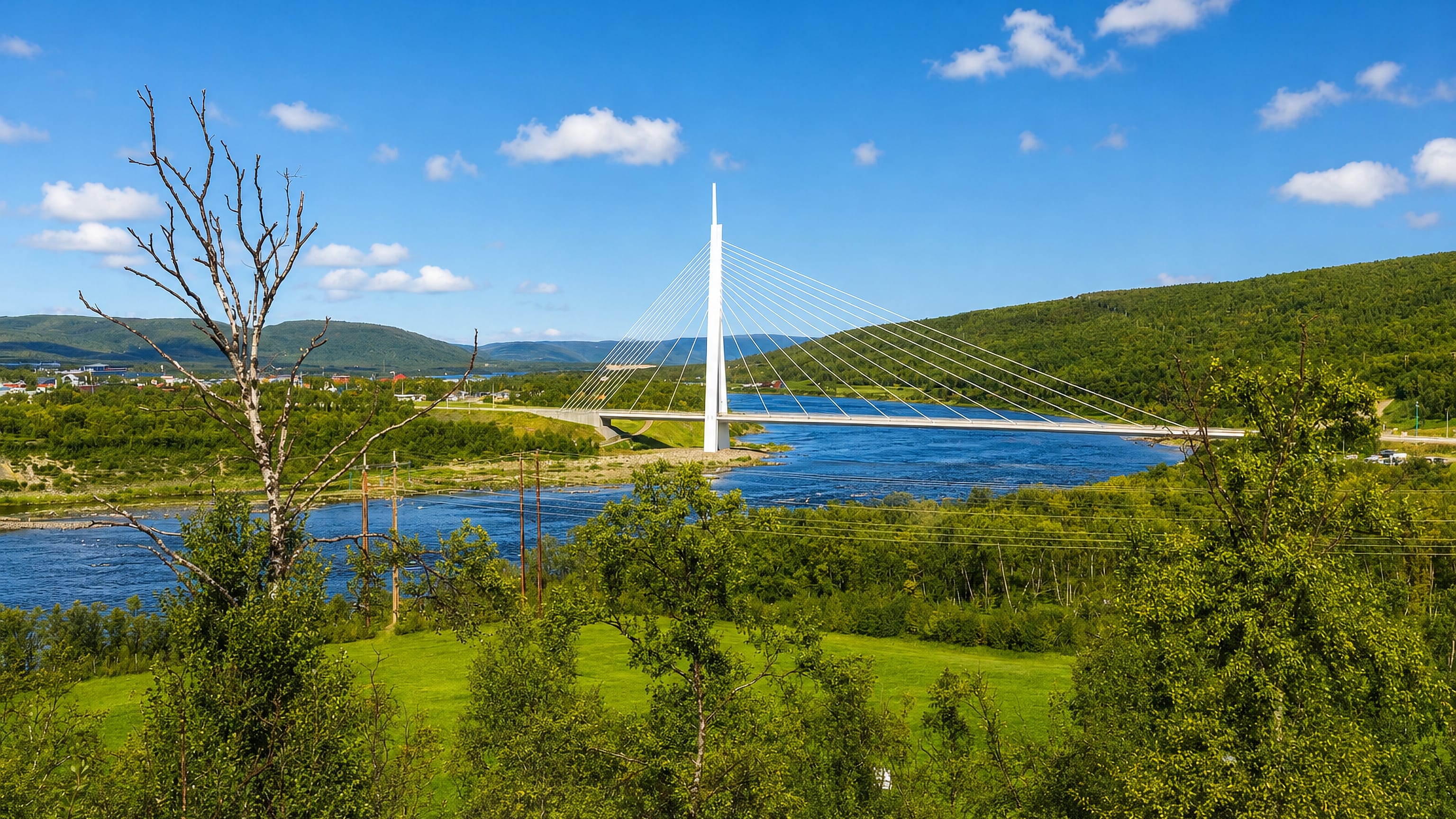
Beds cluster by the bridge. Tana Bru is a small river-crossing village and the seat of Deatnu-Tana, so its lodging runs to roadside guesthouses and rooms near where the E6 spans the Tana River rather than to large hotels. Staying close to the bridge keeps the river and the village services within a short walk, and it puts you at the natural turning point for the eastern part of Finnmark.
Many visitors come for the salmon fishing of the Tana River, one of the great salmon rivers of the north, and base themselves in the village for the season. From here the road runs deep into Deatnu-Tana and on toward the Finnish border a short way to the east, so a room in Tana Bru keeps the bridge, the river and the frontier all within easy reach. Bring gear for cold, open country.
You stay for the river, the Sámi heritage and the fishing, not for nightlife.
Find hotels in Tana Bru
Direct booking search for this neighbourhood.
Hotel links are affiliate links: booking through them may earn us a commission, at no extra cost to you. It never affects how places are ranked. How this works
About Tana Bru
What is Tana Bru known for?
Tana Bru is the administrative centre of Deatnu-Tana and a centre of Sámi culture in the eastern part of Finnmark. The river is the reason it exists. The village is named for the bridge that carries the E6 across the Tana River, the great salmon river of the region, and it grew as a crossing and a hub near the Finnish border.
Travellers know it as the meeting point of the valley, the place where the road, the river and the frontier come together in northern Norway.
What are the main landmarks in Tana Bru?
The village's own landmark is its bridge, the famous span that carries the E6 across the Tana River and gives Tana Bru its name. Water is the rest of the draw. The Tana River runs broad and powerful past the village, ranked among the great salmon rivers of Europe, and its banks pull anglers to the eastern part of Finnmark through the season.
Beyond the bridge the valley of Deatnu-Tana opens toward the Finnish border, wide Sámi country of river, fell and forest.
What is the history of Tana Bru?
Tana Bru is, in its very name, a child of the river crossing. The valley of the Tana River has long been Sámi country, settled along the salmon river that gave the people their living, and the village carries its Northern Sámi name, Deanušaldi, alongside the Norwegian. The river drew the settlement.
When the bridge was thrown across the Tana River to carry the E6, the crossing fixed the village as the natural hub of the area, the seat of what is now Deatnu-Tana. Its place near the Finnish border made it a meeting point as well, a stop on the route between Norway and Finland in the far north-east. The story of the place is bound to the water.
People lived from the salmon of the Tana River, the bridge made the village, and the crossing still draws the traffic of the eastern part of Finnmark through it, with the river the constant beneath it all.
Where is Tana Bru?
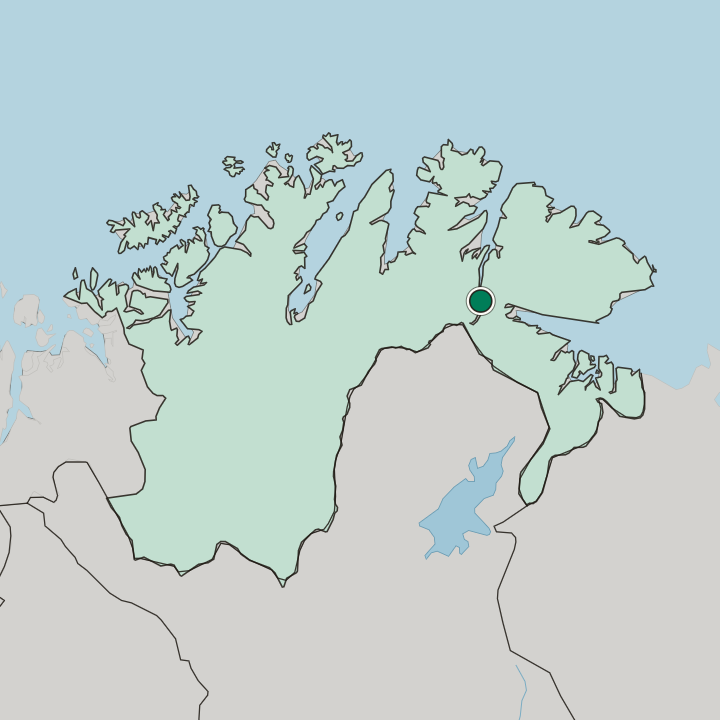
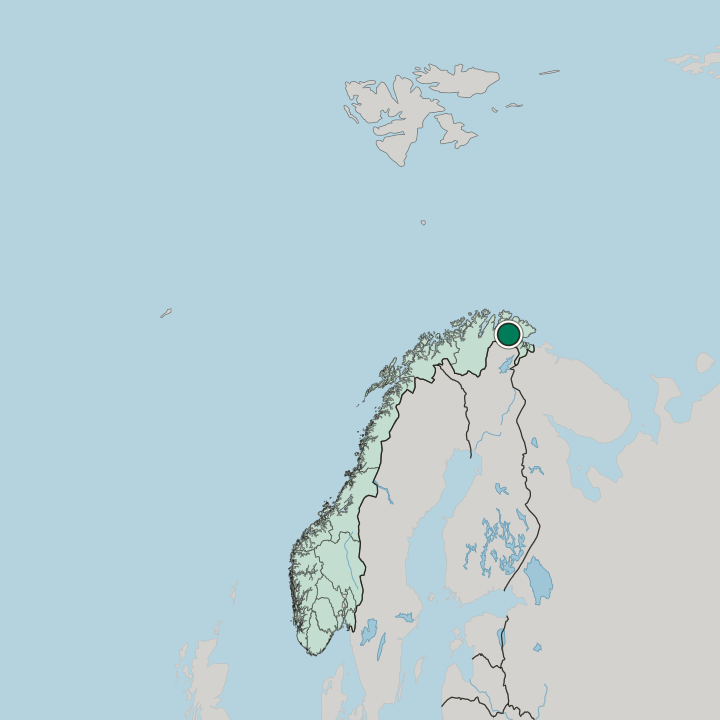
Tana Bru lies on the western bank of the Tana River in the eastern part of Finnmark, where the E6 crosses the water. The river dominates the scene. The Tana runs broad through a wide valley, its banks low and open, and around it the country of Deatnu-Tana rolls out in fell, birch forest and tundra toward the Finnish border.
It is a landscape shaped by the great river, deep in the far north-east of northern Norway.
What is the climate of Tana Bru?
The climate here is sharply continental for the far north, the river valley cut off from the softening sea. Winters are bitterly cold. Inland in the eastern part of Finnmark the dark months bring deep frost and the polar night to the Tana River valley, snow holding long over the fells, while the short summer can turn warm and bright under the midnight sun.
The seasons swing hard between the extremes in this corner of northern Norway.
How do you get to Tana Bru?
The road brings you here. Tana Bru sits where the E6 crosses the Tana River, so it is the natural waypoint for anyone driving the eastern part of Finnmark, and the bridge funnels through traffic bound deeper into Norway or out across the nearby Finnish border. Distances are long in this country.
There is no railway, but the E6 ties the village to the rest of the county, and the crossing of the Tana River keeps Tana Bru on the main northern route.
Common questions
What is the best area to stay in Tana Bru?
Tana bridge: Salmon anglers and E6 travellers crossing the Tana River.
Good for
More cities in Finnmark
Updated September 2026