Norway · Trøndelag
Where to Stay in Aas, Trøndelag
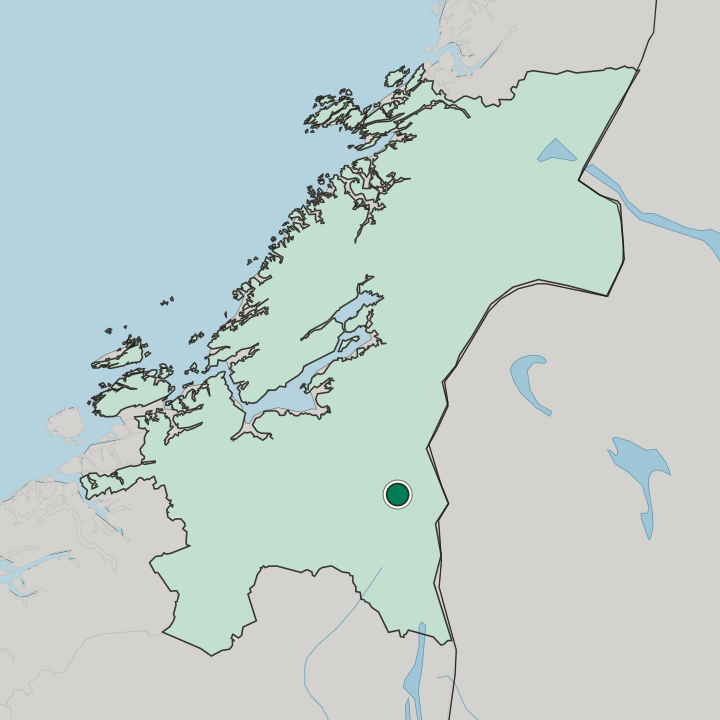
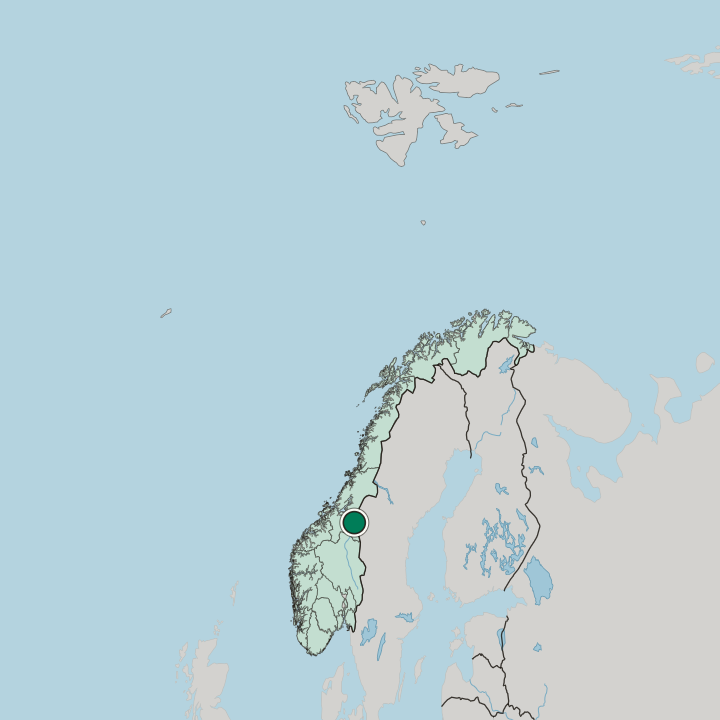
Ås is a small place in the south-eastern part of Trøndelag, in central Norway, near the mountain district of Tydal.
Hotel links are affiliate links: booking through them may earn us a commission, at no extra cost to you. It never affects how places are ranked. How this works


Where to stay in Aas
The practical side of choosing where to sleep.
Ås is a small base for the mountains of Tydal rather than a hotel town. Rooms are in short supply in this small upland centre. Travellers who reach this south-eastern corner of Trøndelag come for the uplands and water, and they stay close to the small centre, within reach of the wooden Tydal kirke and the old farm museum at Brekka bygdetun.
The draw is the high country: hiking, skiing, fishing, and long days outdoors rather than shops or nightlife. Rooms gather near the centre and the scattered settlement around it, the practical core where the road, the church, and local services come together below the slopes. Beyond that the land climbs fast.
Many visitors treat Ås and Tydal as a quiet upland base, sleeping near the centre and ranging out by day across the broad mountain reaches of this part of central Norway, with bare mountain and lake beyond and little built upon it.
Find hotels in Aas
Direct booking searches for these neighbourhoods.
Ås and the Tydal centre
the small core where the road, Tydal kirke, and local services gather beneath the mountains. Beds are limited here, so book early.Find hotels in Ås and the Tydal centrehiking, skiing, and the old farm heritageThe high country around Brekka bygdetun
the upland reaches near Brekka bygdetun, ranged into by day above the valley floor. Rooms are few around here — worth securing early.Find hotels in The high country around Brekka bygdetunHotel links are affiliate links: booking through them may earn us a commission, at no extra cost to you. It never affects how places are ranked. How this works
About Aas
What is Aas known for?
Mountains define this corner. Ås sits in the south-eastern part of Trøndelag, near the high, sparsely peopled district of Tydal, where the wooden Tydal kirke and the old farm museum at Brekka bygdetun stand among uplands and water. People come for the open mountain country rather than for any townscape. The appeal is the high ground and the quiet of this inland reach of central Norway.
What are the main landmarks in Aas?
Two sights stand out. Tydal kirke is the wooden church that serves the mountain community and counts as protected heritage, while Brekka bygdetun is an old farm kept as a museum, preserving the working life of the uplands. Both sit among the high ground.
What truly marks this south-eastern part of Trøndelag, though, is the mountain landscape itself, the bare slopes, lakes, and wide skies around Ås and Tydal that draw visitors to this stretch of central Norway far more than any single building.
What is the history of Aas?
Ås belongs to a mountain history. It grew as a small settlement in the south-eastern part of Trøndelag, in the high district of Tydal, where upland farms and the work of forest and water sustained a scattered population long before any modern road tied the area to the rest of central Norway. The wooden Tydal kirke anchored that community.
A mountain church gave the farms a shared place to gather, to mark the turning of the year, and to bind together people spread thin across slopes and valleys. The old farm at Brekka bygdetun, now a museum, still shows that working life. Smallholdings, livestock, and the slow round of a mountain year governed by deep snow shaped a way of life where the high country mattered far more than any street. Ås stayed small throughout.
Rather than grow into a town, it kept its place as a modest settlement in an upland district whose true scale is measured in mountain, lake, and forest rather than in buildings.
Where is Aas?
The setting is mountain. Ås lies in the south-eastern part of Trøndelag, in the high district of Tydal, where bare slopes, lakes, and forest spread across a sparsely peopled upland that climbs toward the country's spine and the border country beyond. This is subpolar terrain, well inland in central Norway, shaped by altitude, water, and weather rather than by any spread of town, even as the wider municipality reaches toward the Norwegian Sea.
What is the climate of Aas?
How high you stand shapes Ås's seasons. Ås has a subpolar mountain climate, with long, deep-snow winters gripping the uplands of Tydal for much of the year, and short, bright summers when the high country greens quickly under late northern light. Spring and autumn pass in a rush. Far up in the mountains of central Norway, the seasons swing hard between long cold and brief, luminous warmth.
How do you get to Aas?
Plan a mountain drive. Ås lies along the upland roads of the Tydal district in the south-eastern part of Trøndelag, reached chiefly by car on the winding mountain routes rather than by any close airport or rail line, with the rest of central Norway a long road away. The distances feel long. Roads climb and twist through the high country, and winter snow can slow them, so allow plenty of time for the journey into these uplands.
Common questions
What is the best area to stay in Aas?
Ås and the Tydal centre: a practical upland base below the slopes. The high country around Brekka bygdetun: hiking, skiing, and the old farm heritage.
Good for
More cities in Trøndelag
Updated September 2026