Norway · Trøndelag
Where to Stay in Meråker, Trøndelag
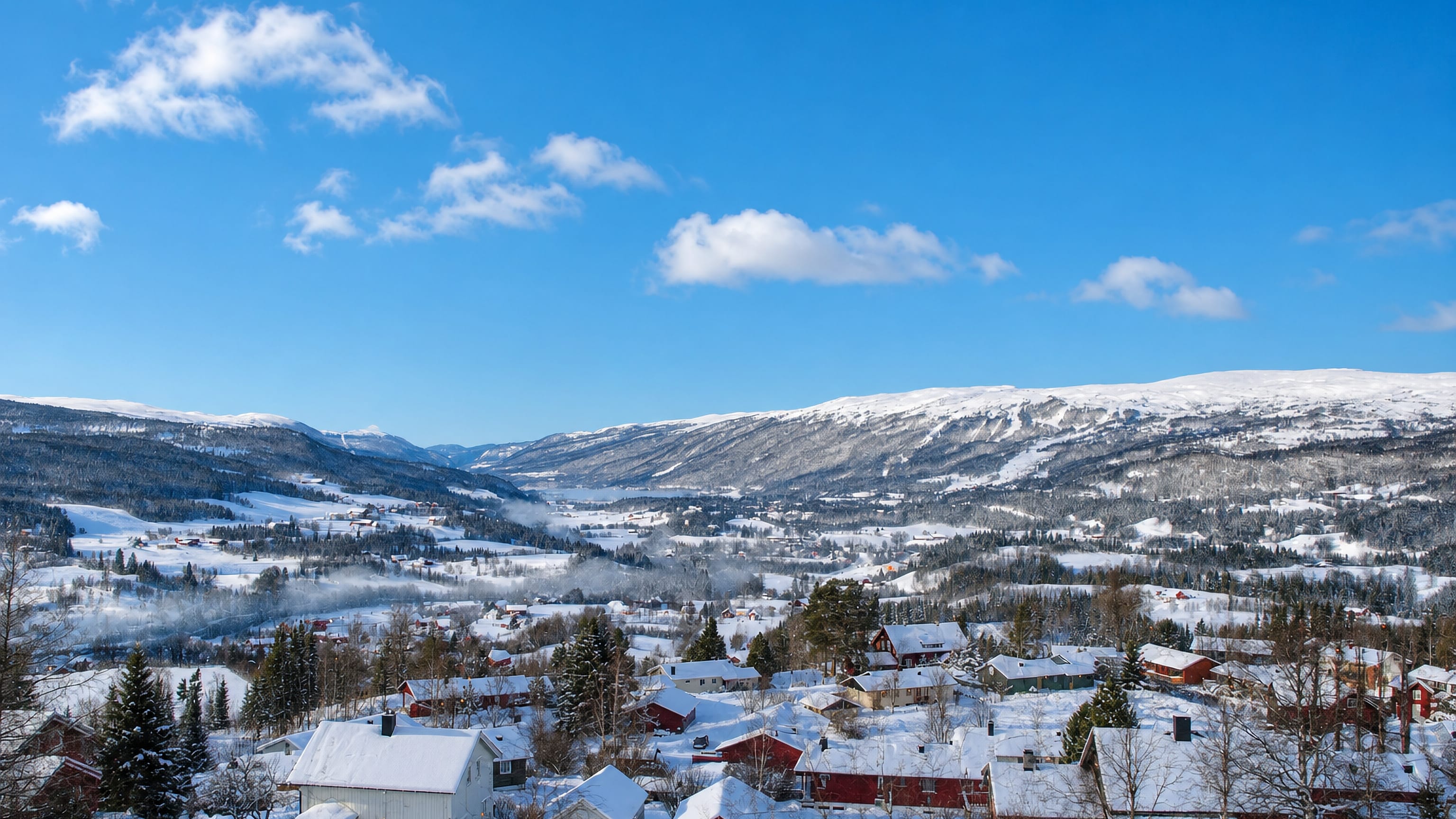
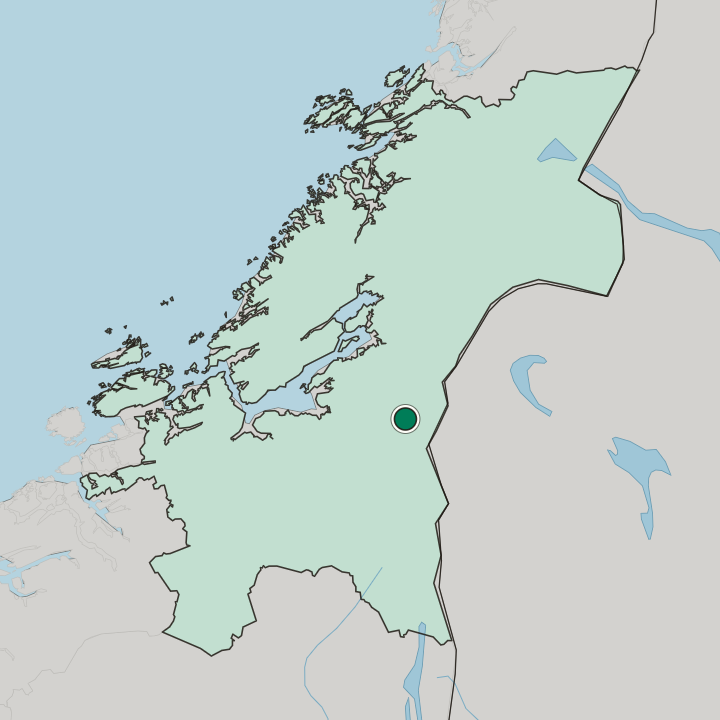
Meråker is a small inland village in central Norway (Trøndelag), set in the eastern part of the region near Meråker kirke.
Hotel links are affiliate links: booking through them may earn us a commission, at no extra cost to you. It never affects how places are ranked. How this works


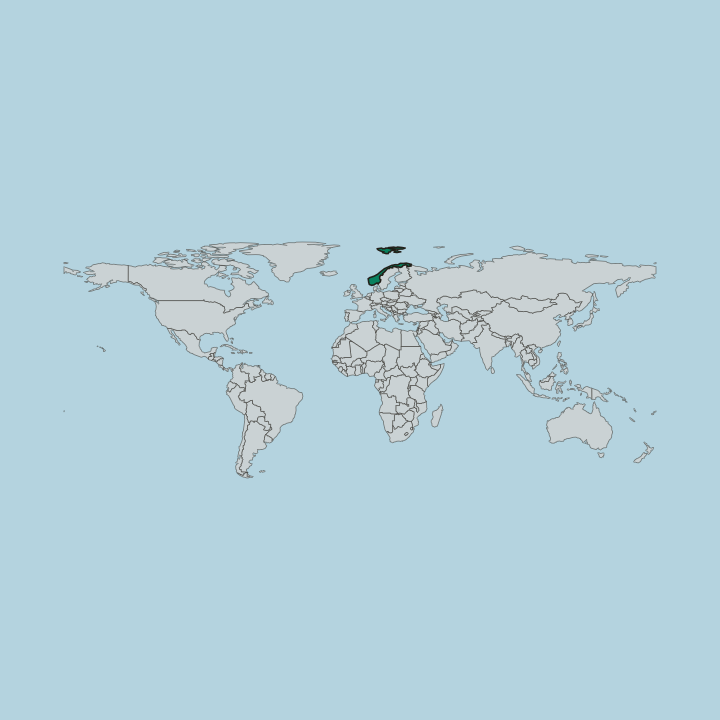
Where to stay in Meråker
The practical side of choosing where to sleep.
Rooms are thin on the ground across this upland valley. This is a small inland valley village in the eastern part of Trøndelag, near the high country rather than any resort coast, so lodging gathers in the central settlement of Midtbygda close to Meråker kirke rather than spread across the slopes. Stay here for the valley.
The core holds what rooms there are, within reach of the church and the everyday shops, and it suits travellers who want a calm upland base in central Norway between the mountains and the lowland. Up toward Kopperå kapell and the scattered farms on the higher ground the houses thin and beds grow scarce, so drivers crossing the valley should fix a base before nightfall rather than count on finding one late in the day. Rooms can tighten in the winter season when the snow draws skiers to the uplands.
Book ahead then. The village holds no surplus of lodging beyond its own modest need.
Find hotels in Meråker
Direct booking searches for these neighbourhoods.
Midtbygda centre
the few rooms cluster in Midtbygda near Meråker kirke. Few places to stay nearby — book ahead.Find hotels in Midtbygda centreskiers and walkers on the high groundKopperå and the uplands
thinning farms up toward Kopperå kapell where beds grow scarce. Beds are limited here, so book early.Find hotels in Kopperå and the uplandsdrivers crossing the valleyValley slopes
scattered houses on the slopes between mountain and lowland. Beds are limited here, so book early.Find hotels in Valley slopesHotel links are affiliate links: booking through them may earn us a commission, at no extra cost to you. It never affects how places are ranked. How this works
About Meråker
Meråker is a mountain-valley village.
What is Meråker known for?
Its central settlement is also called Midtbygda, and it lies in the eastern part of Trøndelag near the high country, a small inland community known above all for its parish church and the upland chapel that serves the scattered households. Travellers who come this way pass through for the calm of an inland valley in central Norway rather than for crowds, stopping at Meråker kirke or the older Kopperå kapell. It is a quiet upland place on the route east.
What are the main landmarks in Meråker?
Meråker kirke is the village landmark. The listed parish church stands in the central settlement and gives the valley community its focus, an old church in the upland country of the eastern part of Trøndelag. Higher up sits Kopperå kapell, a protected chapel serving the households on the slopes above the main village.
These two churches are the things worth seeking out here. Beyond them the appeal of Meråker lies in the mountains and forest of central Norway that wall the valley on either side.
What is the history of Meråker?
Meråker grew in a valley. For long generations this was farming and church country in the eastern part of Trøndelag, a scatter of households along the upland valley whose lives gathered around the parish where Meråker kirke now stands. The mountains hemmed the work.
Over the long span the central settlement of Midtbygda held the village core while the higher households built their own chapel, the protected Kopperå kapell, so that worship reached the slopes when the main church lay too far for a winter journey on foot. The valley sat on the route running east through the mountains, and traffic across that pass touched the place without ever turning it into a town. Through every change of the wider region Meråker kept its modest scale, a quiet upland community in central Norway.
It stayed what the valley and the churches made it. A small village among the mountains.
Where is Meråker?
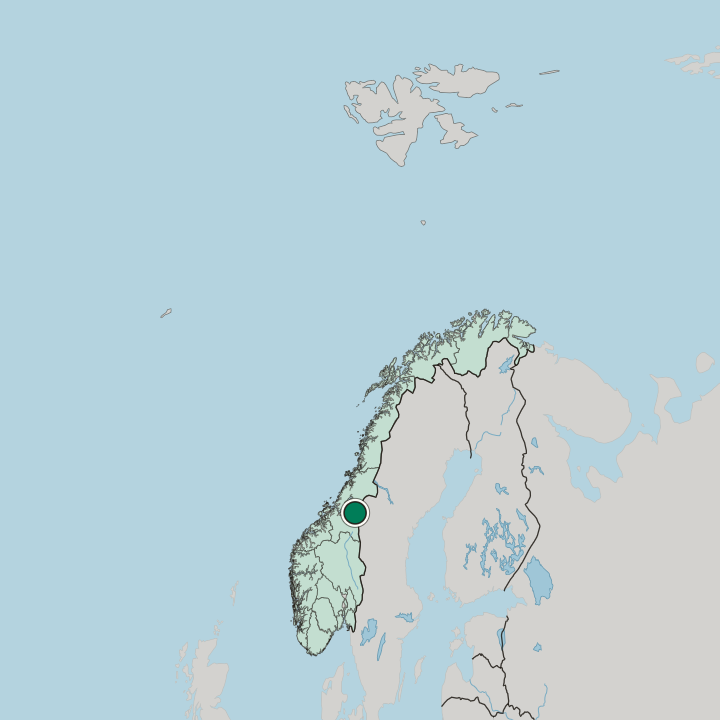
Meråker lies inland in the eastern part of Trøndelag. The village runs along an upland valley near the high mountain country, its central settlement of Midtbygda gathered around Meråker kirke with scattered farms reaching up the surrounding slopes. It sits far from any coast.
The valley climbs east toward the mountains and the pass that crosses them, and the higher households up toward Kopperå kapell mark the edge of the settled ground in this corner of central Norway.
What is the climate of Meråker?
Meråker has a cold mountain-valley climate. Winters run long and deeply snowy in the uplands of eastern Trøndelag, with hard frost holding over the valley around Meråker kirke through the dark months, while the short summers stay cool and green under a long northern daylight that lingers far into the bright sub-arctic evening over the slopes. Spring comes very late here.
Heavy snow lies through much of the year on the high ground, and the valley funnels the wind down off the mountains that wall it.
How do you get to Meråker?
Most arrive by the valley road. Meråker sits along the route running east through the mountains in the eastern part of Trøndelag, reached by the road and rail line that climb the valley toward the pass and the border country beyond. There is no city in the valley.
Trains on the line through the mountains call here, and buses link the central settlement to the wider region, so travellers reach this corner of central Norway by the road and railway that thread the valley rather than by any airport close at hand.
Common questions
What is the best area to stay in Meråker?
Midtbygda centre: a calm valley base by the church. Kopperå and the uplands: skiers and walkers on the high ground. Valley slopes: drivers crossing the valley.
Good for
More cities in Trøndelag
Updated September 2026