Norway · Vestland
Where to Stay in Årdalstangen, Vestland
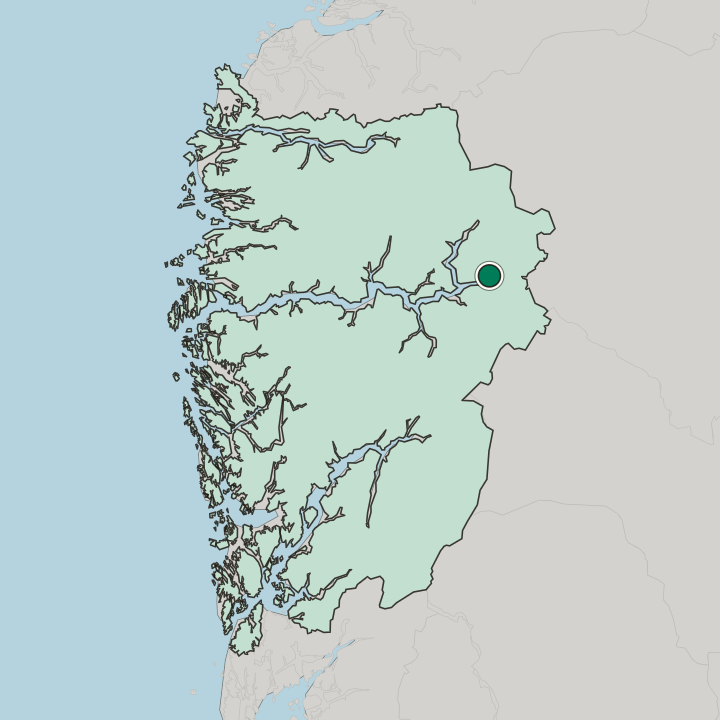
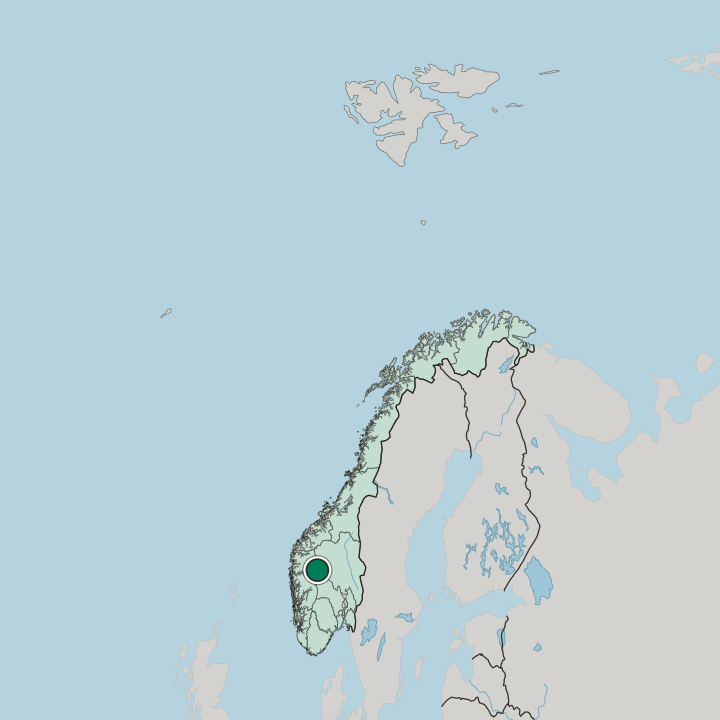
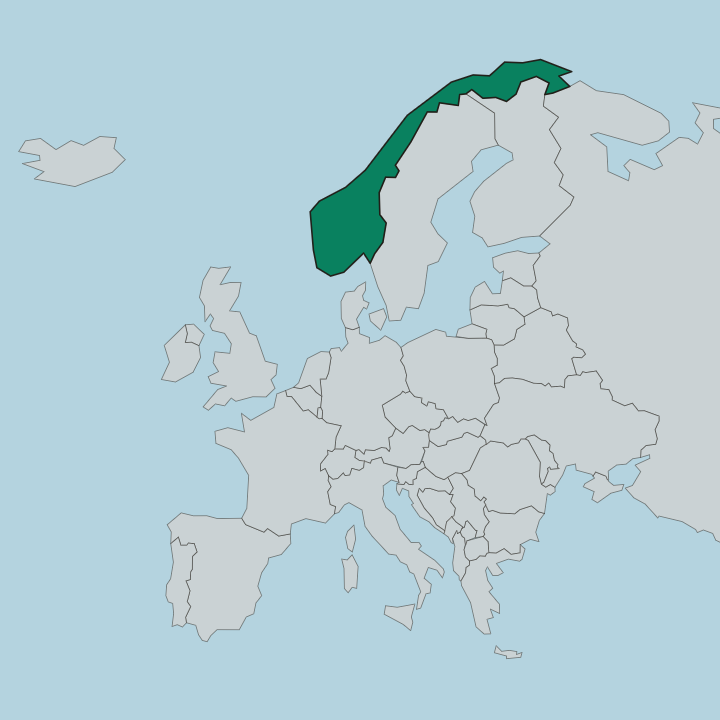
Årdalstangen is the centre of Årdal Municipality in western Norway, a village at the head of the fjord in north-eastern Vestland.
Hotel links are affiliate links: booking through them may earn us a commission, at no extra cost to you. It never affects how places are ranked. How this works


Where to stay in Årdalstangen
How the choice of base plays out on the ground.
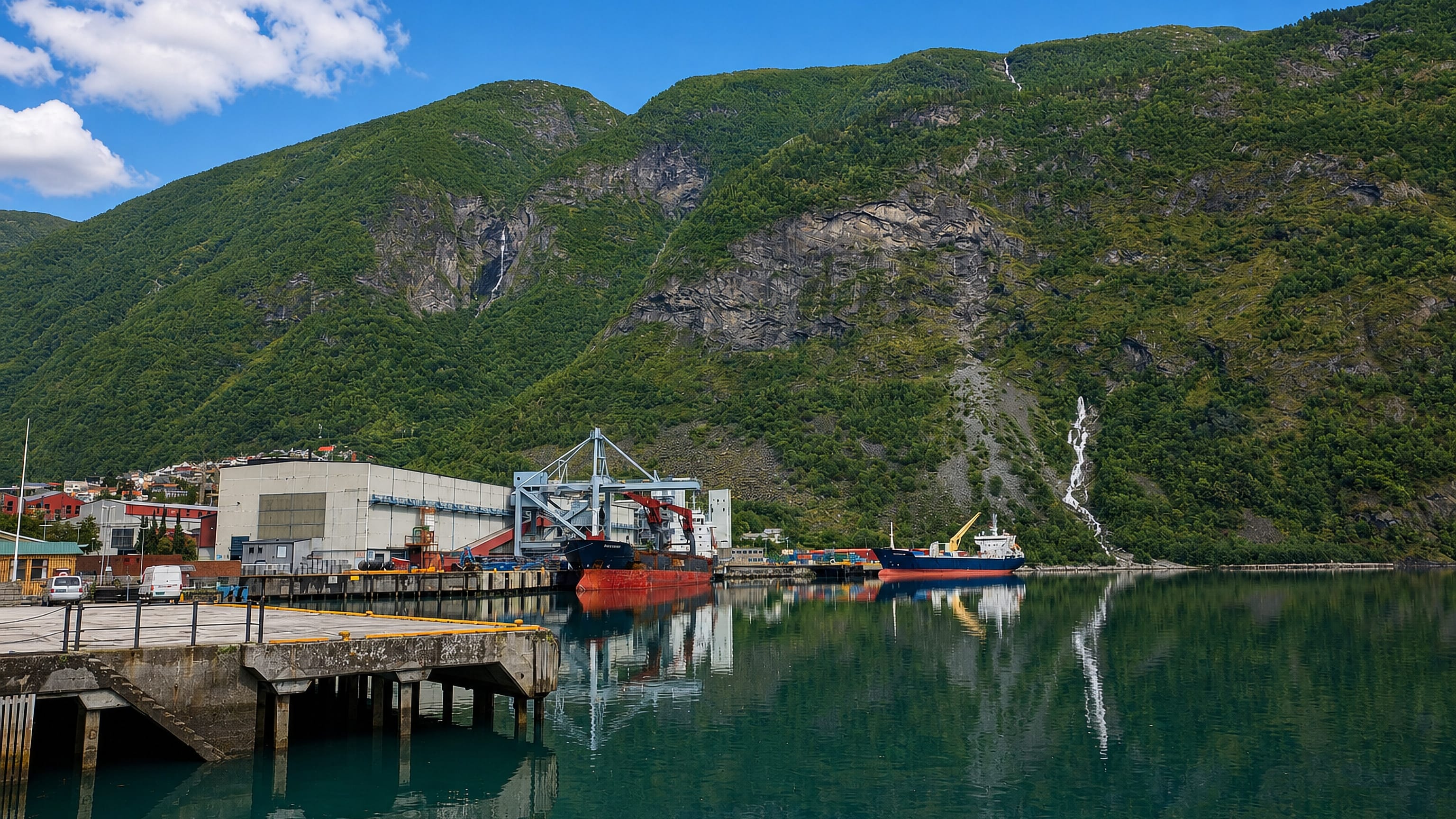
Beds gather at the fjord head. Årdalstangen carries the lodging near the harbour and the centre, where the road meets the water below the mountains and the Farnes kirke and the shops stand within a short walk of the quay. Stay here for the fjord. Up the valley the second village of Øvre Årdal holds its own rooms near the older Årdal kirke and the works, a base for travellers heading toward the high country and the mountain passes that climb out of the municipality.
Around the Jotun stadion the everyday quarters of the town spread back from the shore, plain and practical rather than scenic, suited to anyone here for business or for the through route. Rooms are limited at both ends. Book ahead in summer, since Årdal keeps only a modest stock of beds split between Årdalstangen and Øvre Årdal, and the valley draws walkers when the high routes open.
Find hotels in Årdalstangen
Direct booking searches for these neighbourhoods.
Årdalstangen harbour
beds near the Farnes kirke and the harbour where the road meets the deep water. Rooms are few around here — worth securing early.Find hotels in Årdalstangen harbourwalkers heading to the high countryØvre Årdal valley
rooms by the older Årdal kirke and the works at the head of the valley. Lodging is scarce in this area; reserve in advance.Find hotels in Øvre Årdal valleypractical stays away from the shoreJotun stadion quarter
the plain town streets back from the fjord around the Jotun stadion. Rooms are few around here — worth securing early.Find hotels in Jotun stadion quarterHotel links are affiliate links: booking through them may earn us a commission, at no extra cost to you. It never affects how places are ranked. How this works
About Årdalstangen
What is Årdalstangen known for?
The fjord ends here. Årdalstangen sits on the point where the deep water runs out against the mountains, the administrative centre of Årdal Municipality in the north-eastern part of Vestland and one of its two main villages alongside Øvre Årdal up the valley. Industry shaped it. The town gathered around the works and the harbour at the fjord head, with the Farnes kirke and the Jotun stadion marking the community, and steep peaks closing in on every side.
What are the main landmarks in Årdalstangen?
Two churches hold the municipality. Farnes kirke stands at the fjord head by Årdalstangen, while the older Årdal kirke gathers the congregation up the valley toward Øvre Årdal, the pair marking the two ends of the settled ground. The Jotun stadion gives the town its sports field, named for the industry that built the modern community.
Mountains close the view on every side. Together the landmarks trace how Årdal grew, strung between the harbour at the water and the works inland, in a deep fold of north-eastern Vestland.
What is the history of Årdalstangen?
Årdalstangen began as a fjord-head farming point. For generations the deep water ended here against the mountains, and the scattered farms of the valley looked to the harbour at the tangen for their link to the wider world, while the parish gathered at churches like Farnes kirke and the older Årdal kirke up the valley. The water was the only road out.
Then came the industry. In the twentieth century a large works rose in the municipality, and the two villages of Årdalstangen at the shore and Øvre Årdal up the valley grew together around it, drawing labour into a place that had been thinly settled mountain country. The harbour took on the shipping that the plant demanded, and the Jotun stadion and the new streets marked a town built fast around a single industry.
Through it all the geography held firm. The fjord and the peaks still hem the town as they always have, and Årdalstangen remains the administrative centre of Årdal, a working village pressed between deep water and high mountains in north-eastern Vestland.
Where is Årdalstangen?
Årdalstangen sits on a low point at the head of the fjord, where the deep water meets the mountains in the north-eastern part of Vestland. Steep peaks rise straight from the shore on every side, leaving only a narrow shelf of flat ground for the town between the water and the slopes. Up the valley the land climbs toward Øvre Årdal and the high country beyond.
The fjord defines the place. Its inner end gives Årdalstangen the harbour and the only easy way out toward the open coast.
What is the climate of Årdalstangen?
Årdalstangen has the sharper weather of the inner fjords. Lying deep inland at the fjord head, away from the open coast, it sees colder, snowier winters than the seaward villages of Vestland, with the high mountains around Øvre Årdal holding the snow long into spring. Frost settles hard here.
Summers are short but warm in the sheltered valley, the long northern daylight lighting the peaks above the town, and the deep water keeping the fjord head cool even at the height of the season.
How do you get to Årdalstangen?
The road follows the fjord. Årdalstangen is reached by the highway that runs along the inner waterways of Vestland to the fjord head, with the harbour taking the boat traffic that once carried everything in and out. Buses link the village up the valley to Øvre Årdal. Cars do the rest.
The municipality has no railway, so the fjord road and the mountain passes climbing out toward the high country carry all the traffic into this deep corner of north-eastern Vestland.
Common questions
What is the best area to stay in Årdalstangen?
Årdalstangen harbour: the fjord head by the quay. Øvre Årdal valley: walkers heading to the high country. Jotun stadion quarter: practical stays away from the shore.
Good for
More cities in Vestland
Updated September 2026