Norway · Vestland
Where to Stay in Balestrand, Vestland
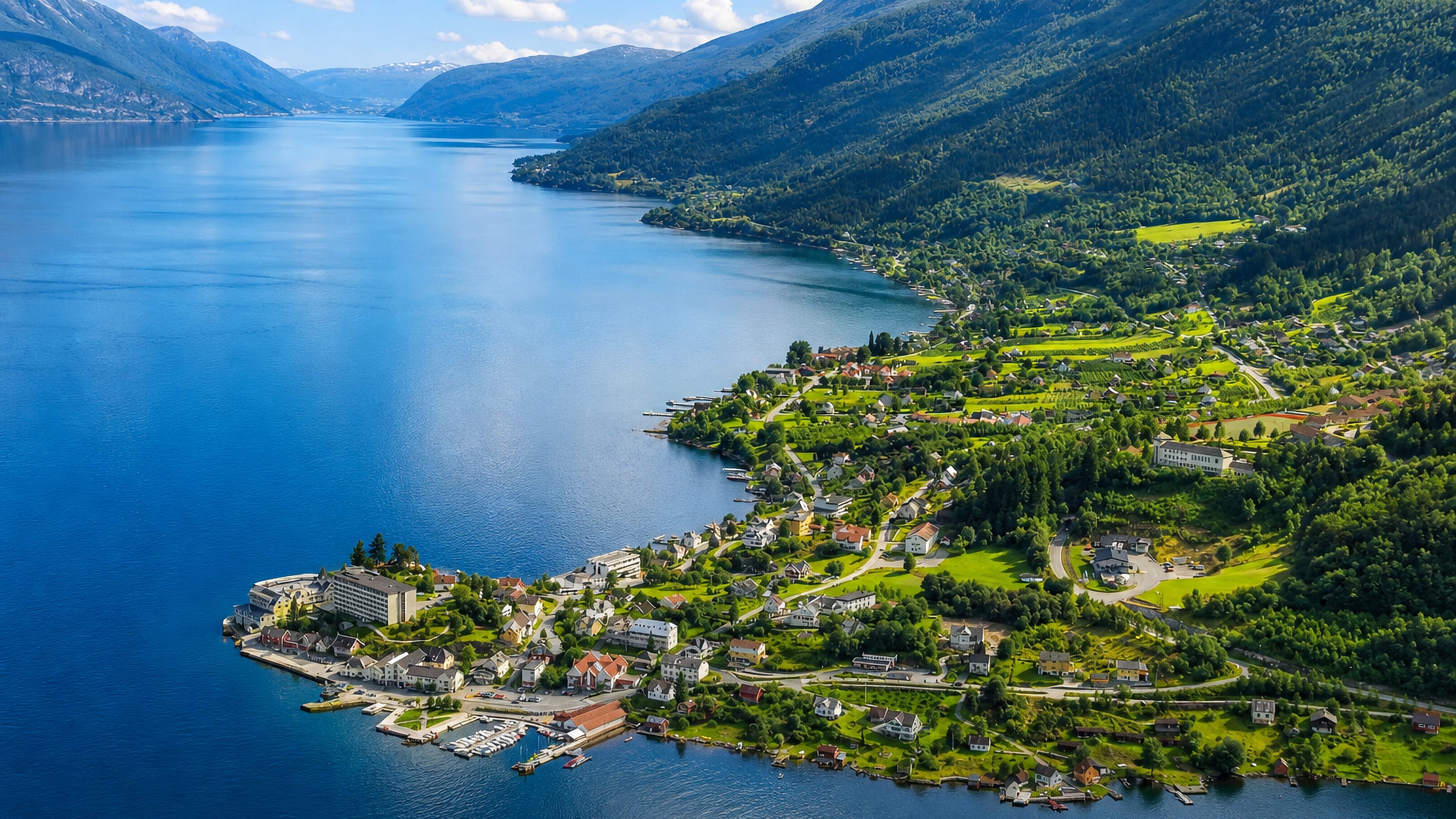
Balestrand is a fjord village in Sogndal, set on the deep waters of northern Vestland in western Norway.
Hotel links are affiliate links: booking through them may earn us a commission, at no extra cost to you. It never affects how places are ranked. How this works


Where to stay in Balestrand
The practical side of choosing where to sleep.
Beds in Balestrand gather along the fjord front, where hotels and guest houses sit within a short walk of the quay, St. Olafs kirke and the Norsk Reiselivsmuseum. The waterfront suits travellers who want the fjord, the boats and the village services close at hand. The fjord front is the obvious place to stay.
Out along the shore toward Tjugum, farm rooms and holiday cabins stand beneath the mountains by the water, a quieter berth for visitors drawn to the deep fjord country of Sogndal. Rooms there are scattered and few. Across the fjord toward Kvamsøy, cabins and holiday houses spread along the farm lanes, a base for travellers touring the inner waters of Vestland by boat and car.
Rooms grow sparse between the farm hamlets. Many arrive by the fjord express boat and stay a night or two before sailing on up the water. Book ahead in the bright summer, when the long western daylight and the steep fjord walls draw walkers to this part of Vestlandet.
Find hotels in Balestrand
Direct booking searches for these neighbourhoods.
Balestrand fjord front
hotels by the quay, St. Olafs kirke and the Norsk ReiselivsmuseumFind hotels in Balestrand fjord frontvisitors drawn to the deep fjord countryShore toward Tjugum
farm rooms beneath the mountains near Tjugum kirke. Rooms are few around here — worth securing early.Find hotels in Shore toward Tjugumtravellers touring the inner waters by boatKvamsøy across the fjord
holiday houses along the farm lanes near Kvamsøy kirke. Beds are limited here, so book early.Find hotels in Kvamsøy across the fjordHotel links are affiliate links: booking through them may earn us a commission, at no extra cost to you. It never affects how places are ranked. How this works
About Balestrand
What is Balestrand known for?
Balestrand is a fjord village in Sogndal, part of Vestland in western Norway. It sits where the wide fjord meets the foot of the mountains, a stop on the deep-water routes that long drew travellers up the inner waters. Tourism shaped it early.
The wooden St. Olafs kirke and the Norsk Reiselivsmuseum recall the age when steamers brought visitors to this shore, and old parish churches stand among the farms of this corner of Vestlandet.
What are the main landmarks in Balestrand?
St. Olafs kirke is the signature landmark of Balestrand, a small wooden Anglican church raised on the fjord shore in the age of the travelling visitors. Near it the Norsk Reiselivsmuseum keeps the story of Norwegian travel and tourism, set among the old hotel ground by the water. The fjord drew the world here.
Across the parishes the listed kirker stand among the farms, Tjugum kirke on the near shore and Kvamsøy kirke across the water, each the old centre of worship in this corner of Sogndal.
What is the history of Balestrand?
Balestrand grew on the fjord shore where the deep water meets the foot of the mountains, in the parishes of the inner fjord country of Vestland. Farms worked the narrow shelves above the water for centuries, and the parishes raised their churches among them, the listed Tjugum kirke on the near shore and Kvamsøy kirke across the water. The fjord ruled the living.
Boats carried the trade and the catch along the deep waters, and the village took form as a stop on the inner routes of Sogndal. Travel changed the village in the steamer age. Visitors came up the fjord to the hotels of Balestrand, and the wooden St. Olafs kirke was raised for the foreign guests who summered on the shore.
The boats brought the world. The Norsk Reiselivsmuseum was later set on the old hotel ground to keep that story of Norwegian travel, and Balestrand remained a fjord village of Sogndal in western Norway.
Where is Balestrand?
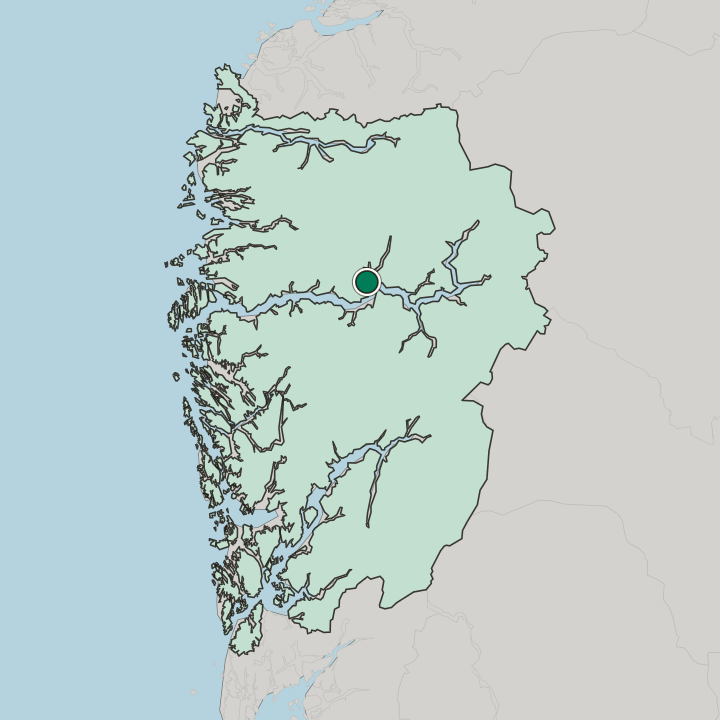
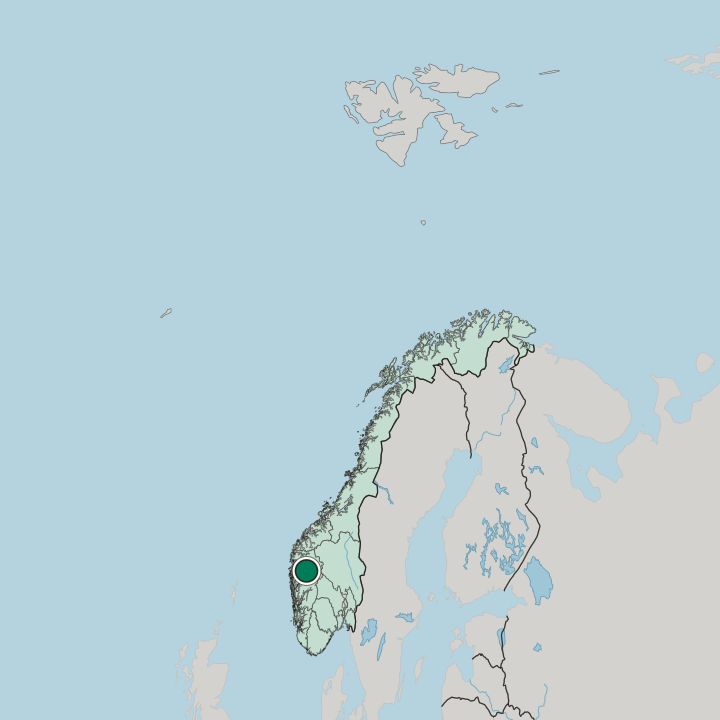
Balestrand lies on the fjord shore in the northern part of Vestland, in western Norway. The village sits on a shelf of land where a side arm meets the wide main fjord, steep mountains rising behind the houses and the quay. Water and rock frame the place.
The fjord arms of Sogndal reach inland around it, and Balestrand holds the service core for the scattered farms of this corner of Vestland.
What is the climate of Balestrand?
Balestrand has the mild, sheltered fjord climate of inner western Norway. Winters stay grey and damp on the shore, though snow lies long on the high mountains that wall the fjord above the village. Summers stay cool and green by the fjord.
The deep water of the fjord holds the warmth and softens the cold, while the long western daylight keeps the slopes of Sogndal lush through the high season of Vestlandet.
How do you get to Balestrand?
Balestrand is reached by boat and road along the fjords of Sogndal. The fjord express boats and the car ferries call at the village quay below the church, and roads thread the shore from the wider routes of Vestland to the waterfront. Many arrive by water.
The boats run the deep fjord between the villages to reach Balestrand, while Bergen and the regional airports handle the longer journeys of visitors coming up to this corner of western Norway from farther afield.
Common questions
What is the best area to stay in Balestrand?
Balestrand fjord front: travellers wanting the quay and the fjord boats at hand. Shore toward Tjugum: visitors drawn to the deep fjord country. Kvamsøy across the fjord: travellers touring the inner waters by boat.
Good for
More cities in Vestland
Updated September 2026