
New Zealand
Auckland, New Zealand — Towns & Travel Guide
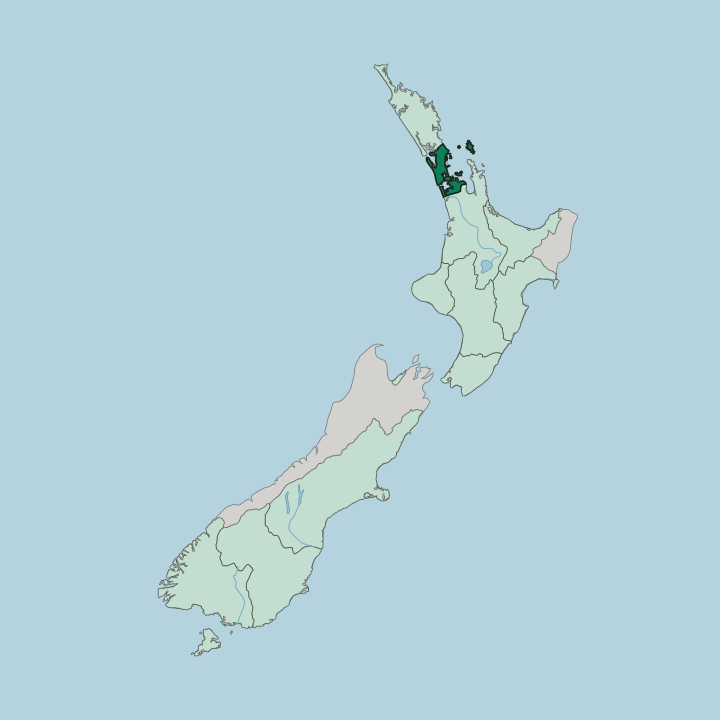
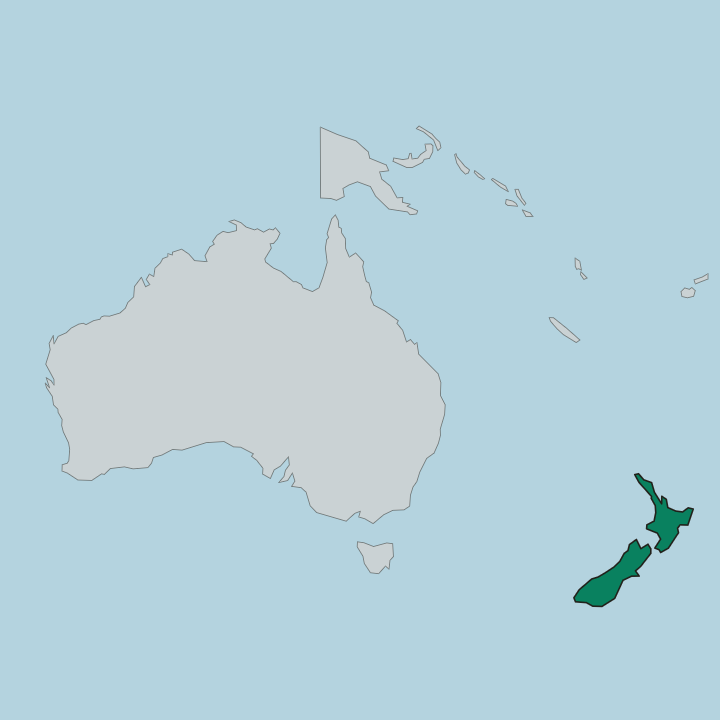
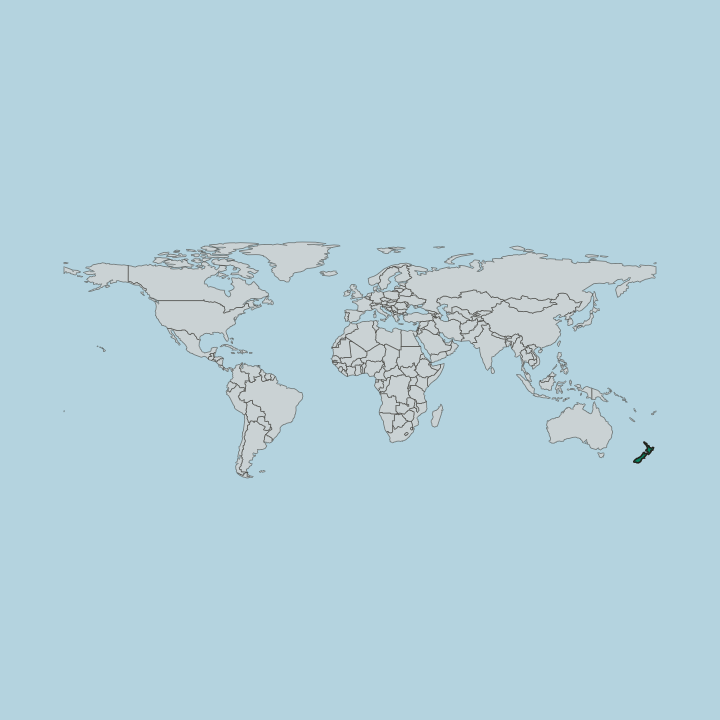
The Auckland Region wraps the isthmus city and the islands of the Hauraki Gulf on the North Island of New Zealand, rural coast and harbours together.
Hotel links are affiliate links: booking through them may earn us a commission, at no extra cost to you. It never affects how places are ranked. How this works


Towns & cities in Auckland
One town here has its own guide — it links to where to stay.

 New Zealand
Auckland
Water frames Auckland, the largest city of New Zealand, spread across the North Island between two harbours and the islands of the Hauraki Gulf.Where to stay →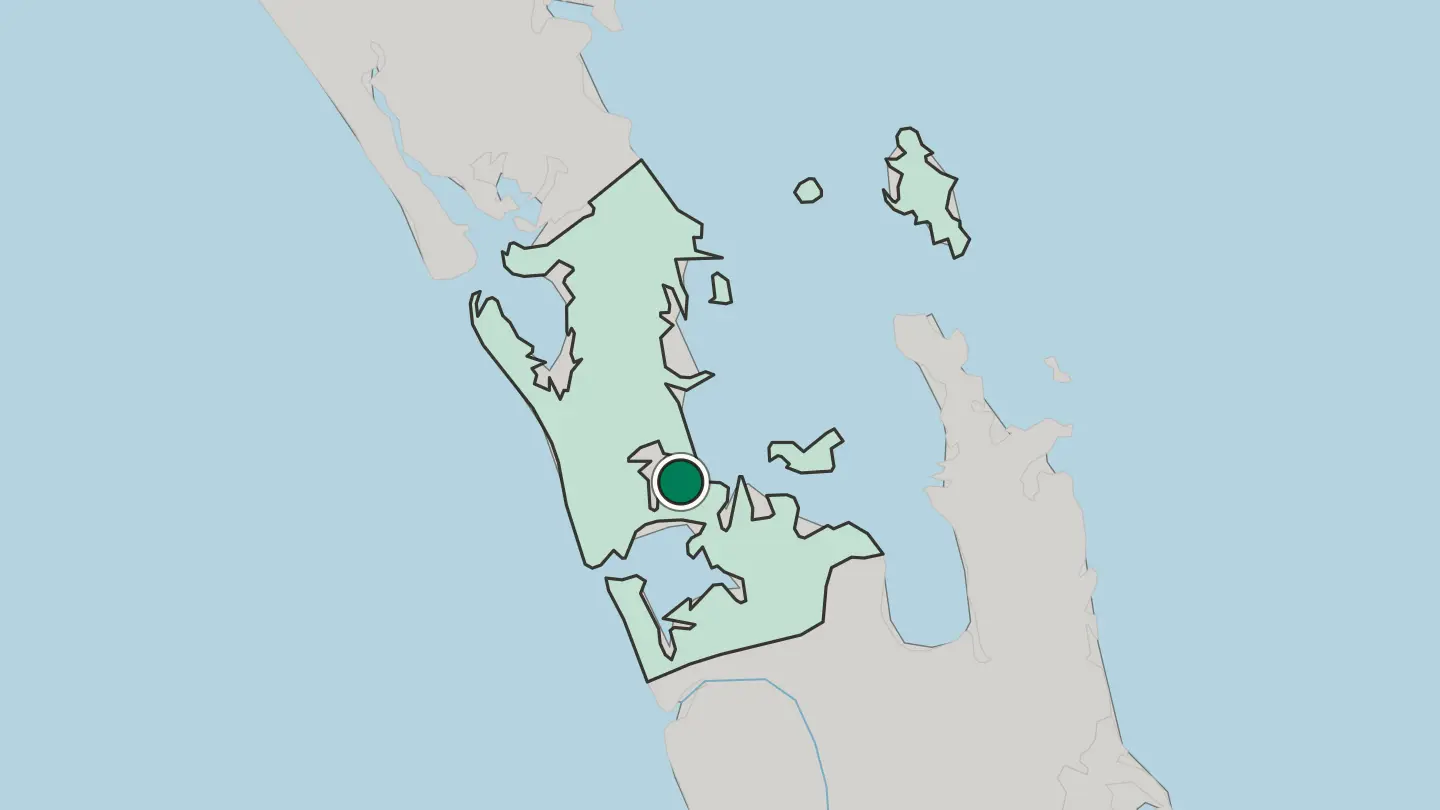
Hotel links are affiliate links: booking through them may earn us a commission, at no extra cost to you. It never affects how places are ranked. How this works
About Auckland
What is Auckland known for?
The Auckland Region is known as the area around Auckland, the largest city of New Zealand, on the North Island. It takes in the harbour city, the surrounding rural country, and the islands of the Hauraki Gulf that lie off the coast. Water defines it.
Governed as a single region, this stretch of the North Island joins a busy port to open farmland and a scatter of gulf islands within one boundary.
Where is Auckland?
The Auckland Region occupies a broad stretch of the North Island of New Zealand, centred on the isthmus that carries the city of Auckland between two harbours. The Hauraki Gulf is its defining water. This sheltered arm of the sea, strewn with islands that belong to the region, opens along the eastern shore and gives the Auckland Region a long, deeply indented coast of bays, inlets, and offshore land.
Beyond the city the region spreads into rural country north and south of the harbours. Volcanic ground marks the isthmus, where old cones rise among the built and farmed land. To the west a second harbour reaches inland from the coast, so the narrow neck of the region has water pressing on both sides.
The land is far from flat. Ridges, cones, and the drowned valleys of the gulf give the Auckland Region a folded, watery form, and almost every part of it lies within reach of either the Hauraki Gulf or the harbours that shape the isthmus at its heart.
What is Auckland like?
Culture in the Auckland Region gathers around its harbour city and the water that surrounds it. Auckland gives the region its cultural weight, drawing the galleries, museums, and the maritime life of the largest city of New Zealand. English and Māori are both spoken across the region, and the long Māori settlement of the isthmus and the Hauraki Gulf underlies the later colonial city and the farming districts around it.
The sea runs through the region's identity. Life on this isthmus and among the islands of the Hauraki Gulf has always been bound to boats, ferries, and the harbours, and the culture of the region balances the urban life of Auckland with the rural and island communities on its edges. Volcanic cones stand as landmarks and old Māori sites across the settled ground.
That mix of city, farmland, and gulf island gives the Auckland Region a character set apart on the North Island.
What is the history of Auckland?
The Auckland Region's history runs from long Māori settlement of the isthmus to the colonial city founded in 1840. Māori had held the volcanic cones for generations. European settlement fixed on the double harbour at Auckland, which grew into the largest city of New Zealand and pulled the surrounding rural country and the islands of the Hauraki Gulf into its orbit.
The region later took its administrative shape around that harbour city on the North Island.
What is the climate of Auckland?
The Auckland Region has a mild, temperate climate warmed by the surrounding sea. Summers run warm and humid, winters stay cool and wet, and the Hauraki Gulf and the harbours hold the temperature range narrow across the region. Frost is uncommon.
Lying well up the North Island, the region keeps milder weather through the year than the parts of New Zealand further south, with rain falling readily in most seasons.
How do you get to Auckland?
The Auckland Region is reached through Auckland, the main point of international entry to New Zealand. Its airport carries most of the country's arriving traffic, and rail and highway routes run south down the North Island from the harbour city into the rest of the region. Ferries serve the islands.
They cross the Hauraki Gulf from the city piers to the offshore land and the far shores, tying the scattered coast of the region together, while roads reach the rural districts north and south of the harbours.
Common questions
What is the best area to stay in Auckland?
Auckland city: Visitors who want the harbour hub and its Hauraki Gulf ferries as a base.
Good for
More regions in New Zealand
Updated September 2026