New Zealand
Wellington, New Zealand — Towns & Travel Guide
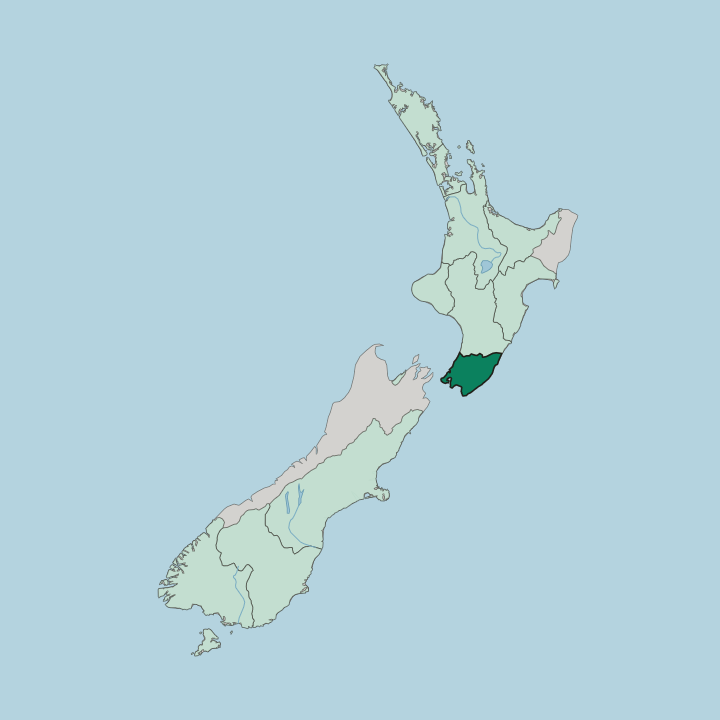
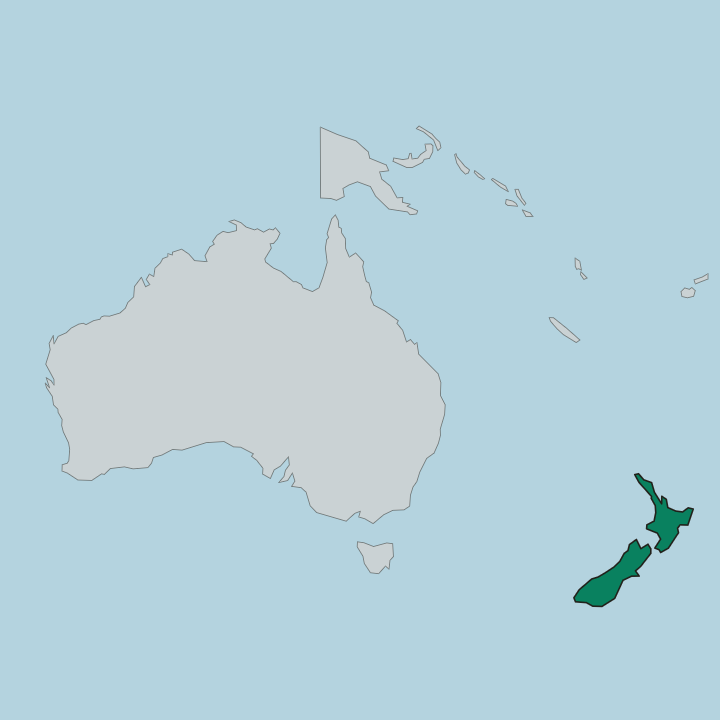
The Wellington Region spreads across the southern corner of the North Island of New Zealand, from Cook Strait inland behind the Remutaka Range.
Hotel links are affiliate links: booking through them may earn us a commission, at no extra cost to you. It never affects how places are ranked. How this works


Towns & cities in Wellington
Pick a town or city — each links to where to stay.

 New Zealand
Wellington
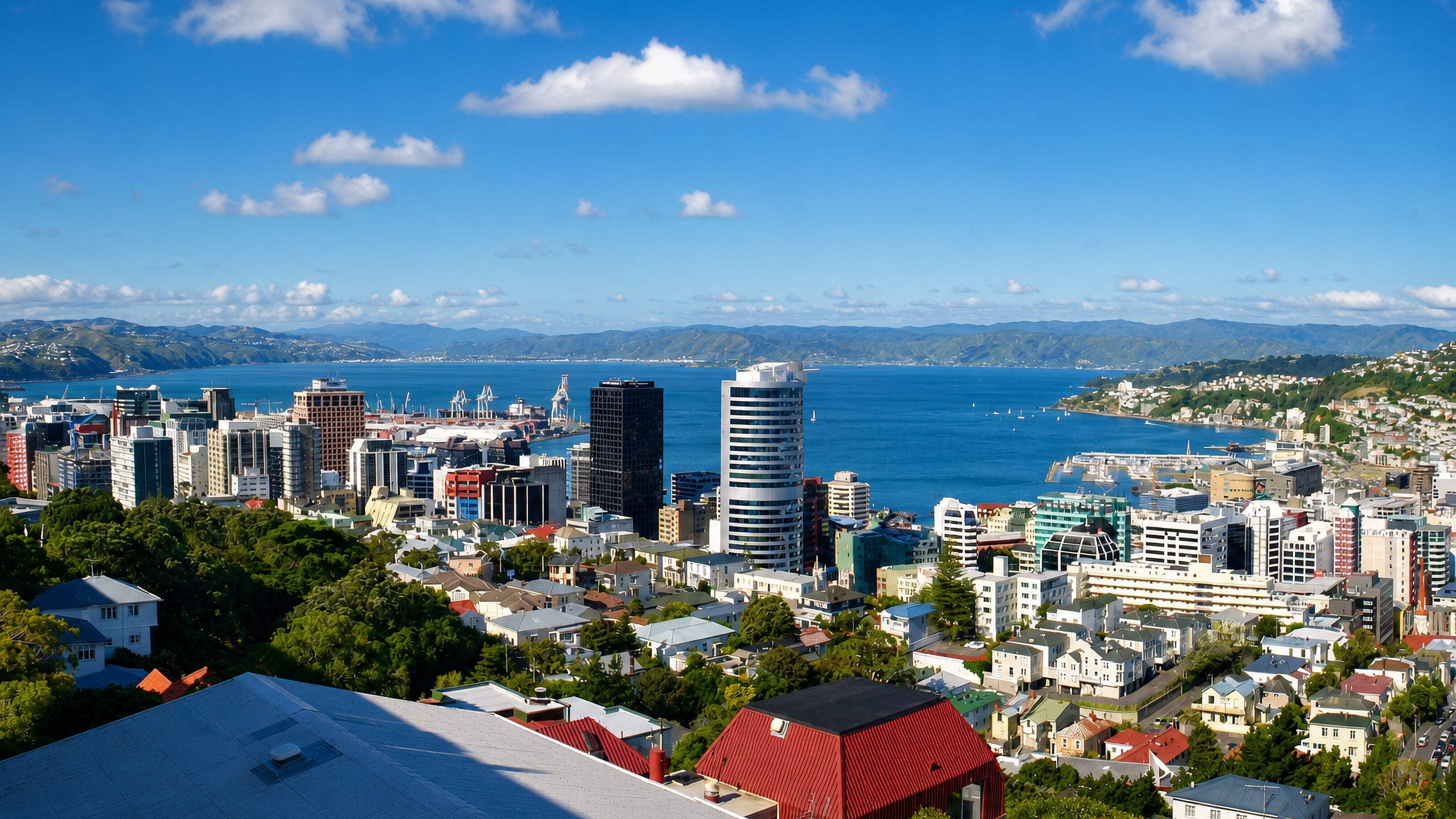
Wind combs the harbour at Wellington, the capital of New Zealand, set on the North Island between Cook Strait and the Remutaka Range.Where to stay →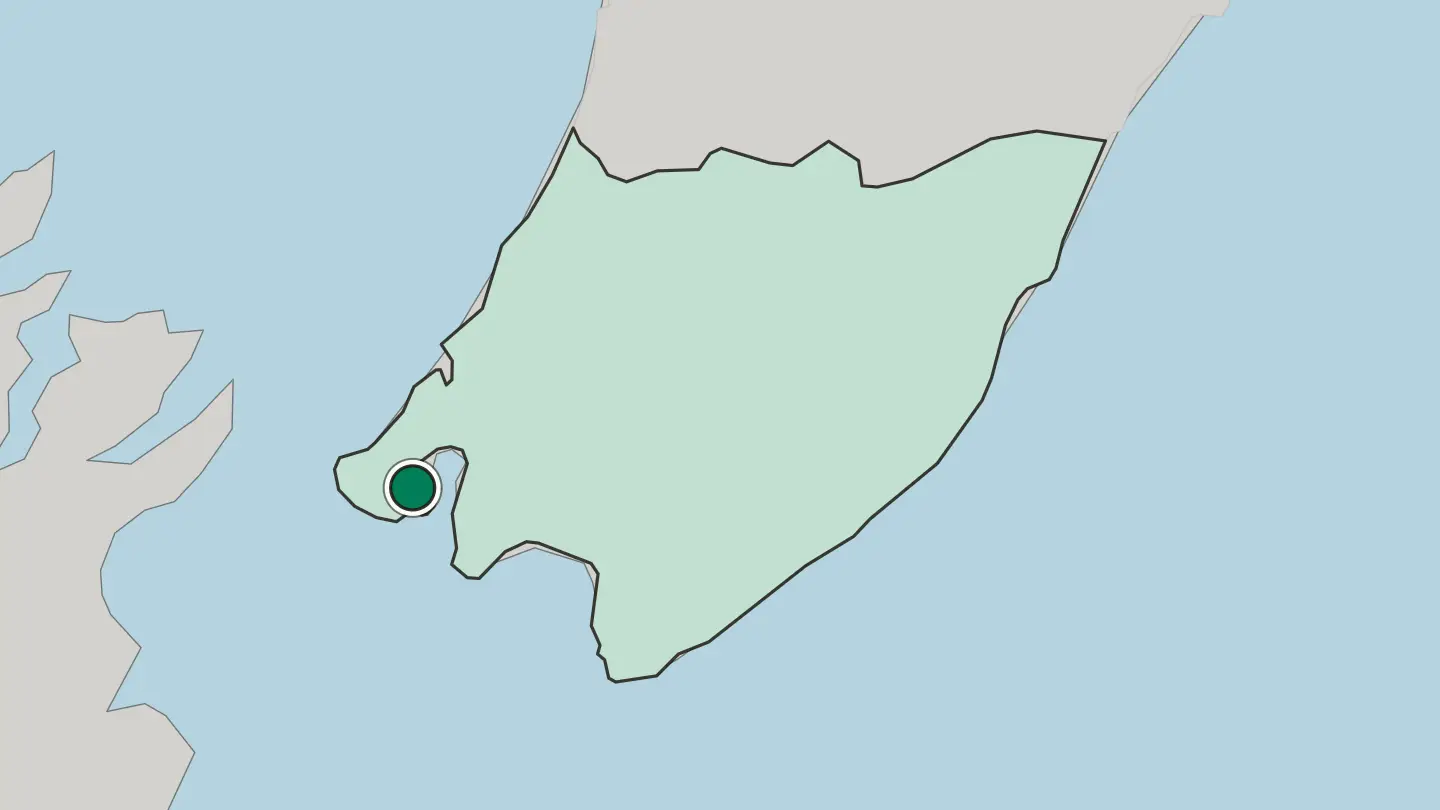
 New Zealand
Lower Hutt
Lower Hutt fills the lower Hutt Valley next to Wellington, taking in Petone, Eastbourne and Wainuiomata alongside its own centre.Where to stay →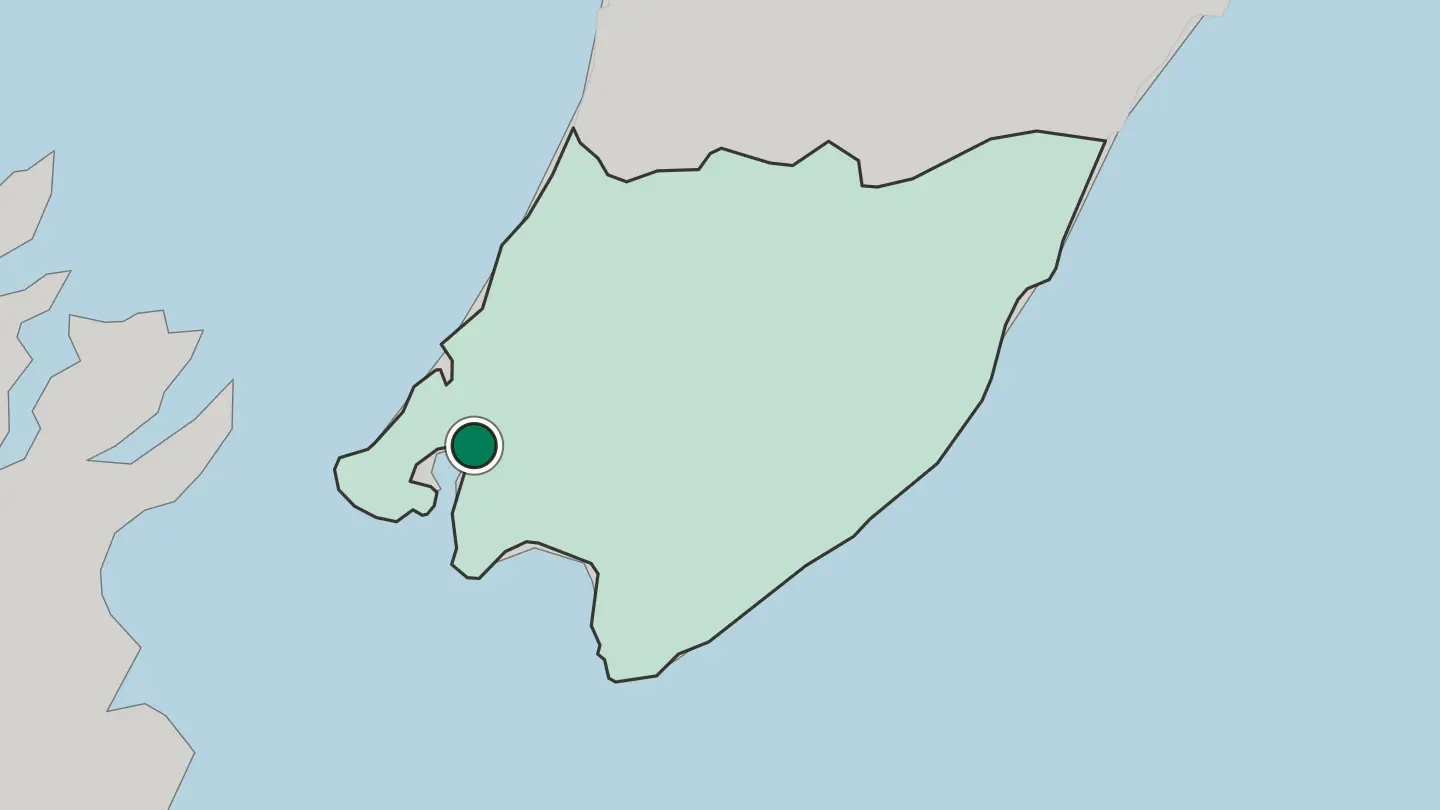
Hotel links are affiliate links: booking through them may earn us a commission, at no extra cost to you. It never affects how places are ranked. How this works
About Wellington
What is Wellington known for?
The Wellington Region is known above all as the home of Wellington, the capital of New Zealand, on its harbour at the southern tip of the North Island. Cook Strait forms the region's ocean edge, the crossing that carries traffic to the South Island. Wind defines the place.
Inland the Remutaka Range separates the harbour country from the valleys behind it, and the region joins a windswept coast to a working capital.
Where is Wellington?
The Wellington Region occupies the southern end of the North Island of New Zealand, where the land narrows toward Cook Strait. Its coast faces the strait squarely. The great natural harbour that shelters Wellington bites deep into the shoreline, ringed by hills that climb straight from the water and give the region its steep, folded character.
To the northeast the Remutaka Range rises as a spine of forested ridges, dividing the harbour country and its exposed coast from the drier valleys that open behind it. Cook Strait sets the southern frontier, the deep and often rough channel that separates the North Island from the South Island. The strait's winds sweep unbroken across the region, and the terrain of narrow flats between water and ridge concentrates settlement along the harbour and the valley floors.
Rivers run short and quick from the ranges to the sea. It is a compact region. Sea, hill, and strait press close together here, so almost nowhere in the Wellington Region lies far from either the coast or the rising ground behind it.
What is Wellington like?
Culture in the Wellington Region gathers around its capital, where government, the arts, and the daily life of a port meet. Wellington gives the region its centre of gravity, drawing the theatres, galleries, and the national collections that mark New Zealand's capital. English and Māori are both spoken here, and the region's identity carries the long Māori settlement of the harbour and coast alongside the later European town.
The wind shapes the culture too. Life on this exposed corner of the North Island has learned to work with the gales off Cook Strait, and the region's character is bound to the sea and the crossing to the South Island as much as to any inland tradition. The Remutaka Range marks a cultural as well as a physical divide, with the valleys behind it keeping a quieter, more rural rhythm than the busy harbour capital.
Ferries and the crossing shape the region's sense of itself as the meeting point of the two main islands.
What is the history of Wellington?
The Wellington Region traces its administrative shape to 1989, when local government reform drew the boundaries that grouped the capital with the coast and valleys around it. Long before that the harbour and shore were Māori land. European settlement fixed on the harbour of Wellington from 1839, and the seat of national government later made the town the capital of New Zealand, pulling the surrounding country into the orbit of a governing city.
Travel inland was hard. The Remutaka Range long set the limit of easy passage behind the coast.
What is the climate of Wellington?
The Wellington Region has a temperate maritime climate shaped by its exposure to Cook Strait. Winters run mild and wet, summers stay warm without extremes, and the surrounding sea holds the temperature range narrow through the year. Wind is the region's signature.
Funnelled between the North Island and the South Island, the gales that pour through the strait reach the harbour and coast with a force felt across the whole region.
How do you get to Wellington?
The Wellington Region is entered by air, rail, road, and sea through its capital. Wellington's airport sits near the harbour and links the region to the rest of New Zealand, while the main trunk railway runs north up the North Island from the city. Ferries dock here.
They cross Cook Strait to the South Island, tying the region into the national route between the two islands, and roads climb over the Remutaka Range to reach the valleys behind the coast.
Common questions
What is the best area to stay in Wellington?
Wellington city: Visitors who want the capital's harbour, galleries, and Cook Strait ferries at hand.
Good for
More regions in New Zealand
Updated September 2026