New Zealand
Taranaki, New Zealand — Towns & Travel Guide
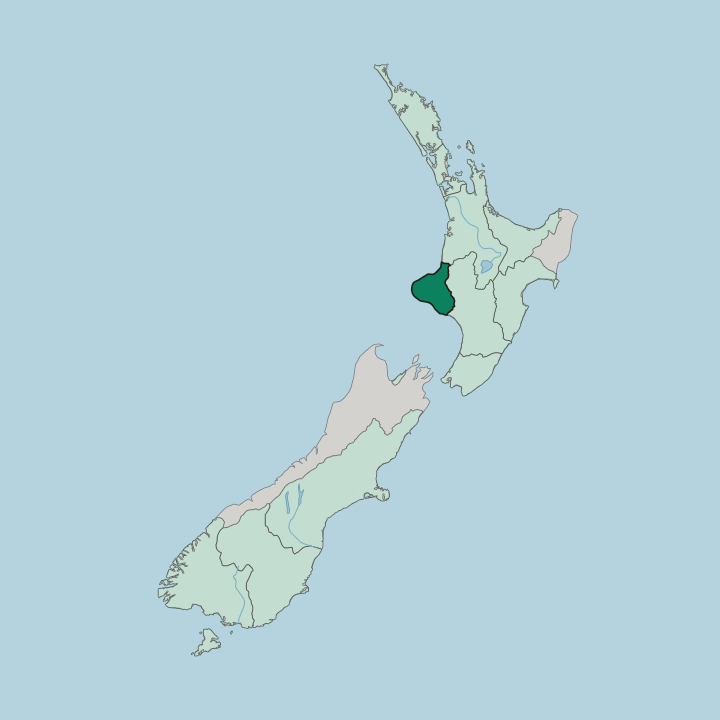
Mount Taranaki stands at the middle of its own region, a stratovolcano with coastal plain to the west and farm country spreading east.
Hotel links are affiliate links: booking through them may earn us a commission, at no extra cost to you. It never affects how places are ranked. How this works


Towns & cities in Taranaki
One town here has its own guide — it links to where to stay.
 New Zealand
New Plymouth
New Plymouth is a coastal city in Taranaki on the west coast of New Zealand's North Island, below a great volcanic cone.Where to stay →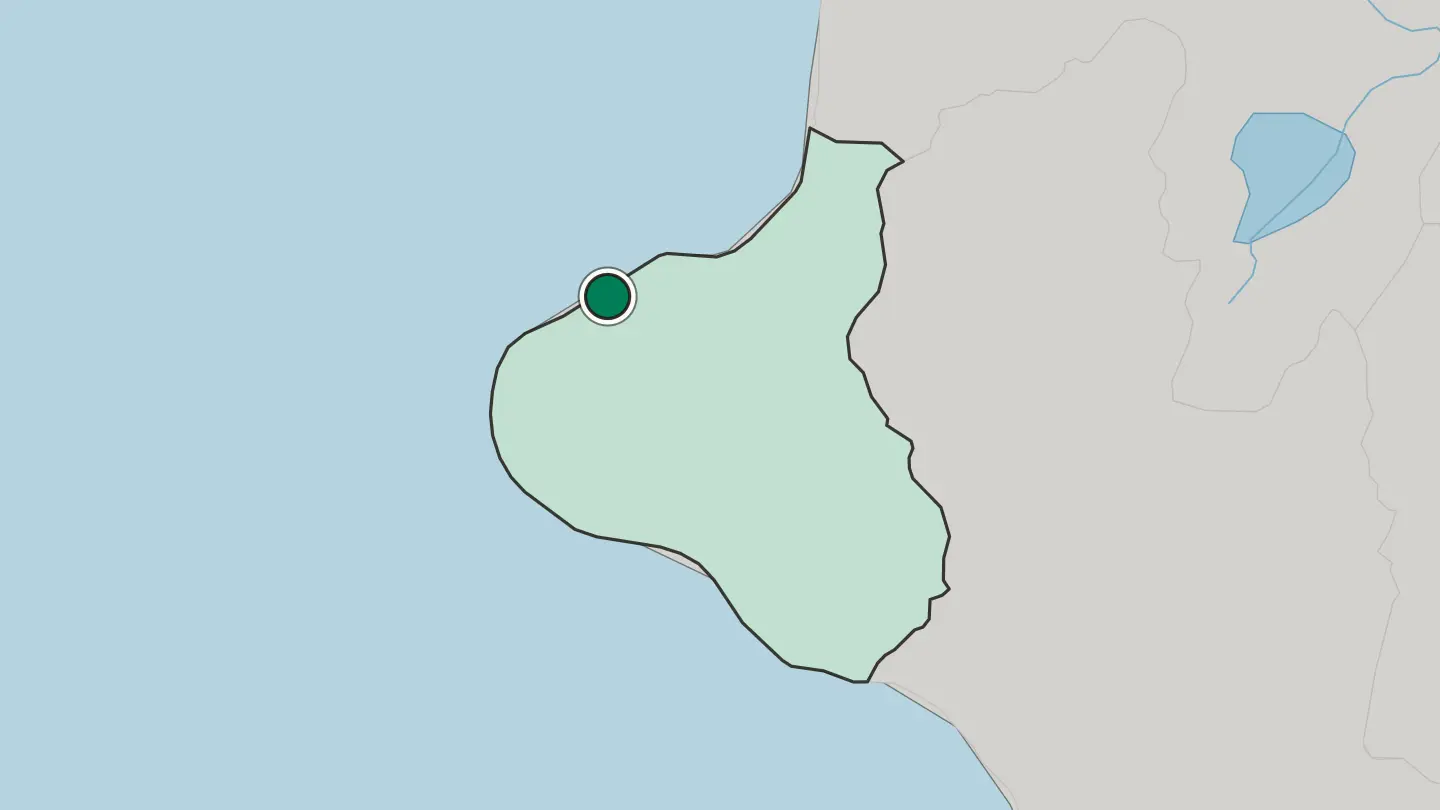
Hotel links are affiliate links: booking through them may earn us a commission, at no extra cost to you. It never affects how places are ranked. How this works
About Taranaki
What is Taranaki known for?
The mountain is the answer to almost every question about Taranaki. Mount Taranaki, also called Mount Egmont, is a stratovolcano, and the region takes its name from it rather than the other way round. Everything else arranges itself below.
A gently sloping semi-circular coastal plain fans out on the western side, while a wide plain of rich farm land runs east to join the rest of the North Island.
Where is Taranaki?
Taranaki is a region built around a single mountain. Mount Taranaki, known also as Mount Egmont, is a stratovolcano standing on the western side of the North Island, and the shape of the whole region follows from it: land slopes away from the peak in every direction until it meets either the sea or the plain. The volcano is the high point.
Nothing else in the region comes close to it in height, and the eye finds it from most of the ground below. West of the mountain the fall is short and even. A gently sloping semi-circular coastal plain has formed there, wrapping the volcano's seaward side in an arc of ground that runs from the slopes down to the water.
The arc is narrow. Its curve is what gives Taranaki the rounded outline it has on any map of the North Island. East of the mountain the land behaves differently.
A wide plain of rich farm land spreads out on that side, and rather than ending at a coast it carries on until it joins the rest of the North Island, which is how the region connects to everything beyond it. Farming has the whole of that eastern spread. Between the two plains, the volcano stands as both the source of the ground they sit on and the boundary that separates the seaward half of Taranaki from the inland half.
What is Taranaki like?
Two names attach to the same mountain. Mount Taranaki and Mount Egmont refer to one stratovolcano, and the doubling is the single most visible fact of cultural life in the region, since which name a person uses carries meaning of its own. The region answers to Taranaki.
Its formal style is the Taranaki Region, and both the place and the peak share the word, an arrangement that ties the identity of everyone living here to one landform in a way few regions of New Zealand can match. Work in Taranaki has long meant farm work. The wide plain of rich farm land on the eastern side supports it, and the rhythm of the farming year sets the calendar for the settlements spread across that ground.
The coastal plain is different in feel. Its gentle slope and its arc toward the sea give the western side an orientation outward rather than inland, and life there faces the water as much as the mountain. Height governs everything else.
Because the volcano is visible from so much of the region, it works as a common reference point, and directions, weather talk, and a general sense of where one stands all tend to be reckoned against it. Naming and landform are hard to separate here, and any account of the region's character has to start with the stratovolcano at its middle.
What is the history of Taranaki?
Taranaki takes its name from its main geographical feature, and that is the whole of the region's naming history in one line. Two names have stuck to the peak. Mount Taranaki and Mount Egmont have both been applied to the same stratovolcano, a doubling that records more than one naming tradition on the western side of the North Island.
Settlement followed the ground the volcano made, spreading over the coastal plain to the west and the farm plain to the east.
What is the climate of Taranaki?
The volcano writes the weather here. Mount Taranaki stands alone on the western side of the North Island with no other high ground near it, so air coming off the sea rises against the cone before anything else in the region stops it. The coastal apron feels it first.
Further east, the wide farm plain lies in the mountain's lee, which is part of why that side of Taranaki became the farming ground.
How do you get to Taranaki?
Every land route in comes across the eastern plain. The wide plain of rich farm land is what physically connects Taranaki to the rest of the North Island, so arrivals cross it before the volcano appears ahead. The mountain then does the navigating.
Once inside the region, movement runs around Mount Taranaki rather than over it, following the coastal plain on the western side or the farm country on the eastern one.
Good for
More regions in New Zealand
Updated October 2026