Pakistan · Punjab Province
Where to Stay in Mandi Bahauddin, Punjab Province
Mandi Bahauddin is a Punjab city on the ground between the Jhelum and the Chenab, and the capital of the district that carries its name.
Hotel links are affiliate links: booking through them may earn us a commission, at no extra cost to you. It never affects how places are ranked. How this works


Where to stay in Mandi Bahauddin
Where the beds are, and what that means for the visit.
Beds sit near the district offices. The centre of Mandi Bahauddin is the practical base for almost any visit, because the district capital's offices and its onward transport are the two things most visits actually need. Rooms here serve work and family visits more than sightseeing, which shapes what is available and where it clusters.
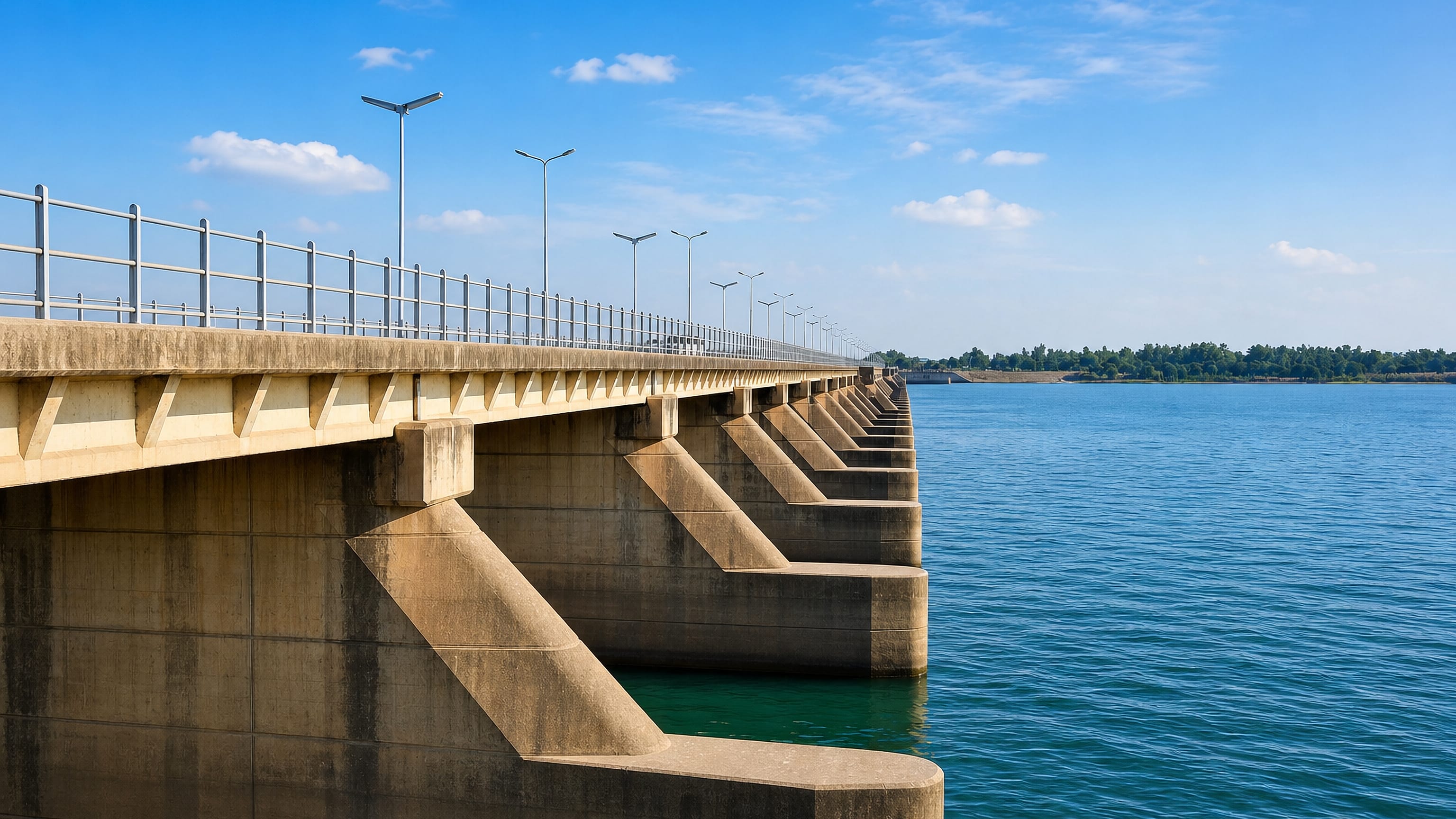
The City of Lions draws few outsiders on its name alone. Two rivers give the town its other axes. Toward the Jhelum, the ground runs out into open country and the crossings that carry traffic away from Mandi Bahauddin District, so a room on that edge shortens the morning if you are heading that way at first light.
The Chenab frames the other side. Either edge trades the convenience of the centre for a quieter night, which suits travellers moving on toward Eastern Punjab or Western Punjab rather than stopping in the town itself. Anyone arriving for district business will want to be inside the centre, and anyone passing between the two rivers will care more about which crossing they face in the morning than about the address itself.
Find hotels in Mandi Bahauddin
Direct booking searches for these neighbourhoods.
Mandi Bahauddin town centre
The administrative heart of Mandi Bahauddin District, with the offices and the departure points in the same few streets.Find hotels in Mandi Bahauddin town centreearly departures over the Jhelum crossingsThe Jhelum edge
Sits on the side of town facing the Jhelum, closest to the crossings that carry traffic out of the district. Beds are limited here, so book early.Find hotels in The Jhelum edgequiet nights on the Chenab flank of townThe Chenab edge
The opposite flank, turned toward the Chenab and the open country between the two rivers. Beds are limited here, so book early.Find hotels in The Chenab edgeHotel links are affiliate links: booking through them may earn us a commission, at no extra cost to you. It never affects how places are ranked. How this works
About Mandi Bahauddin
The name carries a nickname.
What is Mandi Bahauddin known for?
Mandi Bahauddin is called the City of Lions, and it serves as the capital of Mandi Bahauddin District, which makes it the place people from the surrounding villages come to for administration and trade. Two rivers frame it. The Jhelum and the Chenab run past on either side, and the settlement sits on the ground between them, which is how the place is usually located for anyone unfamiliar with it.
Travellers know it mostly as a crossing point between Eastern Punjab and Western Punjab.
What are the main landmarks in Mandi Bahauddin?
Five centuries on, no building rules here. Mandi Bahauddin has no famous ruin or shrine pulling visitors in from outside, and the interest lies instead in the ordinary fabric of a district capital and the river country running out toward the Jhelum and the Chenab. The City of Lions is a nickname, not a landmark.
Anyone here for sights makes day trips outward, because the draw of Mandi Bahauddin District is its position rather than any one building inside the town.
What is the history of Mandi Bahauddin?
The record starts in 1506. That is the founding year recorded for Mandi Bahauddin, which puts its beginnings several centuries before the modern district that now carries its name and takes the town as its capital. Rivers decided where it sits.
The Jhelum on one hand and the Chenab on the other set the limits of the ground the town sits on, and every route in or out has had to reckon with them. Two names attach to the town. One is administrative: Mandi Bahauddin District takes its capital's name, so the town's fortunes and the district's have been written together since the boundaries were drawn.
The other is the City of Lions, a nickname that travels ahead of the town and says more about local pride than about any single episode in its past. Roads still meet here. Between Eastern Punjab and Western Punjab, that crossroads position is the constant in the town's story.
For a place first recorded in 1506, that is a long run of usefulness, and it explains why Mandi Bahauddin ended up as an administrative centre rather than a village among many between the rivers.
Where is Mandi Bahauddin?
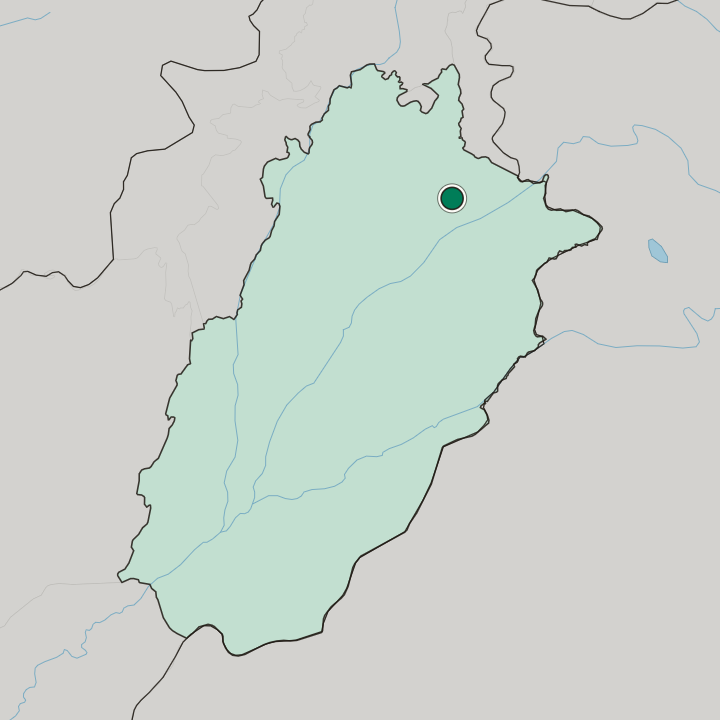
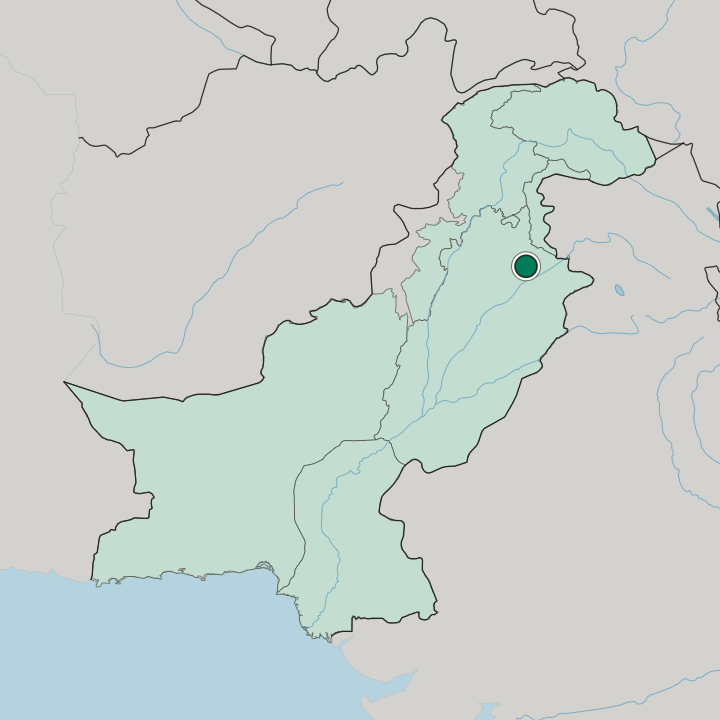
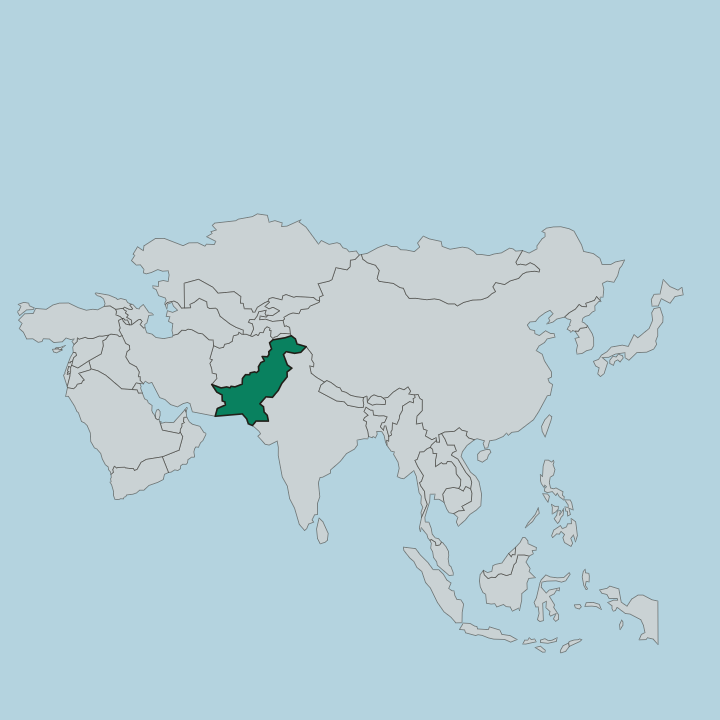
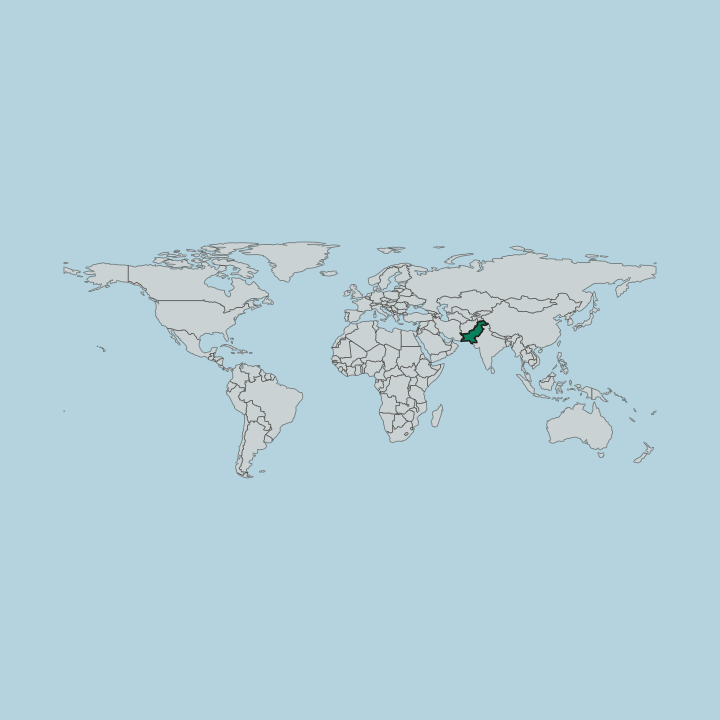
Rivers do the framing here. Mandi Bahauddin sits in Punjab, Pakistan, on the belt of ground held between the Jhelum and the Chenab, with the site lying a little over two hundred metres above the sea. The town stands between them, not on either bank.
Beyond the two rivers the land opens toward Eastern Punjab on one side and Western Punjab on the other, which is the crossroads Mandi Bahauddin District is usually described by.
What is the climate of Mandi Bahauddin?
Mandi Bahauddin lies in the subtropical band, and that placement, rather than any nearby coast or mountain wall, sets the shape of its year. The Jhelum and the Chenab are the water features that shape the setting, and a river moderates far less than a sea does, so the year swings widely between its hot and cool halves. Heat is the defining season.
Northern-hemisphere timing puts the warmest months in the middle of the year and the coolest around its turn.
How do you get to Mandi Bahauddin?
Nothing arrives except by road. Mandi Bahauddin is reached overland, and because the town stands between the Jhelum and the Chenab, an arrival from either direction involves crossing one of the two rivers before the district capital comes into view. Traffic between Eastern Punjab and Western Punjab has used this crossing point for centuries, which is why the town works as a junction as much as a destination.
Short hops from Mandi Bahauddin District fill the rest.
Common questions
What is the best area to stay in Mandi Bahauddin?
Mandi Bahauddin town centre: district-capital errands and onward connections. The Jhelum edge: early departures over the Jhelum crossings. The Chenab edge: quiet nights on the Chenab flank of town.
More cities in Punjab Province
Updated September 2026