Pakistan · Punjab Province
Where to Stay in Rawalpindi, Punjab Province
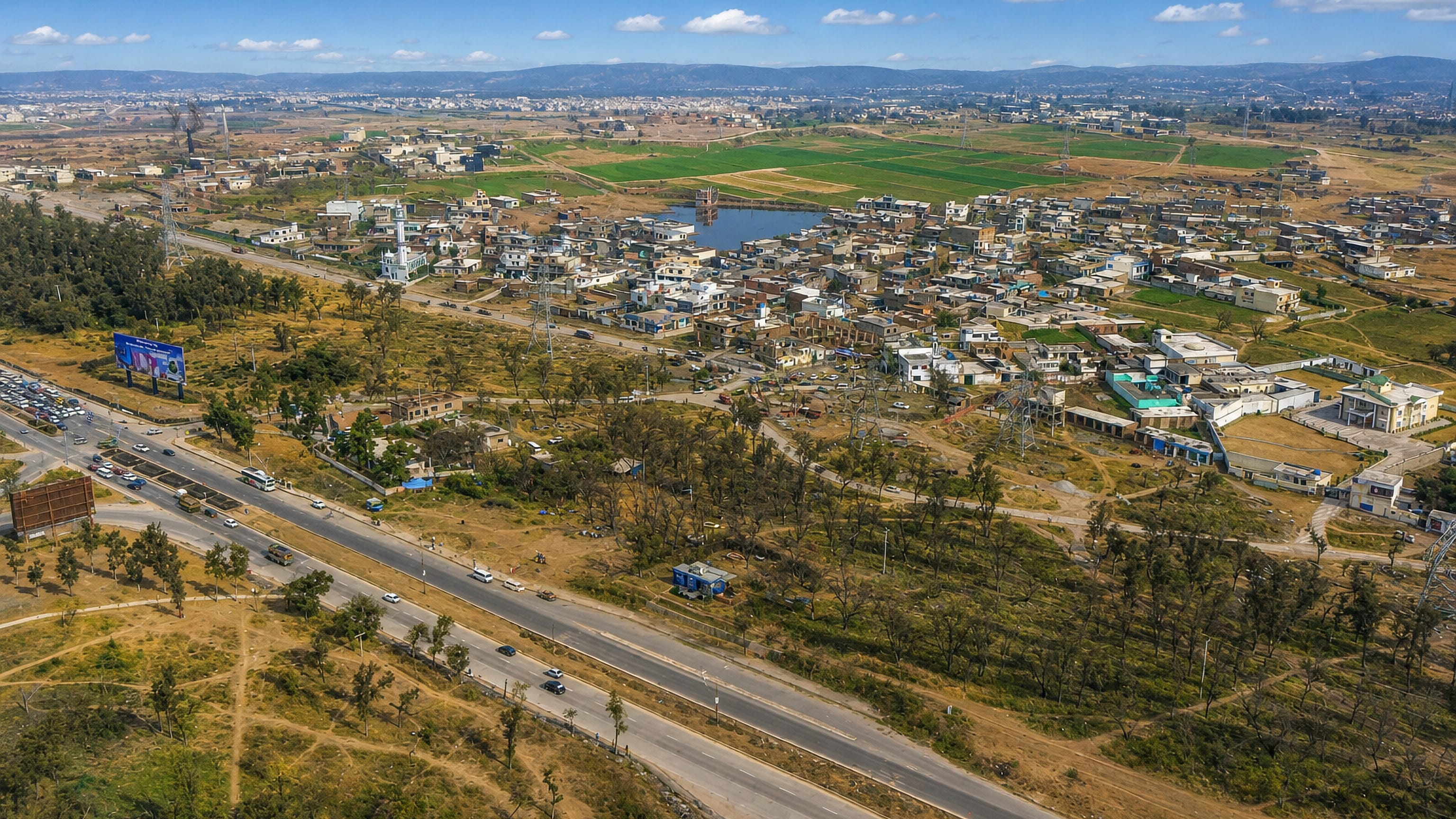
The Soan River threads past Rawalpindi, a cantonment city in north-western Punjab, Pakistan, twinned with Islamabad and known to locals as Pindi.
Hotel links are affiliate links: booking through them may earn us a commission, at no extra cost to you. It never affects how places are ranked. How this works


Where to stay in Rawalpindi
How the choice of base plays out on the ground.
Rawalpindi splits into an old commercial core and the ordered grid of its military cantonment, and where you stay shapes the whole trip. The cantonment holds the calmer, greener streets, laid out during the garrison era near the Pakistan Army Museum and the parade grounds. It suits travellers who want quiet nights and quick reach into Islamabad.
Beds cluster here and along the roads toward the capital. Closer to the old city, lanes tighten around the bazaars and the spire of St. Joseph's Cathedral. This ground is loud, close-packed, and cheap.
If you came to eat, bargain, and walk the markets, base yourself here. Ayub National Park sits to the south, a broad belt of lawns, lake, and the Ayub Park Museum that anchors the family-friendly end of town. Sports followers gravitate toward Pindi Club Ground, where Test cricket fills the stands.
The Soan River edges the built-up area, and the twin pull of Islamabad means many visitors sleep in Pindi and commute the short distance across to the capital's institutions.
Find hotels in Rawalpindi
Direct booking searches for these neighbourhoods.
The Cantonment
Garrison-era grid streets around the Pakistan Army Museum stay green and calm, with beds strung along the roads toward the capital.Find hotels in The CantonmentBazaar walkers and budget eatersThe Old City
Tight lanes crowd around the bazaars and the spire of St. Joseph's Cathedral, loud and cheap and built for markets.Find hotels in The Old CityFamilies based near green spaceAyub Park side
The lawns, lake, and Ayub Park Museum of Ayub National Park anchor the southern, family-friendly end of town.Find hotels in Ayub Park sideHotel links are affiliate links: booking through them may earn us a commission, at no extra cost to you. It never affects how places are ranked. How this works
Things to do in Rawalpindi
Ranked by global recognition; descriptions from Wikidata (CC0).
Museums & Galleries
3- Pakistan Army Museum
- Ayub Park Museum
- Vintage Park
Churches & Religious Sites
1- St. Joseph's Cathedral, Rawalpindi
Nature & Outdoors
1- Ayub National Park
Stadiums & Sports
1- Pindi Club Ground
worth knowingacross 4 categories in Rawalpindi
About Rawalpindi
What is Rawalpindi known for?
Rawalpindi is best known as the older twin of Islamabad and as the seat of a large military cantonment. Locals call it Pindi. The city carries a strong colonial imprint from its garrison years, and its landmarks range from the green expanse of Ayub National Park to the collections of the Pakistan Army Museum.
St. Joseph's Cathedral marks its Christian heritage, while cricket draws crowds to Pindi Club Ground. Punjab surrounds it on nearly every side.
What are the main landmarks in Rawalpindi?
Rawalpindi's landmarks trace its garrison past and its public green space. The Pakistan Army Museum lays out arms, uniforms, and campaign history near the cantonment. Ayub National Park spreads lawns, a lake, and the small Ayub Park Museum across the city's south.
St. Joseph's Cathedral rises over the older streets as a mark of the colonial period, and Pindi Club Ground fills with cricket crowds when Test matches come to town.
What is the history of Rawalpindi?
Rawalpindi grew into its modern form under colonial rule, when the settlement on the Soan River was chosen as a major garrison town. That decision fixed the city's character. A large military cantonment was laid out beside the old bazaar quarter, and Rawalpindi became a headquarters for the army stationed across north-western Punjab.
The two halves, civilian old city and ordered cantonment, have shaped the street plan ever since. The garrison legacy runs deep. Institutions like the Pakistan Army Museum keep that record, and St. Joseph's Cathedral survives from the same colonial decades, built to serve the garrison's Christian community.
The city held national weight through the twentieth century, and its proximity to the seat of power only grew once the purpose-built capital of Islamabad rose immediately alongside it. From that point the two settlements were spoken of together, the twin cities, with Pindi cast as the older sibling. Punjab remained the surrounding province throughout, and Rawalpindi its northern anchor, a working city of markets and barracks rather than a planned showpiece.
Where is Rawalpindi?
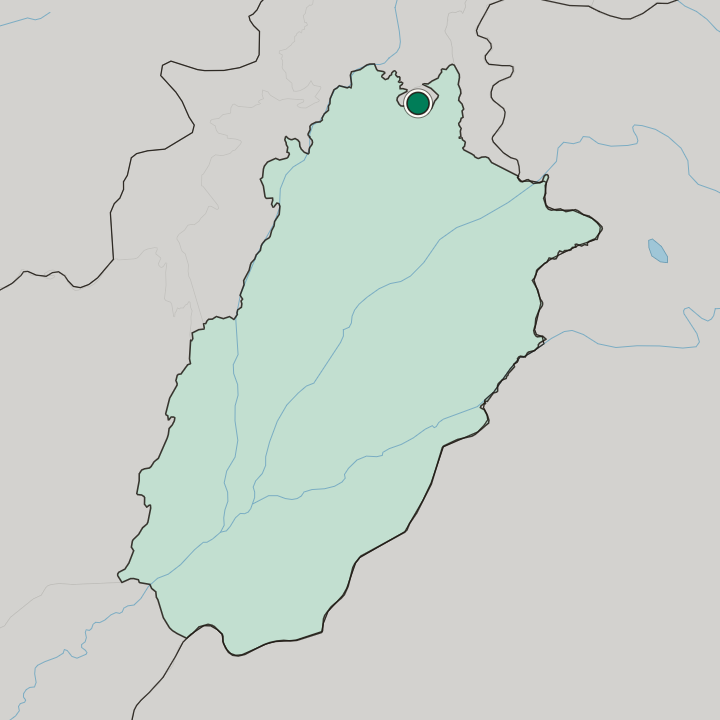
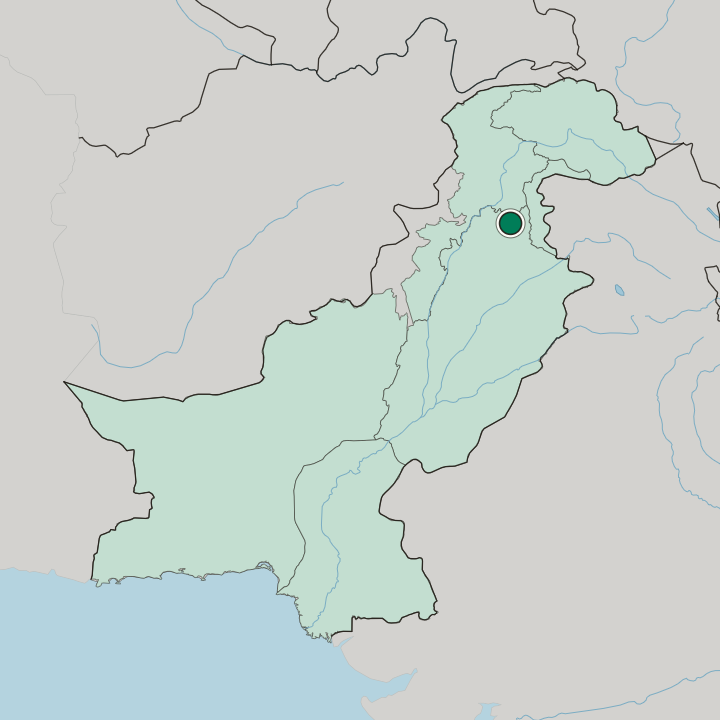
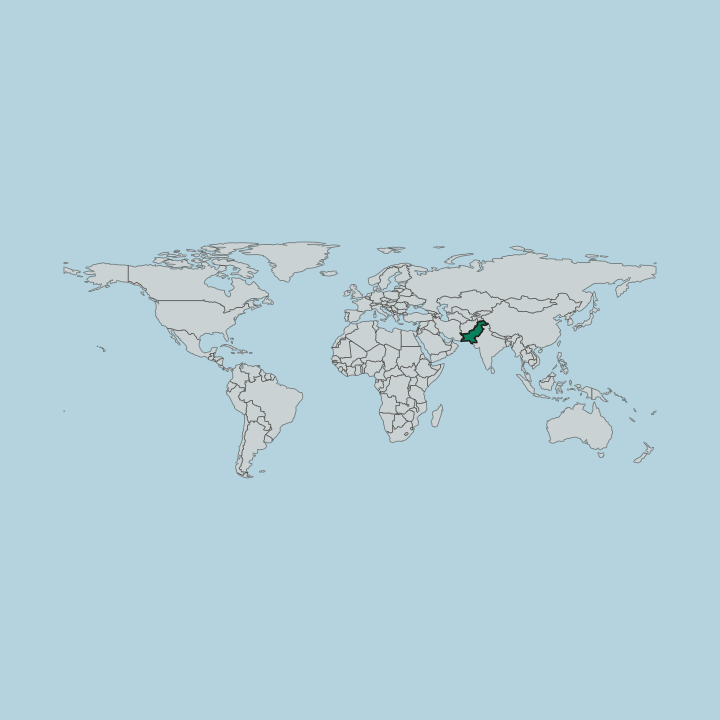
Rawalpindi sits in north-western Punjab, on the Soan River, immediately south of the capital Islamabad. The two press up against each other so closely that they are jointly called the twin cities. Land rises toward the hills that separate the plain from the mountains further north, and the built-up area of Pindi runs into the Ayub National Park green belt on its southern edge.
Punjab spreads away to the south and east.
What is the climate of Rawalpindi?
Rawalpindi has a subtropical climate marked by a hot dry season and a summer monsoon. Rawalpindi's spring is short-lived. Long hot months build from spring into a peak before the monsoon rains arrive to break the heat over Punjab, and the Soan River swells with that runoff.
Winters near Islamabad turn cool and can bring crisp mornings, milder than the mountains to the north but a real season in their own right.
How do you get to Rawalpindi?
Rawalpindi is reached most easily through its twin, Islamabad, whose international airport serves both cities. It is close. Rail lines run into Pindi from across Punjab, and the old station has long stood as a junction on the trunk route running north out of the plain toward the hills.
Roads tie the cantonment straight into Islamabad's grid. The Soan River is bridged where the main highways leave town.
Common questions
What is the best area to stay in Rawalpindi?
The Cantonment: Quiet nights and a fast hop to Islamabad. The Old City: Bazaar walkers and budget eaters. Ayub Park side: Families based near green space.
Good for
More cities in Punjab Province
Updated October 2026