Pakistan
Punjab Province, Pakistan — Towns & Travel Guide
Punjab is a large and populous province of Pakistan on the Indian subcontinent, its name once carried by a wider province of British India.
Hotel links are affiliate links: booking through them may earn us a commission, at no extra cost to you. It never affects how places are ranked. How this works


Towns & cities in Punjab Province
Pick a town or city — each links to where to stay.
 Pakistan
Lahore
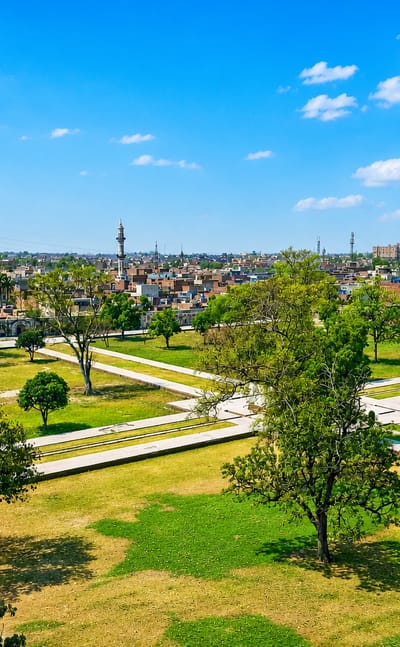
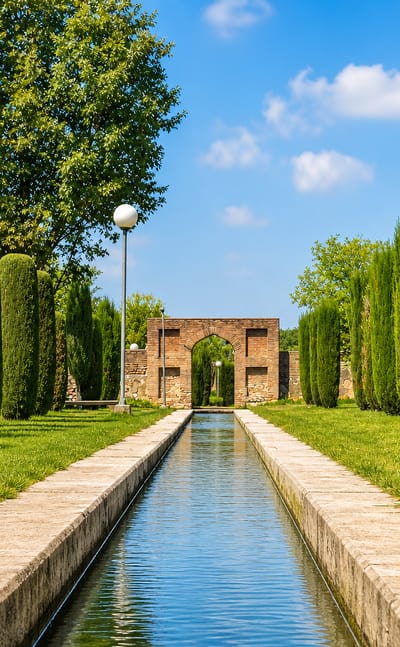
Brick lanes wind through the Walled City of Lahore, the capital of Punjab and second-largest city of Pakistan, known for the Lahore Museum.Where to stay →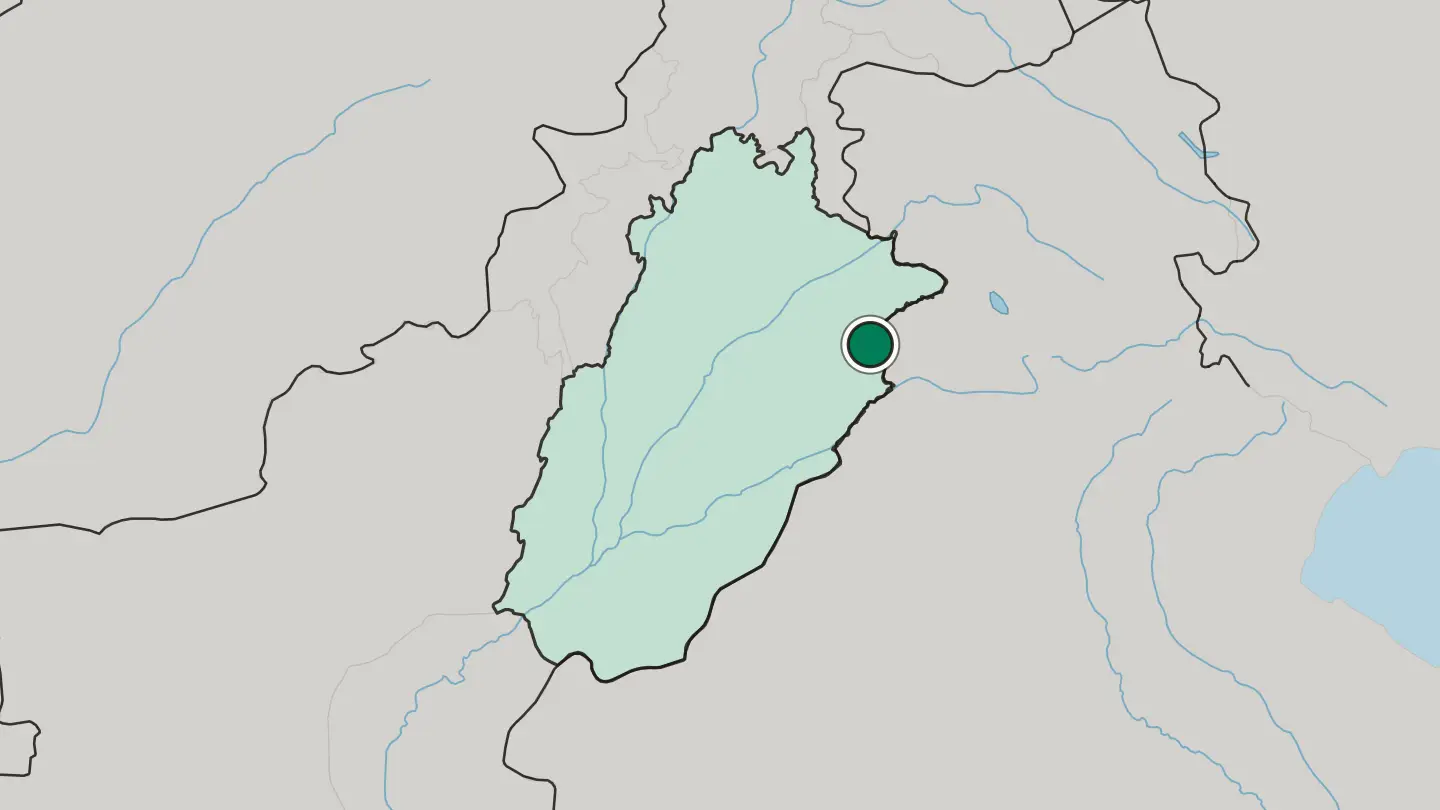
 Pakistan
Faisalabad
Faisalabad is a city of Punjab in east Pakistan, the country's great textile city, laid out around a British clock tower with eight bazaars running out.Where to stay →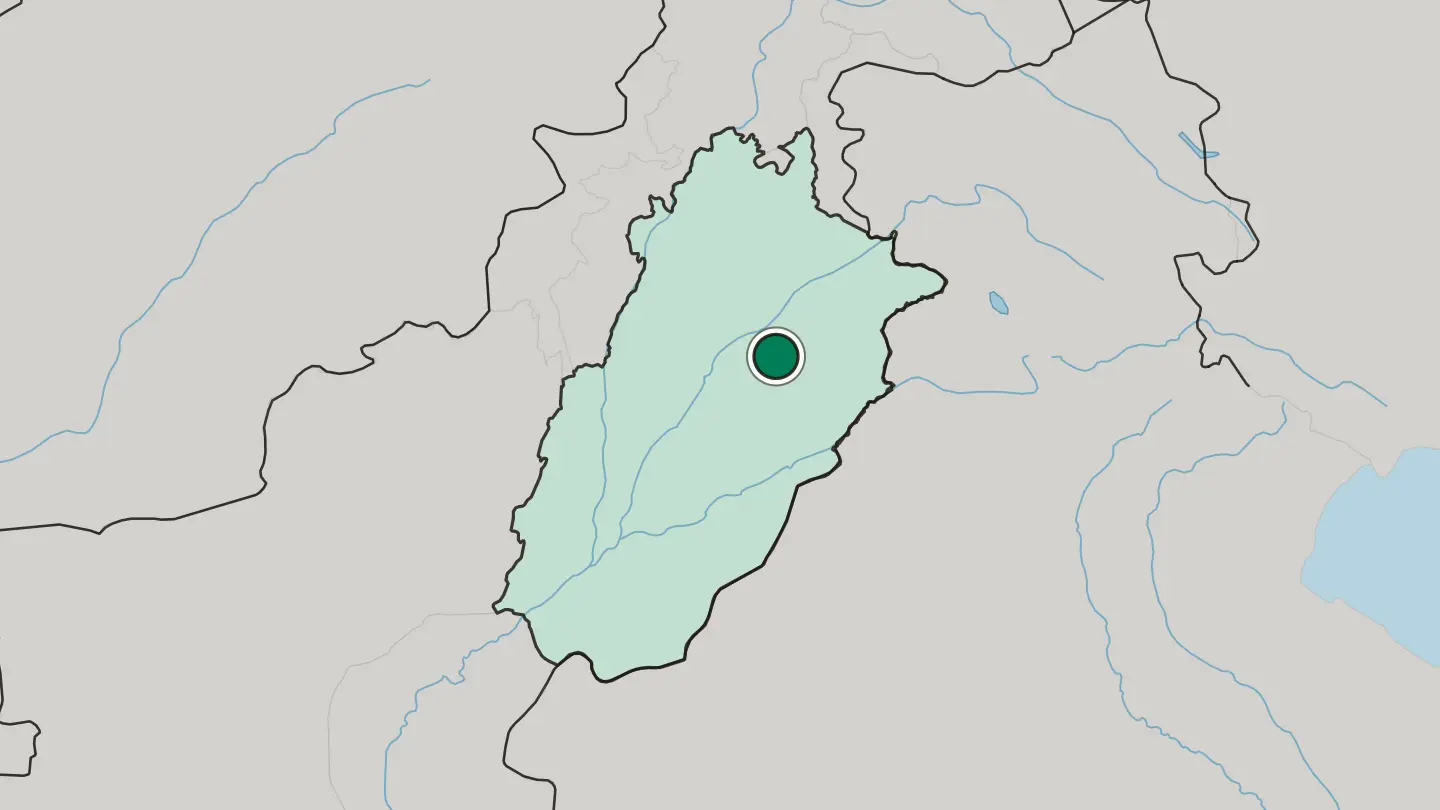
 Pakistan
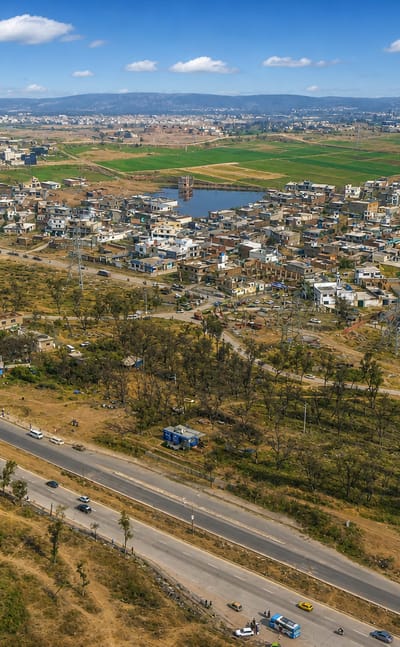
Rawalpindi
The Soan River threads past Rawalpindi, a cantonment city in north-western Punjab, Pakistan, twinned with Islamabad and known to locals as Pindi.Where to stay →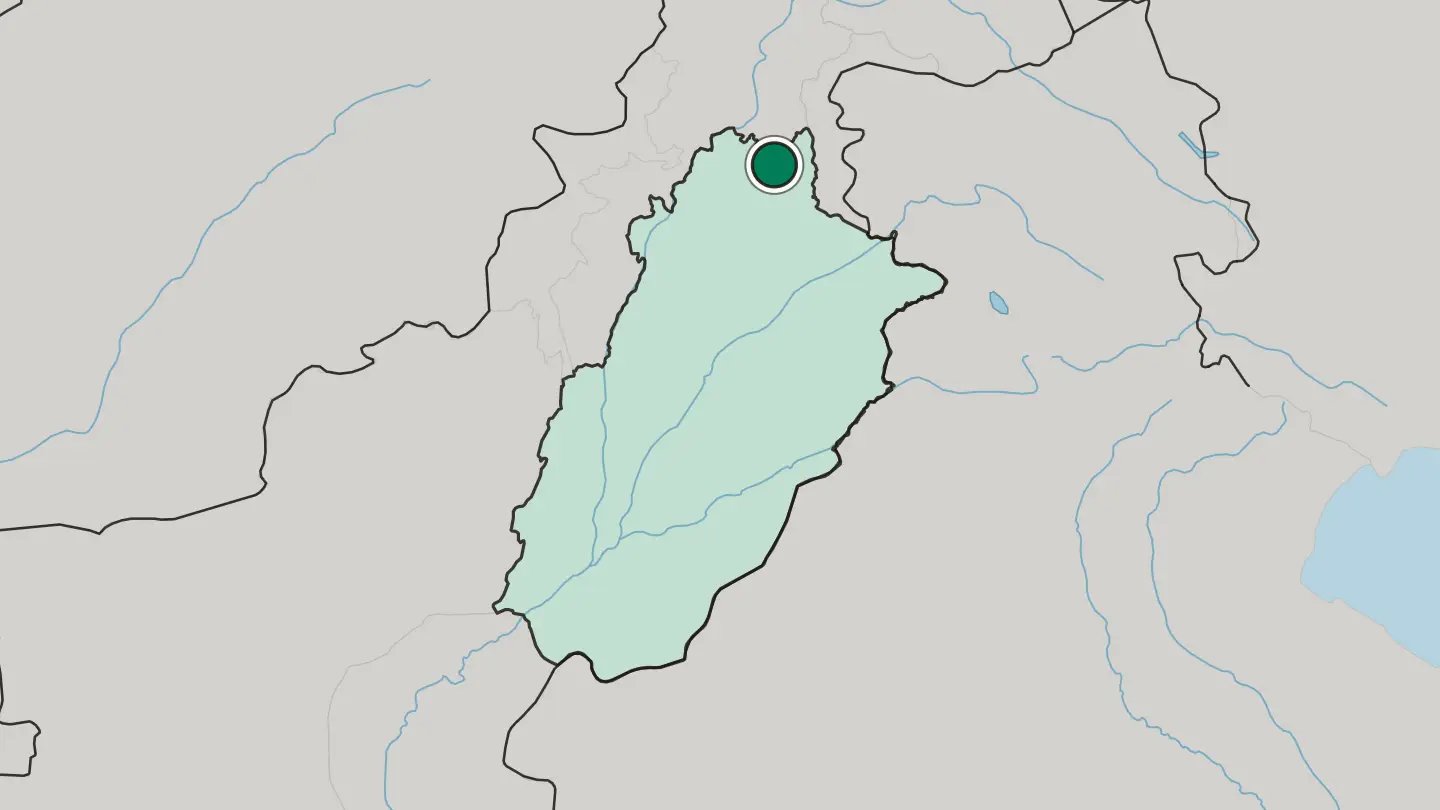
 Pakistan
Gujranwala
Gujranwala, the City of Wrestlers, stands on the GT Road in the Rachna Doab of Punjab, fifth-largest in Pakistan and known for its food.Where to stay →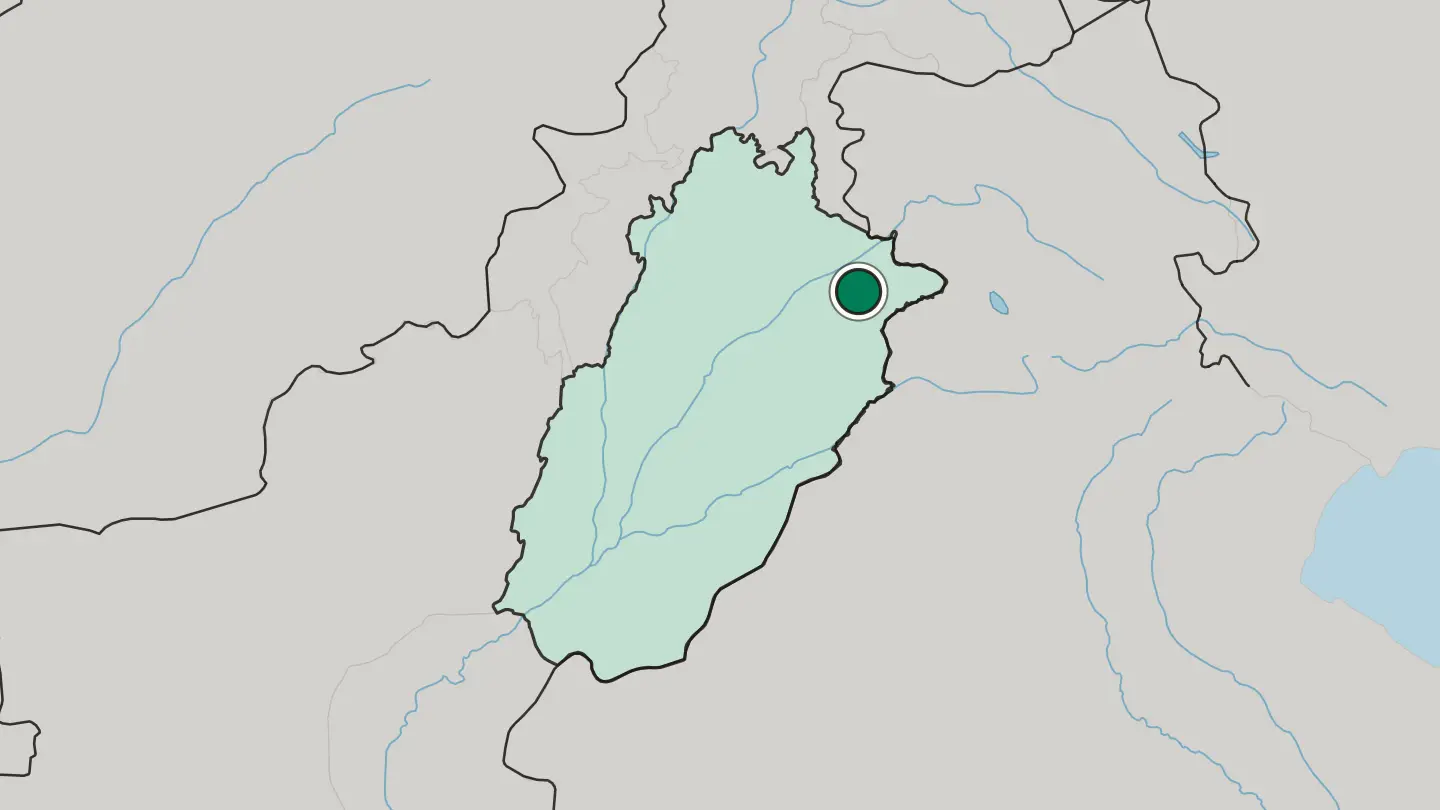
 Pakistan
Multan
Multan is an ancient city of southern Punjab in Pakistan, the City of Saints, famed for the blue-tiled tombs of its Sufi shrines.Where to stay →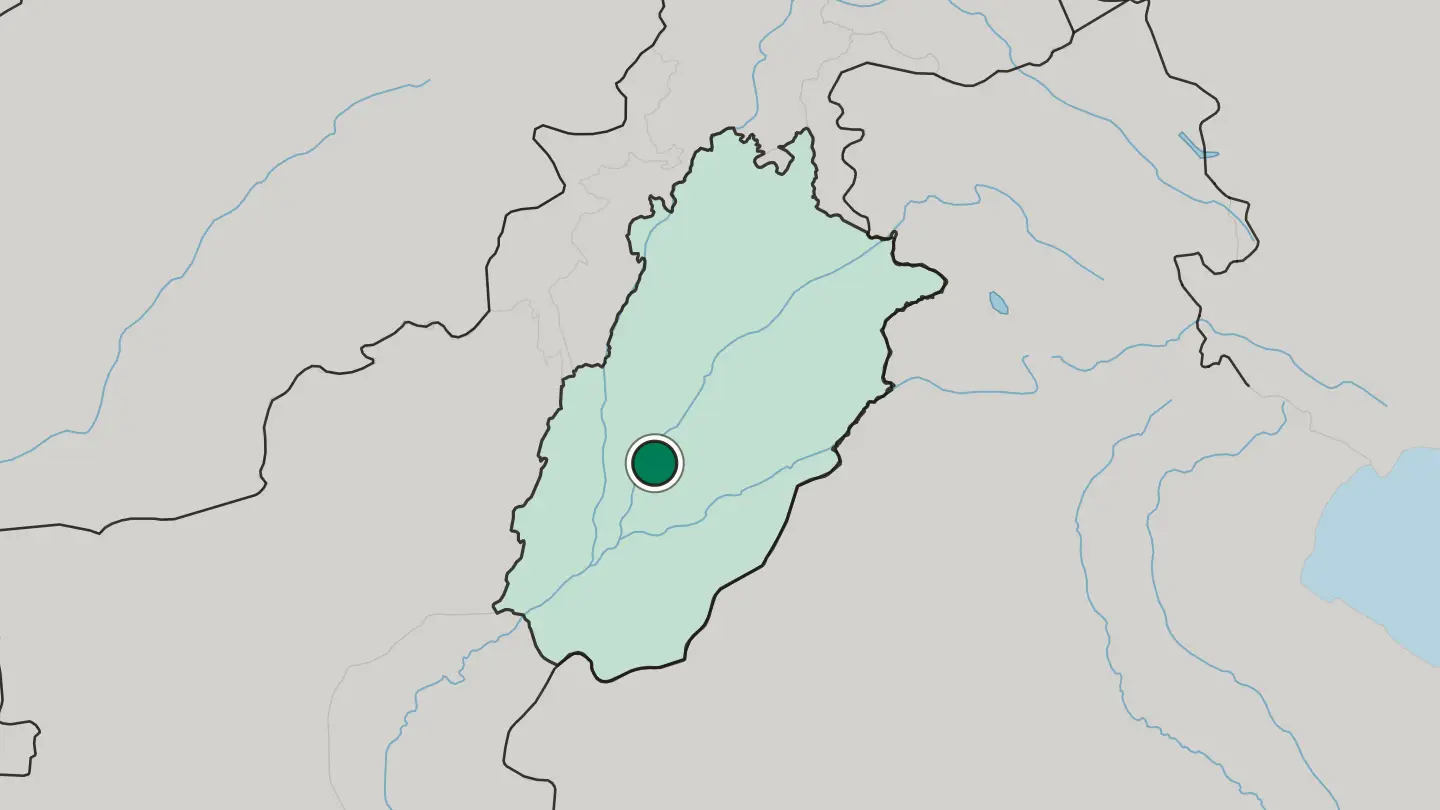 Pakistan
Sargodha
Sargodha lies along the Kirana Hills in central Punjab, a district and division headquarters known across Pakistan as the City of Eagles.Where to stay →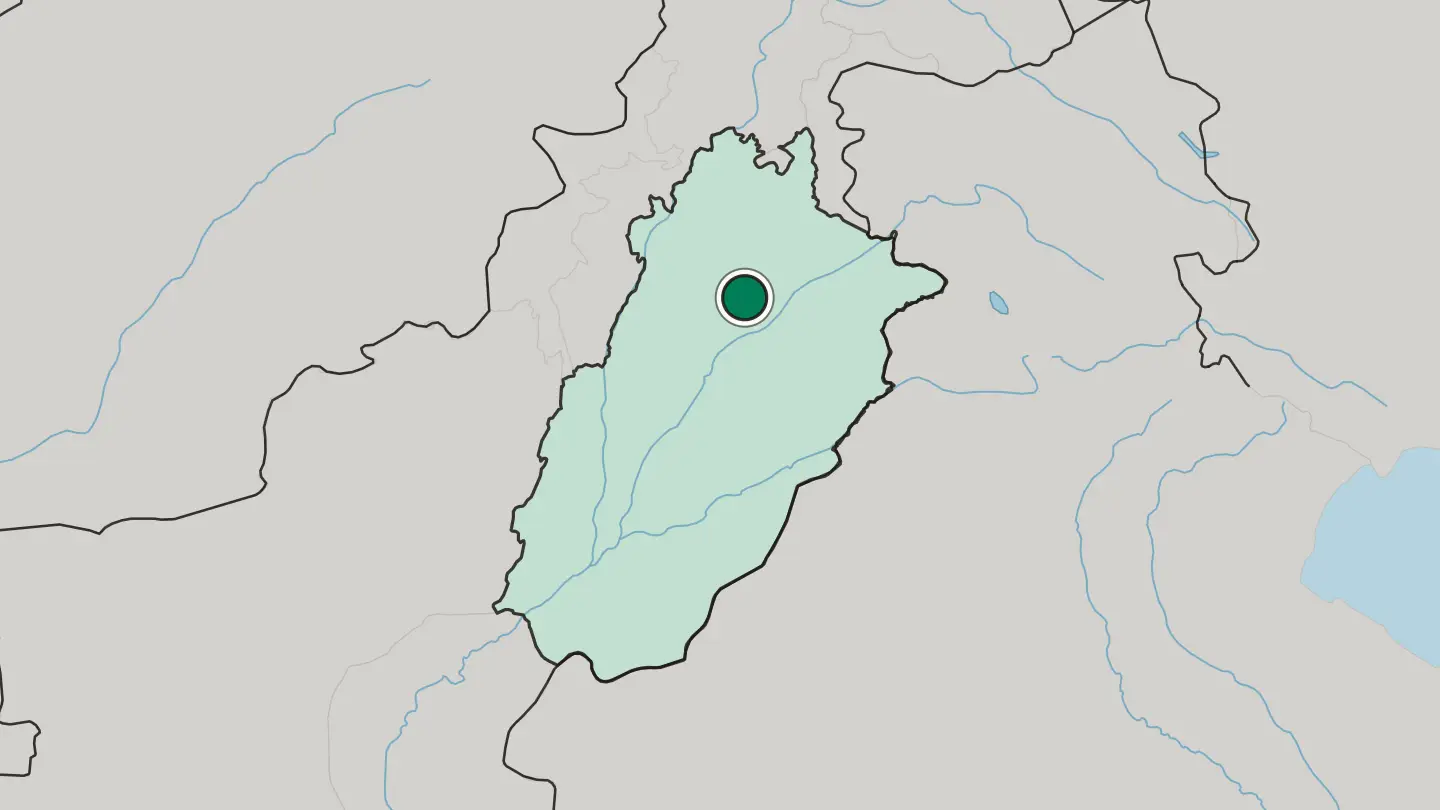
 Pakistan
Sialkot
Sialkot is a city of Punjab in Pakistan near the Kashmir foothills, the world's great maker of footballs and surgical steel, birthplace of the poet Iqbal.Where to stay →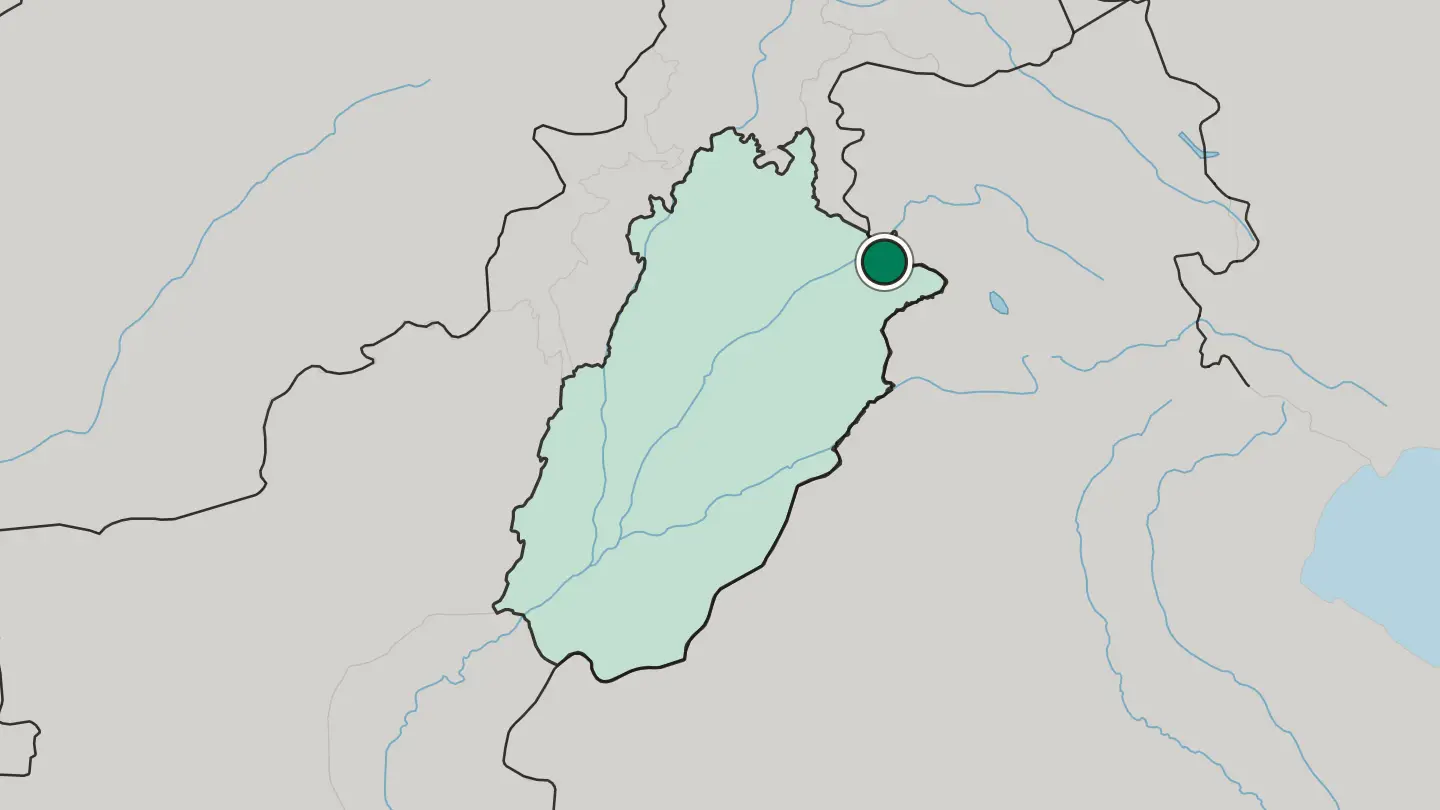
 Pakistan
Bahawalpur
Bahawalpur is a city of southern Punjab in Pakistan, the old seat of a princely state, a town of ornate palaces on the edge of the Cholistan desert.Where to stay →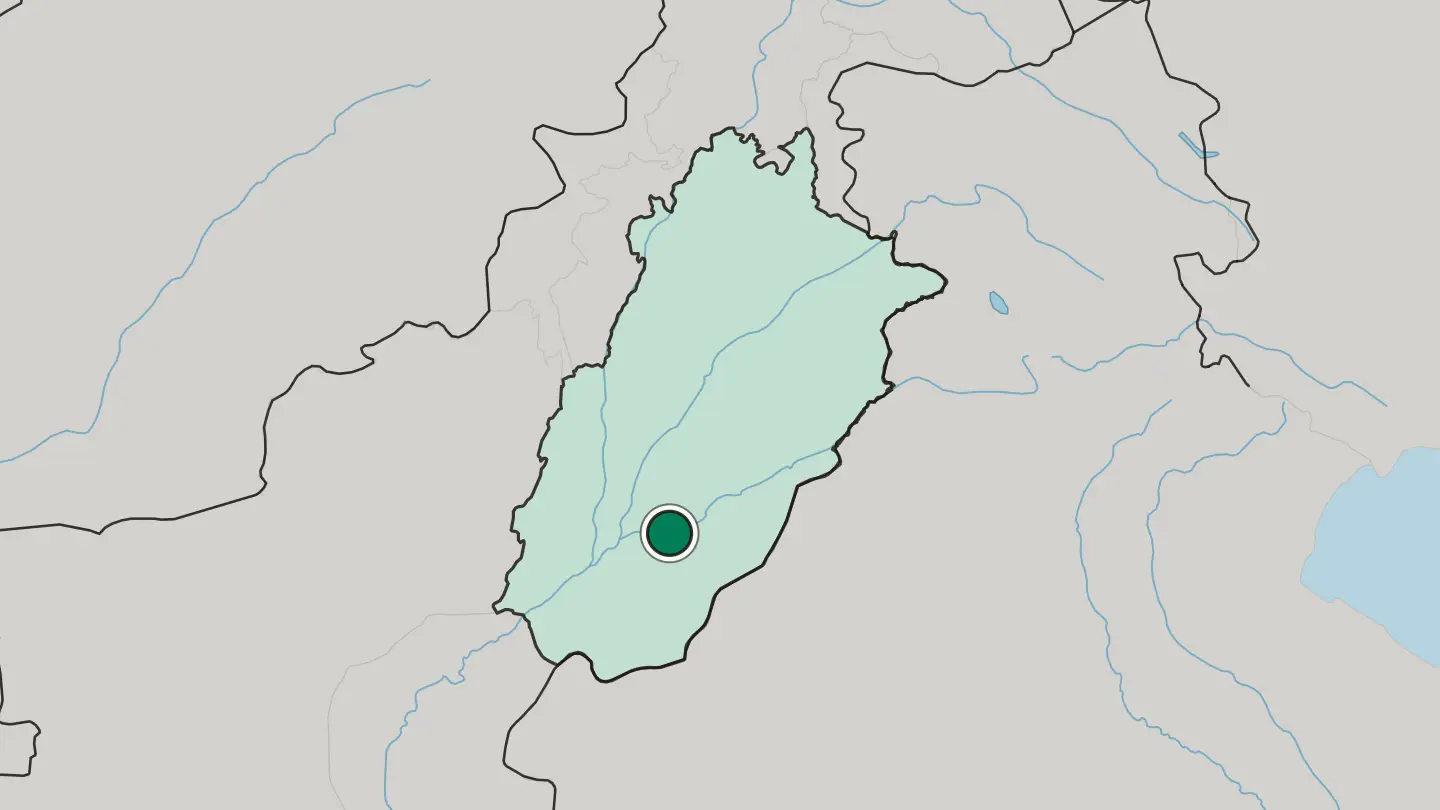
All towns & cities (26)
 Pakistan
Shekhupura
Shekhupura, or Qila Sheikhupura, was founded as a citadel by the Mughal emperor Jahangir in 1607, northwest of Lahore in Punjab, Pakistan.Where to stay →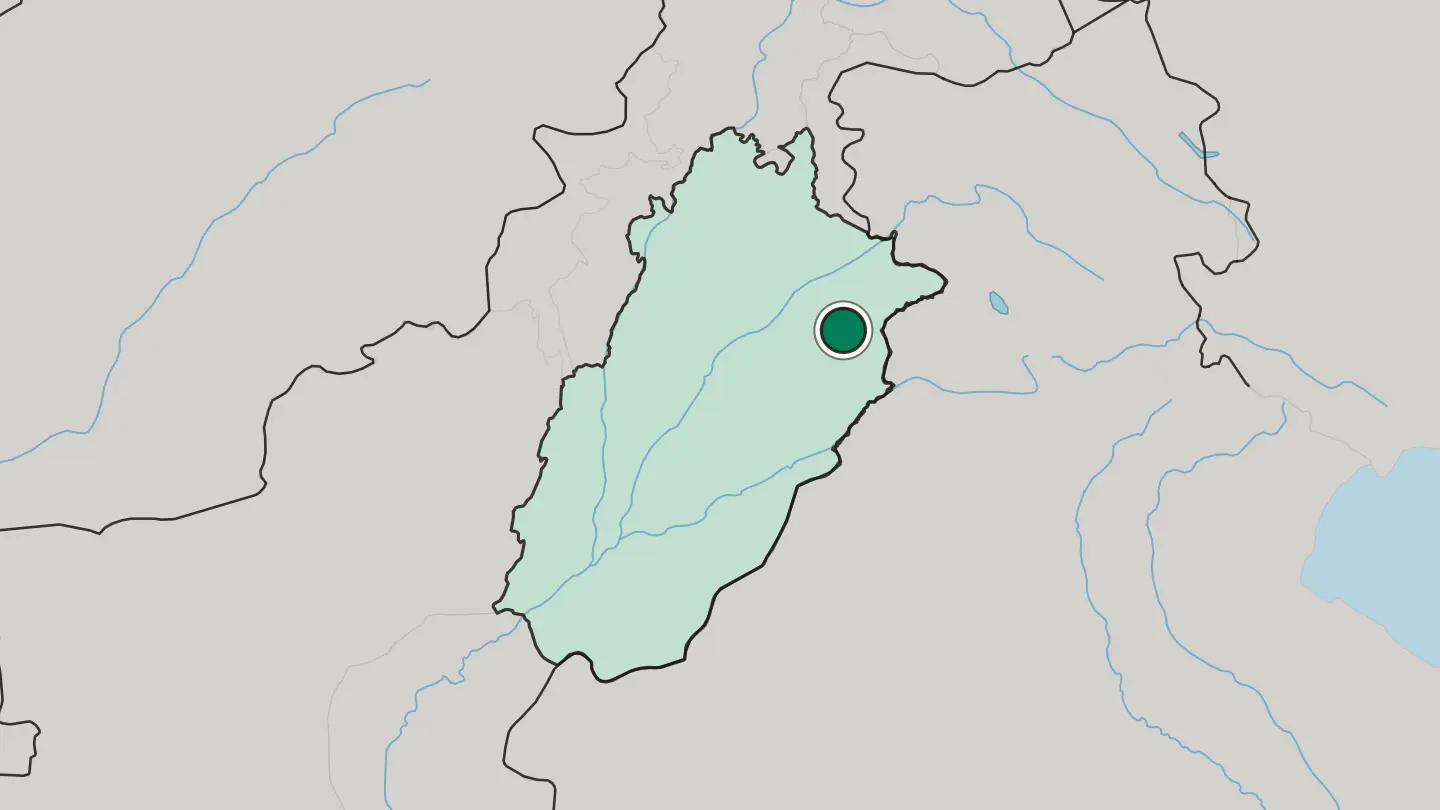 Pakistan
Gujrat
Gujrat holds the western bank of the Chenab River in Punjab, built around Gujrat Fort and named in the Punjabi folktale of Sohni Mahiwal.Where to stay →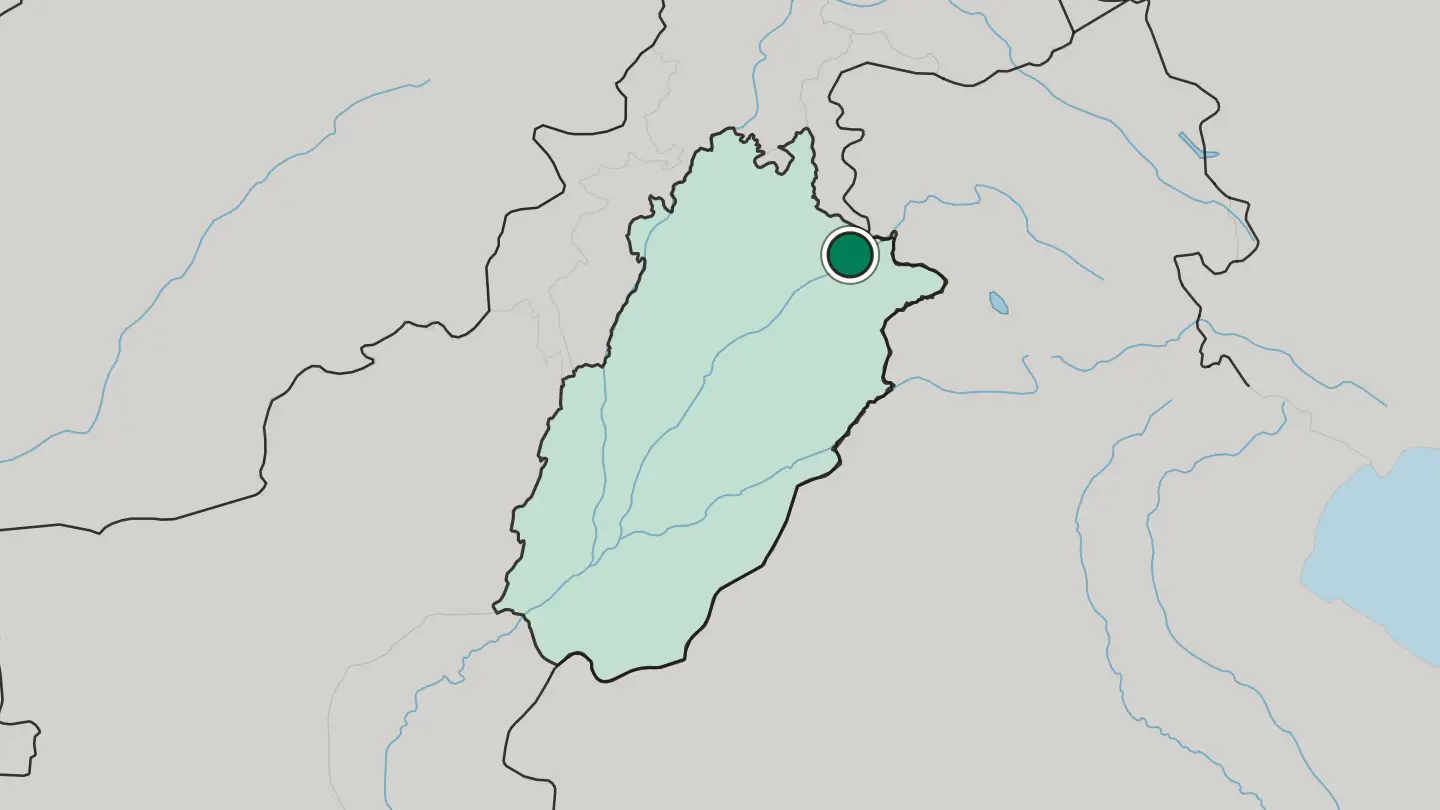
 Pakistan
Sahiwal
Sahiwal, called Montgomery under British India, stands between the Sutlej and the Ravi in Punjab, Pakistan, and dates from 1865.Where to stay →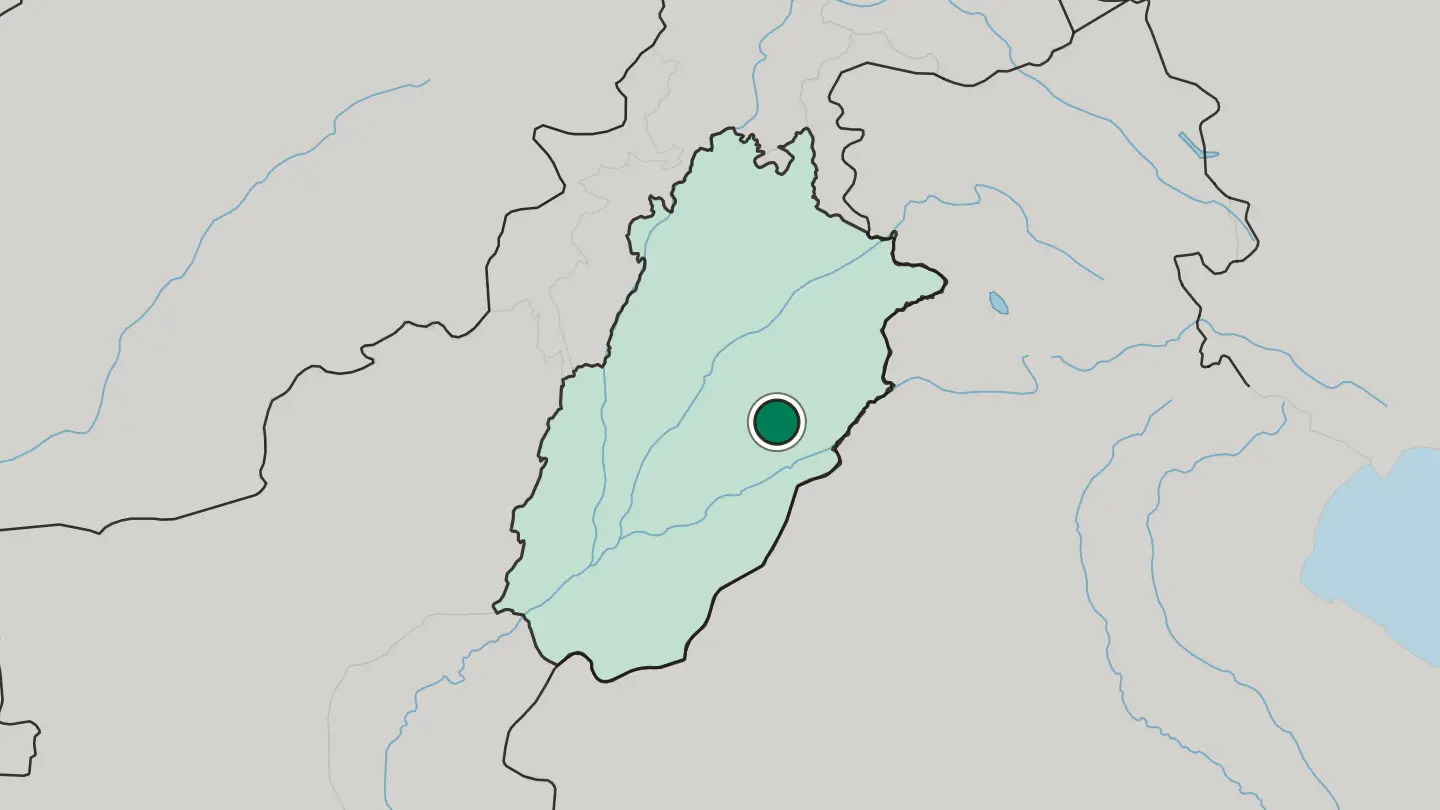 Pakistan
Rahim Yar Khan
Rahim Yar Khan, also written Rahimyar Khan, heads its own district in Punjab, Pakistan, and carried the name Noshehra before it was renamed.Where to stay →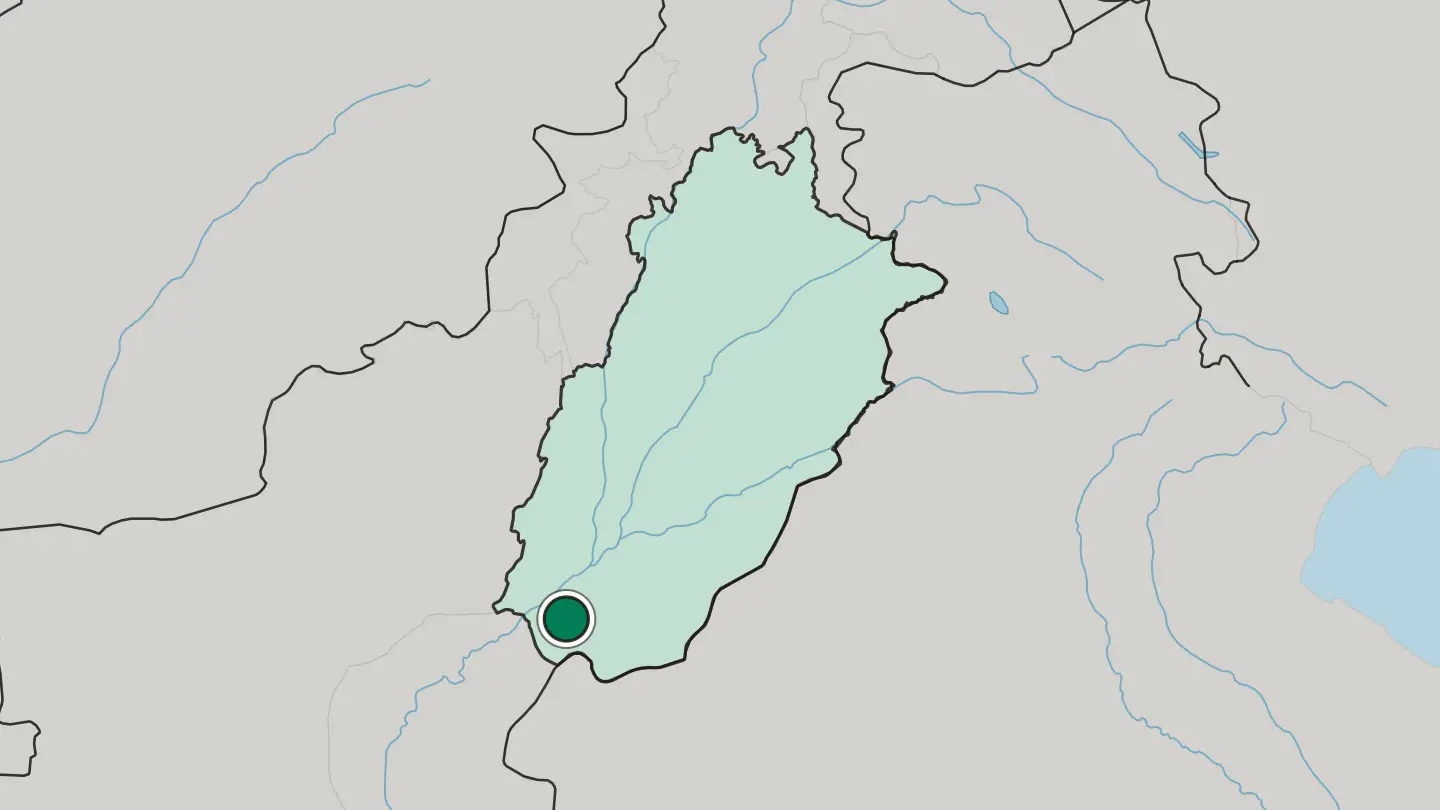 Pakistan
Kasur
Kasur lies south of Lahore in Punjab, an aggregation of 26 fortified hamlets and the burial place of the Sufi poet Bulleh Shah.Where to stay →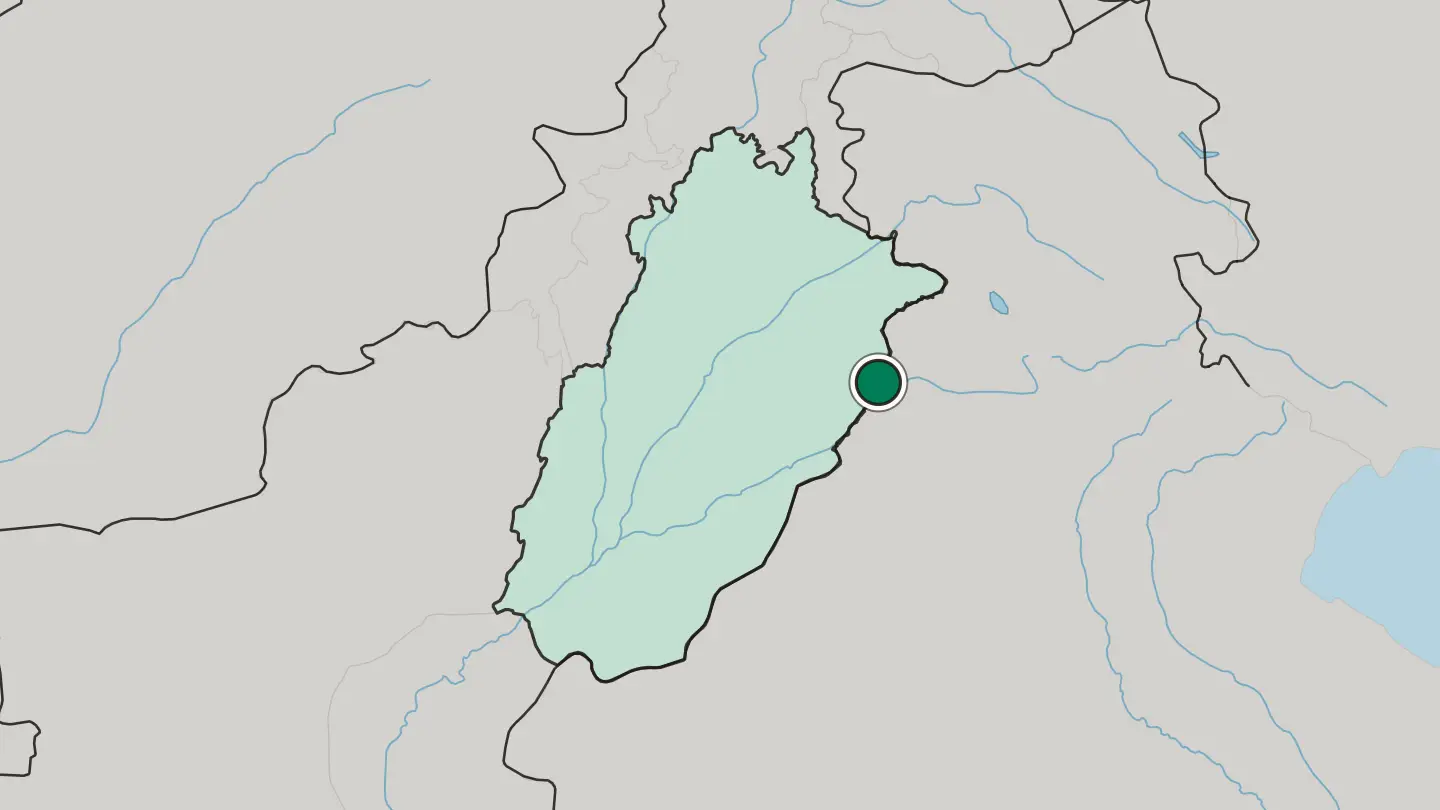 Pakistan
Dera Ghazi Khan
Dera Ghazi Khan, known also as DG Khan, stands west of the Indus River in Derajat, at the junction of Pakistan's four provinces.Where to stay →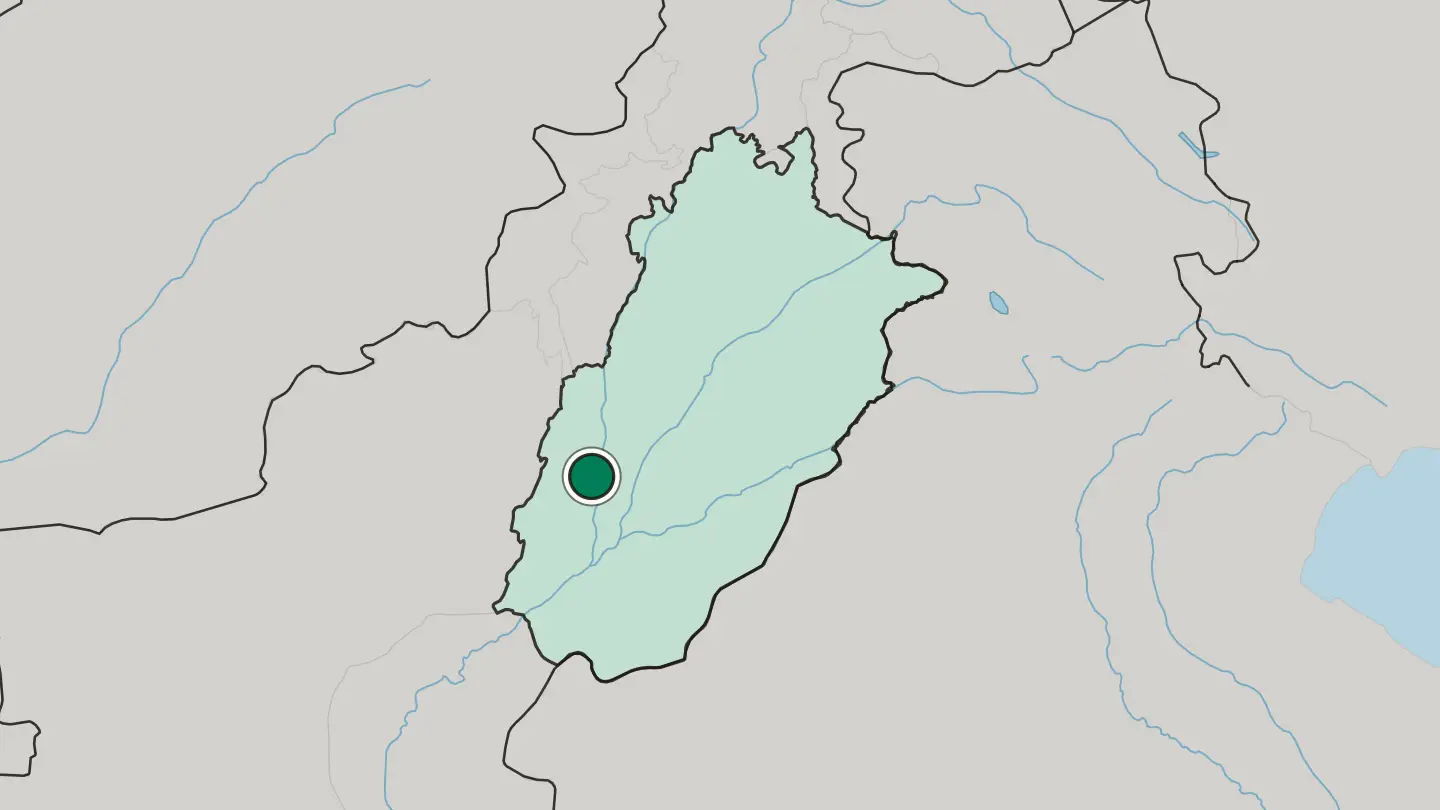
 Pakistan
Wah Cantt
Wah Cantt is a cantonment city in Punjab, Pakistan, on the Grand Trunk Road beside Taxila, home to the Pakistan Ordnance Factories and the Wah Gardens.Where to stay →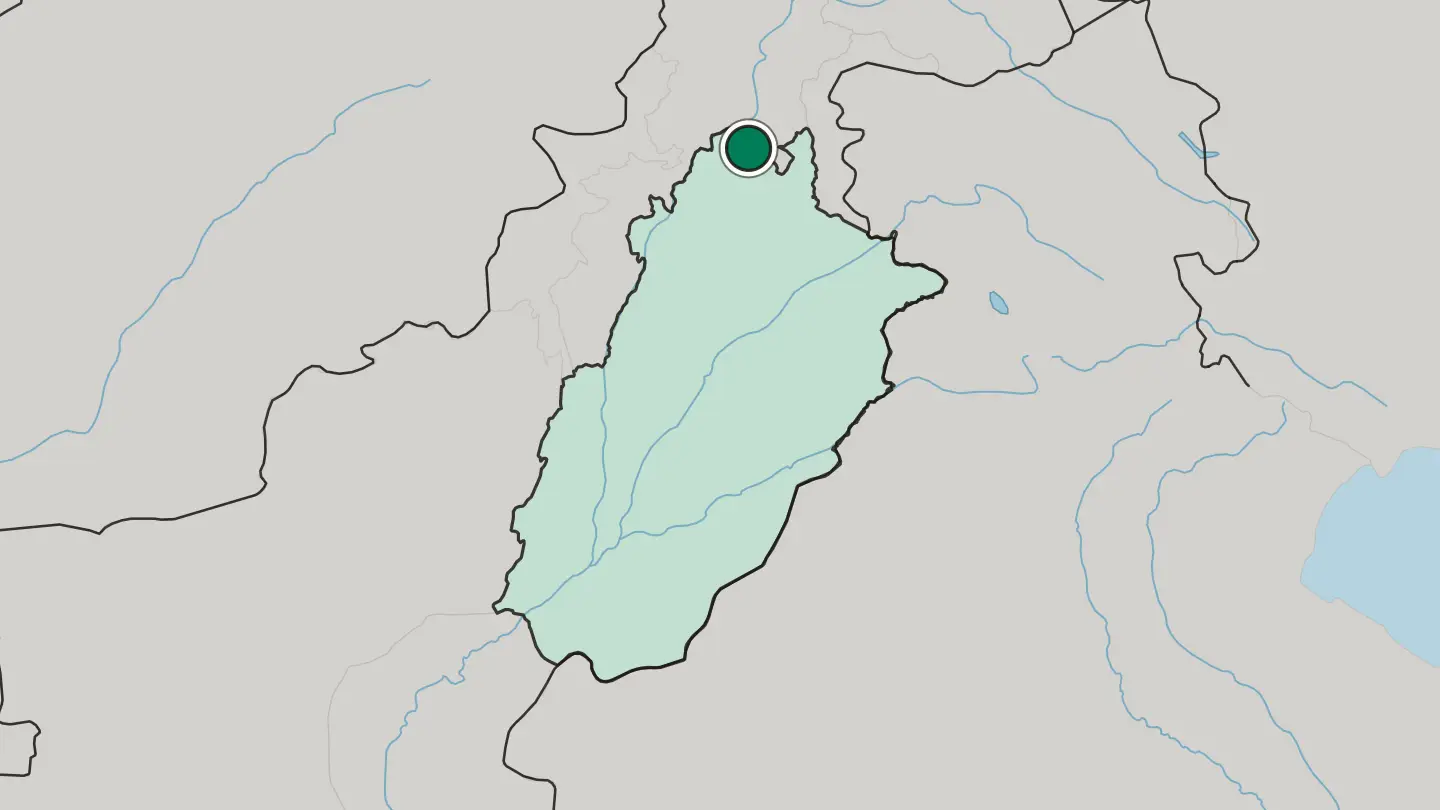
 Pakistan
Jhelum
Jhelum stands on the western bank of the Jhelum River in Punjab, a GT Road town known as the City of Soldiers.Where to stay →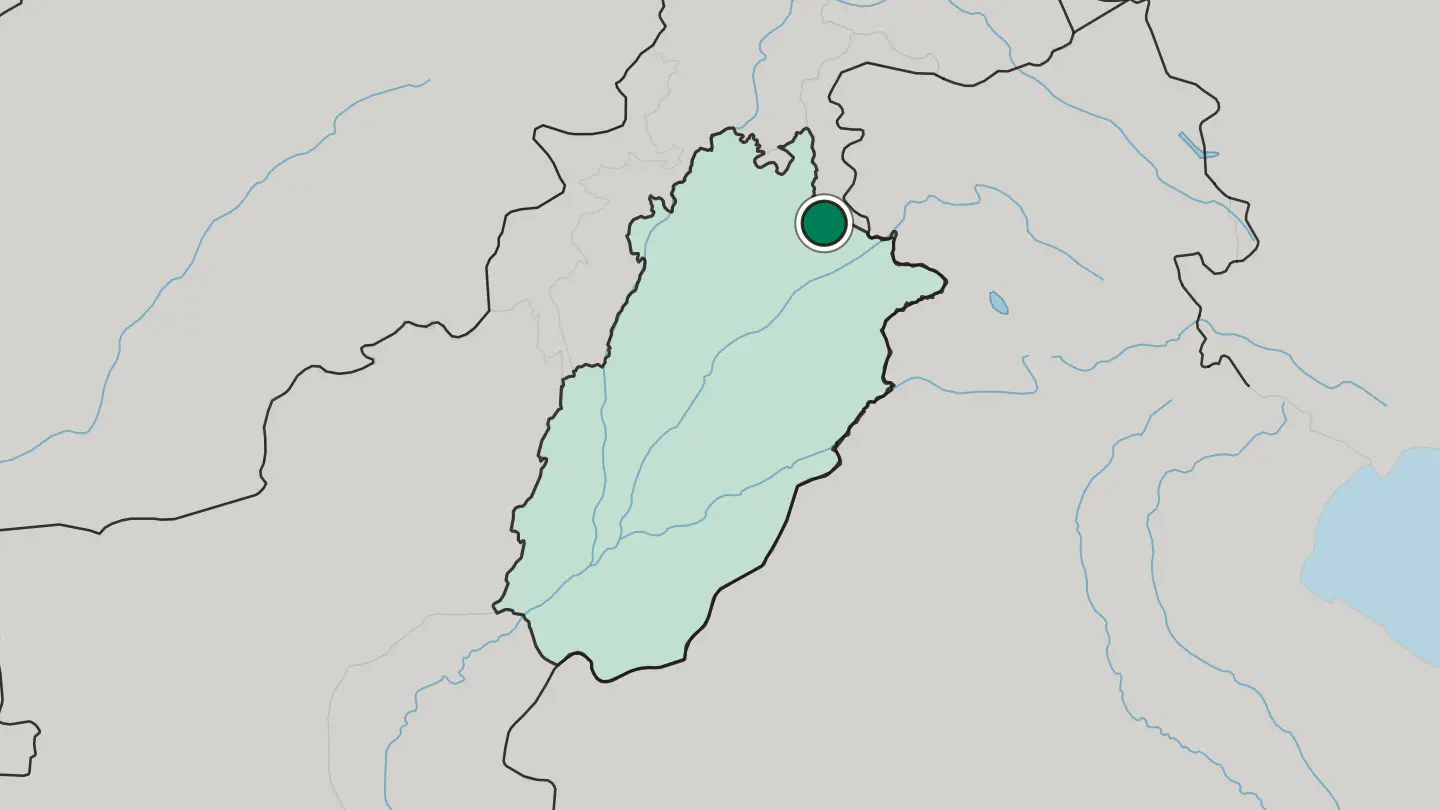
 Pakistan
Wazirabad
Knives made this town's name. Wazirabad stands on the Chenab River in Punjab, Pakistan, a stop on the Grand Trunk Road north of Lahore.Where to stay →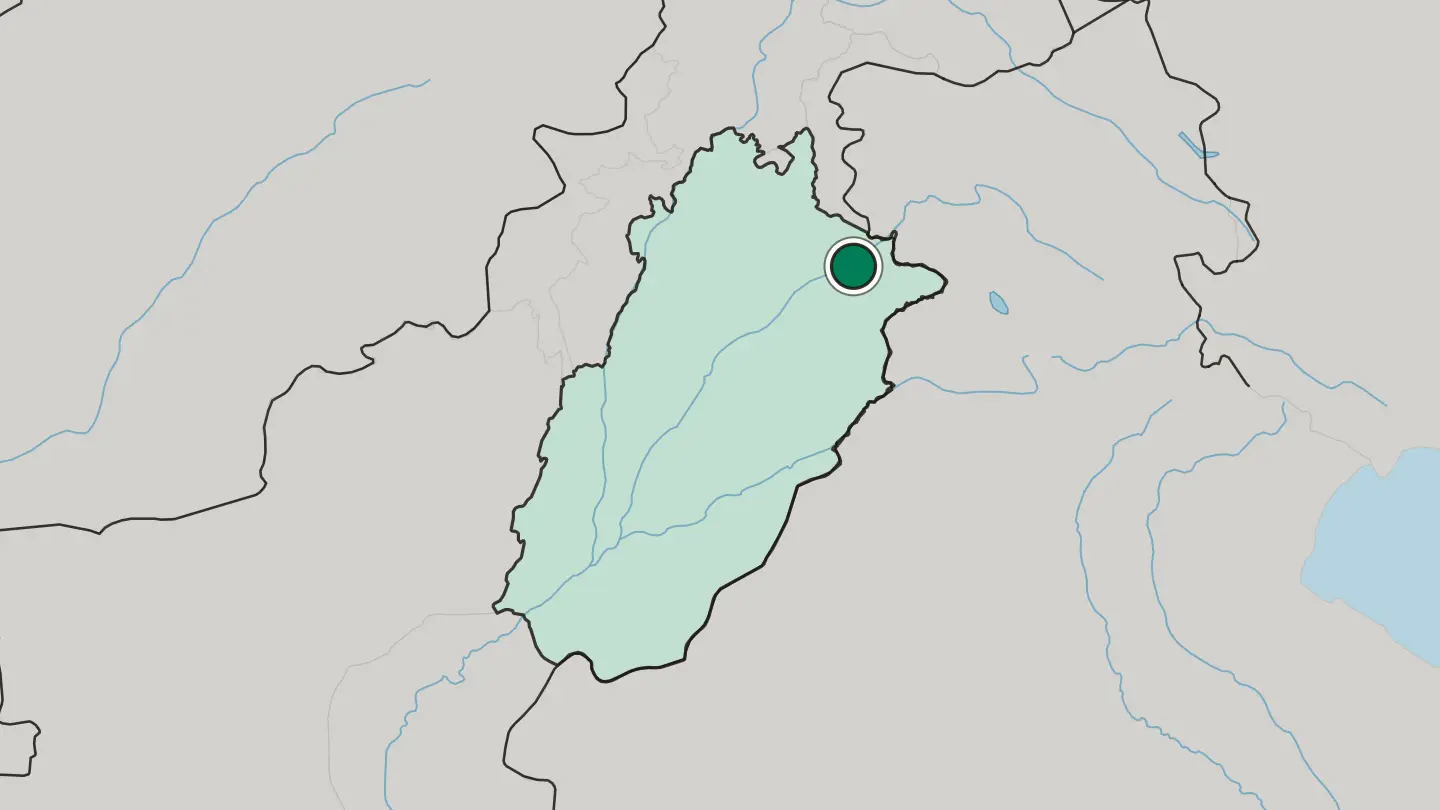 Pakistan
Mian Channun
Mian Channun heads its own tehsil in Khanewal District, a Grand Trunk Road town in Punjab named for the Sufi saint Baba Mian Channu.Where to stay →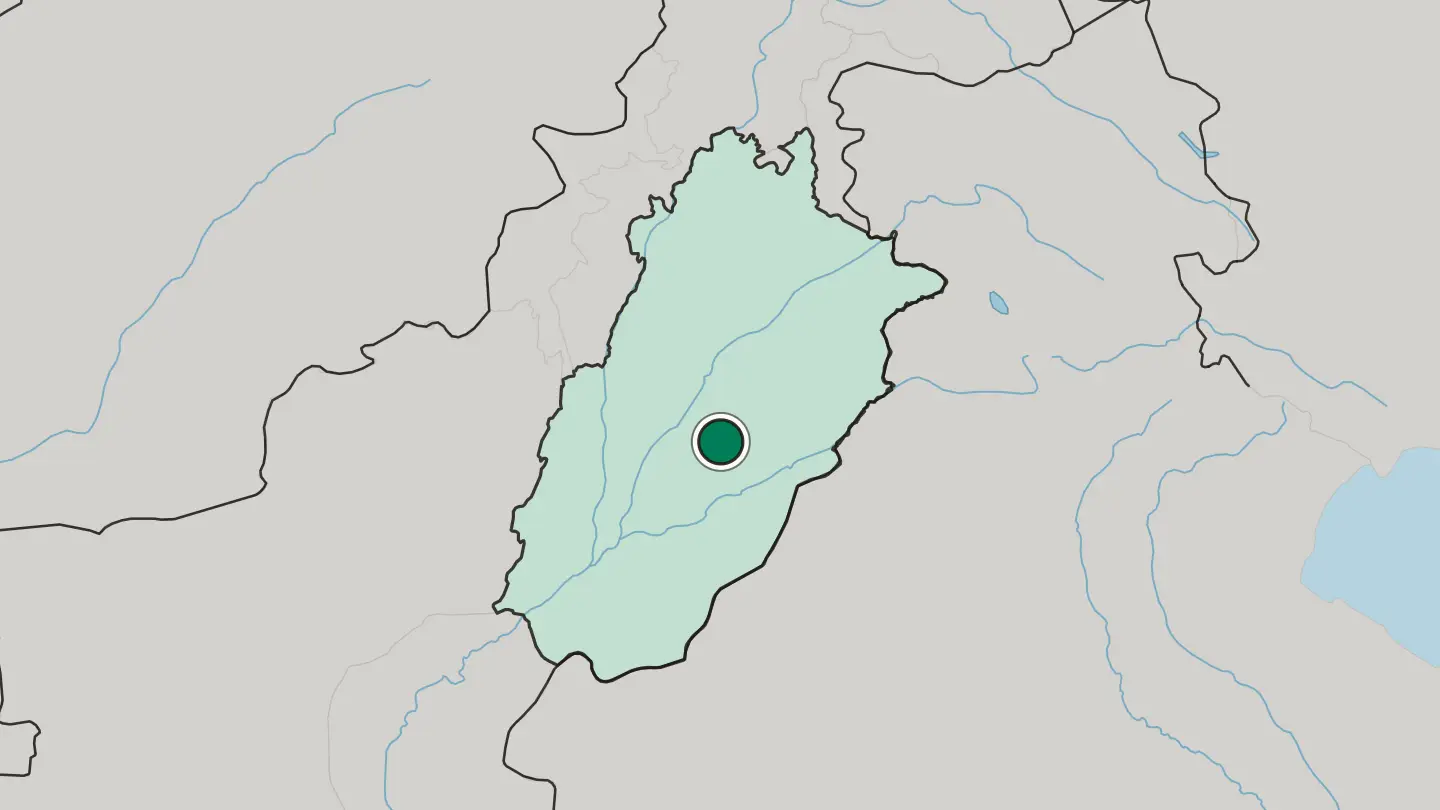
 Pakistan
Nankana Sahib
Guru Nanak was born at Nankana Sahib, and the gurdwara marking the spot makes this Punjab city one of the holiest places in Sikhism.Where to stay →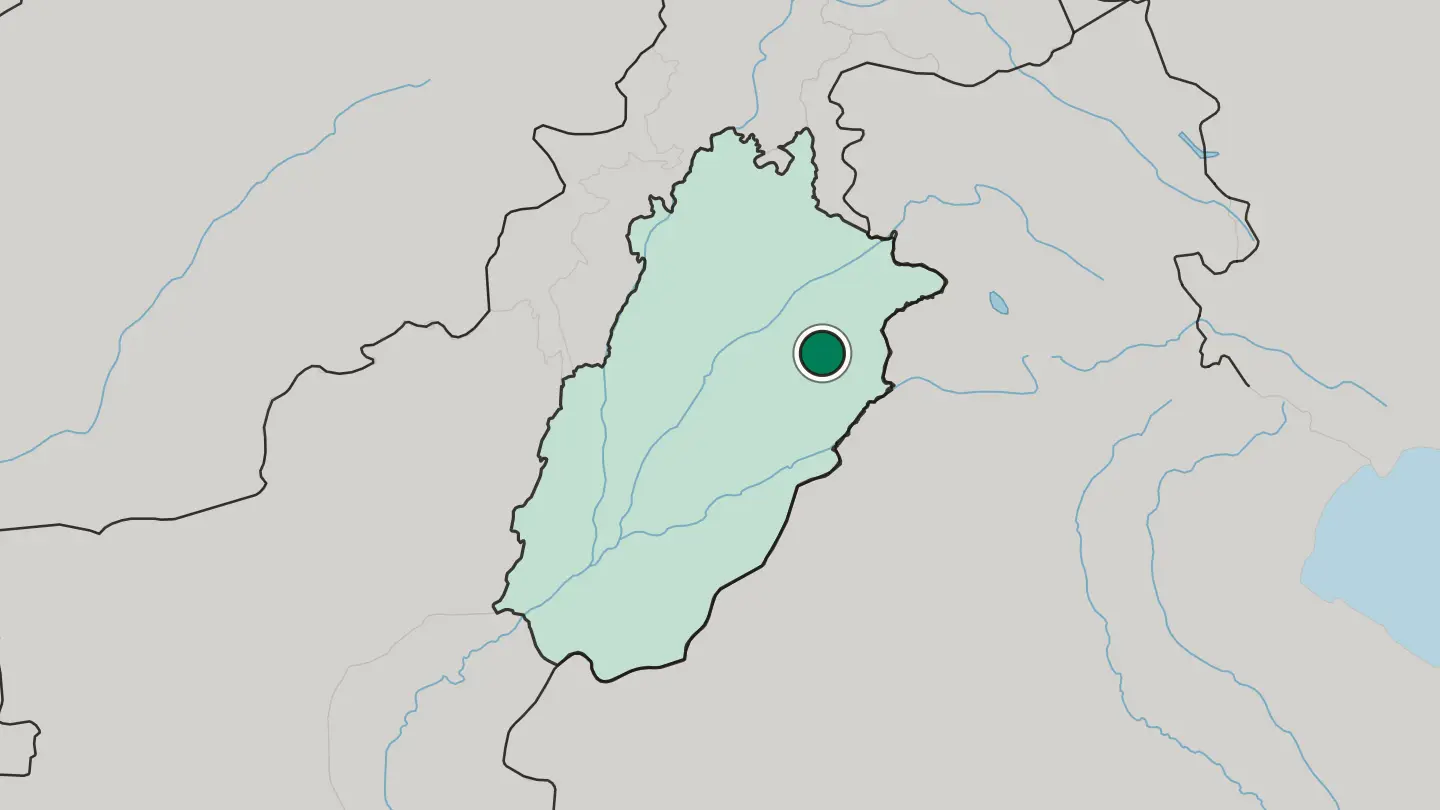
 Pakistan
Mandi Bahauddin
Mandi Bahauddin is a Punjab city on the ground between the Jhelum and the Chenab, and the capital of the district that carries its name.Where to stay →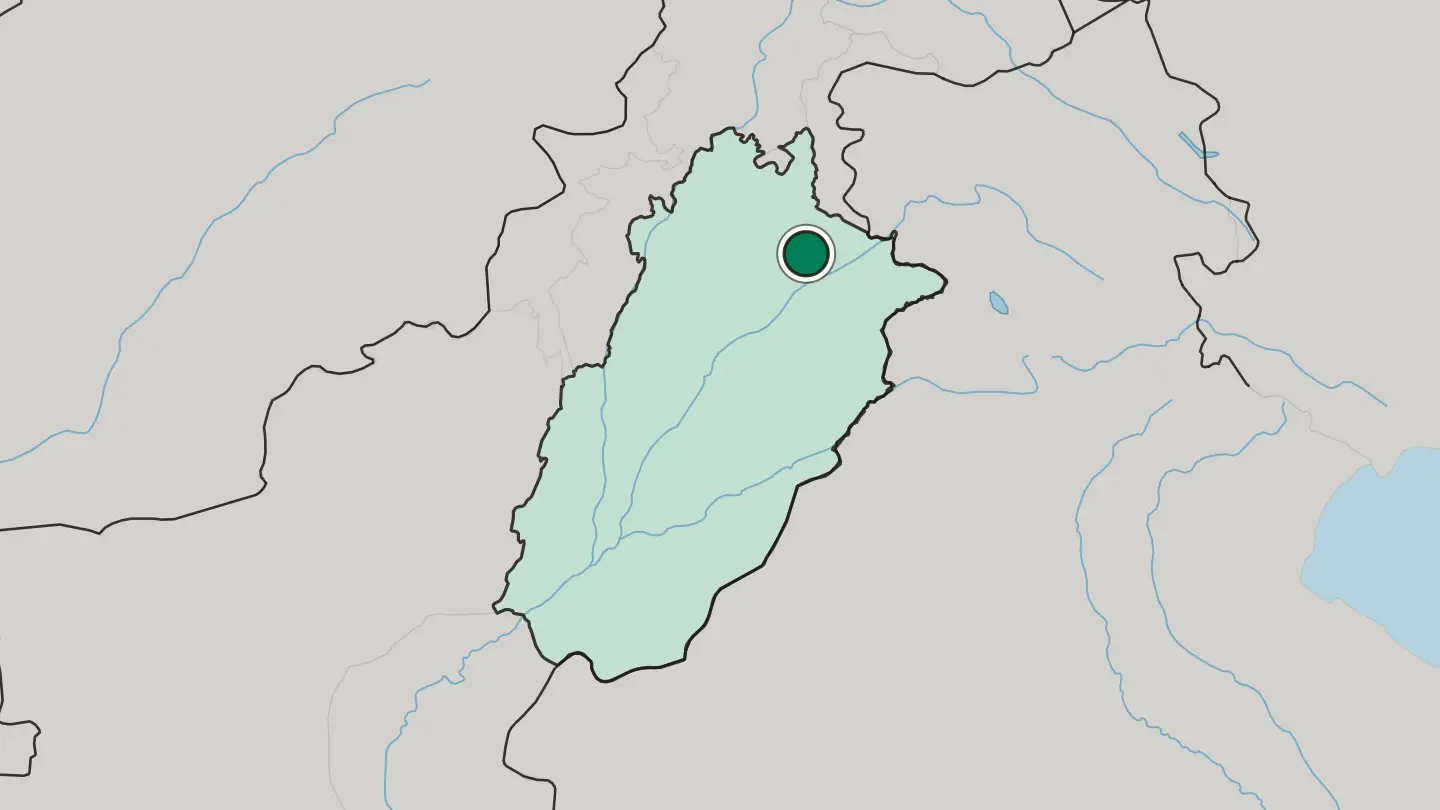 Pakistan
Mianwali
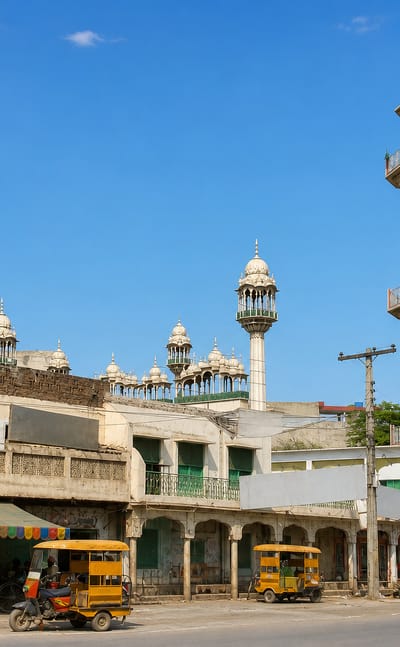
Mianwali is the capital city of Mianwali District in Punjab, Pakistan, standing east of the Indus River and watered by the Thal Canal.Where to stay →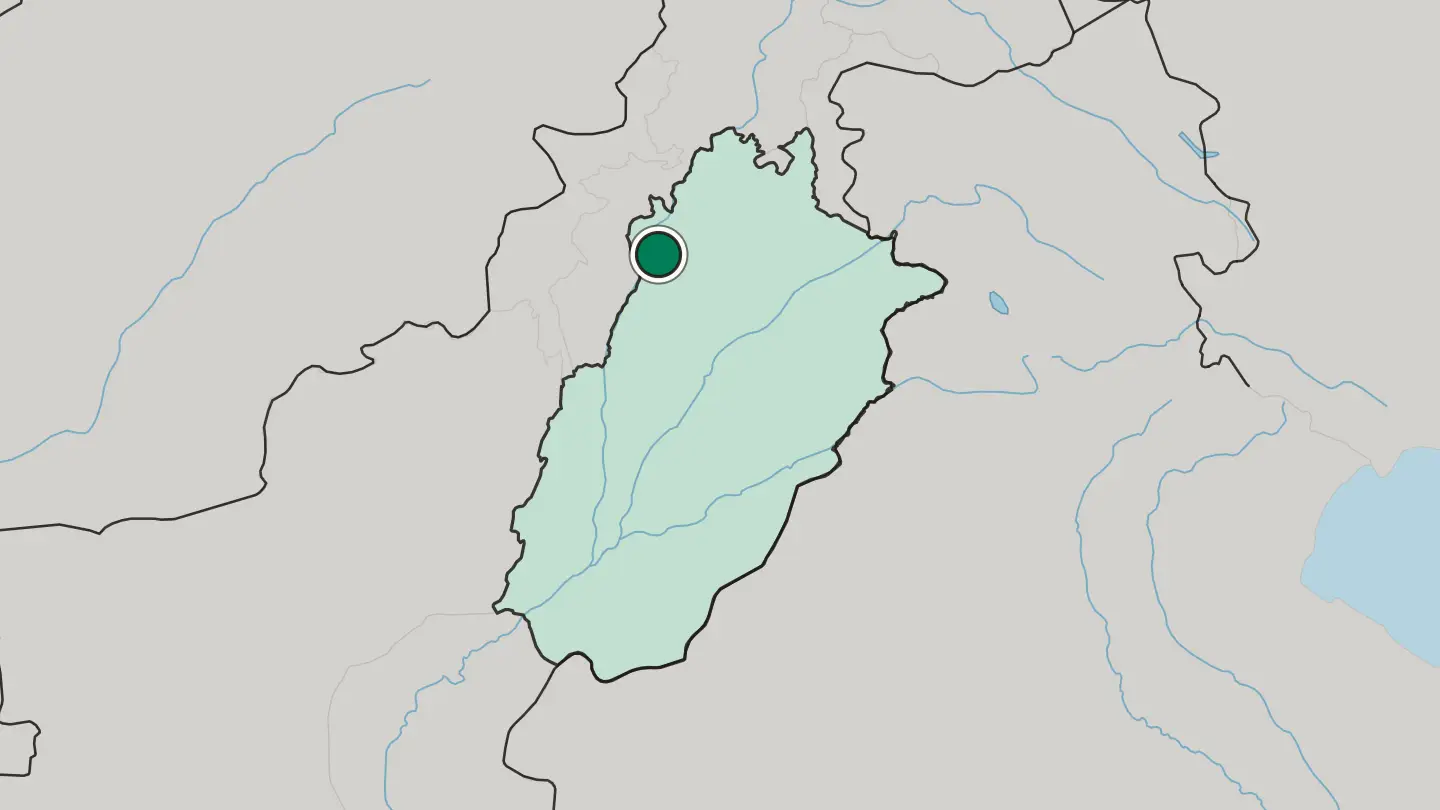
 Pakistan
Daska
Daska is a city in Punjab, Pakistan, the seat of Daska Tehsil in Sialkot District, between Sialkot, Gujranwala and Sambrial.Where to stay →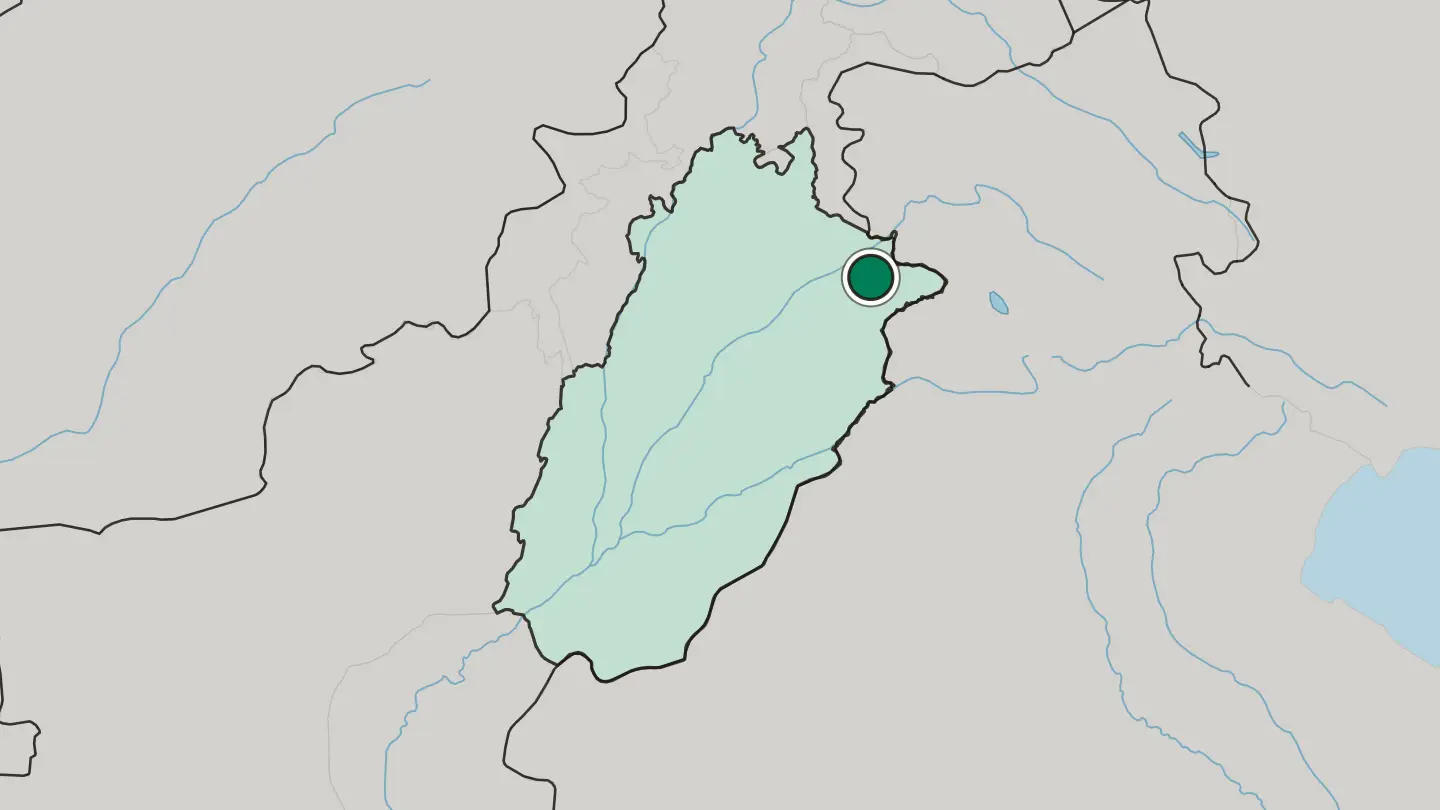 Pakistan
Pakpattan
Pakpattan, written Pākpattan Sharīf, is an ancient city of Punjab, Pakistan, seat of the Chisti order and site of the shrine of Baba Farid.Where to stay →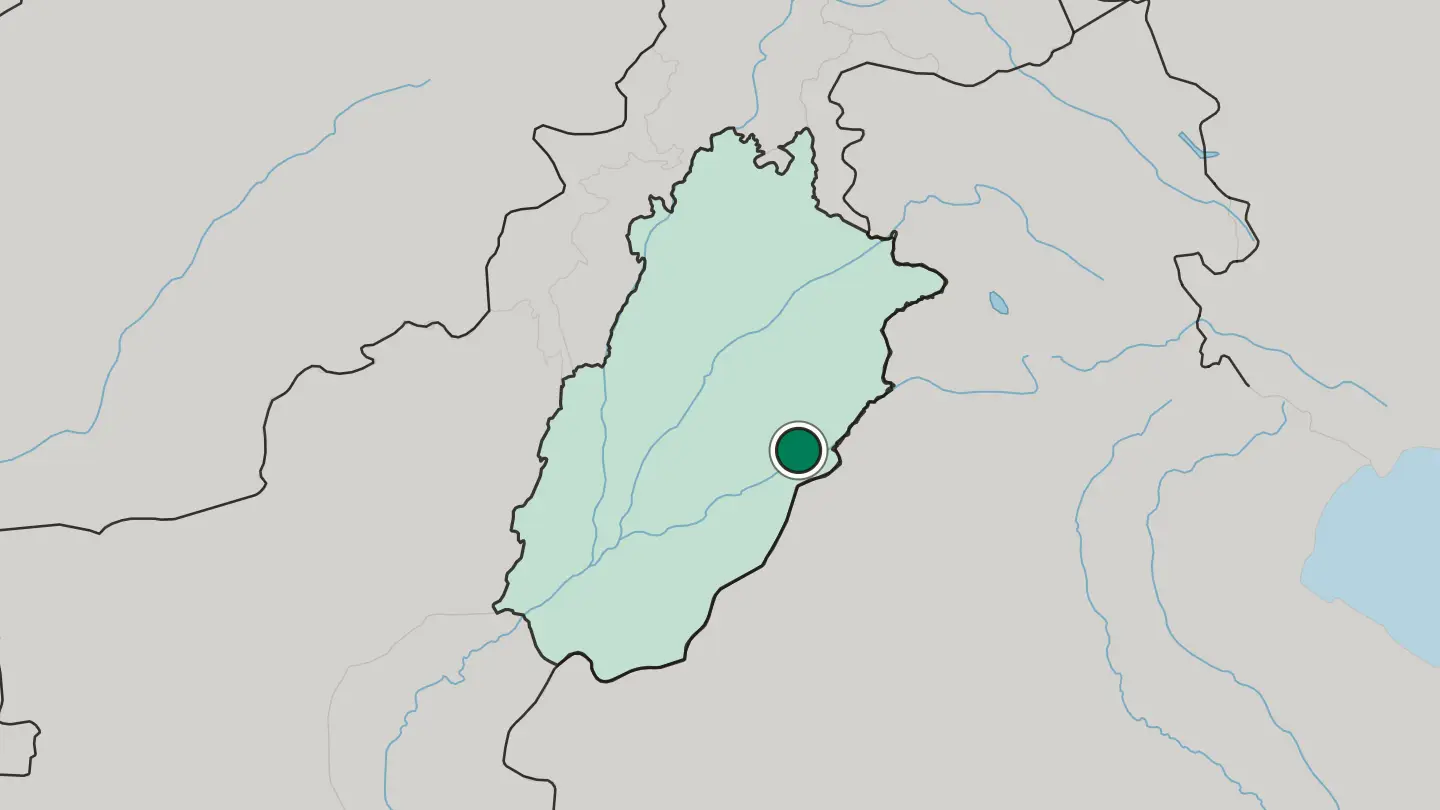 Pakistan
Toba Tek Singh
Toba Tek Singh heads its own district in the Punjab province of Pakistan, ringed by the towns of Gojra, Kamalia, Rajana and Pir Mahal.Where to stay →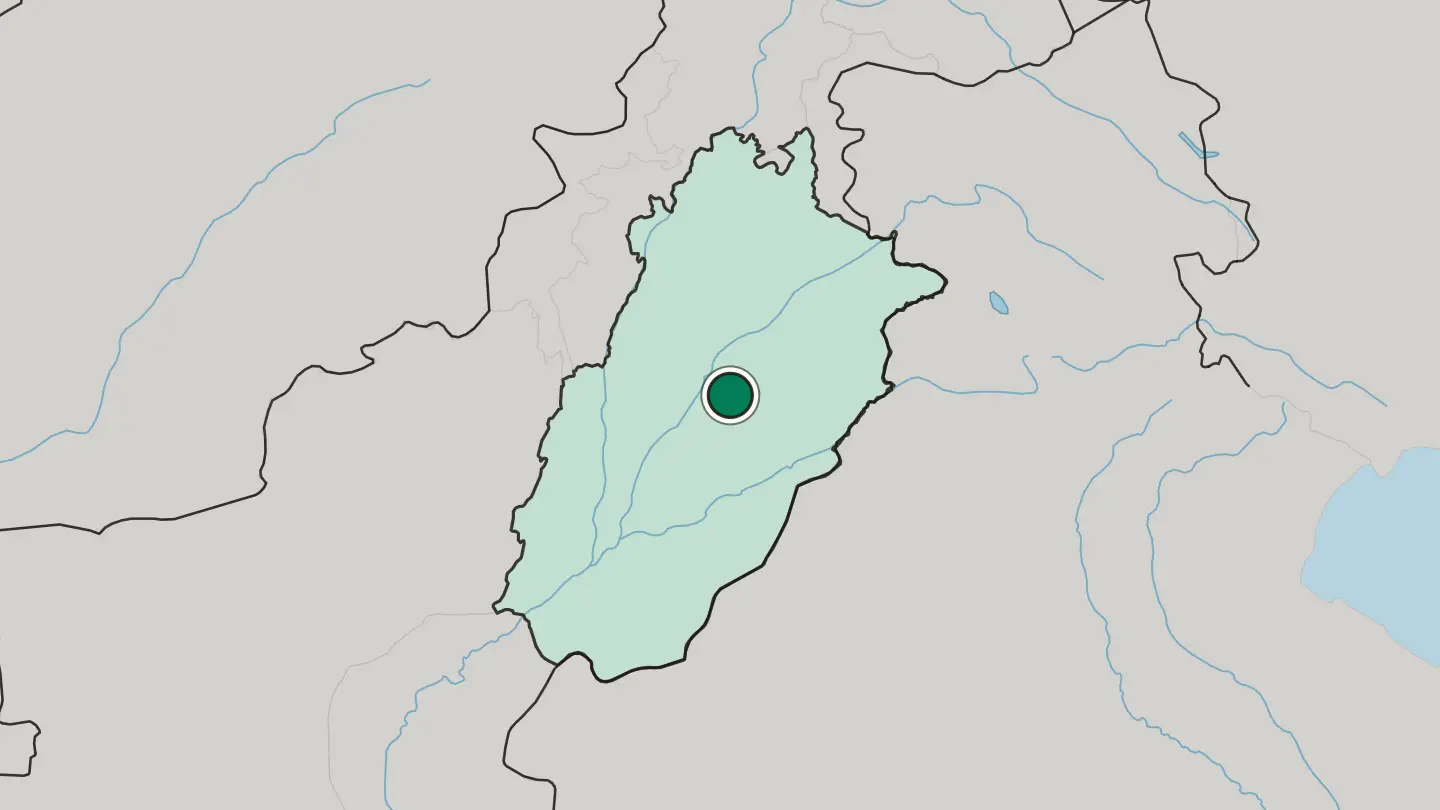 Pakistan
Chakwal
Chakwal is a city on the Pothohar Plateau, in Chakwal District in the Punjab province of Pakistan, and the district carries the city's name.Where to stay →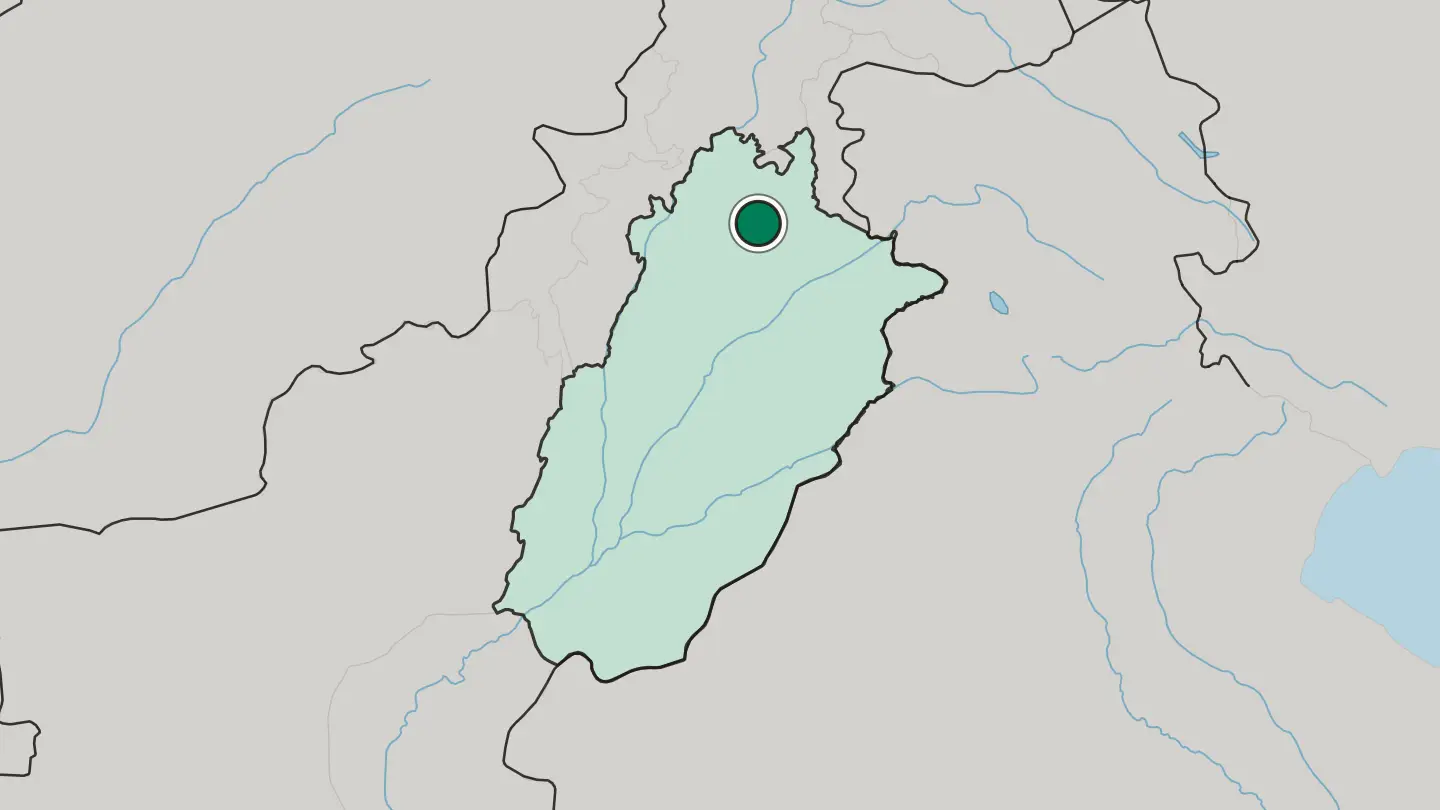 Pakistan
Rabwah
Rabwah, officially Chenab Nagar, is a city of Chiniot District in Punjab, Pakistan, laid out in 1948 on the bank of the Chenab River.Where to stay →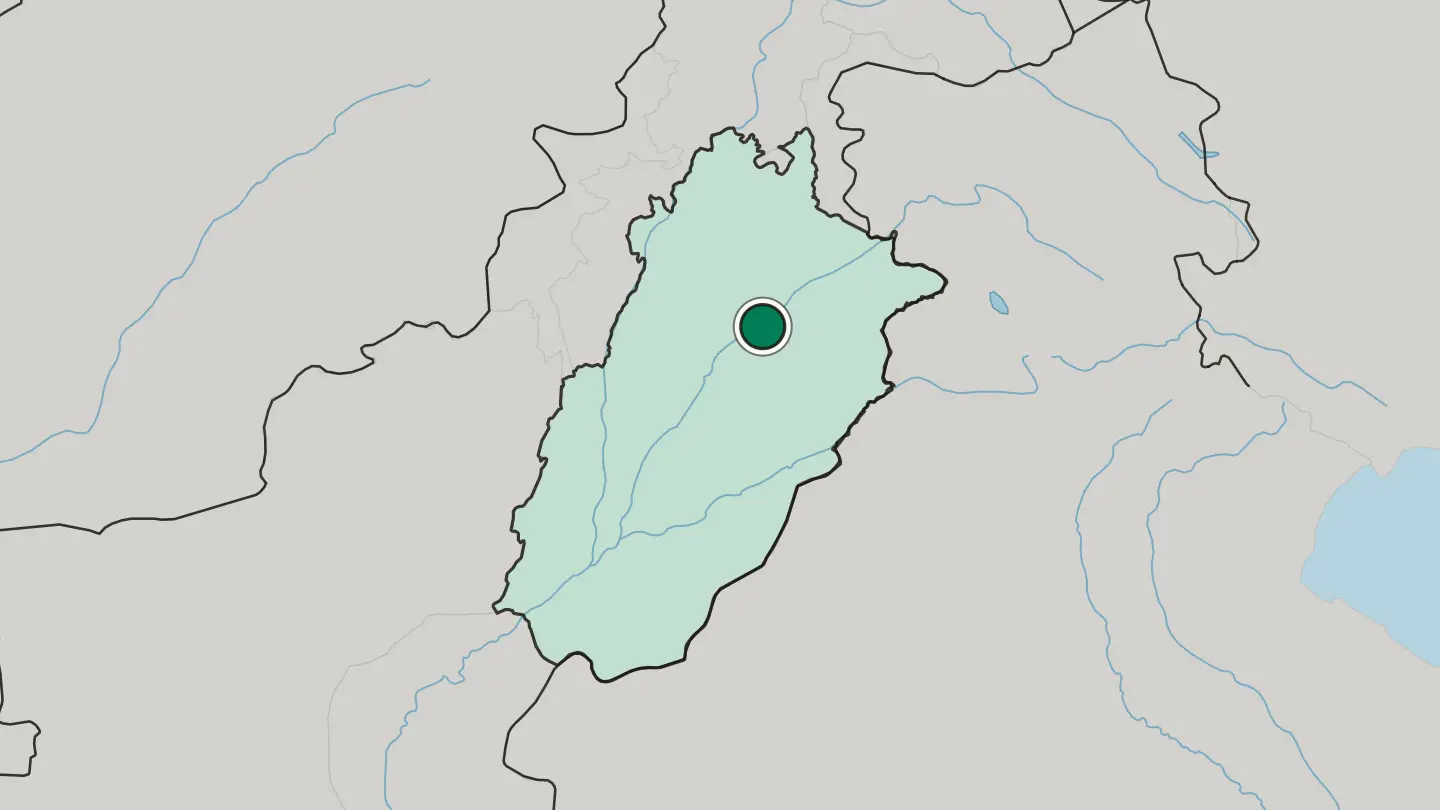
Hotel links are affiliate links: booking through them may earn us a commission, at no extra cost to you. It never affects how places are ranked. How this works
About Punjab Province
What is Punjab Province known for?
Punjab is Pakistan's most populous province and the breadbasket of the nation. The name is old. Before the modern province, a larger Punjab existed as a province of British India, drawn up in 1849 and lasting until 1947.
The modern province of Pakistan carries the name, home to over 127 million people.
Where is Punjab Province?
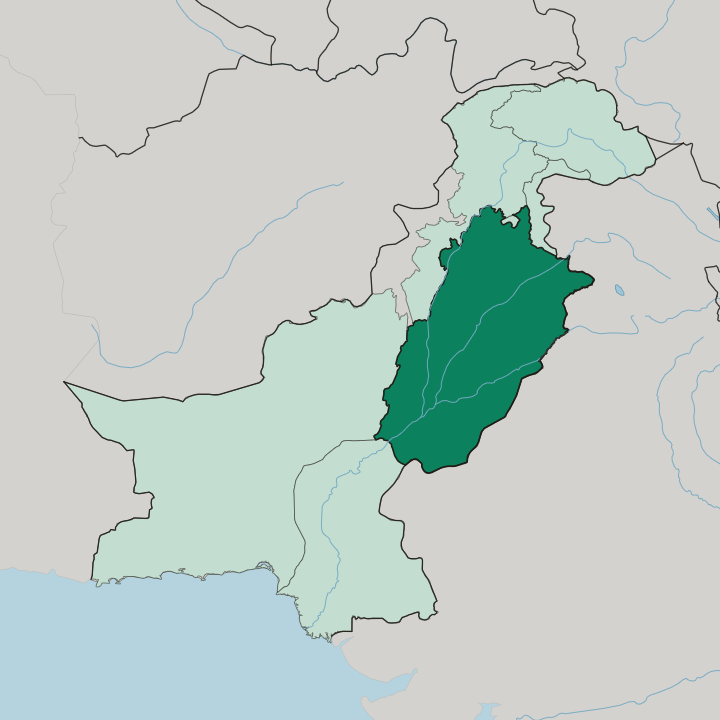
Punjab is one of the larger provinces of Pakistan, set within the Indian subcontinent. Its most defining trait is how thickly it is settled, and how long it has been so. It is the most populous province in the country, and the most developed and prosperous.
People and settlement fill it from end to end. The province is also large in its reach. It covers a broad spread of country within Pakistan, enough to make it one of the country's major territorial units.
But its extent has changed over time. The historical Punjab, the province of British India that lasted from 1849 to 1947, took in a wider territory than the present province holds. When that older province was divided, one portion passed to Pakistan and kept the name.
The boundaries of the modern province were fixed in 1970. What remains is a populous, prosperous, and sizeable province, central to Pakistan and firmly part of the wider subcontinent. Its weight in the country is measured in people and productivity more than in any single feature of the land.
What is Punjab Province like?
Punjab takes its name from the Persian for five waters, after the Jhelum, Chenab, Ravi, Sutlej and Beas. The land here is defined above all by its people. That density of life shapes everything about the province, from its towns to the pace of its trade.
Urdu is the language in common use, tying the province into the wider life of Pakistan. That shared tongue links Punjab to the rest of the country. The name itself has very deep roots.
Long before the modern boundaries, the Punjab was a single broad region of the subcontinent, and the province of British India that bore the name, from 1849 to 1947, kept that older identity alive across a wide territory. Division split the region, but the name and much of its character stayed. The Punjab of Pakistan still holds that inheritance.
It remains a heavily settled province where the weight of numbers and long habitation give the place its character. Culture here is a culture of many people living close together on long-worked ground. It is less about a single monument than about the sheer human density of the province.
What is the history of Punjab Province?
Punjab traces its name to a province far older than the modern one. The roots run deep. Under British India, a province called Punjab was established in 1849 and lasted until 1947, covering a broad territory across the subcontinent.
When that older province was divided, one part became the Punjab of Pakistan, which took its present form in 1970.
What is the climate of Punjab Province?
Punjab has a subtropical climate with strongly marked seasons. Summers are long and hot. The heat builds through the middle of the year across the whole province, and the cooler winter months bring a real change of season to this part of the subcontinent.
Between them, spring and autumn barely register. It is a land of hot summers and mild winters rather than an even climate.
How do you get to Punjab Province?
Punjab is the only province that touches every other province of Pakistan. It is reached overland from across the country and from beyond its borders, and its long-settled place on the Indian subcontinent put it on major routes many centuries ago. Roads and railways cross the province in every direction.
Most travellers arrive by land or by air into one of its cities. Getting here is rarely the hard part.
More regions in Pakistan
Updated October 2026