Pakistan · Punjab Province
Where to Stay in Pakpattan, Punjab Province
Pakpattan, written Pākpattan Sharīf, is an ancient city of Punjab, Pakistan, seat of the Chisti order and site of the shrine of Baba Farid.
Hotel links are affiliate links: booking through them may earn us a commission, at no extra cost to you. It never affects how places are ranked. How this works


Where to stay in Pakpattan
Where the beds are, and what that means for the visit.
Baba Farid's tomb sets the map. Rooms cluster on the approaches to the shrine, because that is what almost every visitor has come for, and the closer a bed sits to the complex the shorter the walk through the crowds that thicken as the urs fair nears. Outside the pilgrimage weeks Pakpattan is quieter.
It works as the headquarters of Pakpattan District, with the administrative and market traffic that implies, and lodging follows that trade rather than any tourist circuit. When you come outranks where you sleep. During the urs fair the whole apparatus of the town bends toward the shrine, every bed within reach of the complex fills early, and a late arrival can find itself lodged out toward the edge of Pakpattan.
Come outside those weeks and the calculation reverses. Pakpattan is compact enough that most of it lies within a walk or a short ride of Baba Farid's shrine, so the difference between one quarter and another is counted in minutes. Larger Punjab cities stay the fallback for anyone wanting a wide choice of rooms, with Pakpattan taken as a day's visit built around Fariduddin Ganjshakar's shrine and the old lanes that grew up beside it.
Find hotels in Pakpattan
Direct booking searches for these neighbourhoods.
The shrine quarter
The lanes closing on the Shrine of Baba Farid, where devotional traffic and Pakpattan's oldest fabric occupy the same ground.Find hotels in The shrine quarterstays with business at the Pakpattan District offices rather than at the shrineThe district-headquarters side
Pakpattan's administrative and market end, a short ride out from Baba Farid's tomb and calm once the urs fair has passed. Beds are limited here, so book early.Find hotels in The district-headquarters sideHotel links are affiliate links: booking through them may earn us a commission, at no extra cost to you. It never affects how places are ranked. How this works
About Pakpattan
Pilgrimage sets the rhythm here.
What is Pakpattan known for?
Pakpattan holds the seat of the Chisti order of Sufism in Pakistan, and the shrine of Fariduddin Ganjshakar, the Punjabi poet and saint known everywhere as Baba Farid, draws people from across Punjab and well past it. The annual urs fair in his honour fills the town. Devotional music, recitation and the ordinary business of feeding a crowd take over streets that otherwise belong to a working district headquarters.
What are the main landmarks in Pakpattan?
One monument outranks the rest. The Shrine of Baba Farid holds the tomb of Fariduddin Ganjshakar, the Punjabi poet and Sufi saint whose Chisti order made Pakpattan its Pakistani seat, and the complex is the single fixed point on the town's map. Pilgrims move through it in a steady file.
Around it lies the fabric of one of the oldest inhabited cities in Asia, more a matter of accumulated lanes and thresholds than of separate sights to be ticked off.
What is the history of Pakpattan?
Age is the first fact here. Pakpattan ranks among the oldest cities in Asia, a standing that rests on the continuous occupation of one patch of ground in Punjab rather than on any single surviving monument, and the working town sits directly on that older fabric. Little of it announces itself.
The depth shows in the street plan and in the persistence of the quarter around the shrine of Baba Farid, not in ruins fenced off and labelled for visitors. Pākpattan Sharīf is the fuller name in local use. Pakpattan District takes its name from the town, not the reverse.
The second fact is a man. Fariduddin Ganjshakar, Baba Farid, the Punjabi poet and Sufi saint, gave the place both its religious weight and the honorific in Pākpattan Sharīf, and the Chisti order of Sufism has kept its Pakistani seat at his tomb ever since. Pilgrimage did the rest.
The annual urs fair became the fixed point of the town's year, while administrative life ran on a separate track once Pakpattan was made the headquarters of the district that carries its name. Devotion and paperwork share the same streets.
Where is Pakpattan?
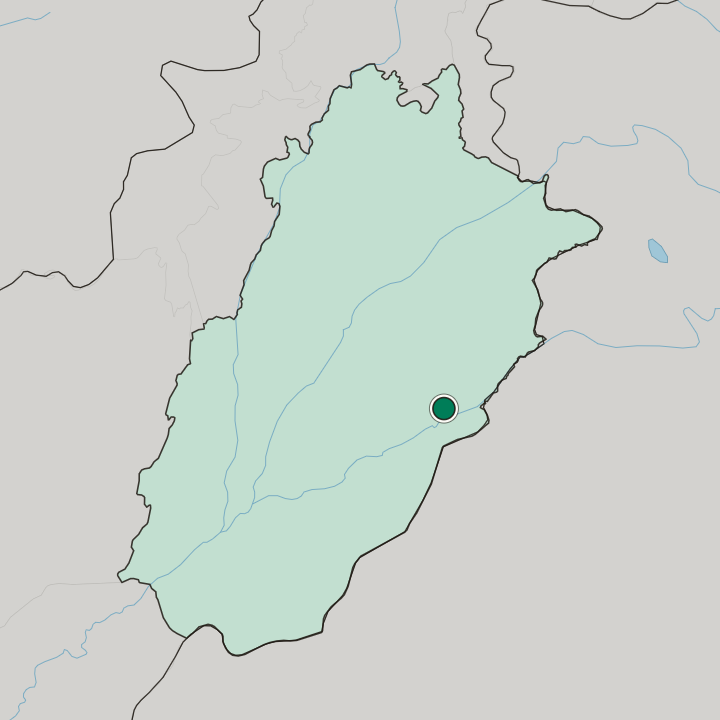
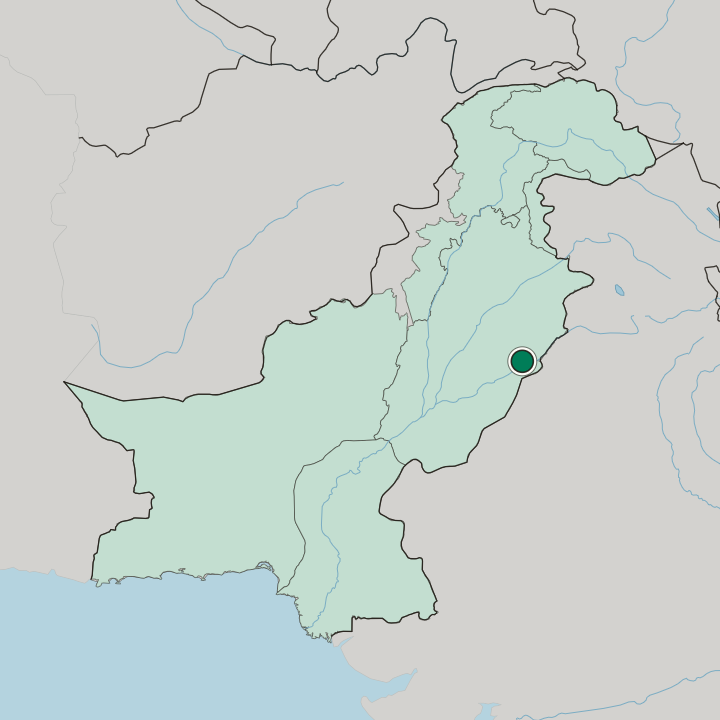
Punjab is the setting. Pakpattan lies in the Pakistani province of Punjab, within the subtropical band of the northern hemisphere, and the city anchors the district that carries its name across hundreds of square kilometres of surrounding country. Relief is not the story.
What shapes the approach instead is a pattern of settlement feeding into one administrative and religious centre, with the quarter around Baba Farid's shrine at its core.
What is the climate of Pakpattan?
Subtropical Punjab sets the terms. Pakpattan sits in the subtropical band, which across this part of Pakistan means a long hot stretch through the middle of the year and a much shorter cool one at either end of it. Cover from the sun is hard to find.
Pilgrims arriving for the urs fair feel the season more sharply than most, since the gathering is spent largely outdoors in the courtyards and lanes around the shrine of Baba Farid.
How do you get to Pakpattan?
Everything reaches Pakpattan by road. Arrival at Pakpattan is overland, along the routes that converge on the town in its role as headquarters of Pakpattan District, with the larger centres of Punjab supplying onward connections across Pakistan. The urs changes the picture.
For the days of the fair the approaches carry pilgrim traffic on a scale the town does not otherwise see, and the final stretch in to the shrine of Fariduddin Ganjshakar is walked rather than driven.
Common questions
What is the best area to stay in Pakpattan?
The shrine quarter: pilgrims who want Fariduddin Ganjshakar's tomb within walking distance through the urs. The district-headquarters side: stays with business at the Pakpattan District offices rather than at the shrine.
Good for
More cities in Punjab Province
Updated September 2026